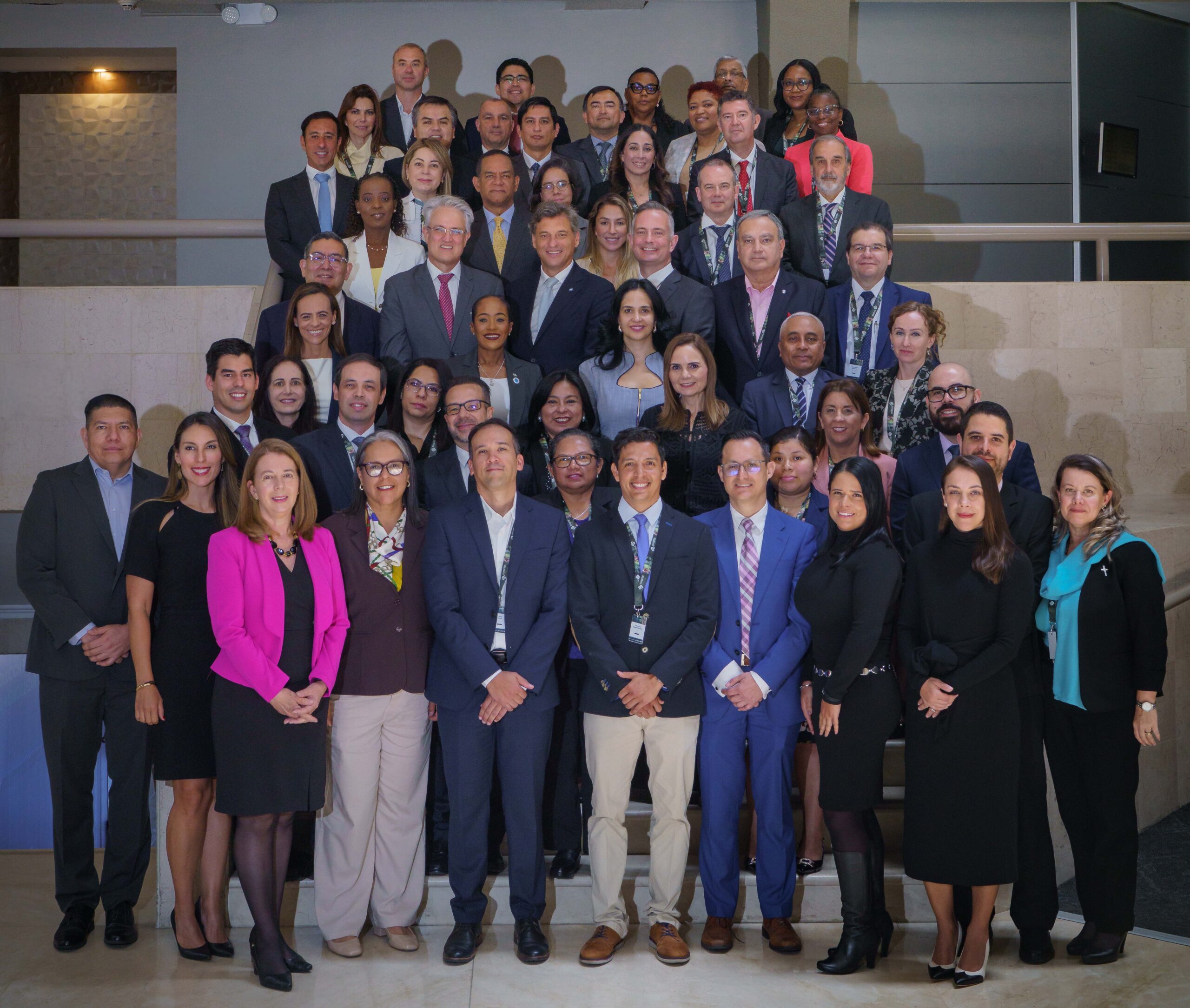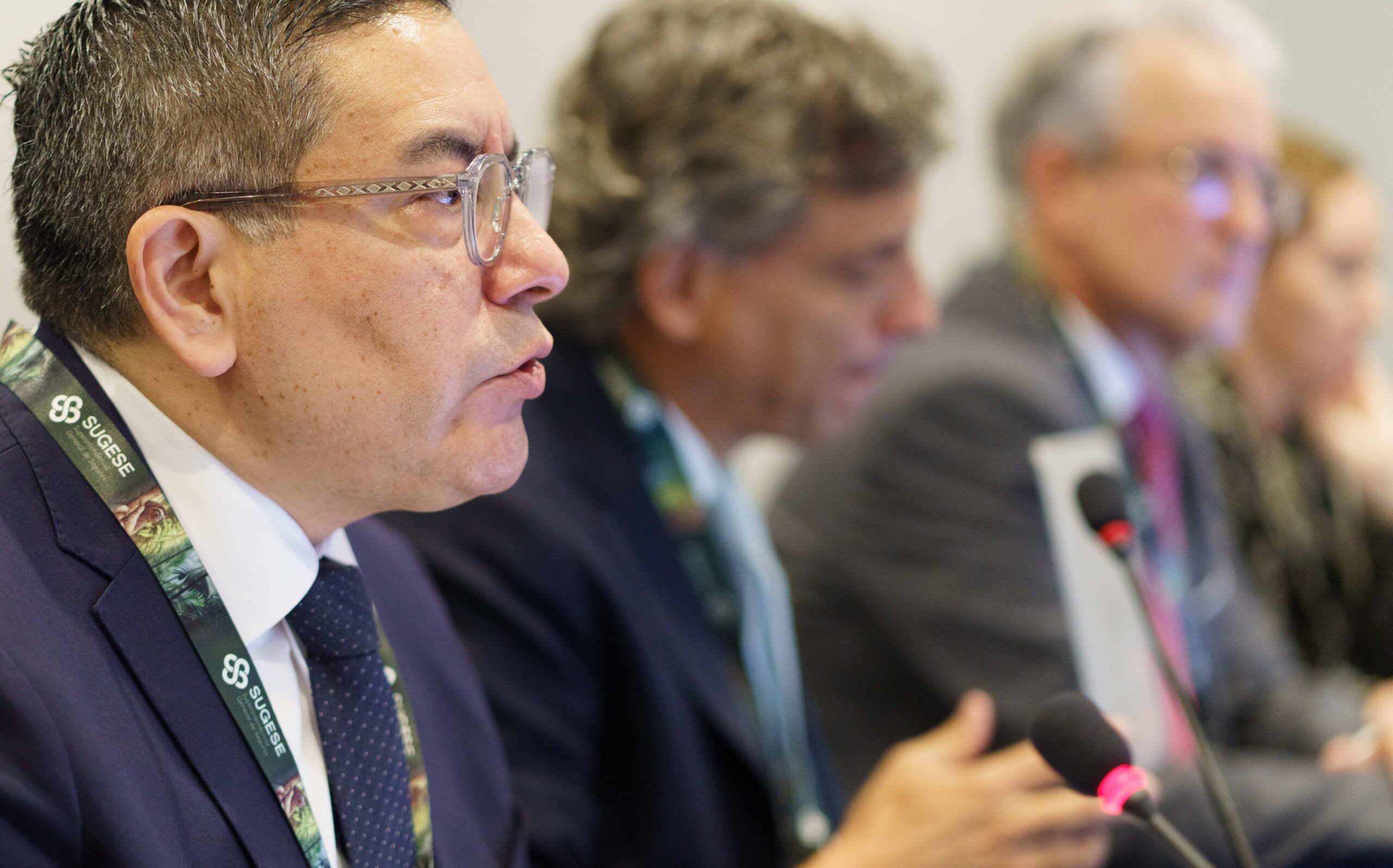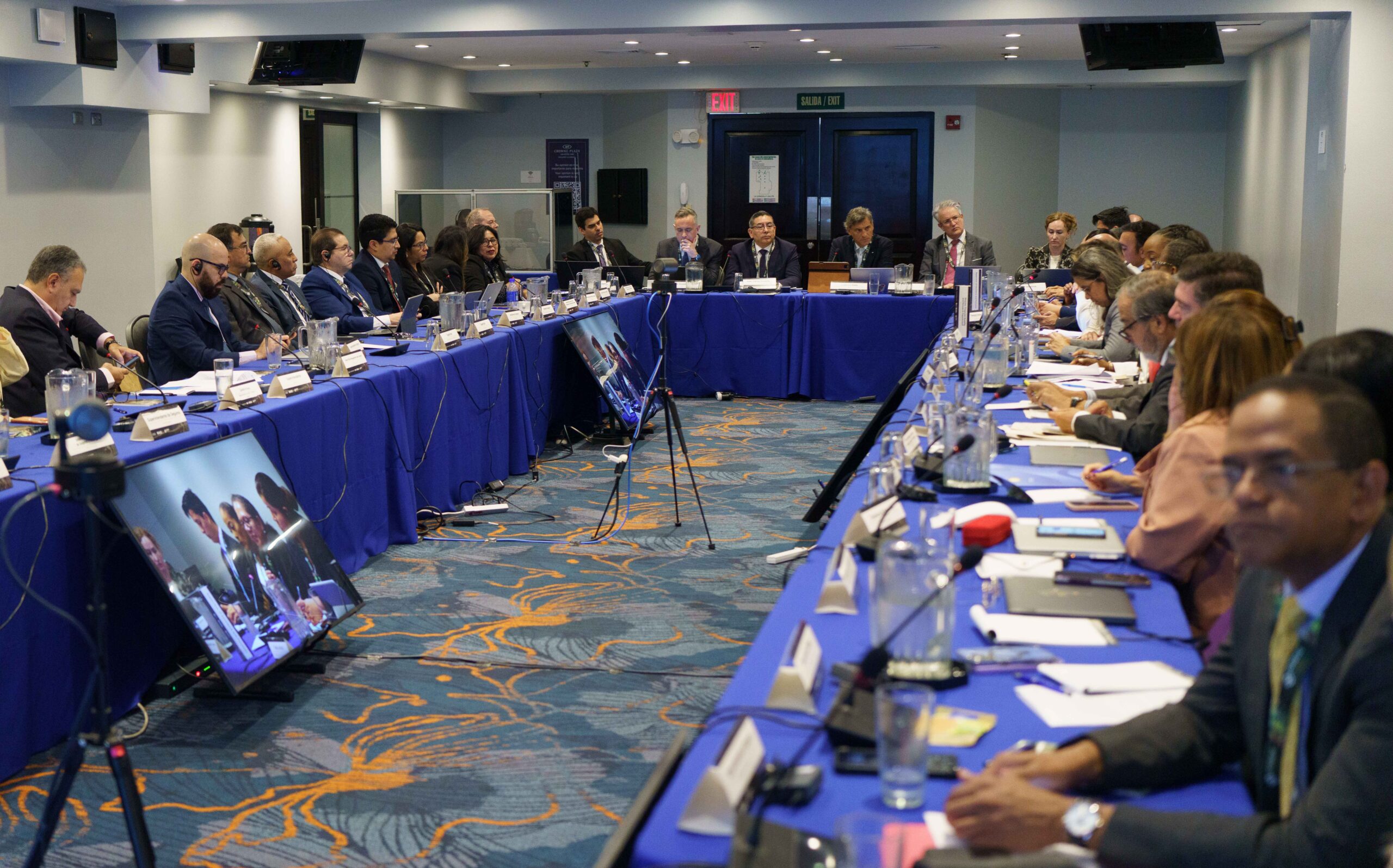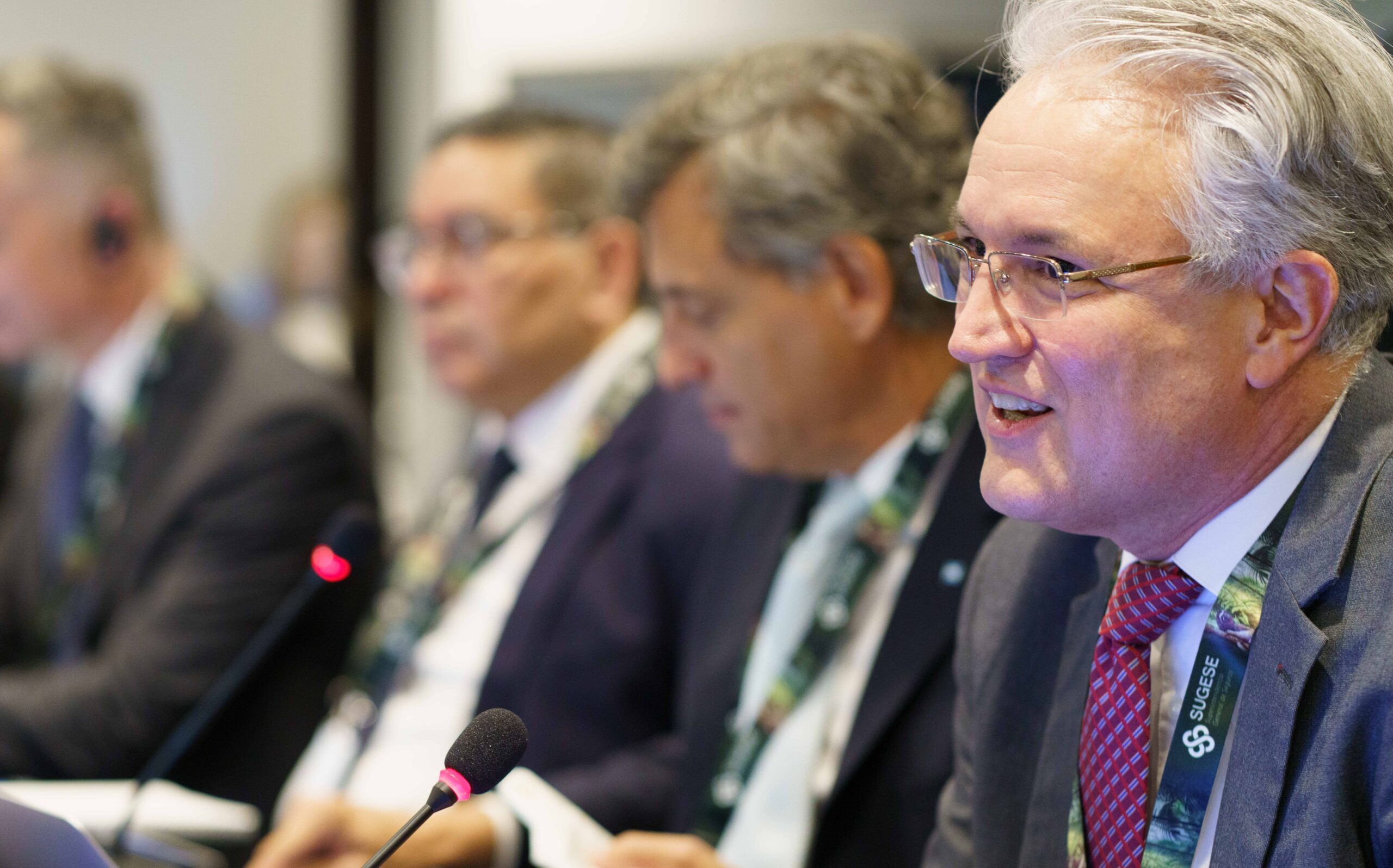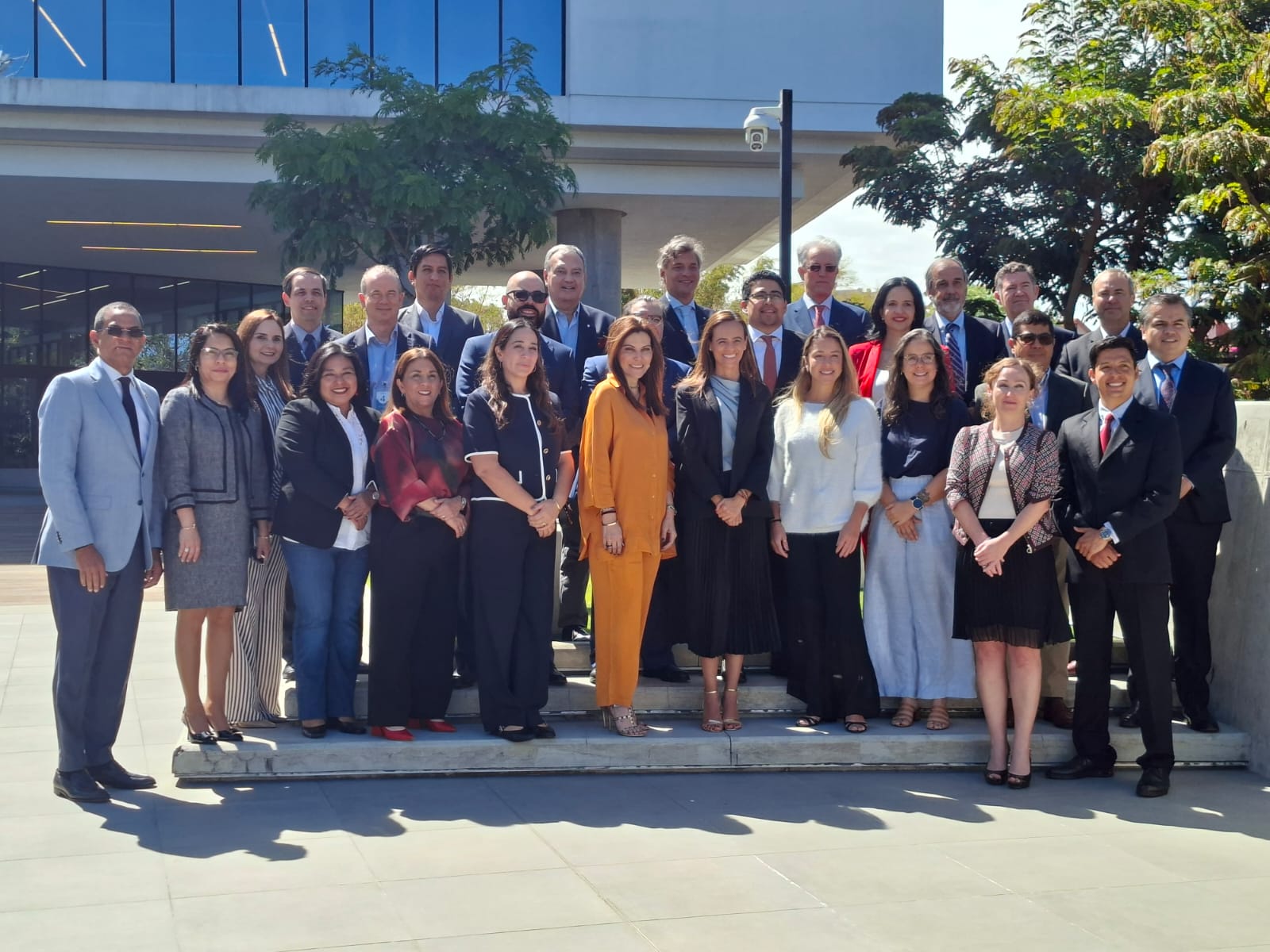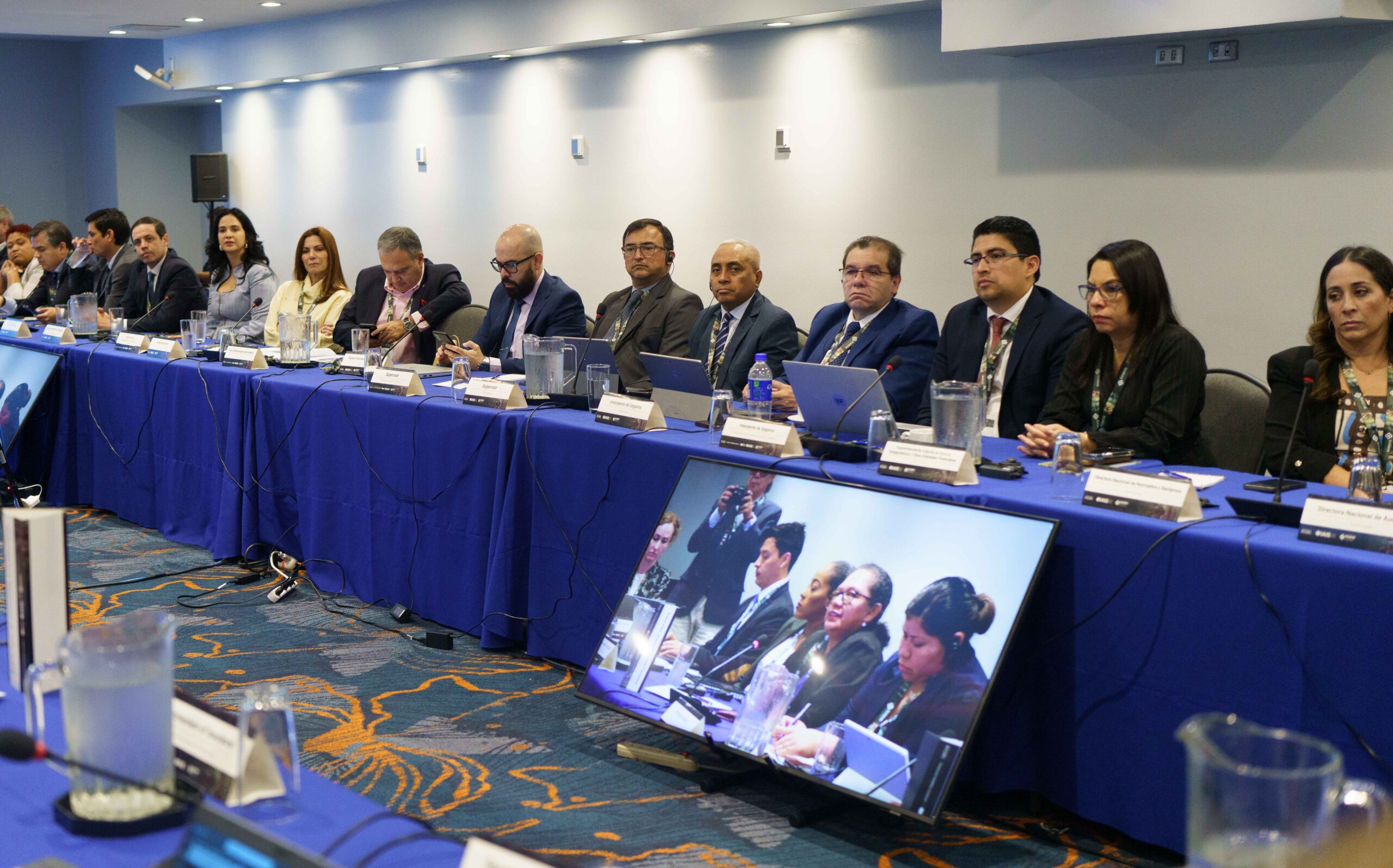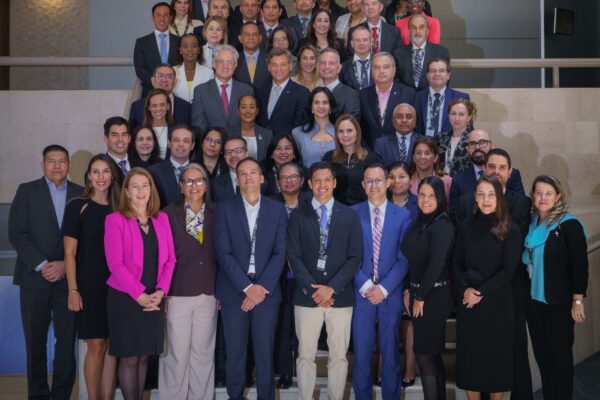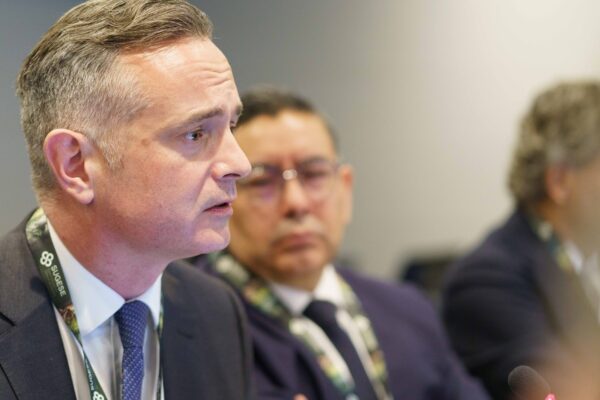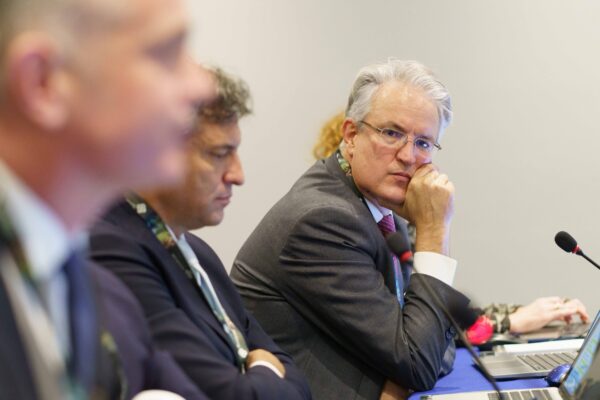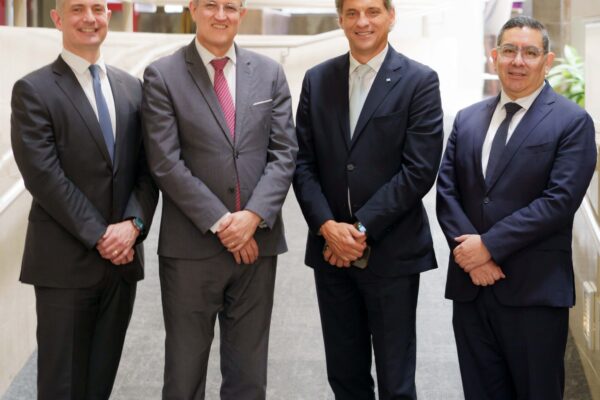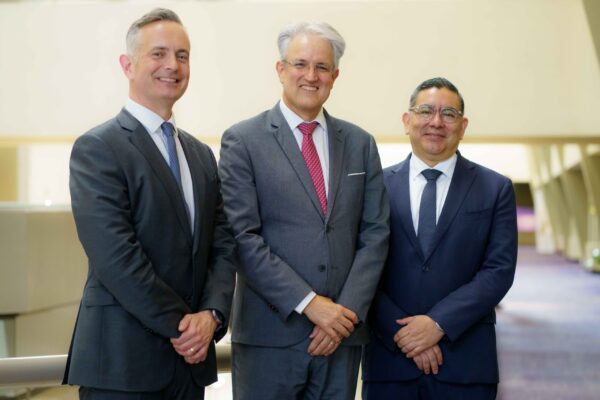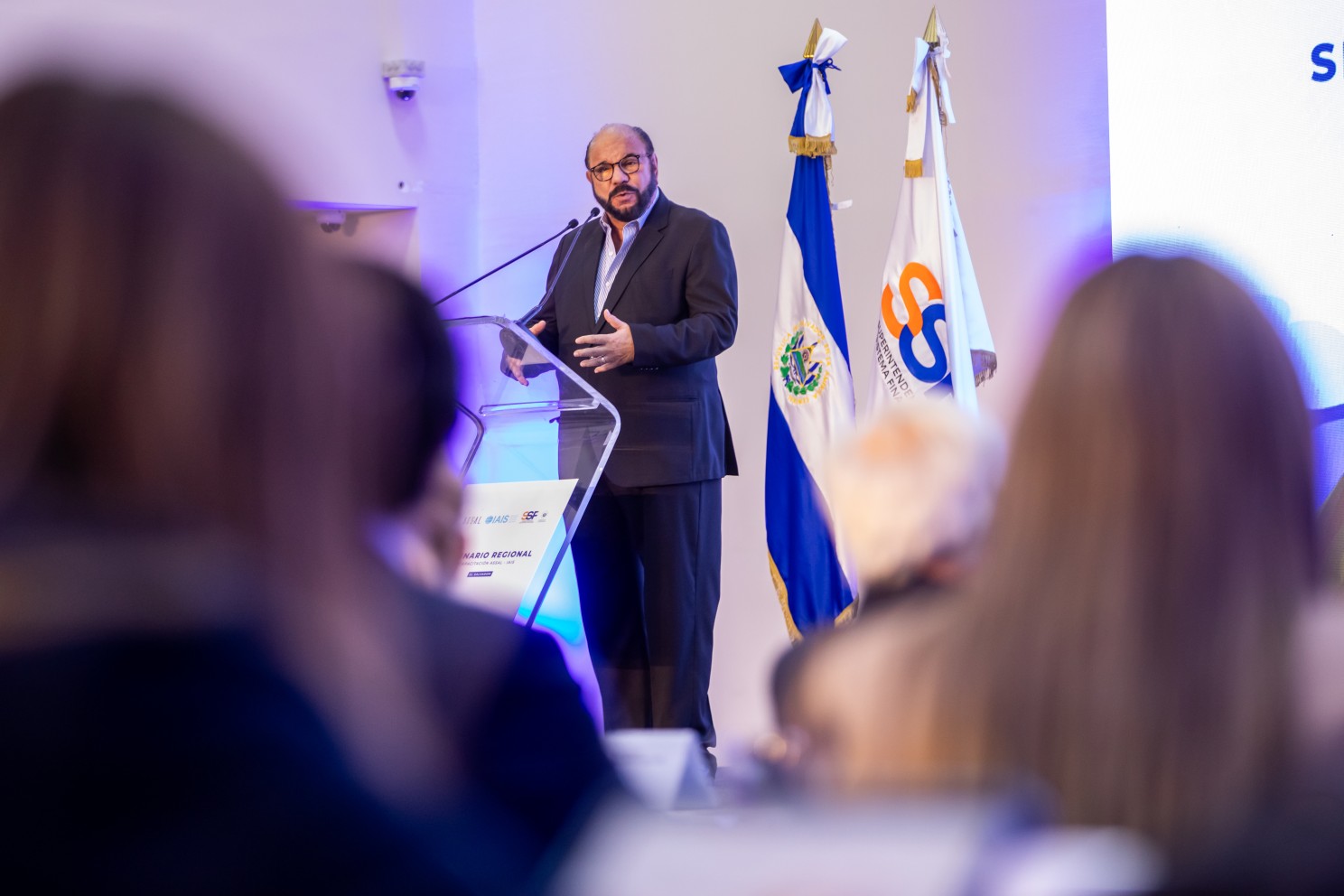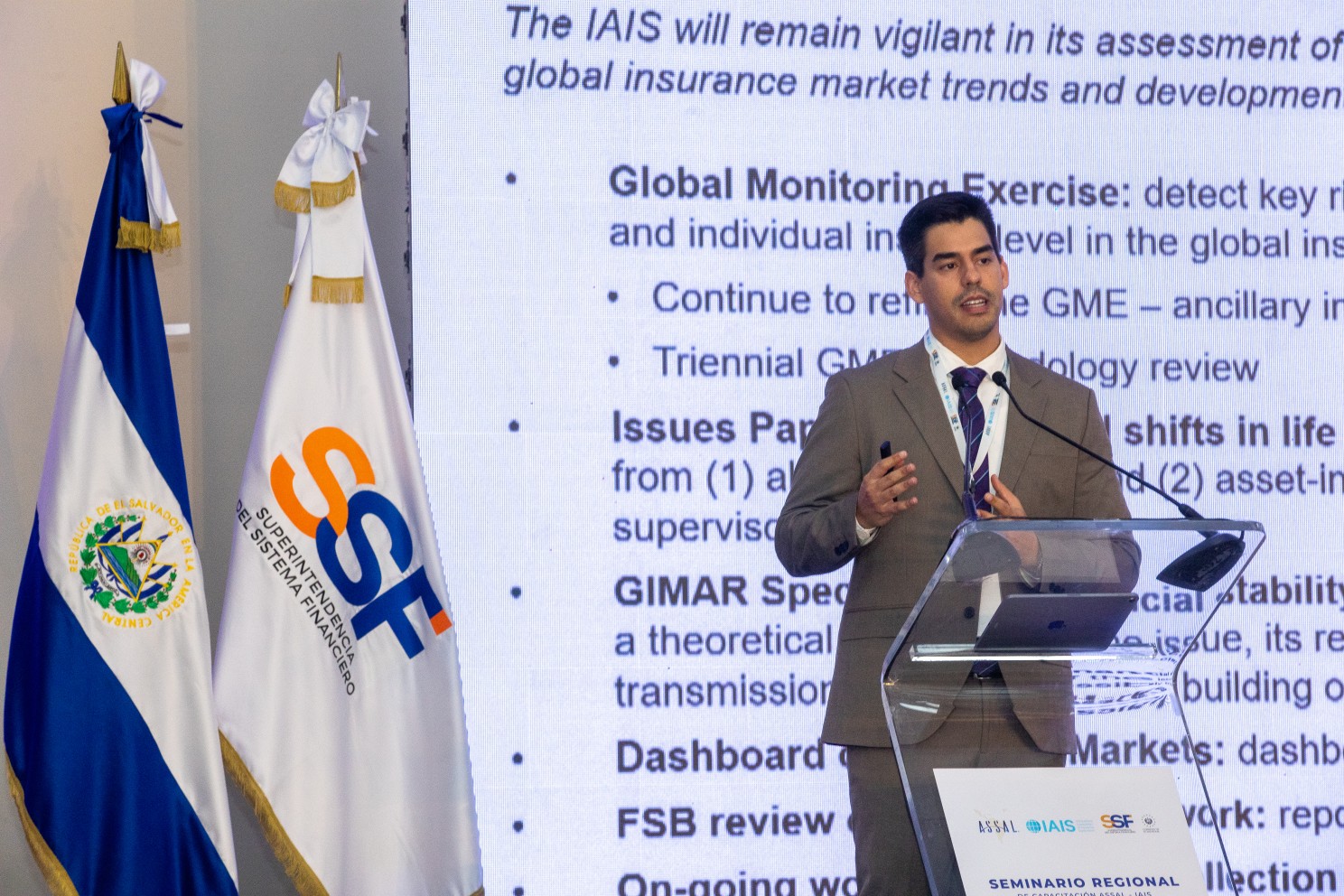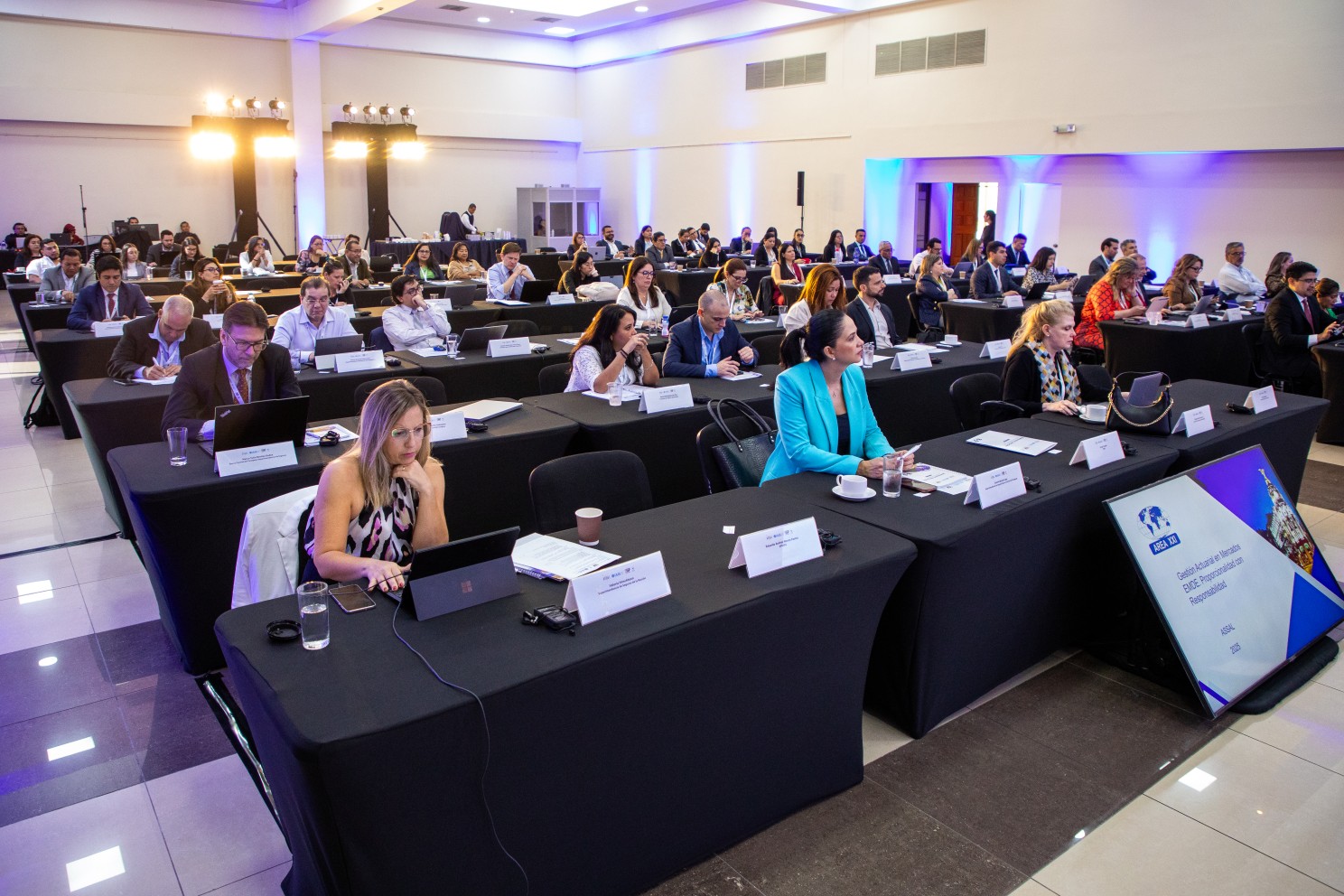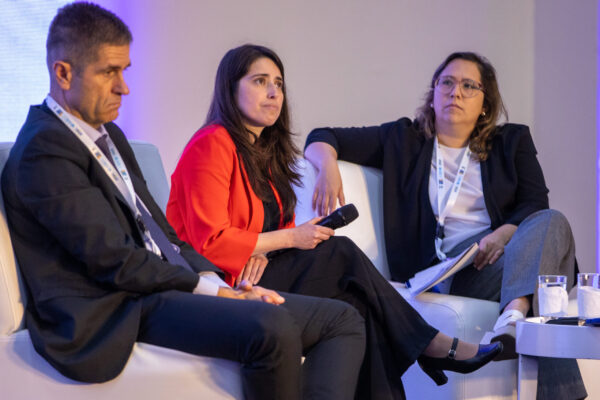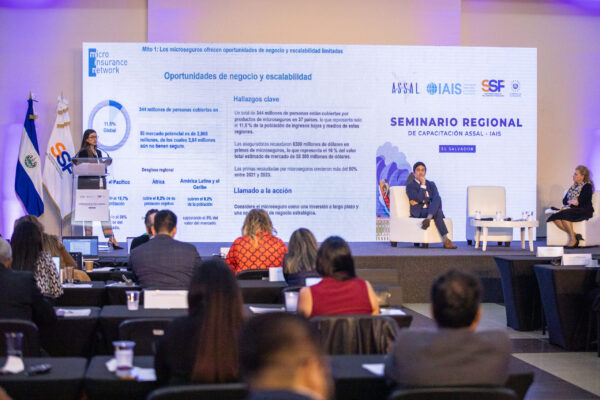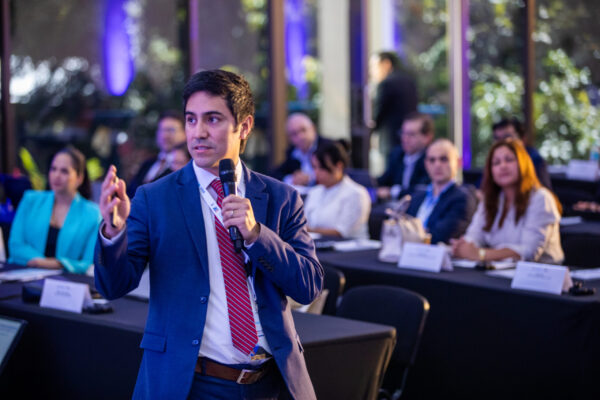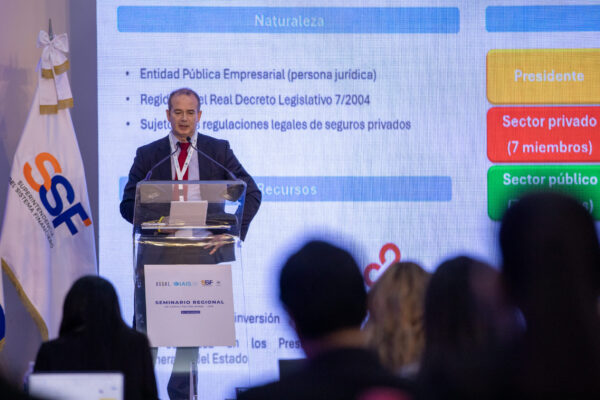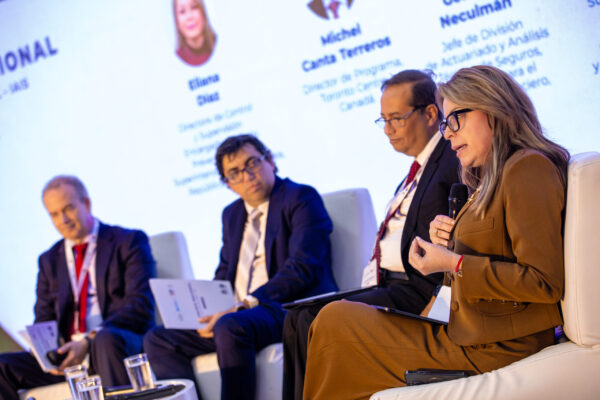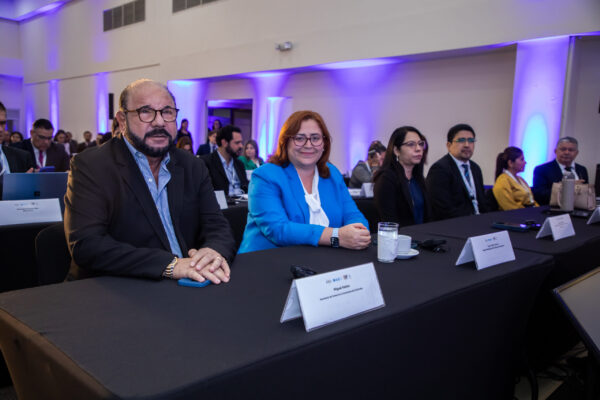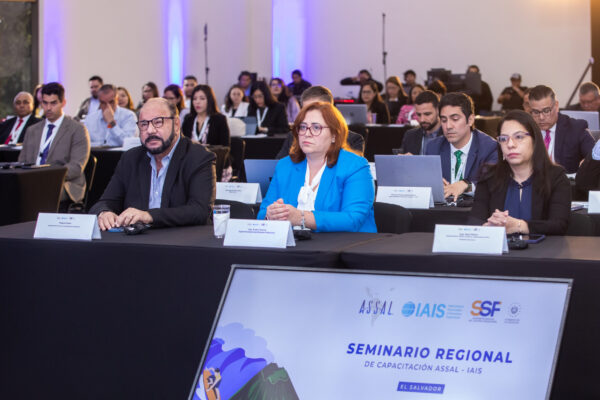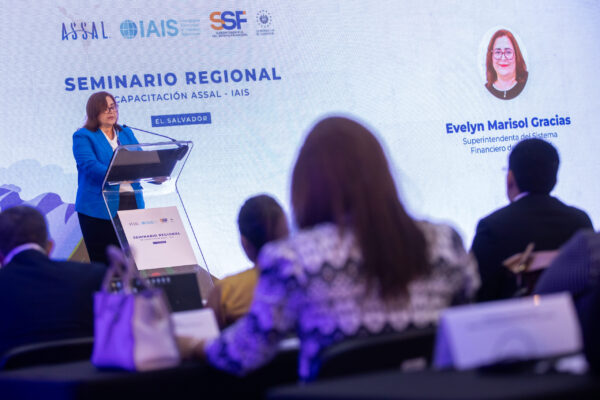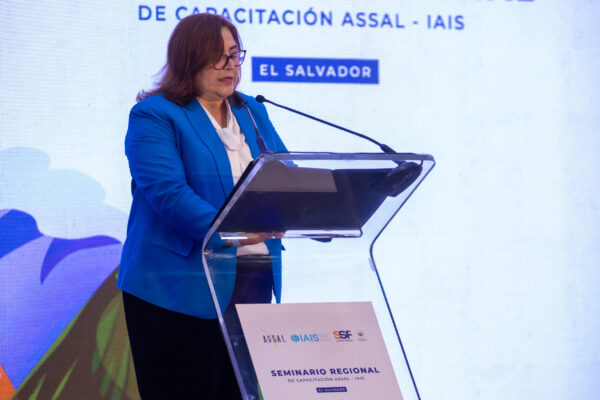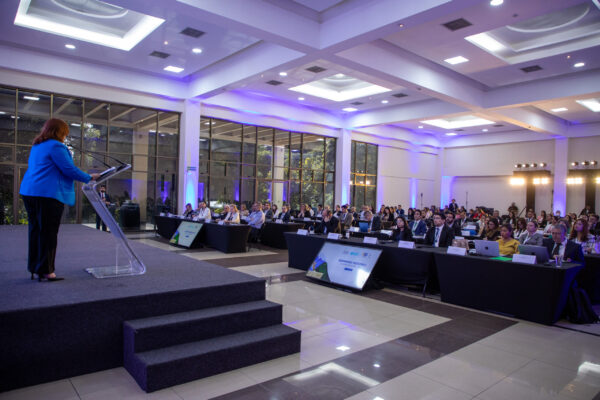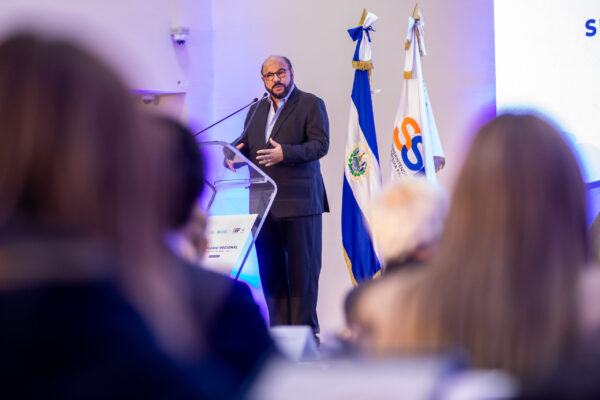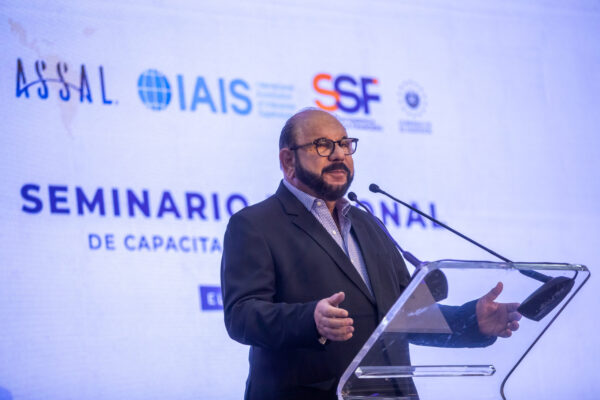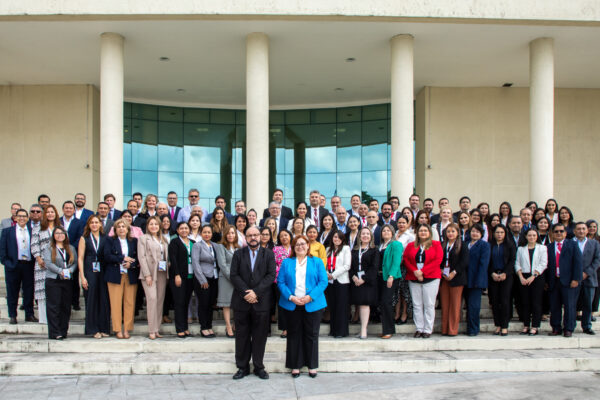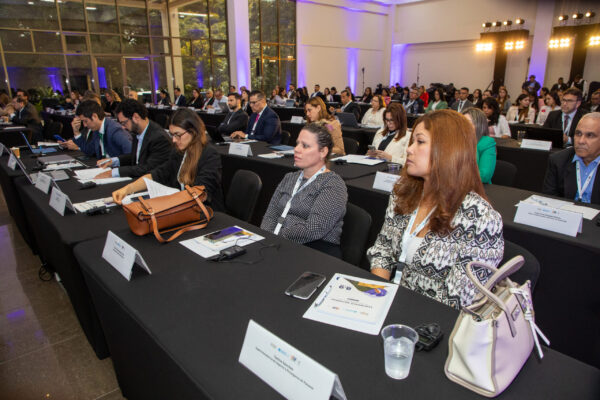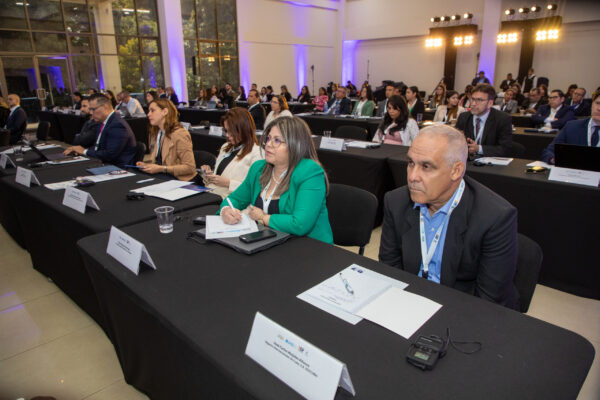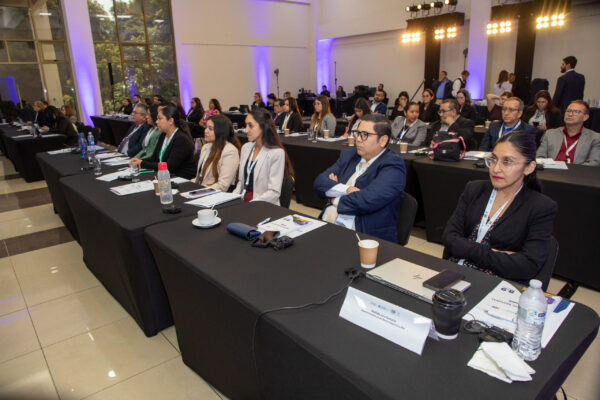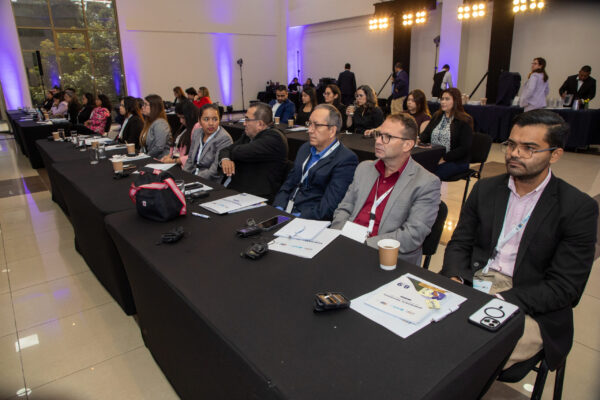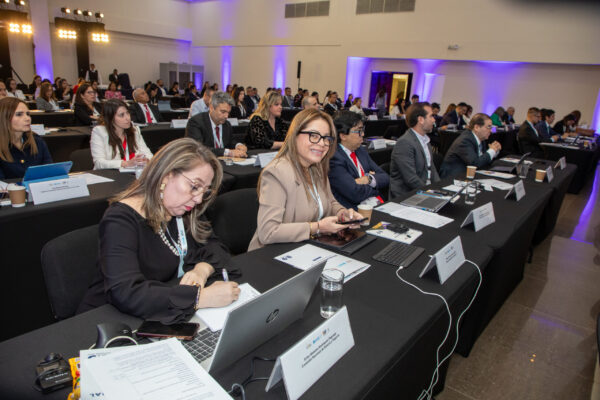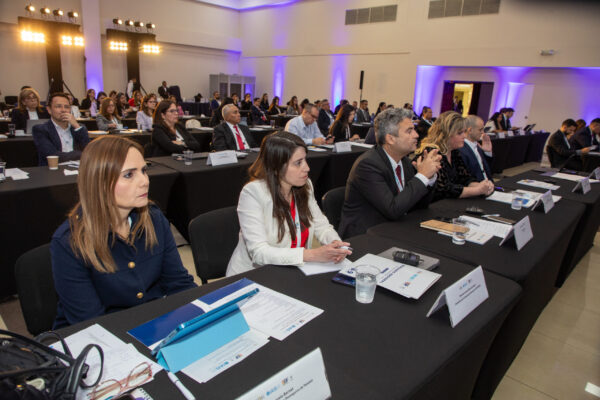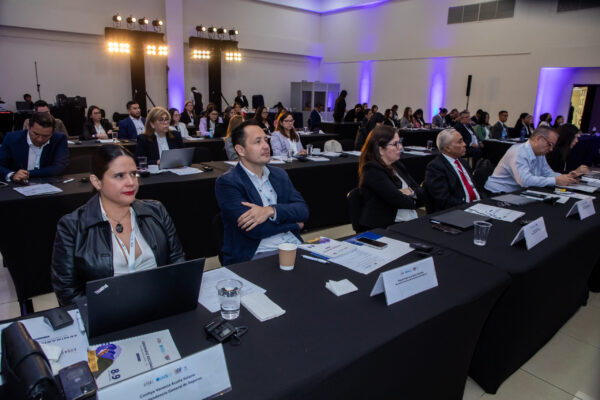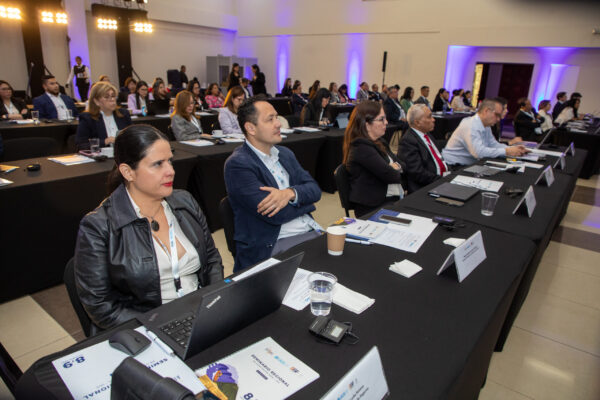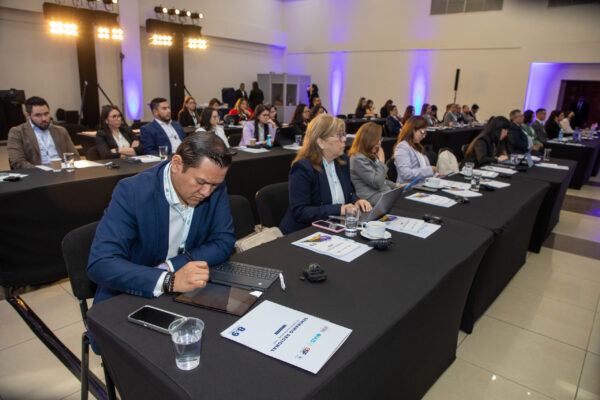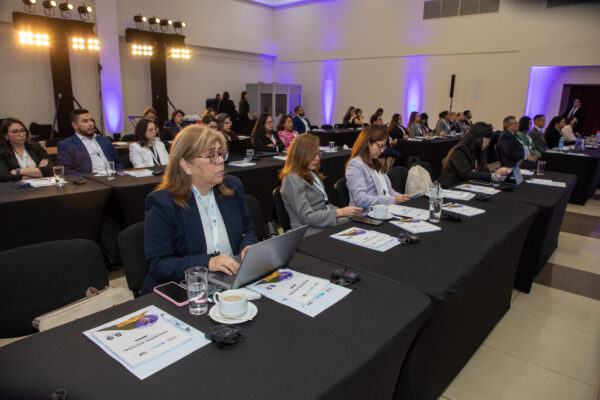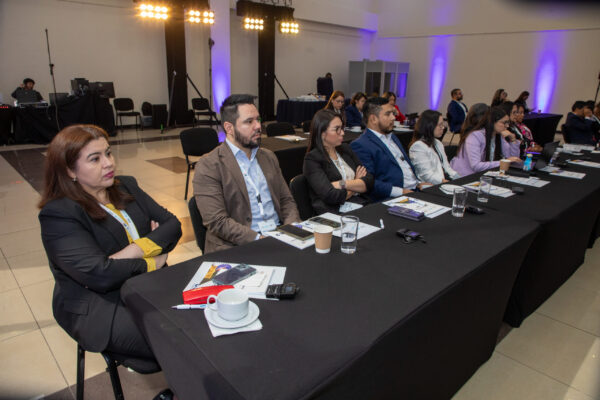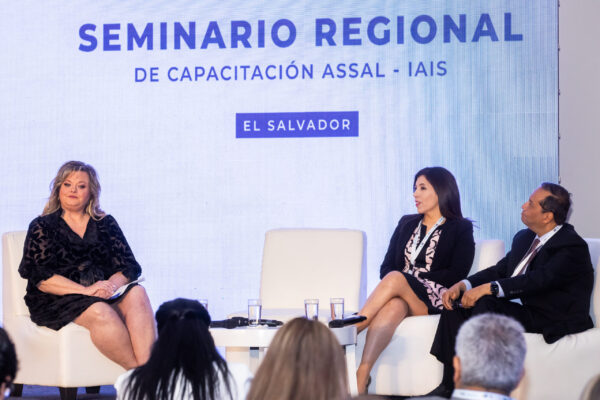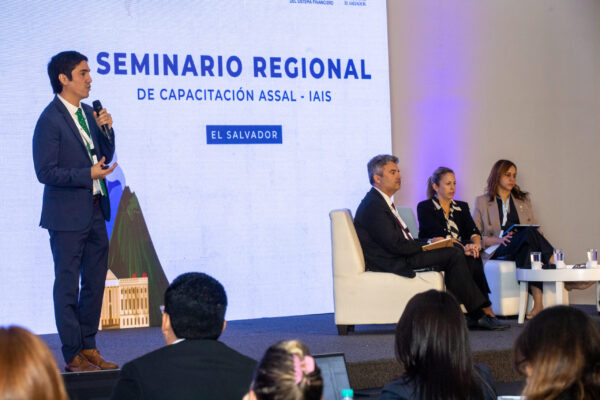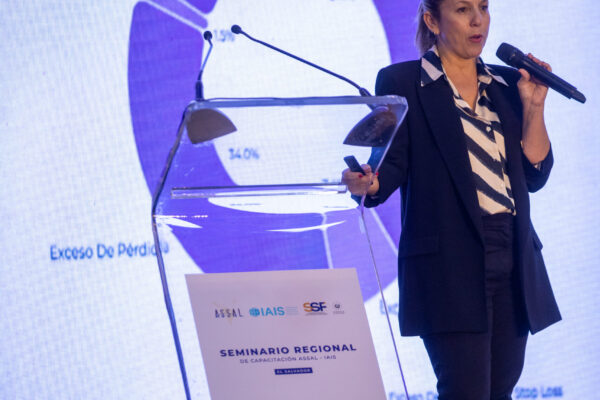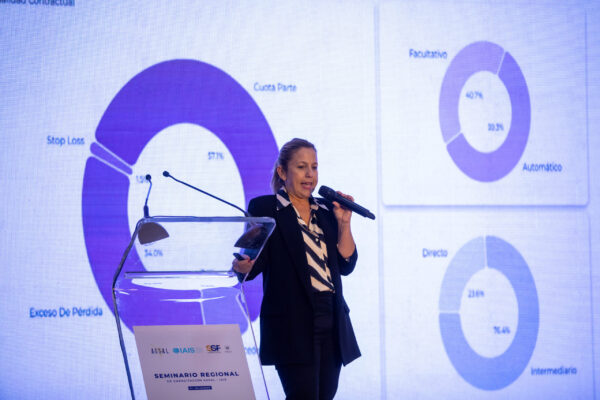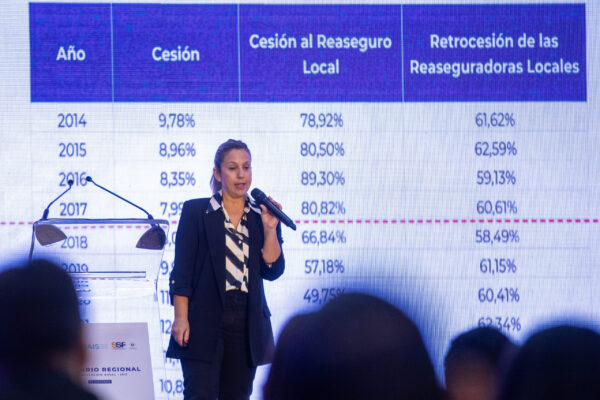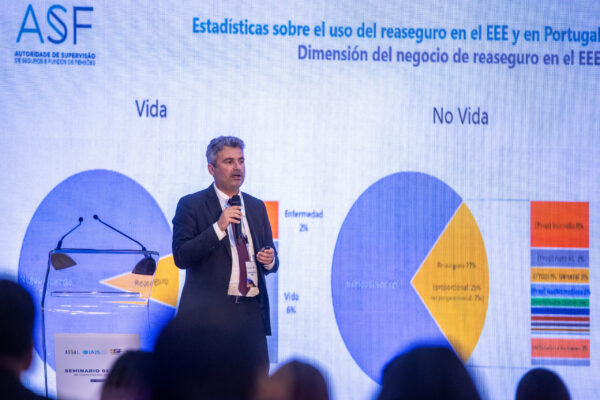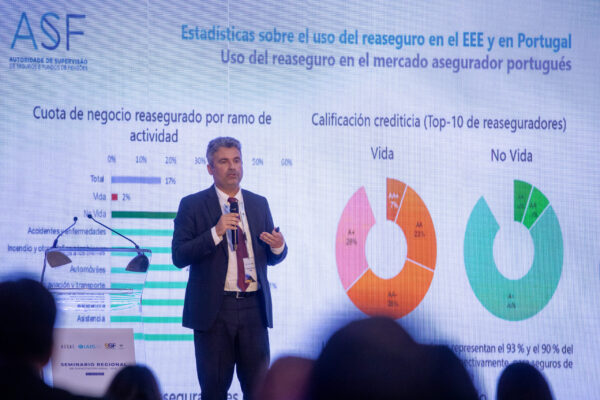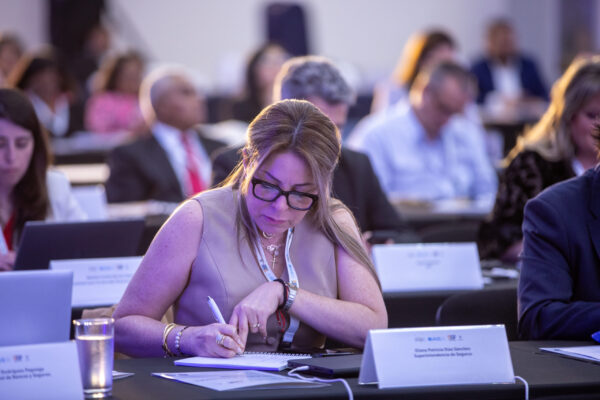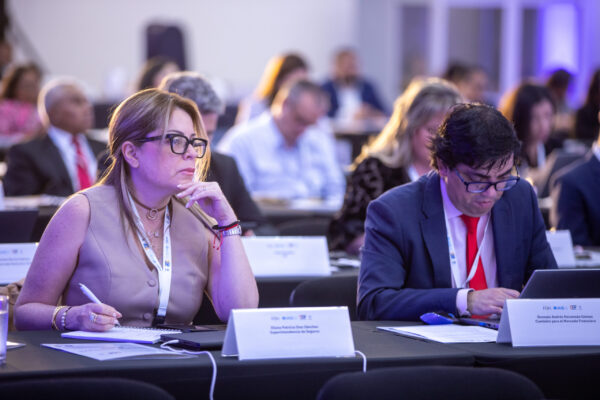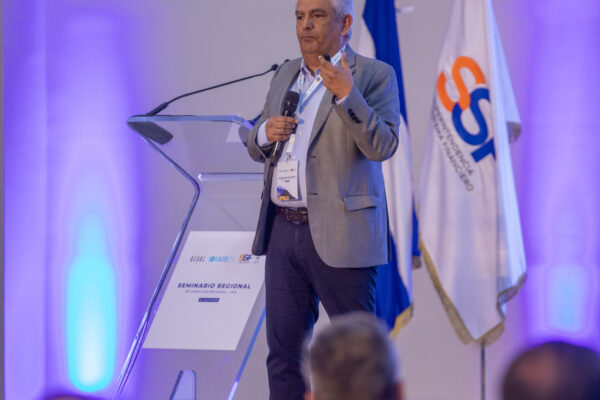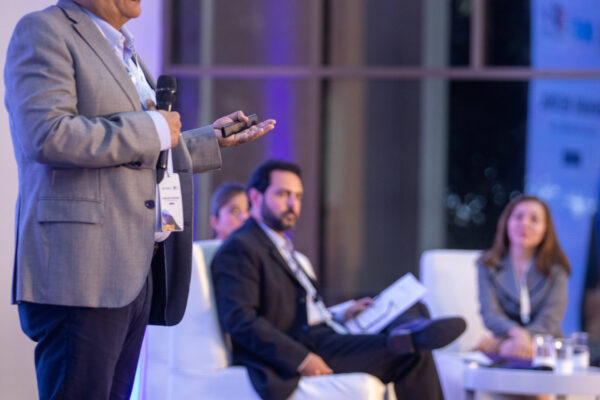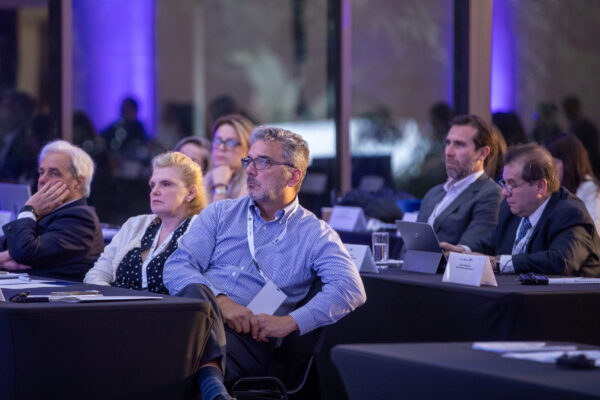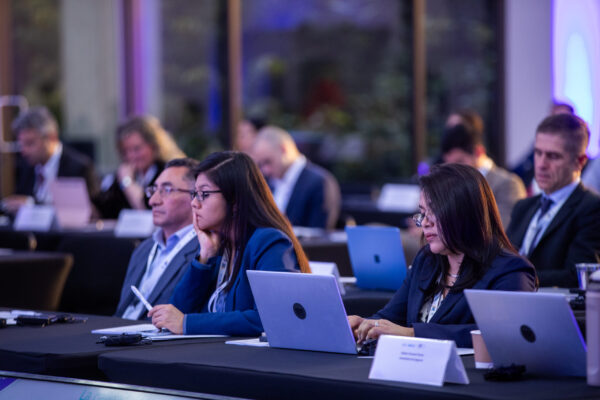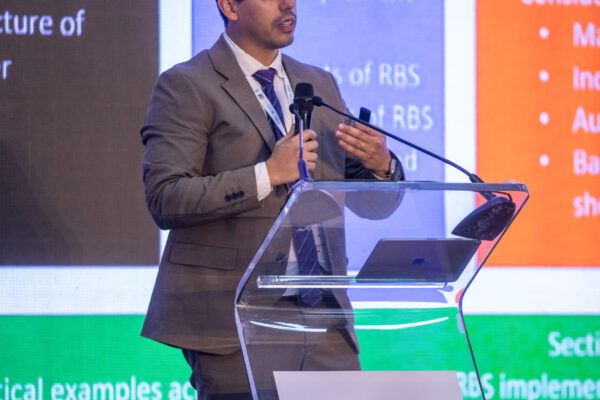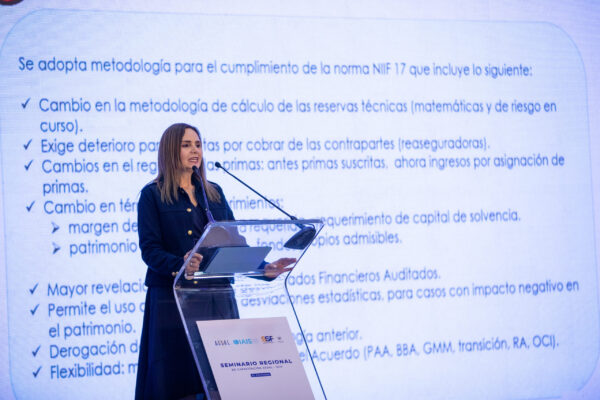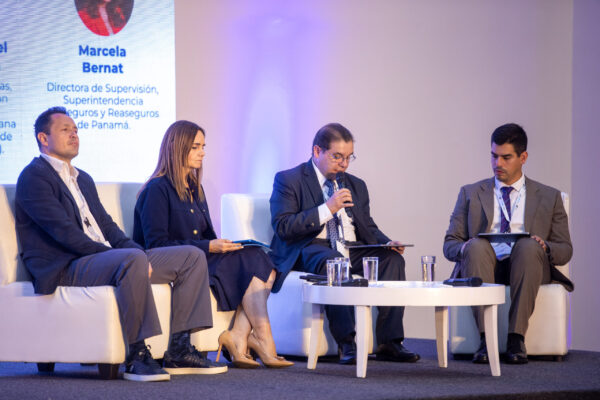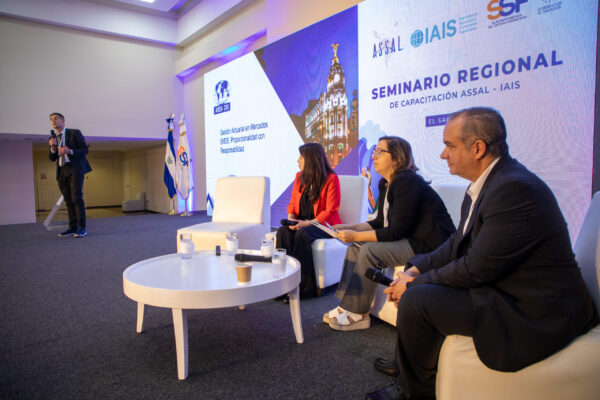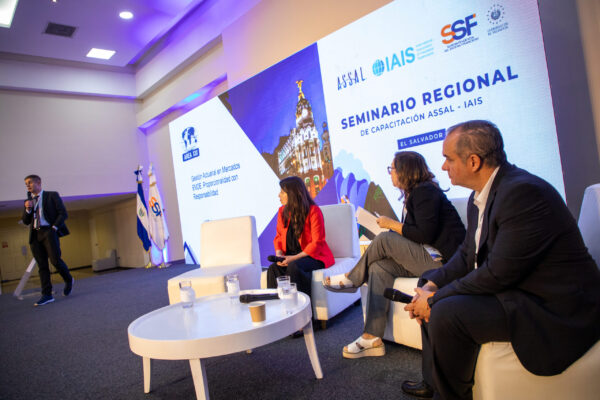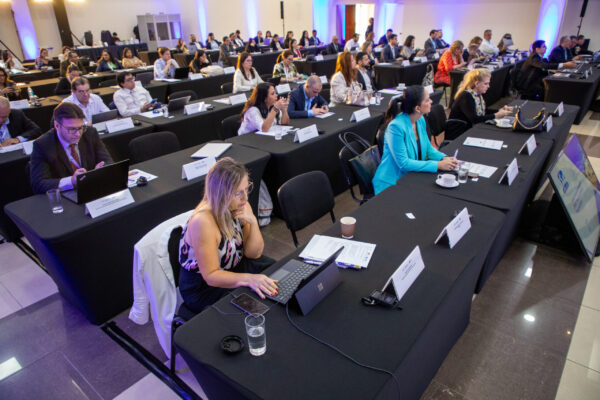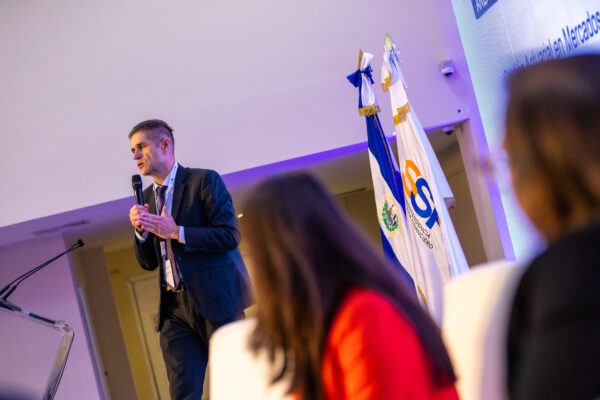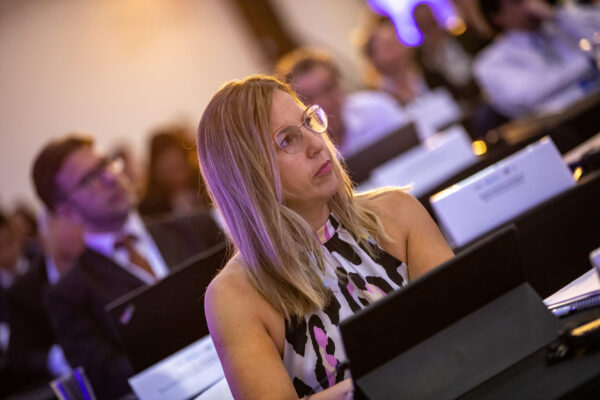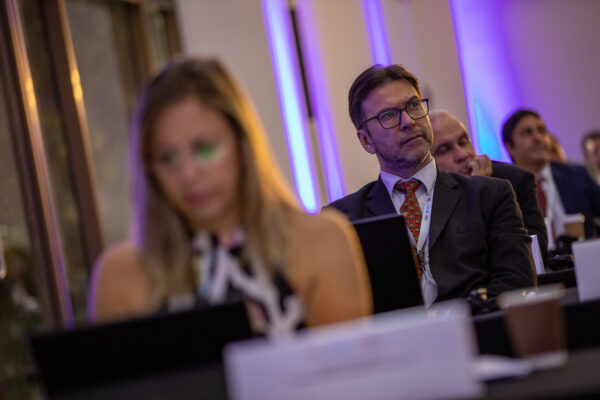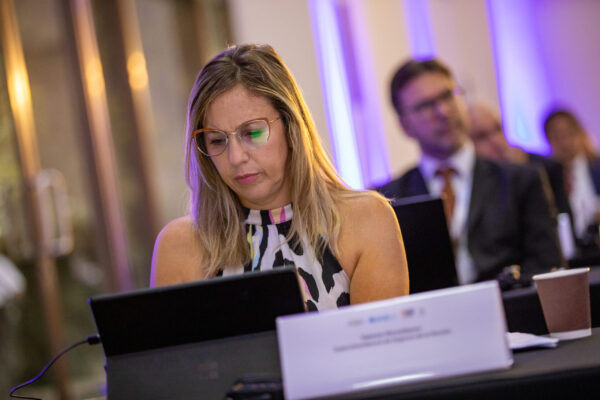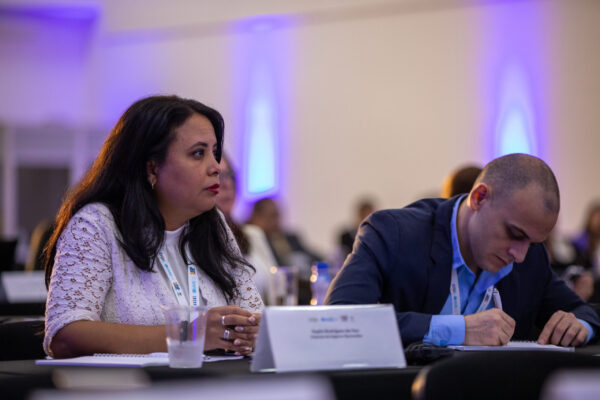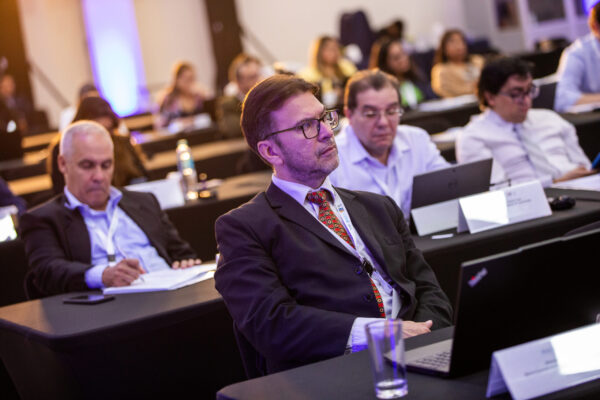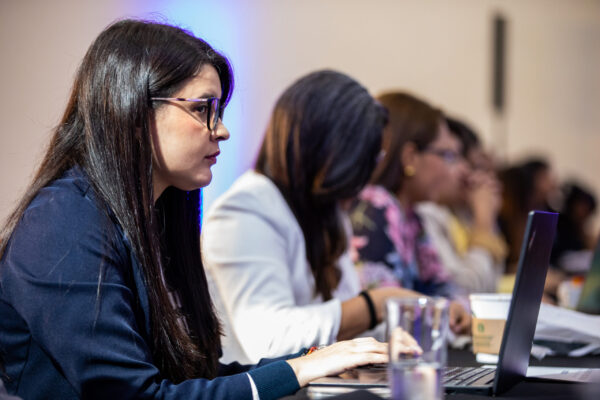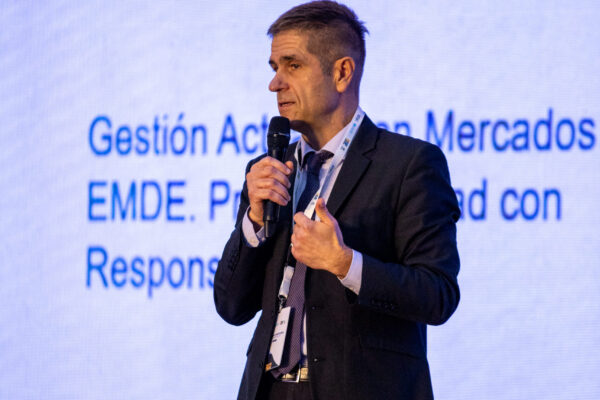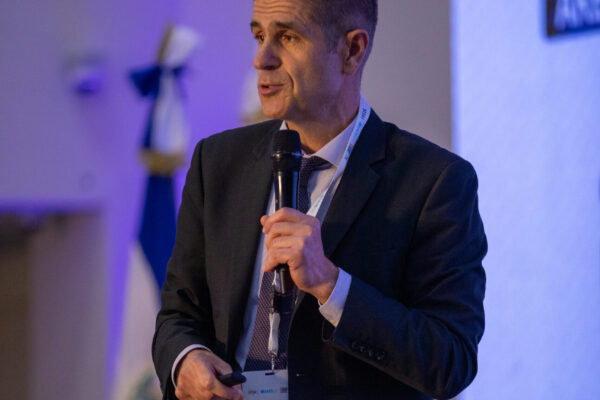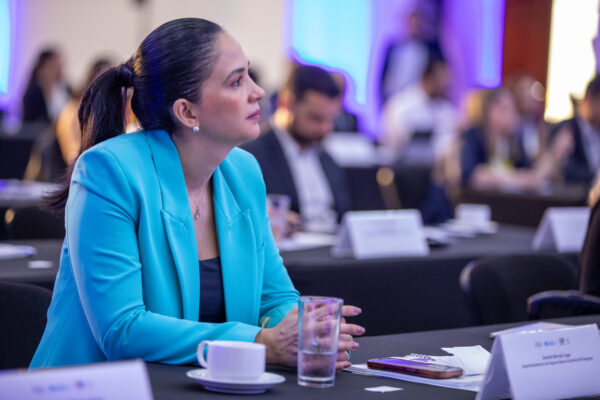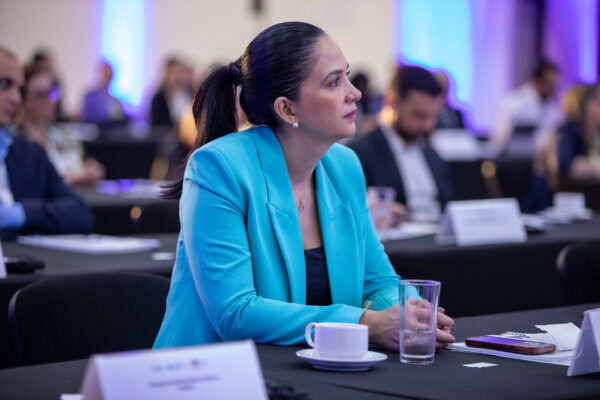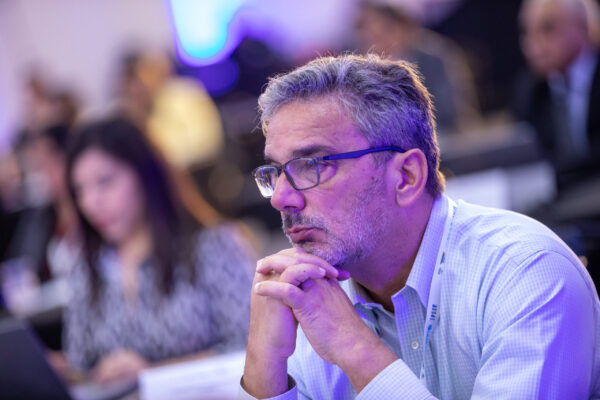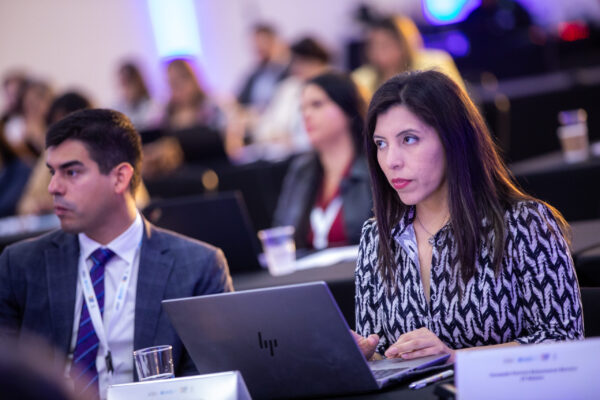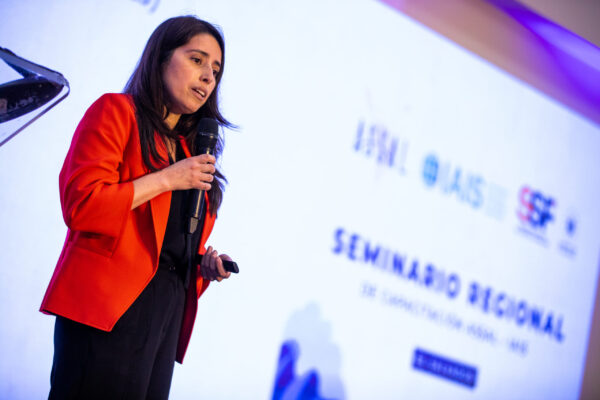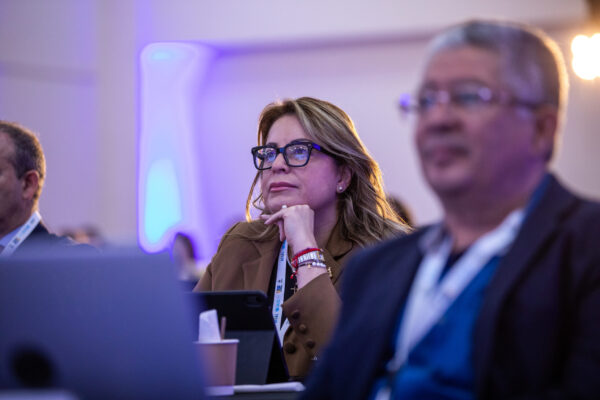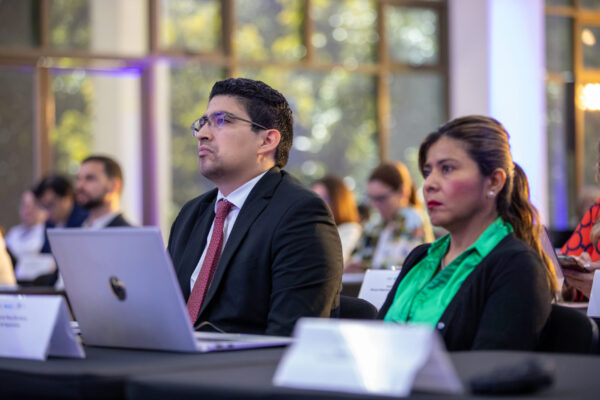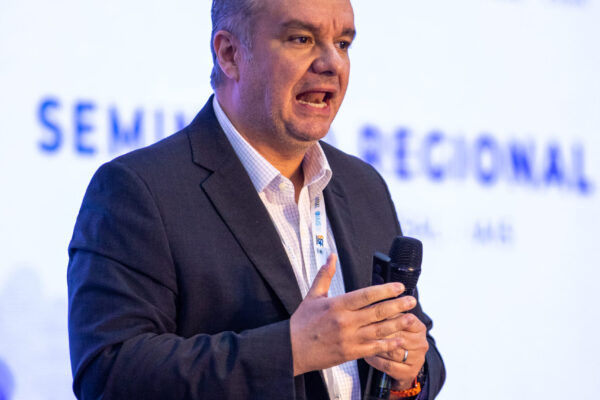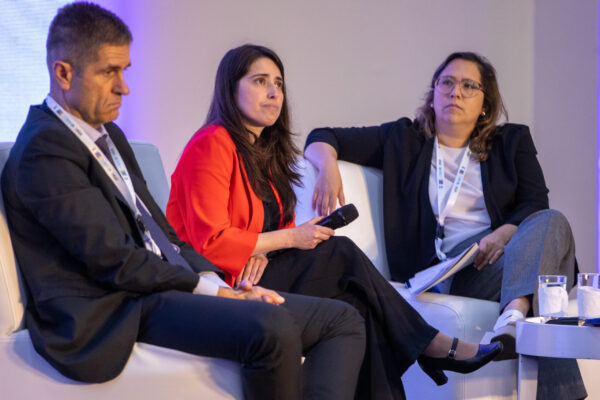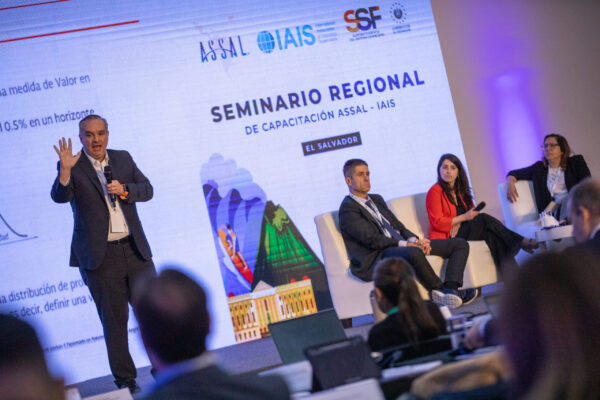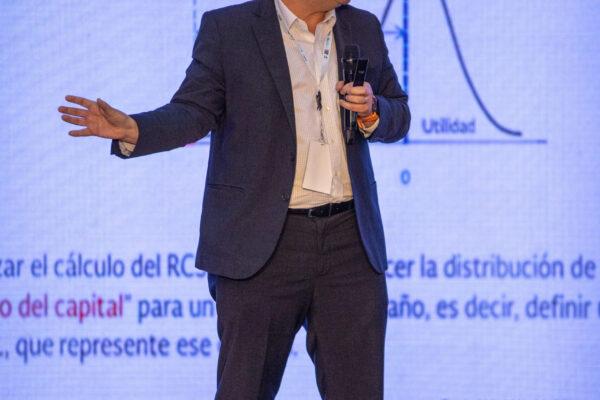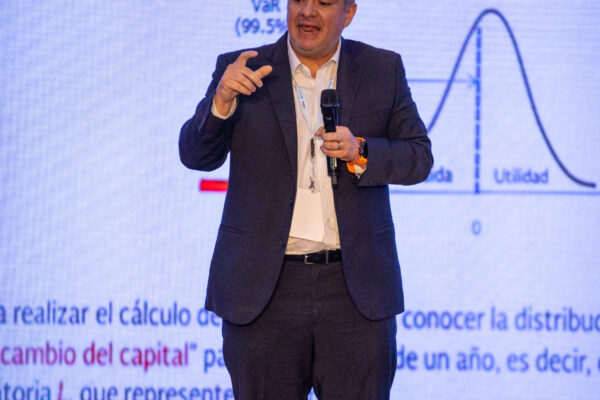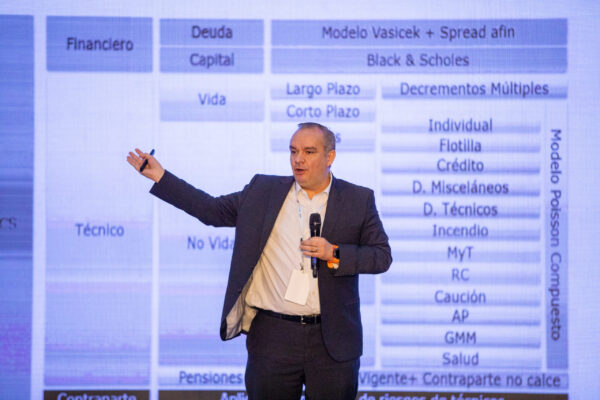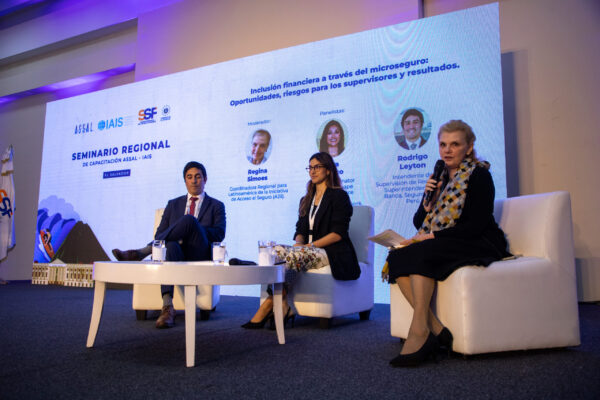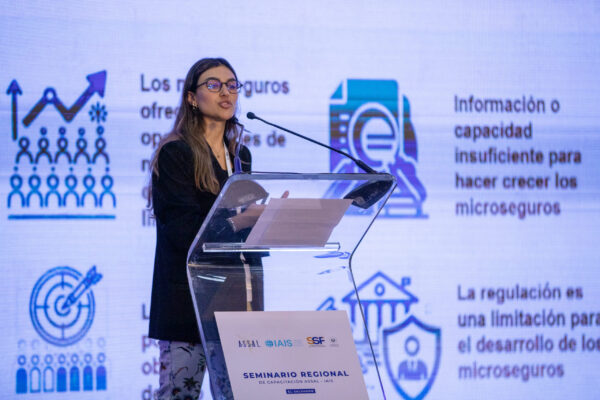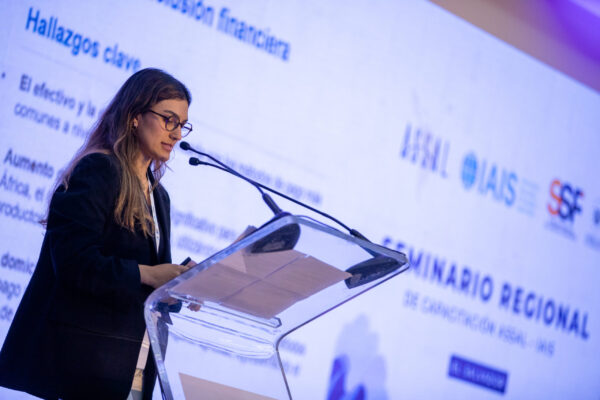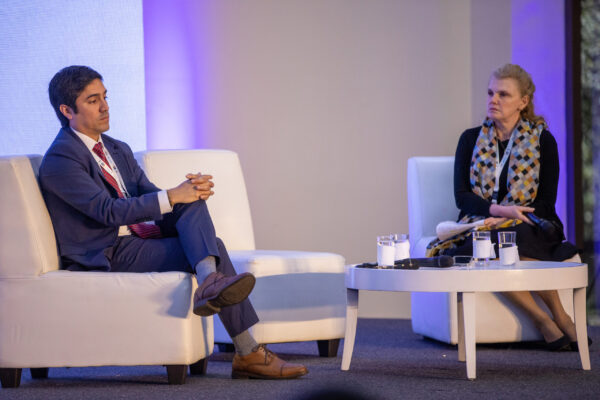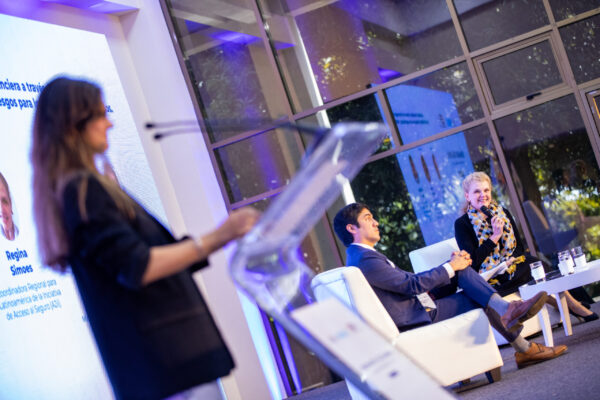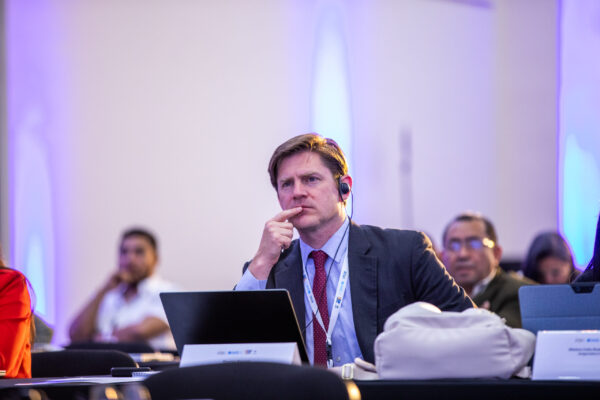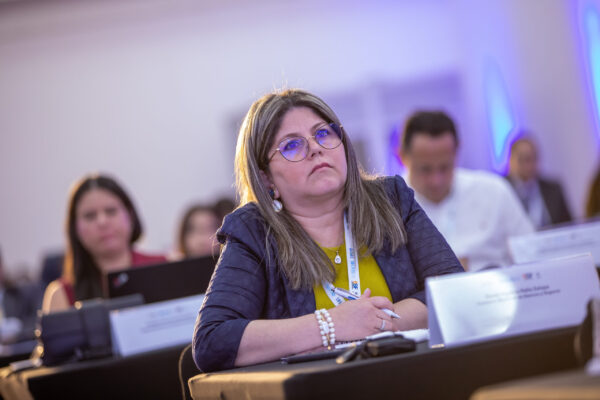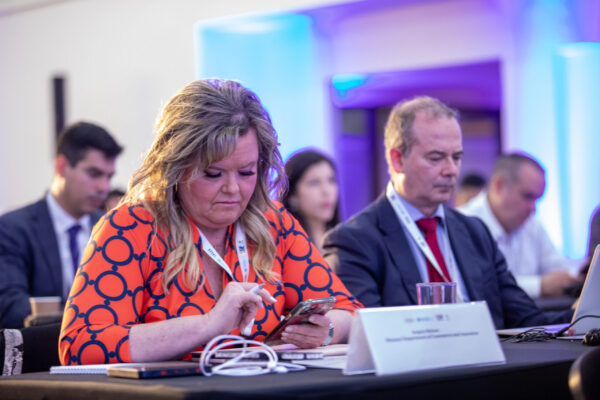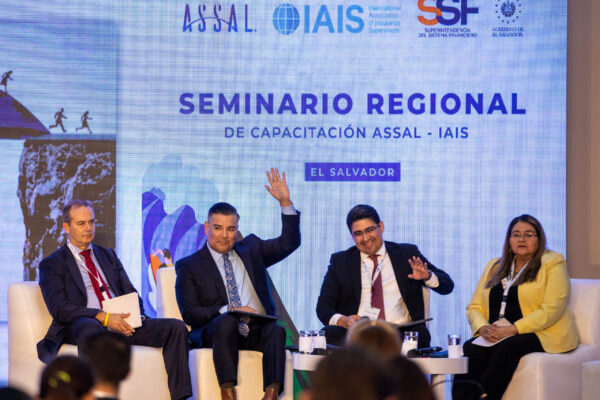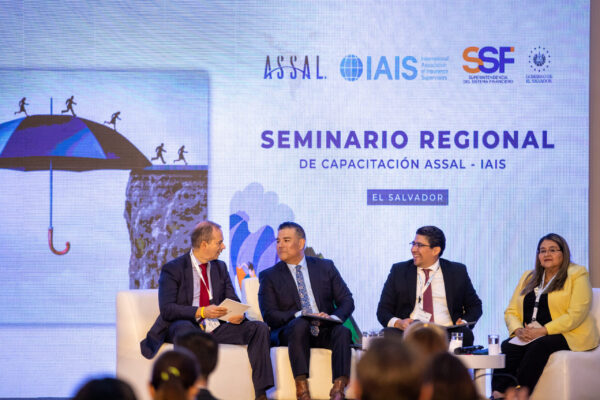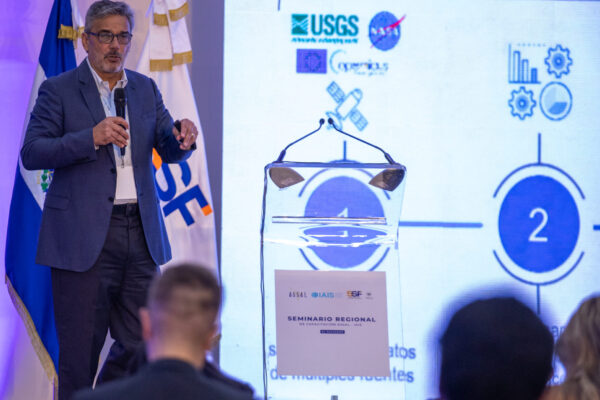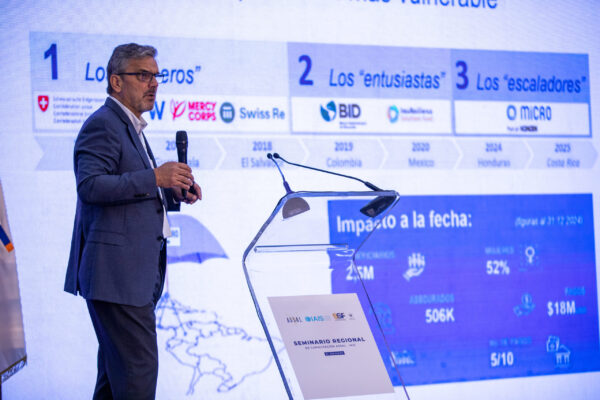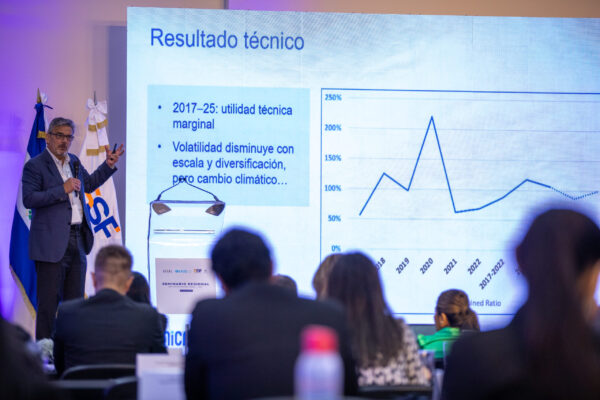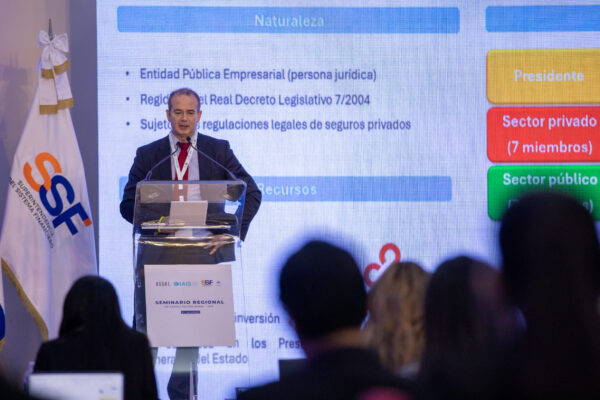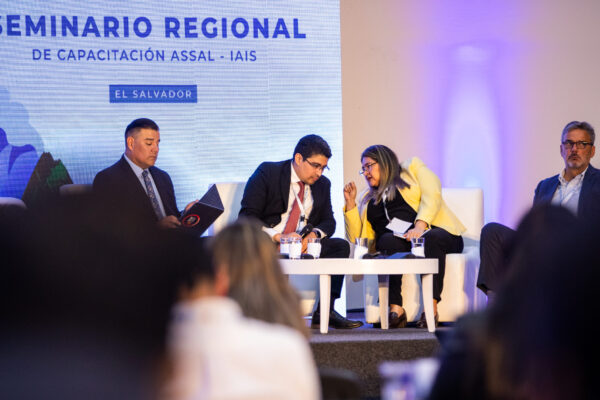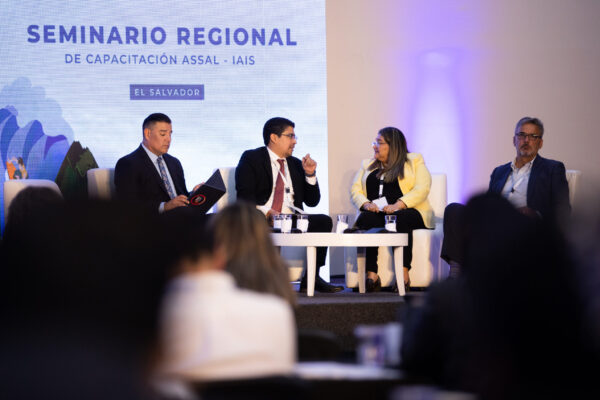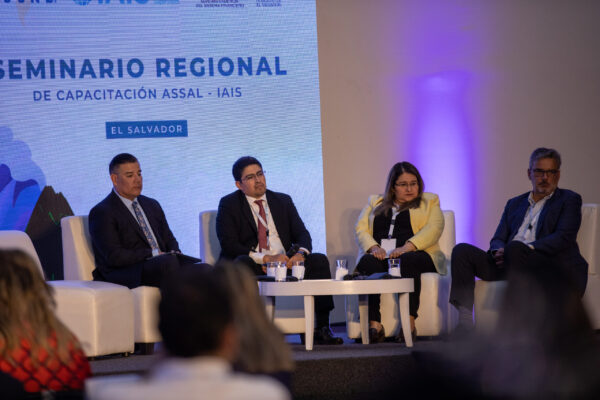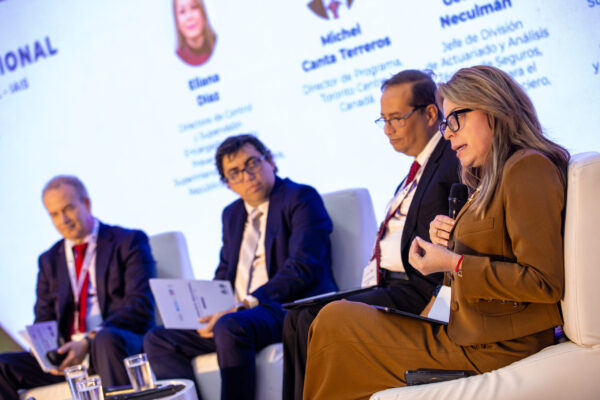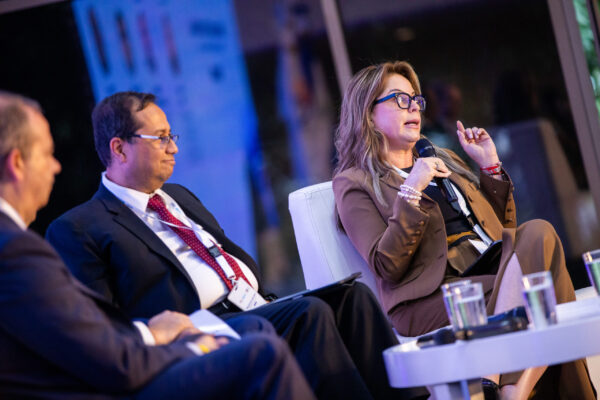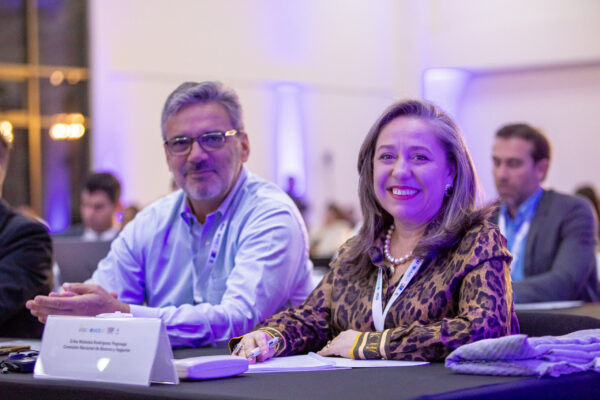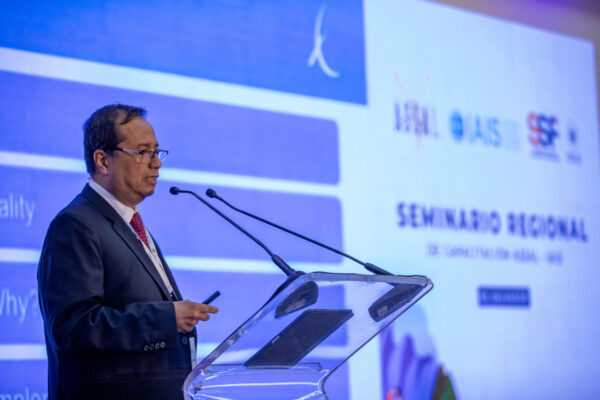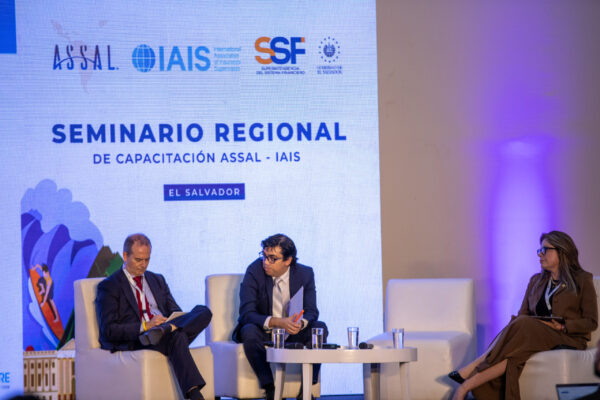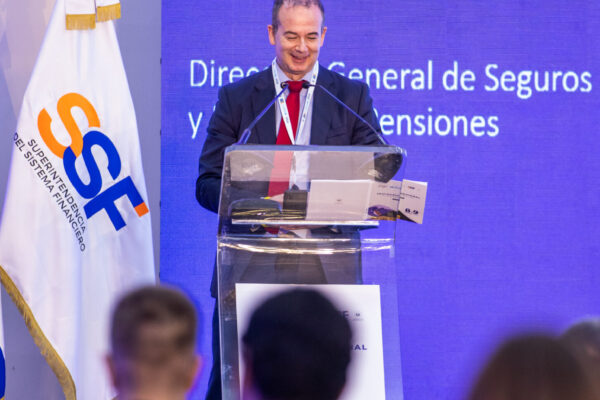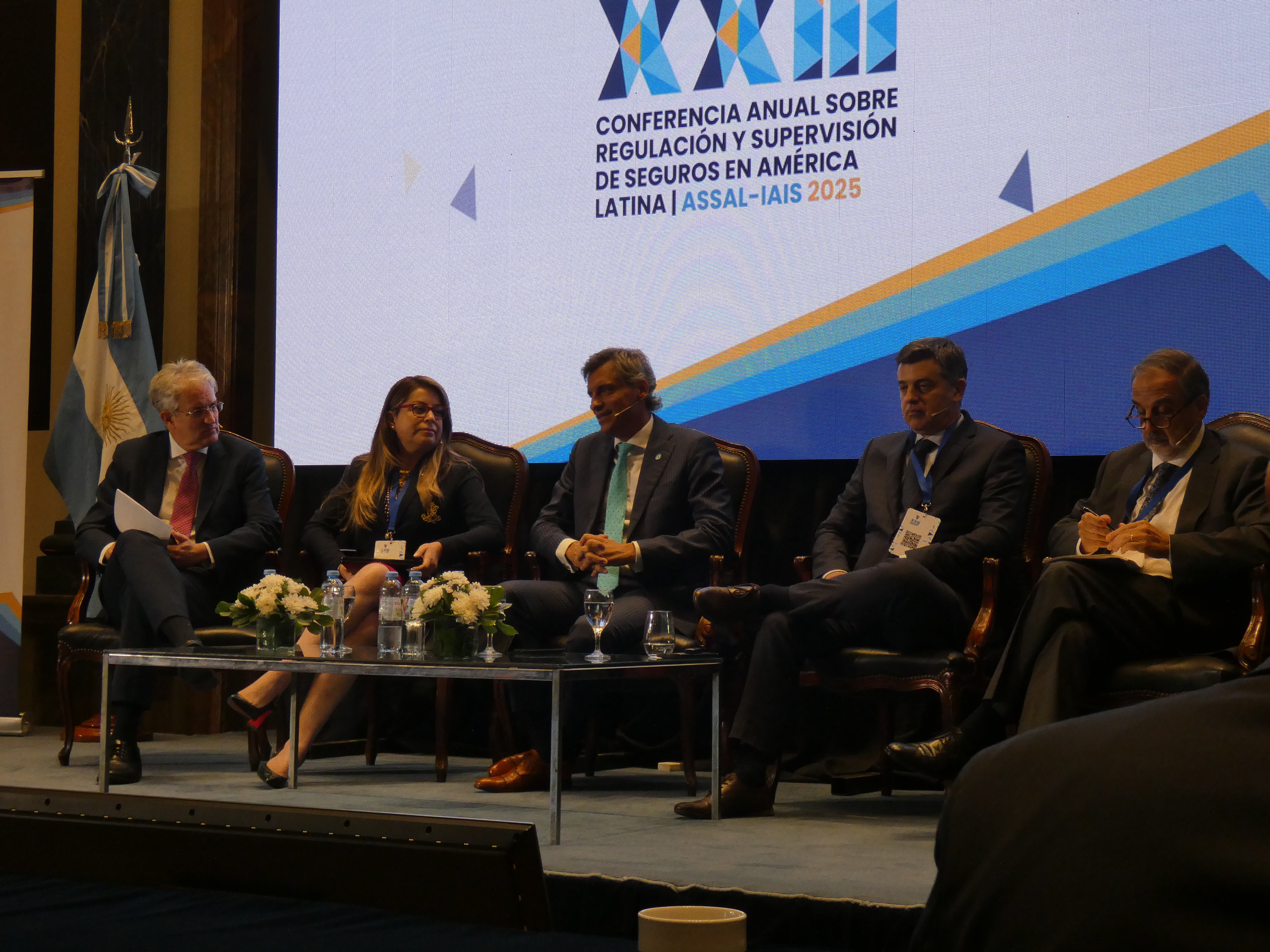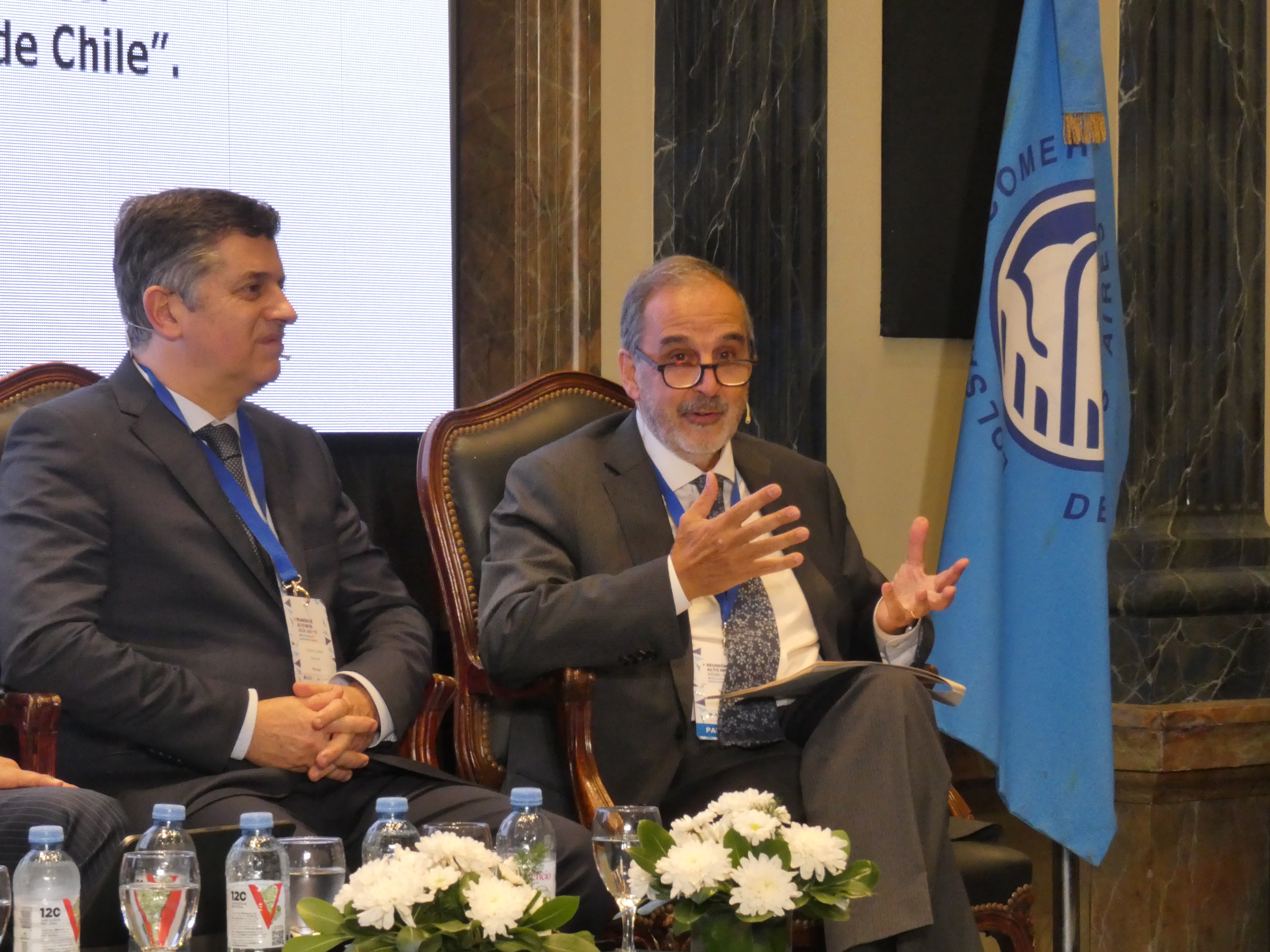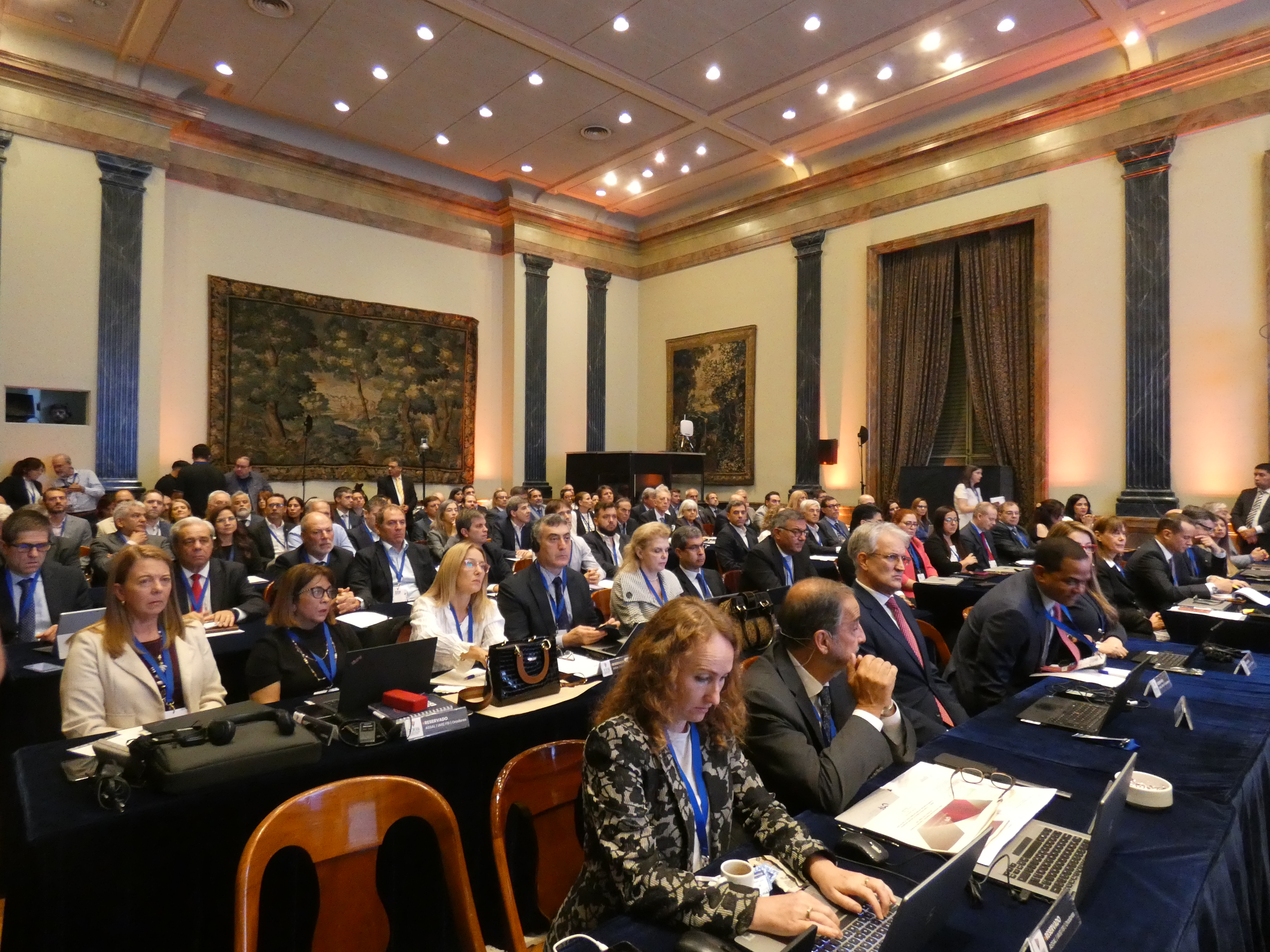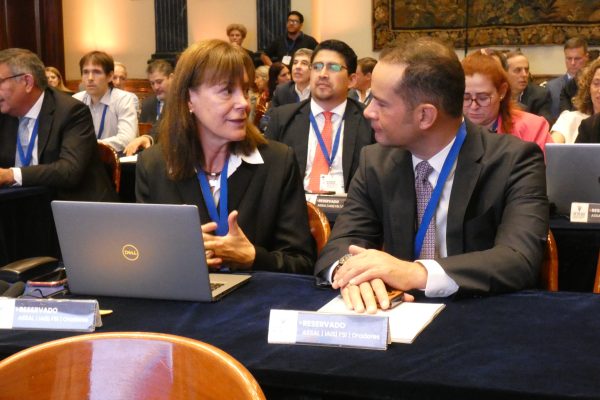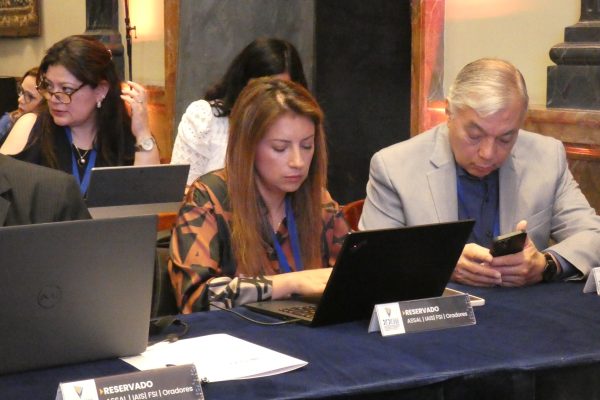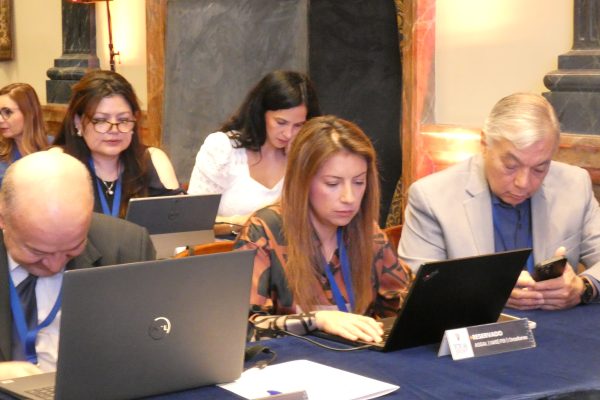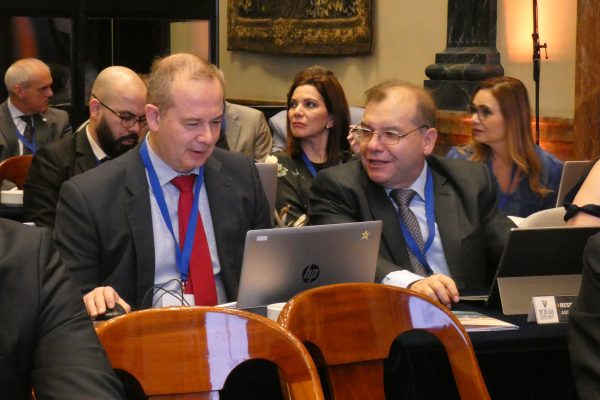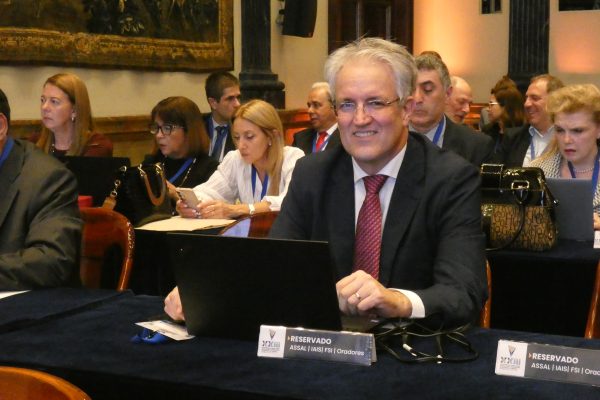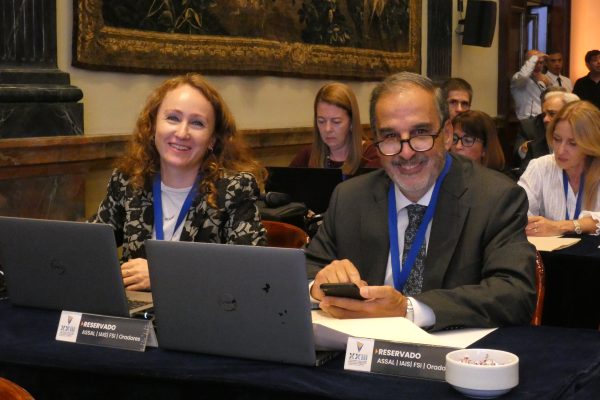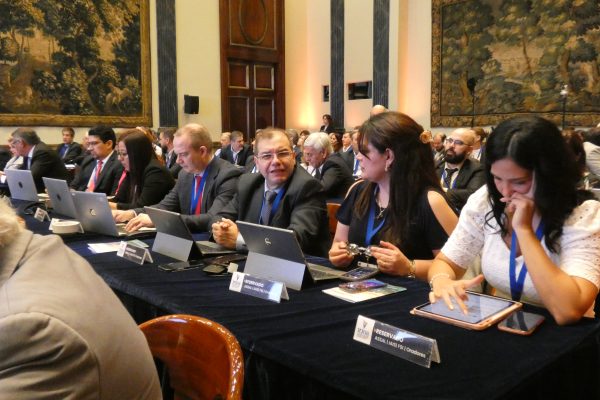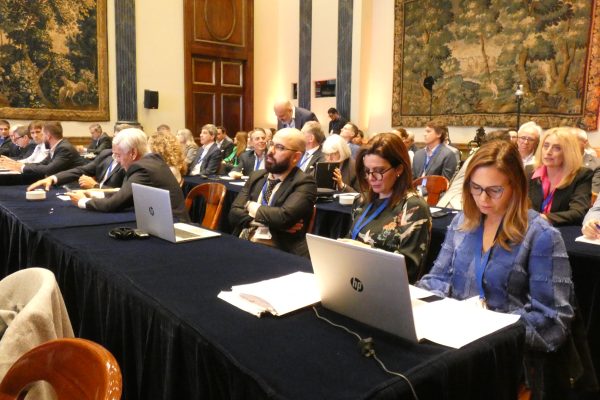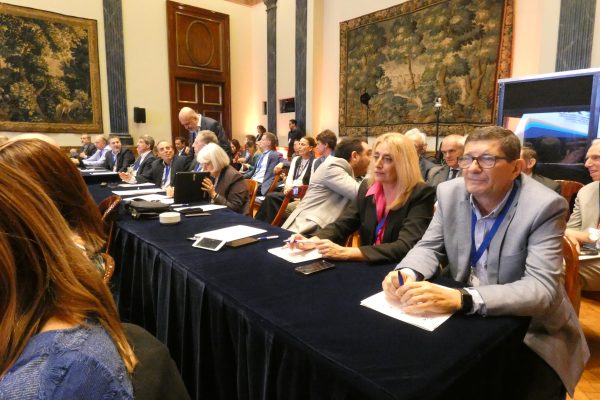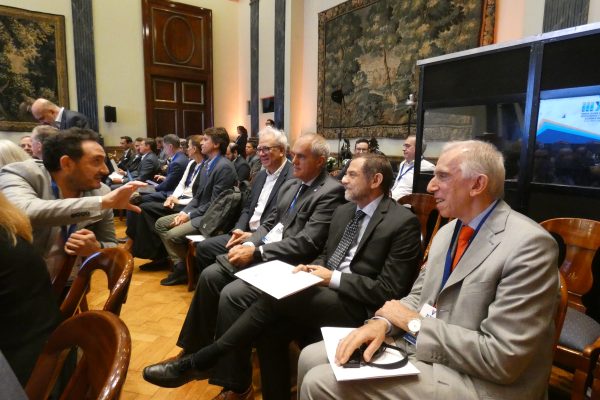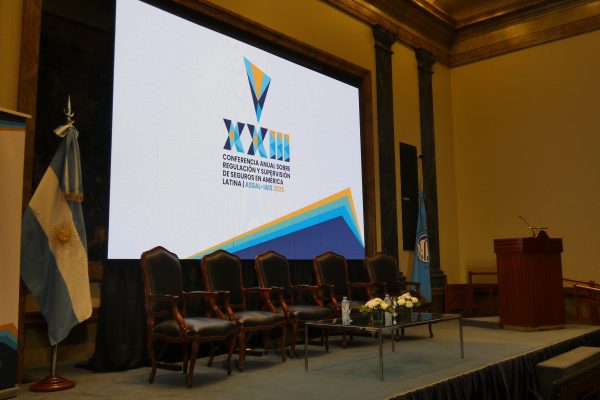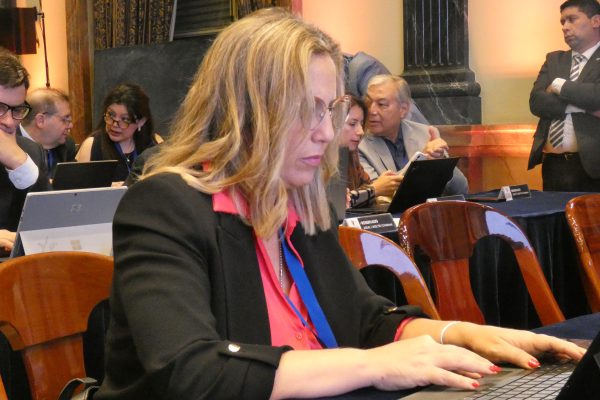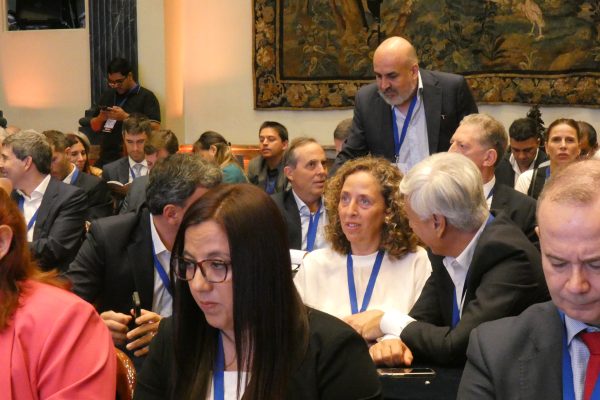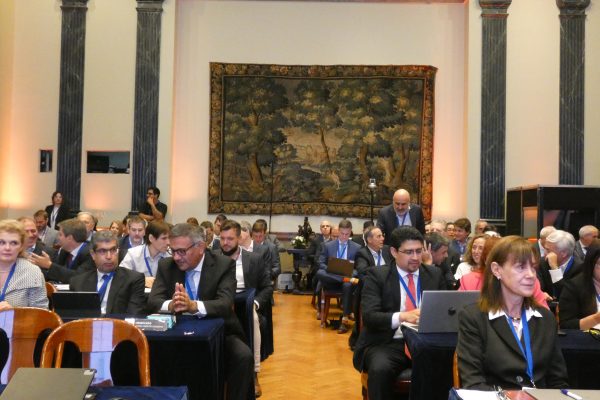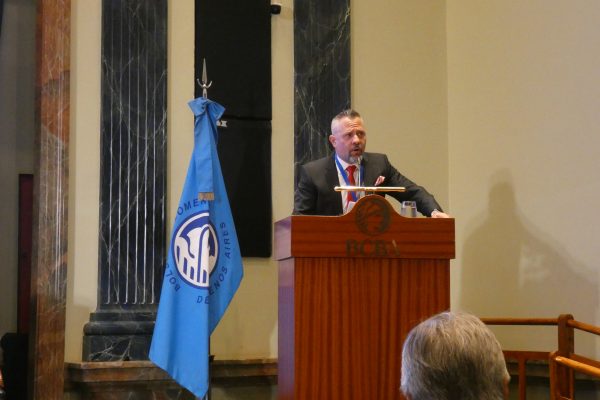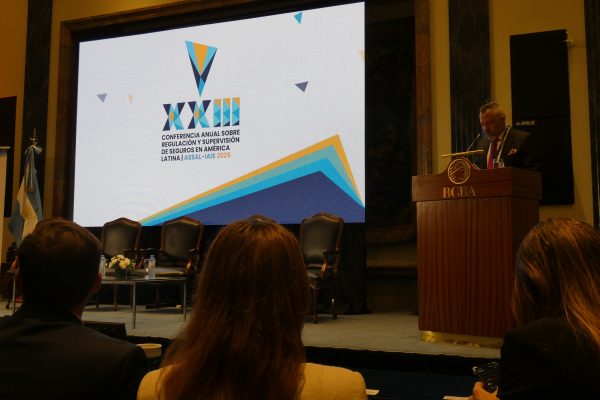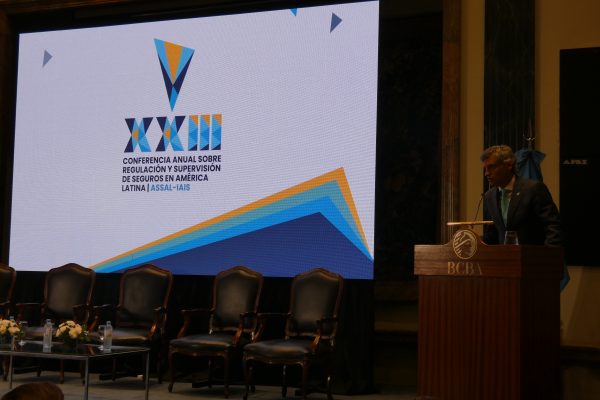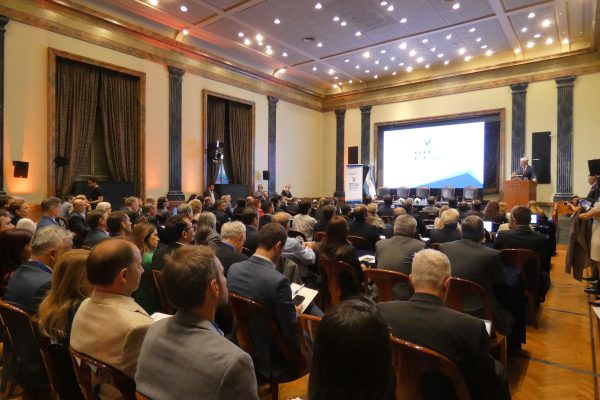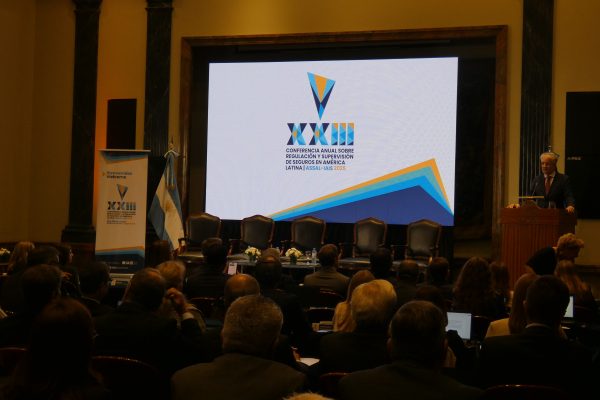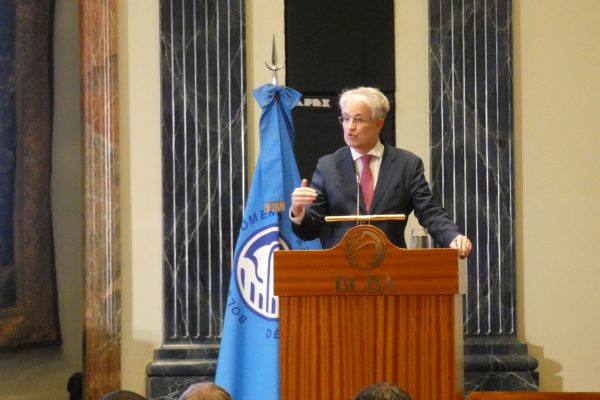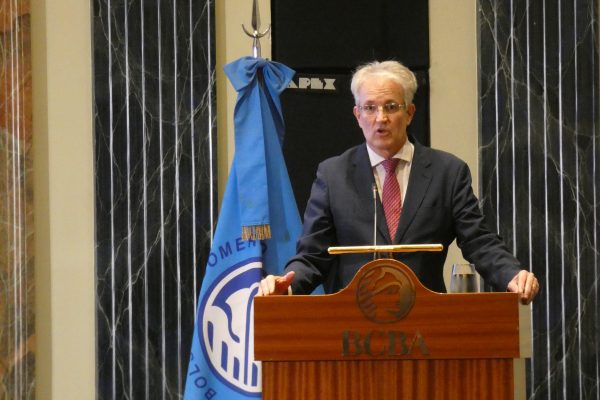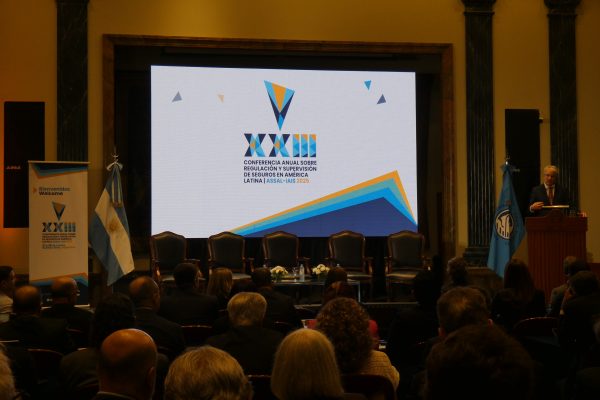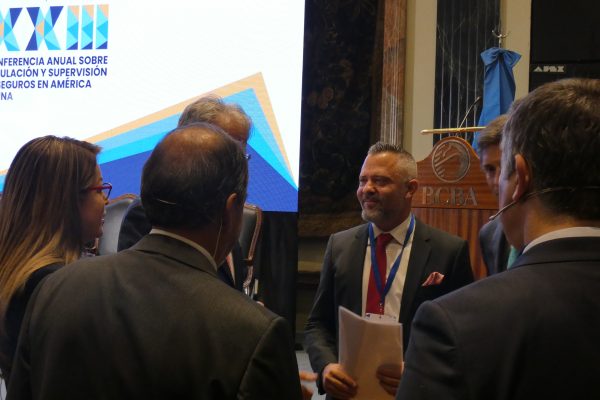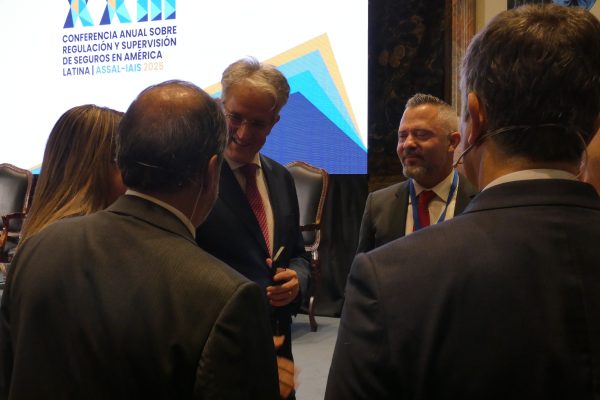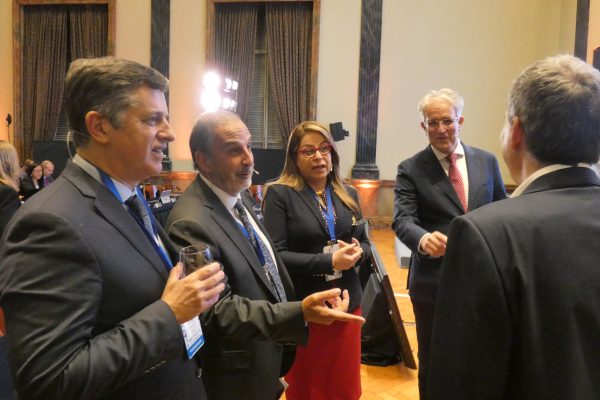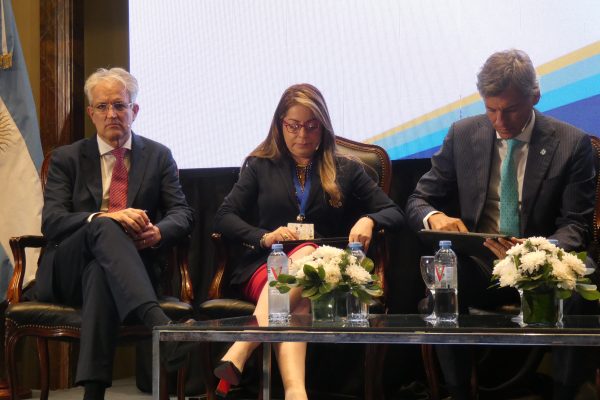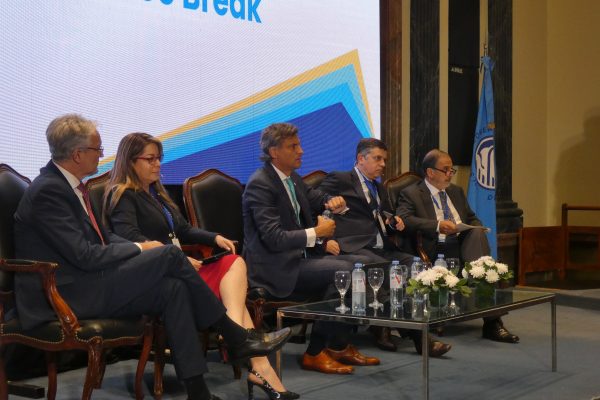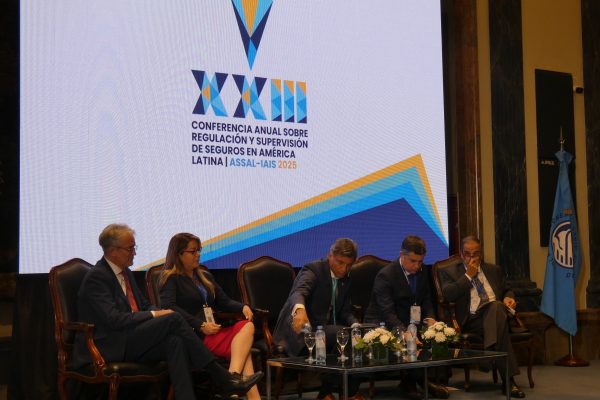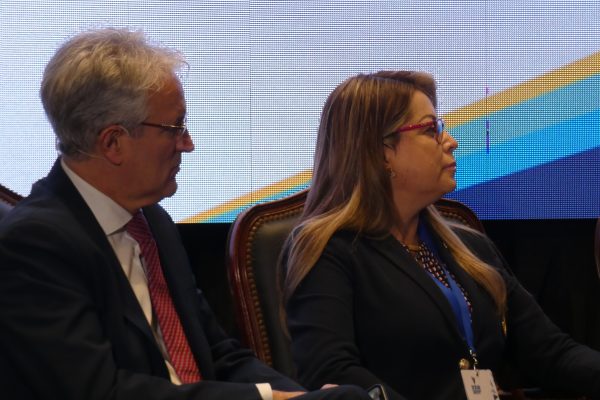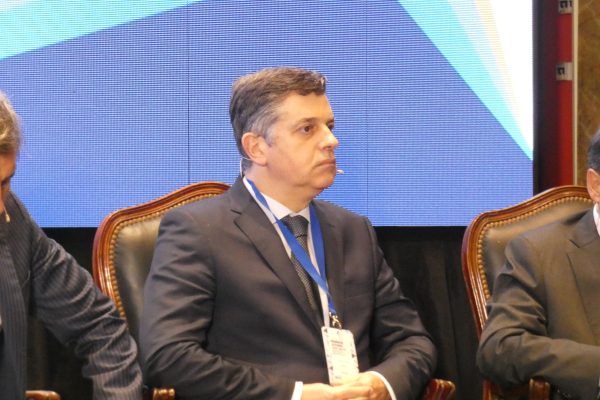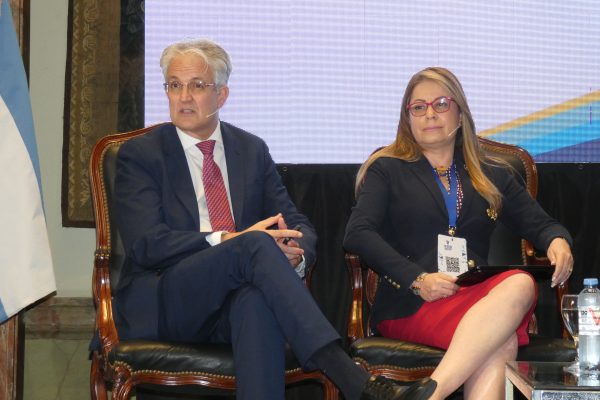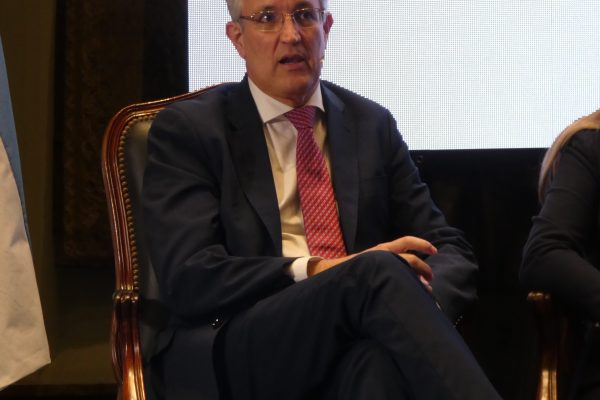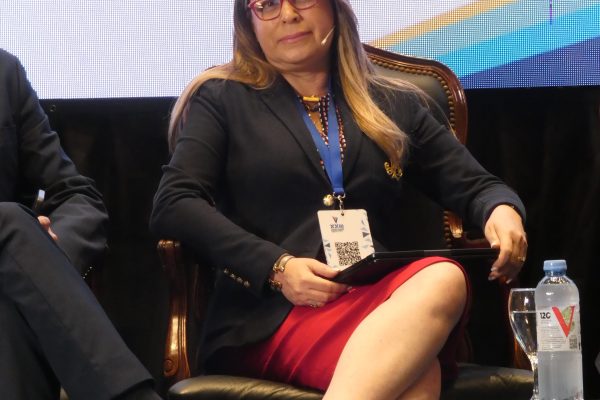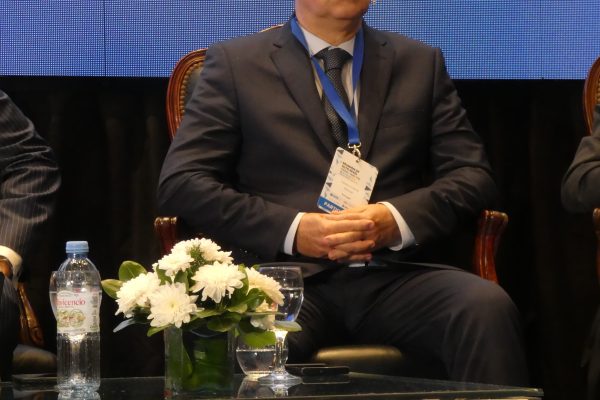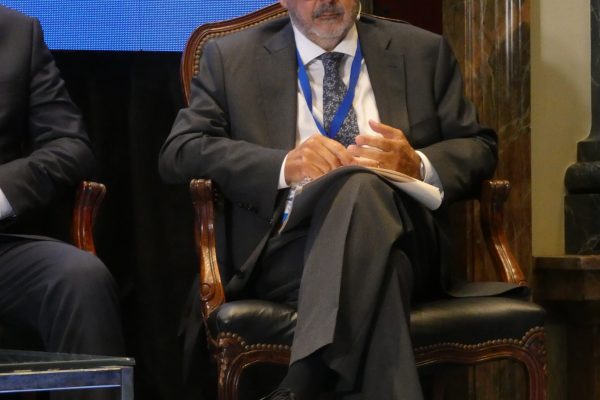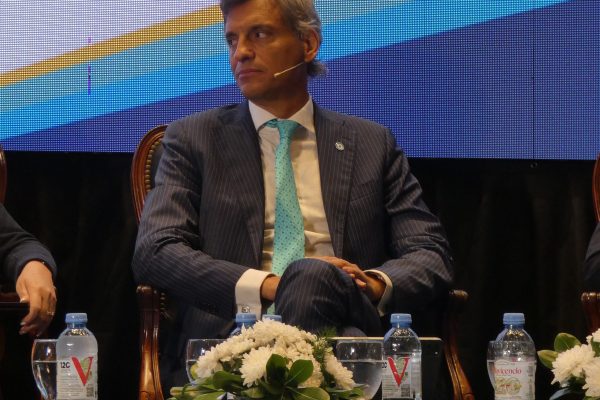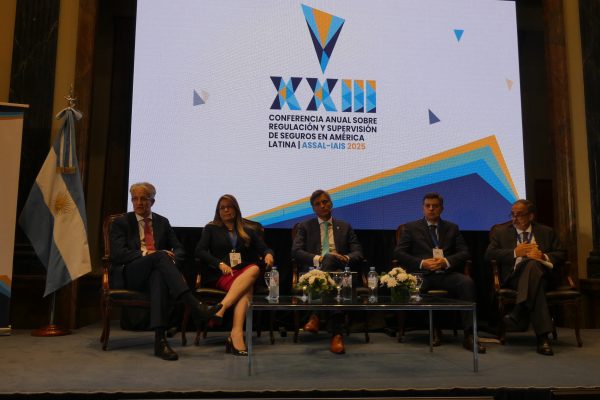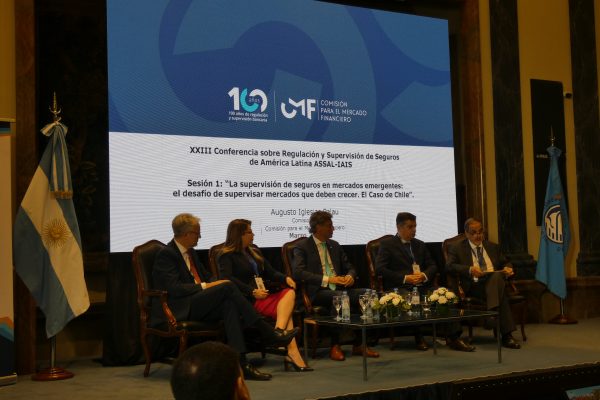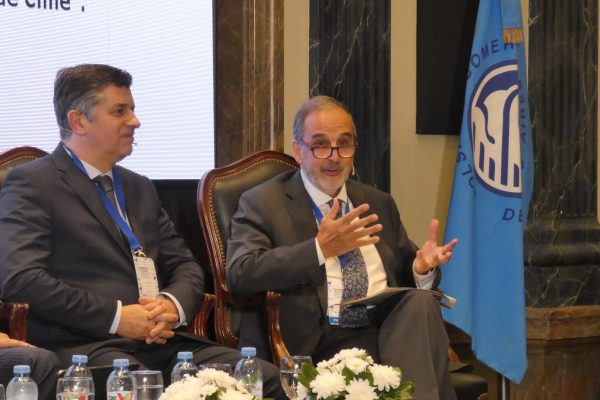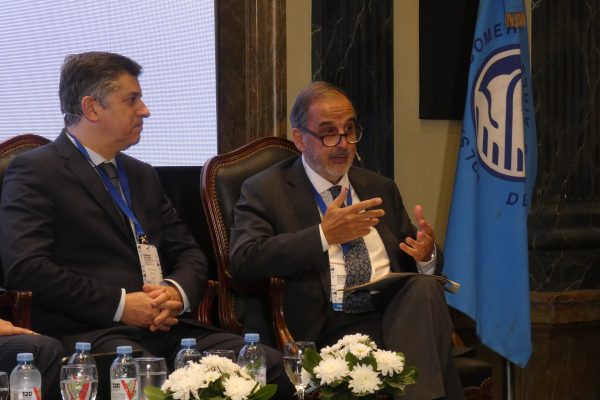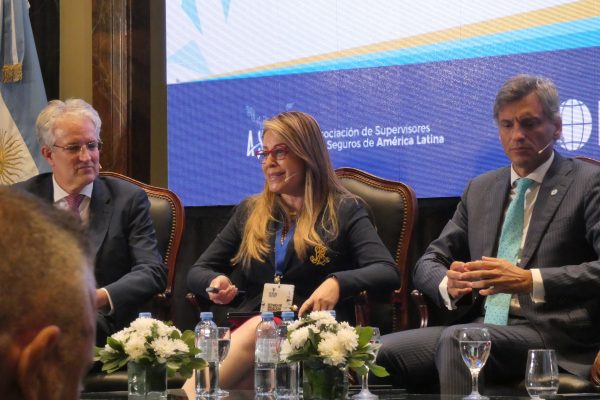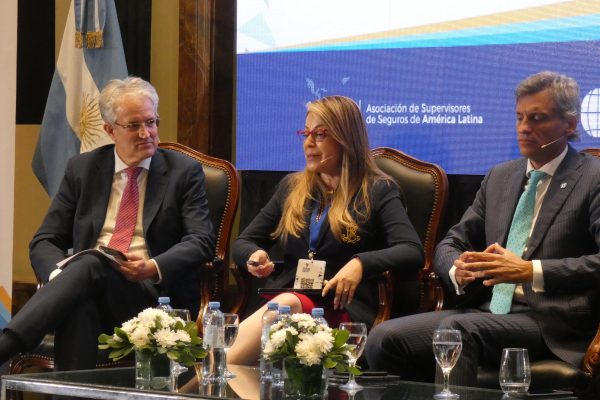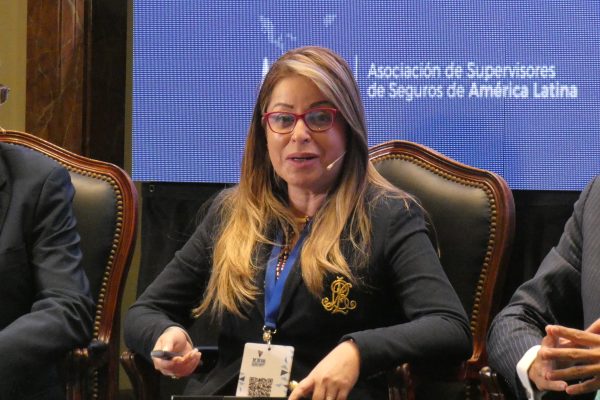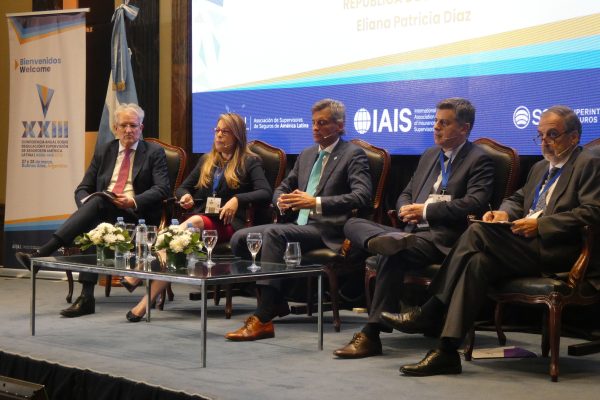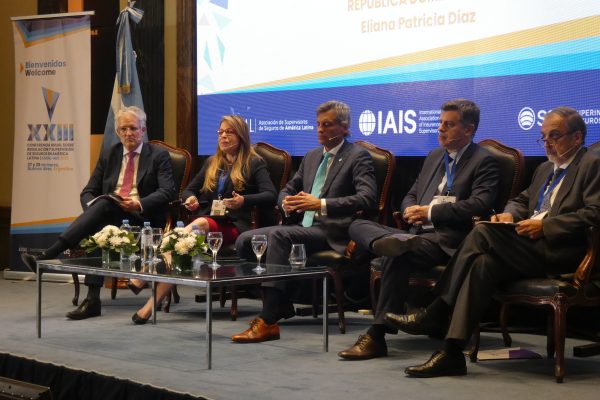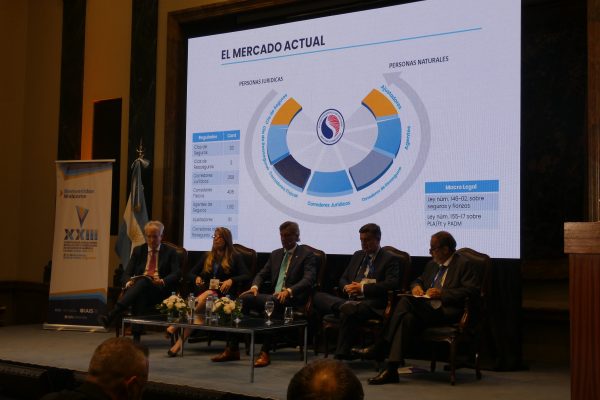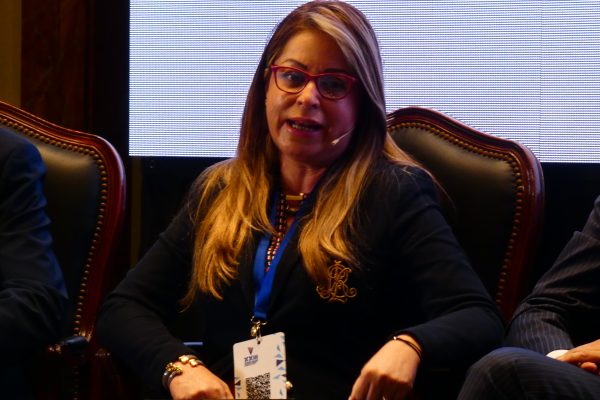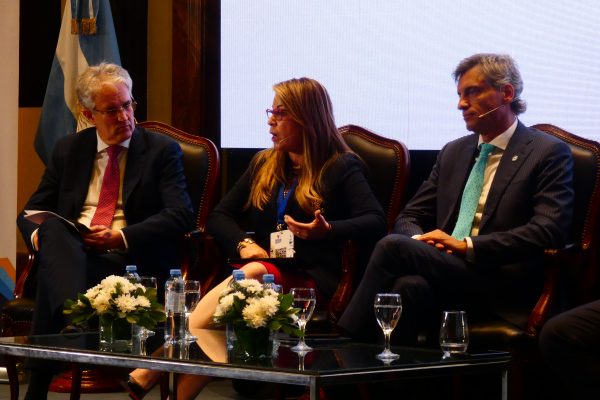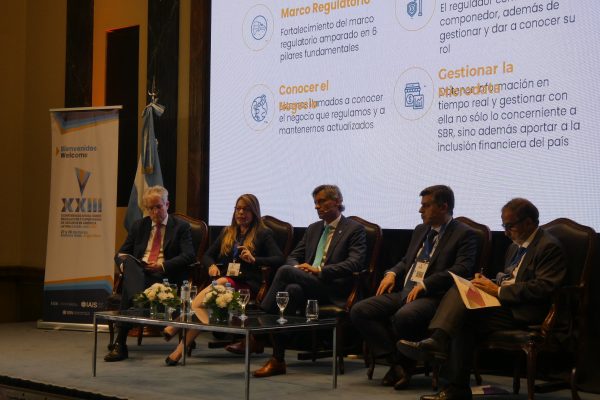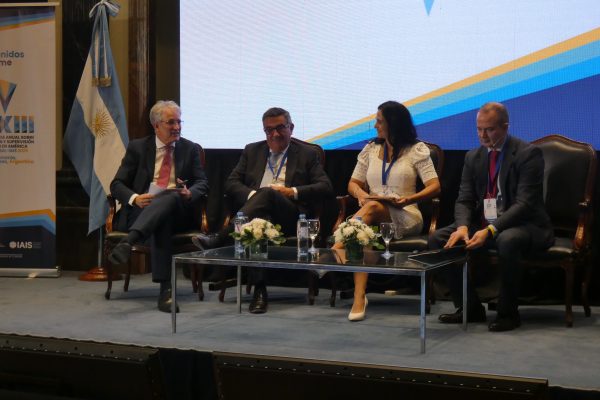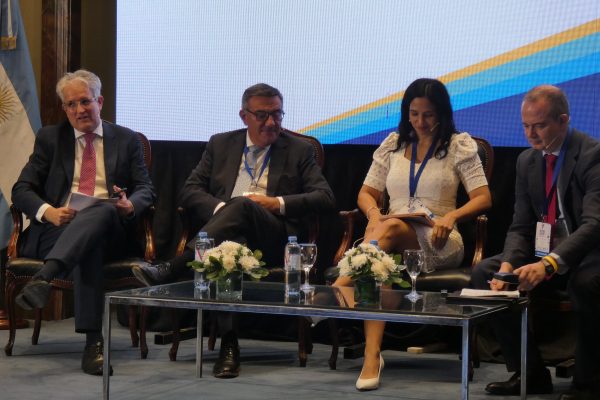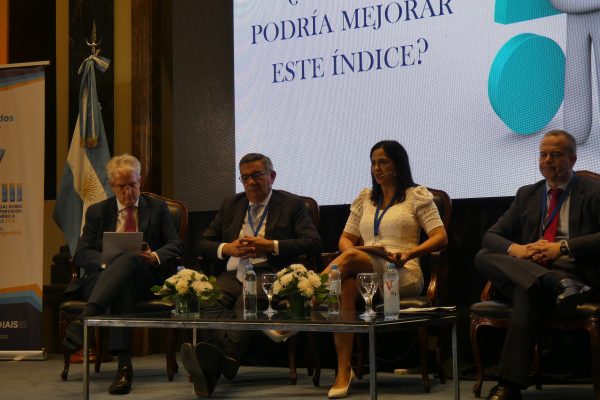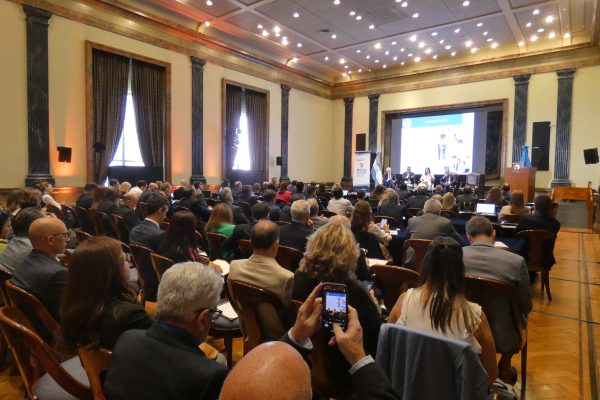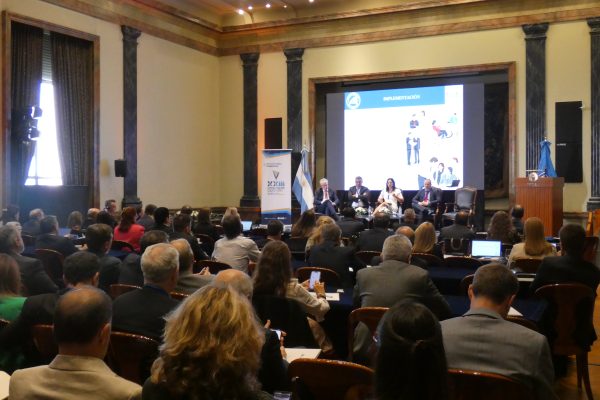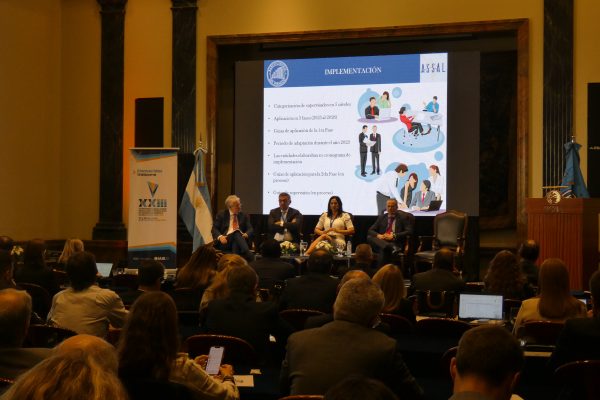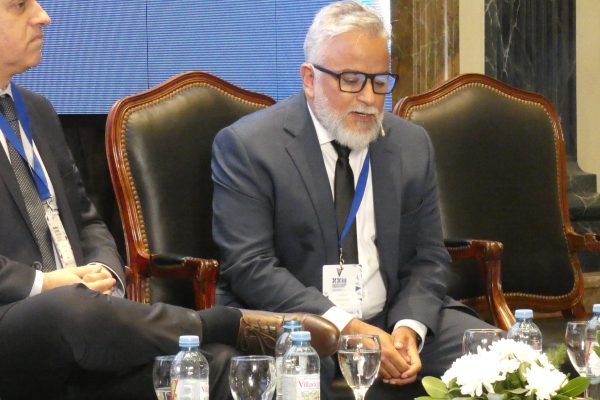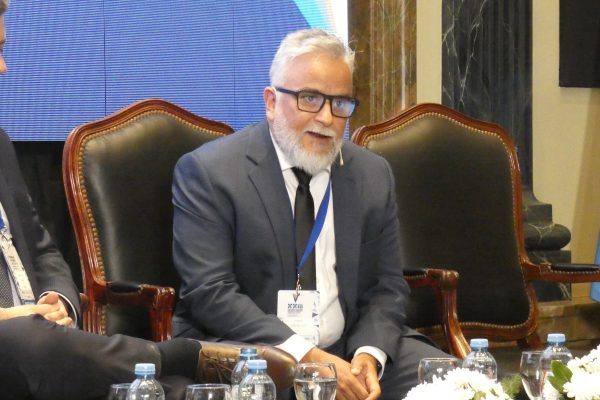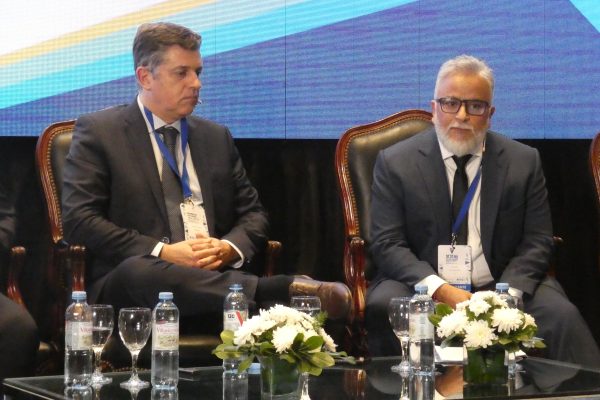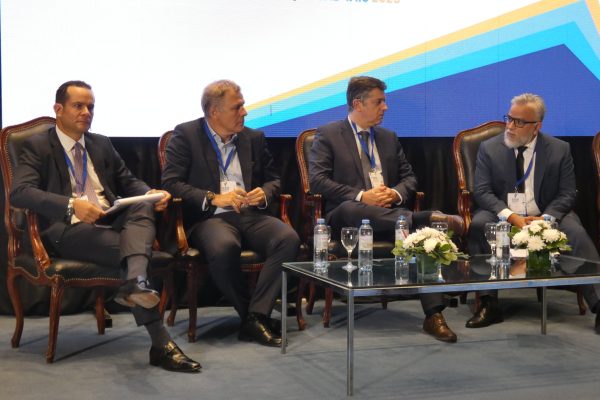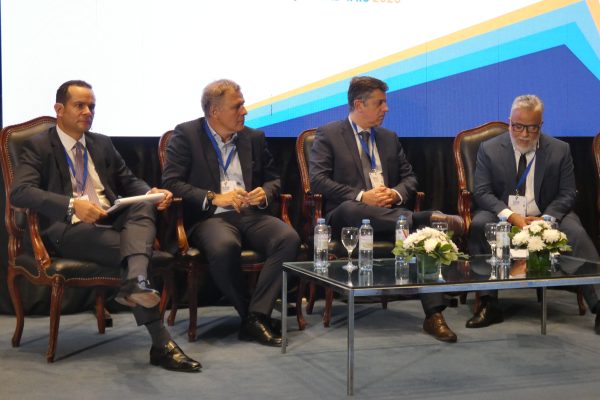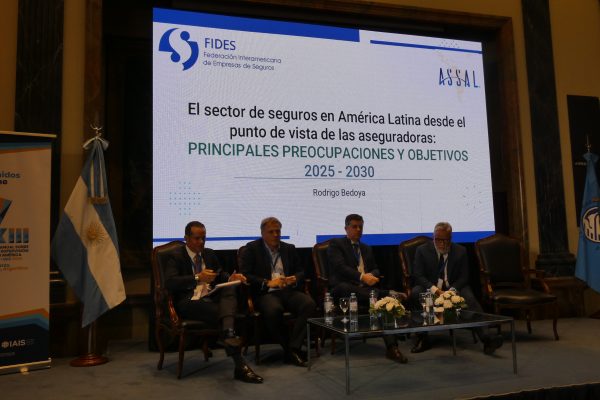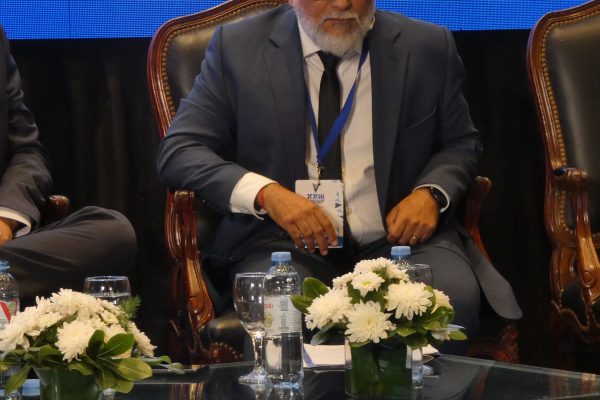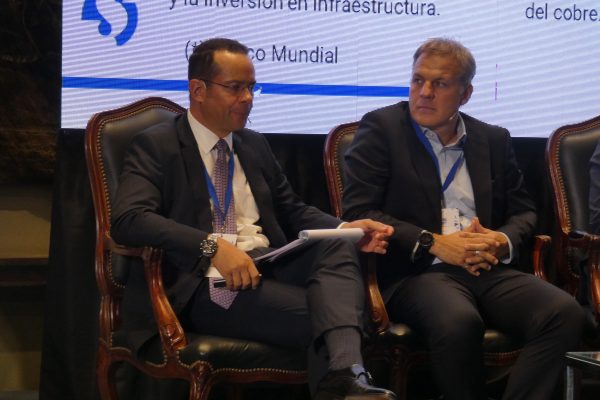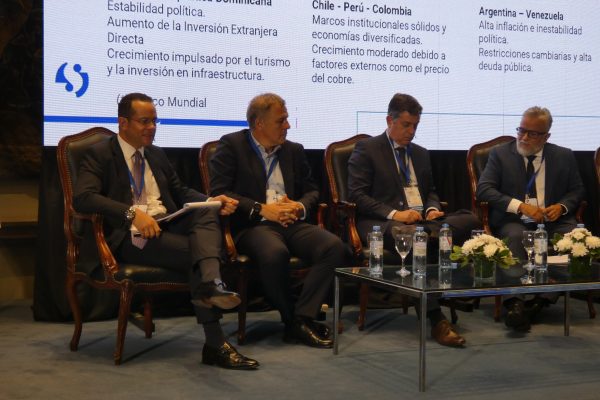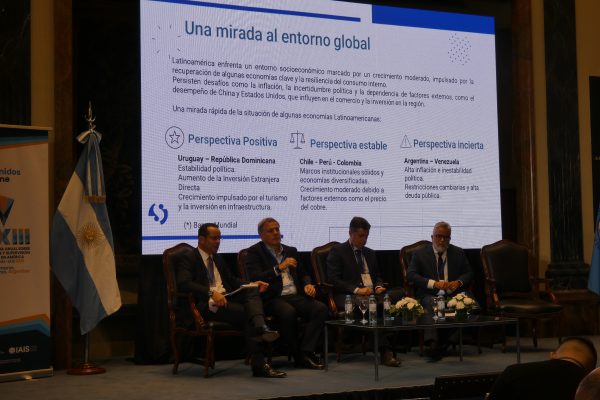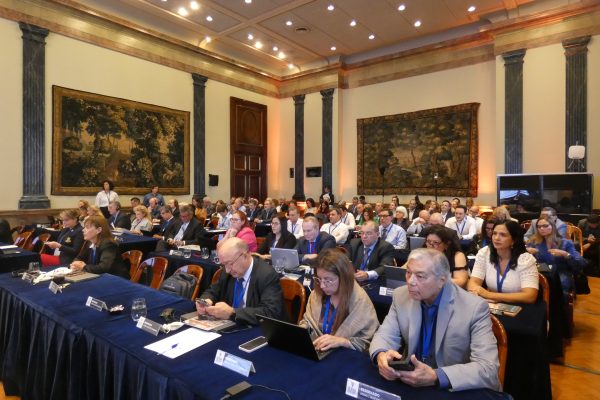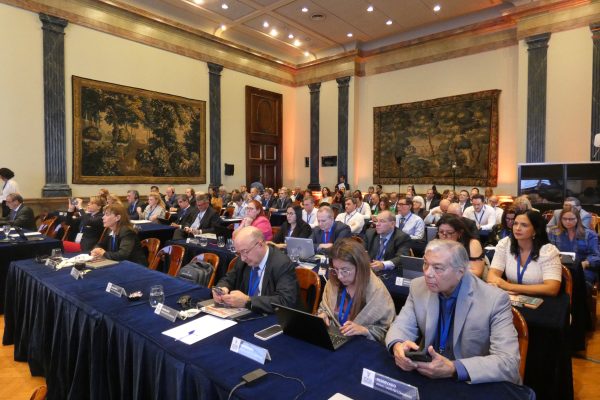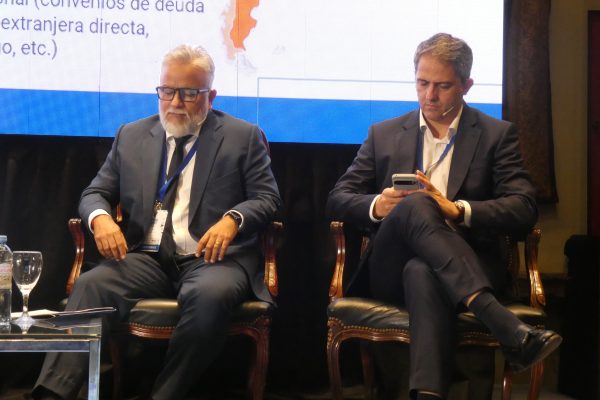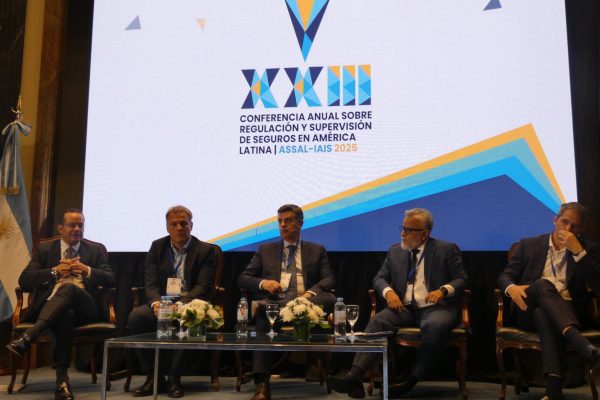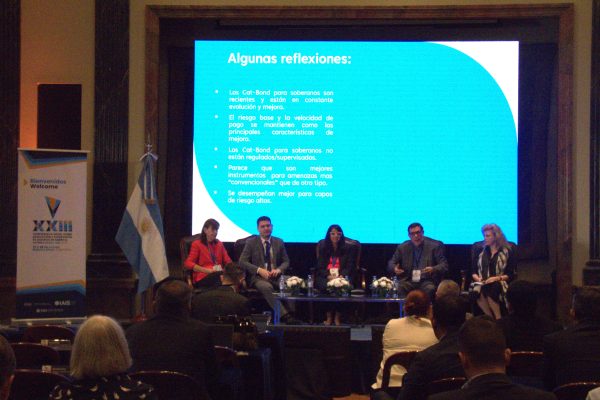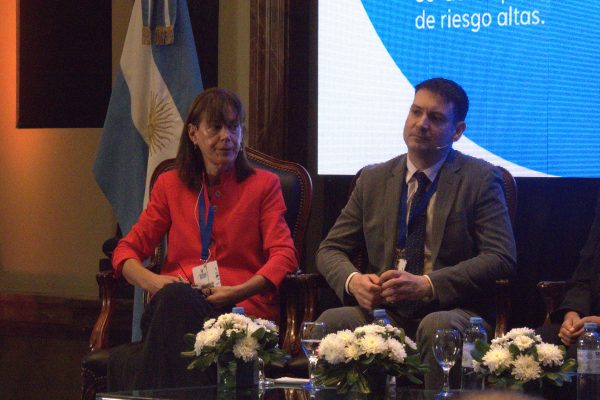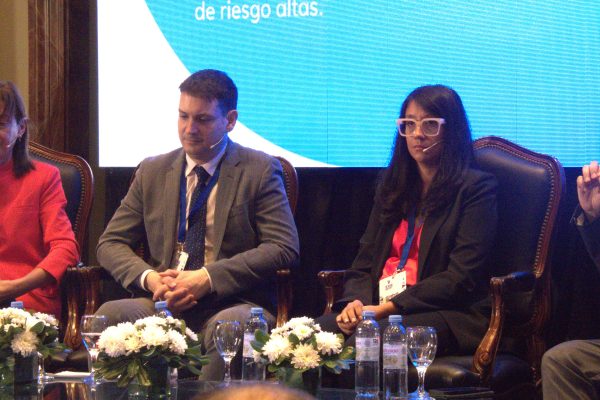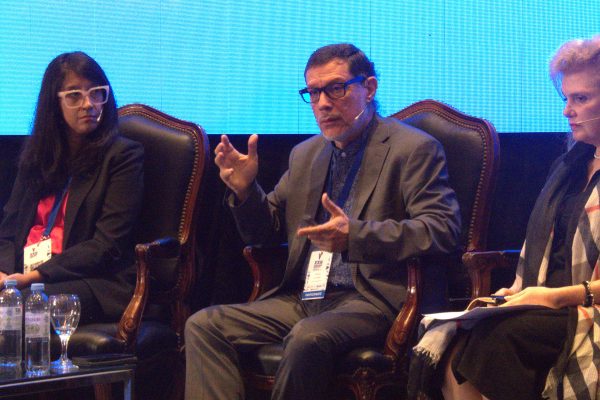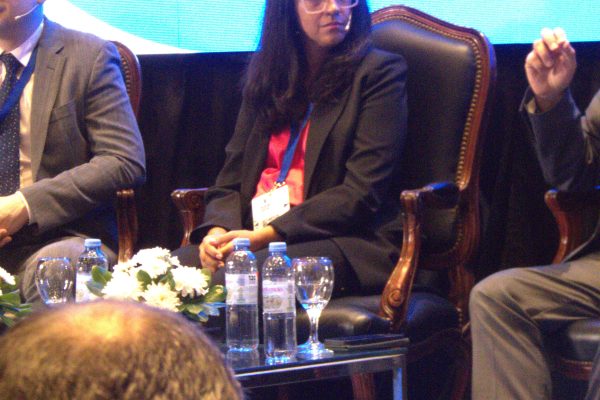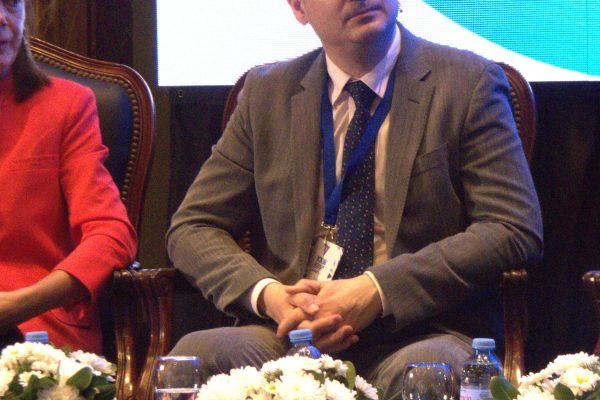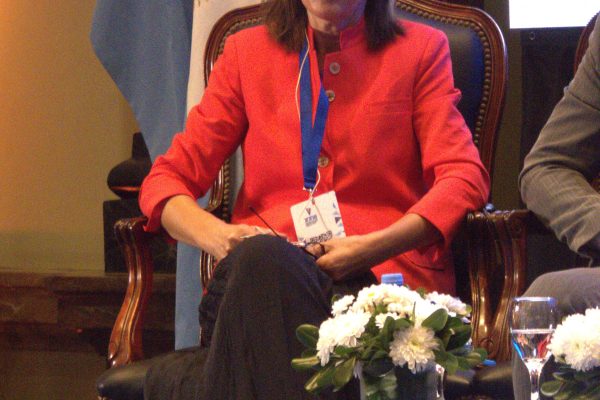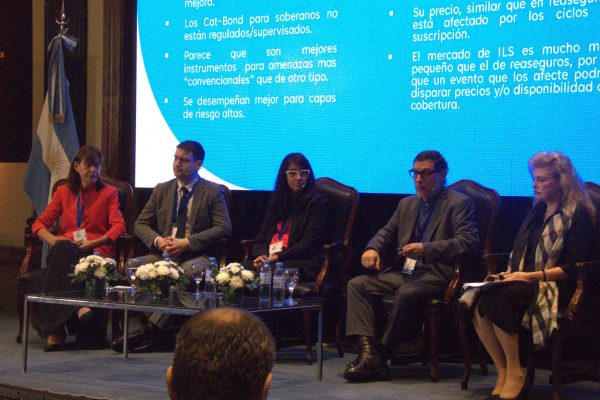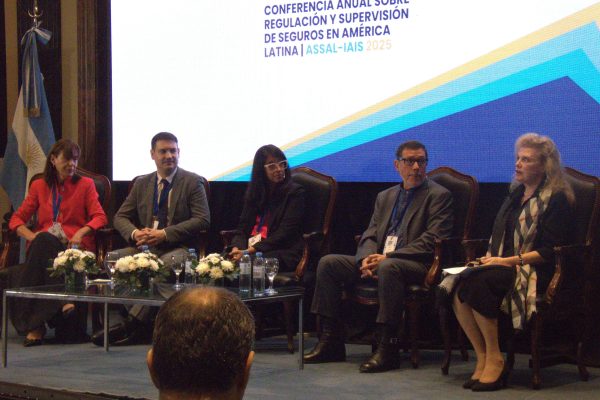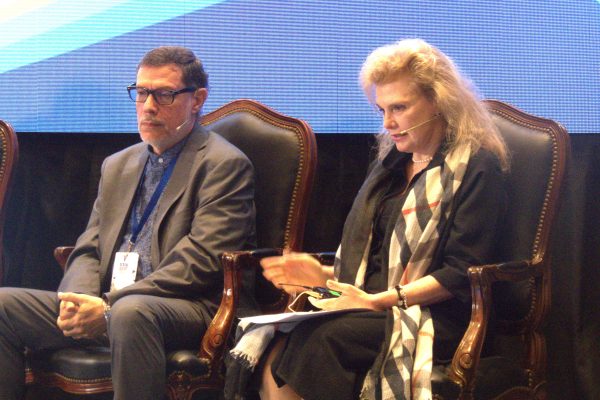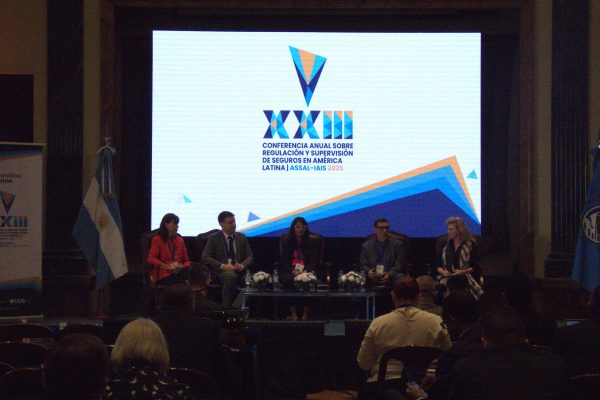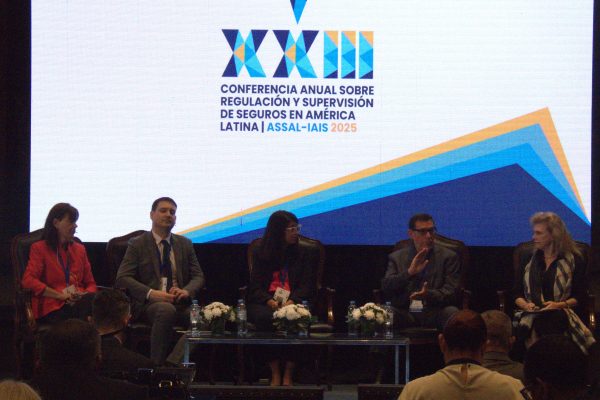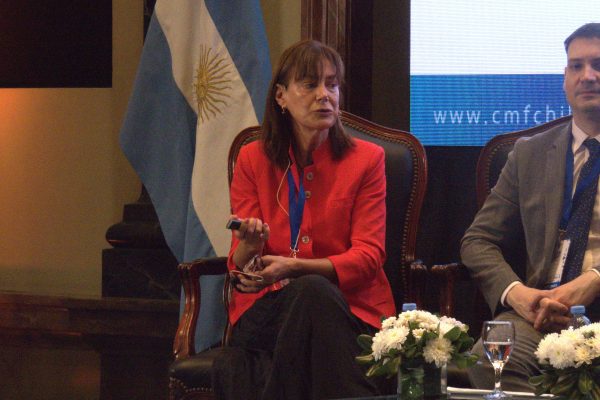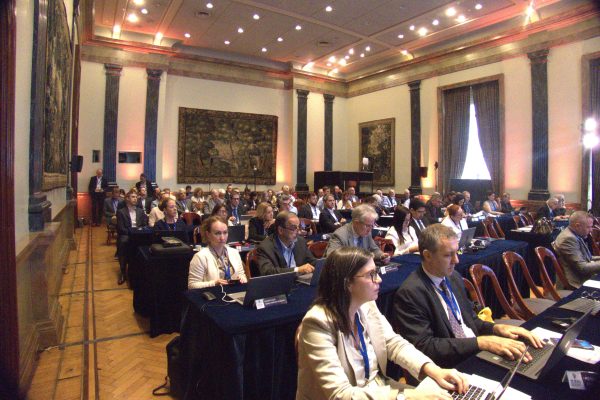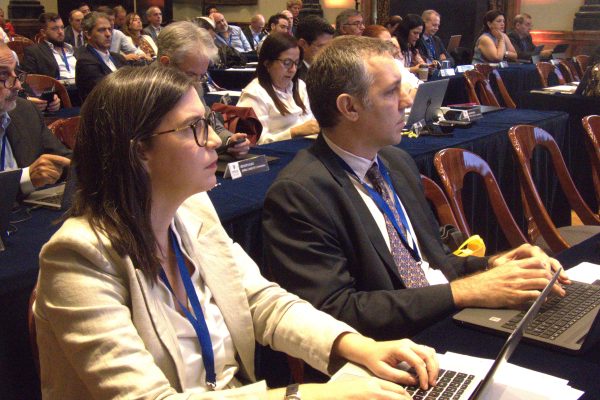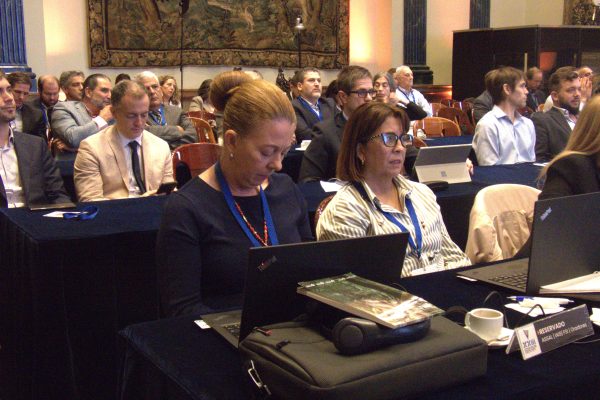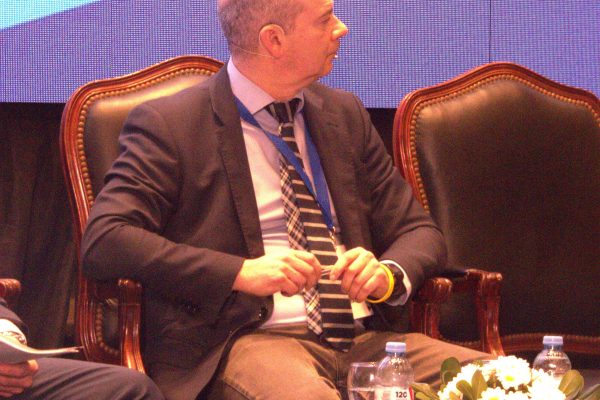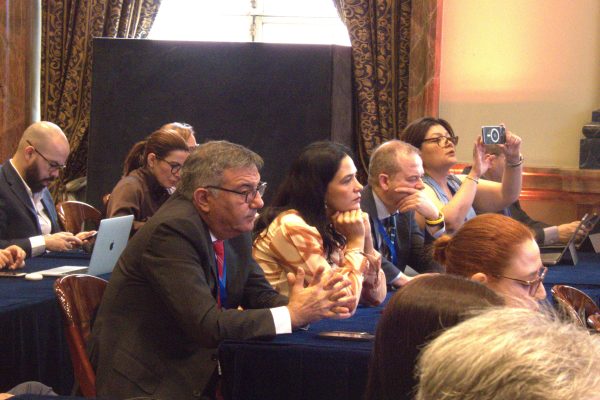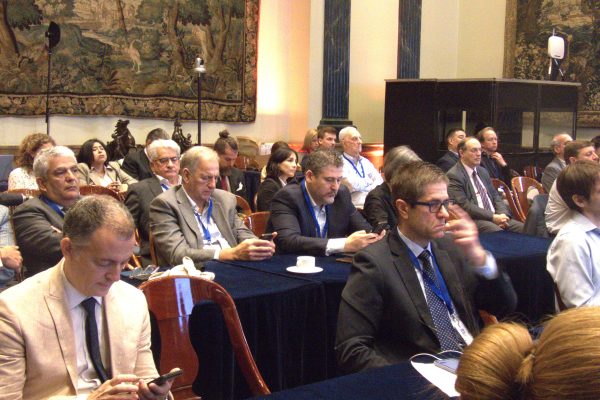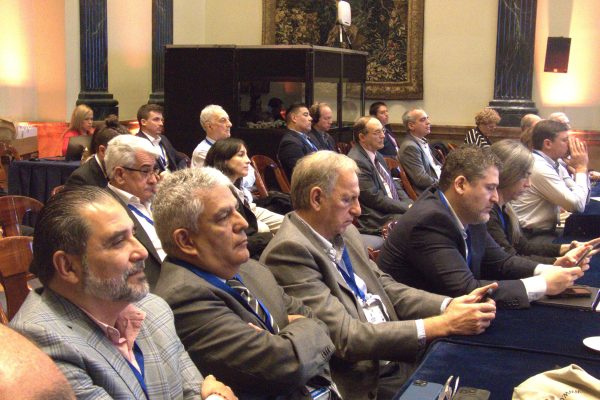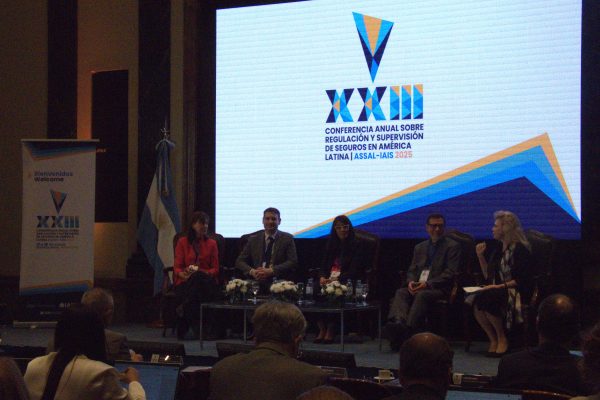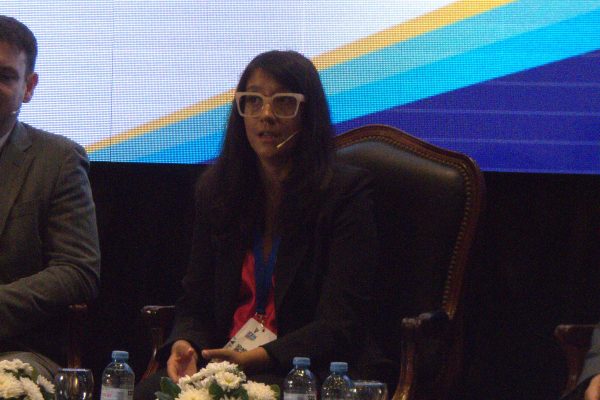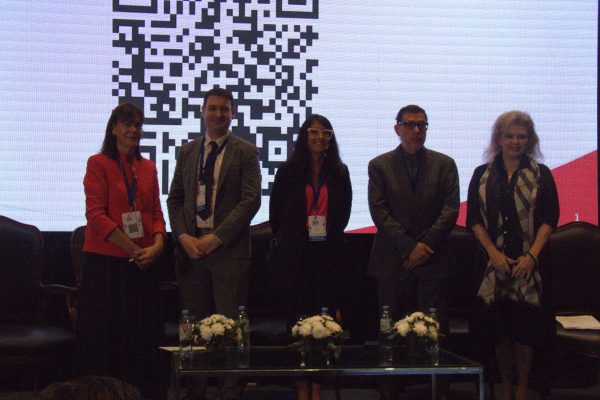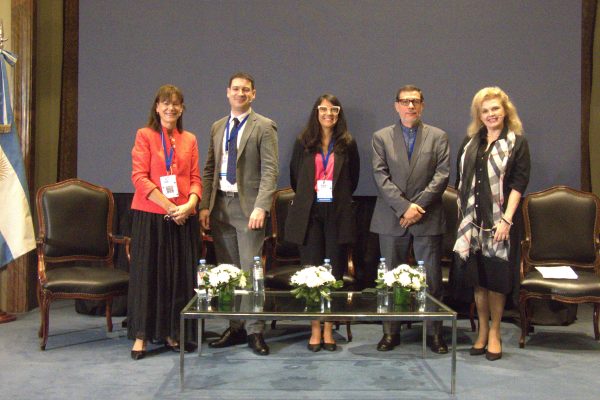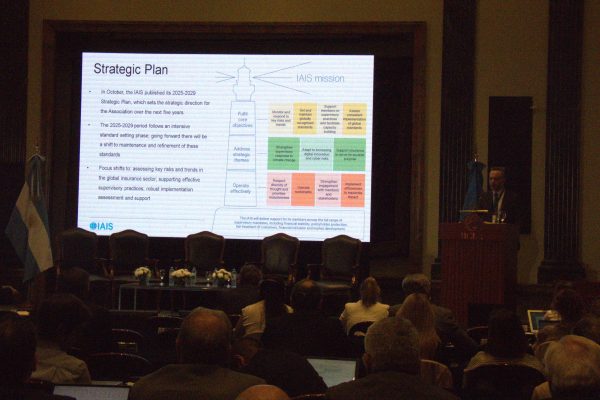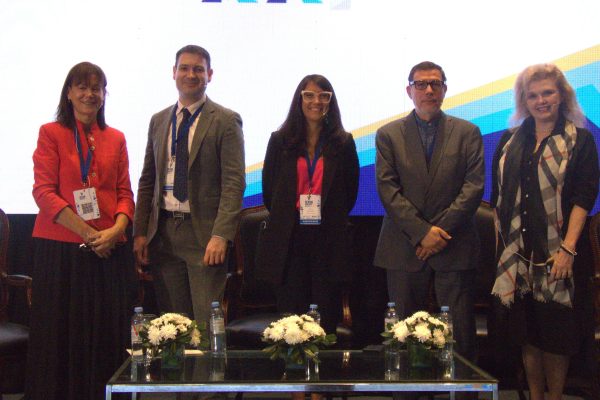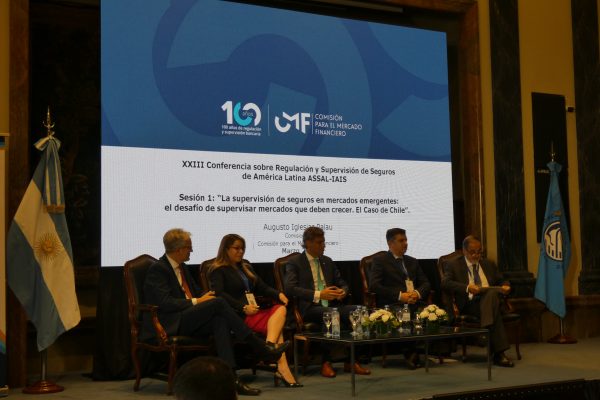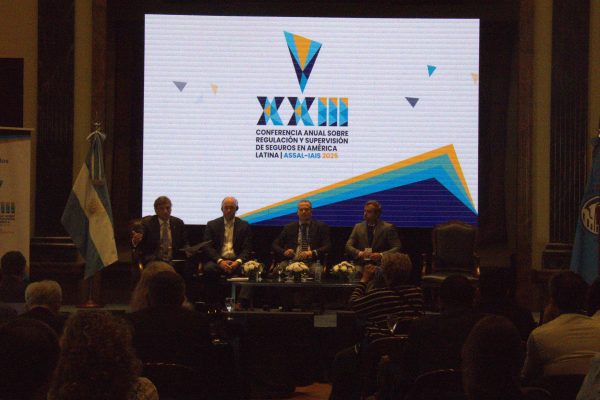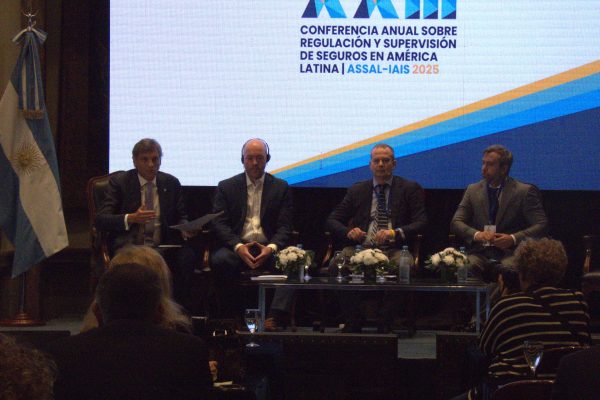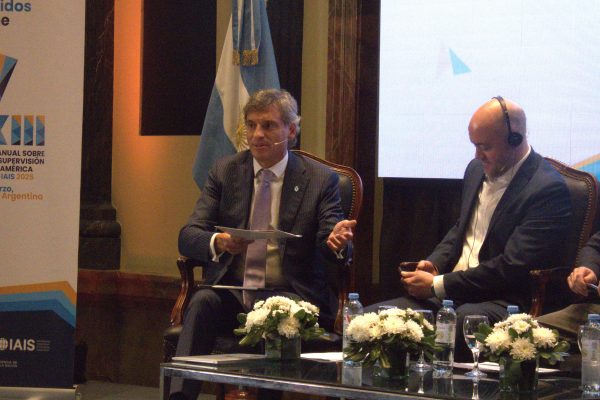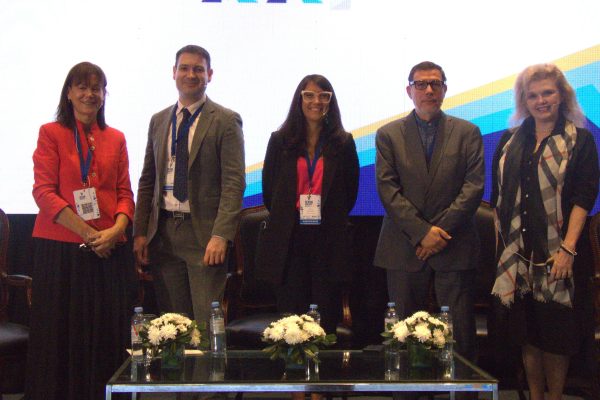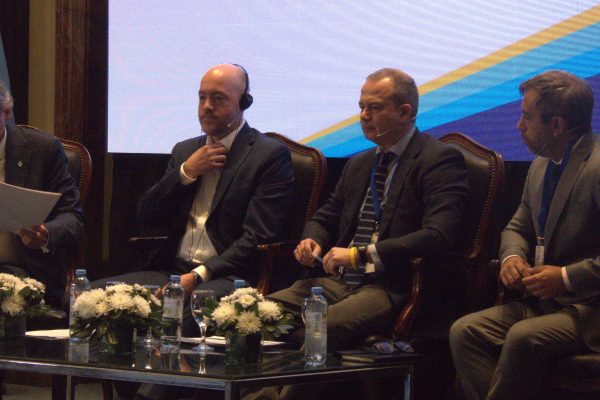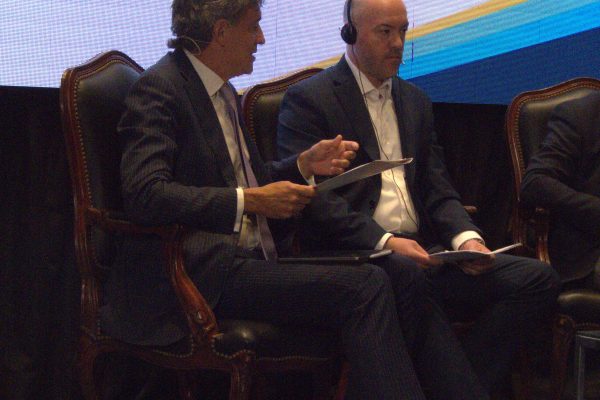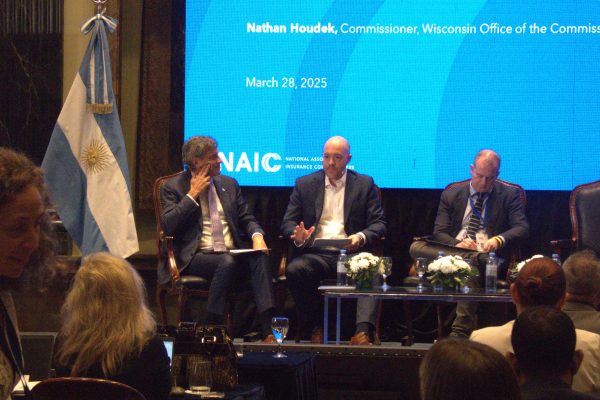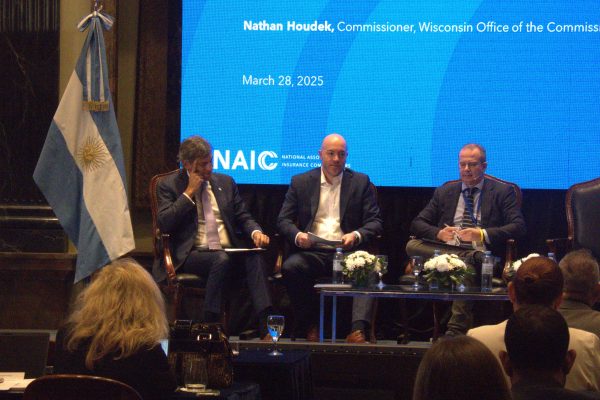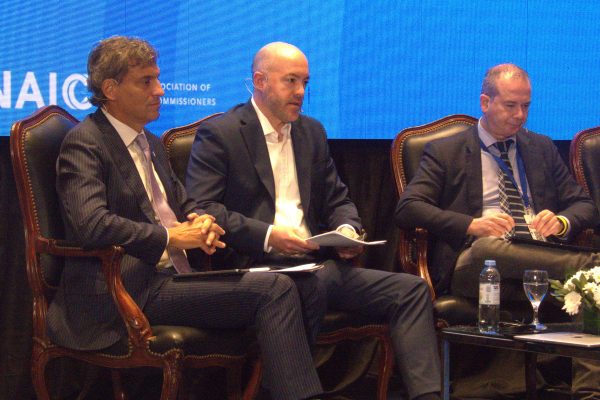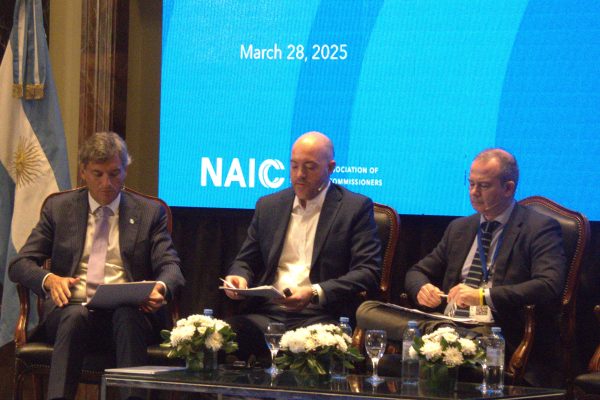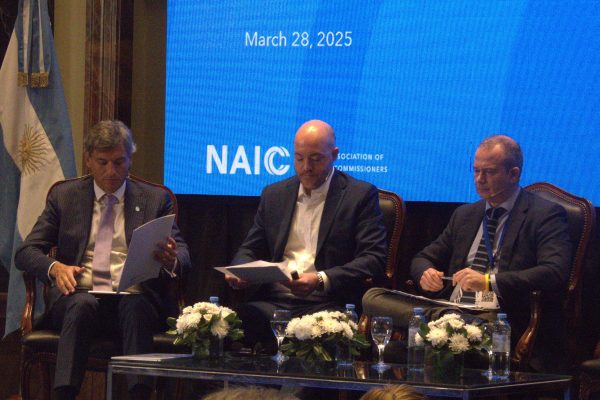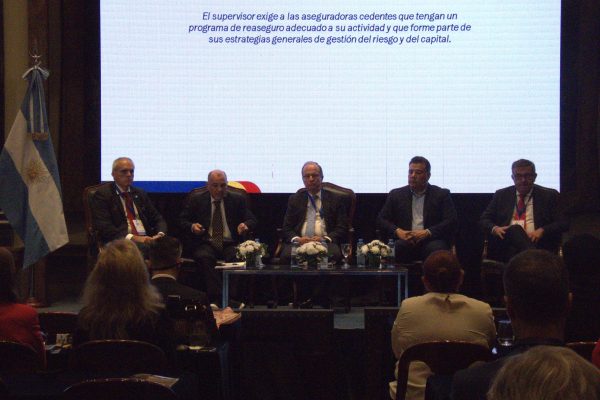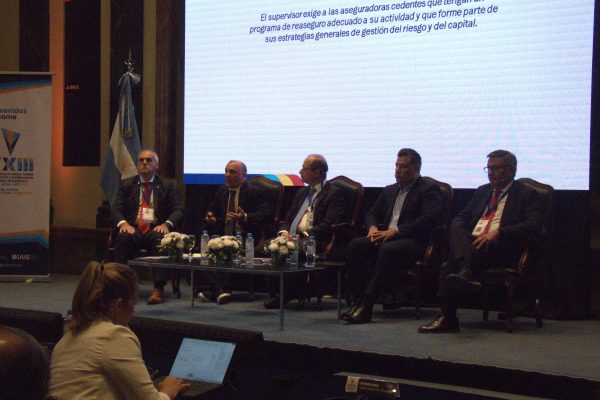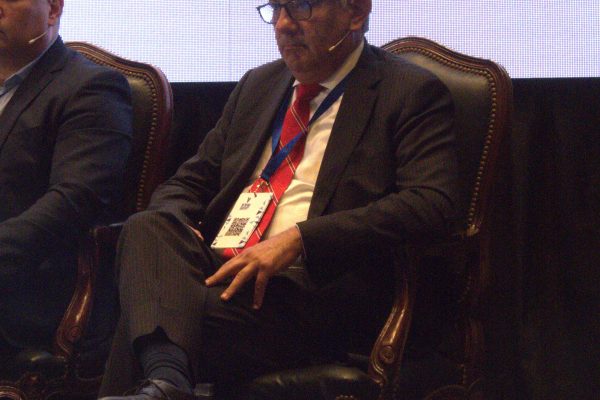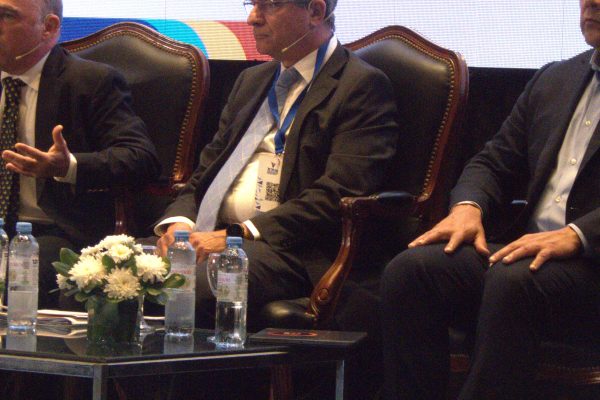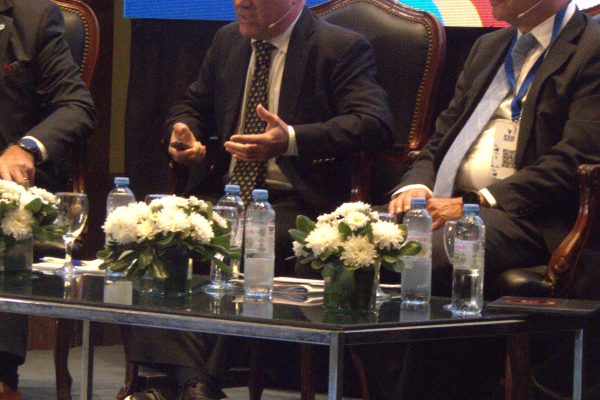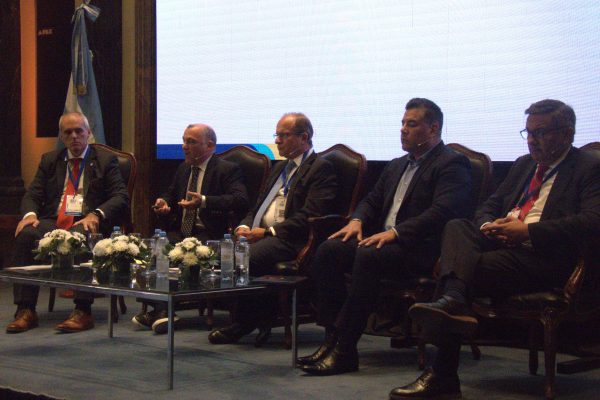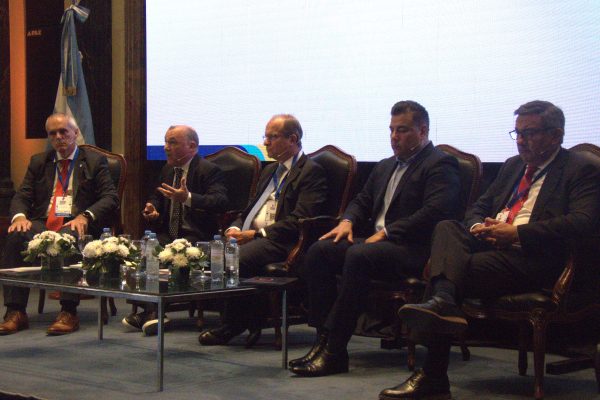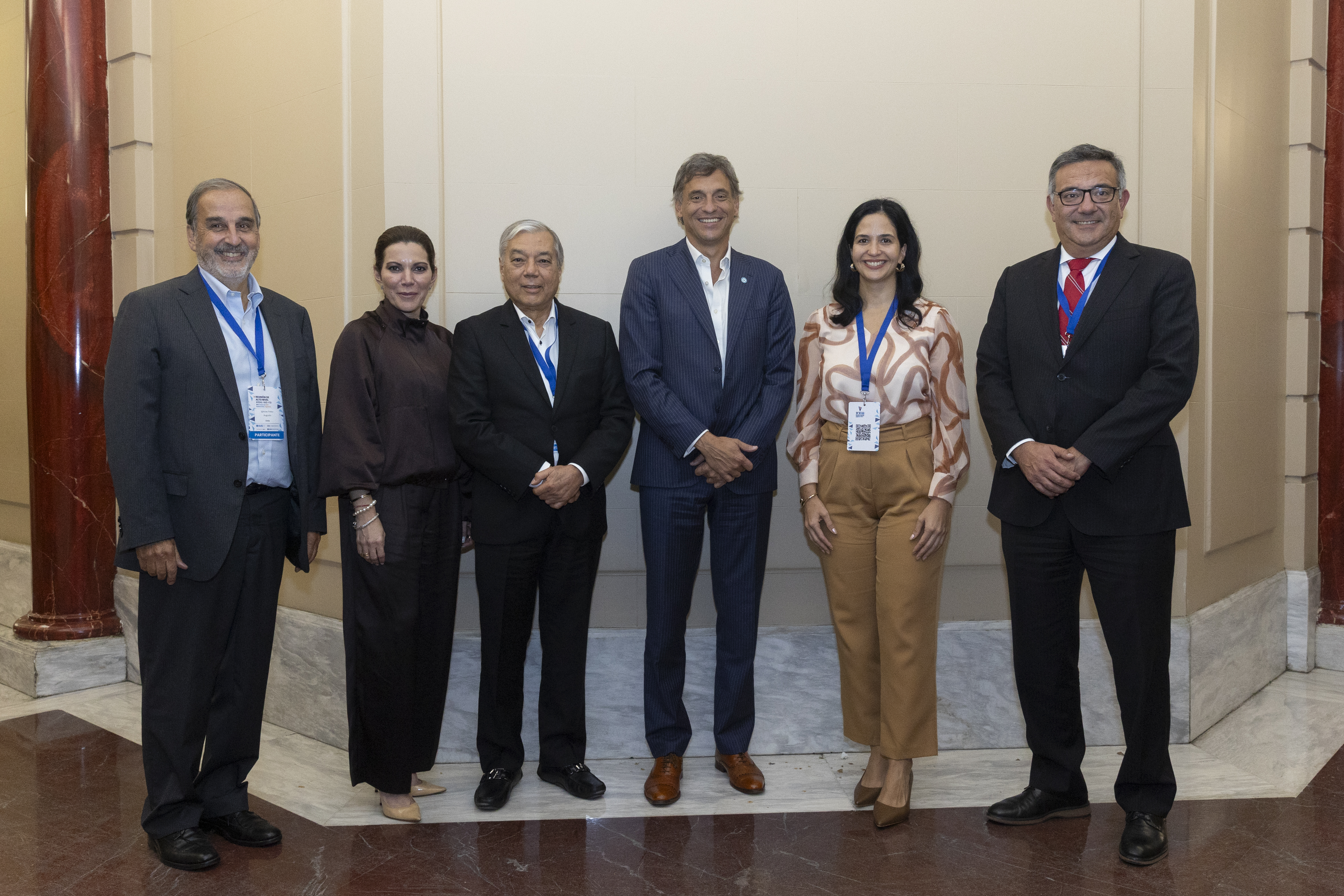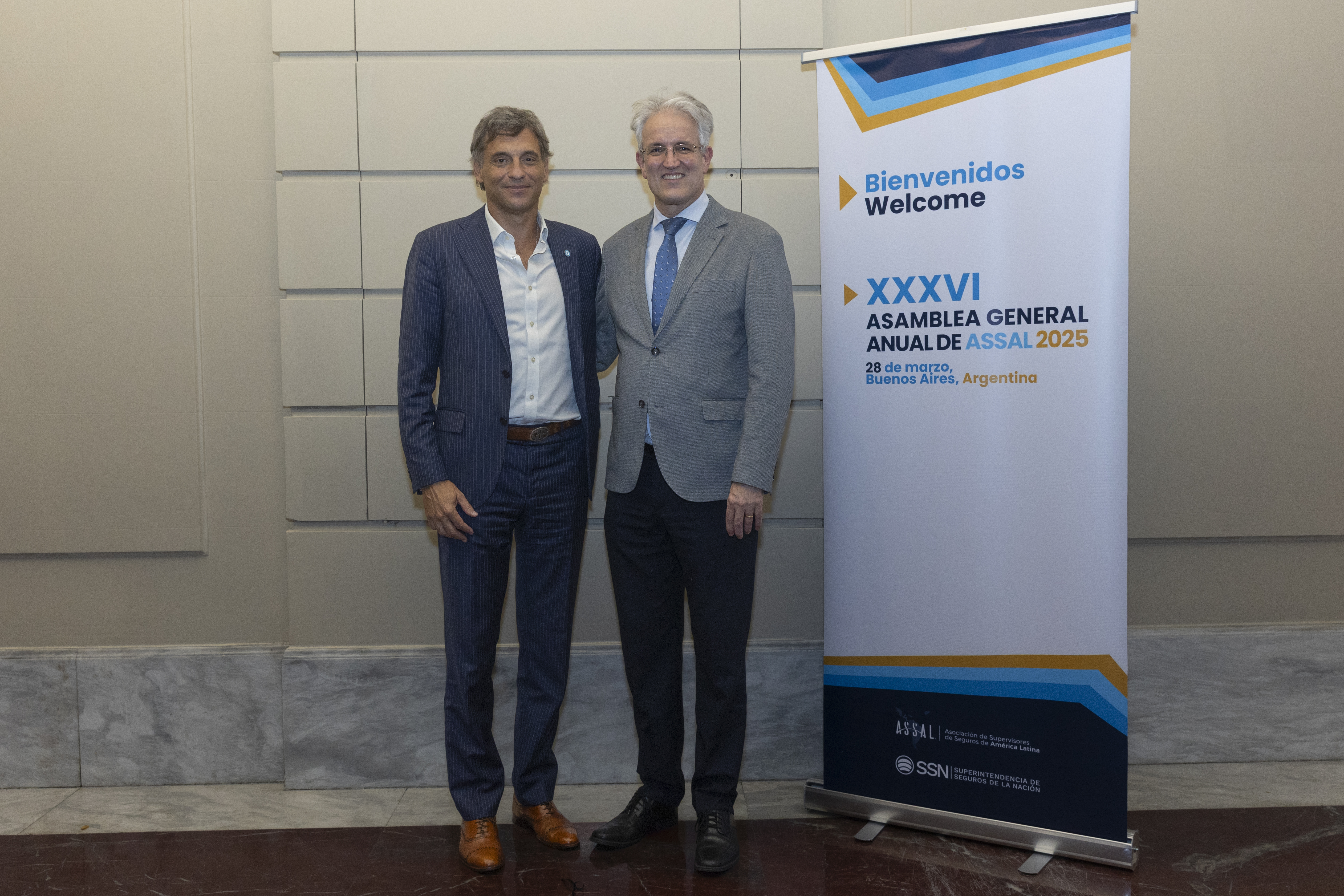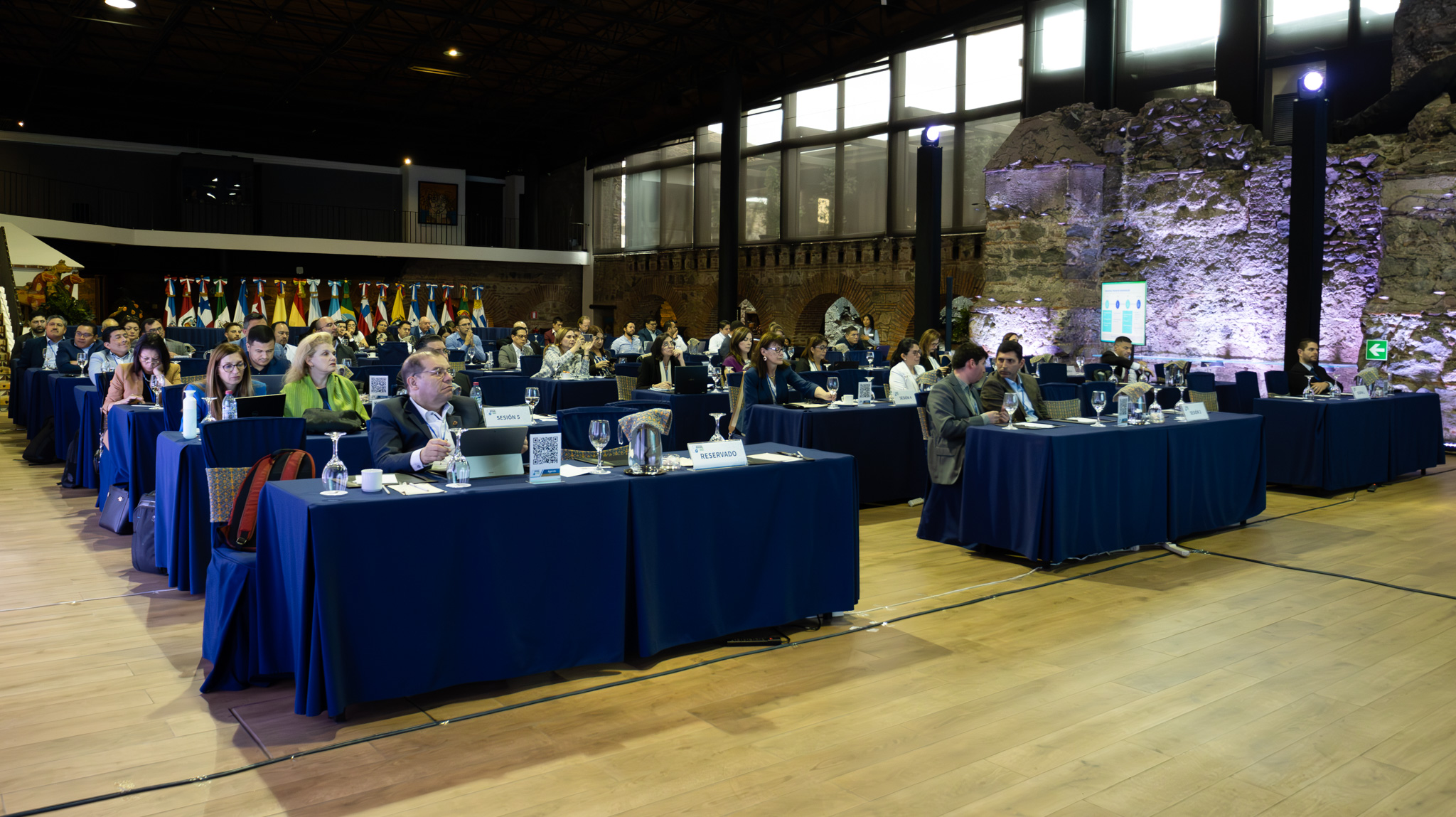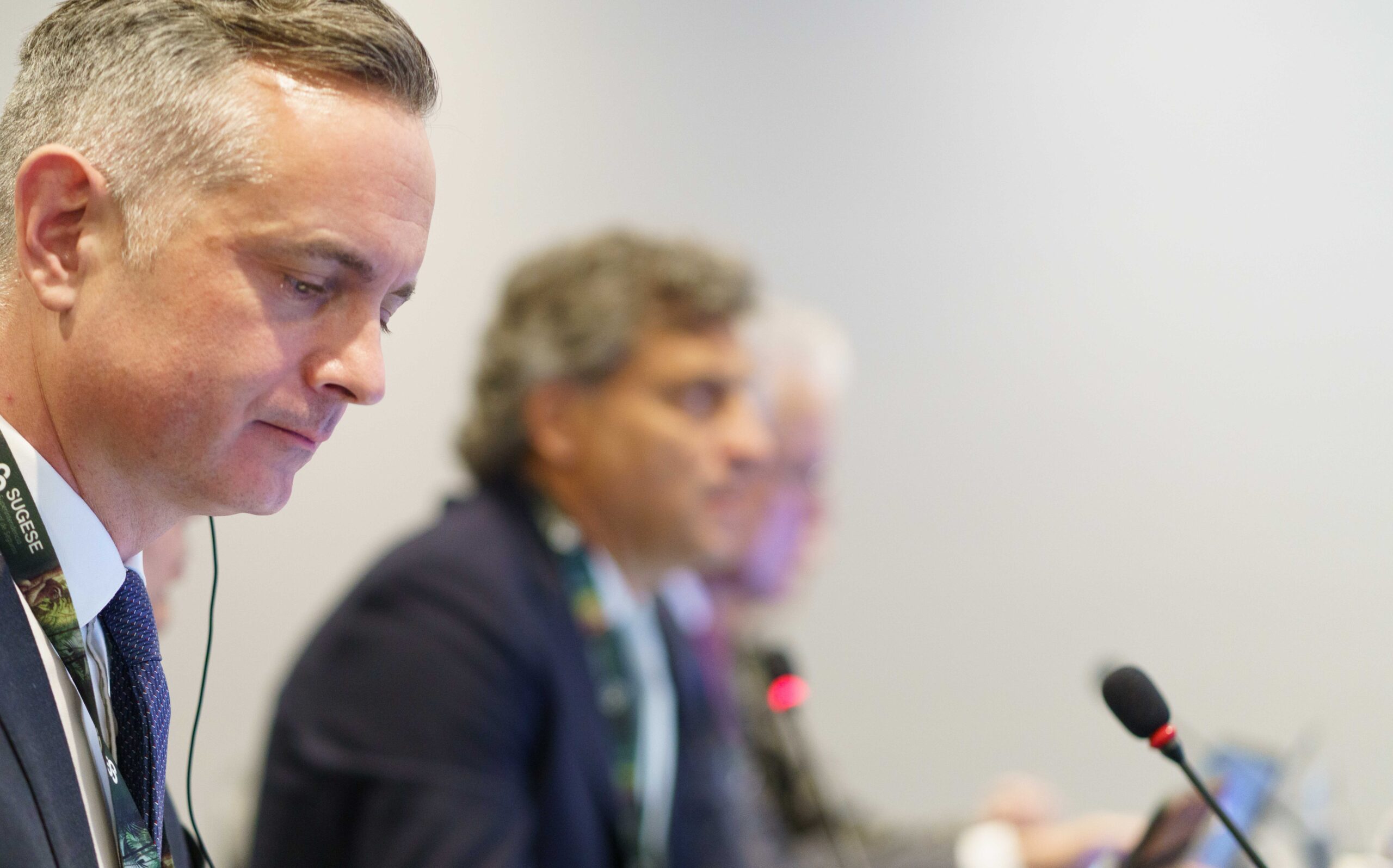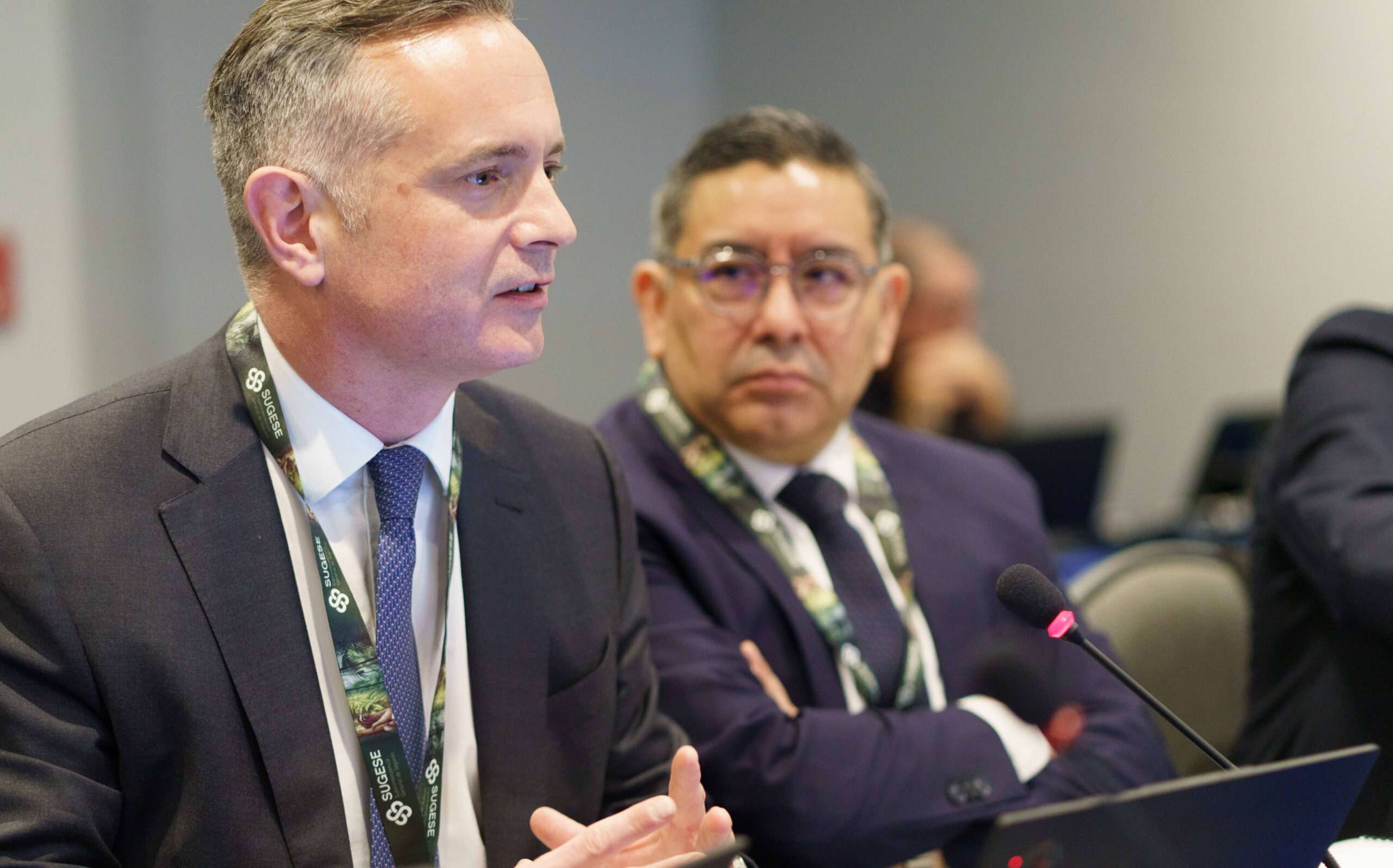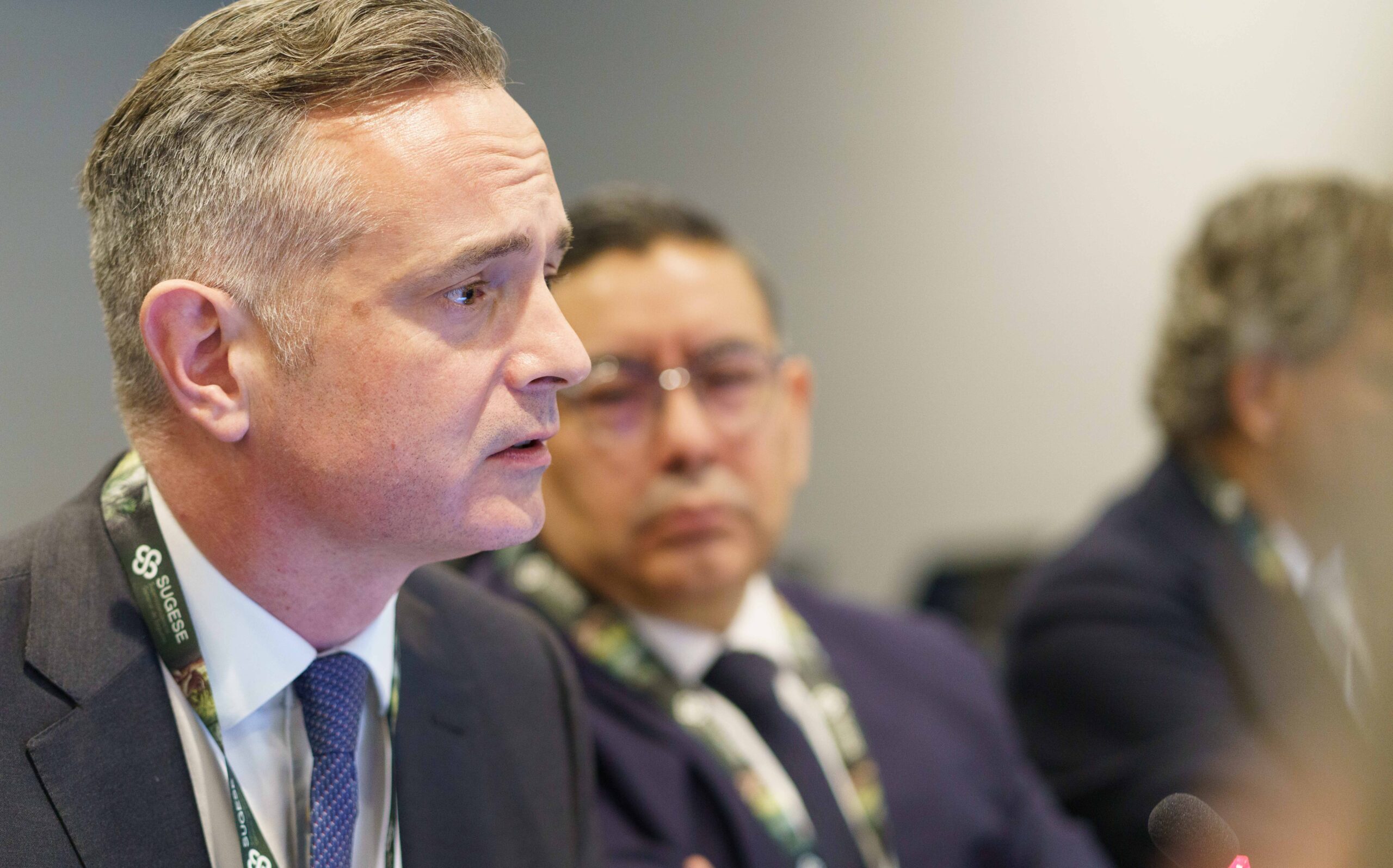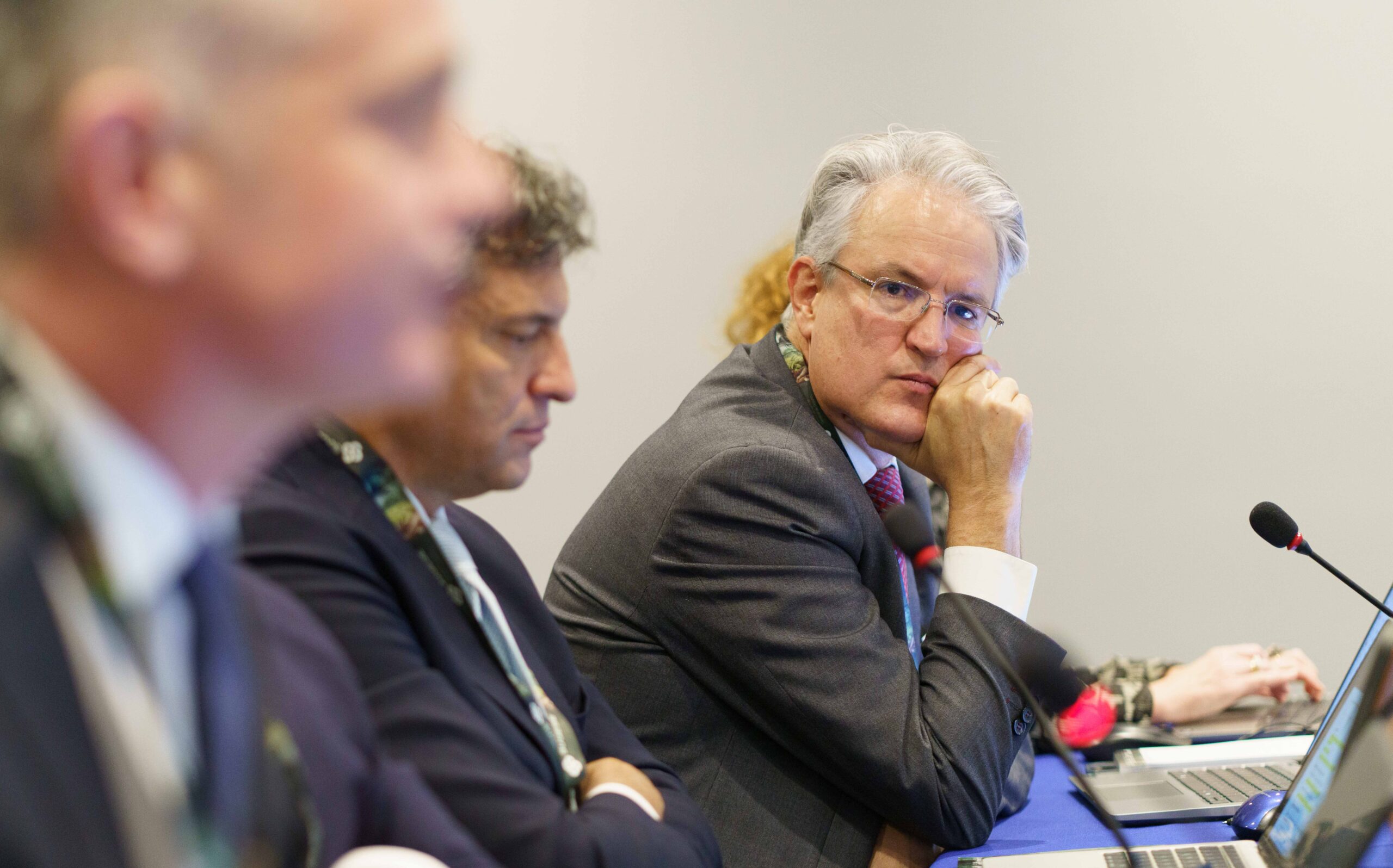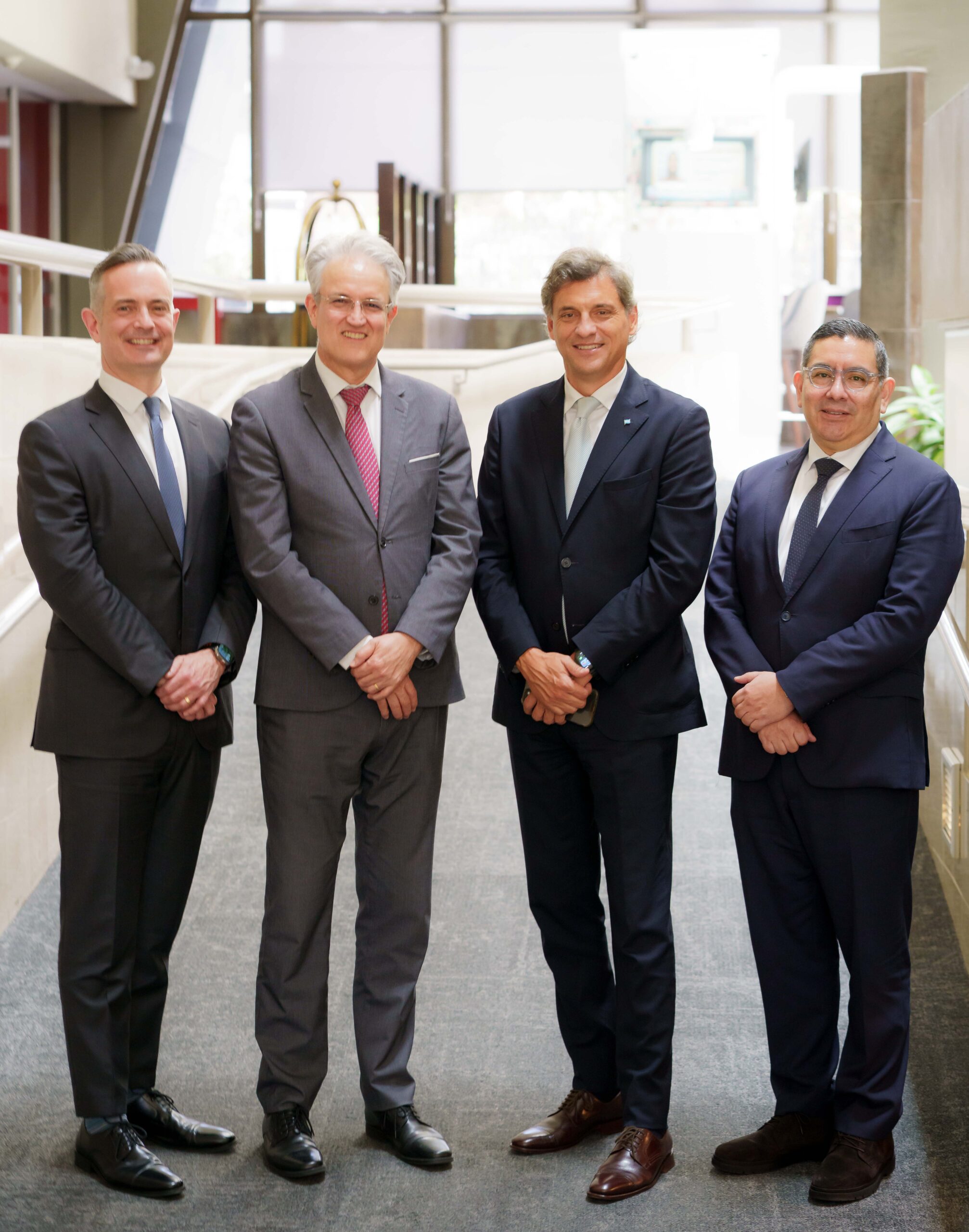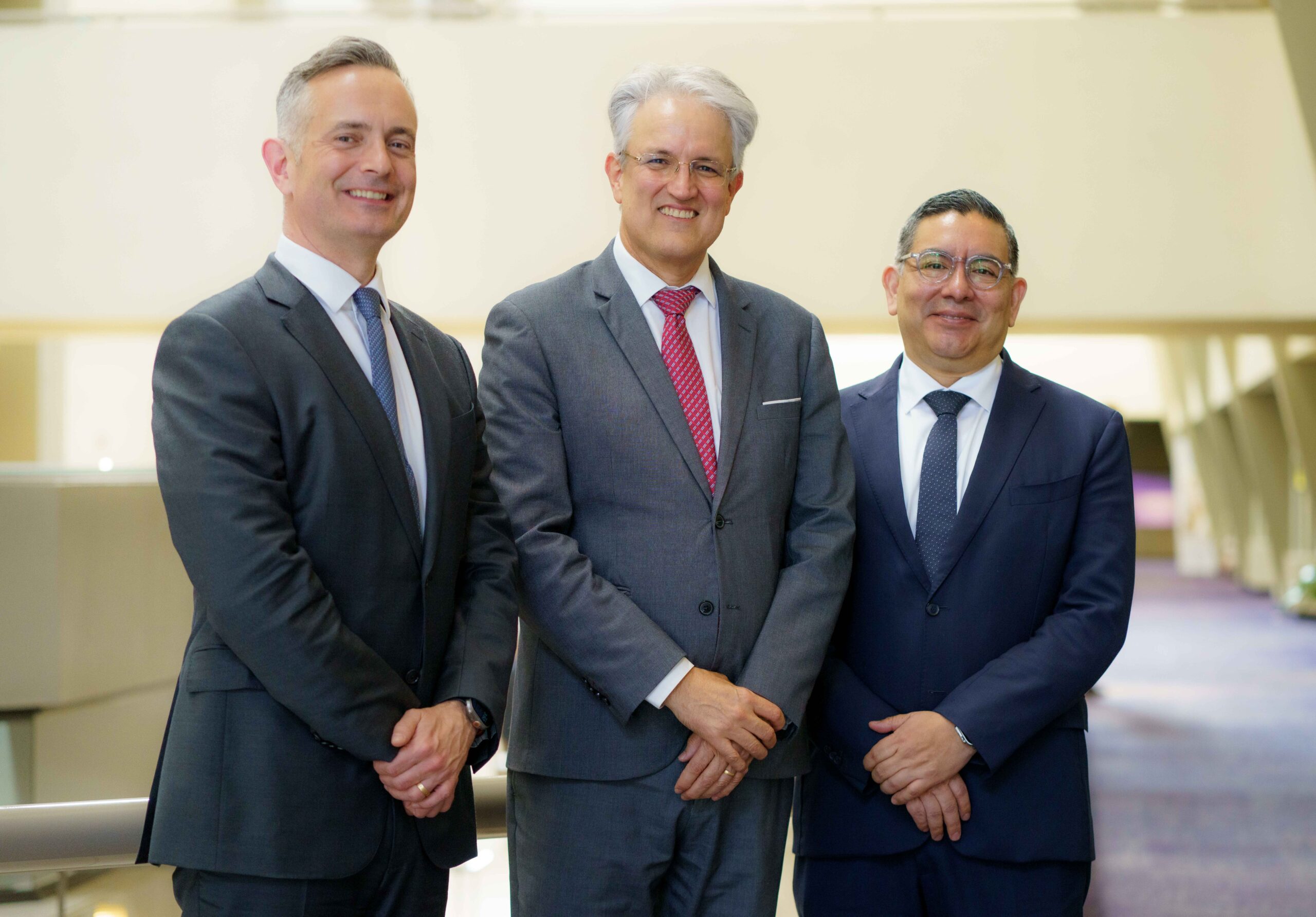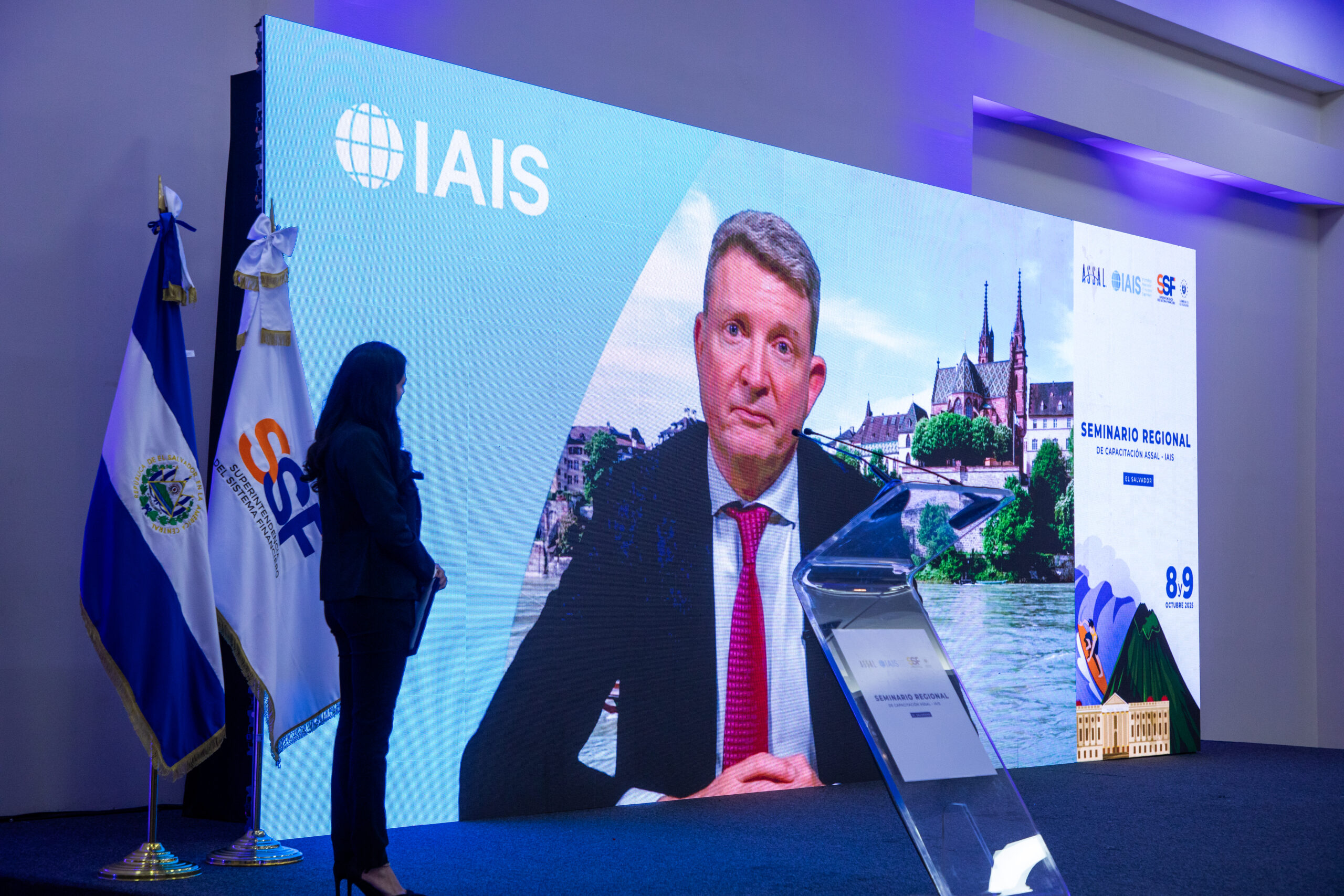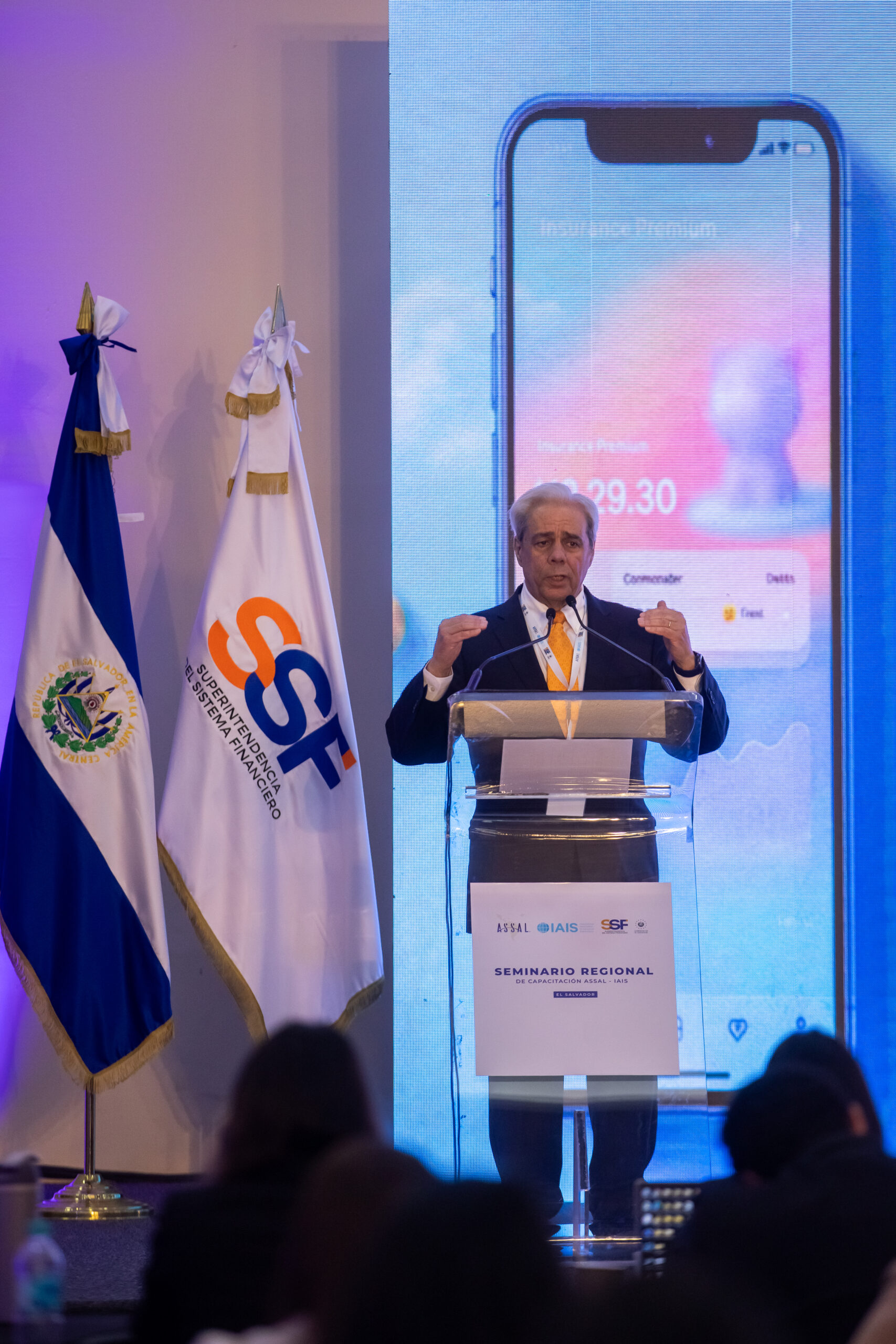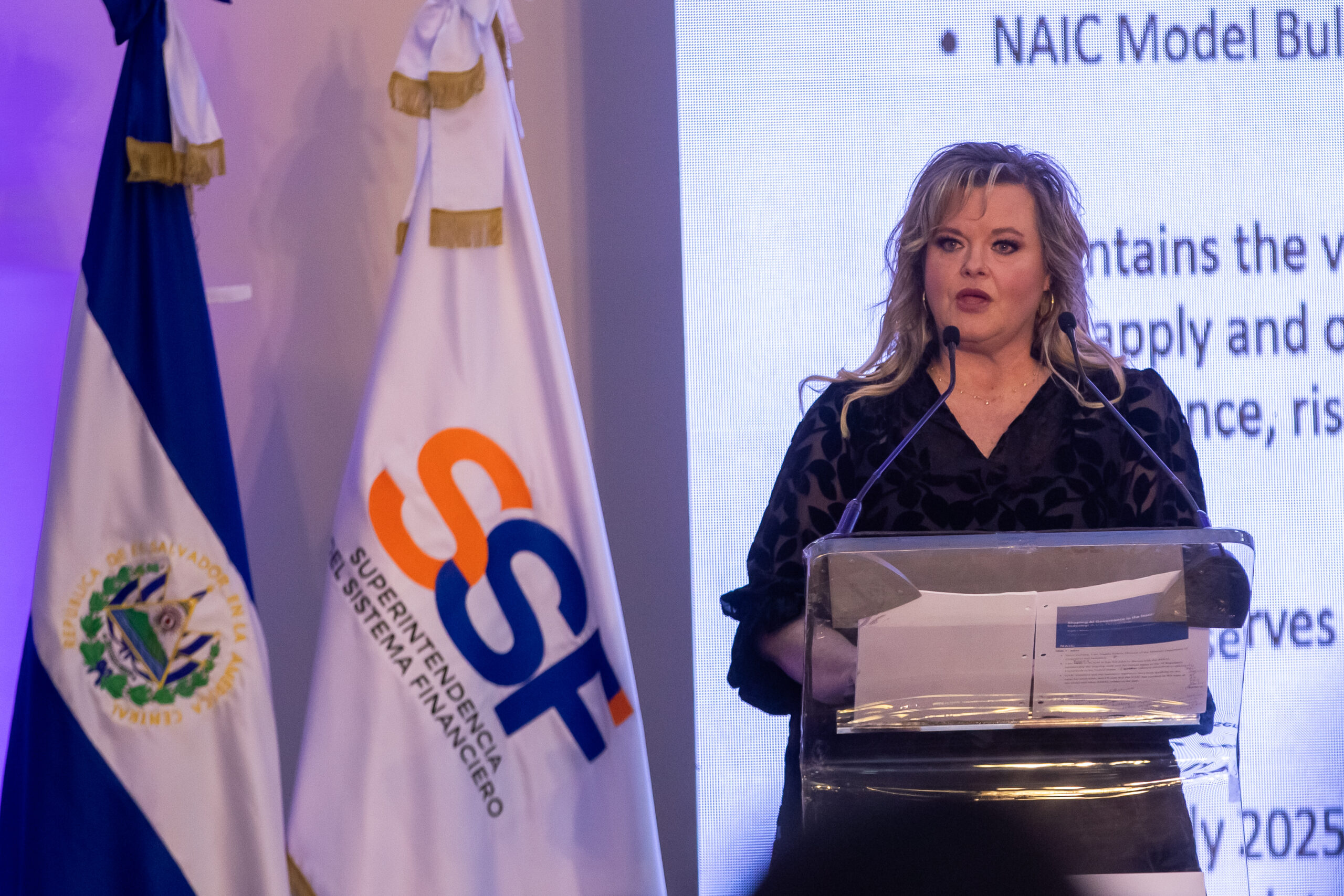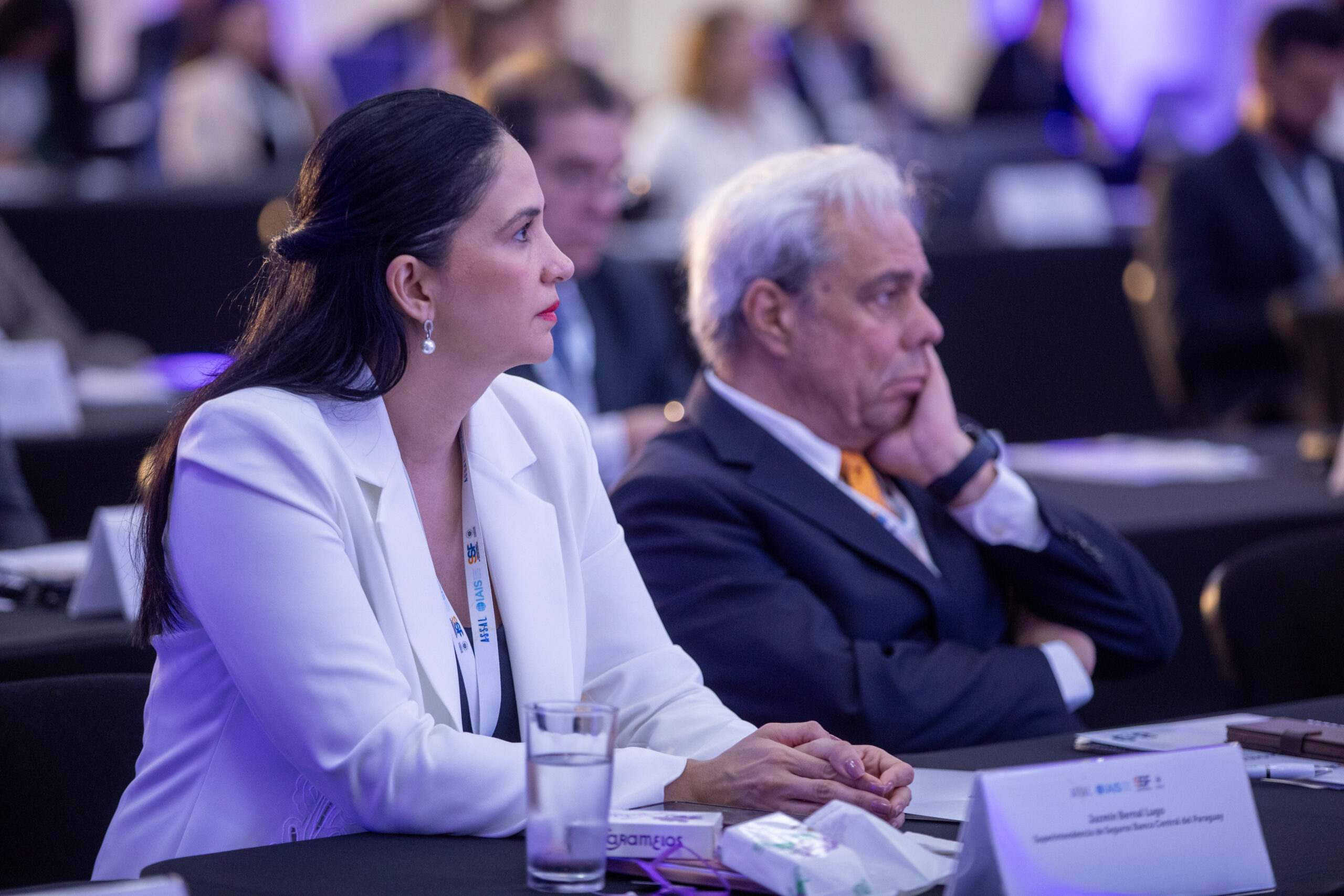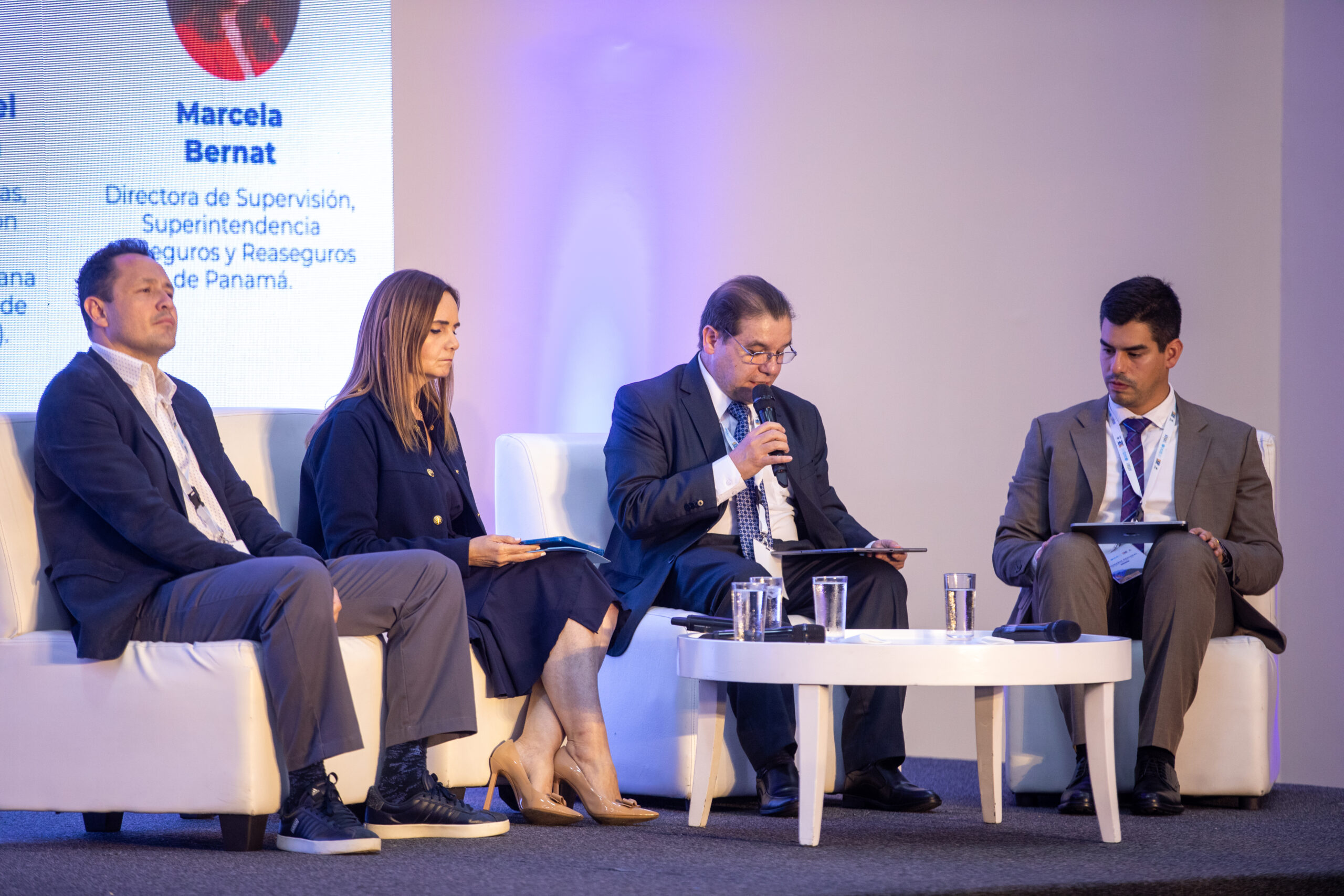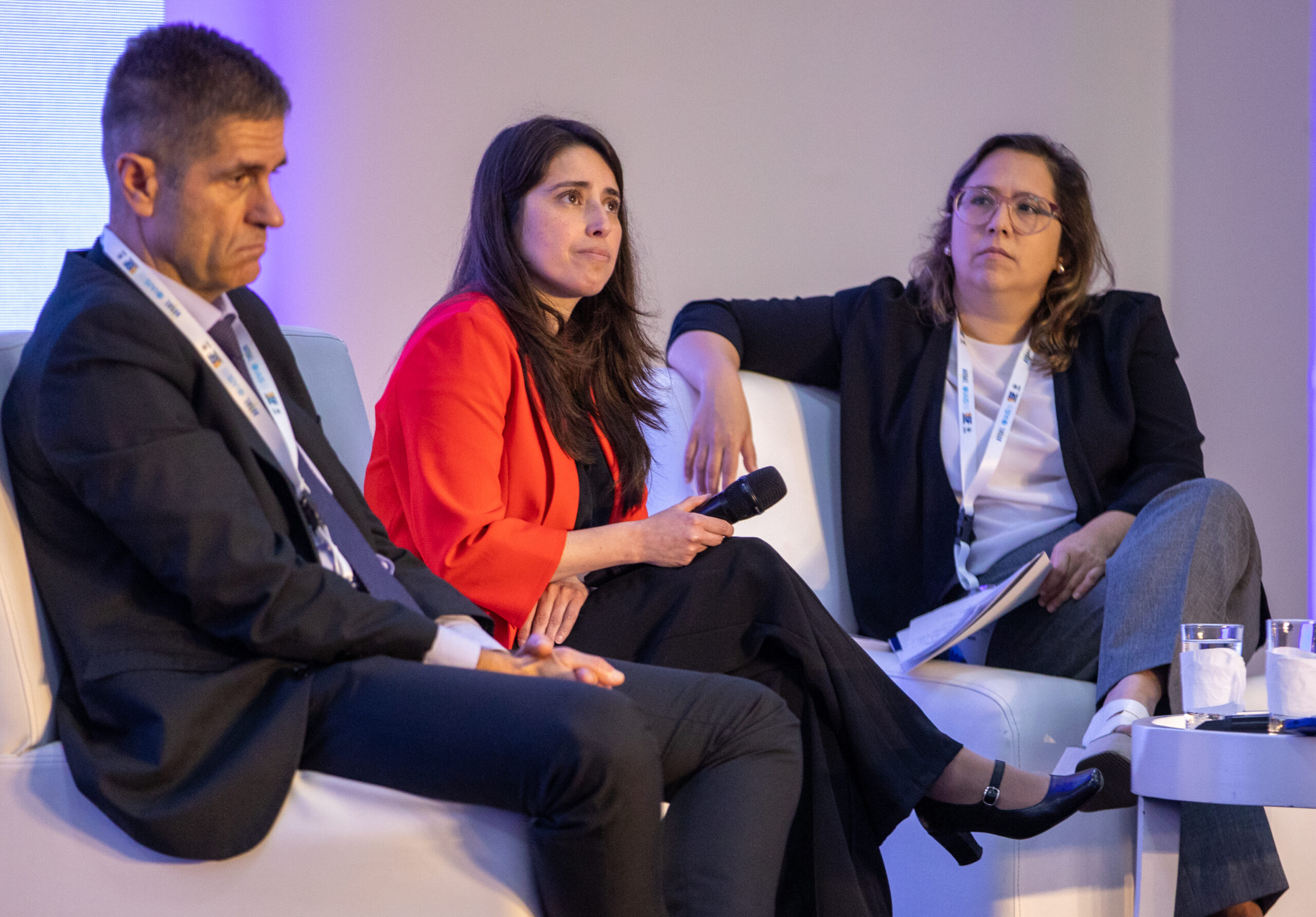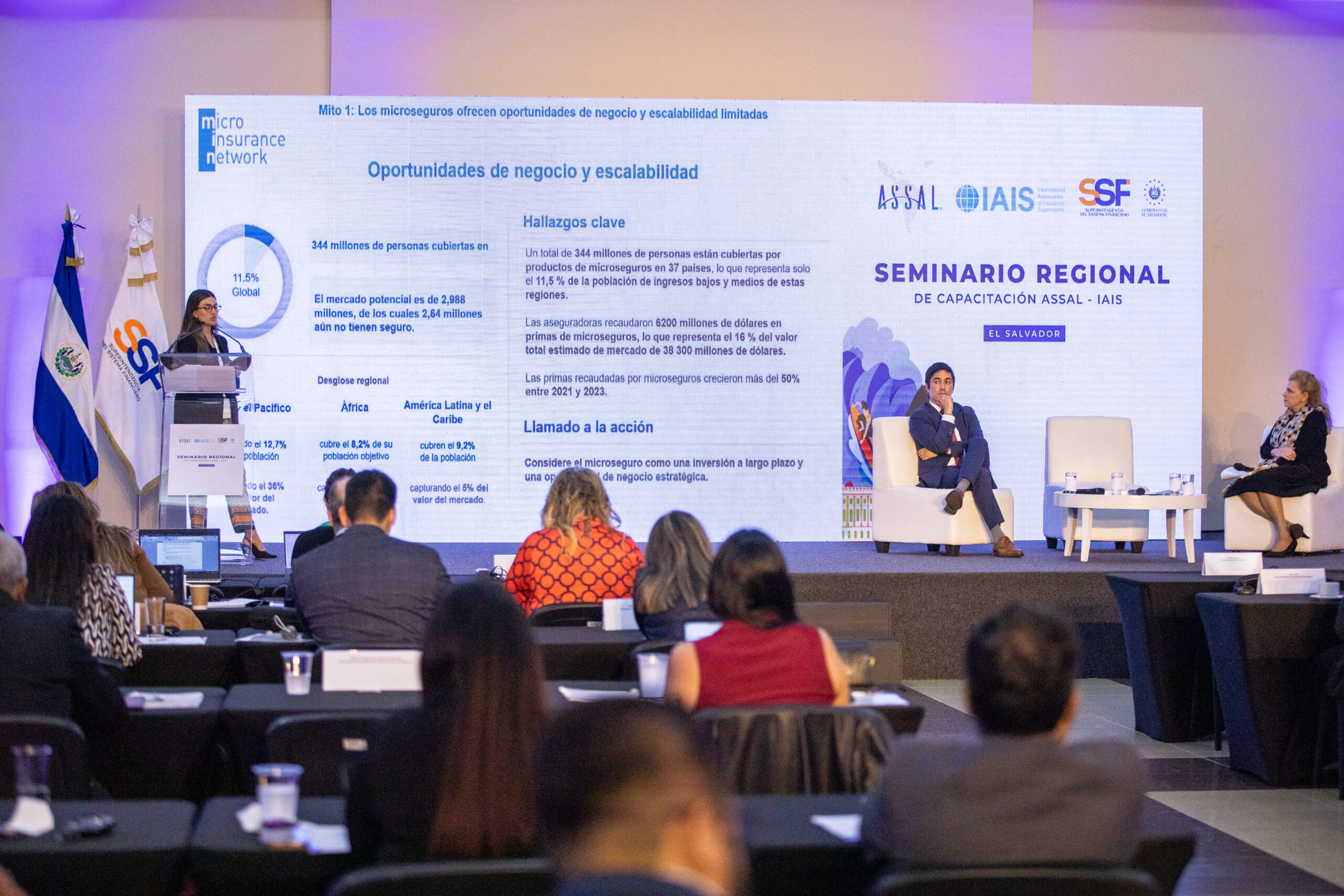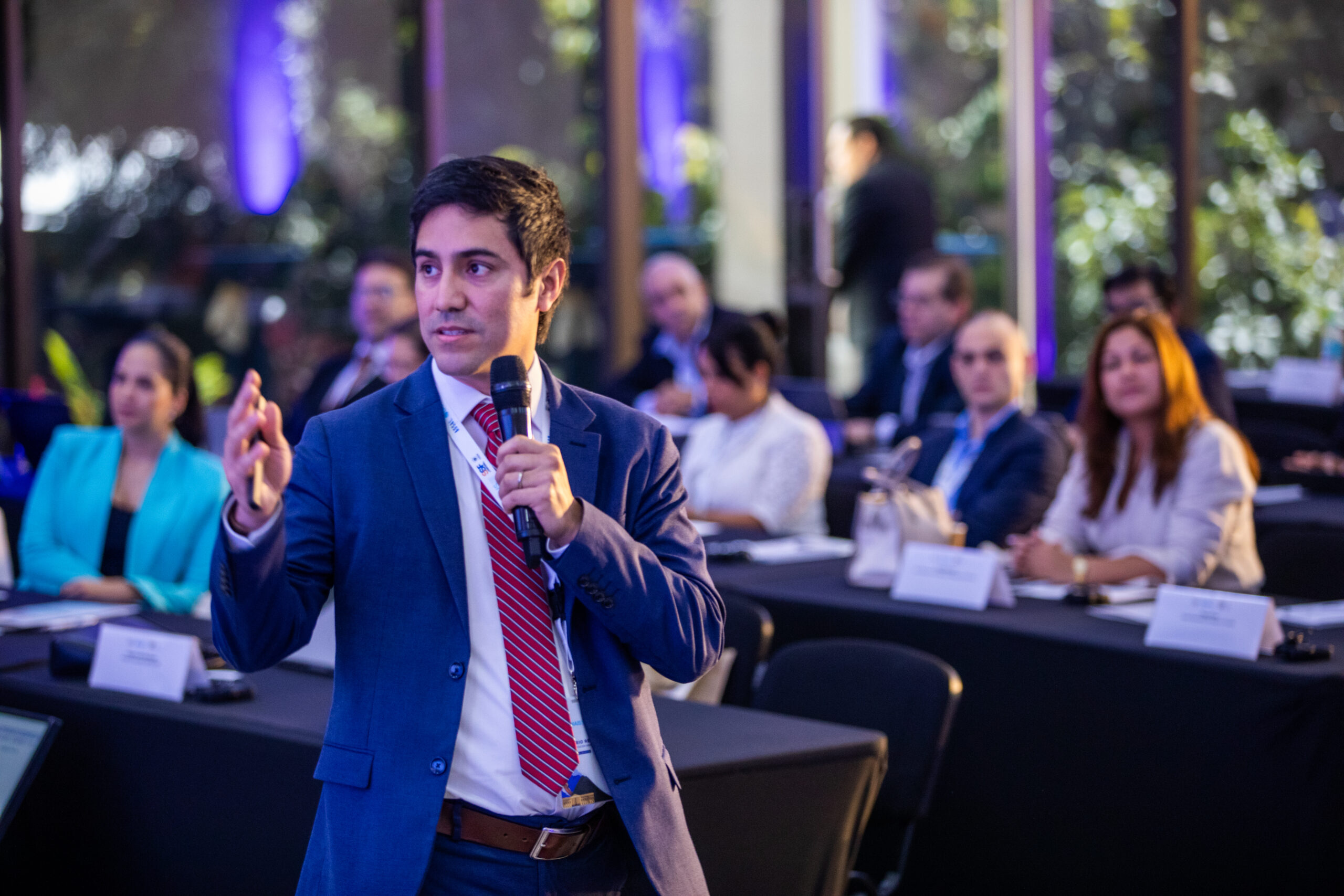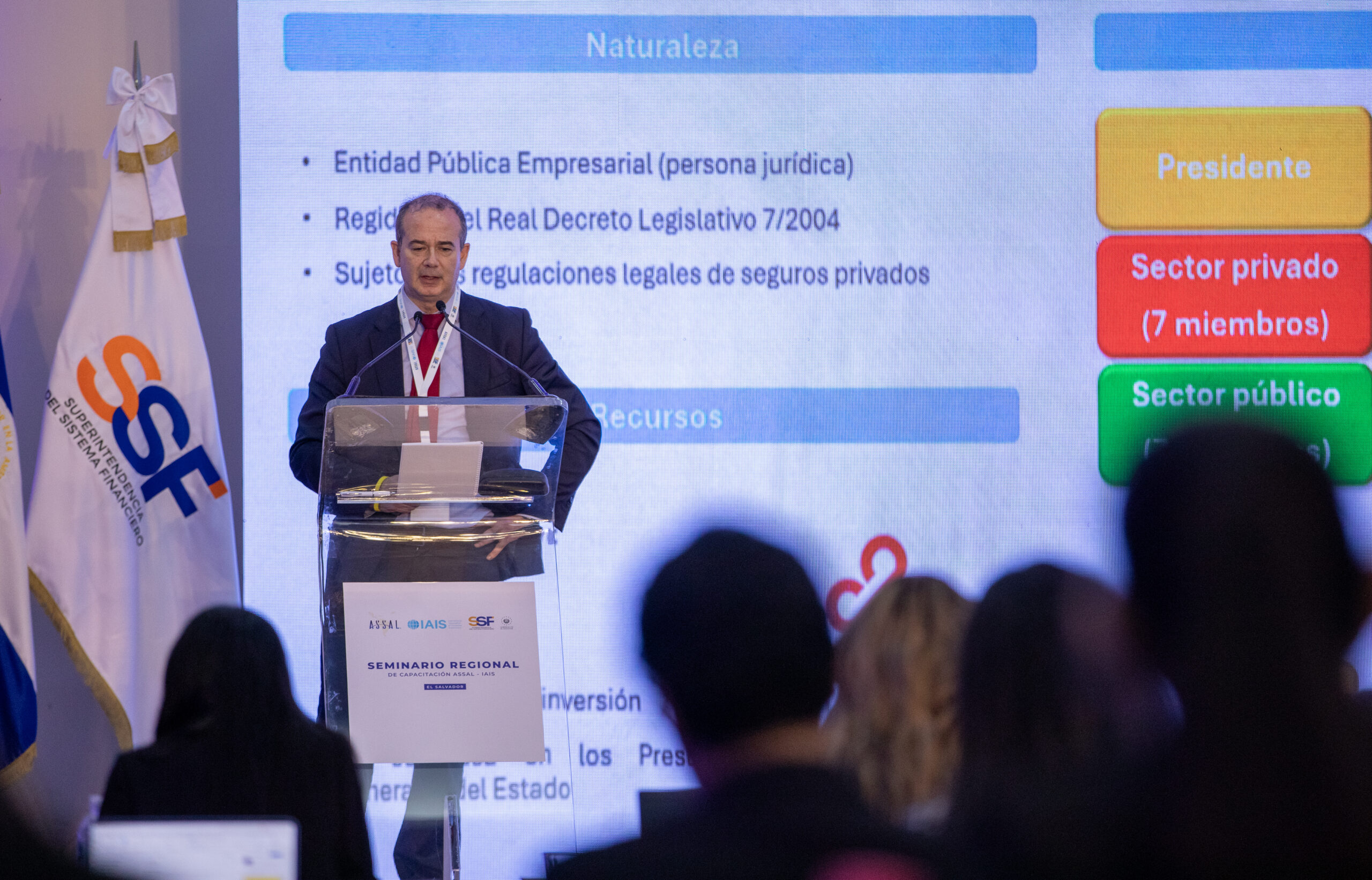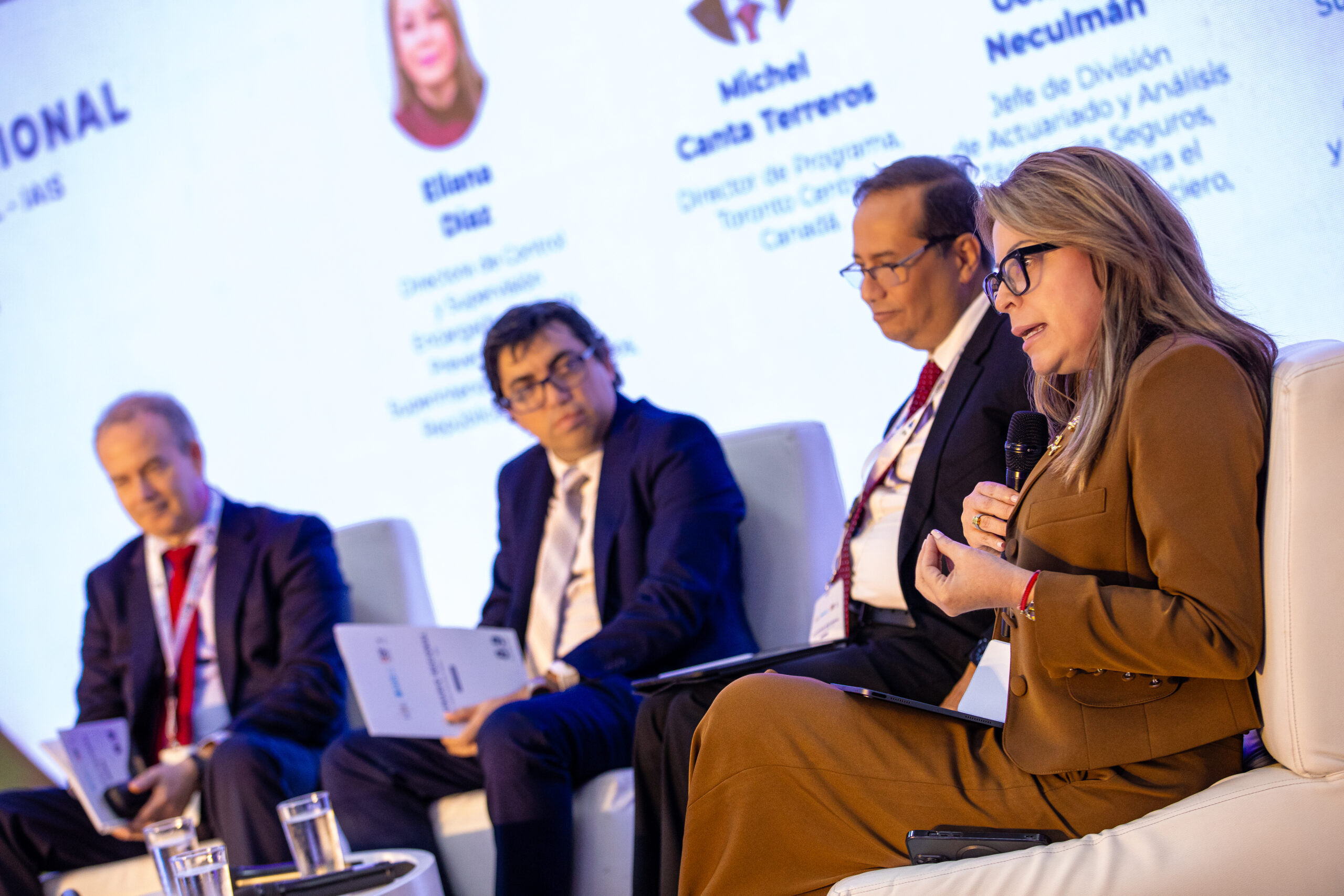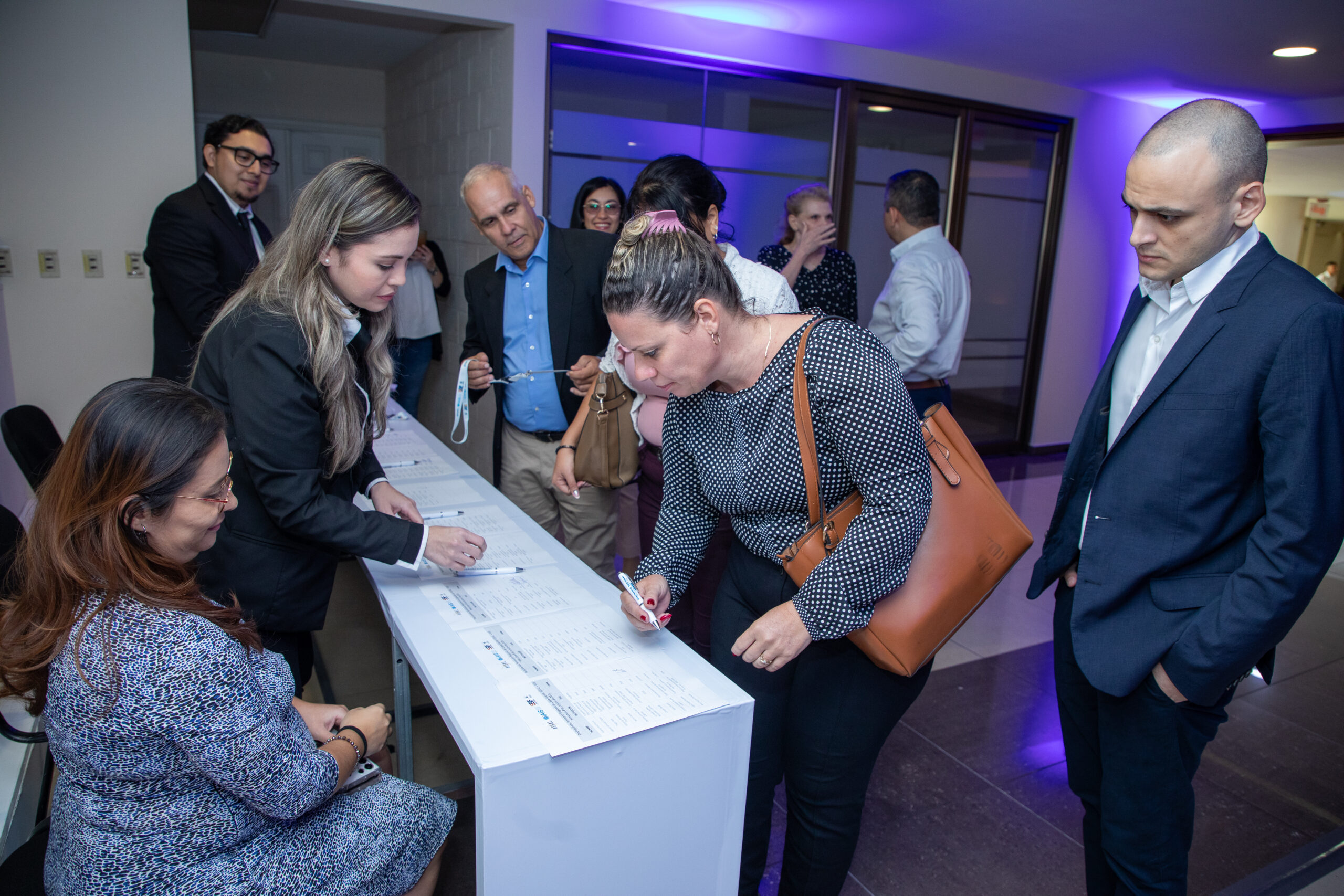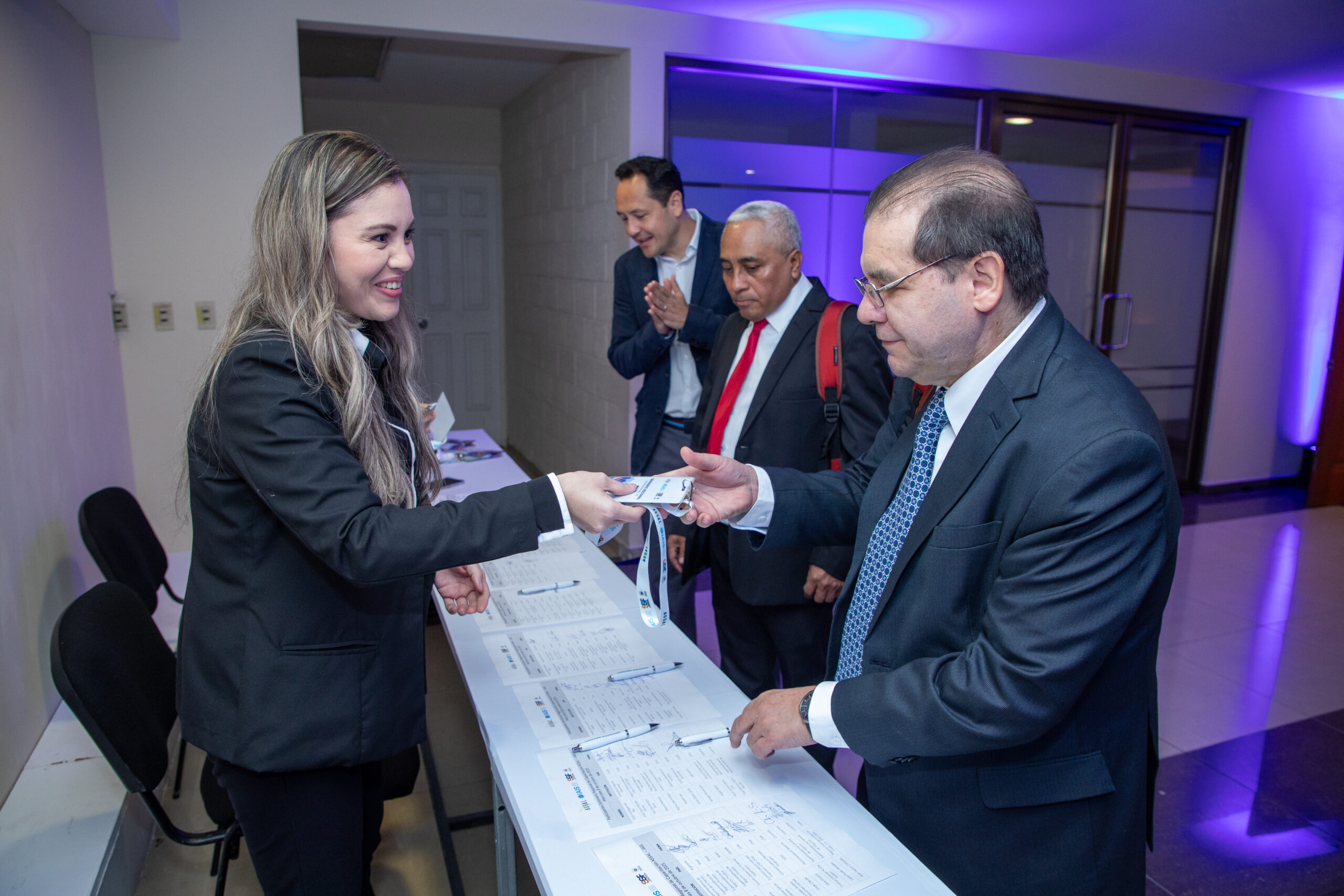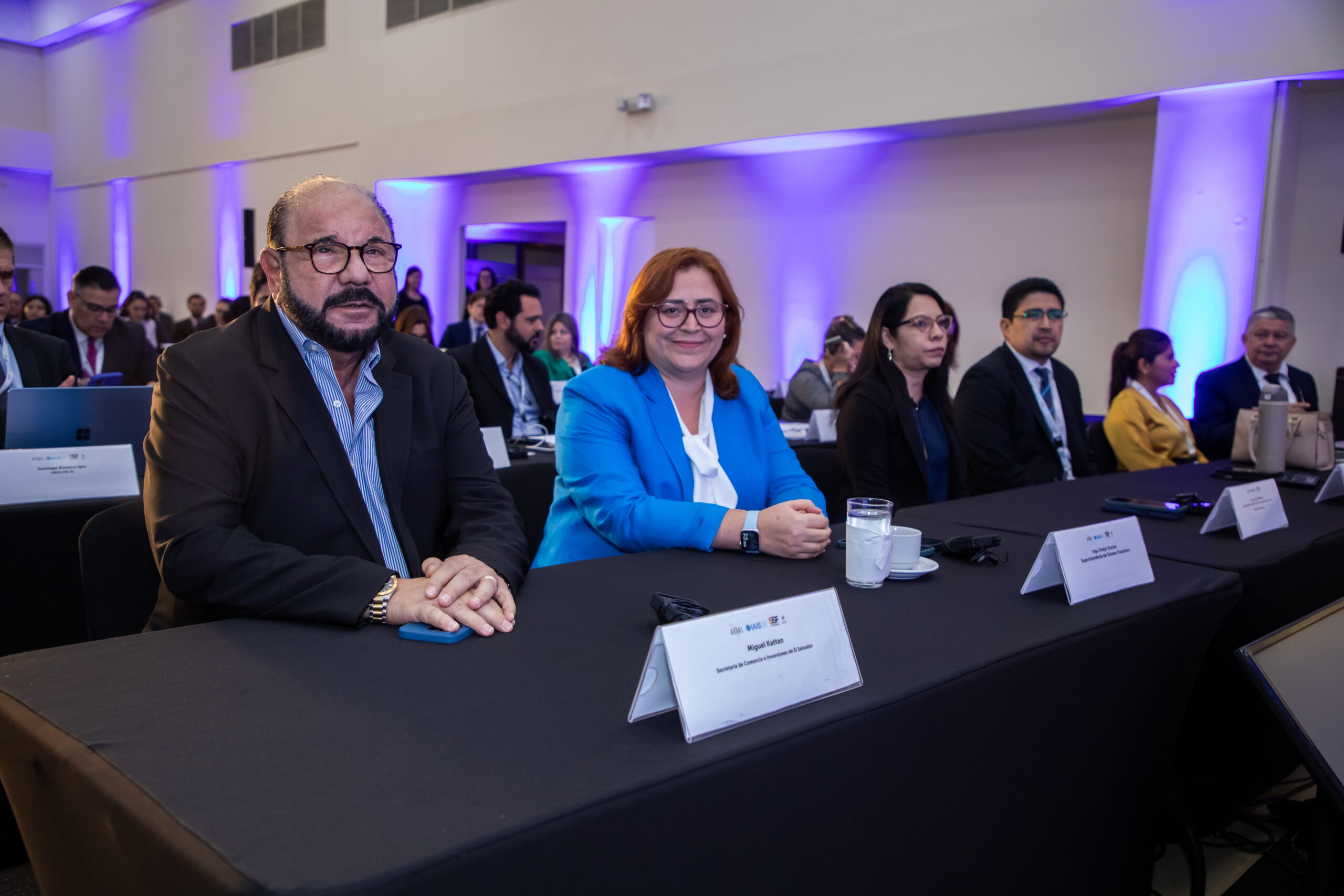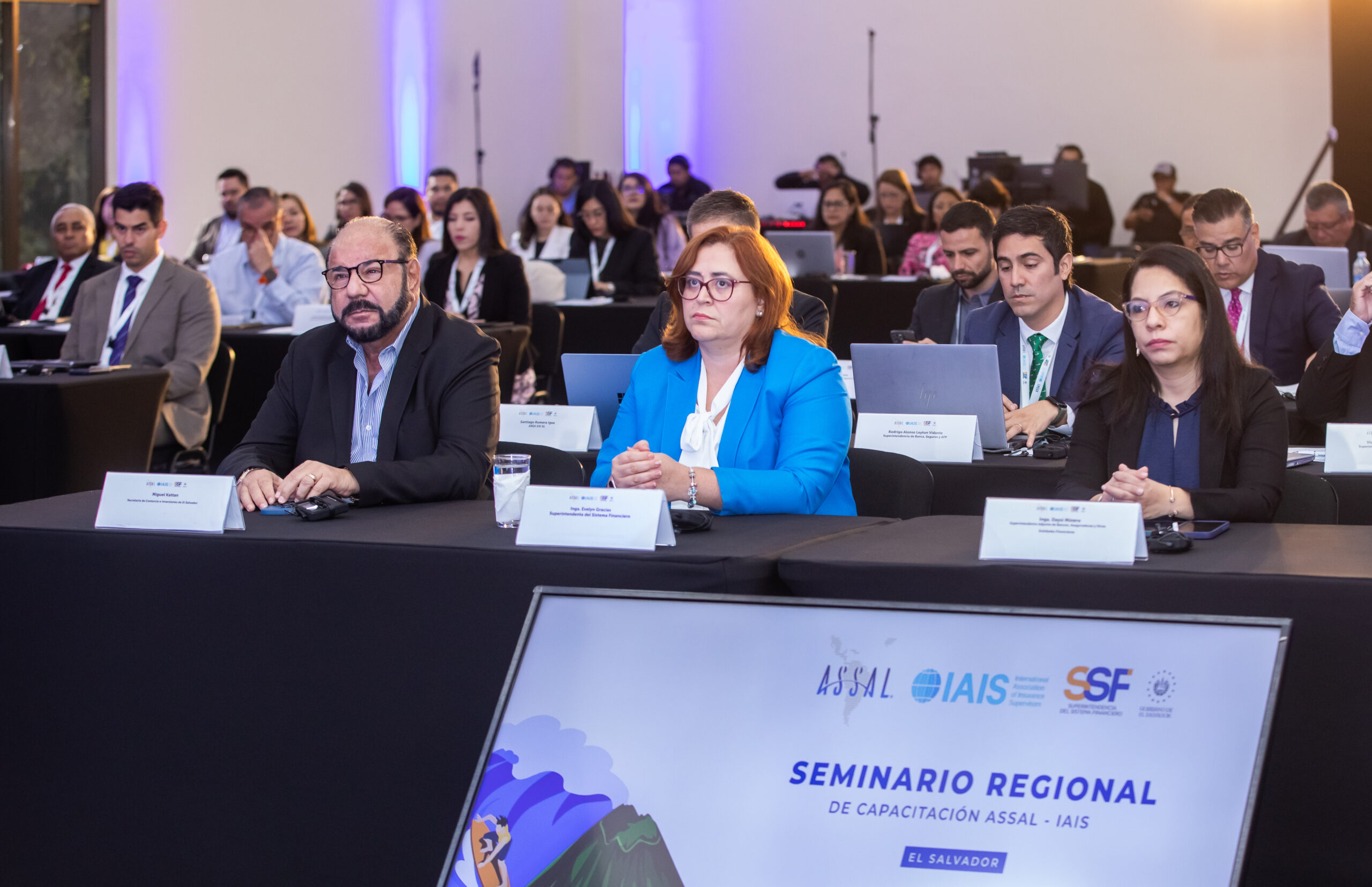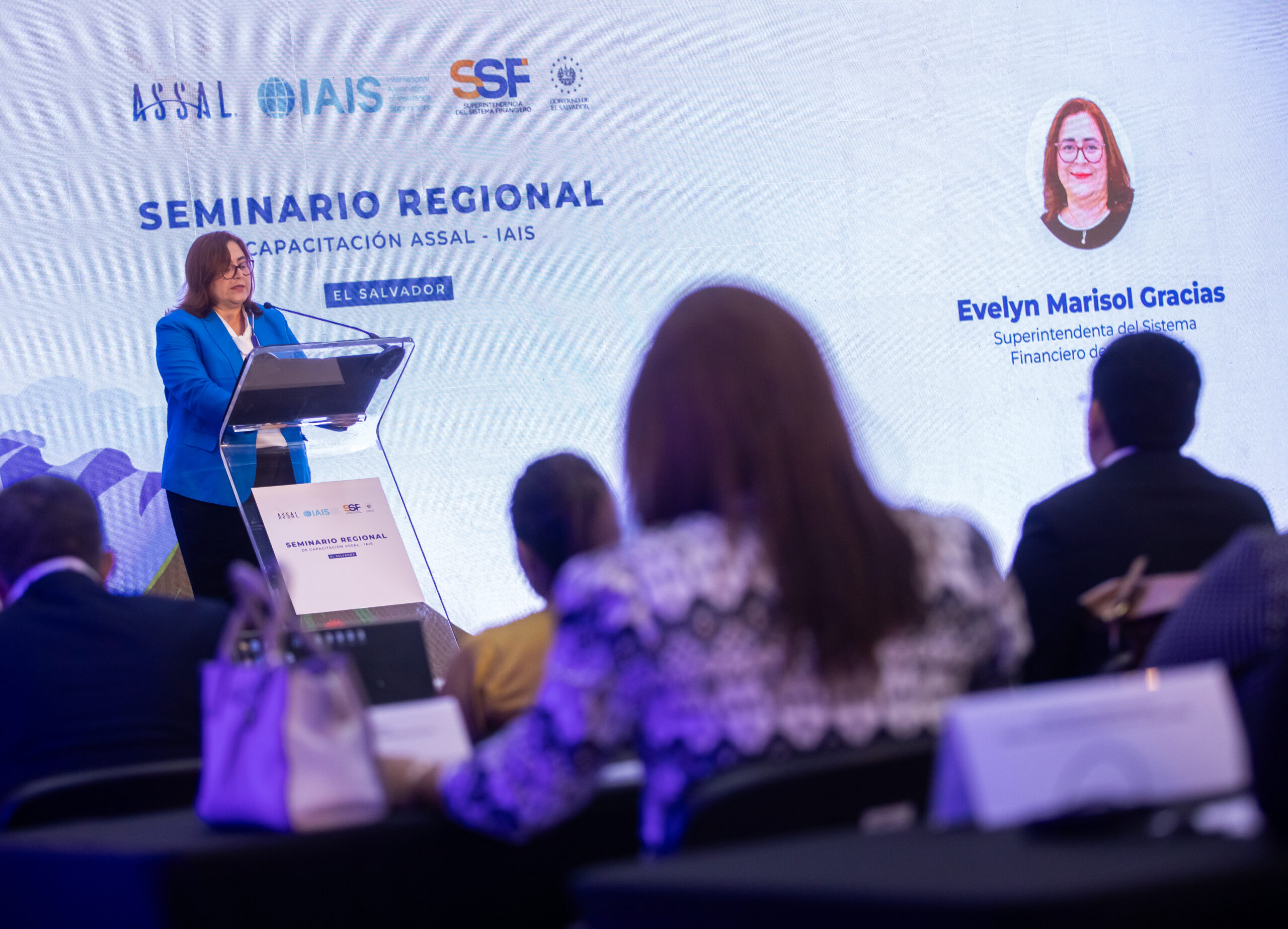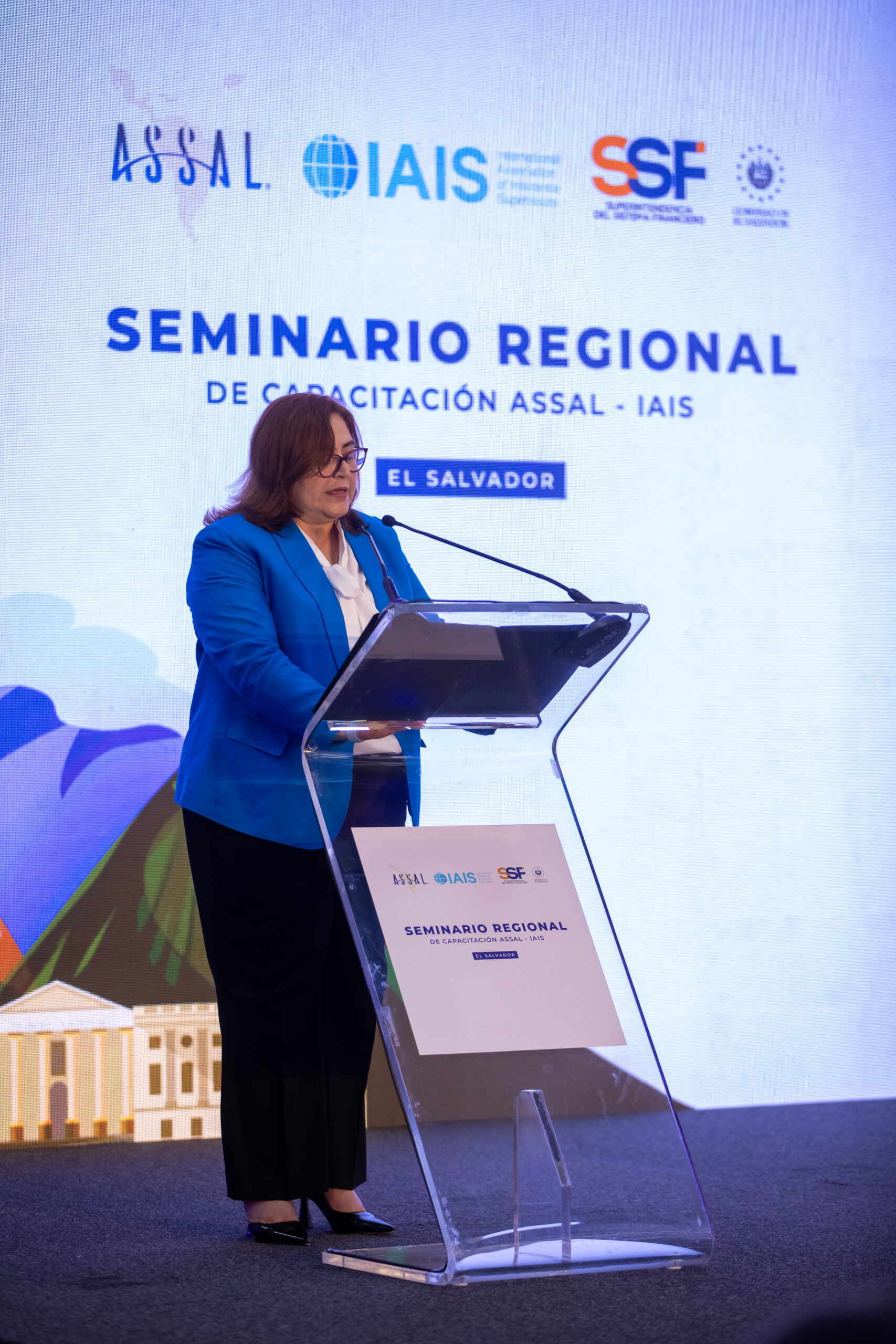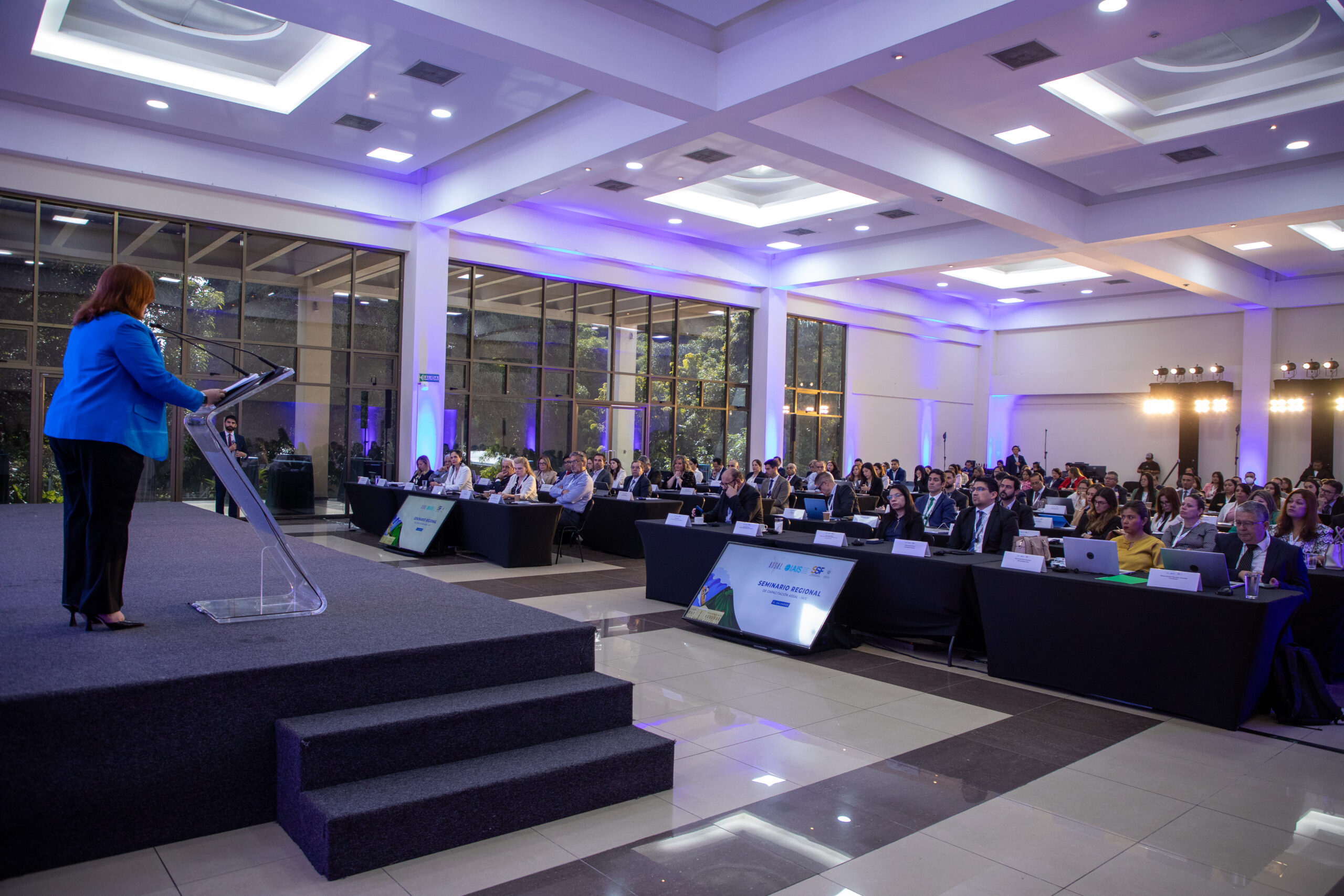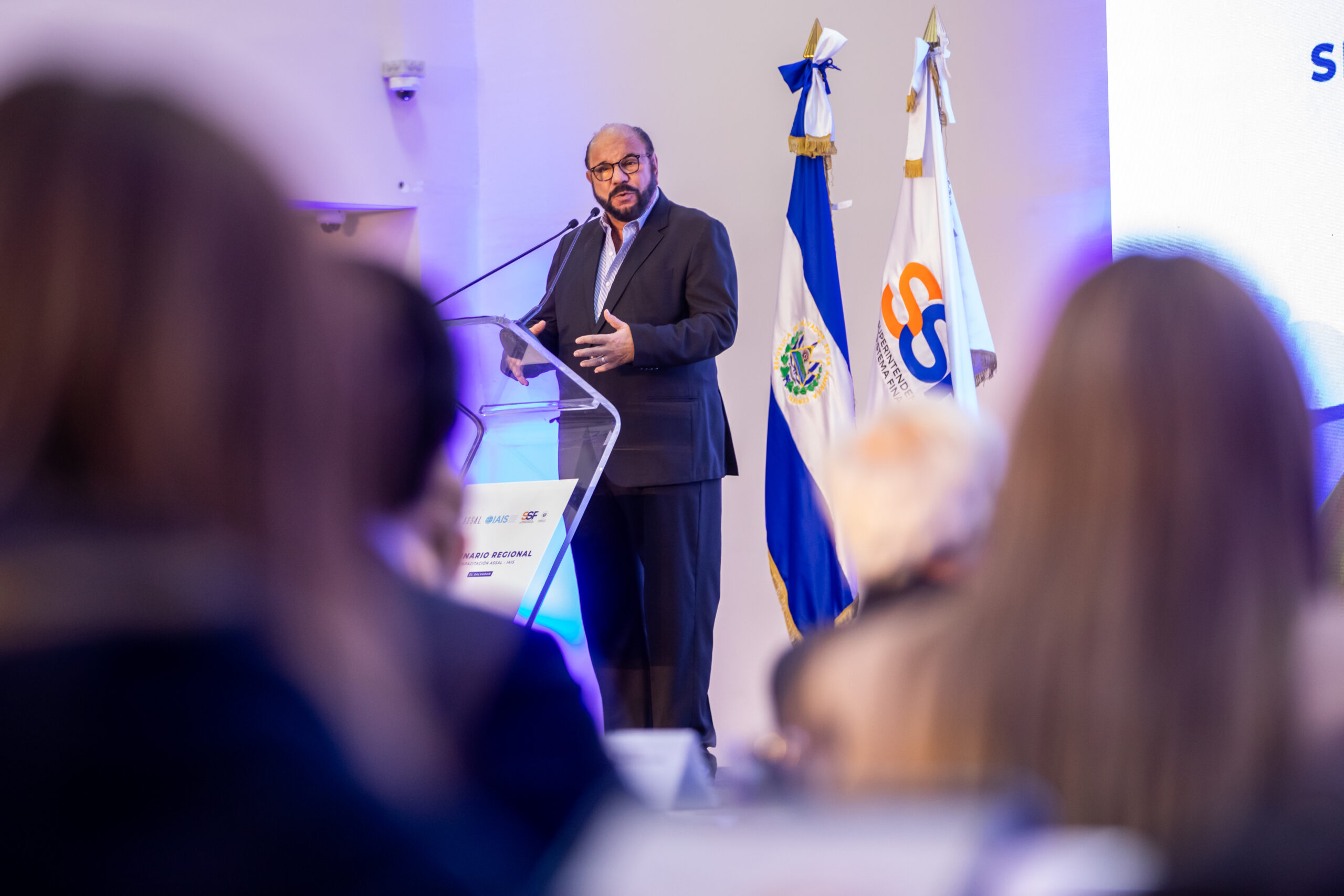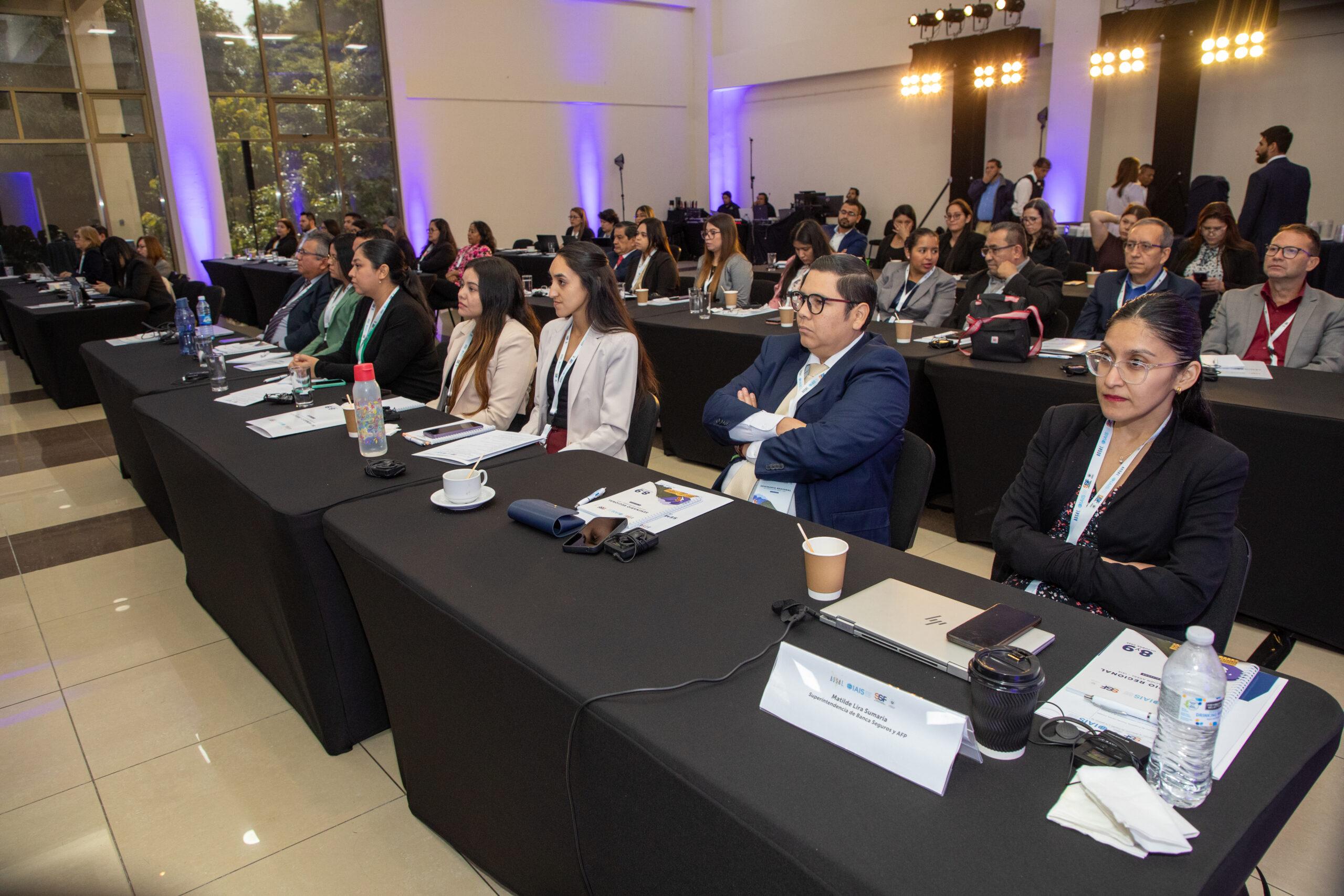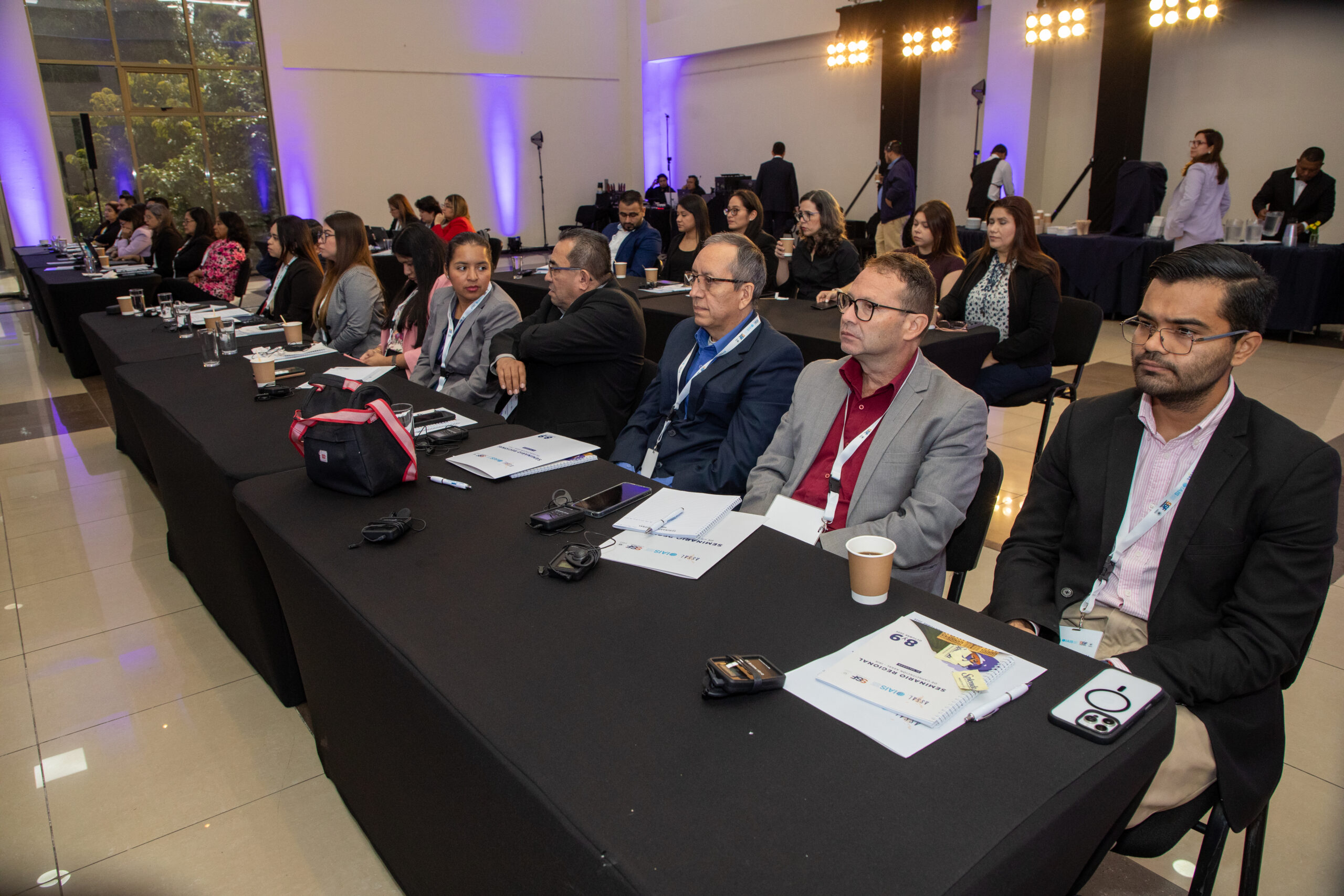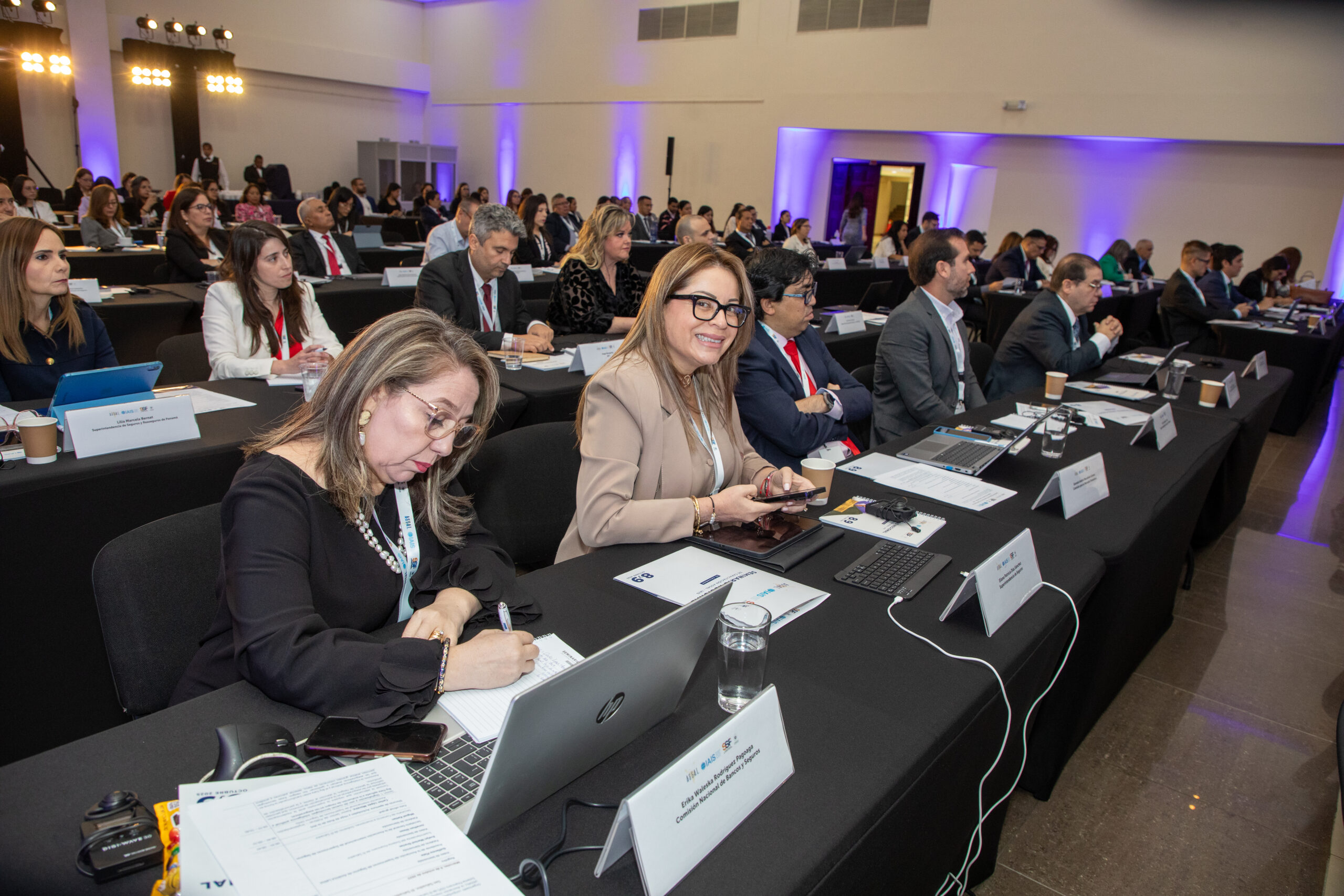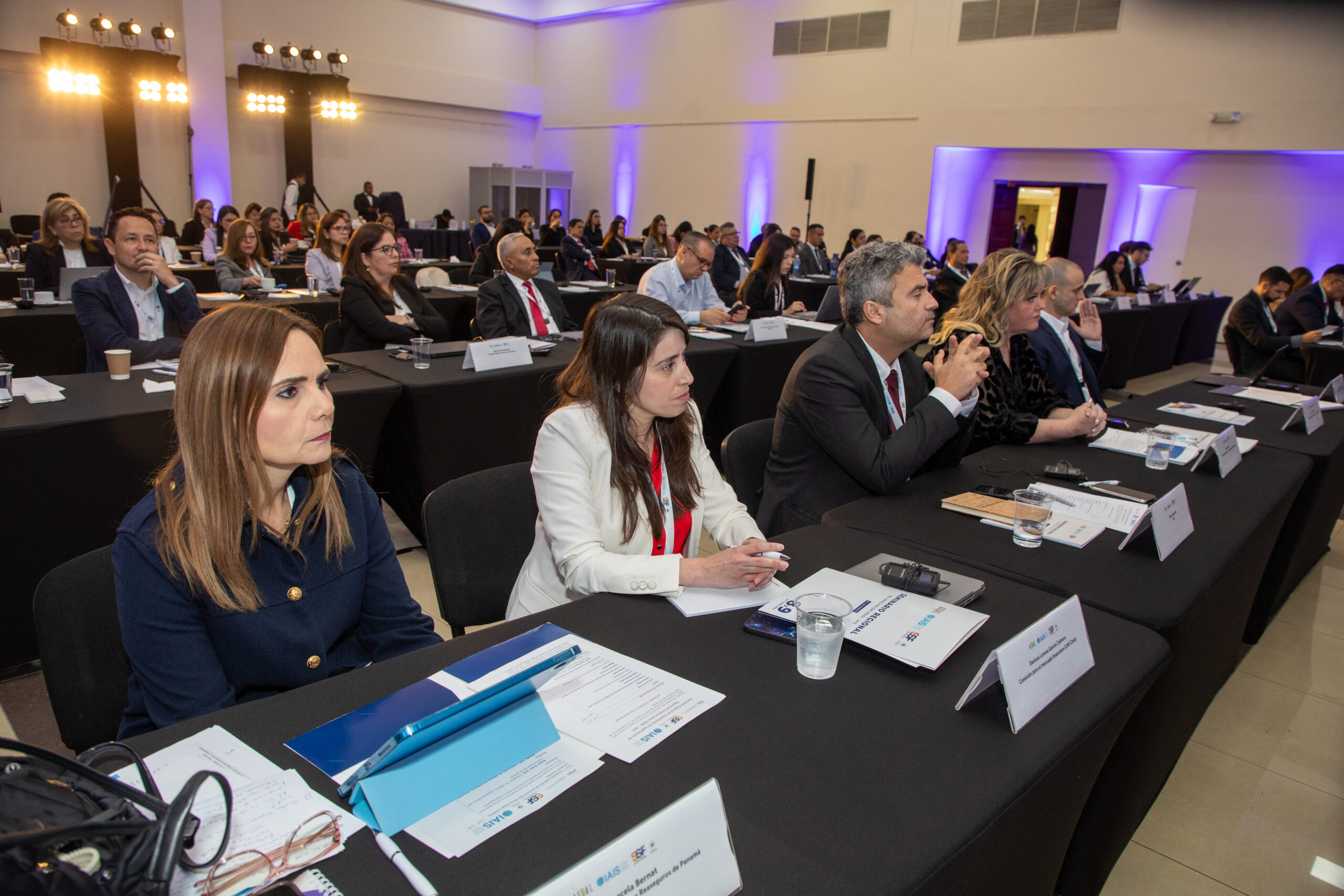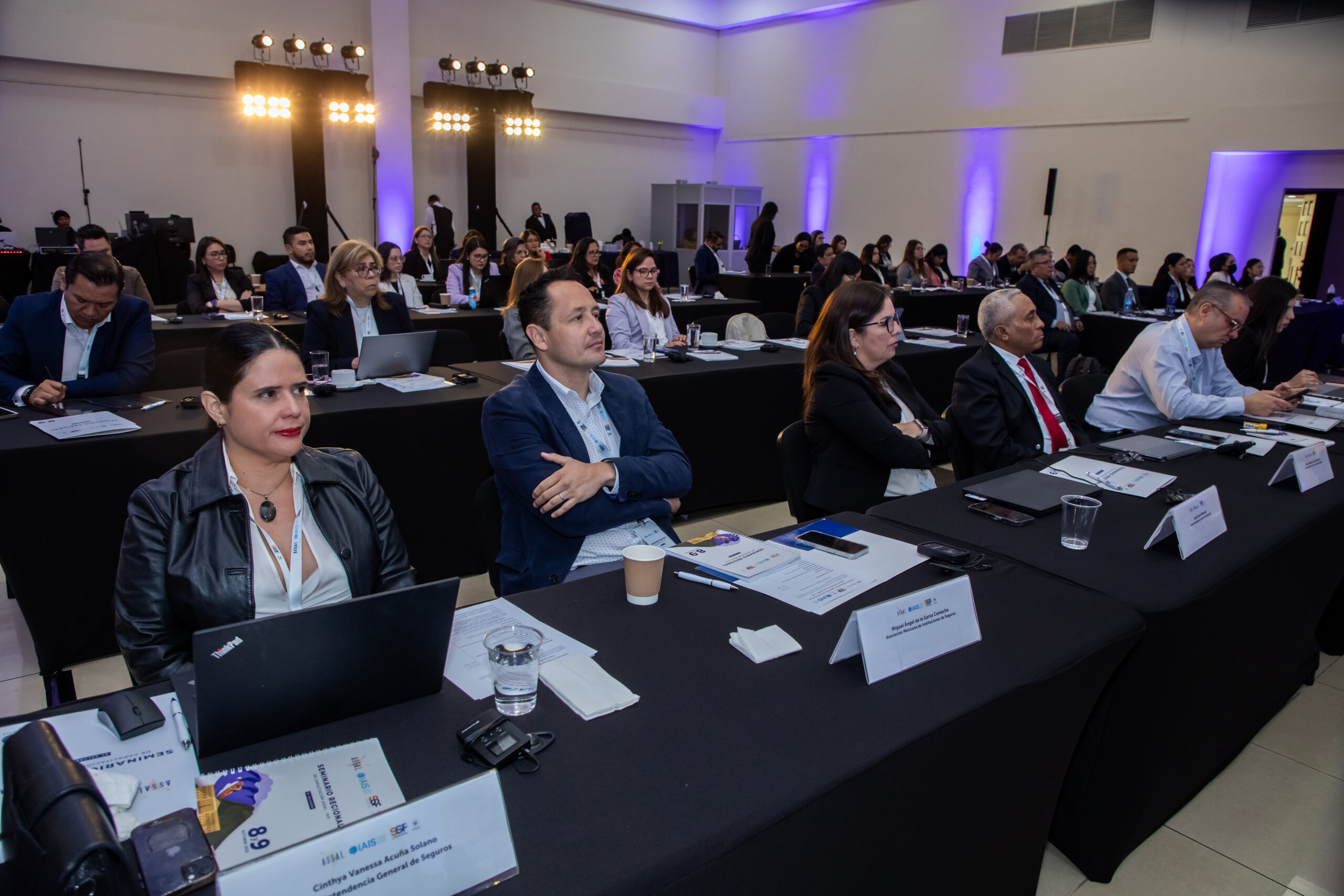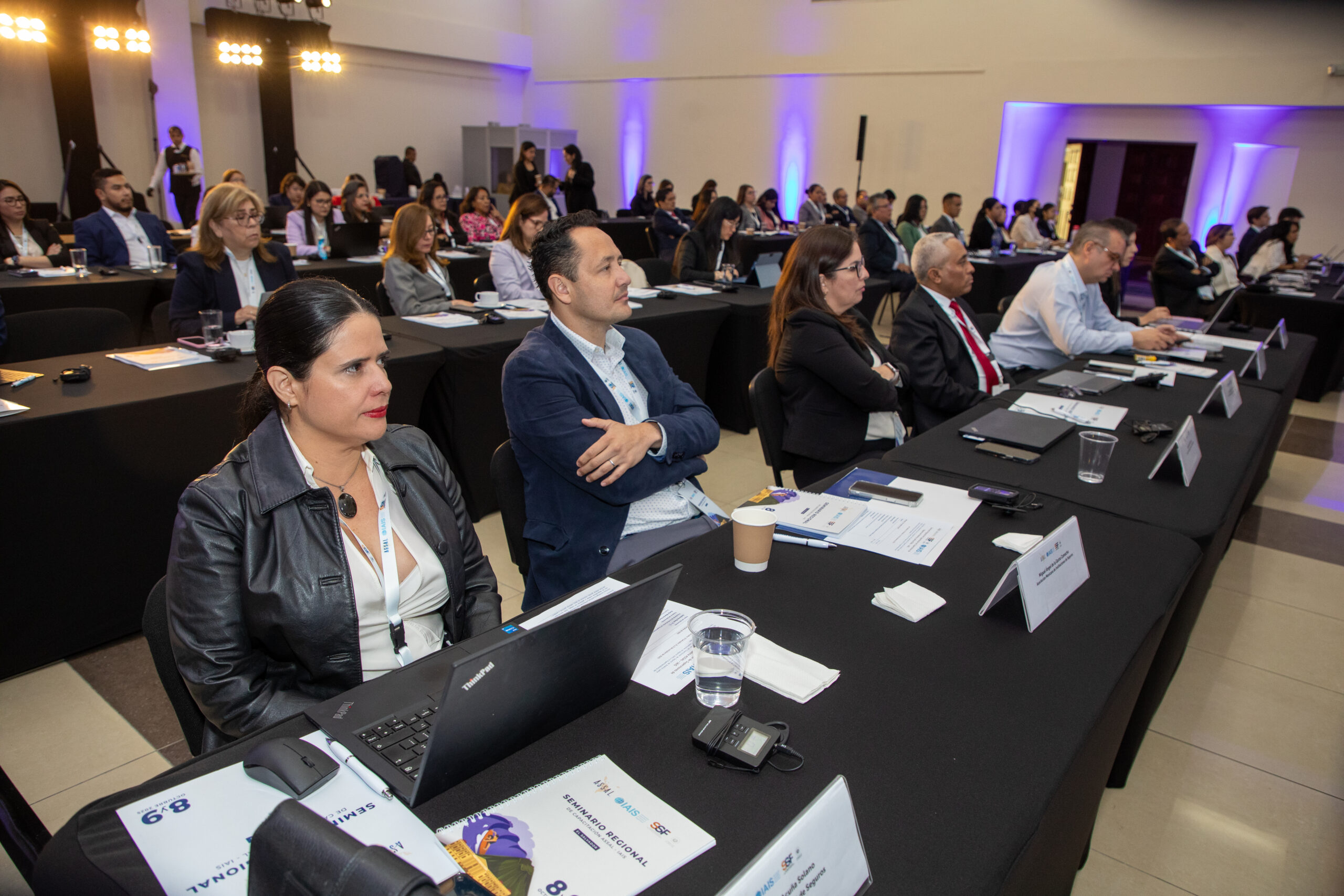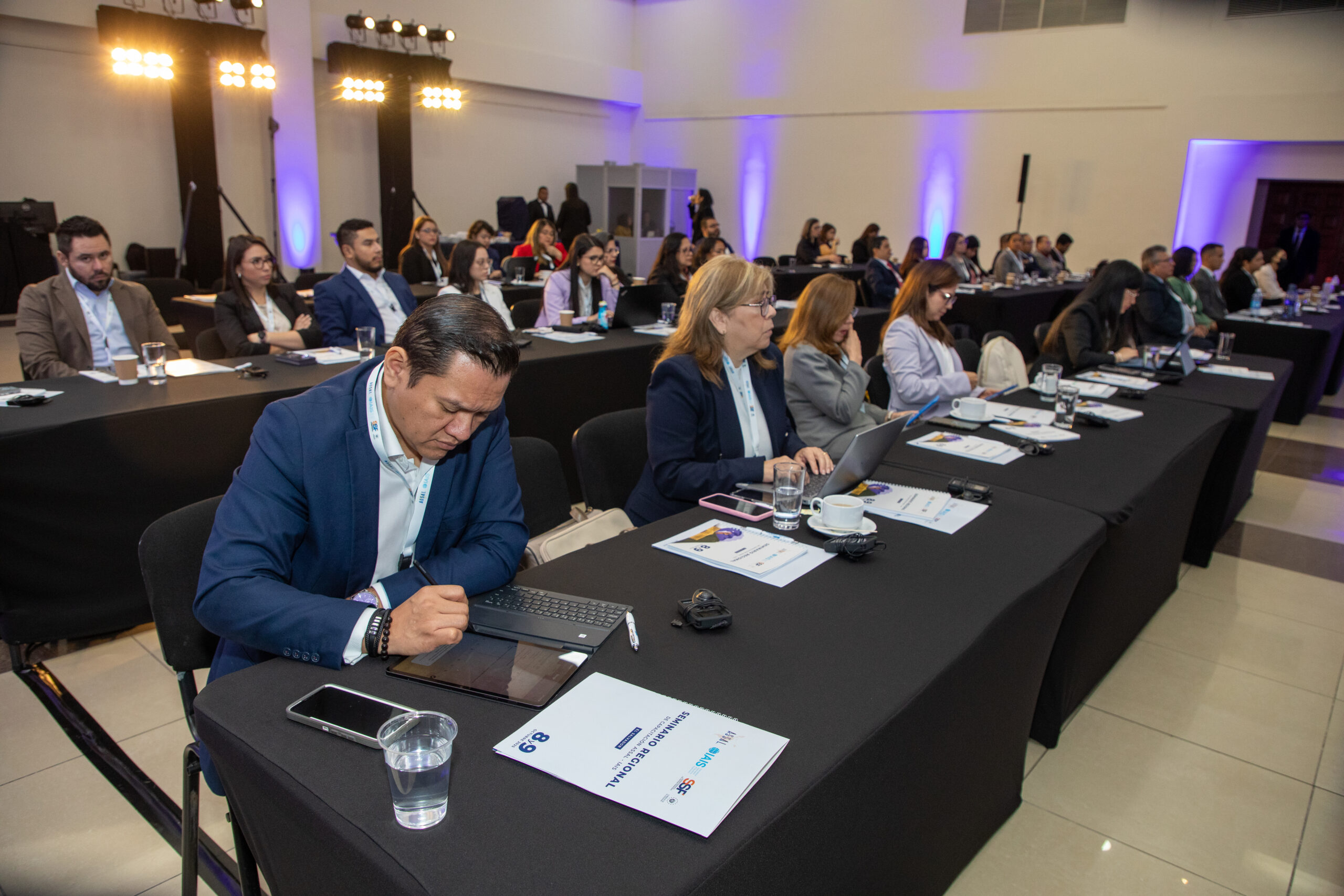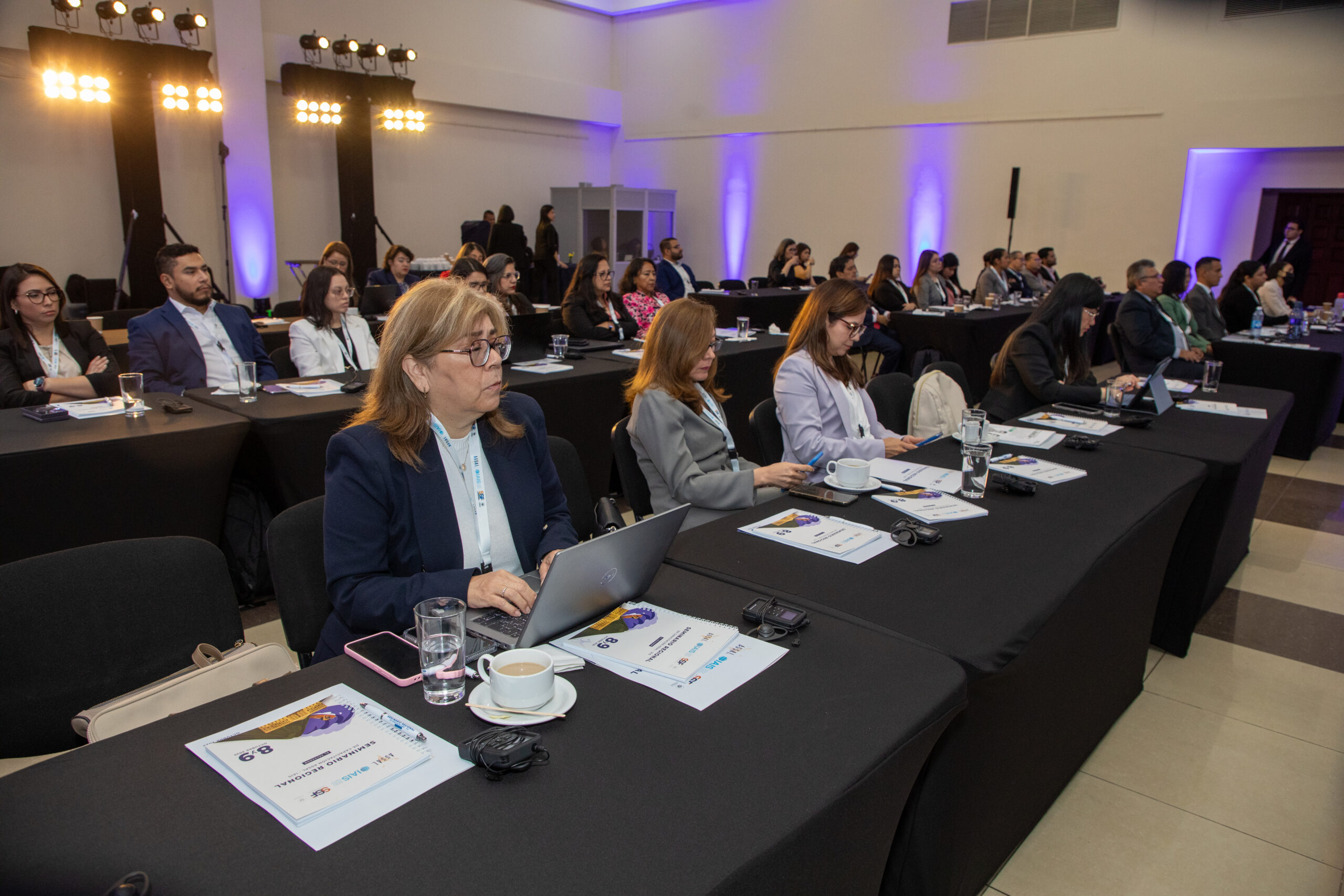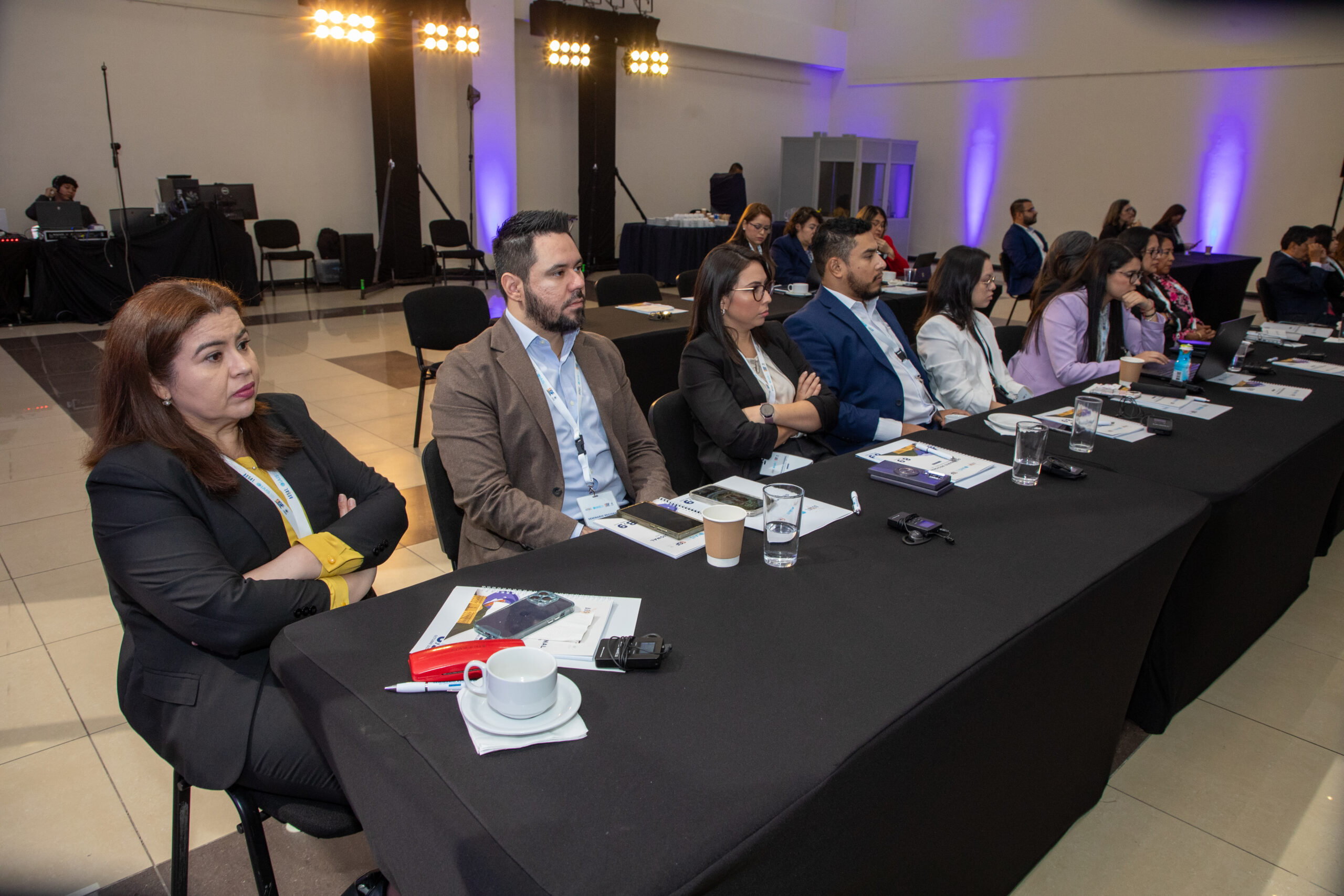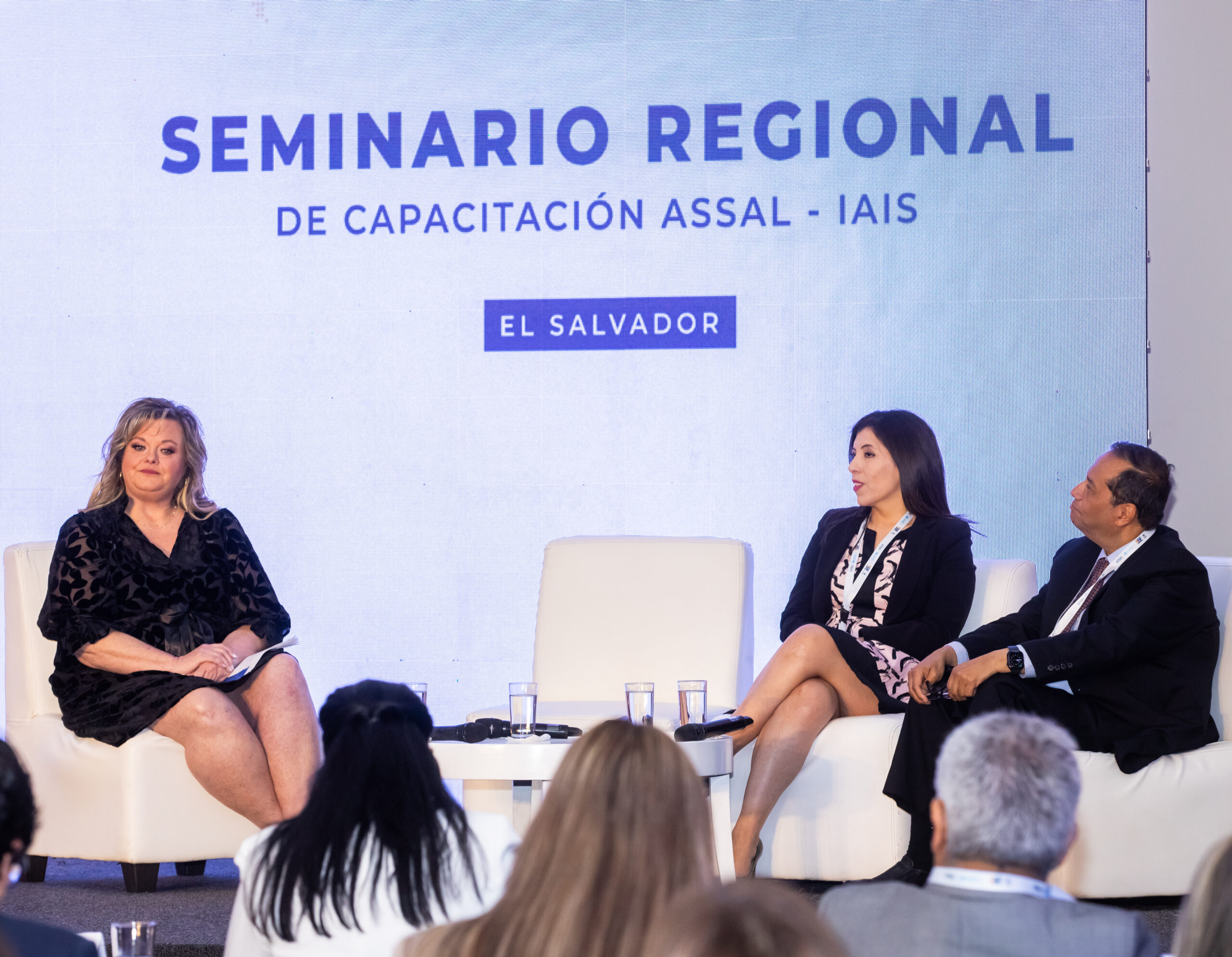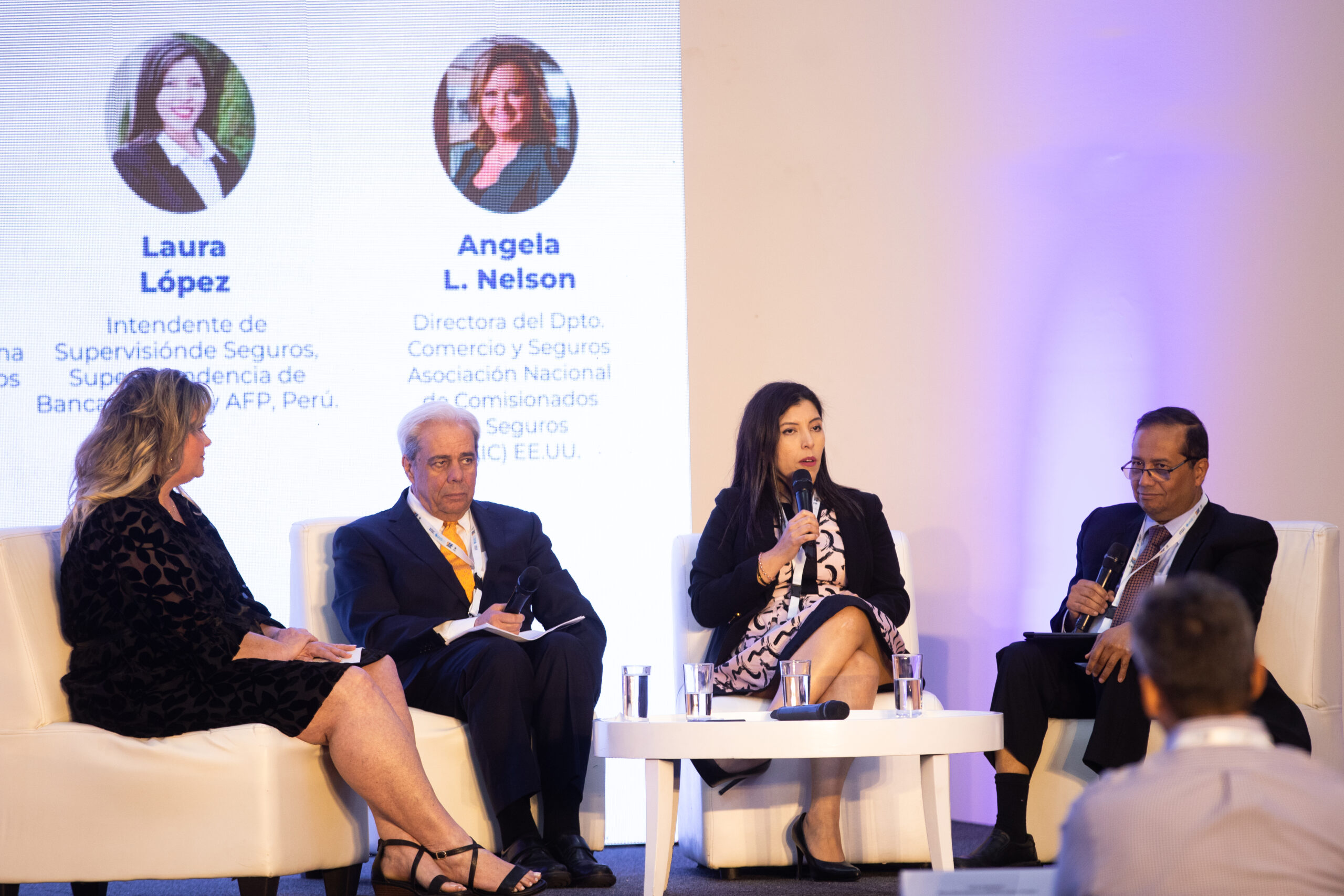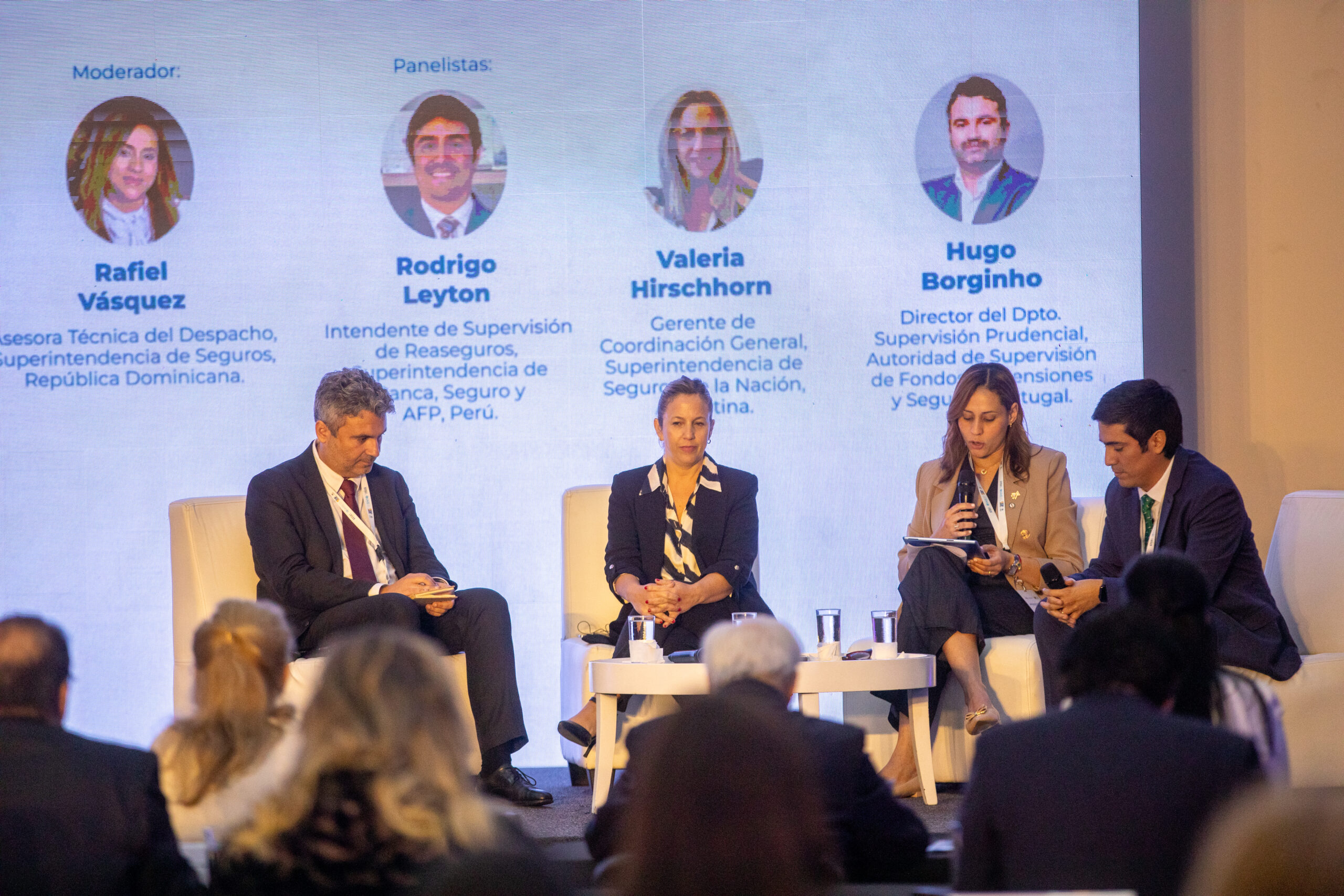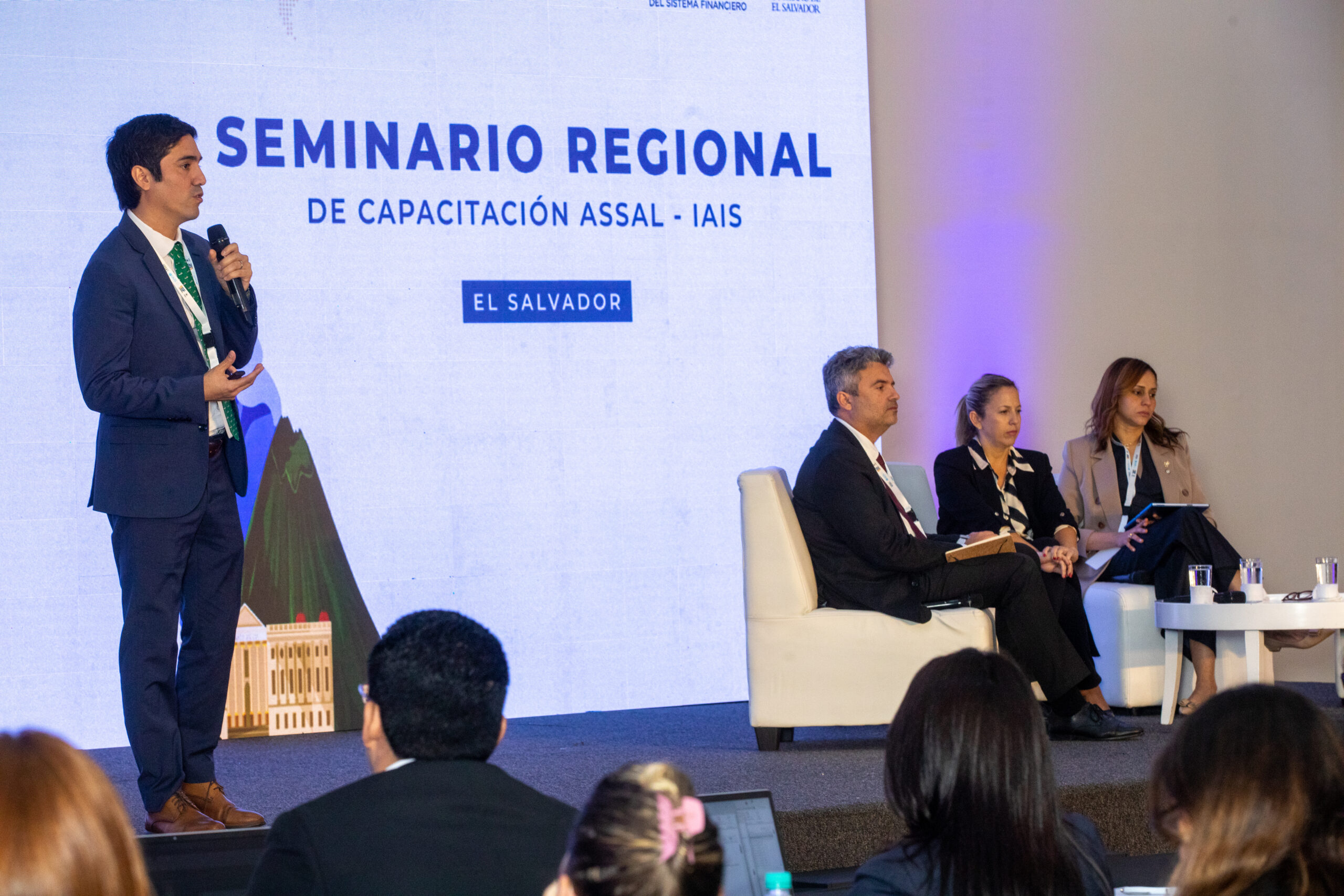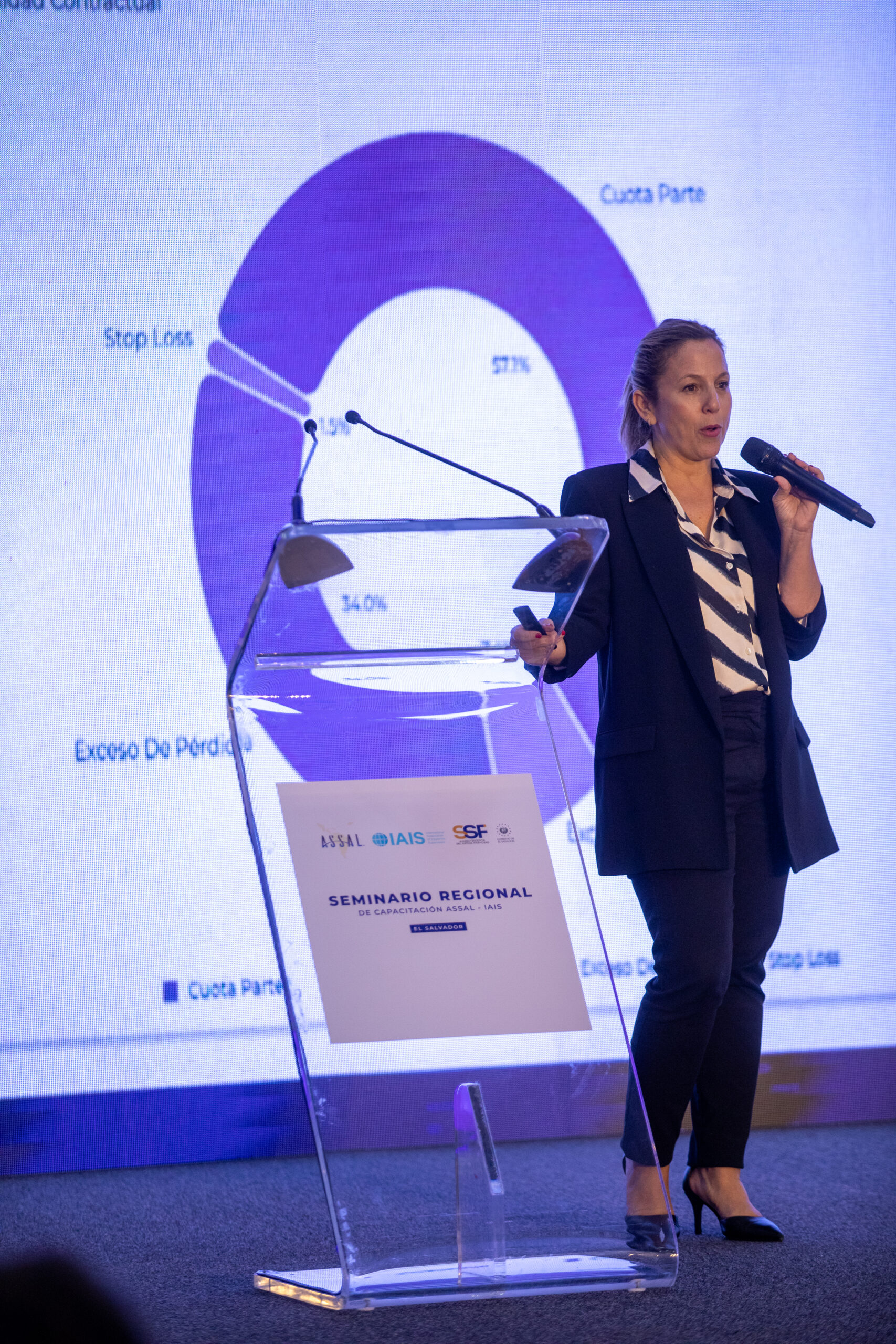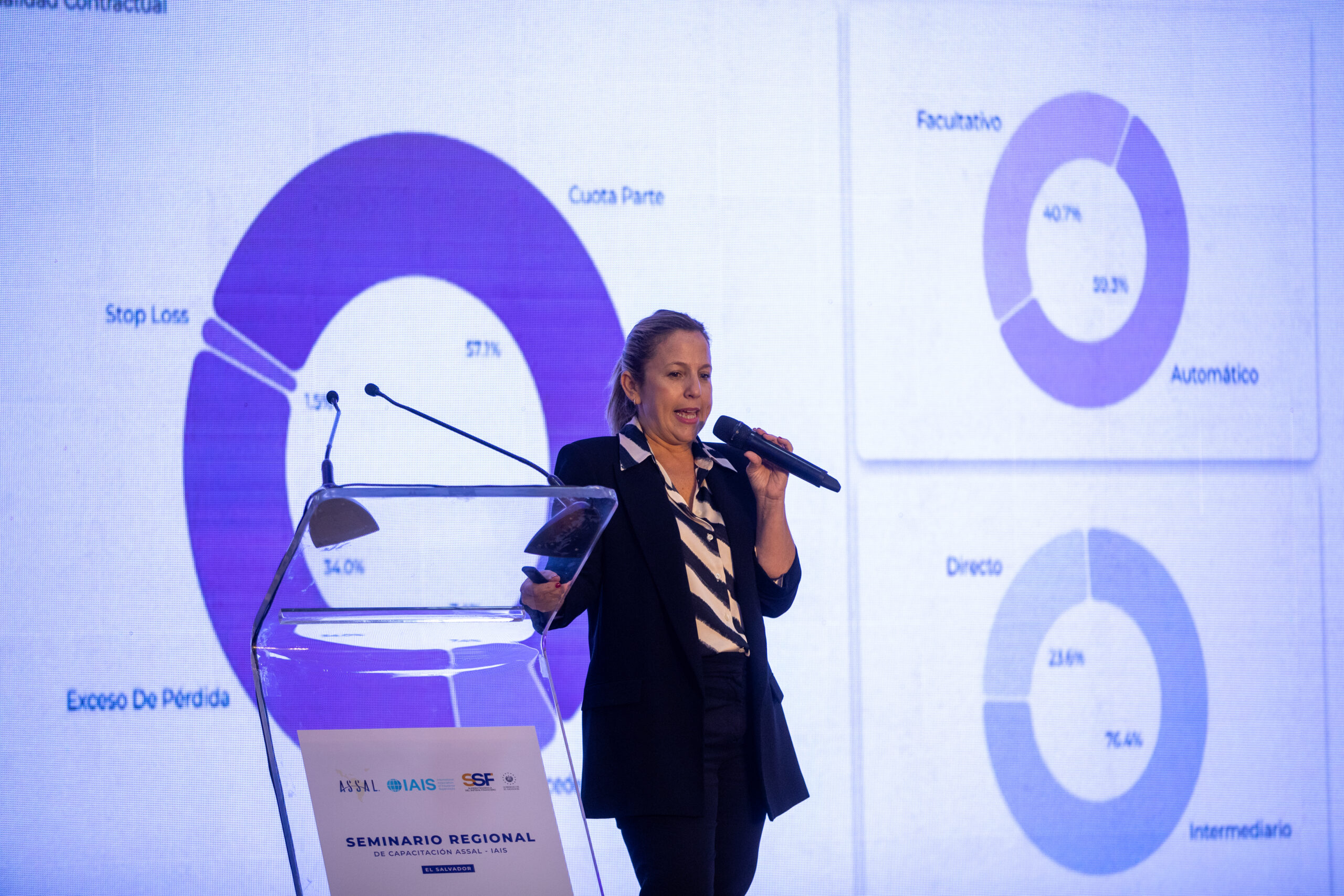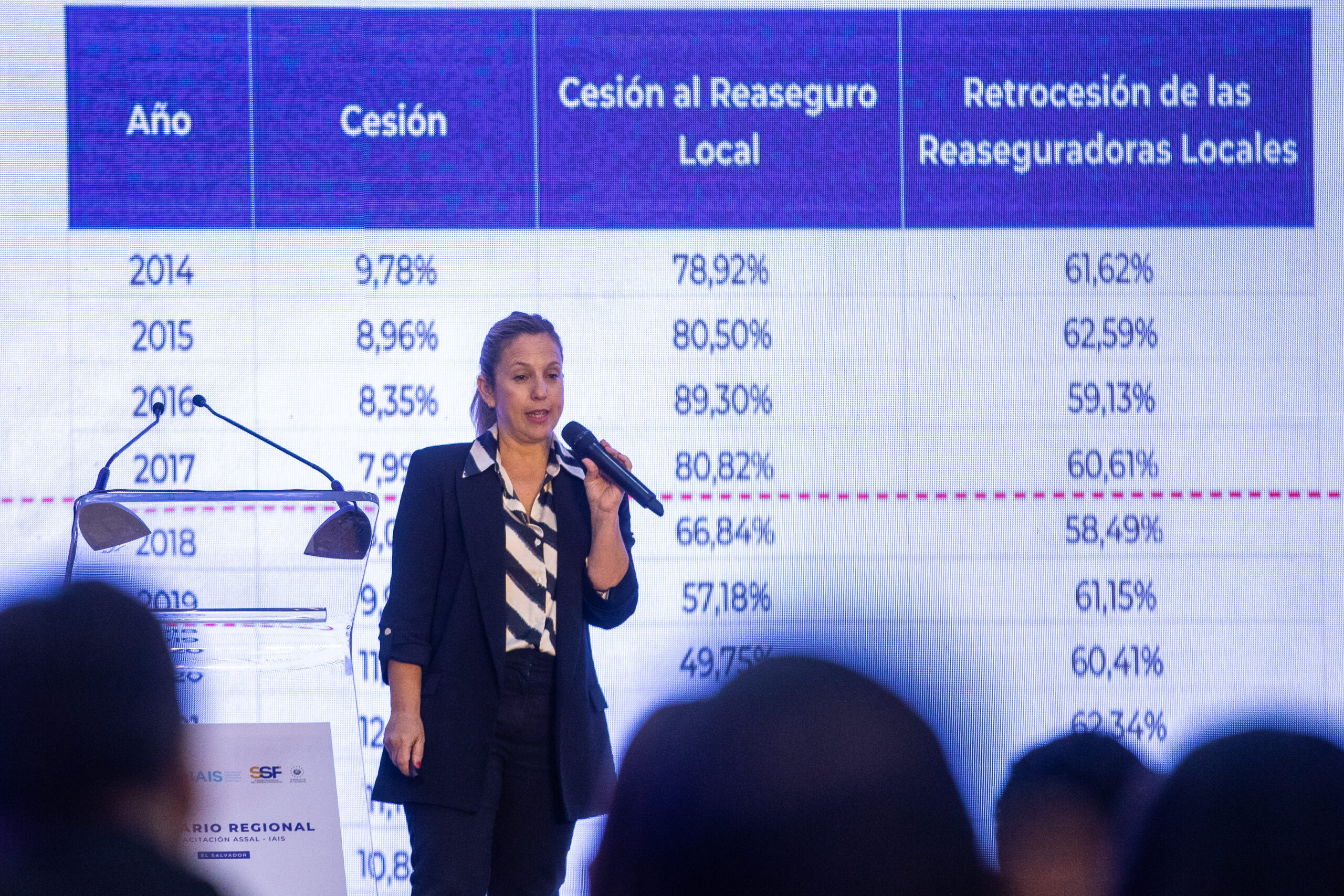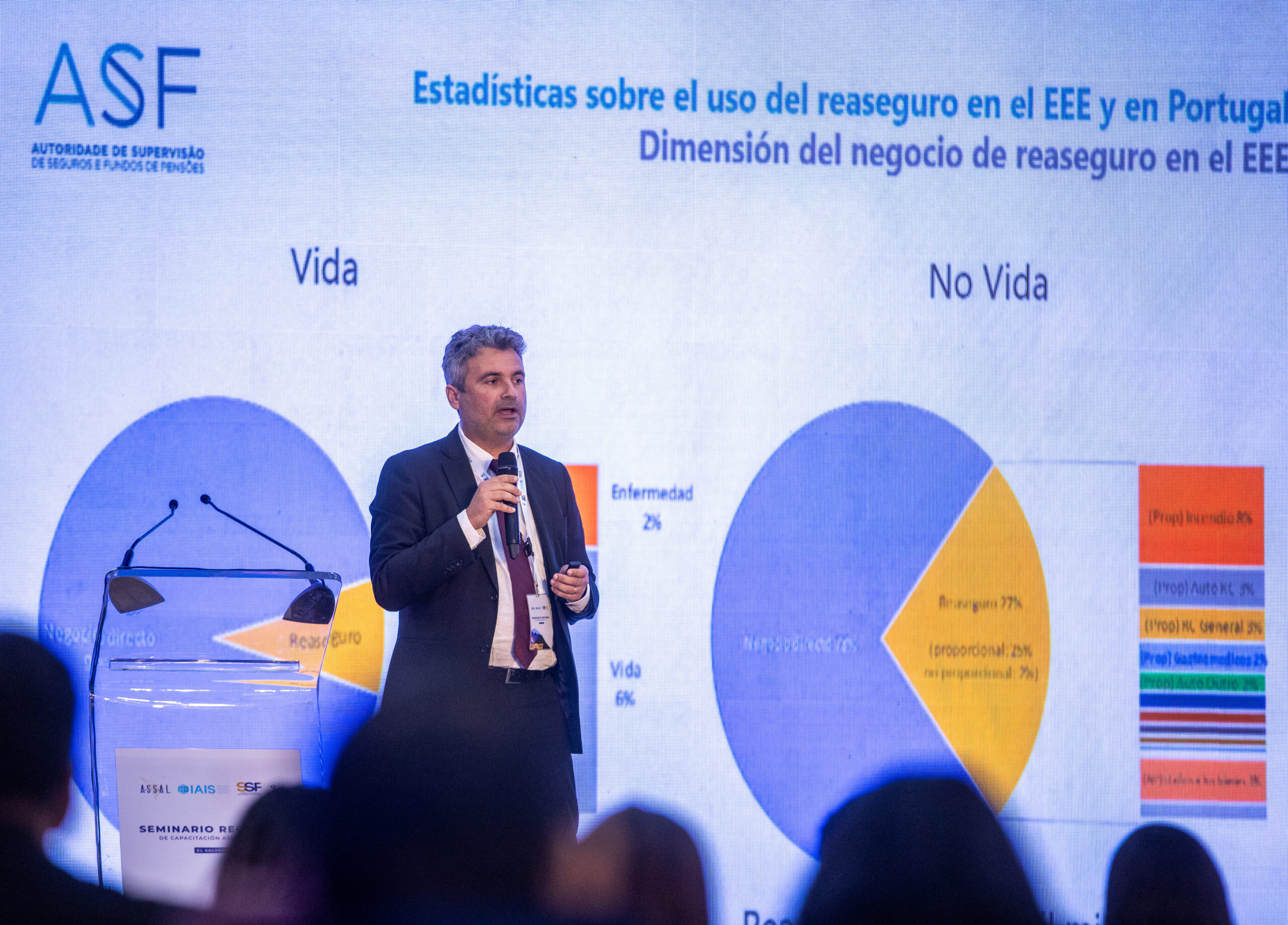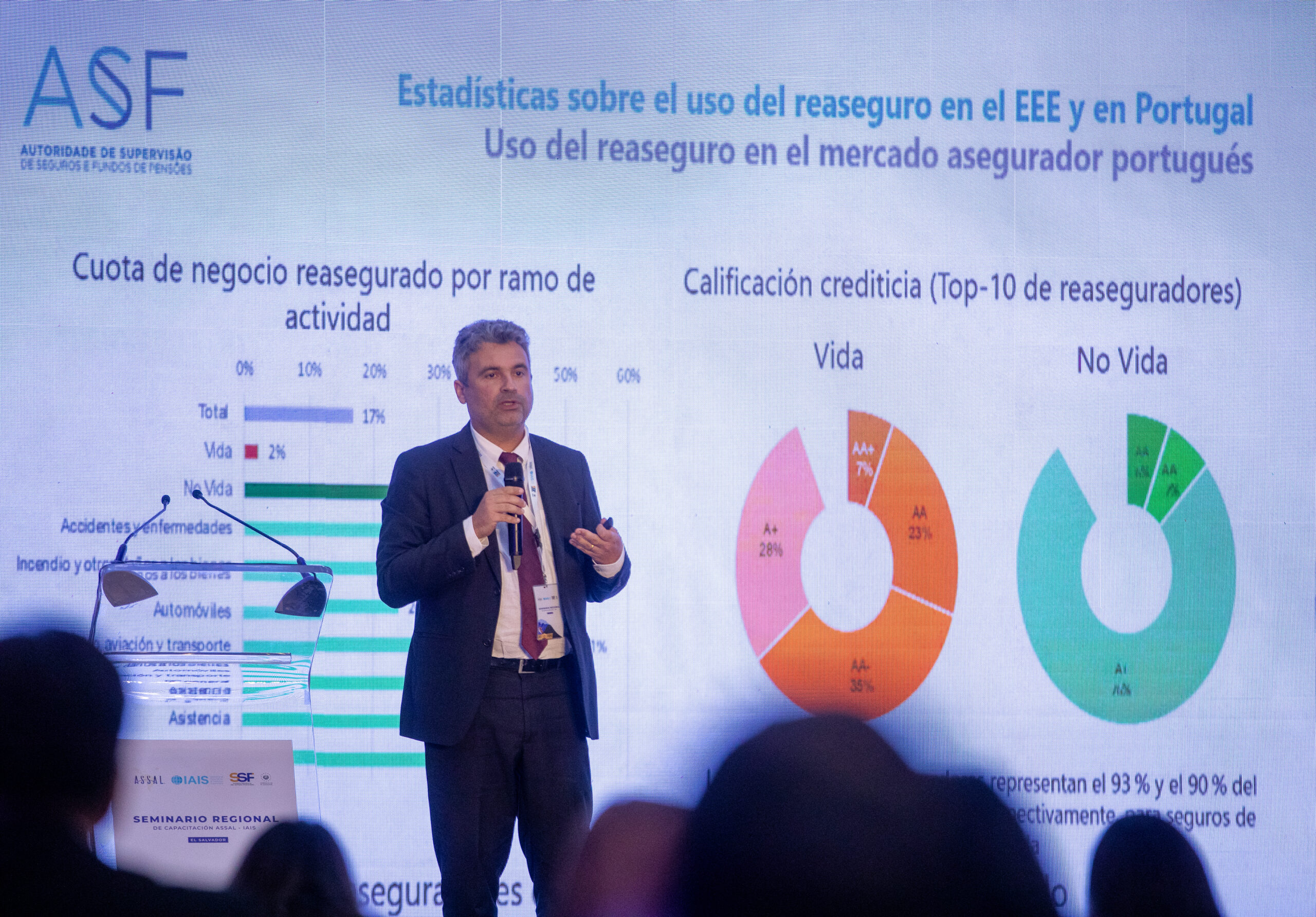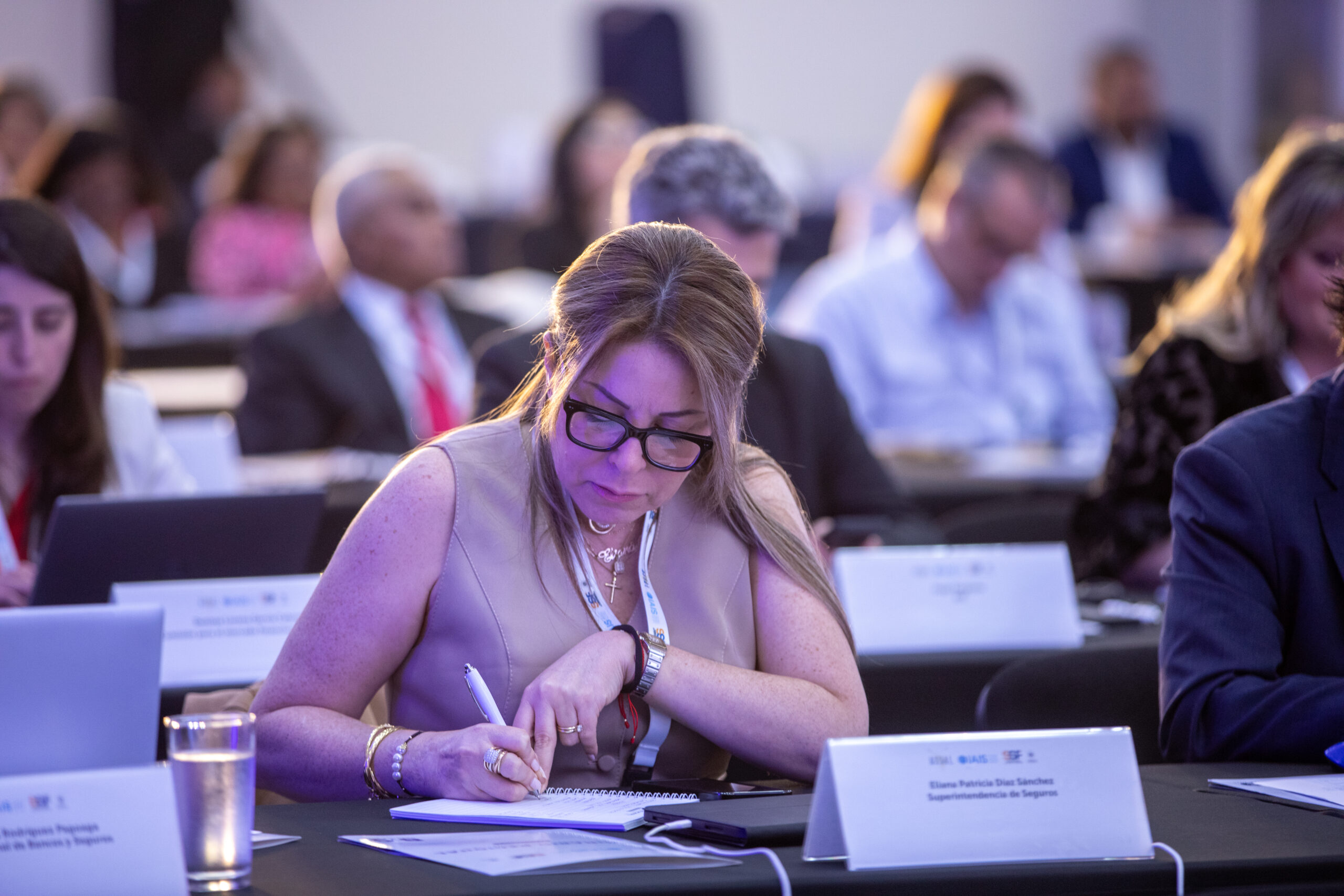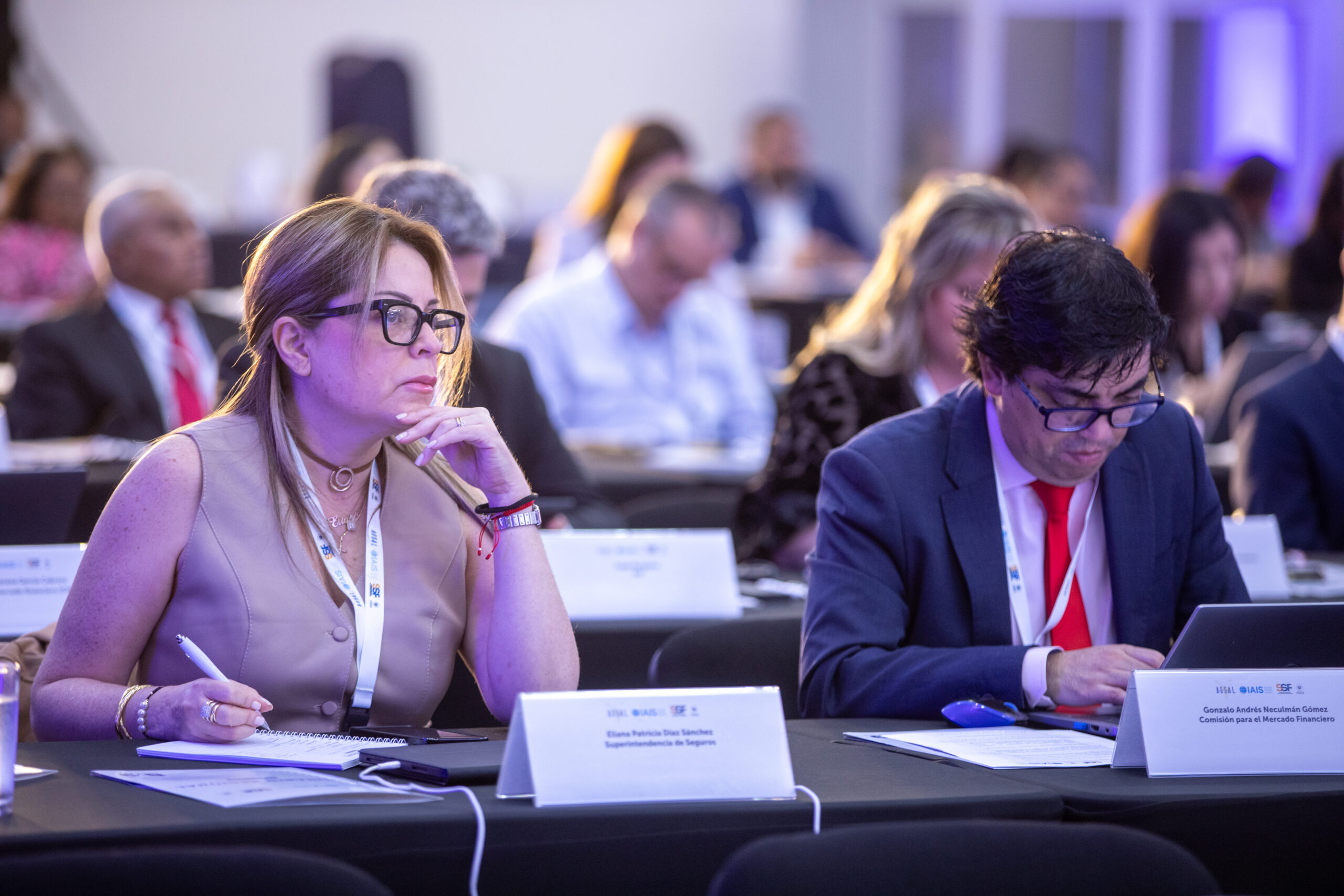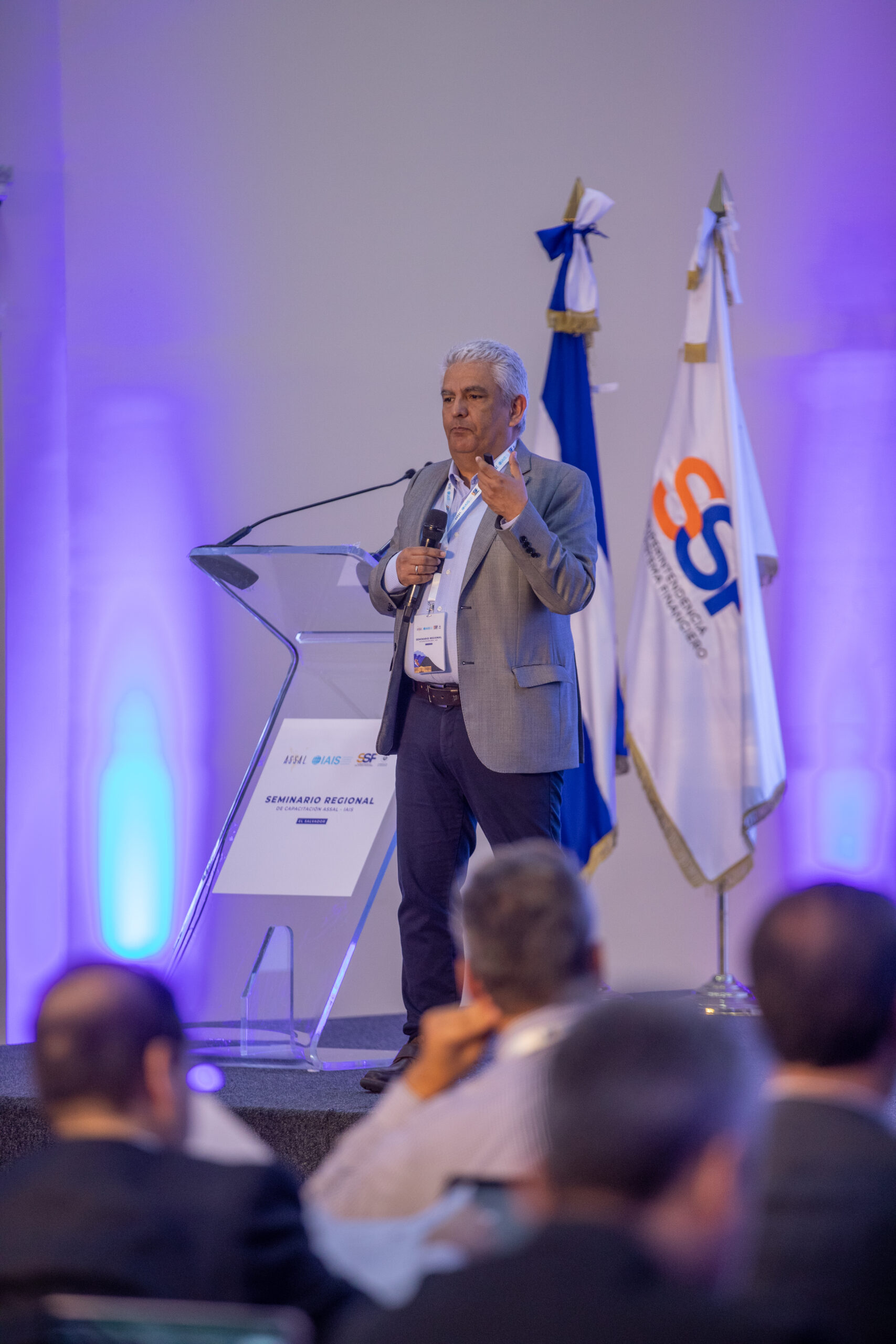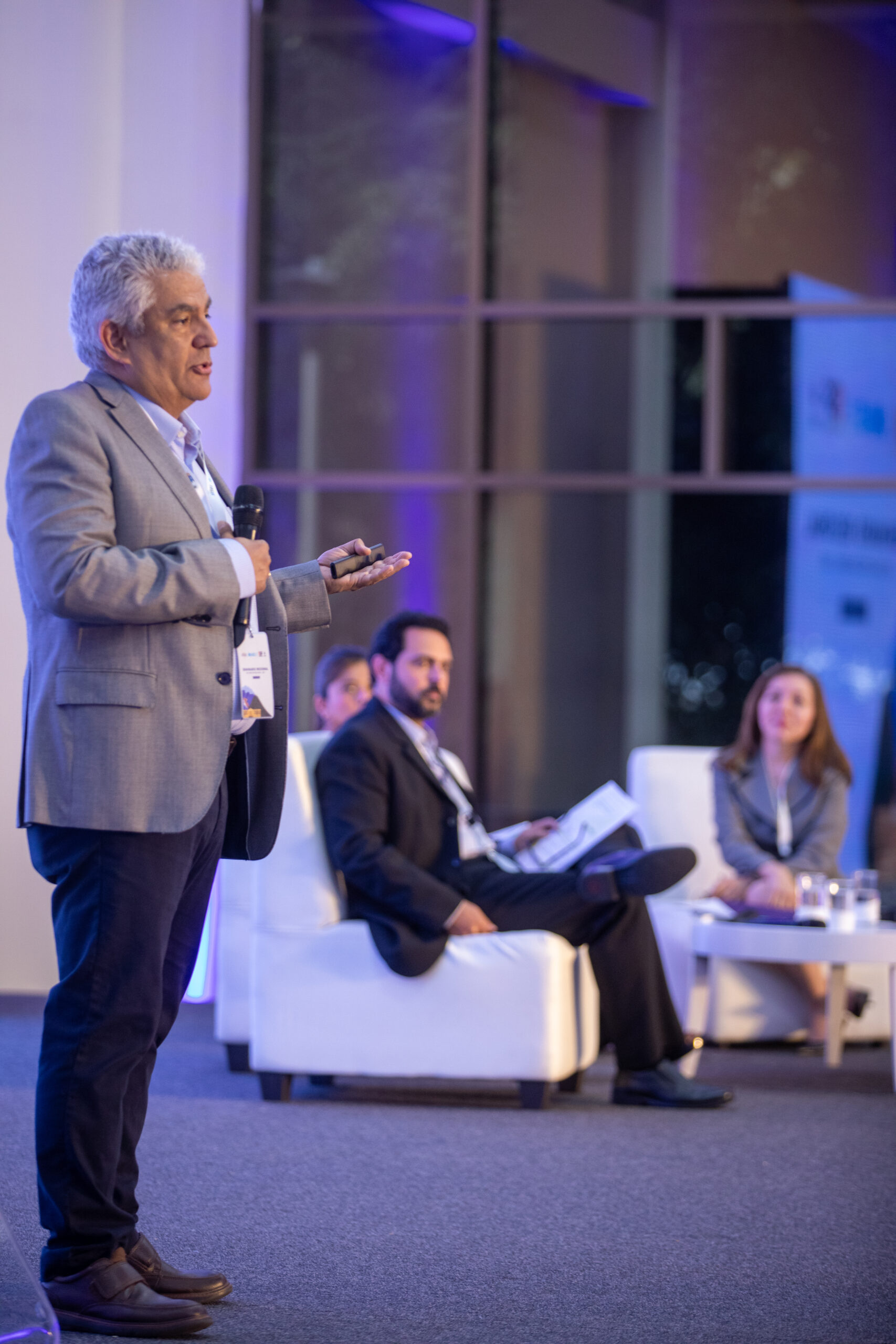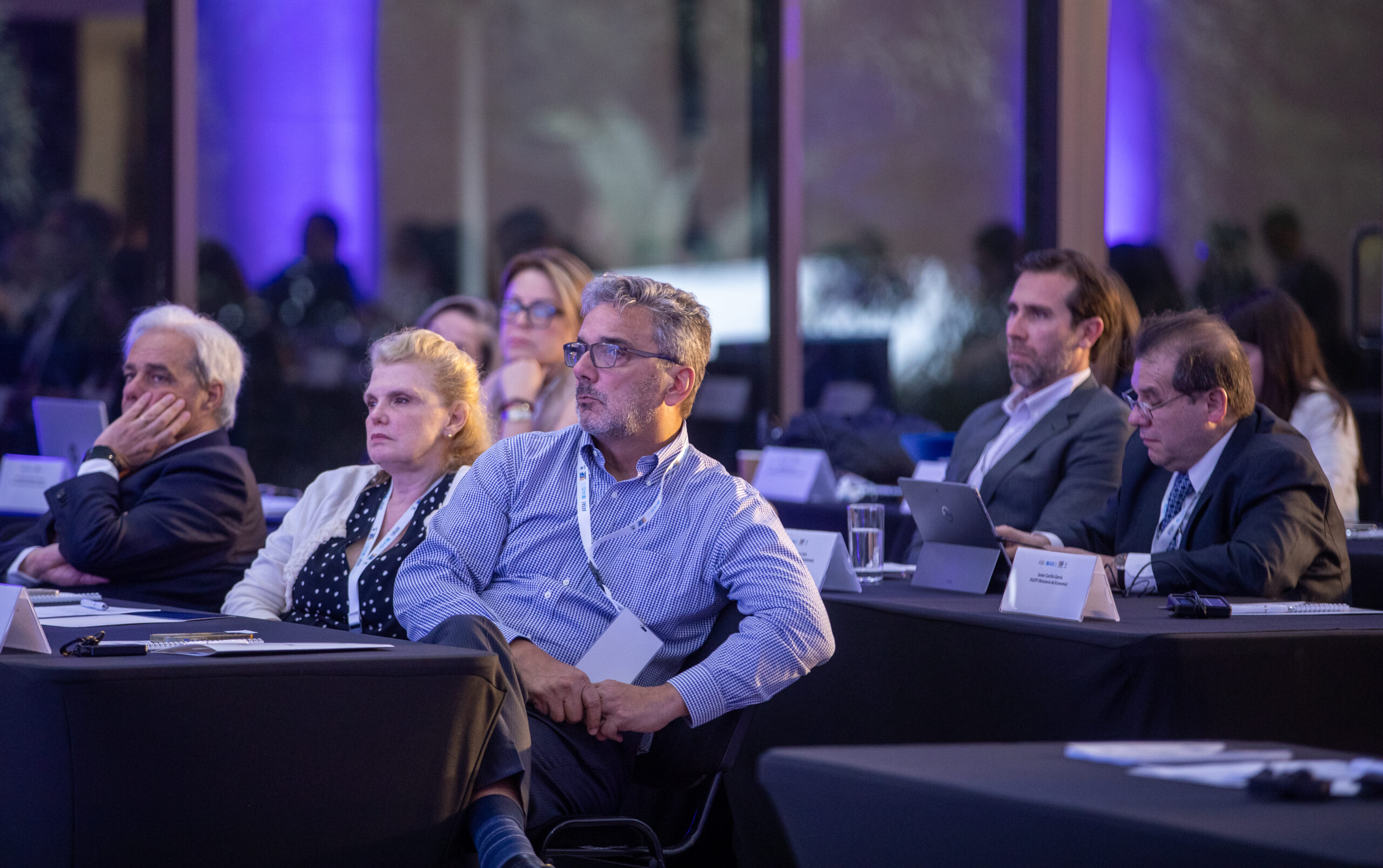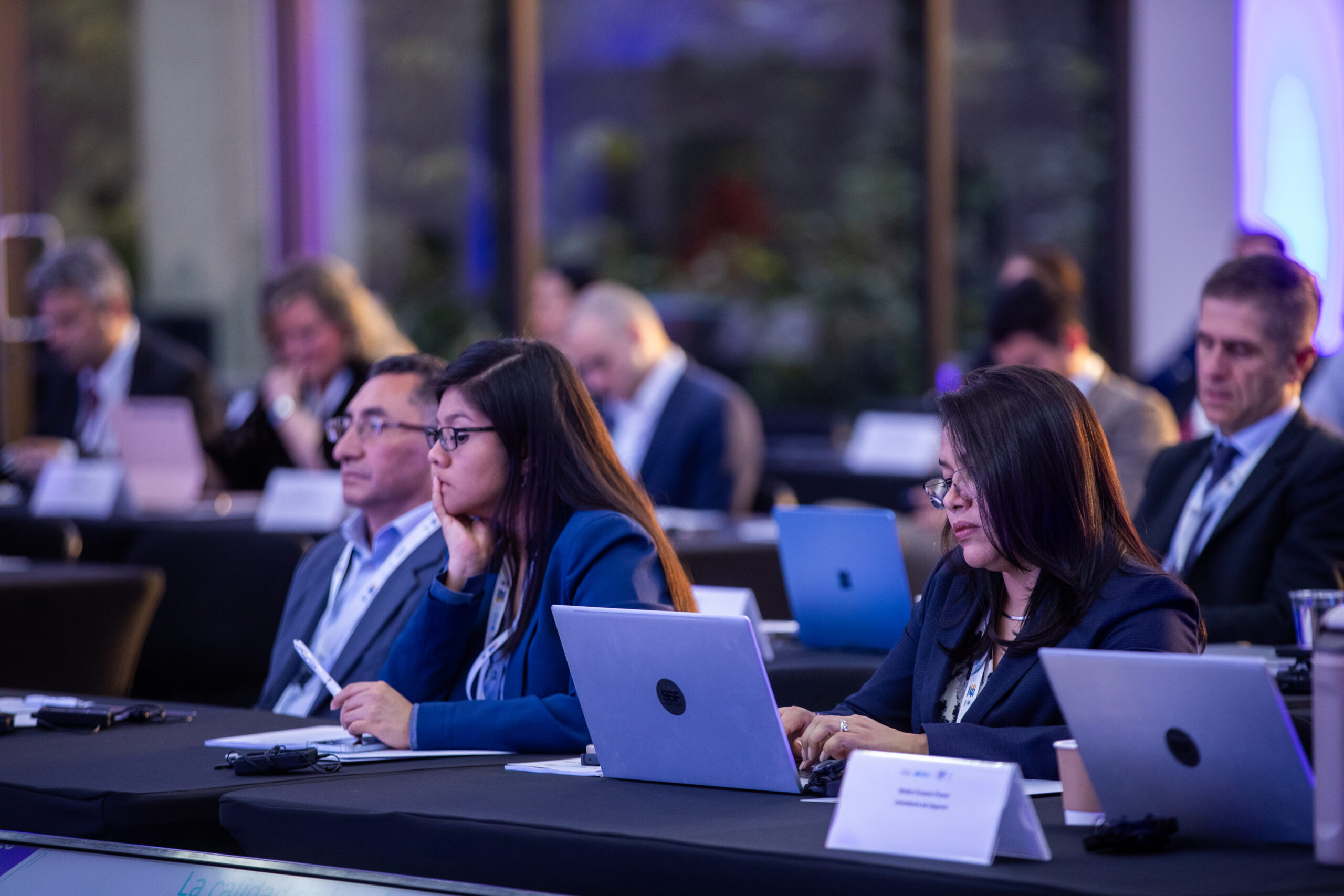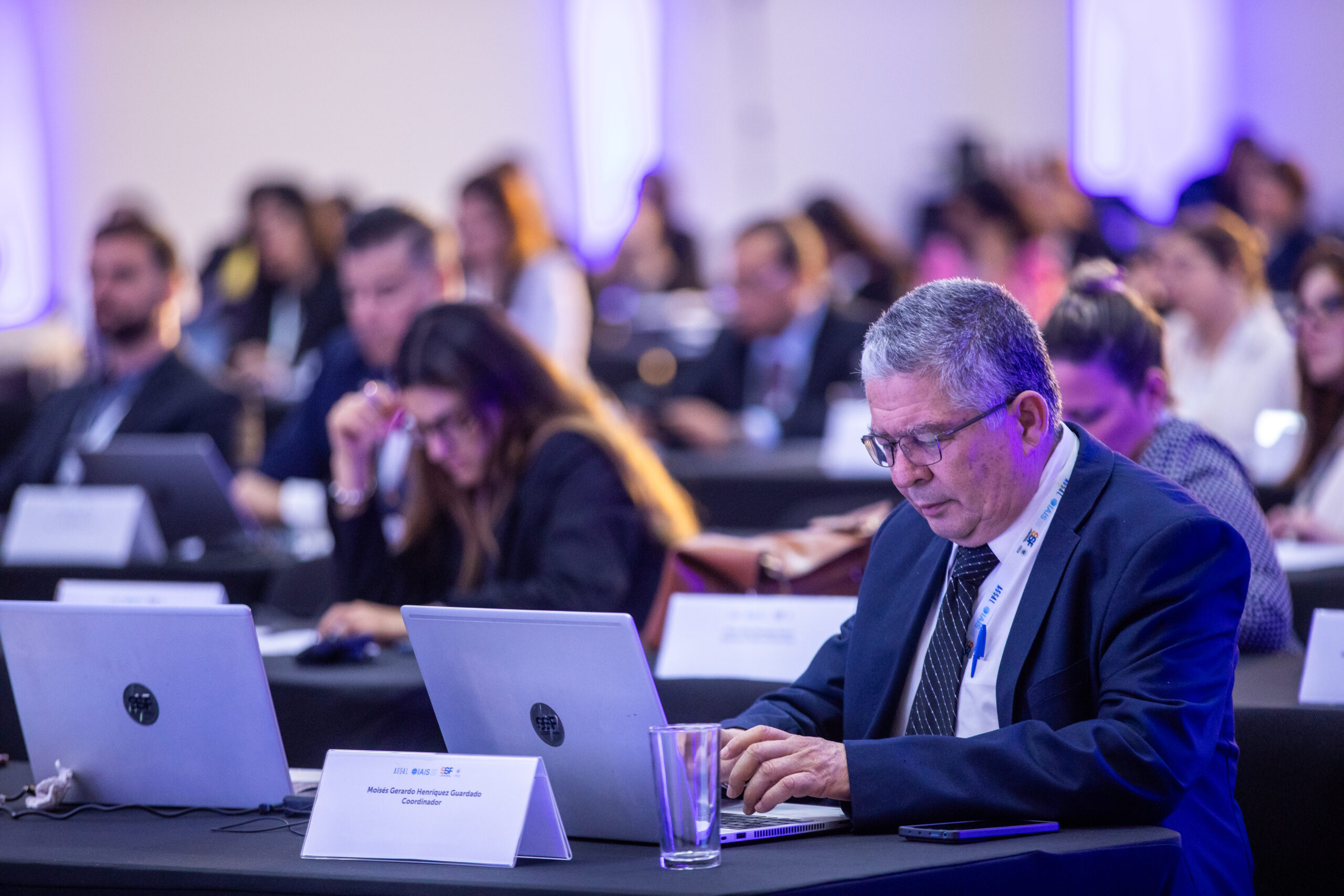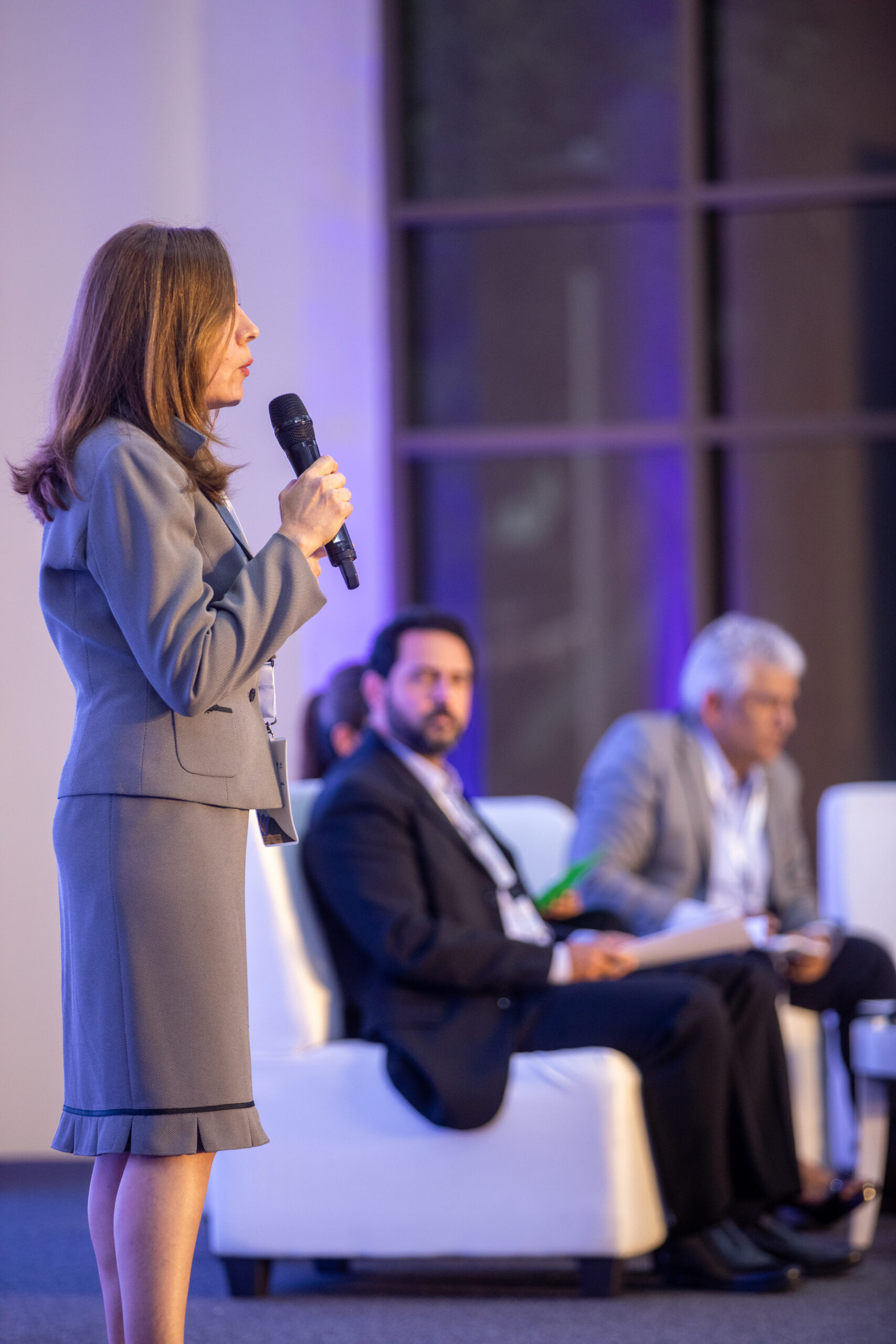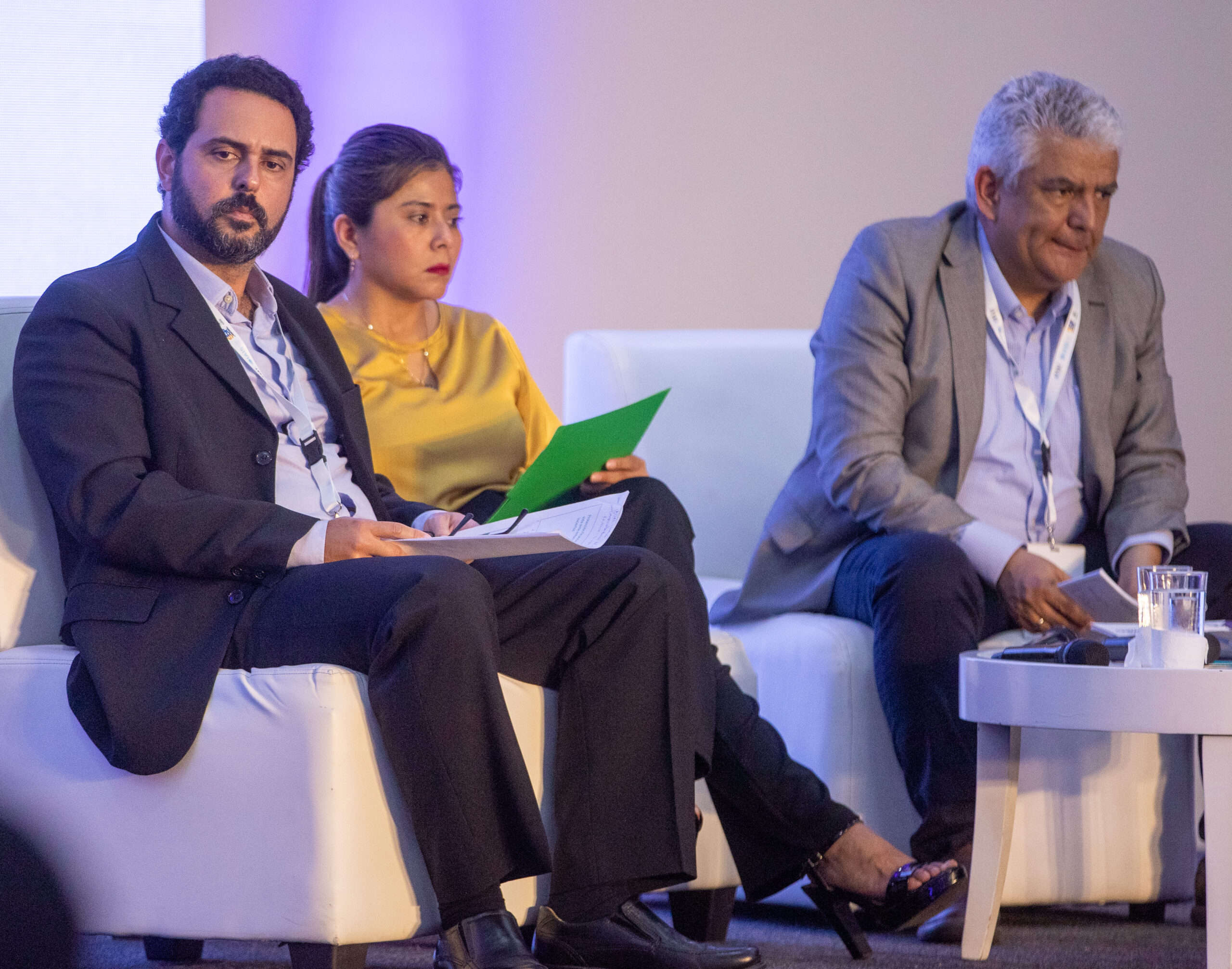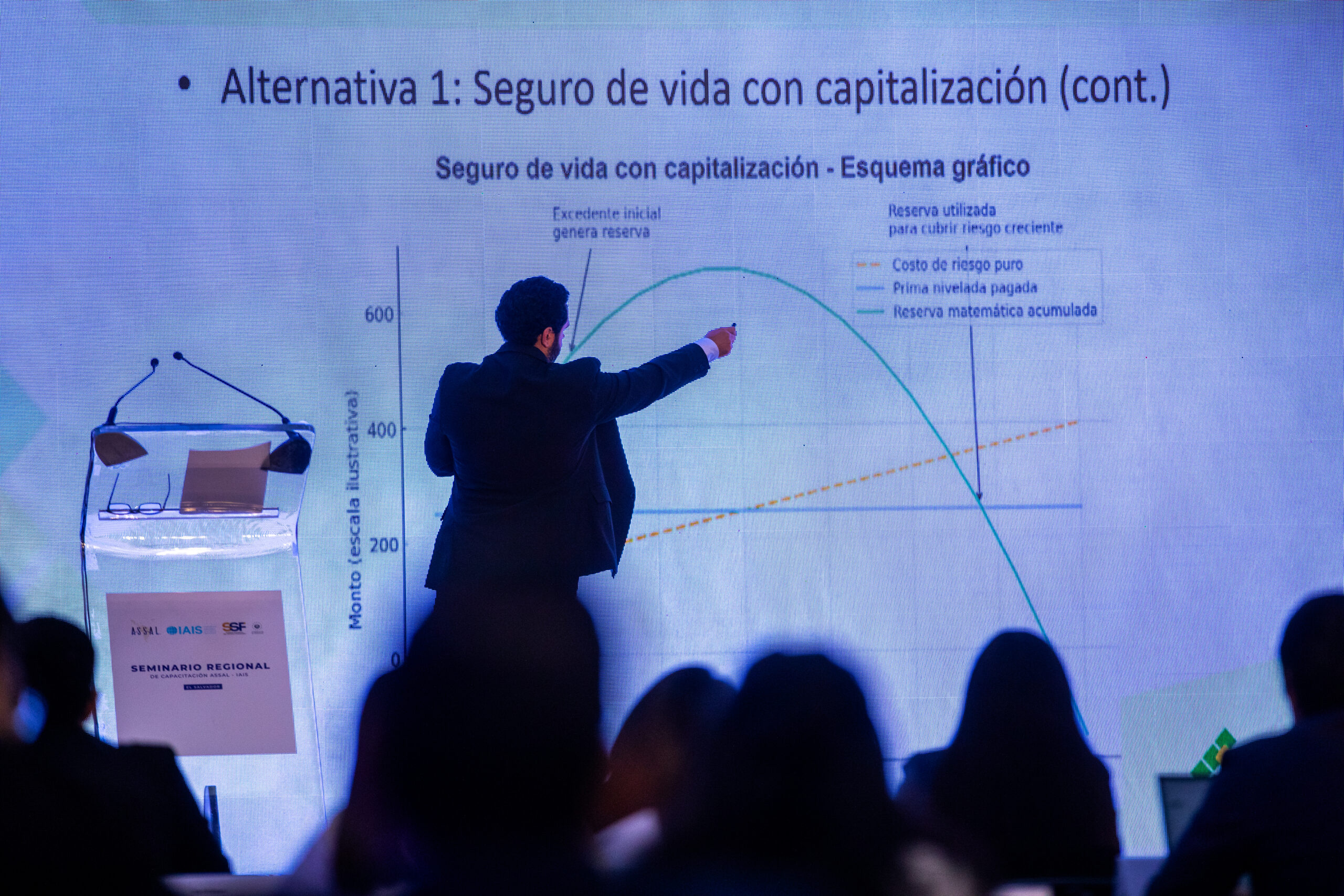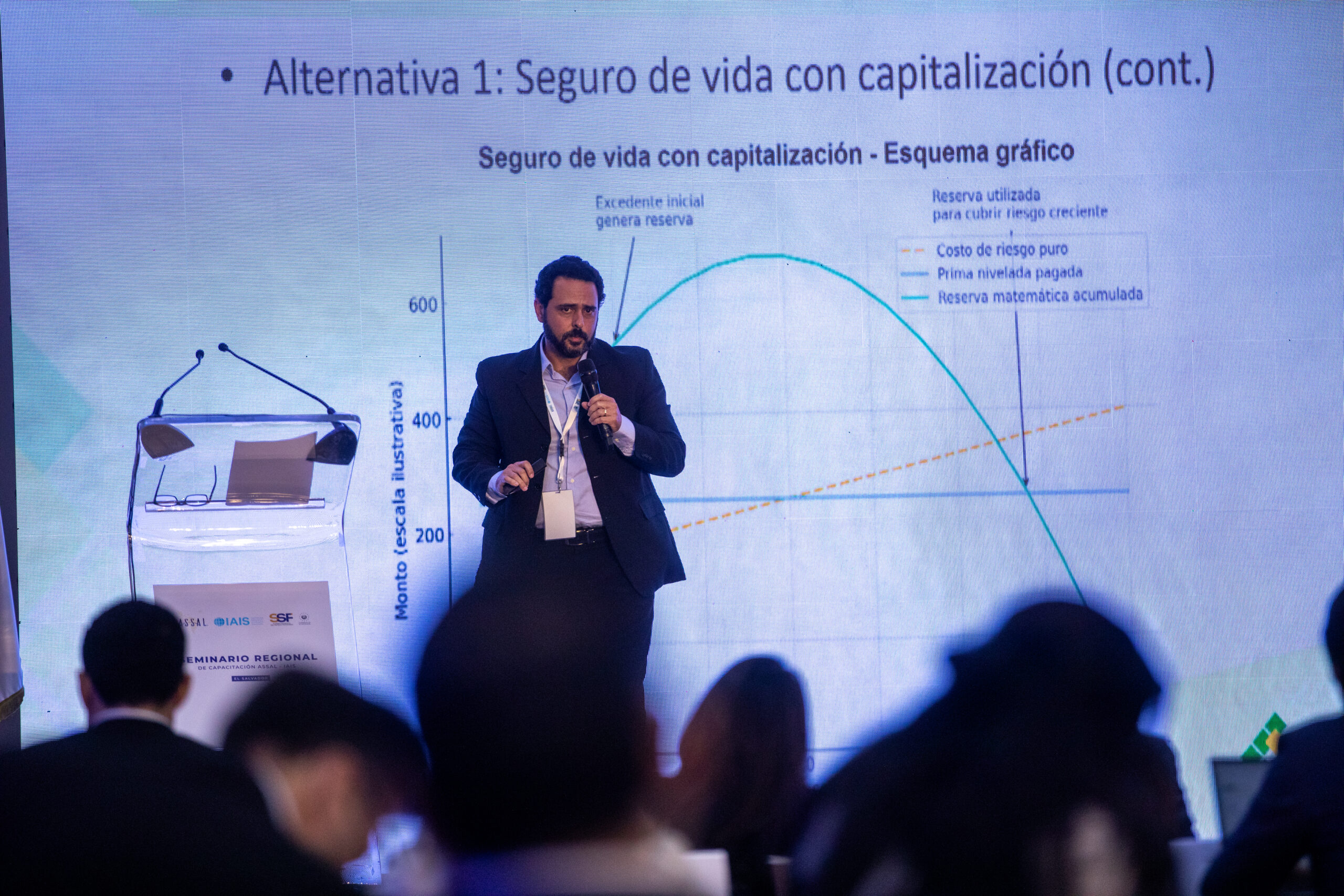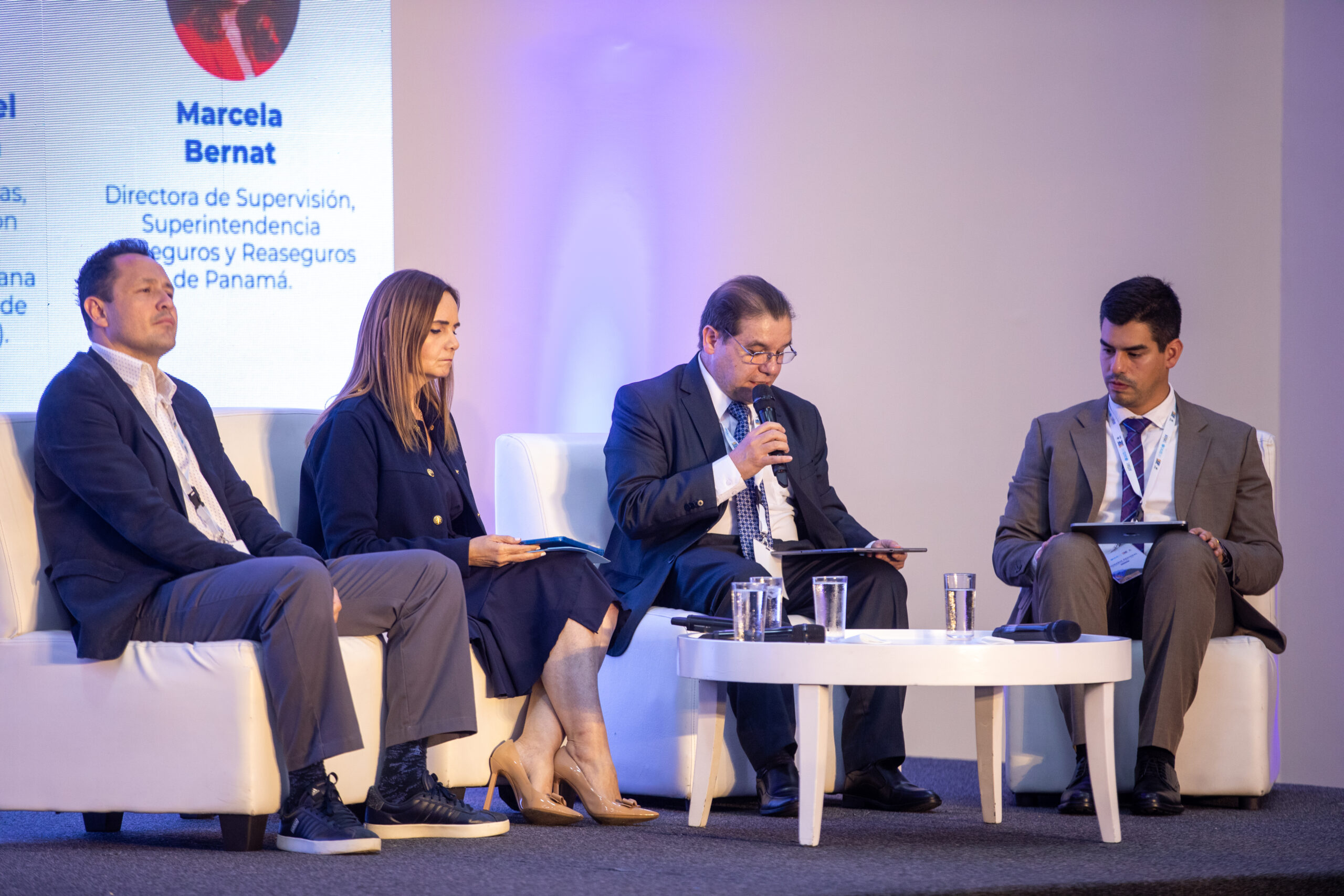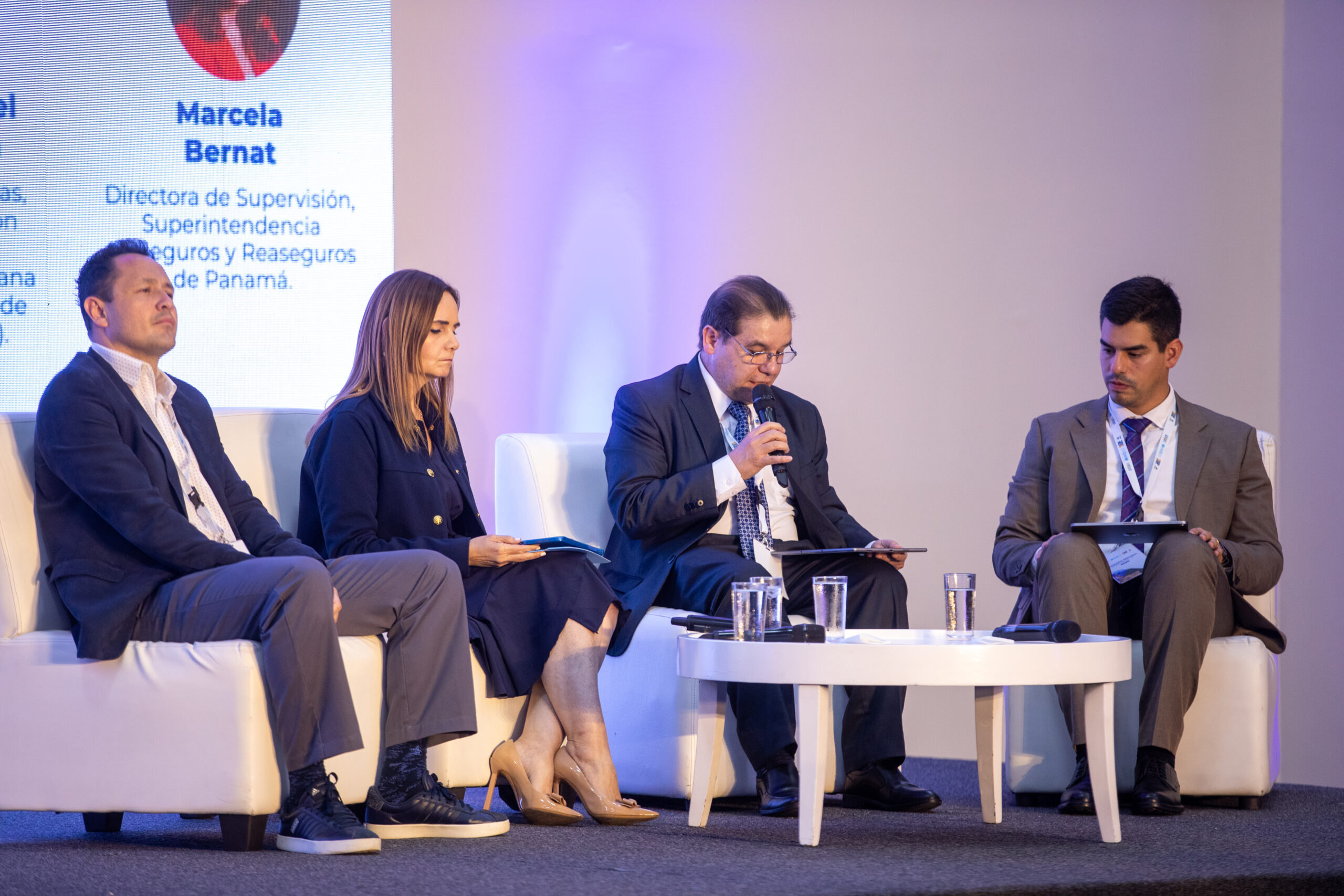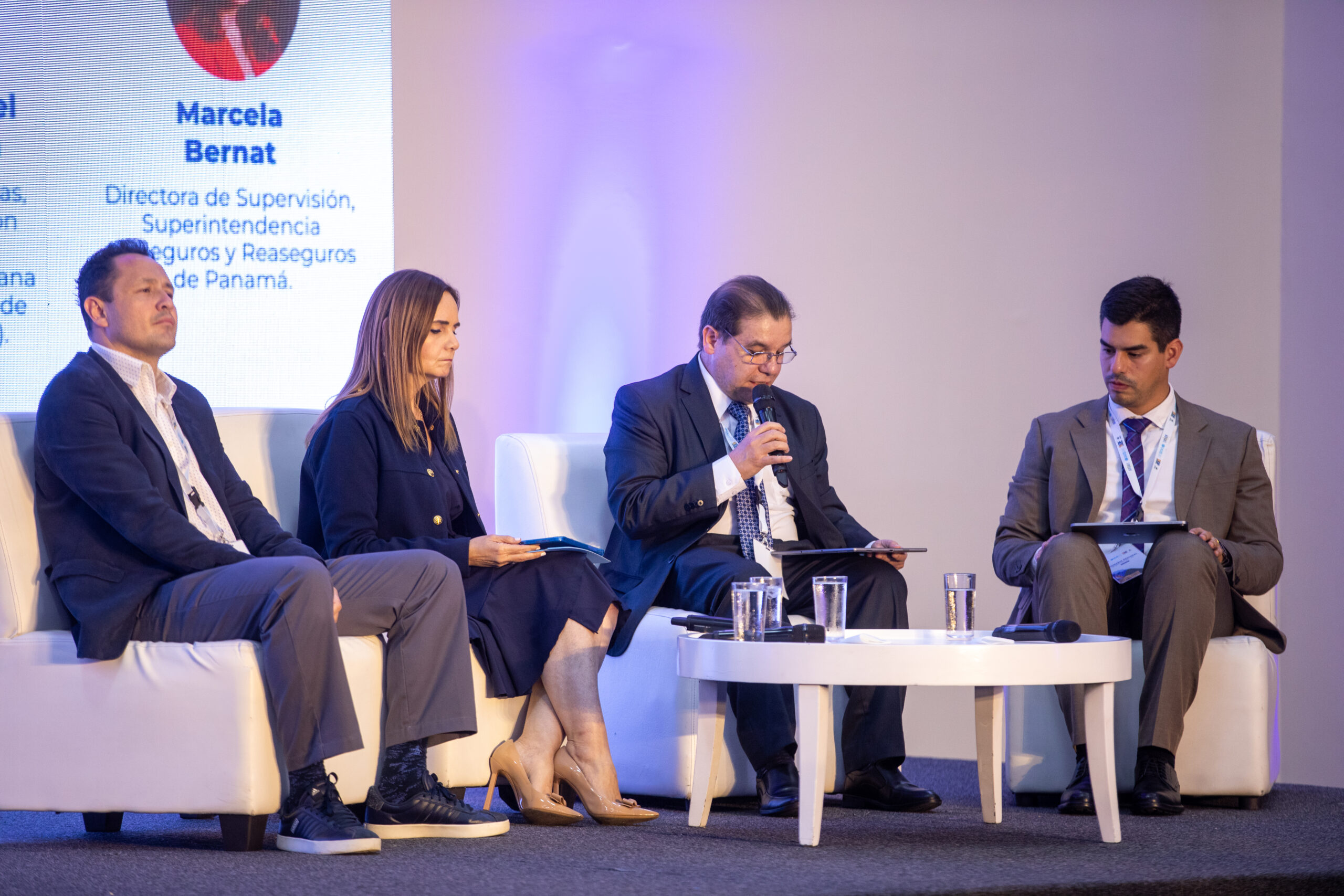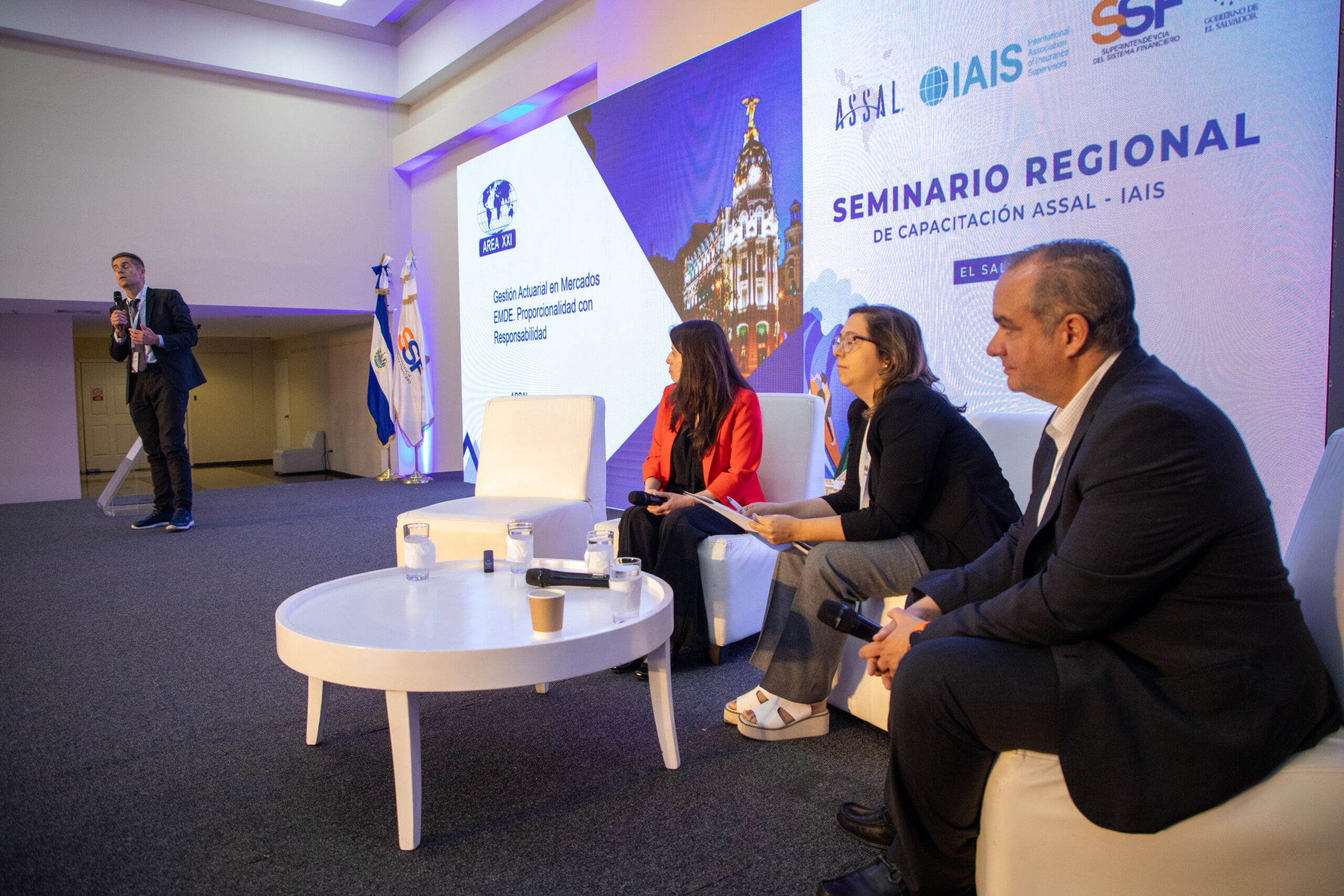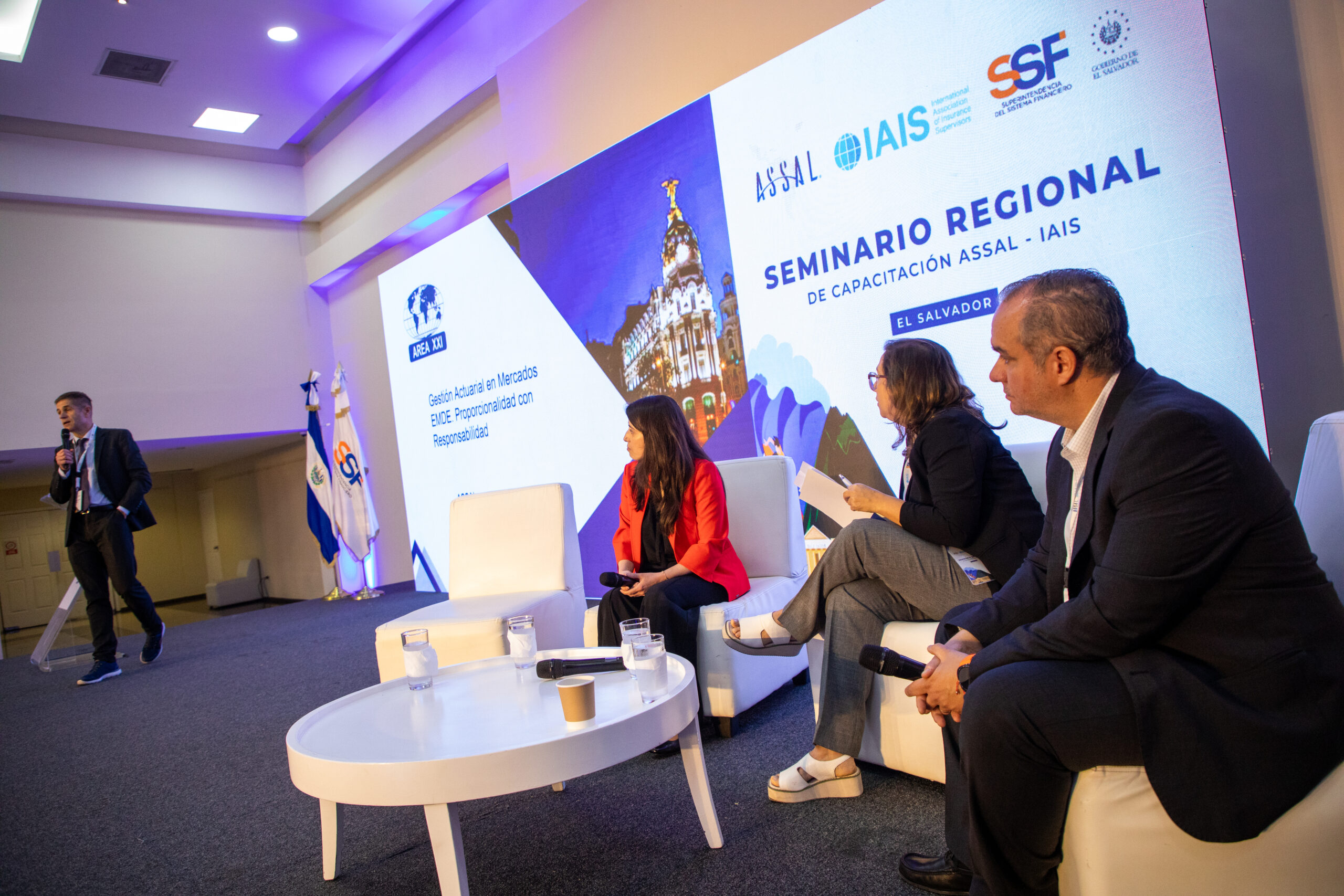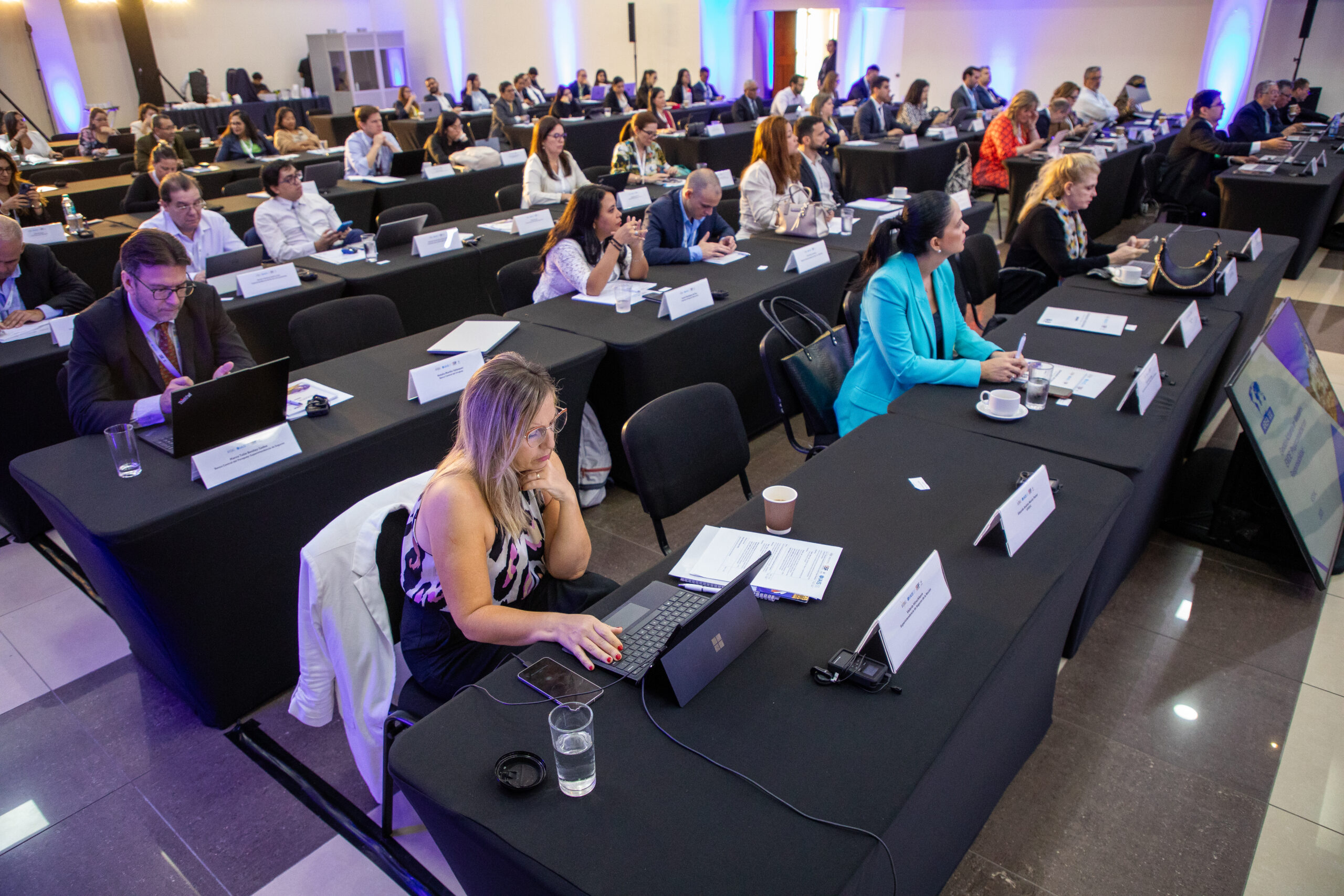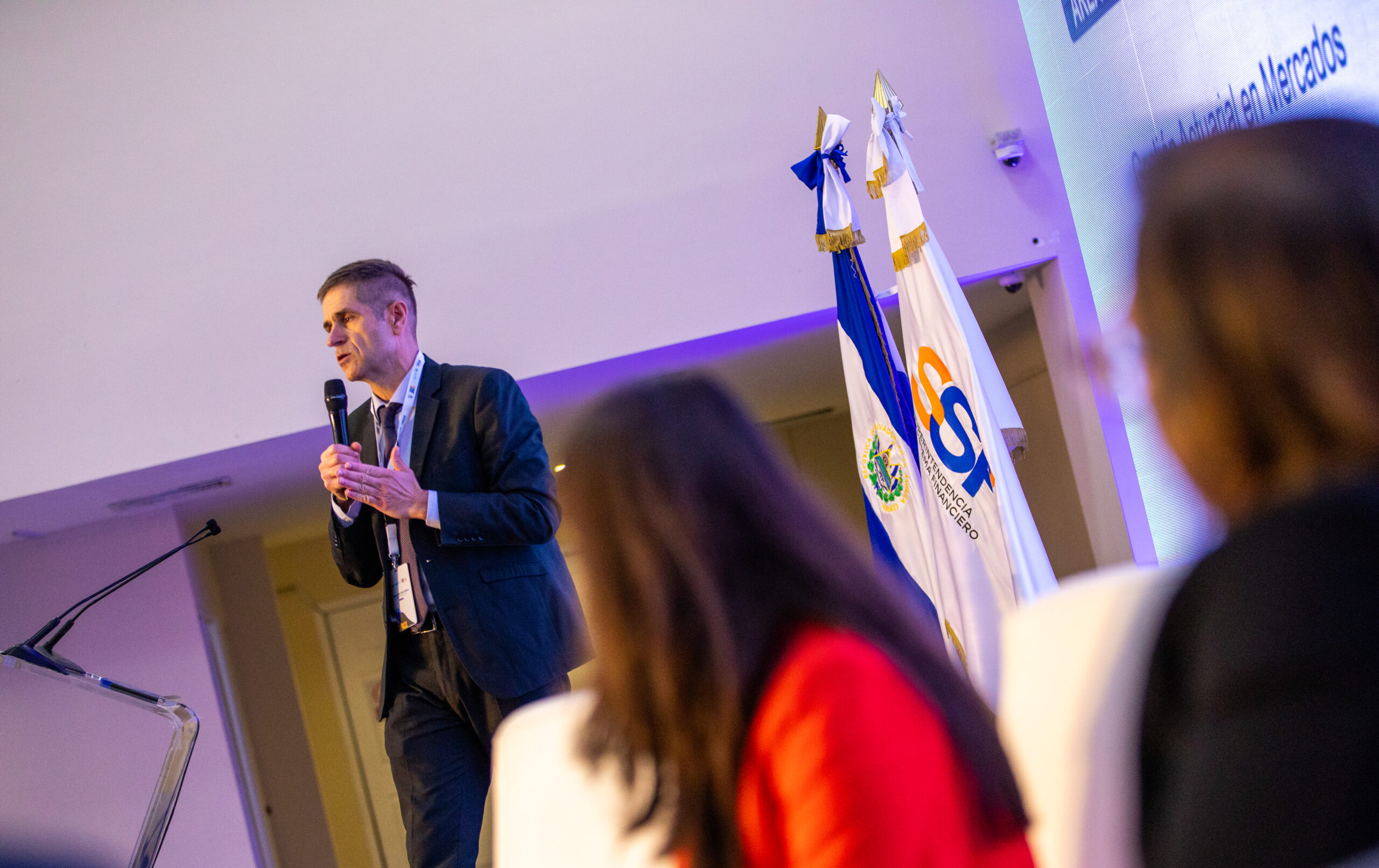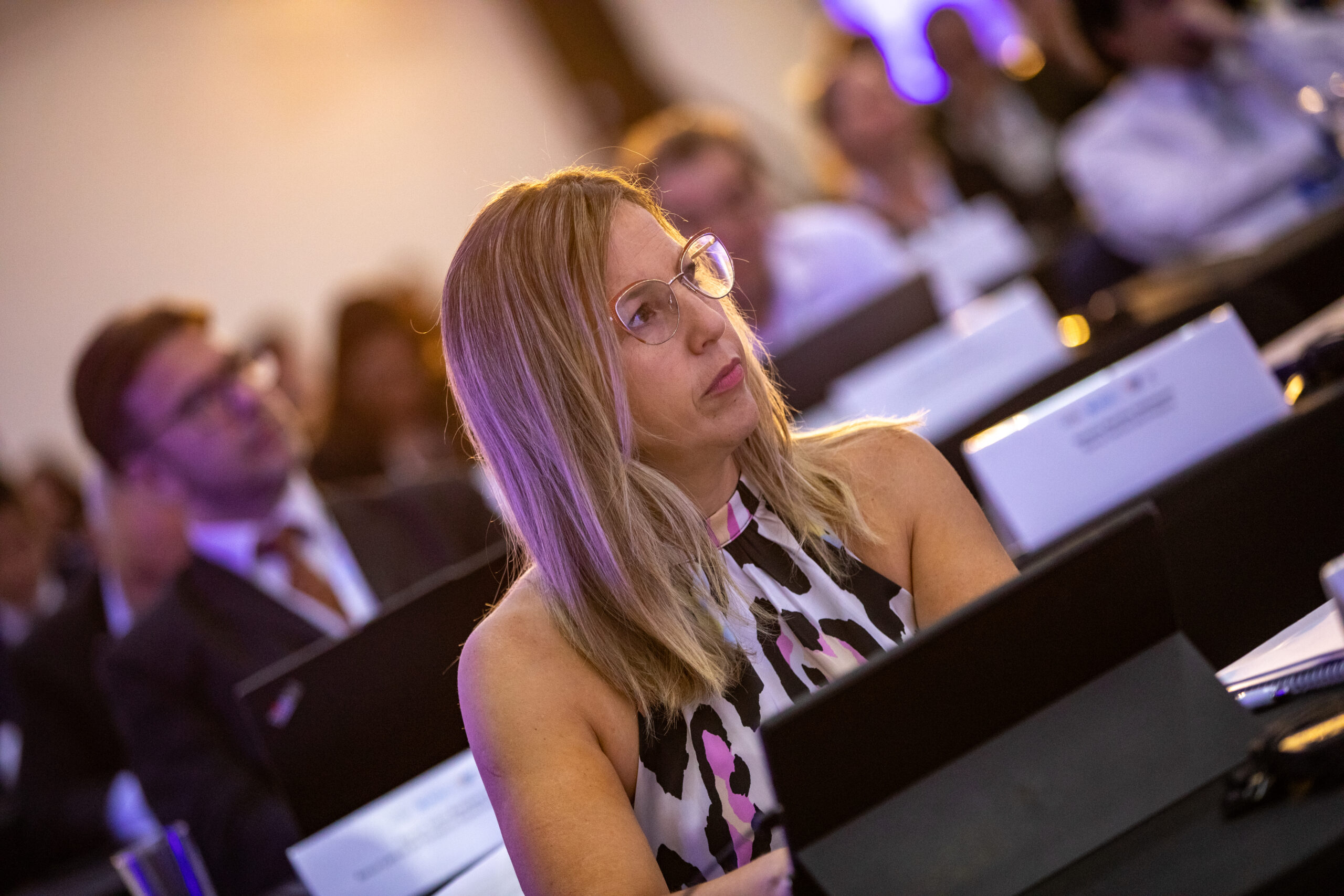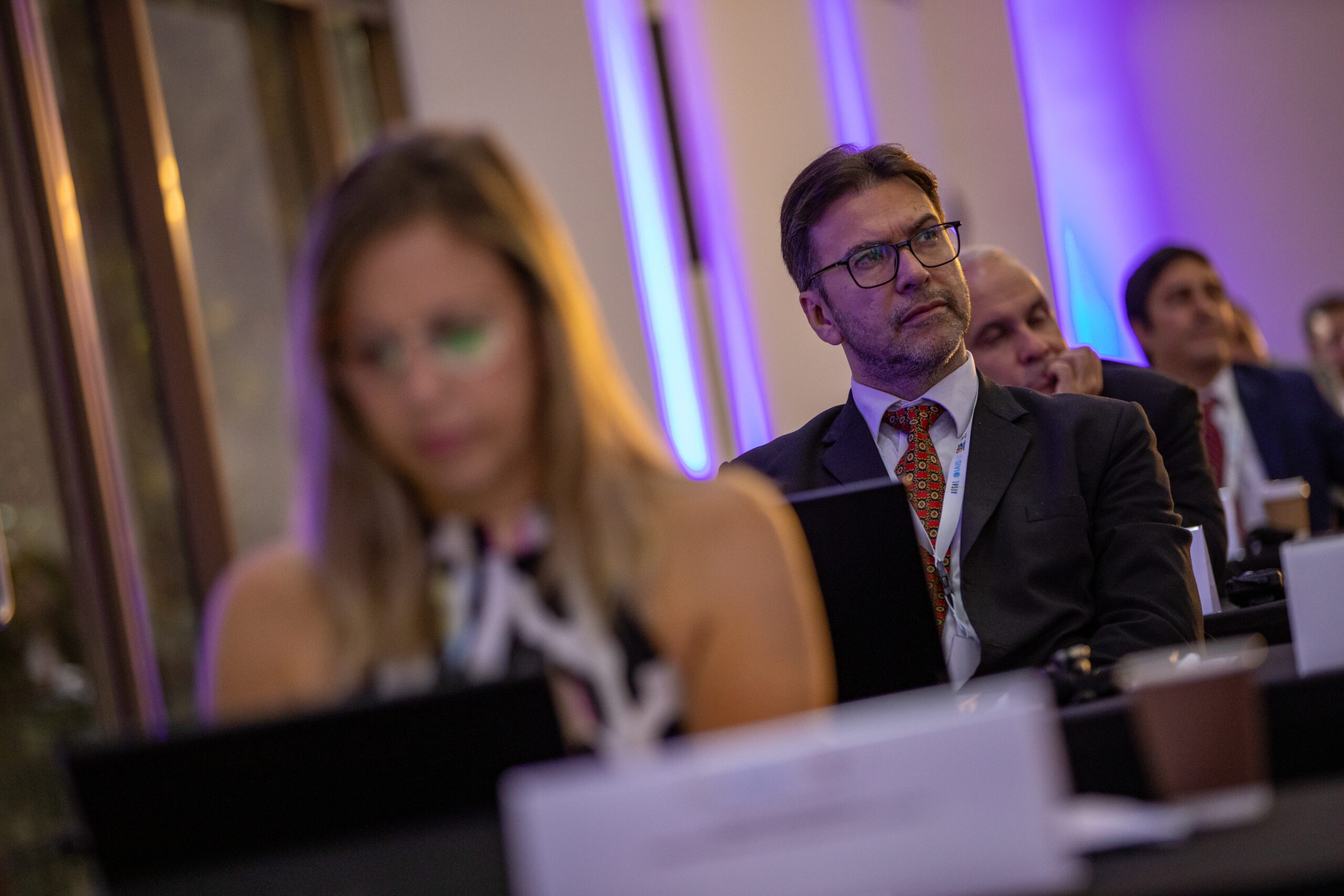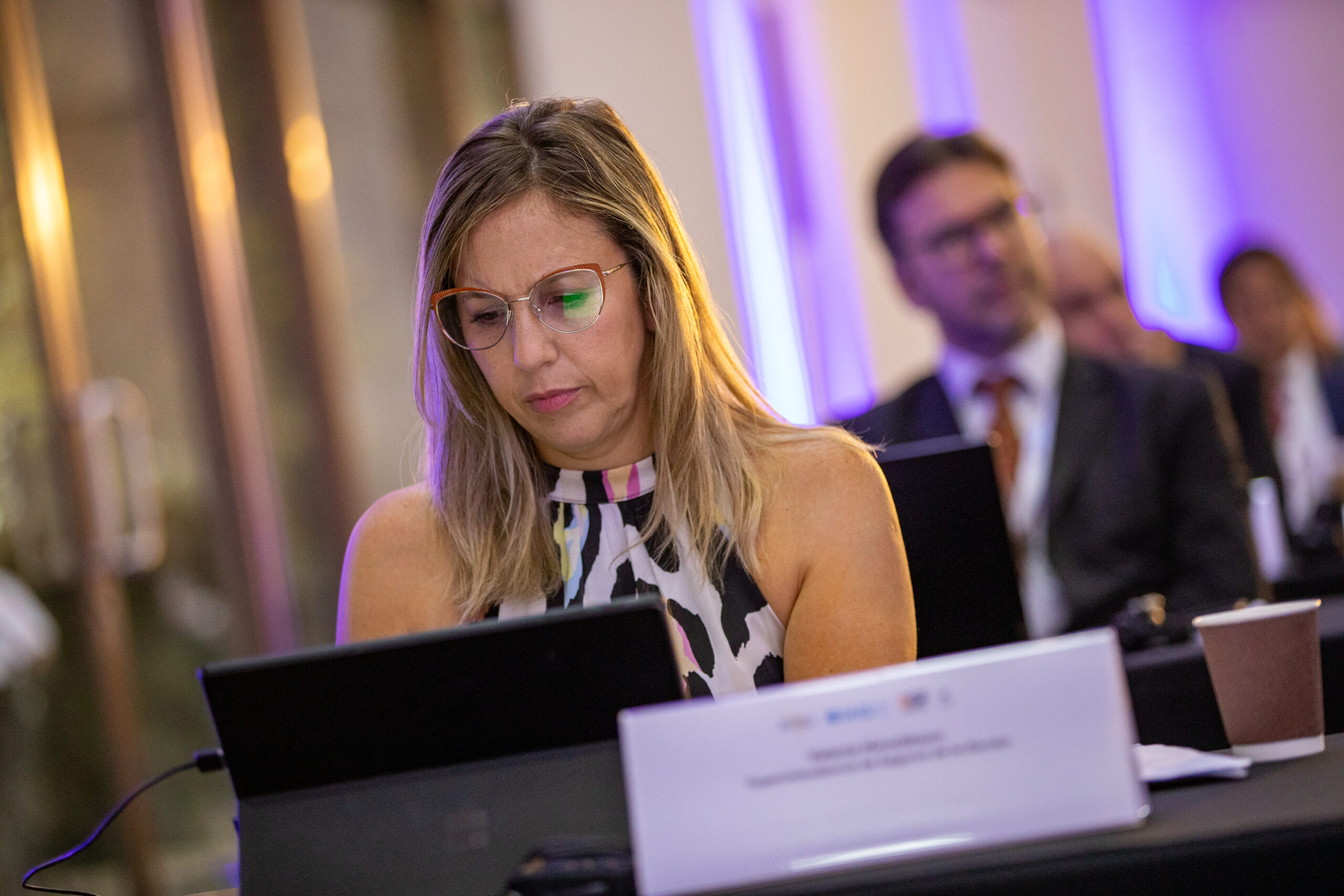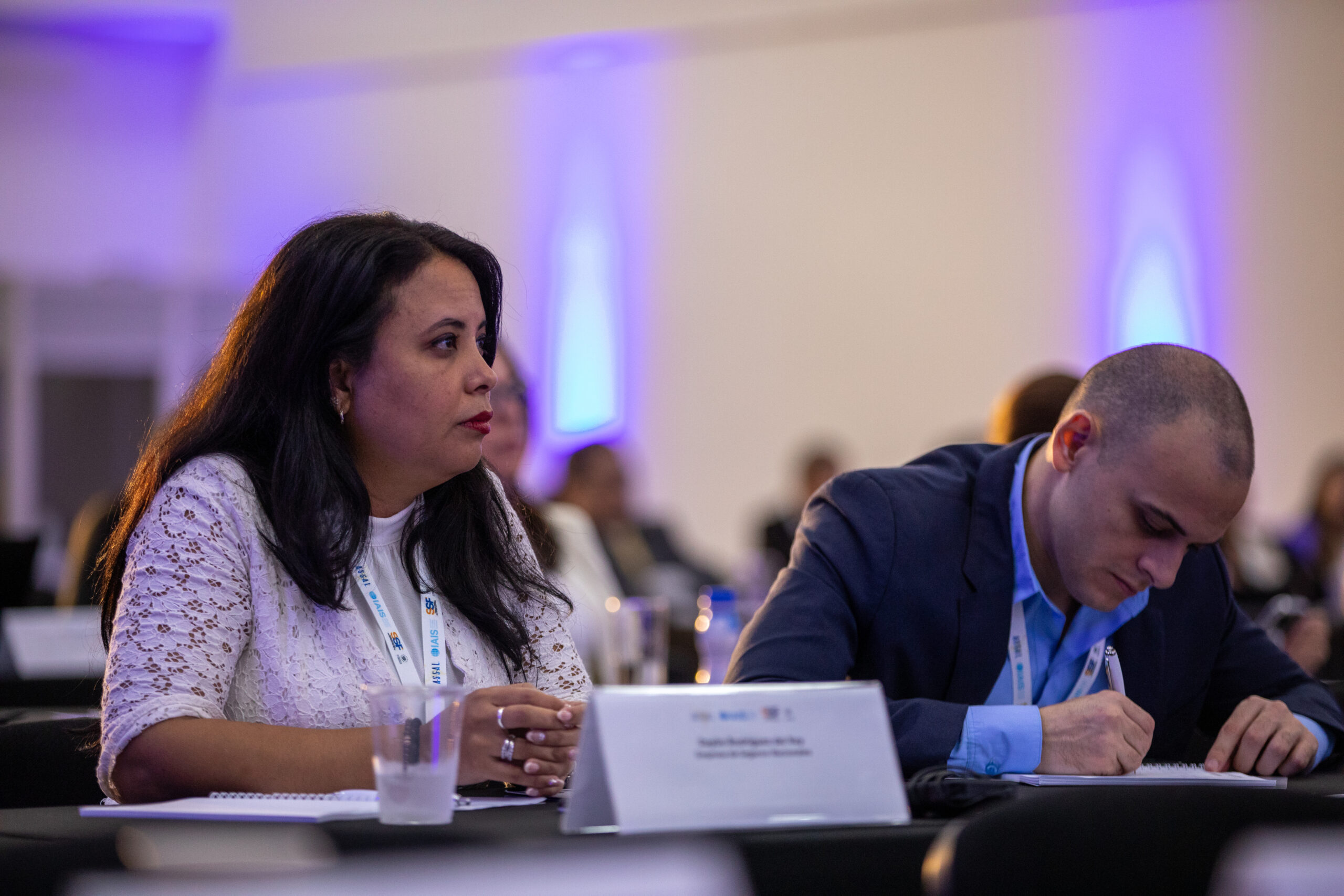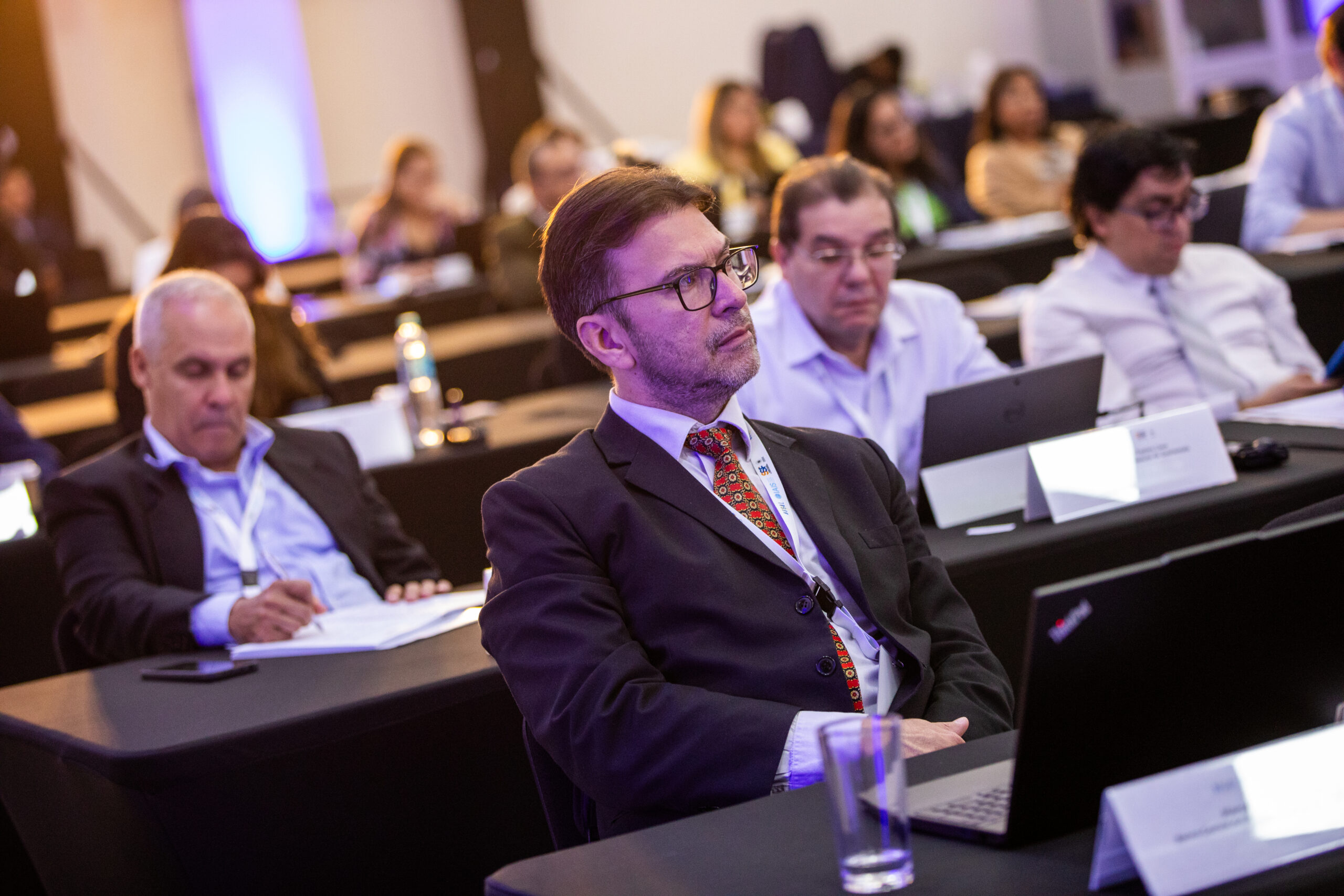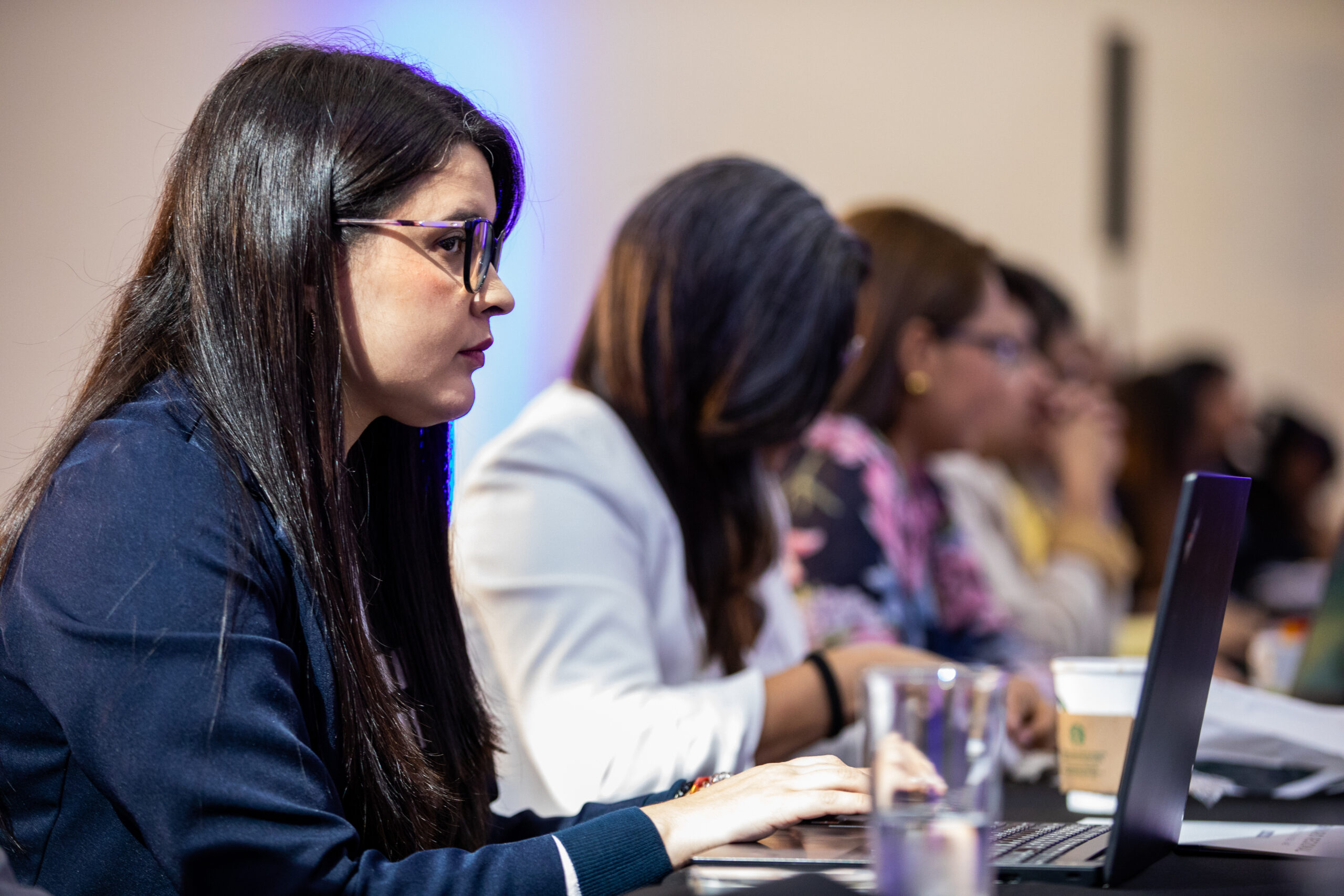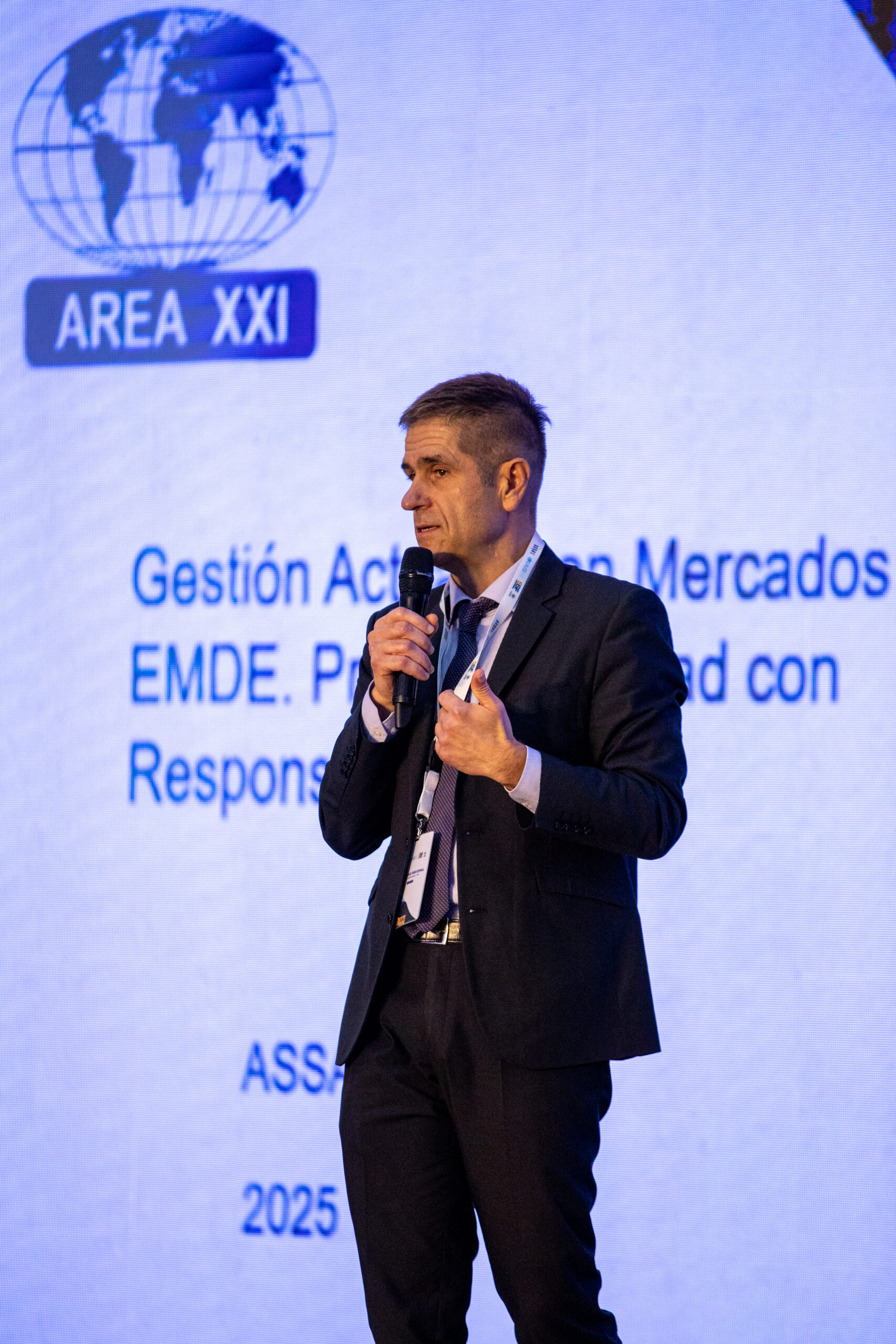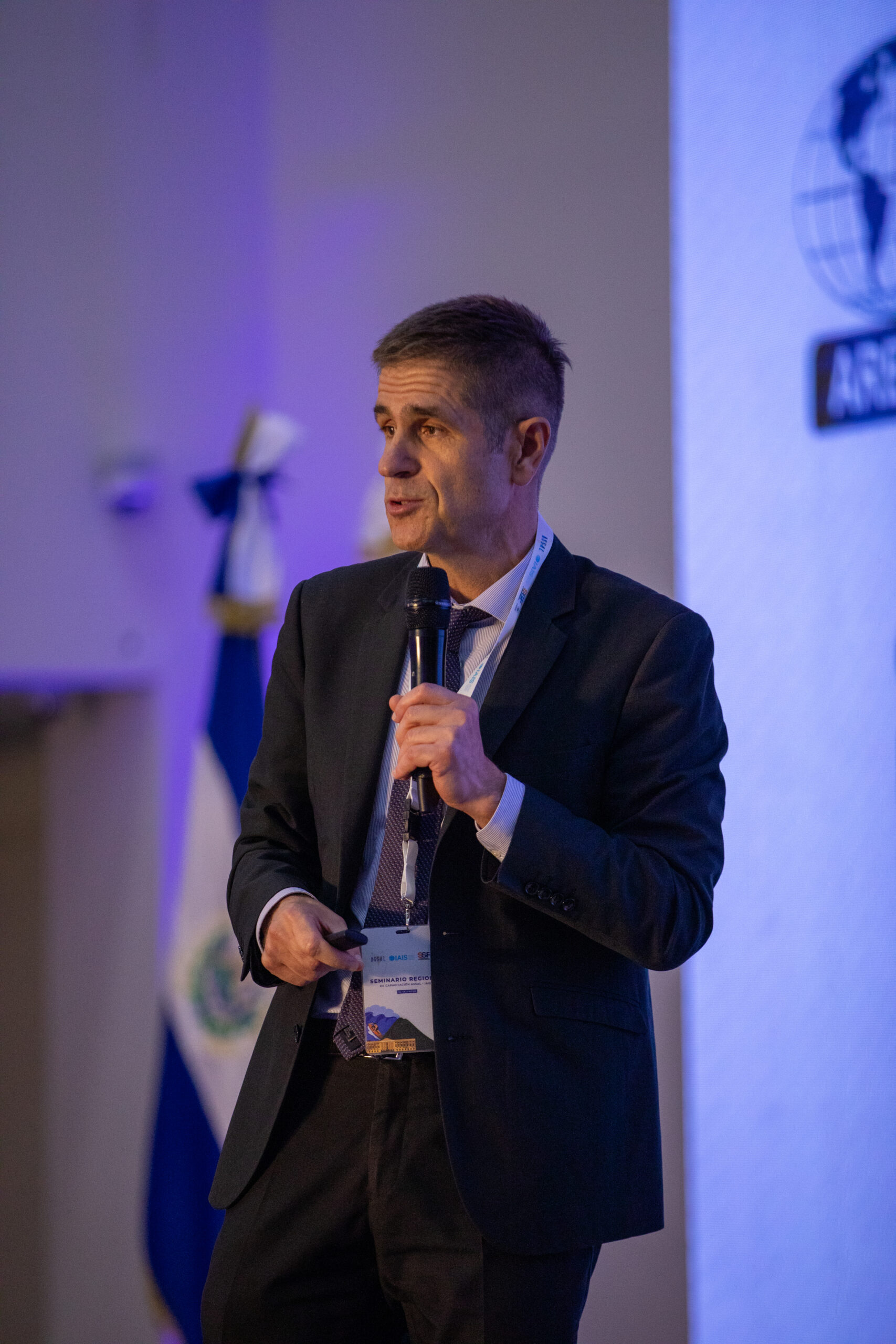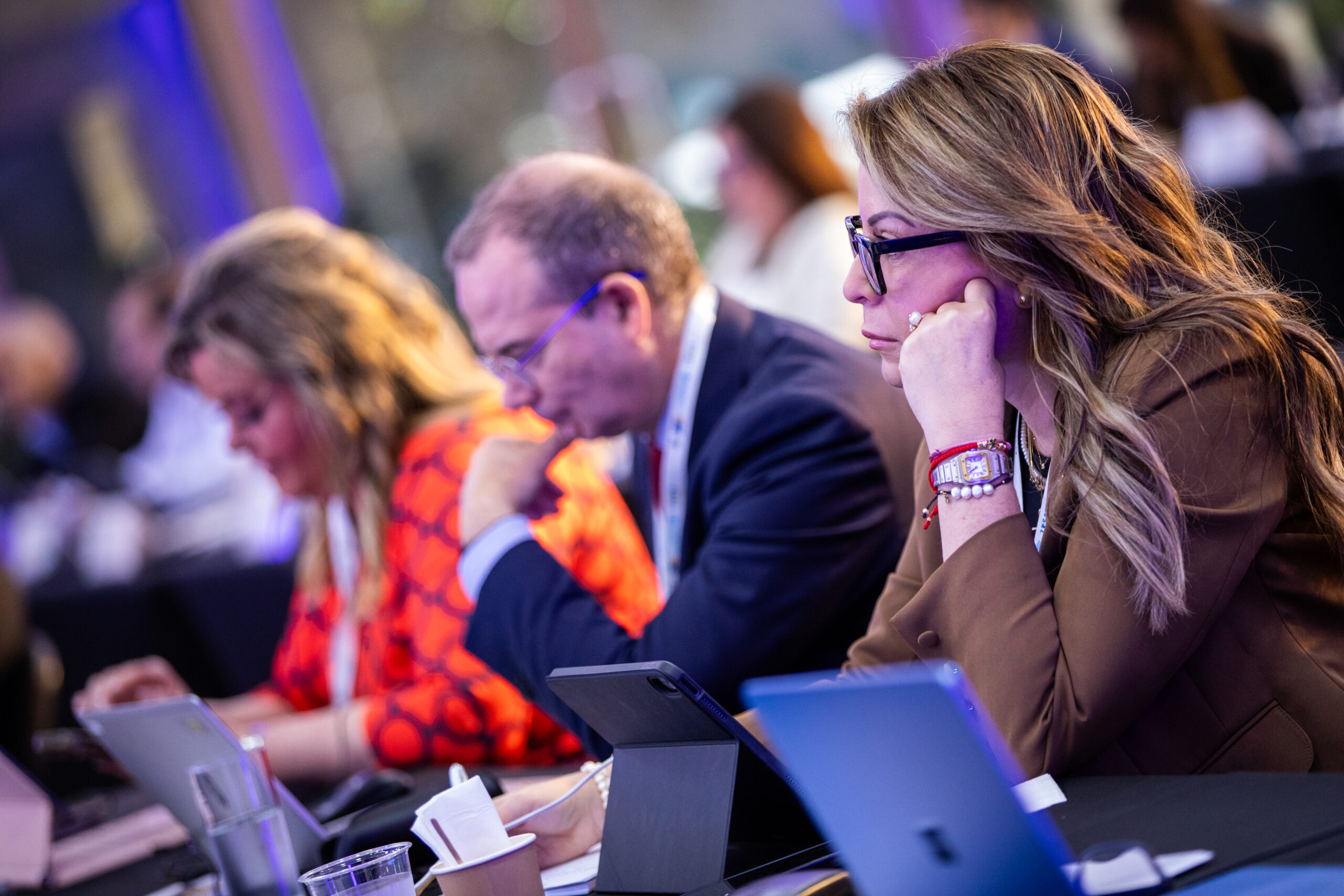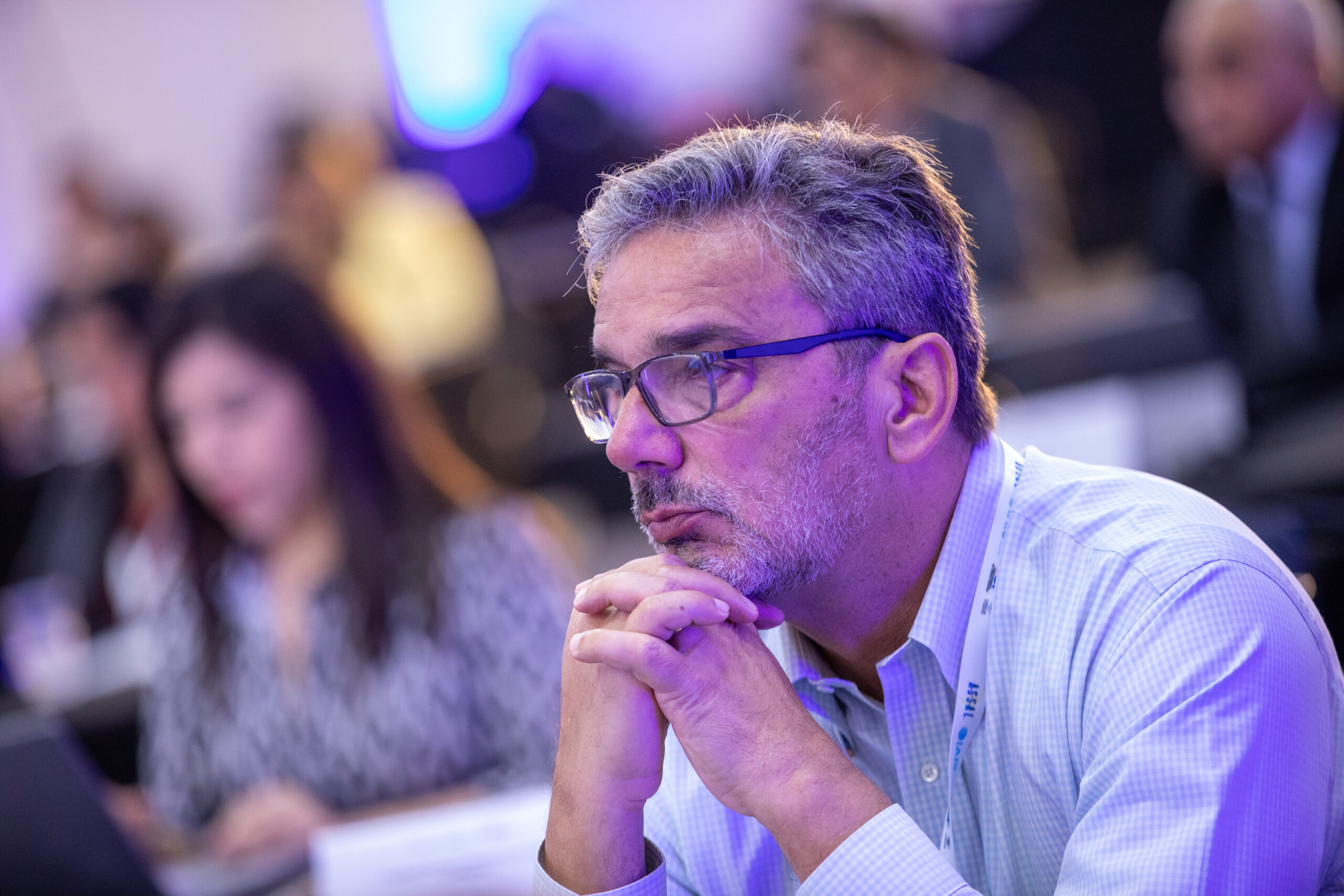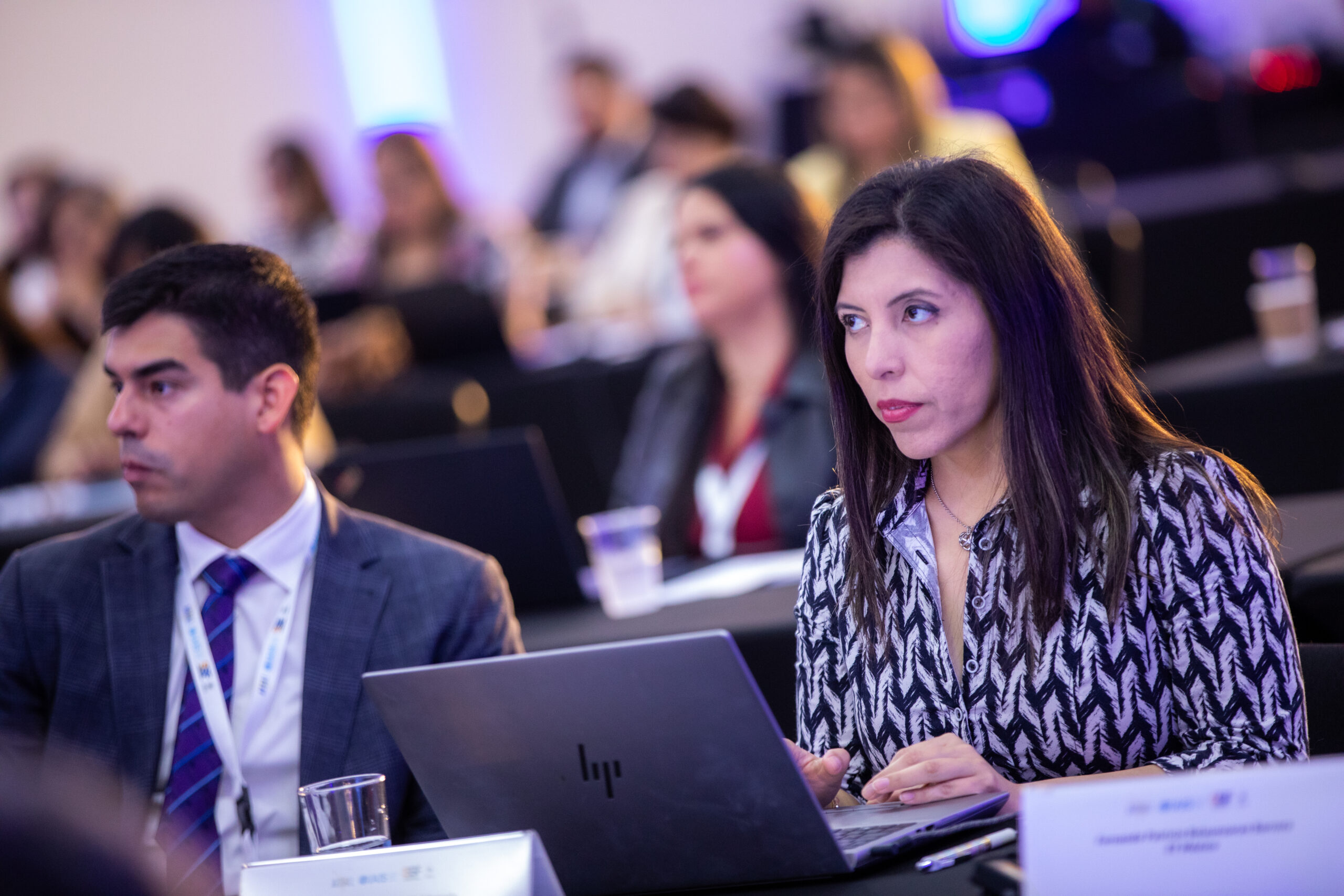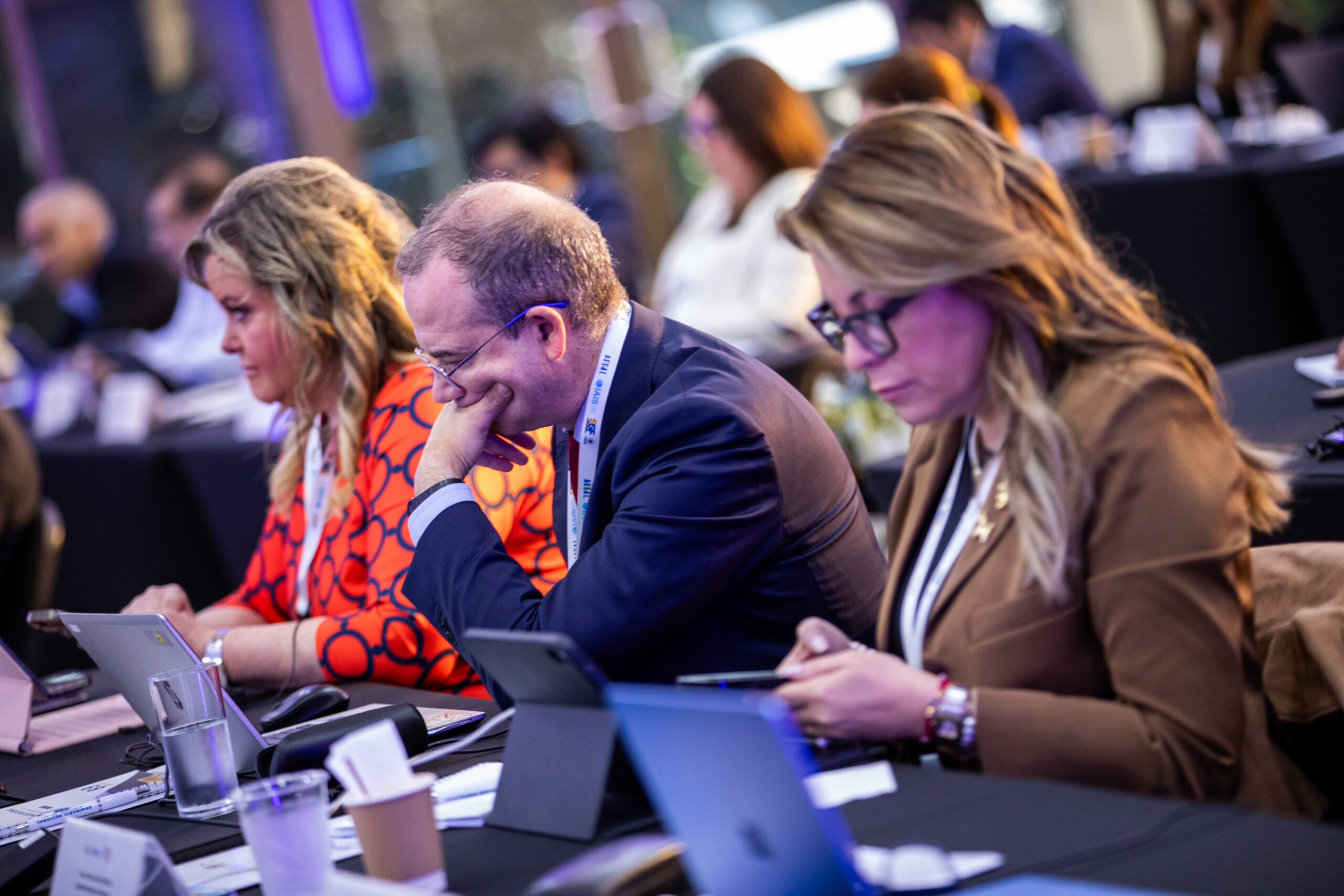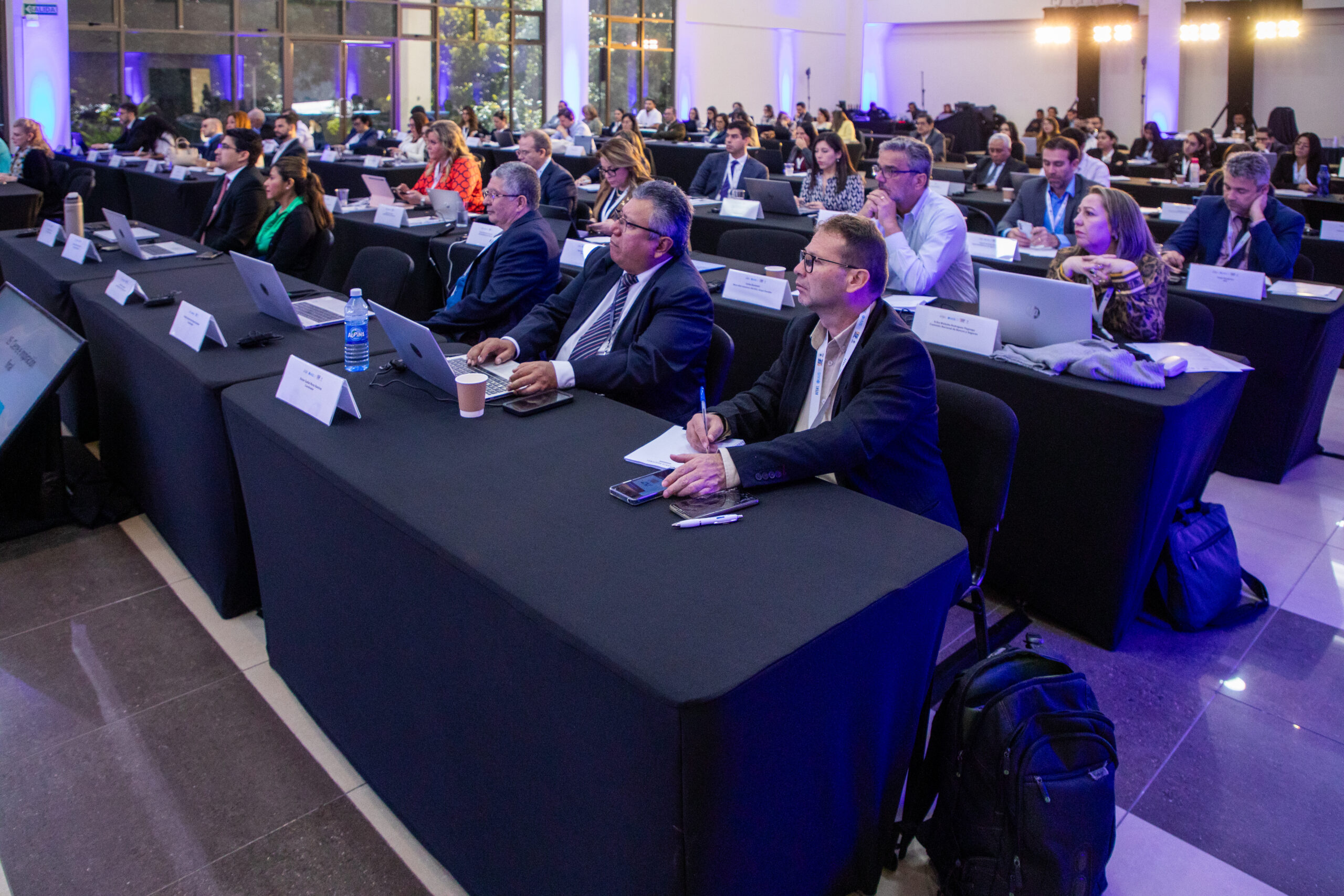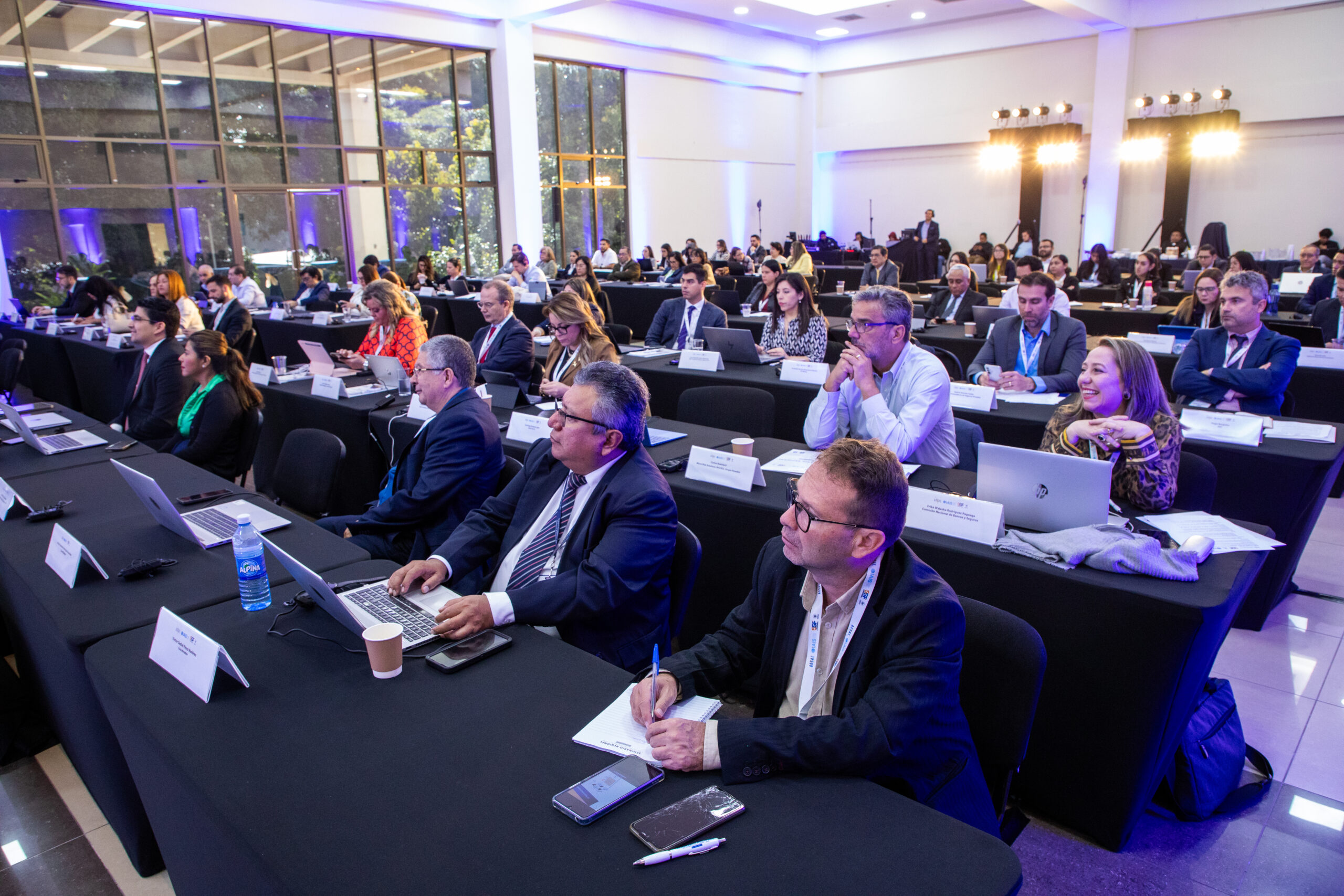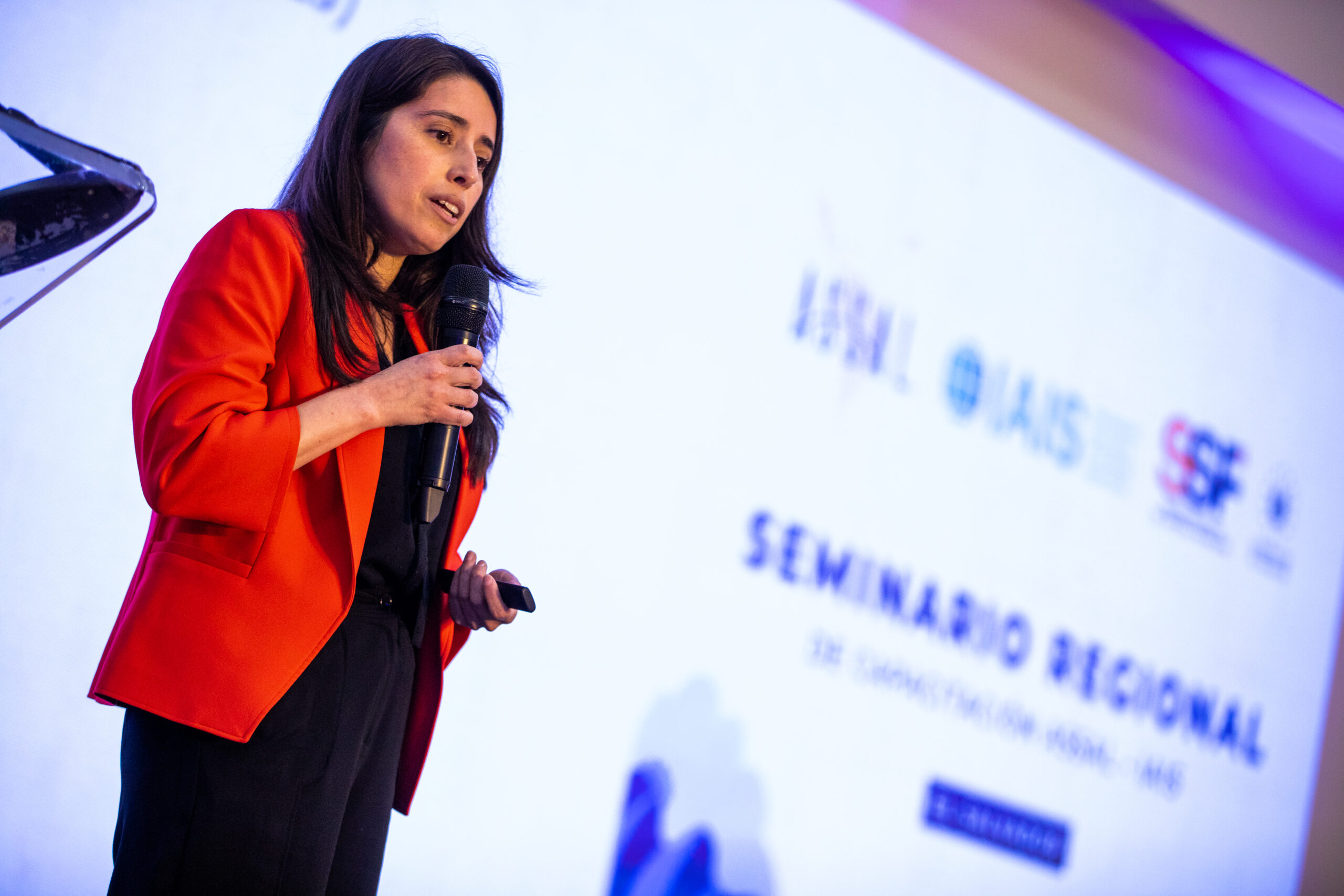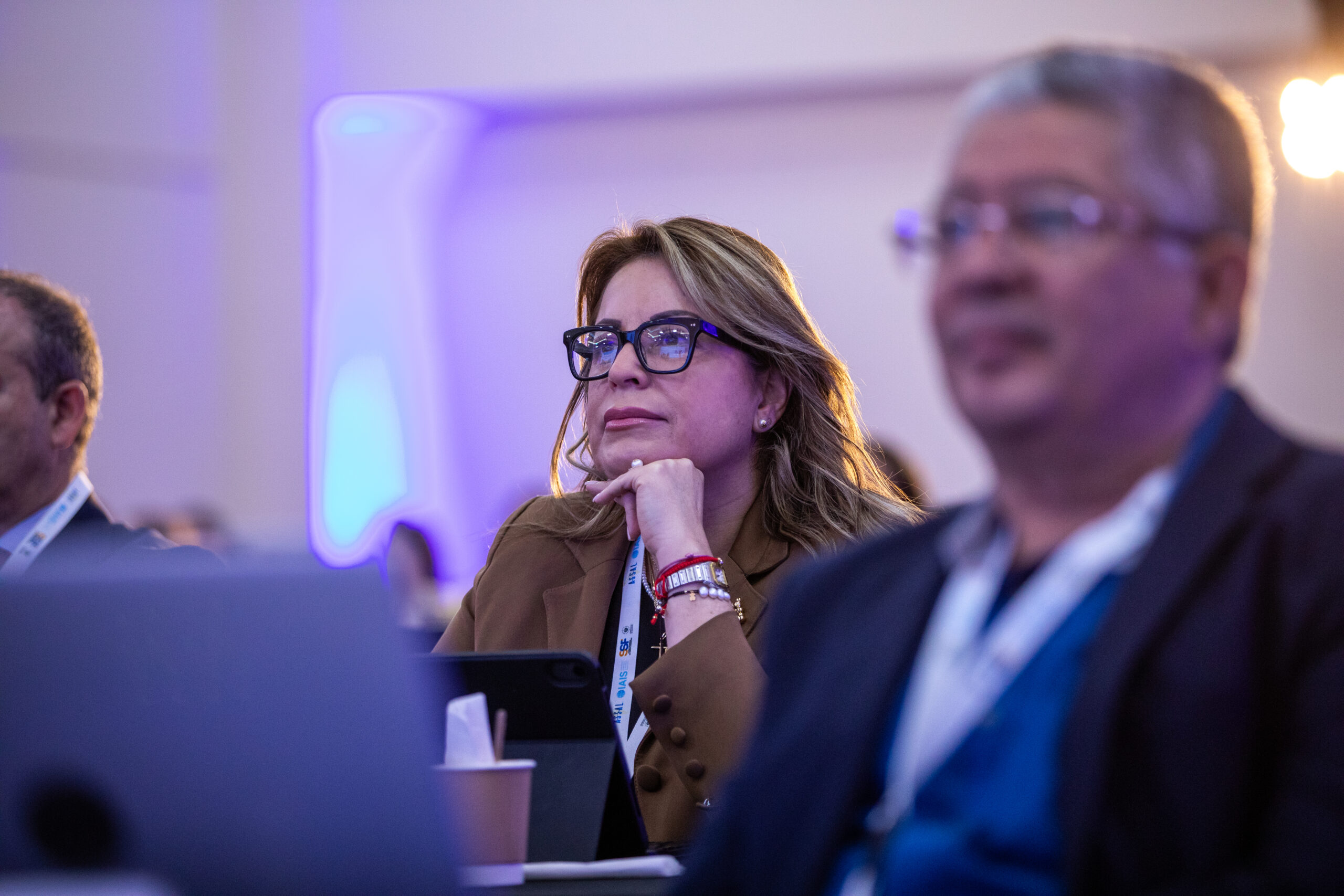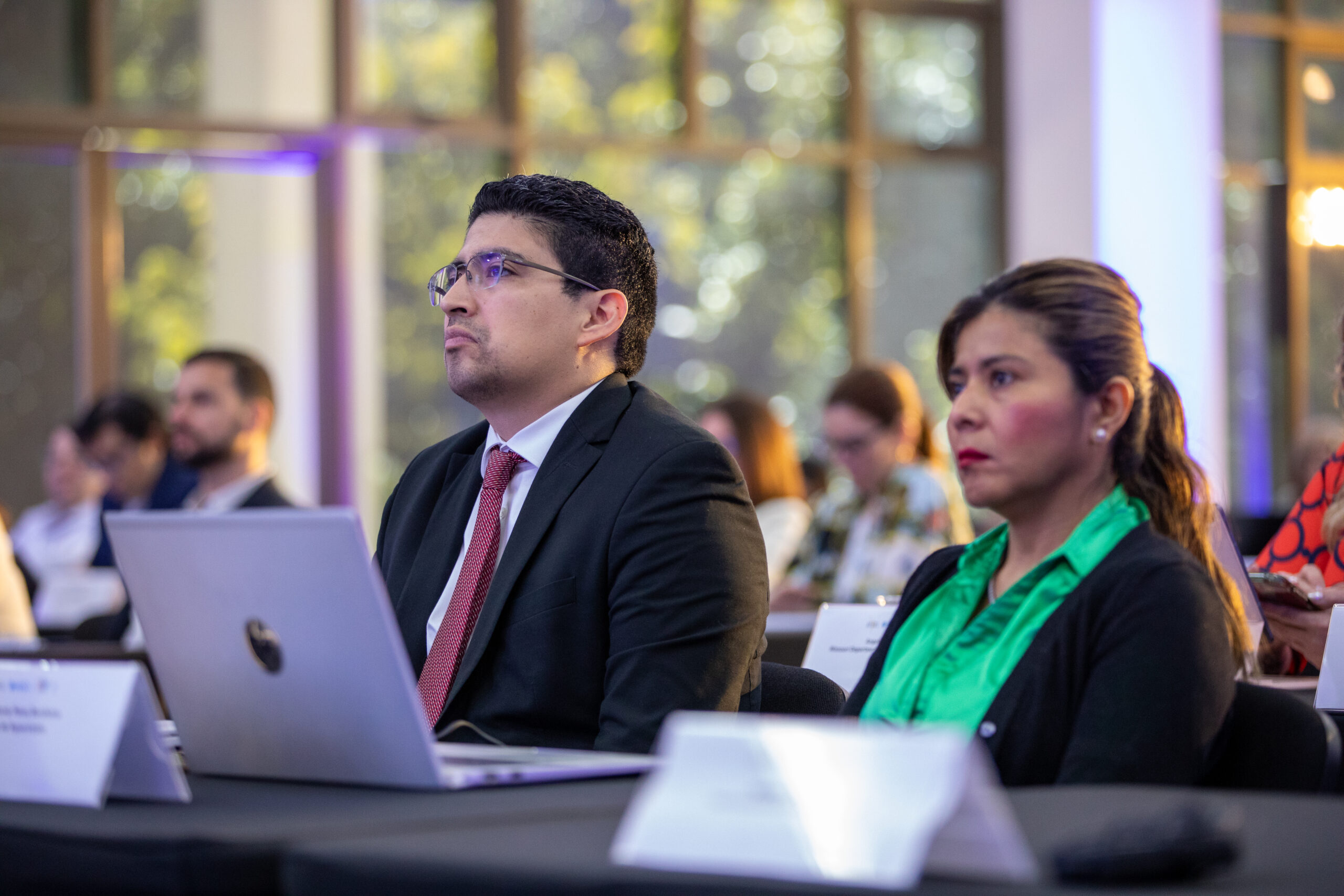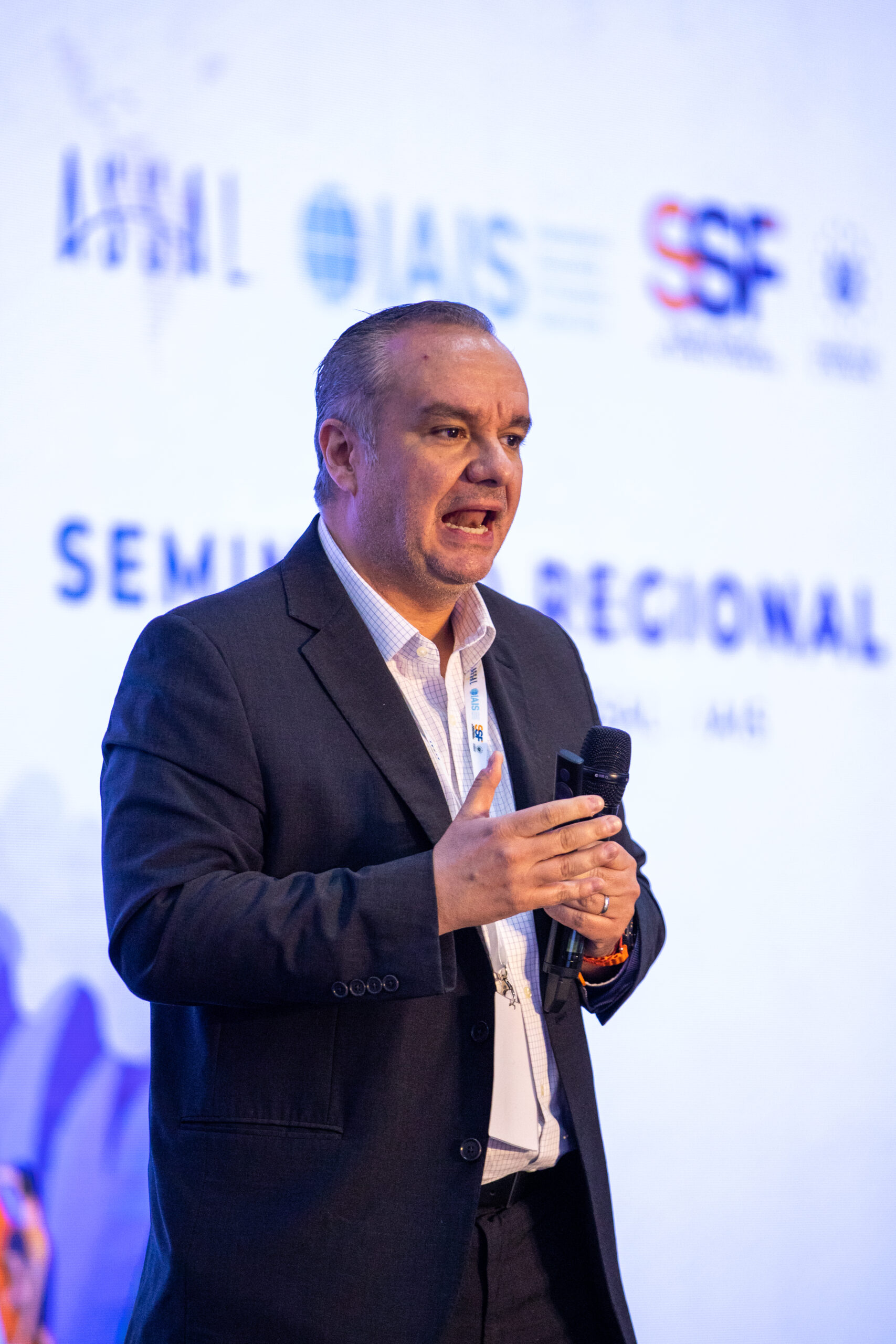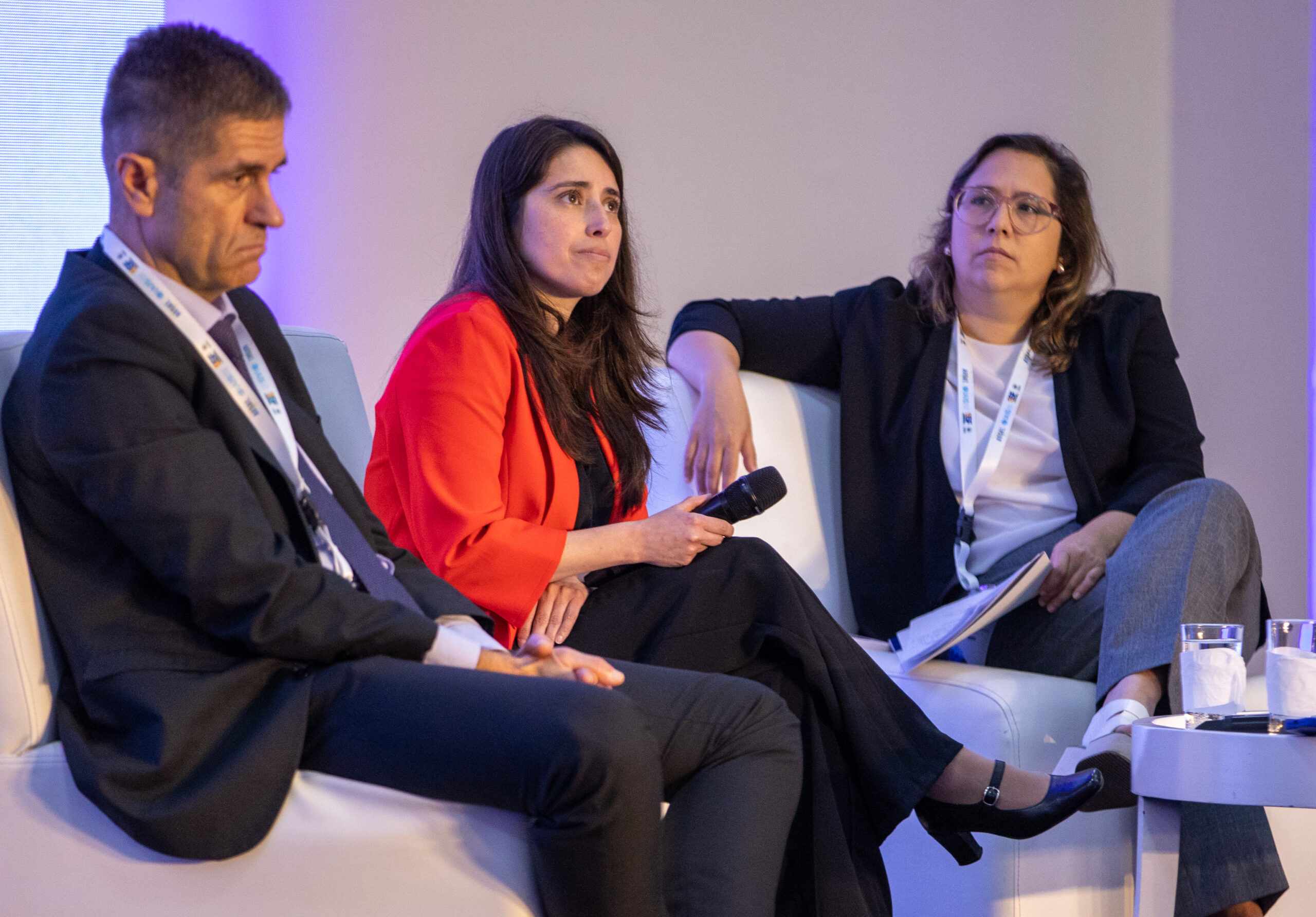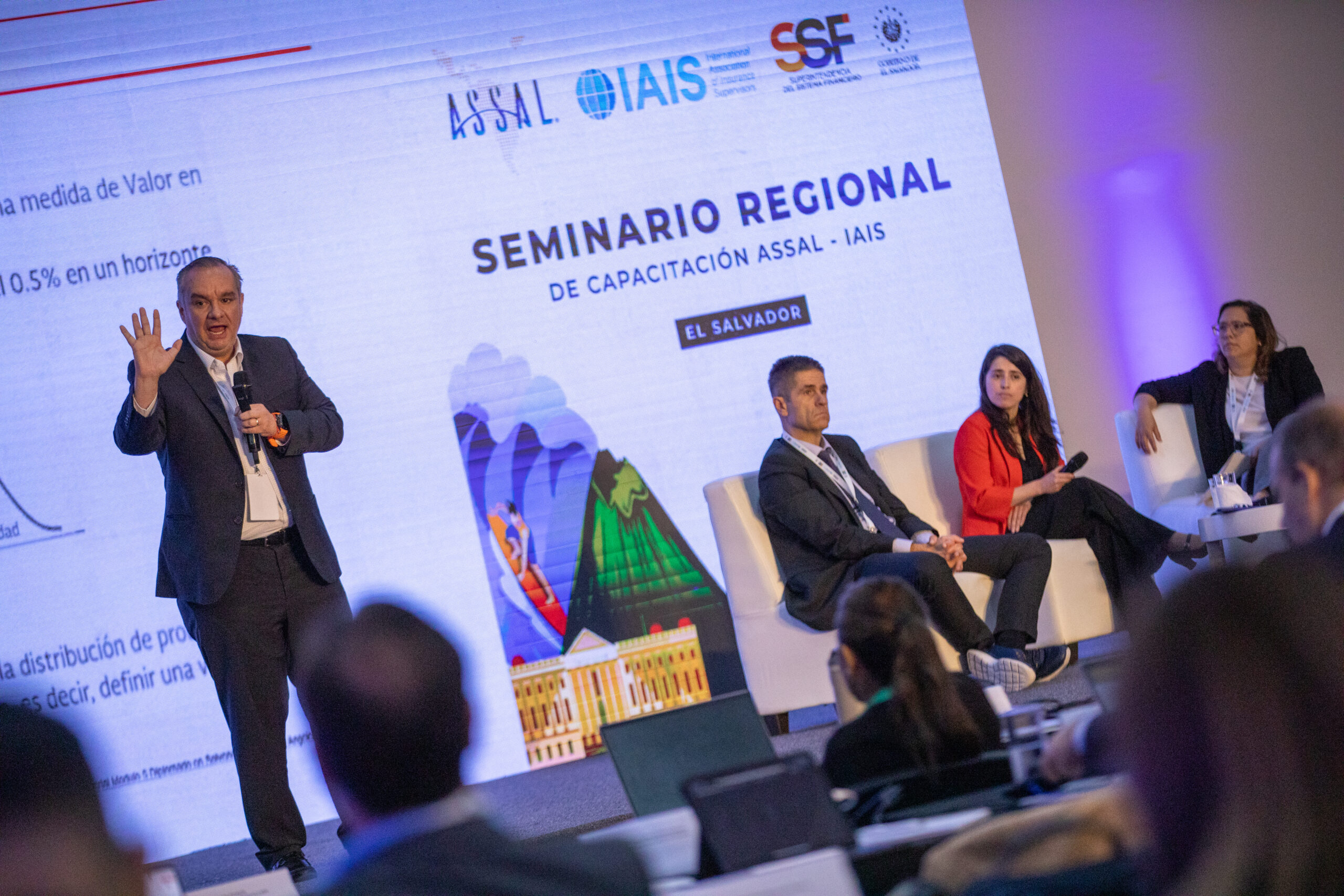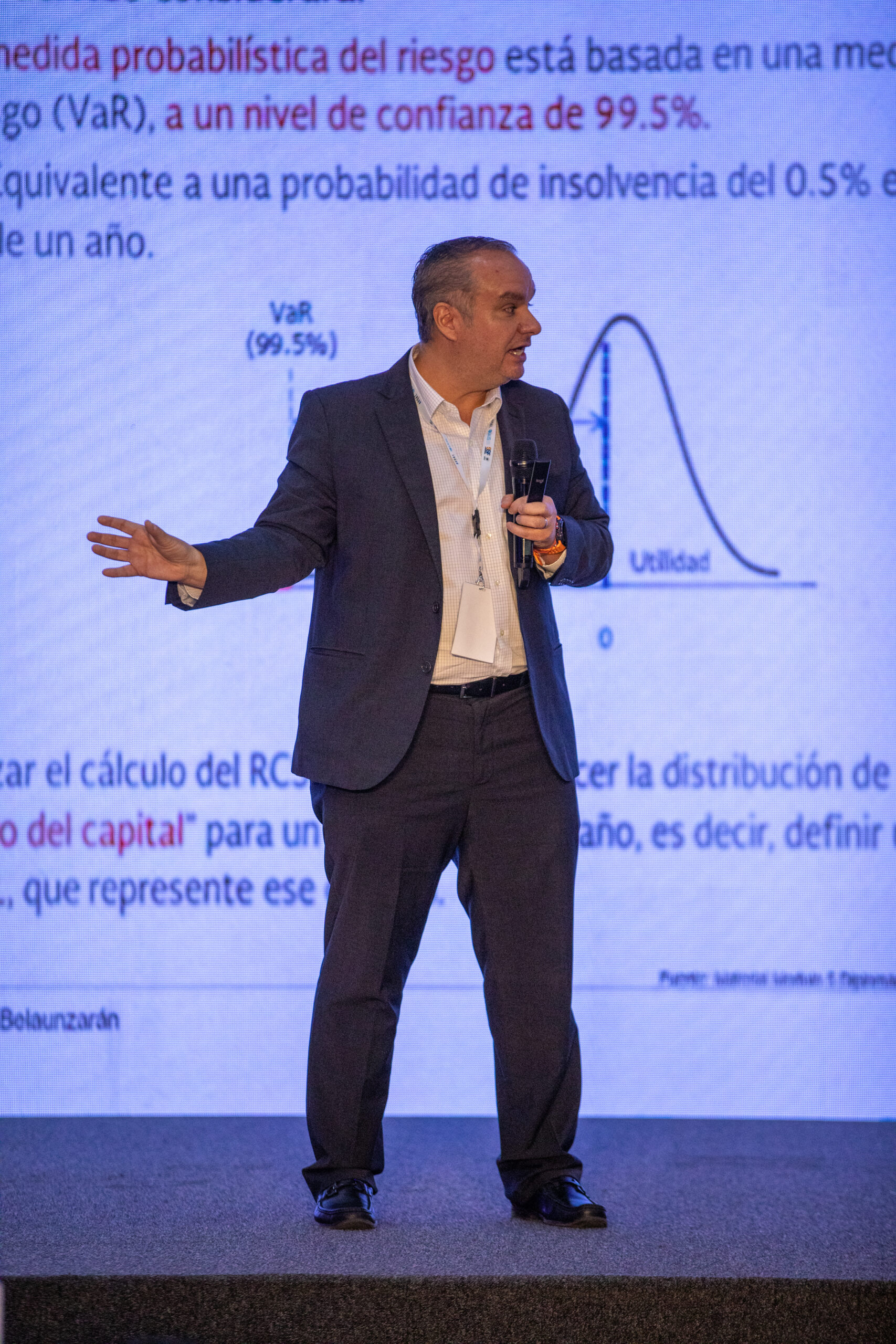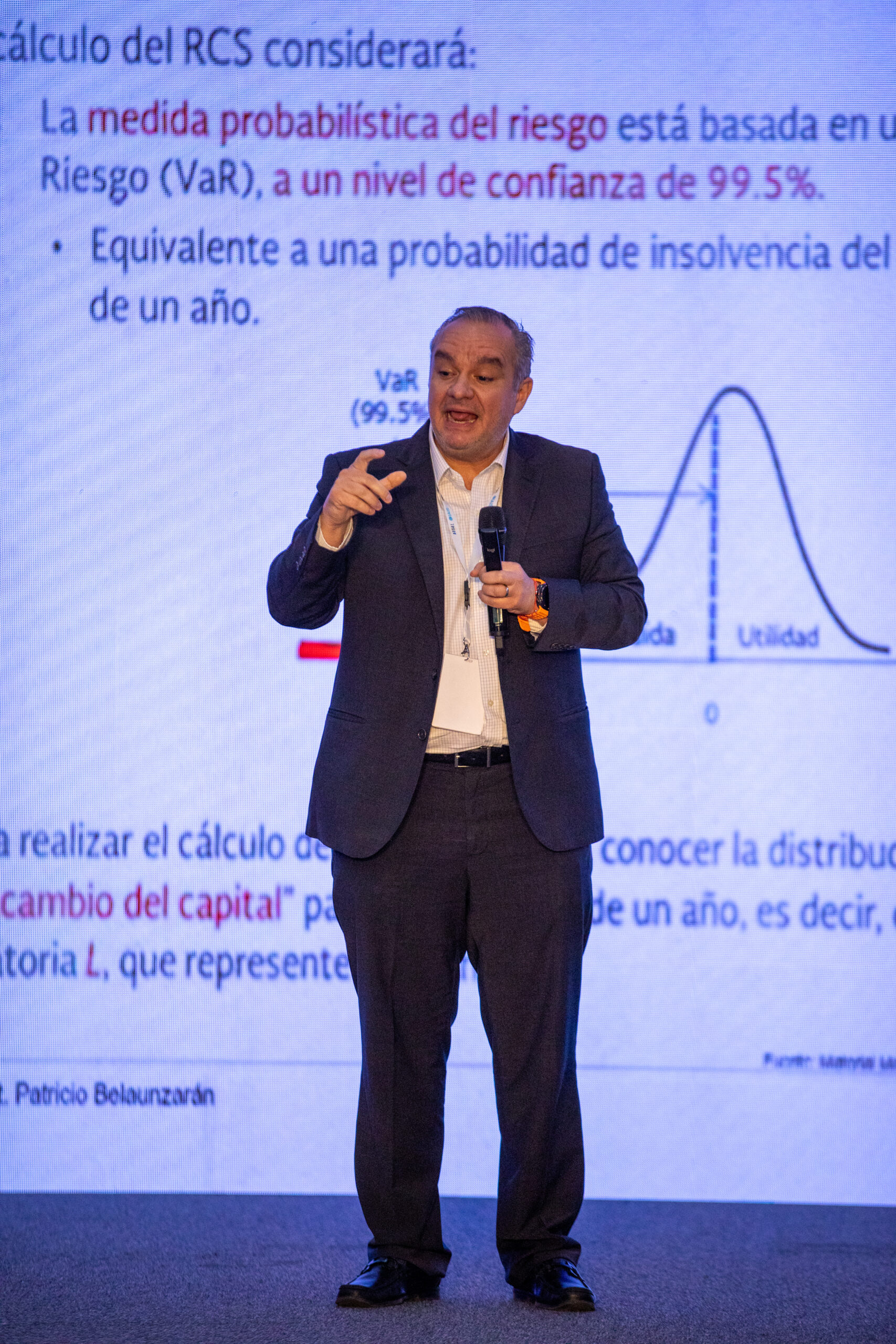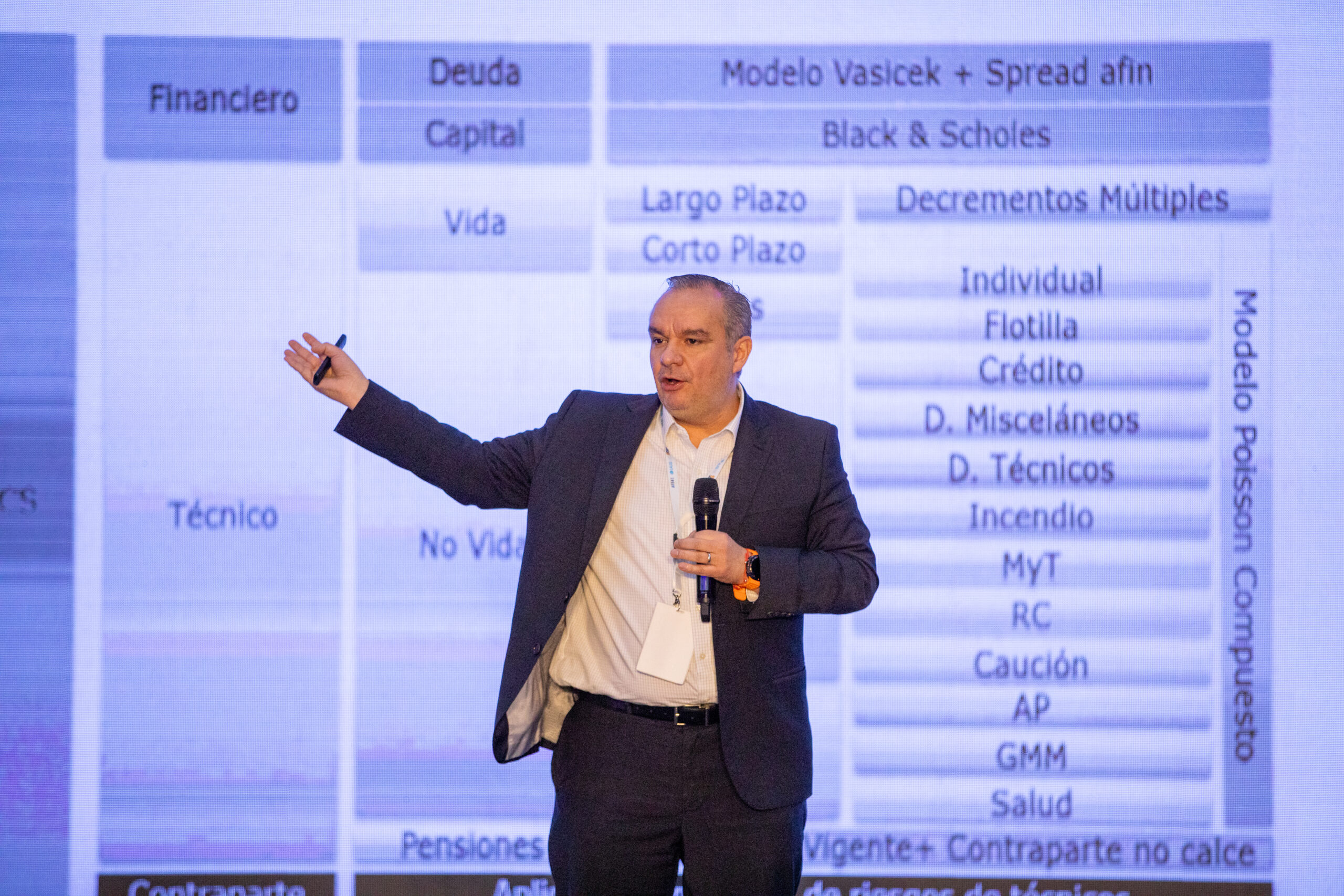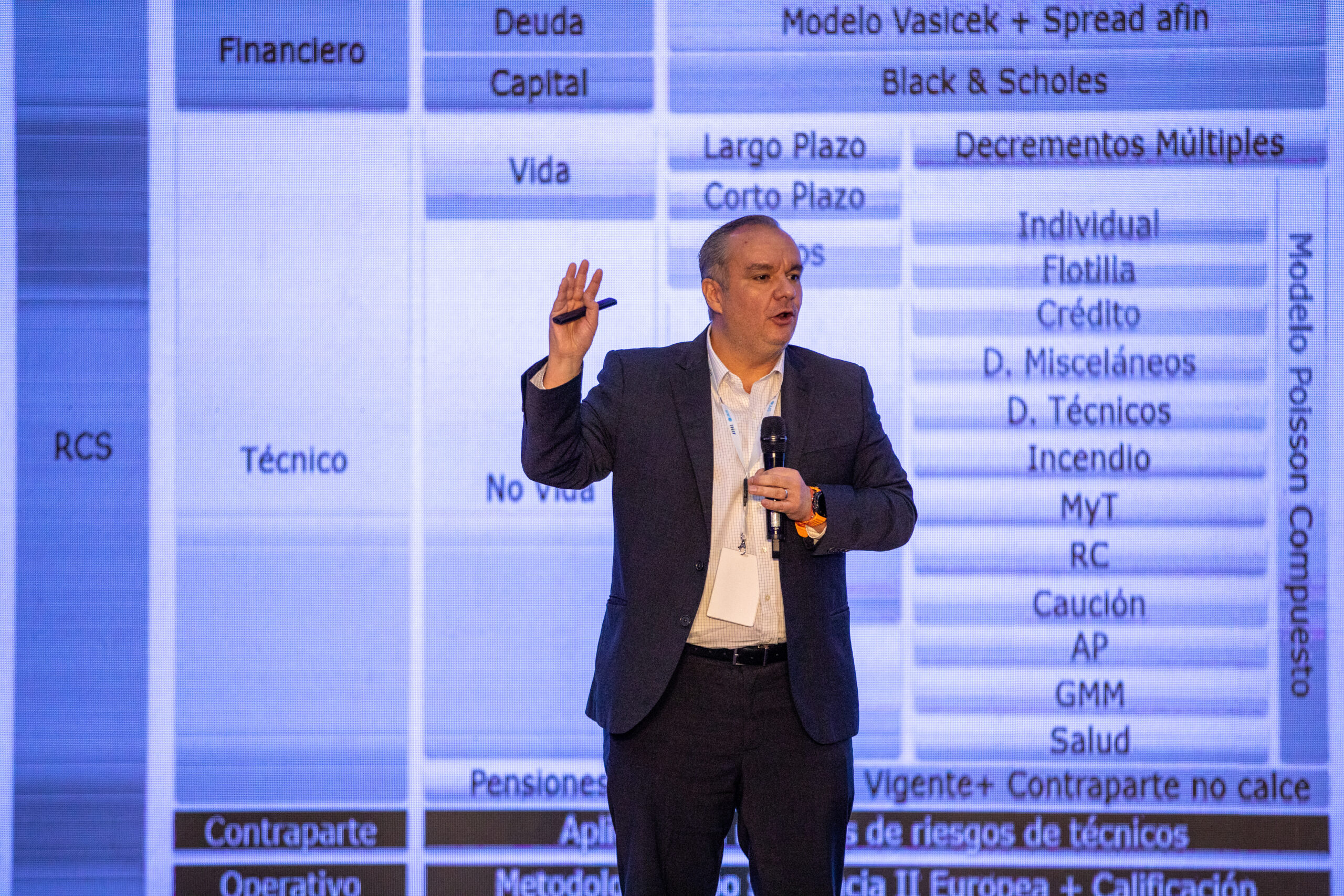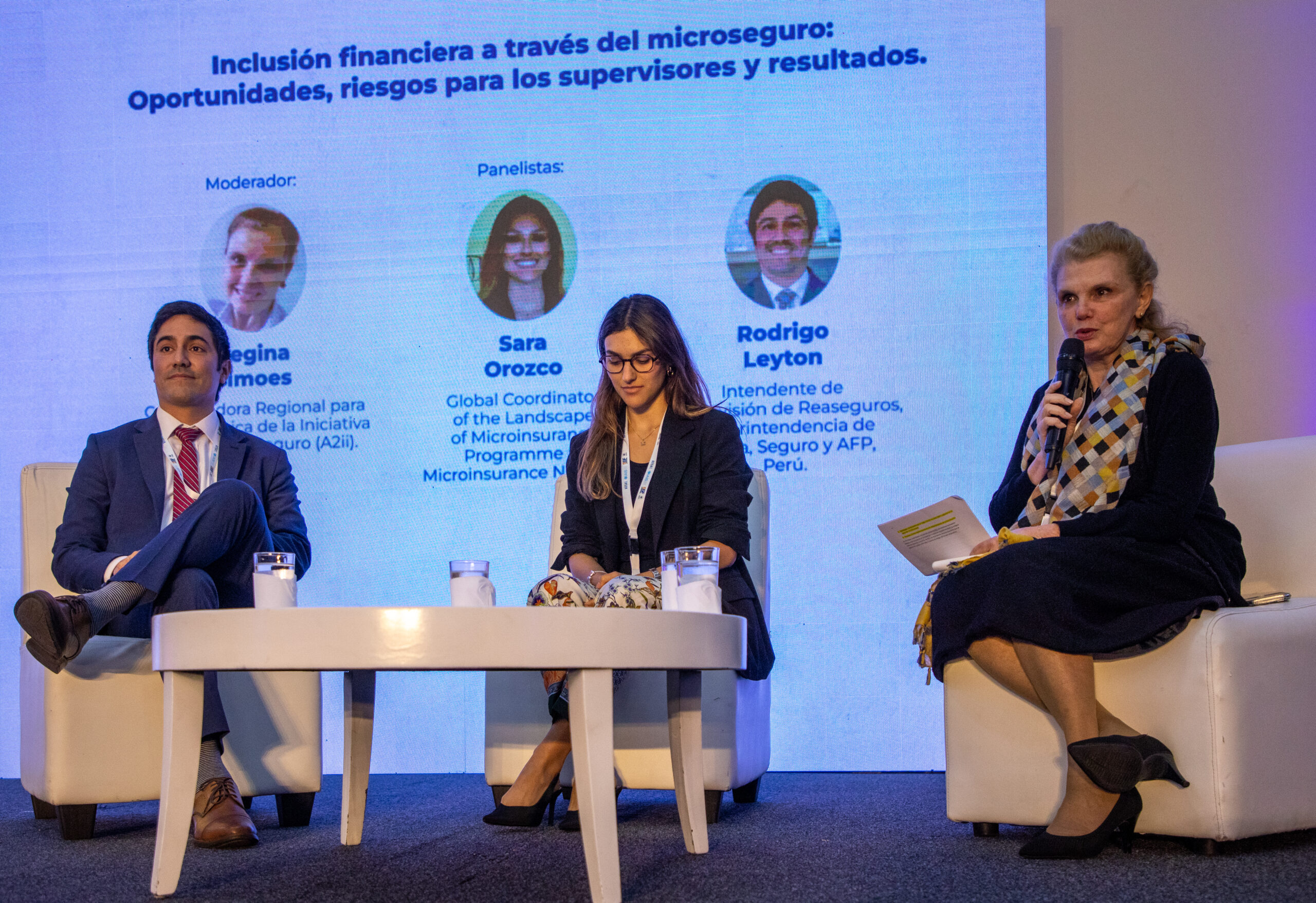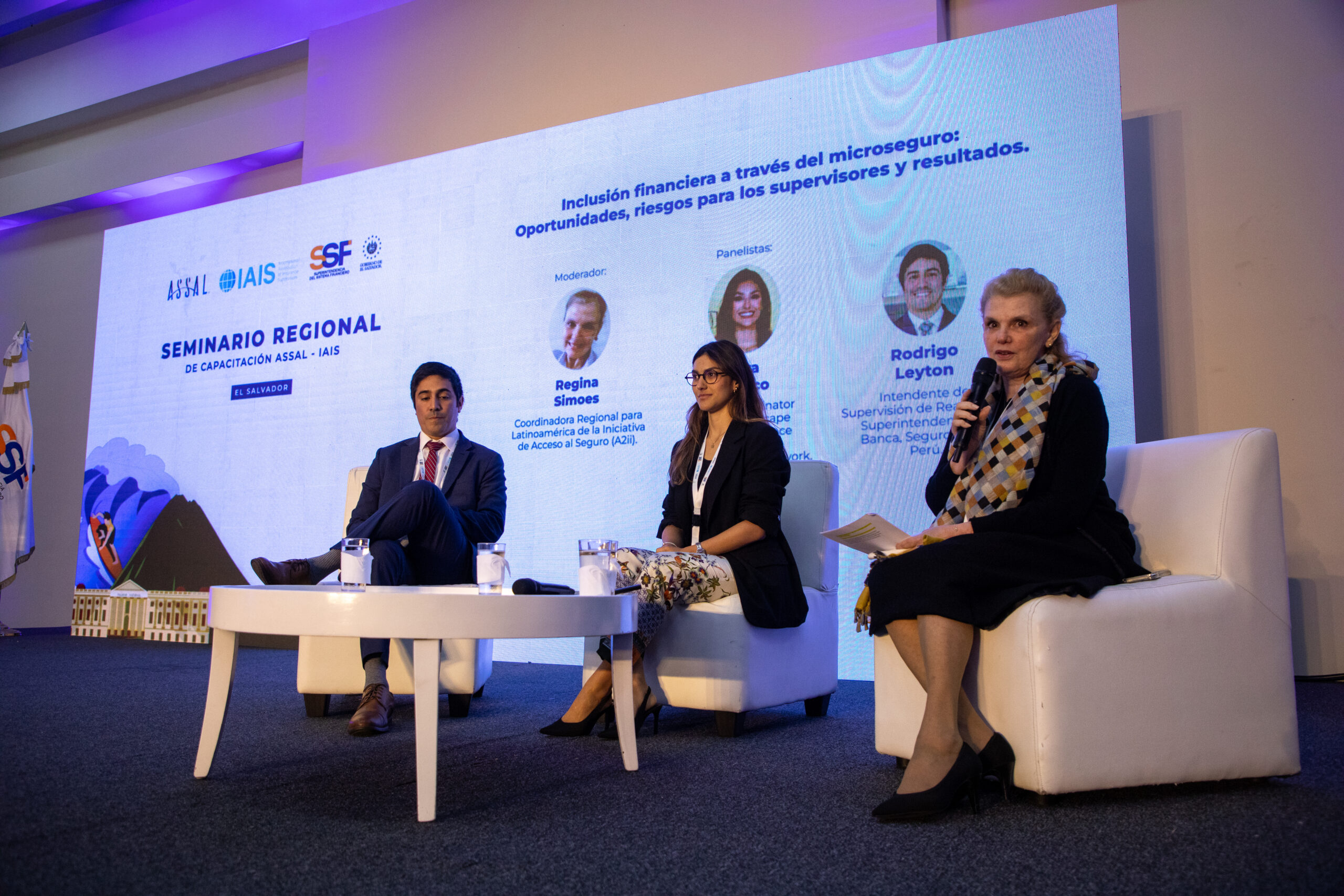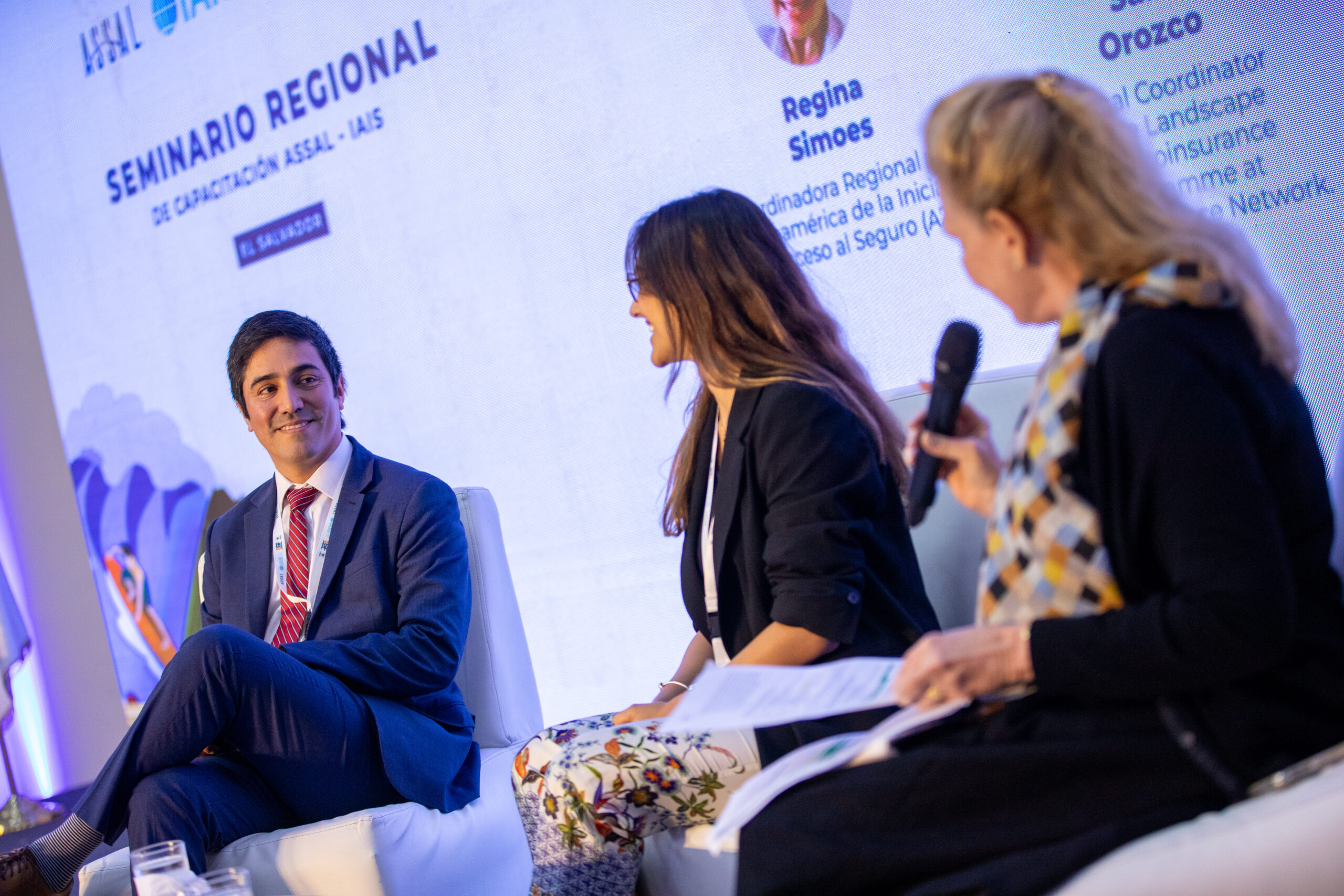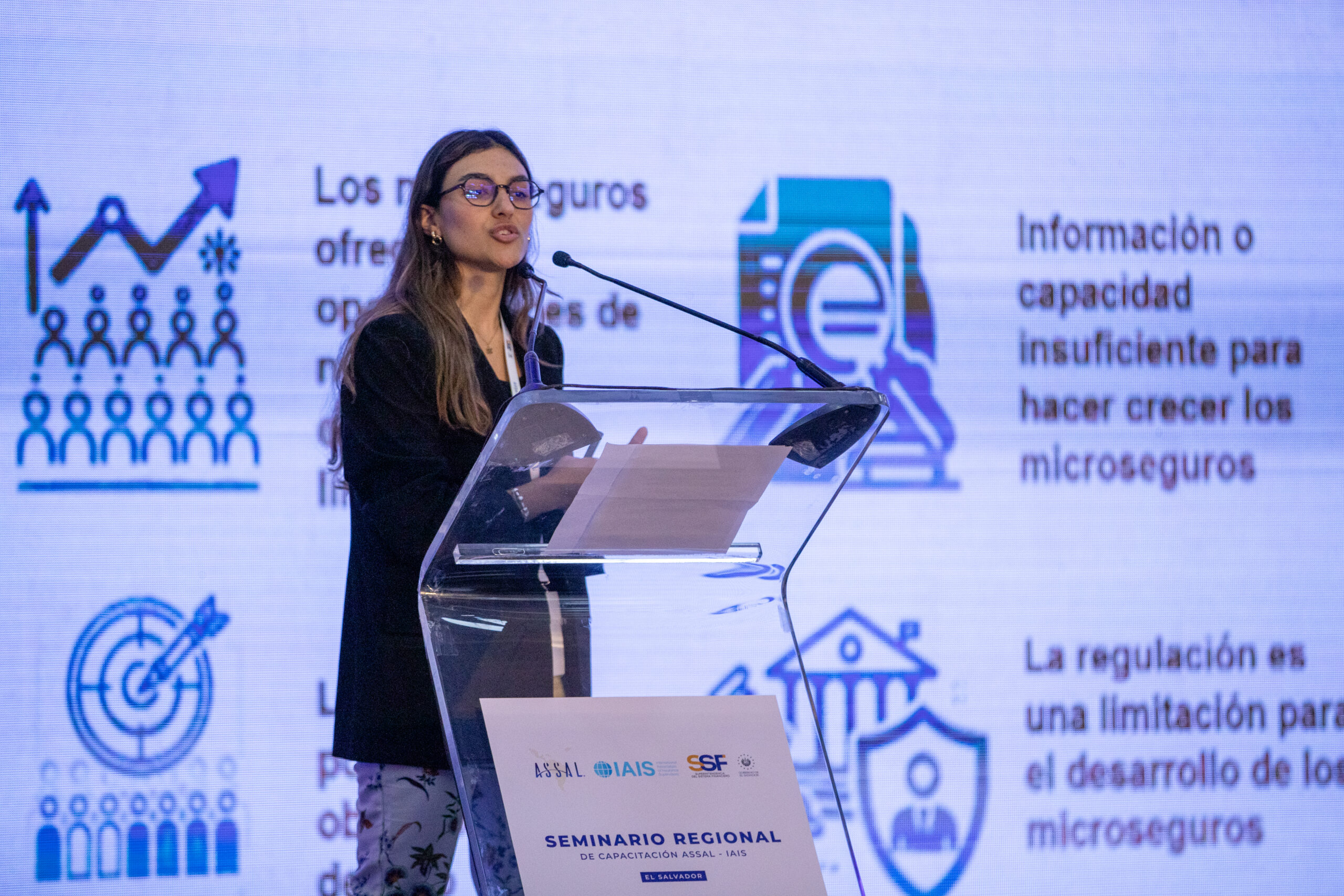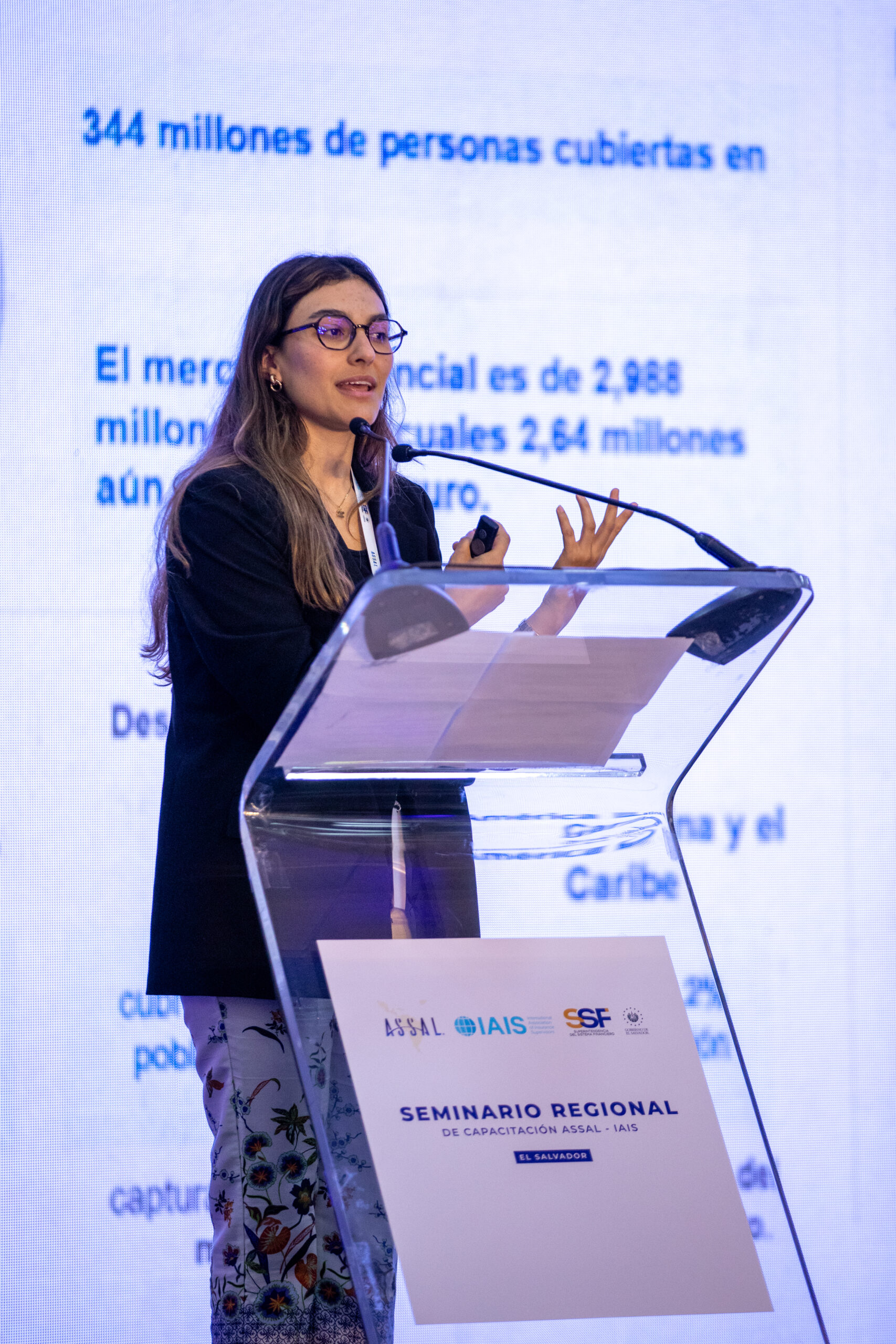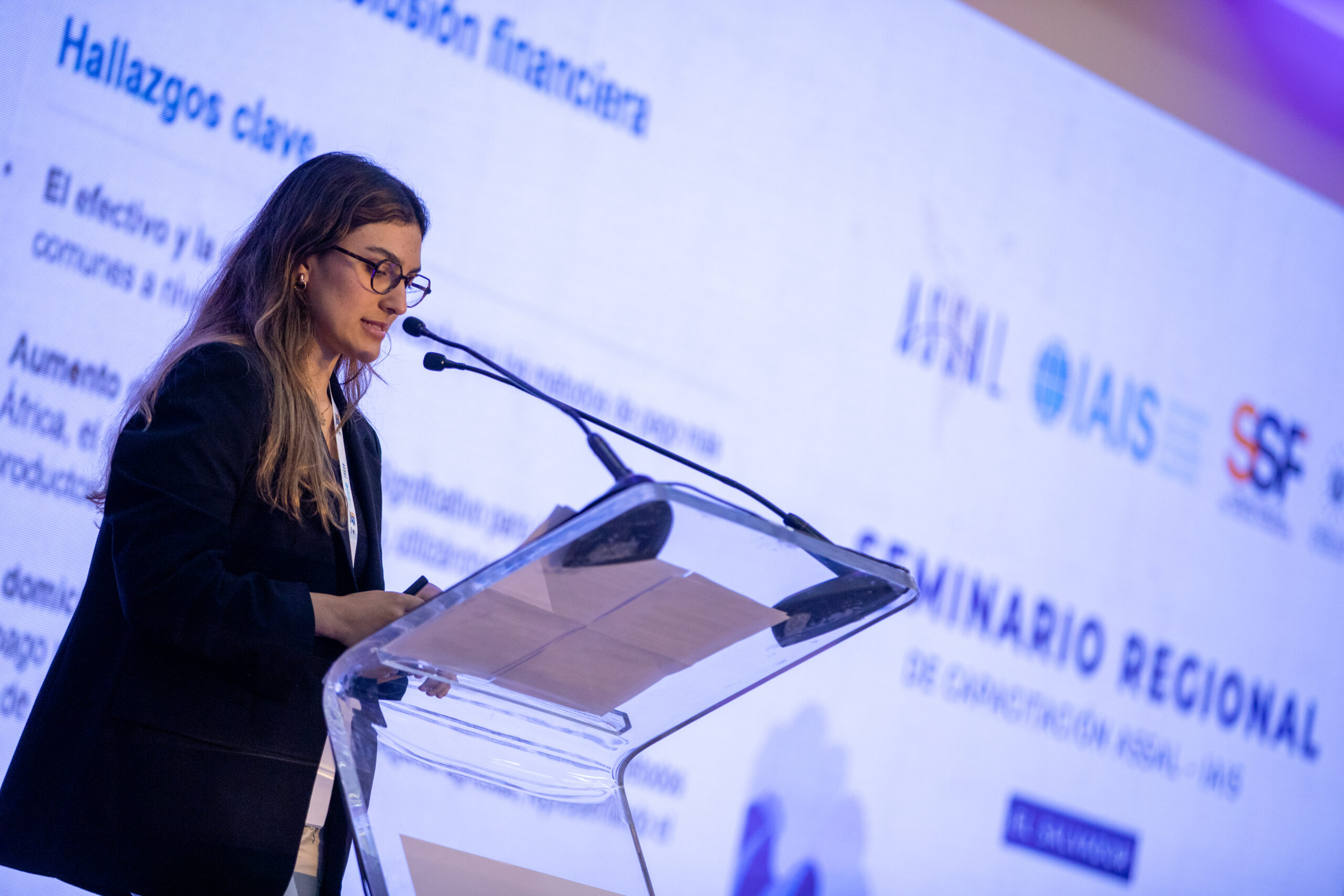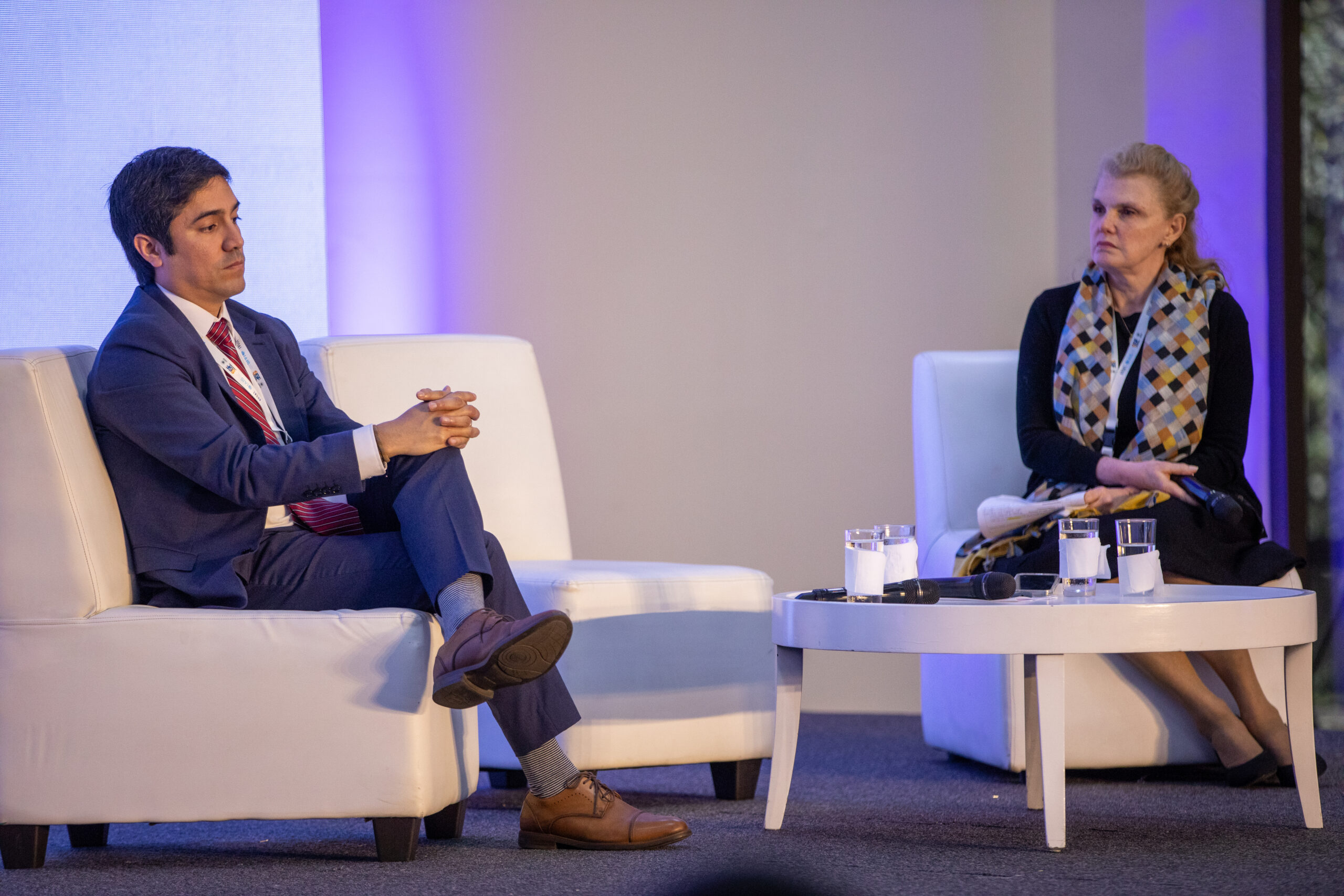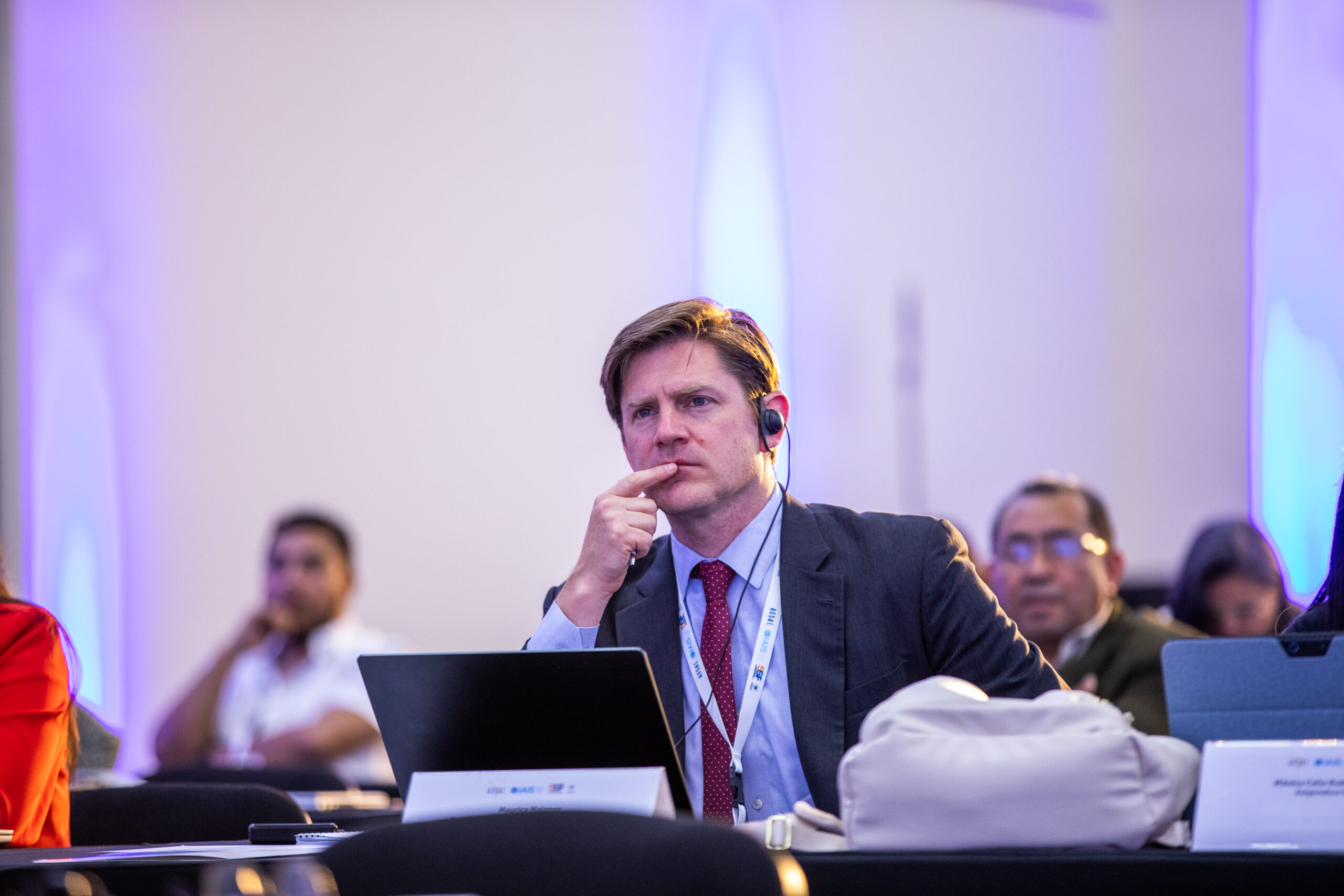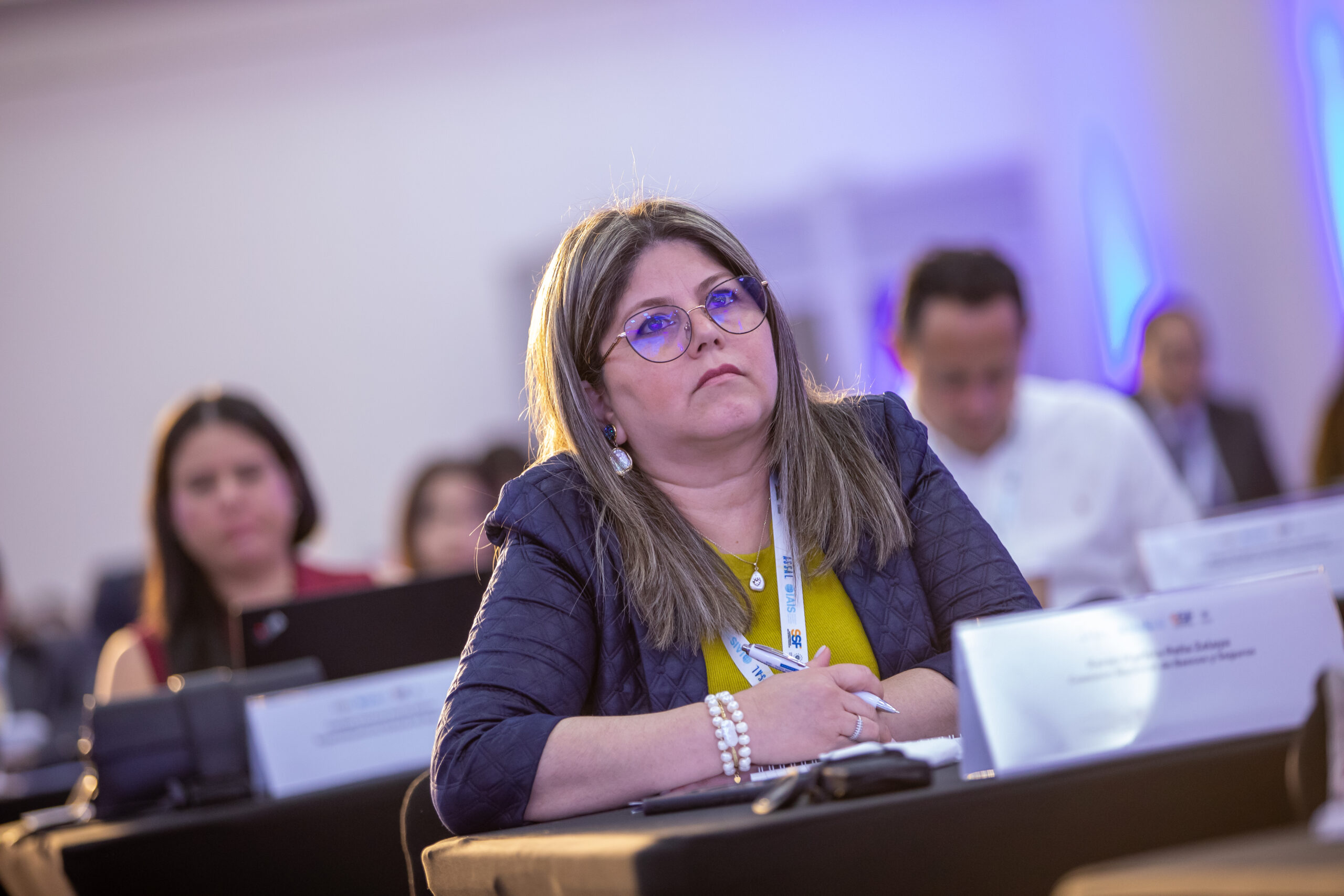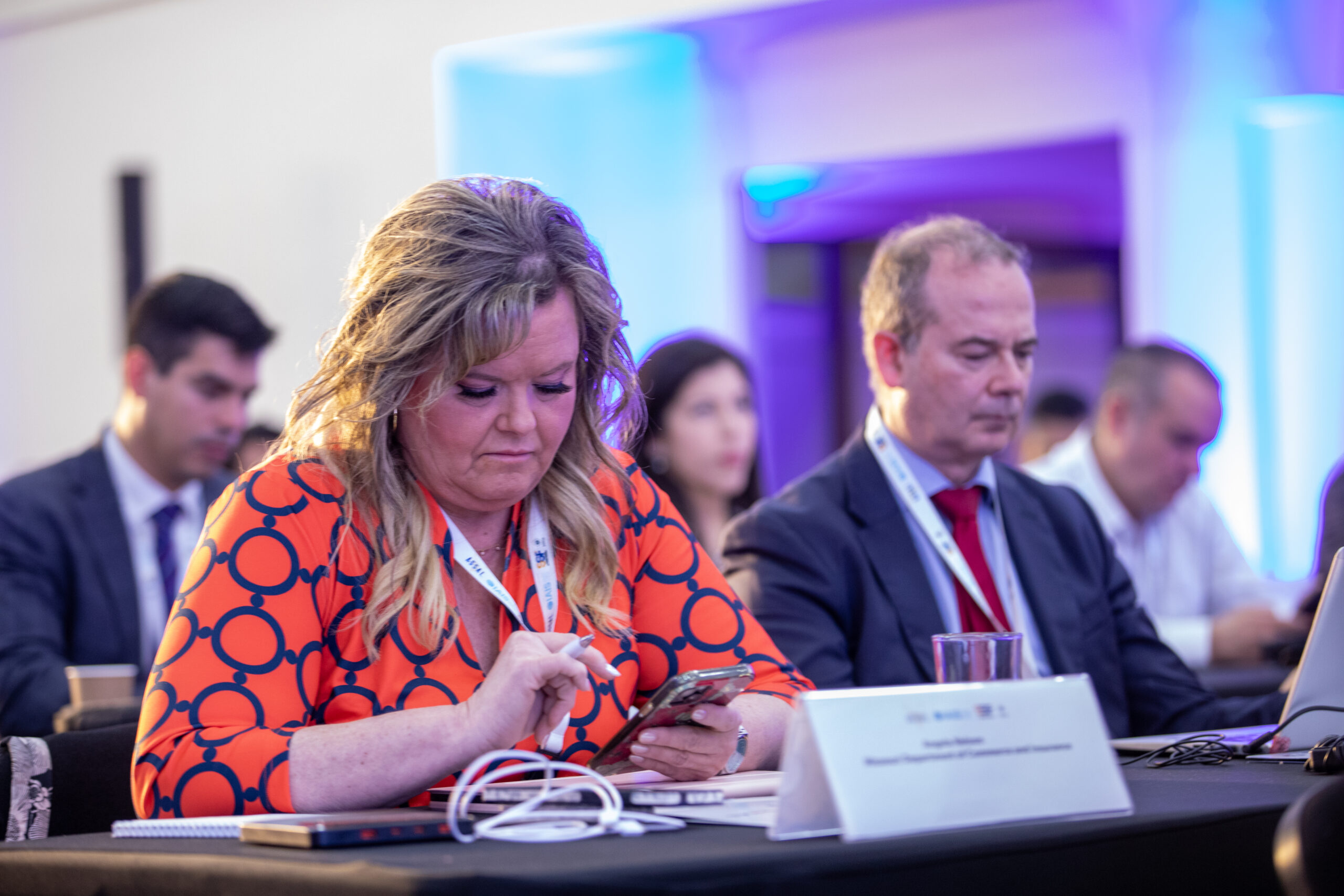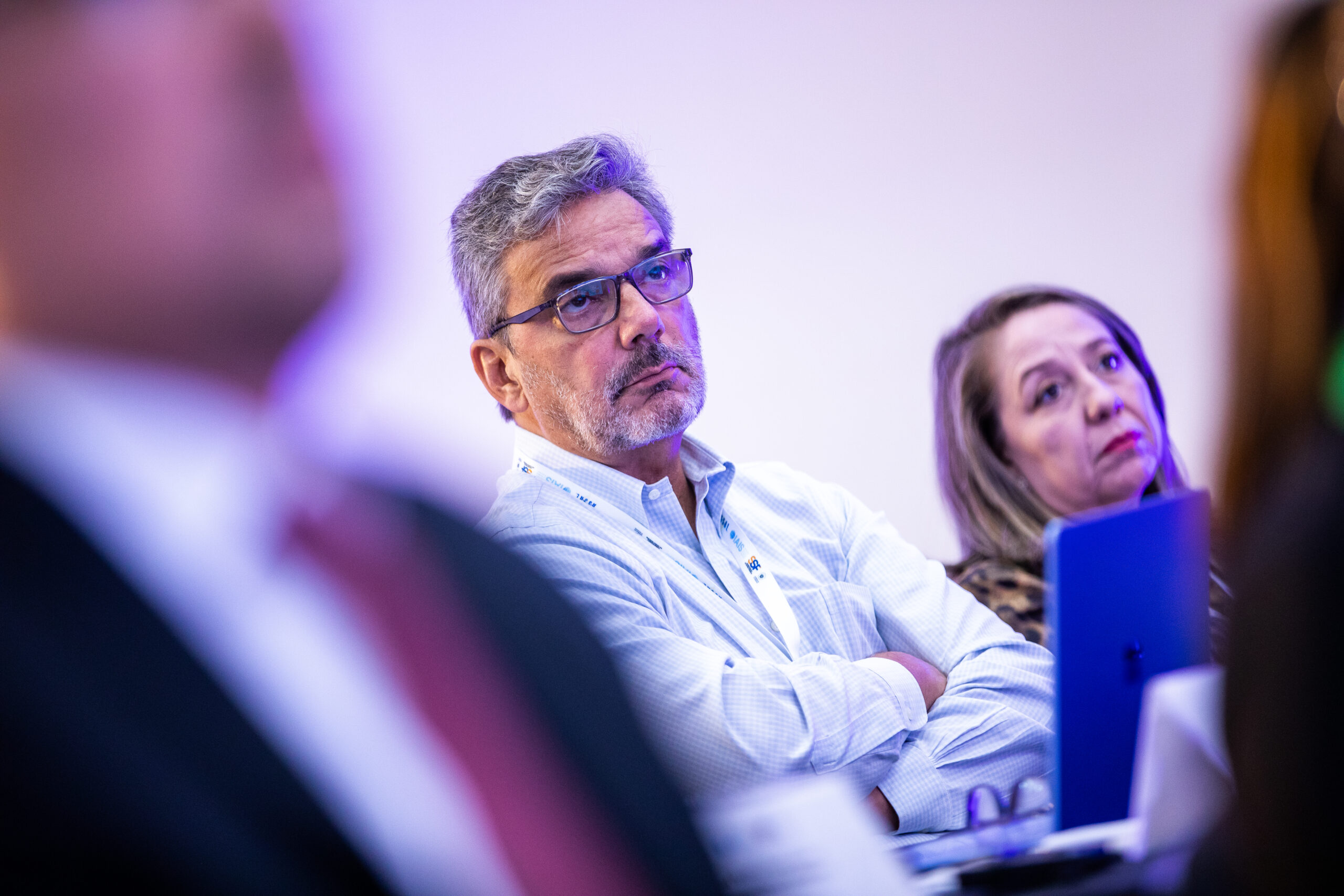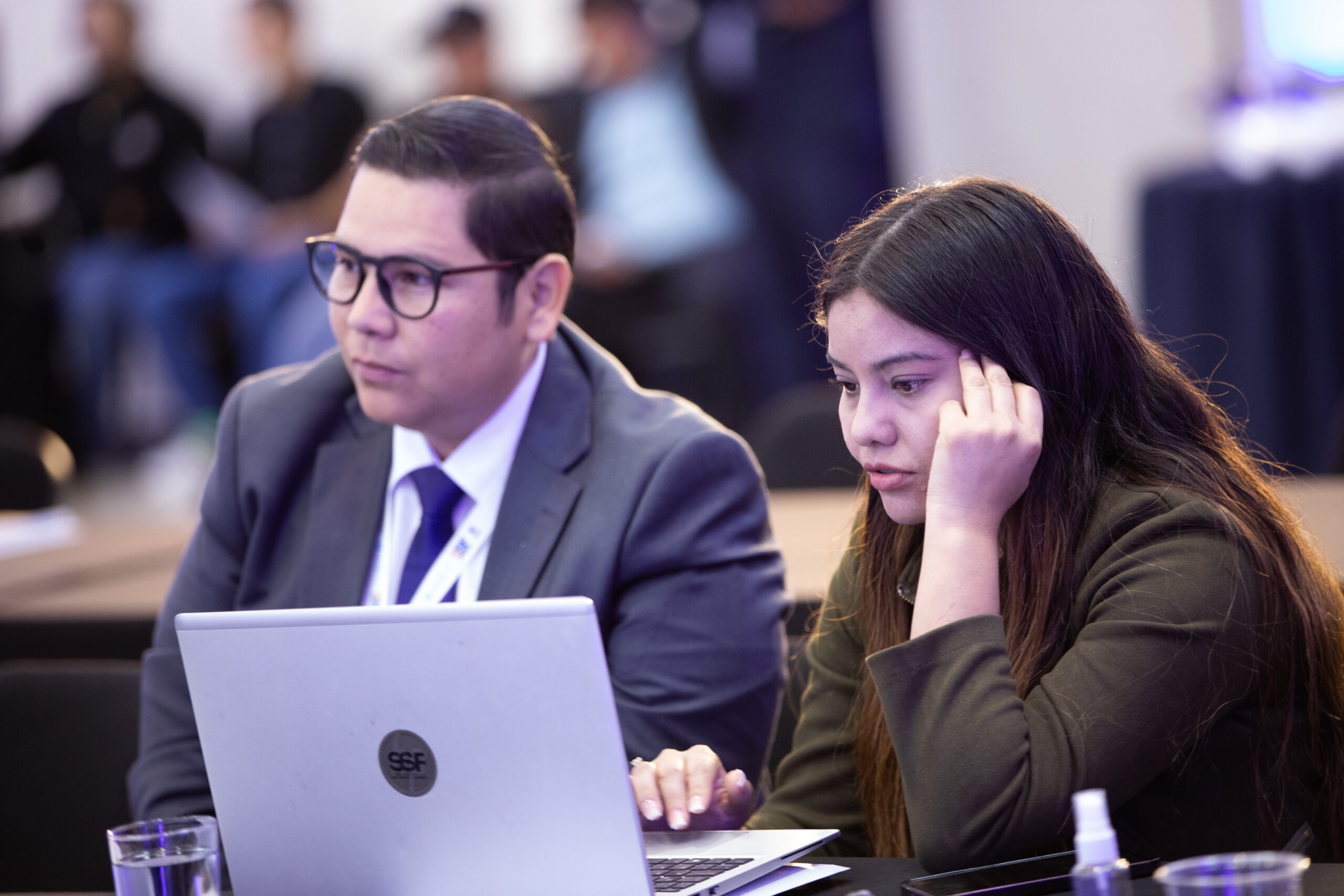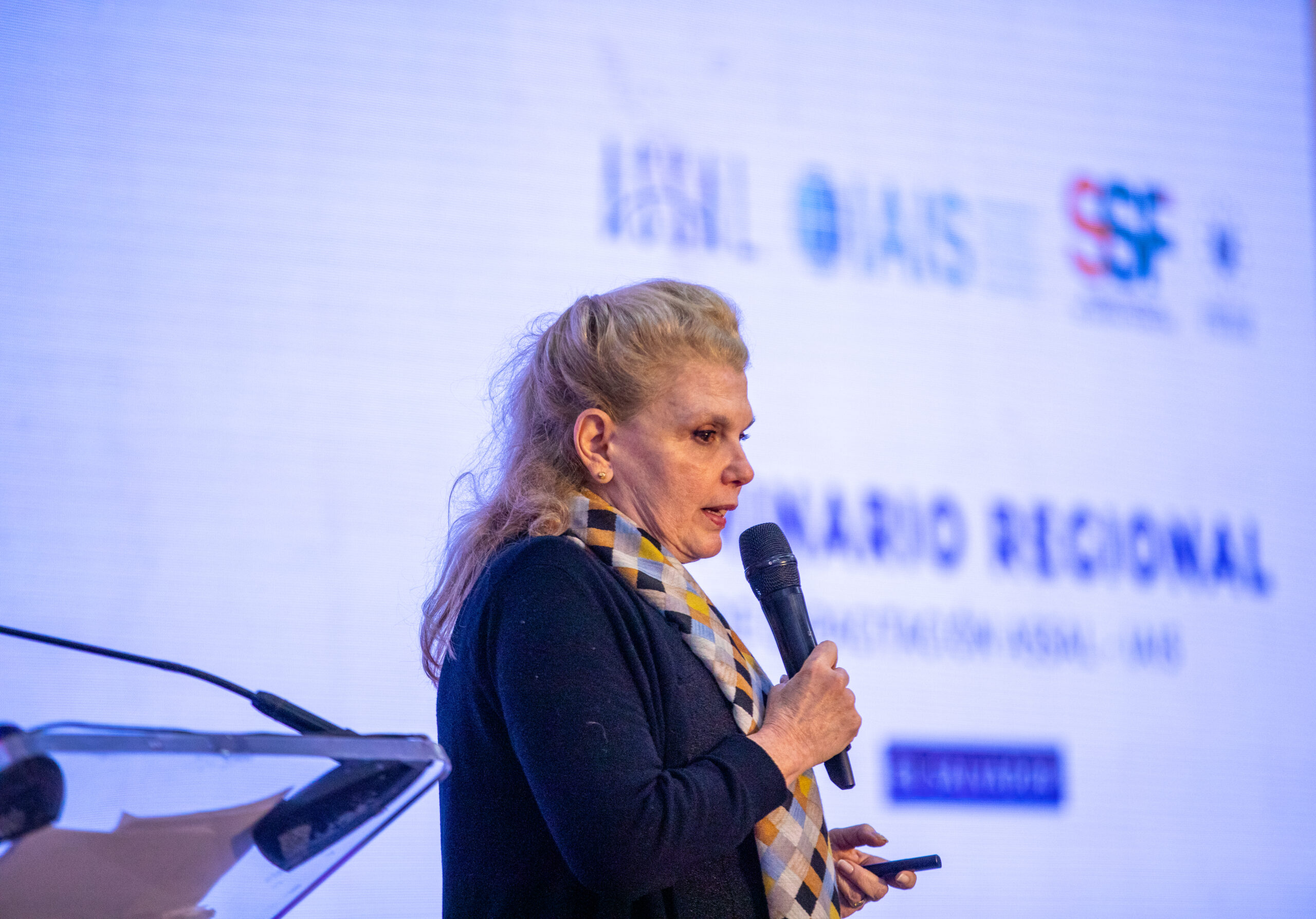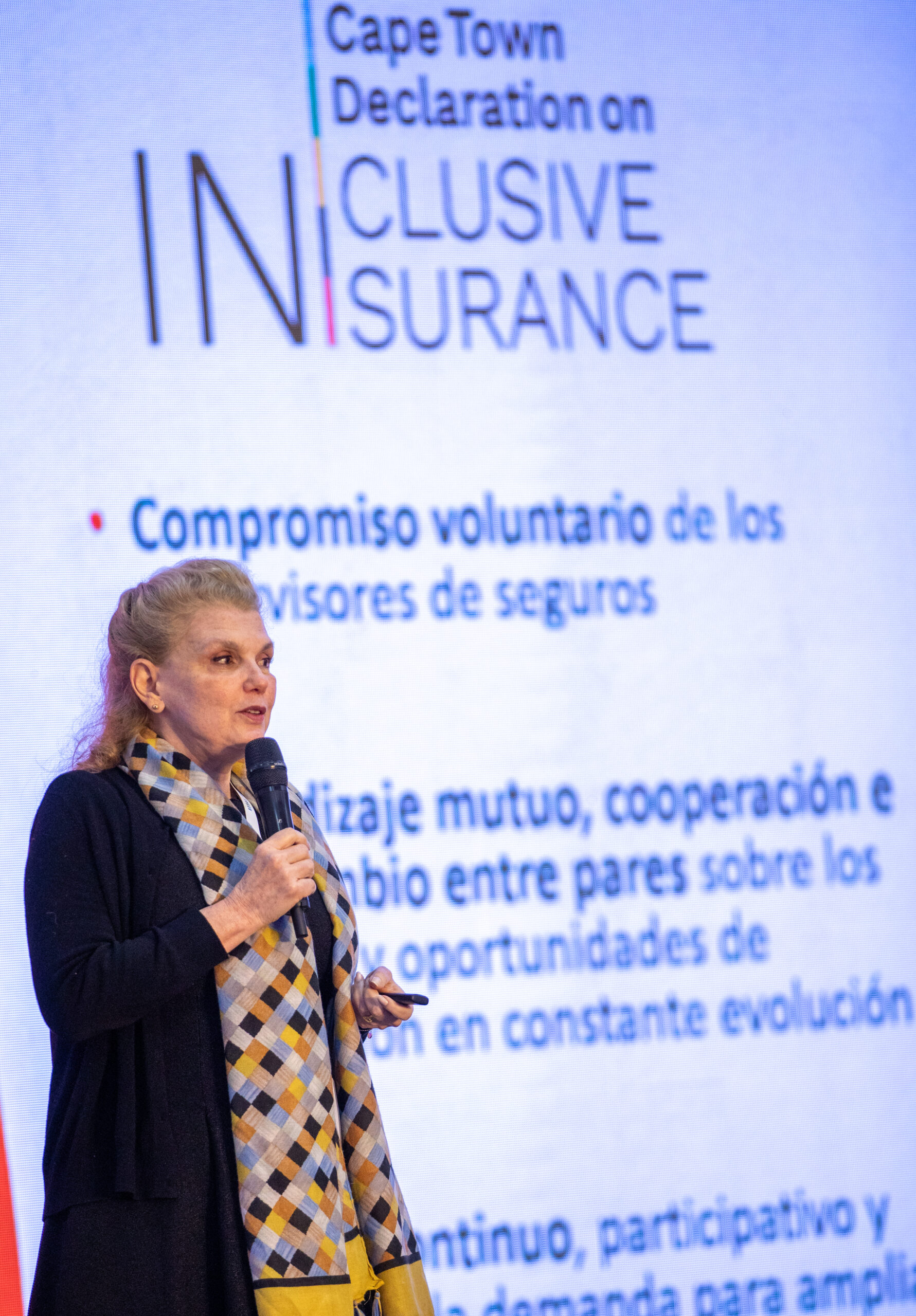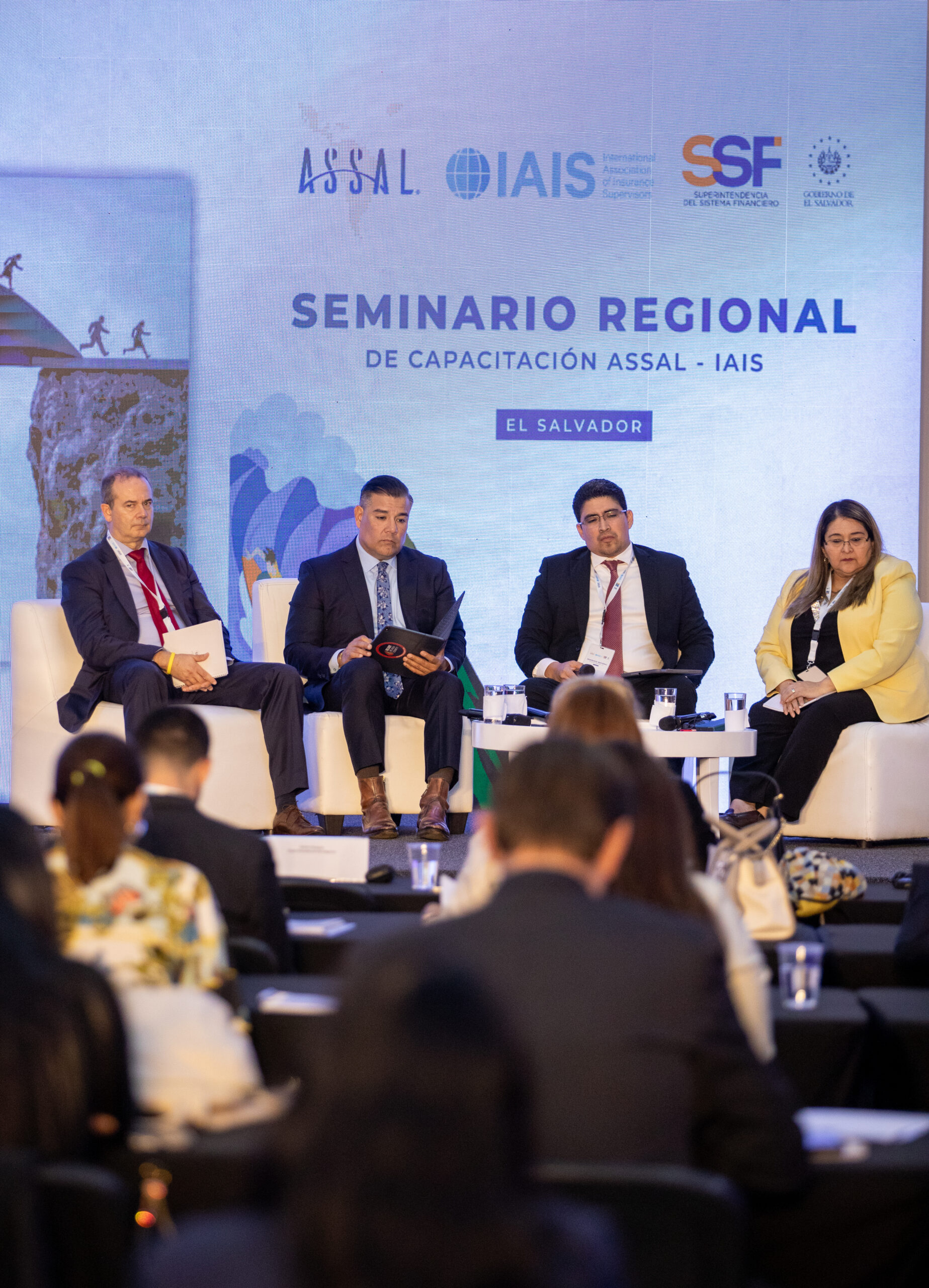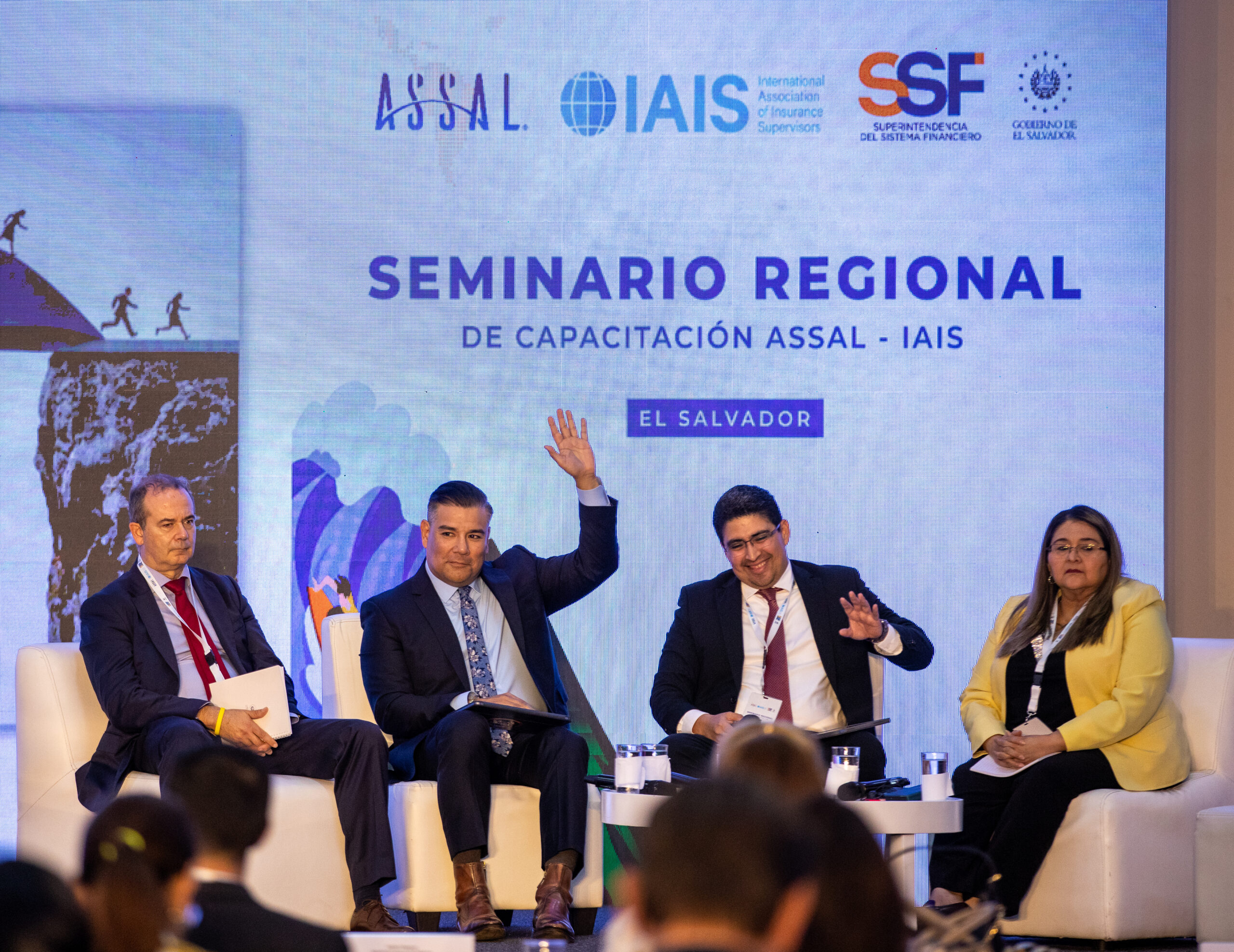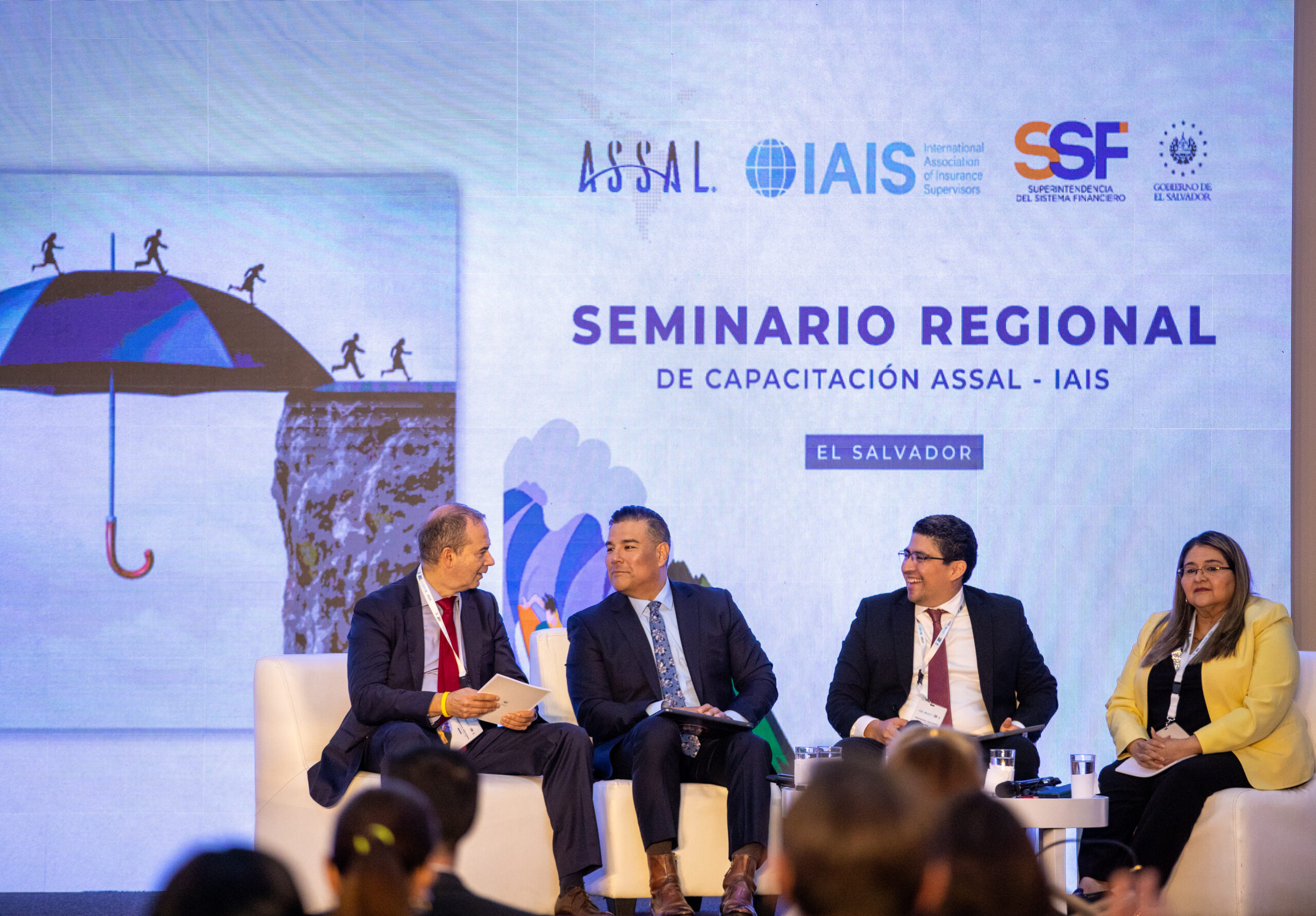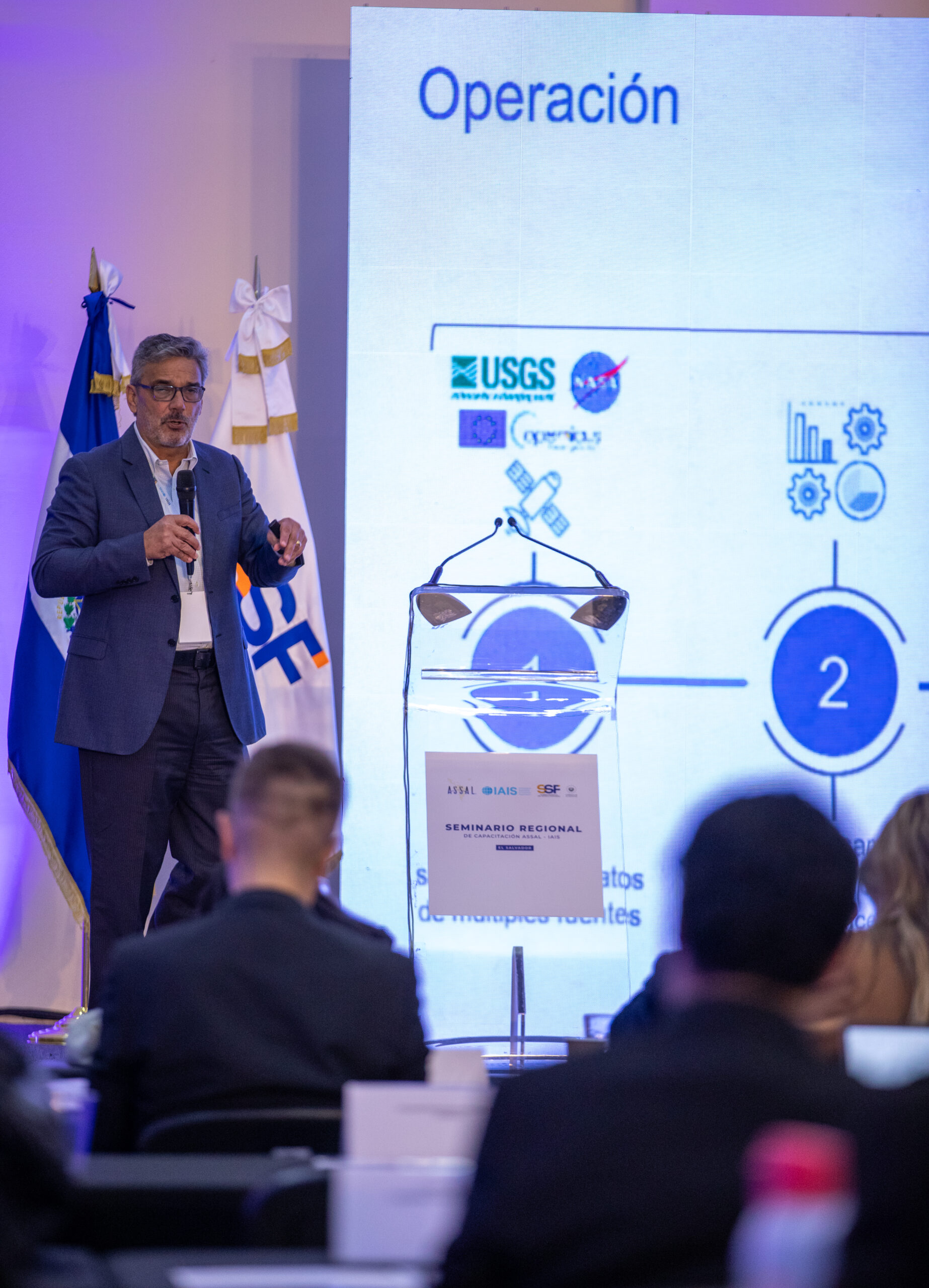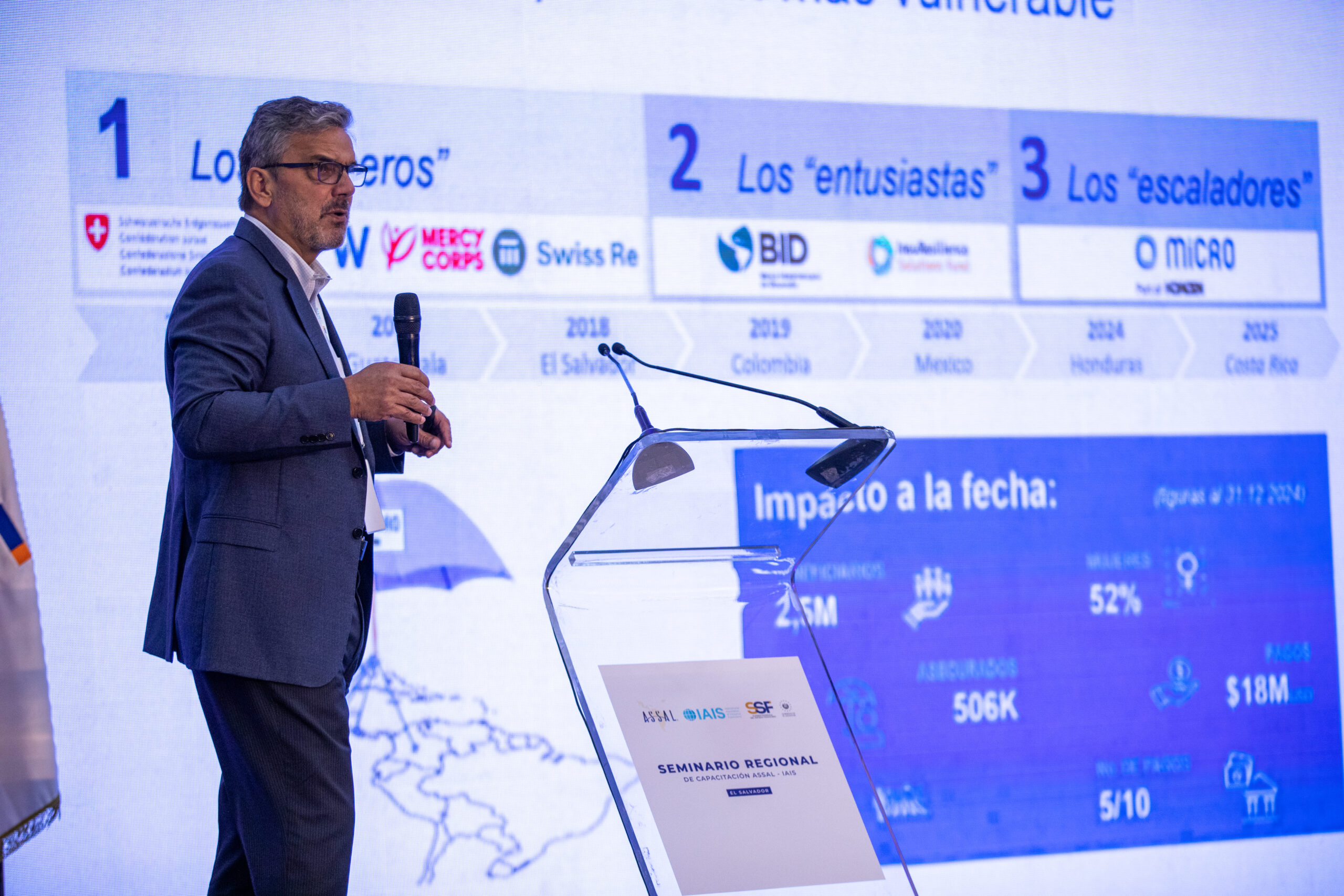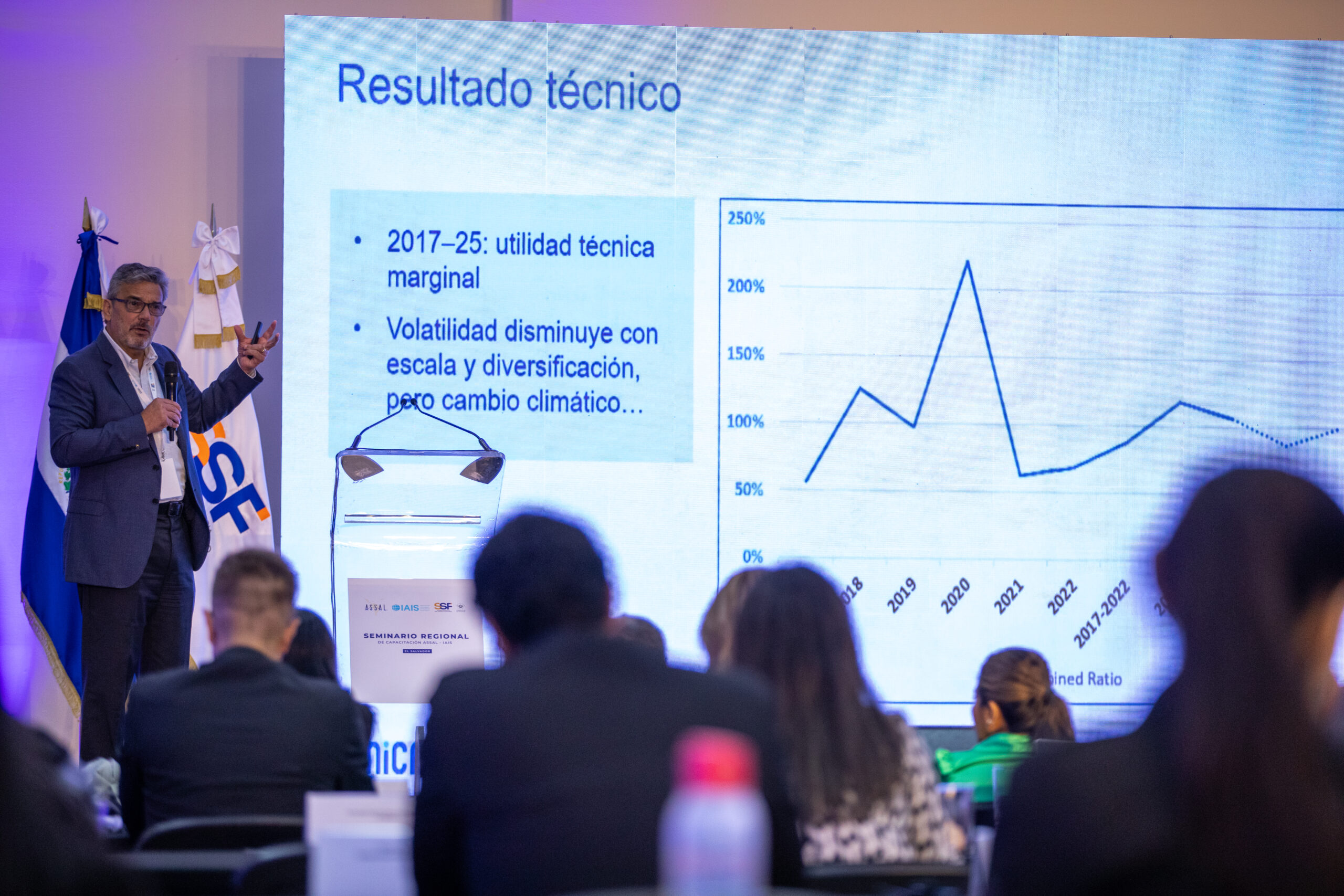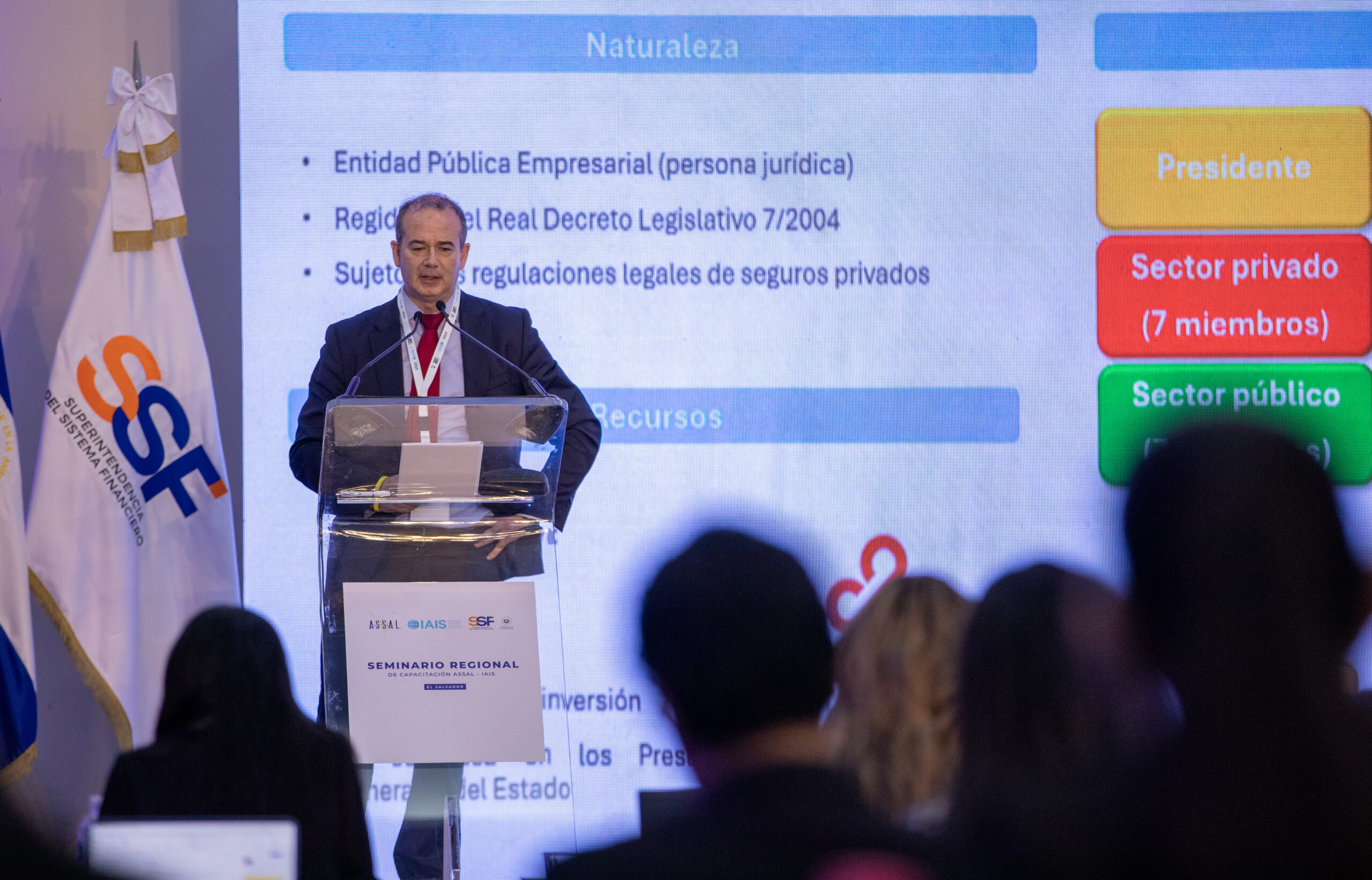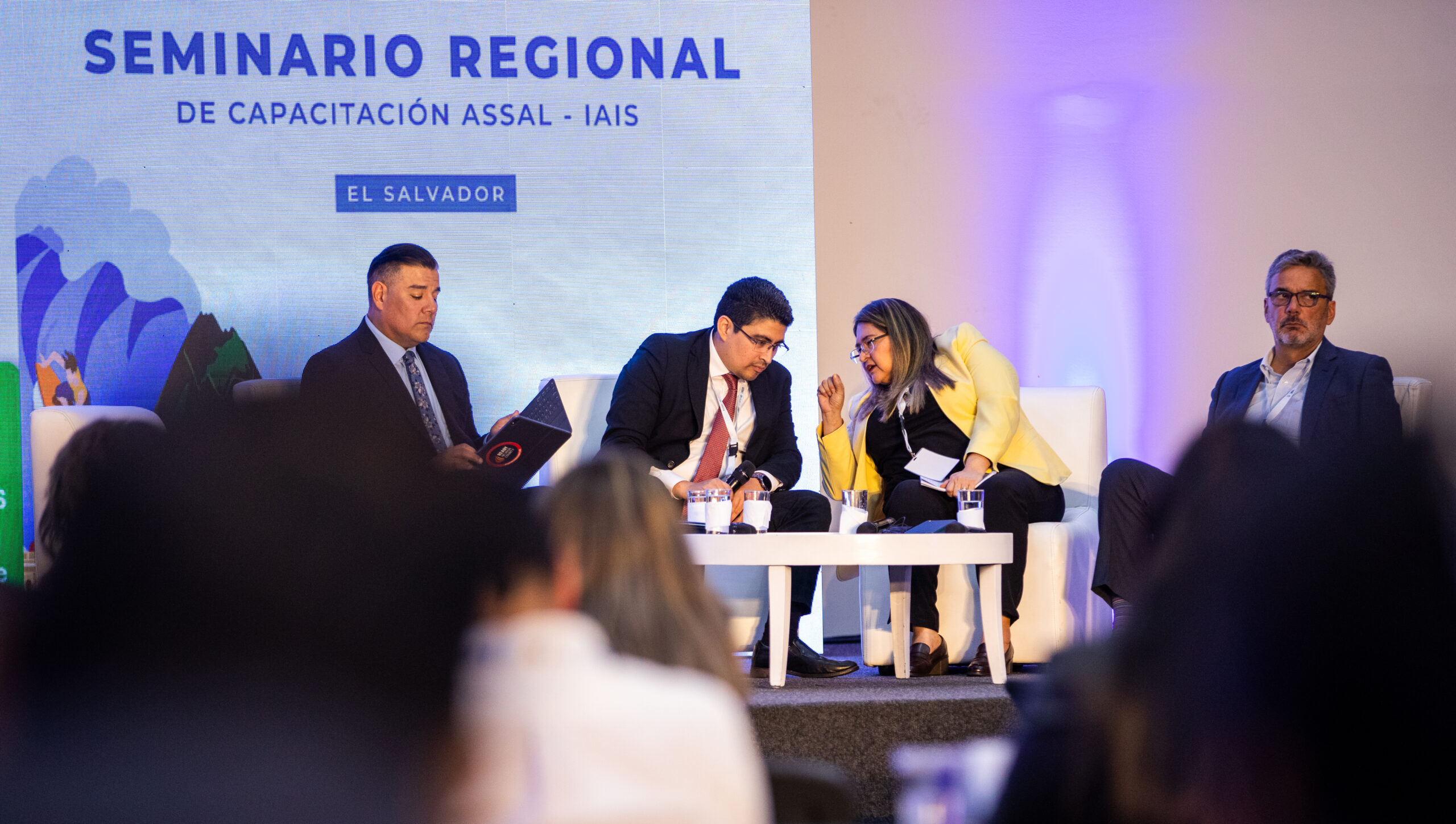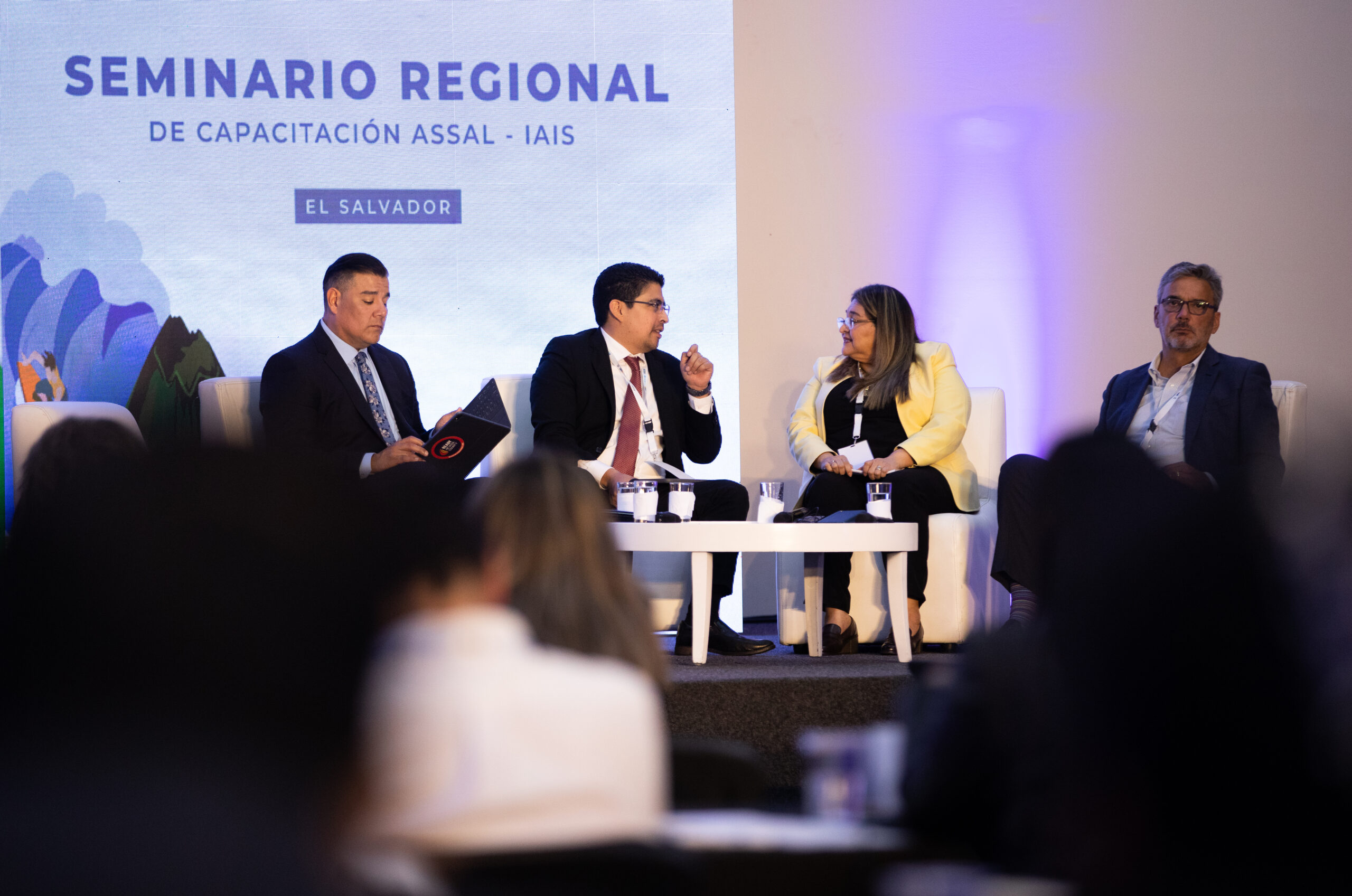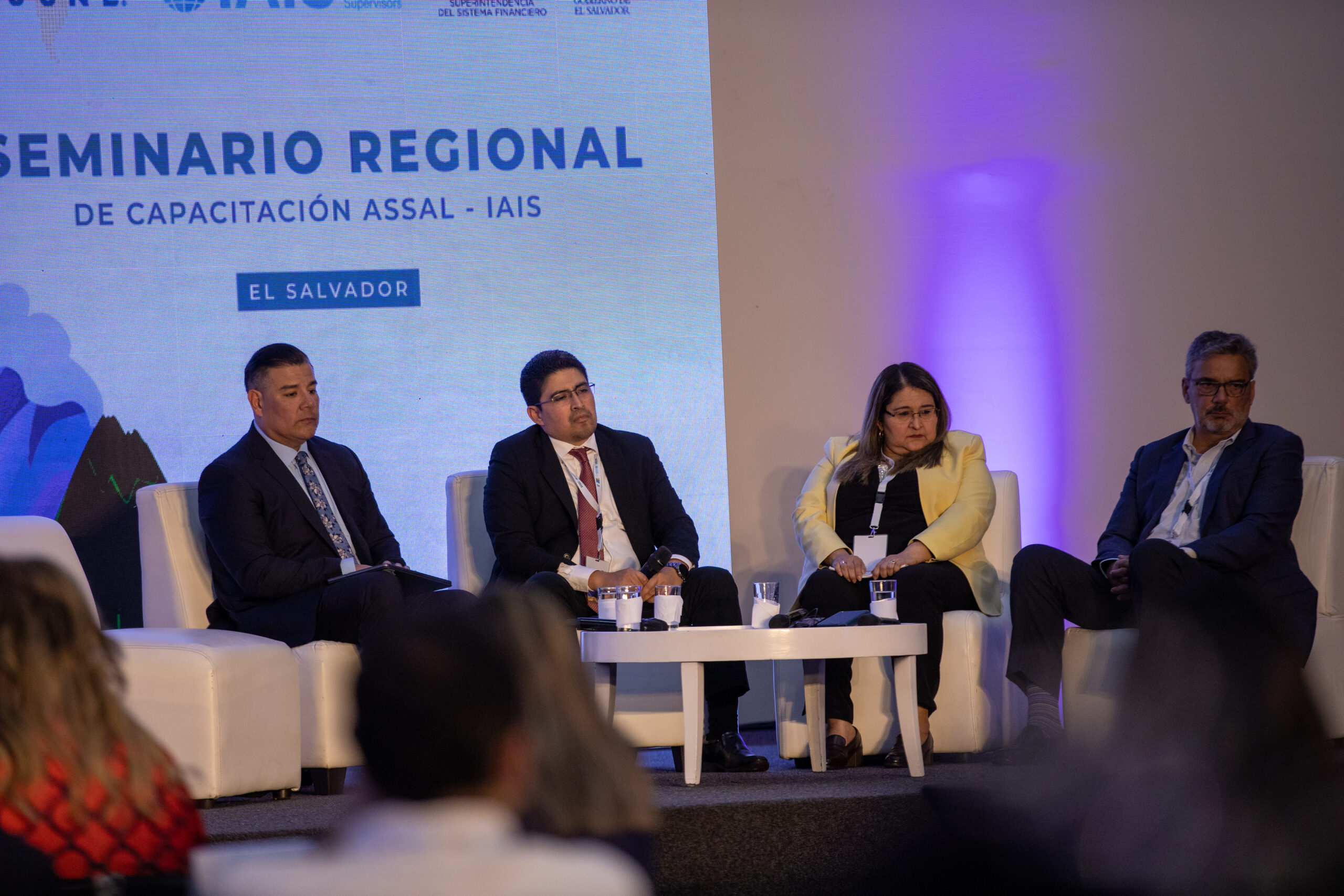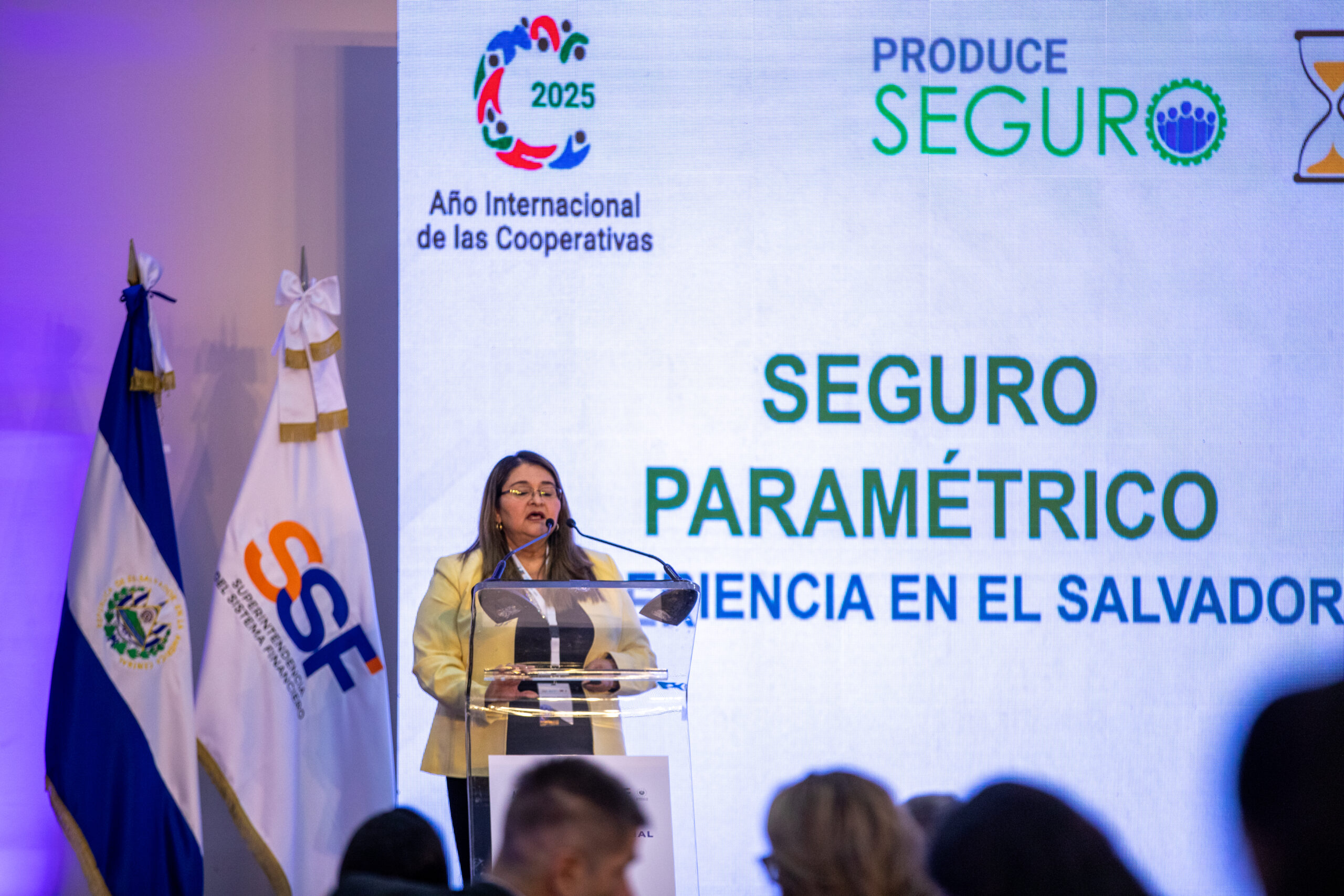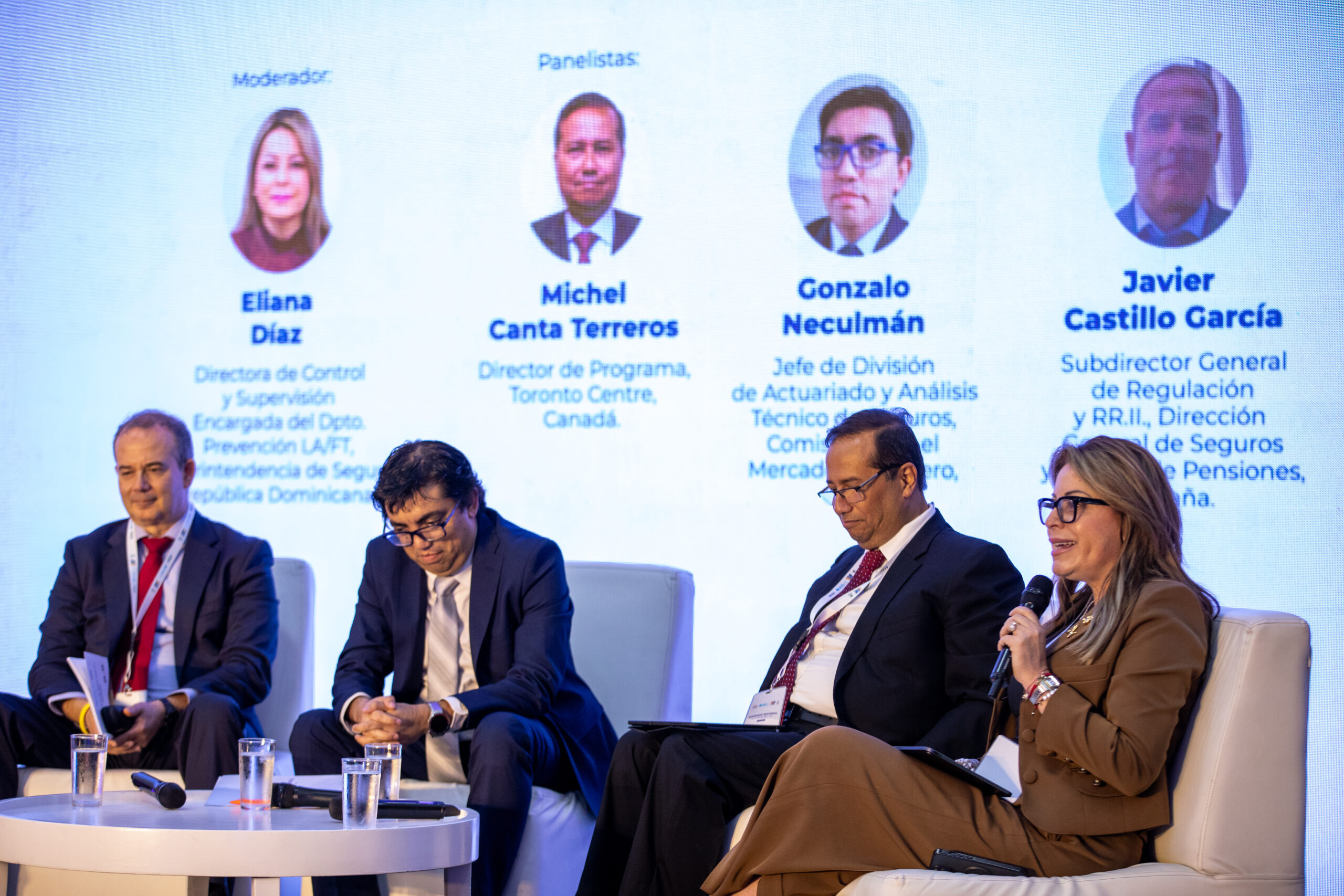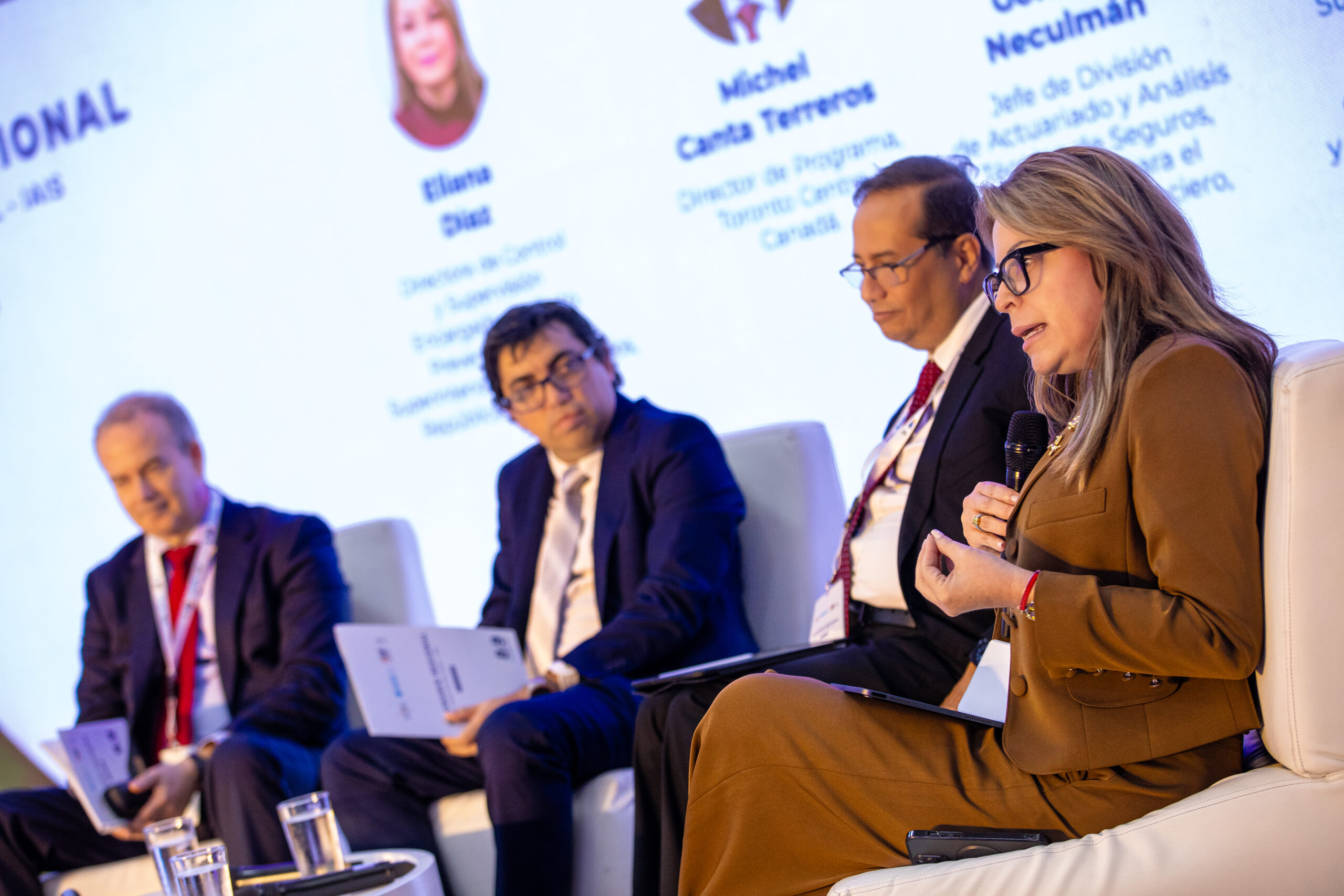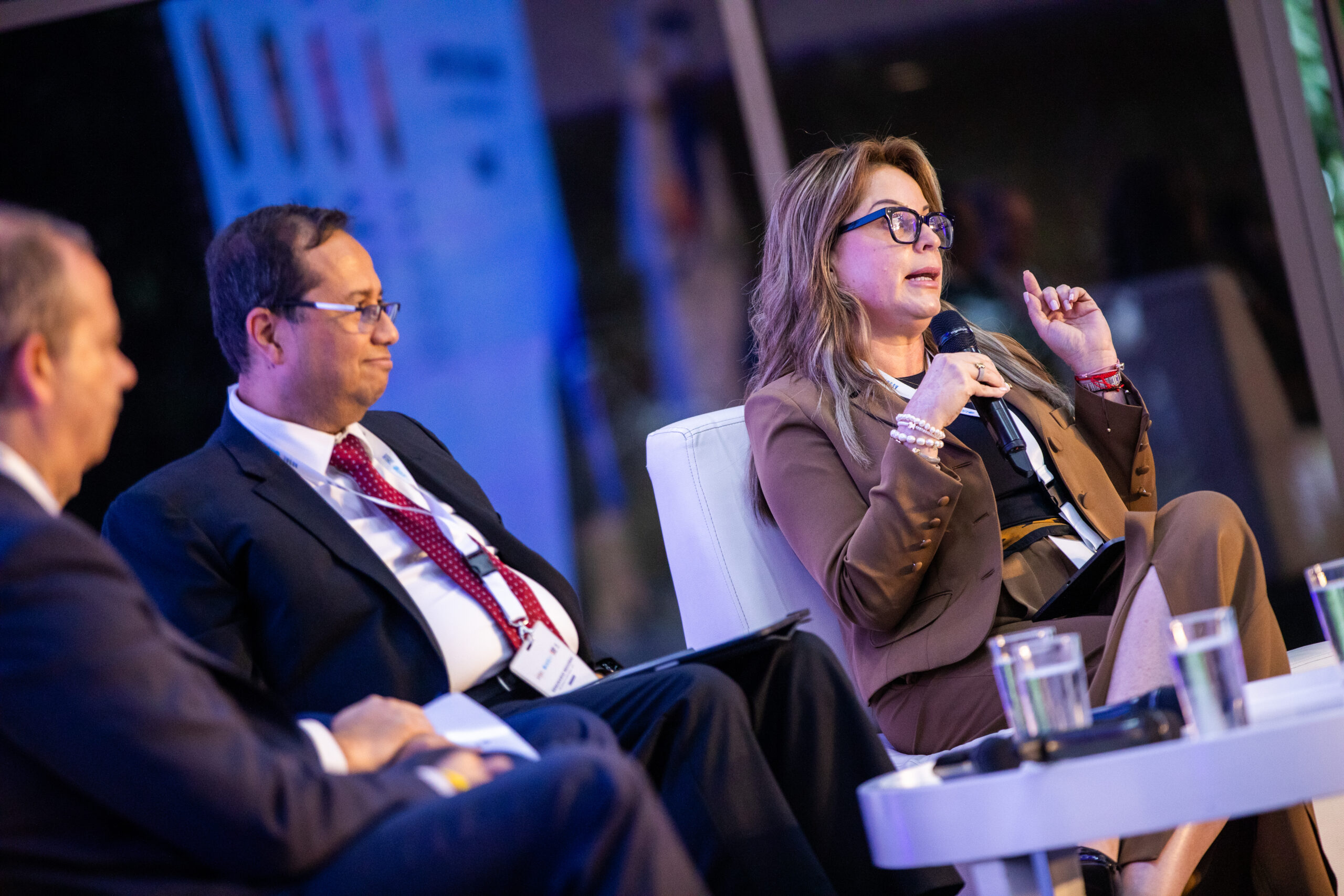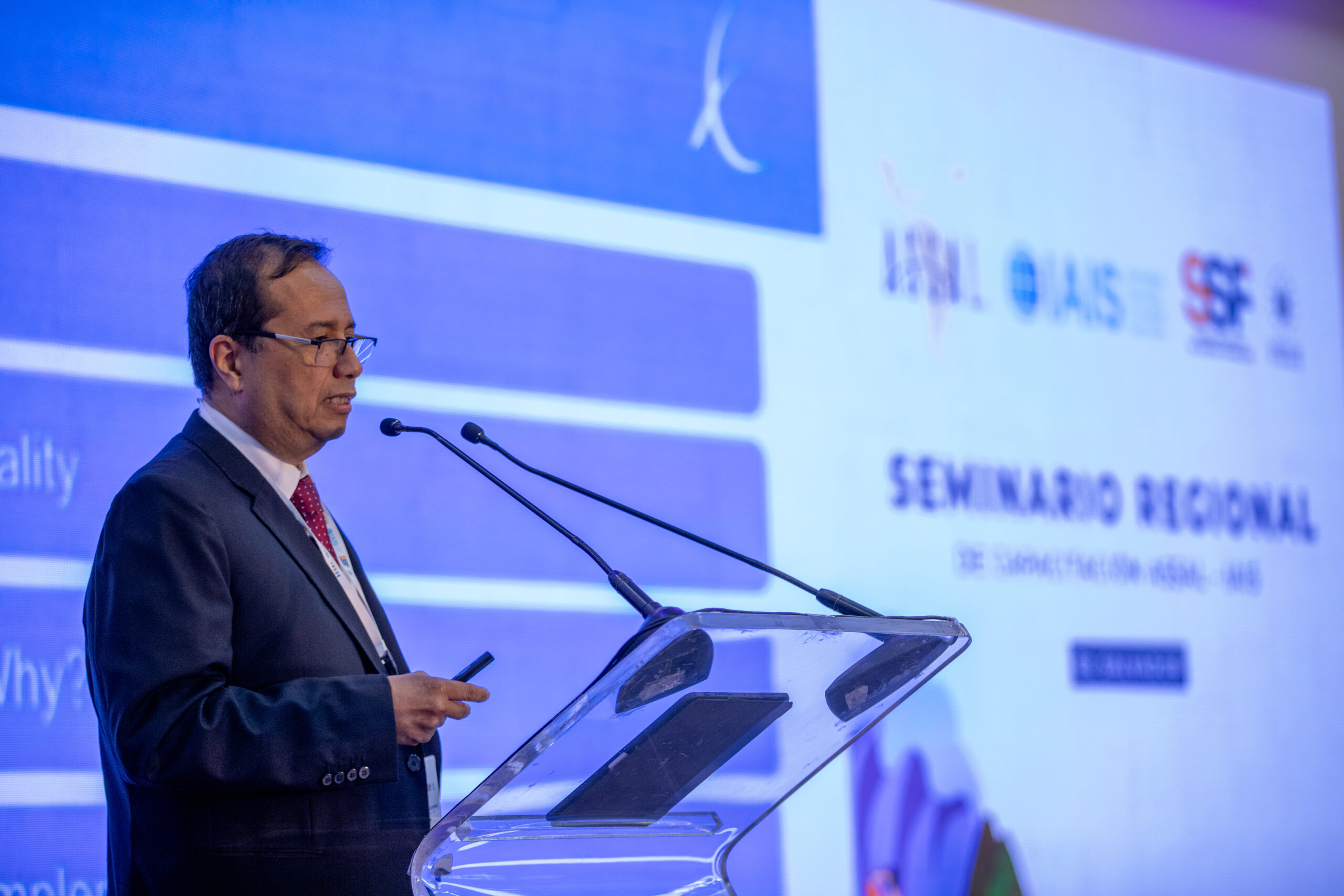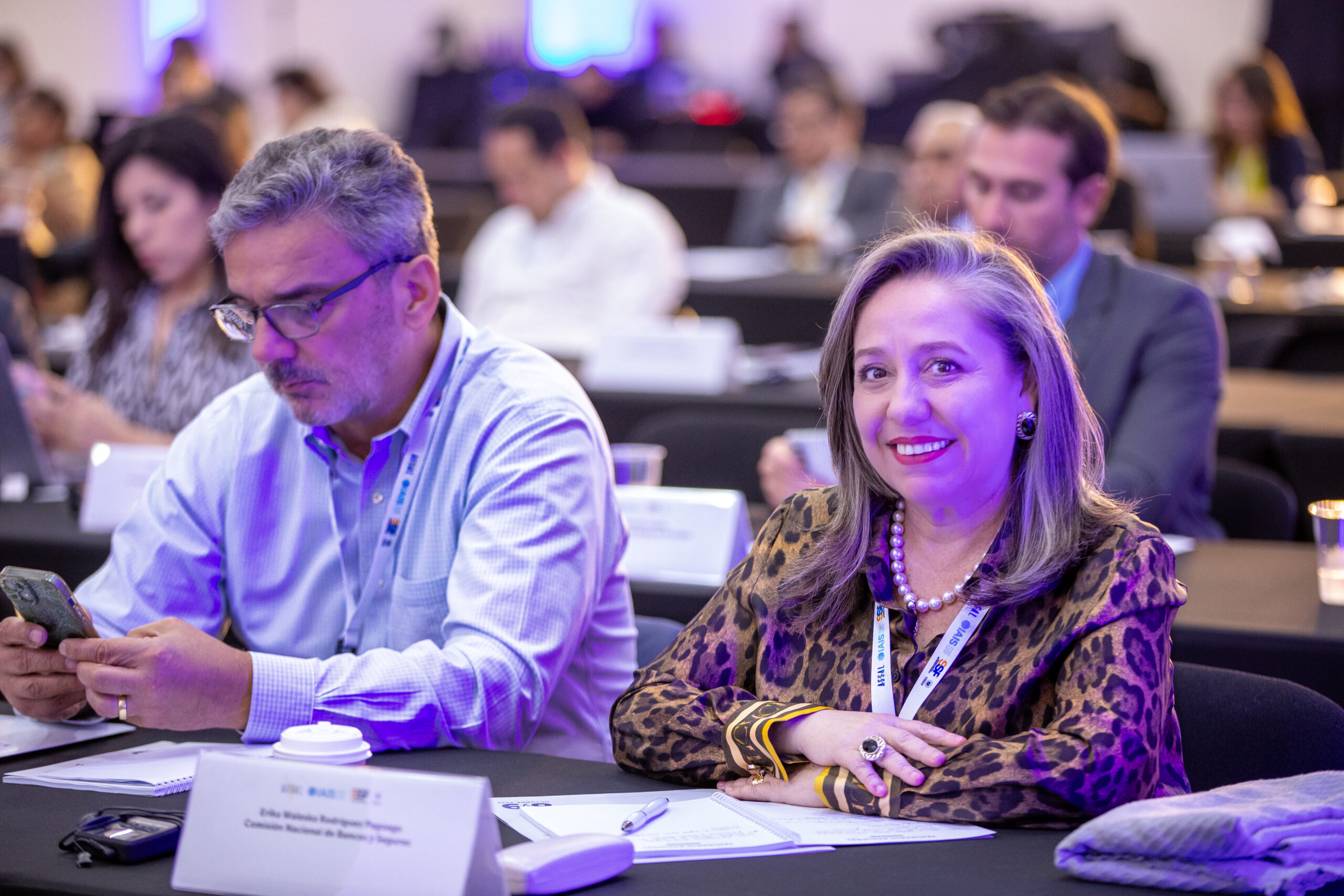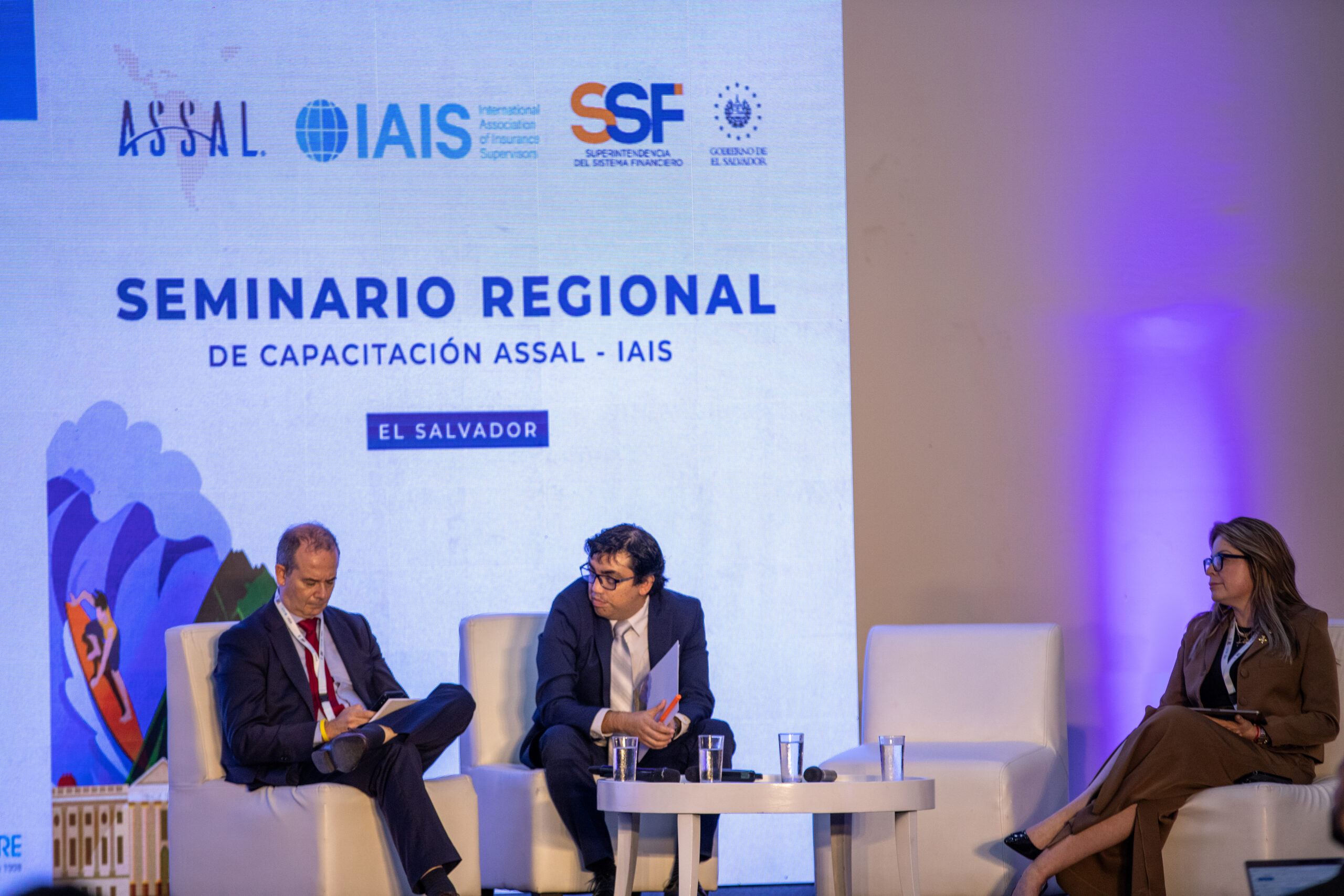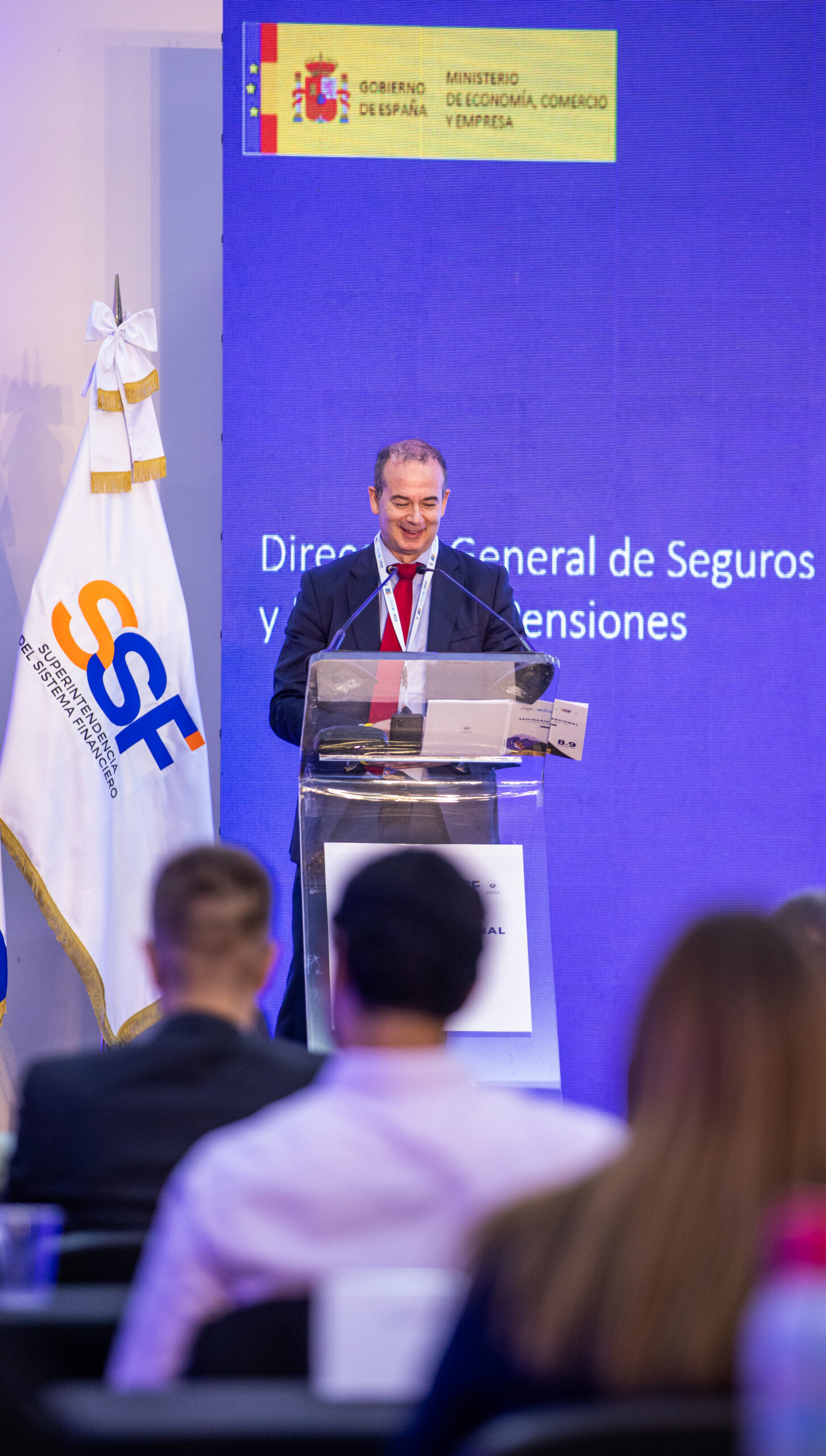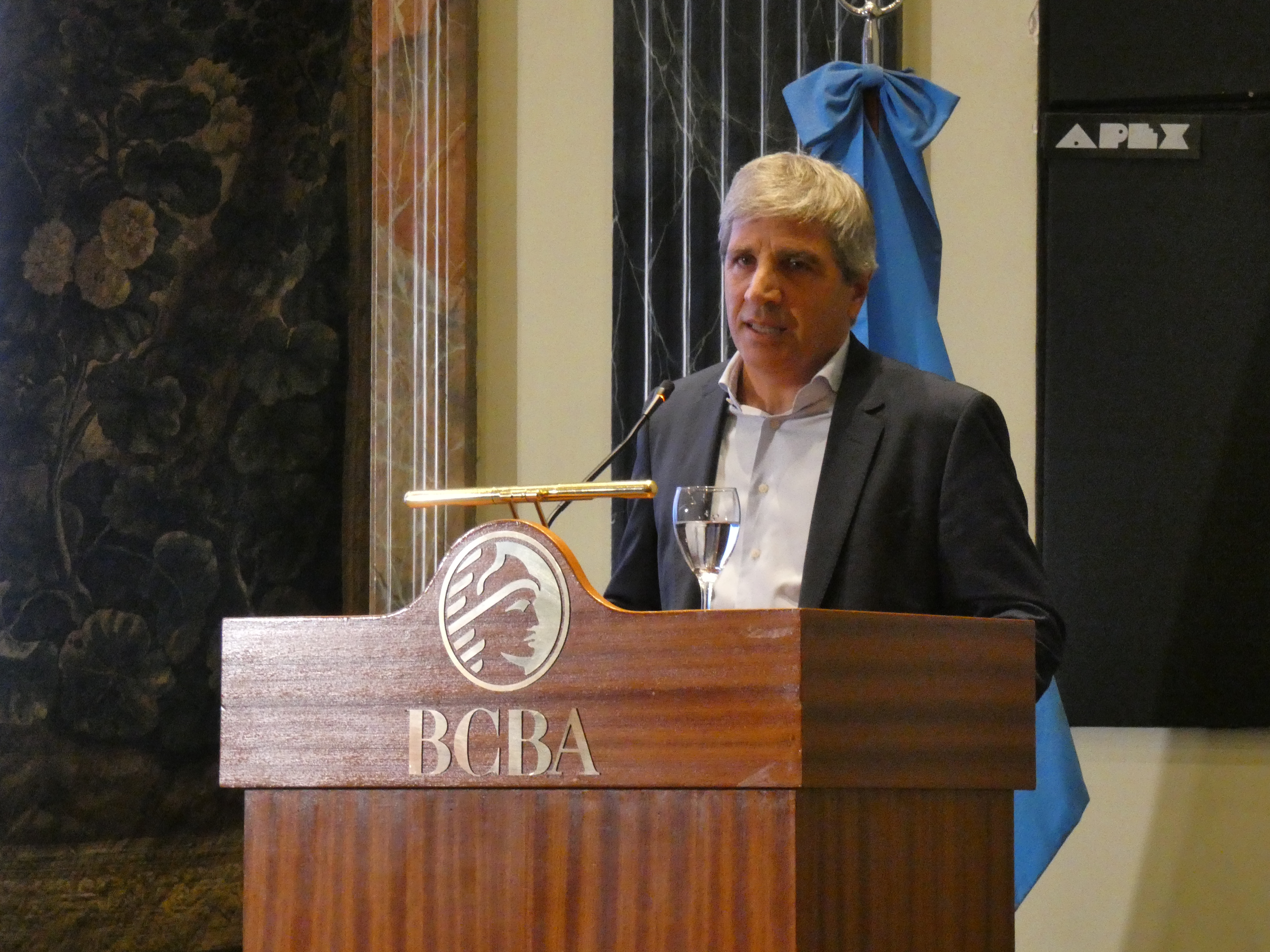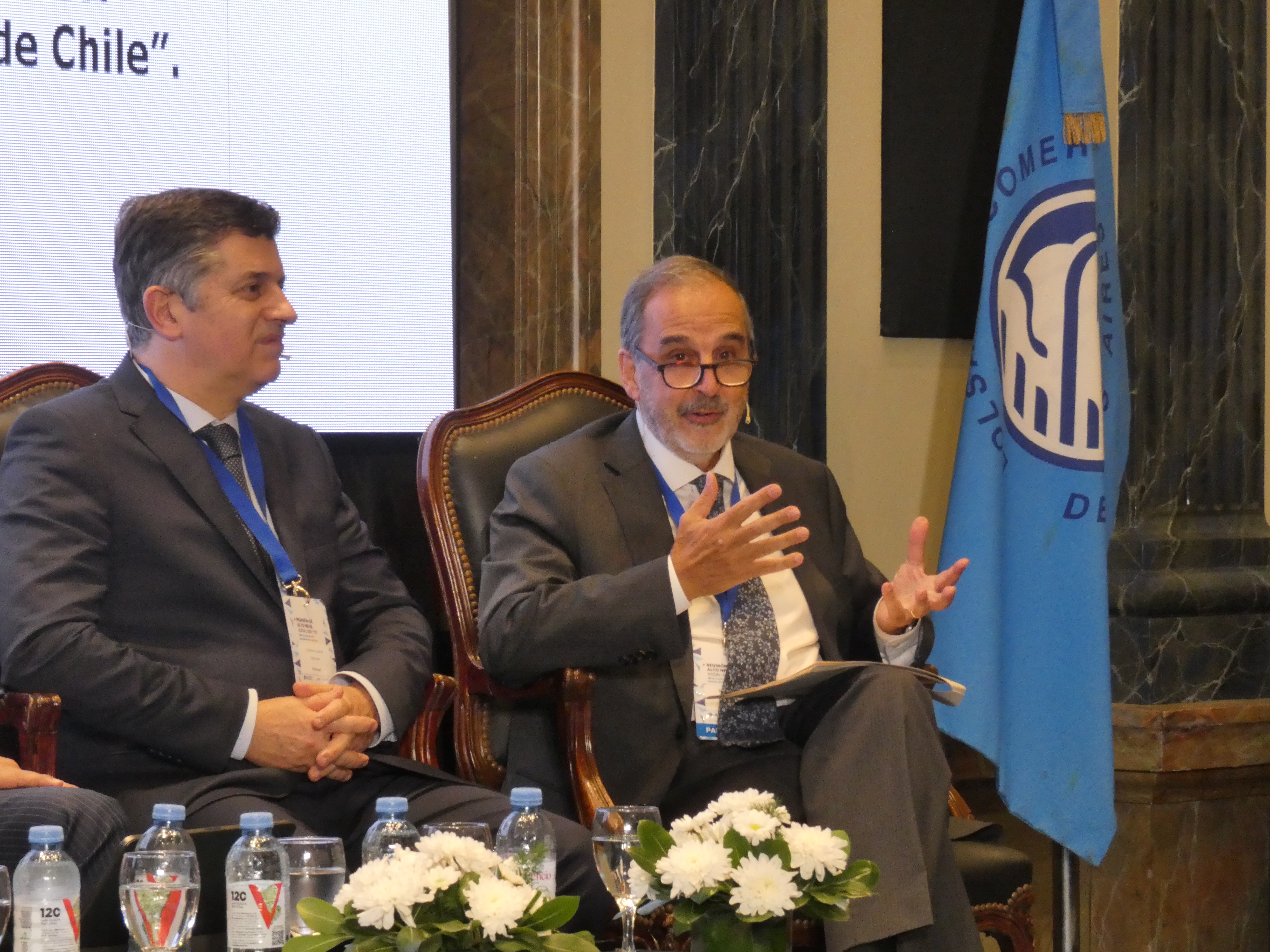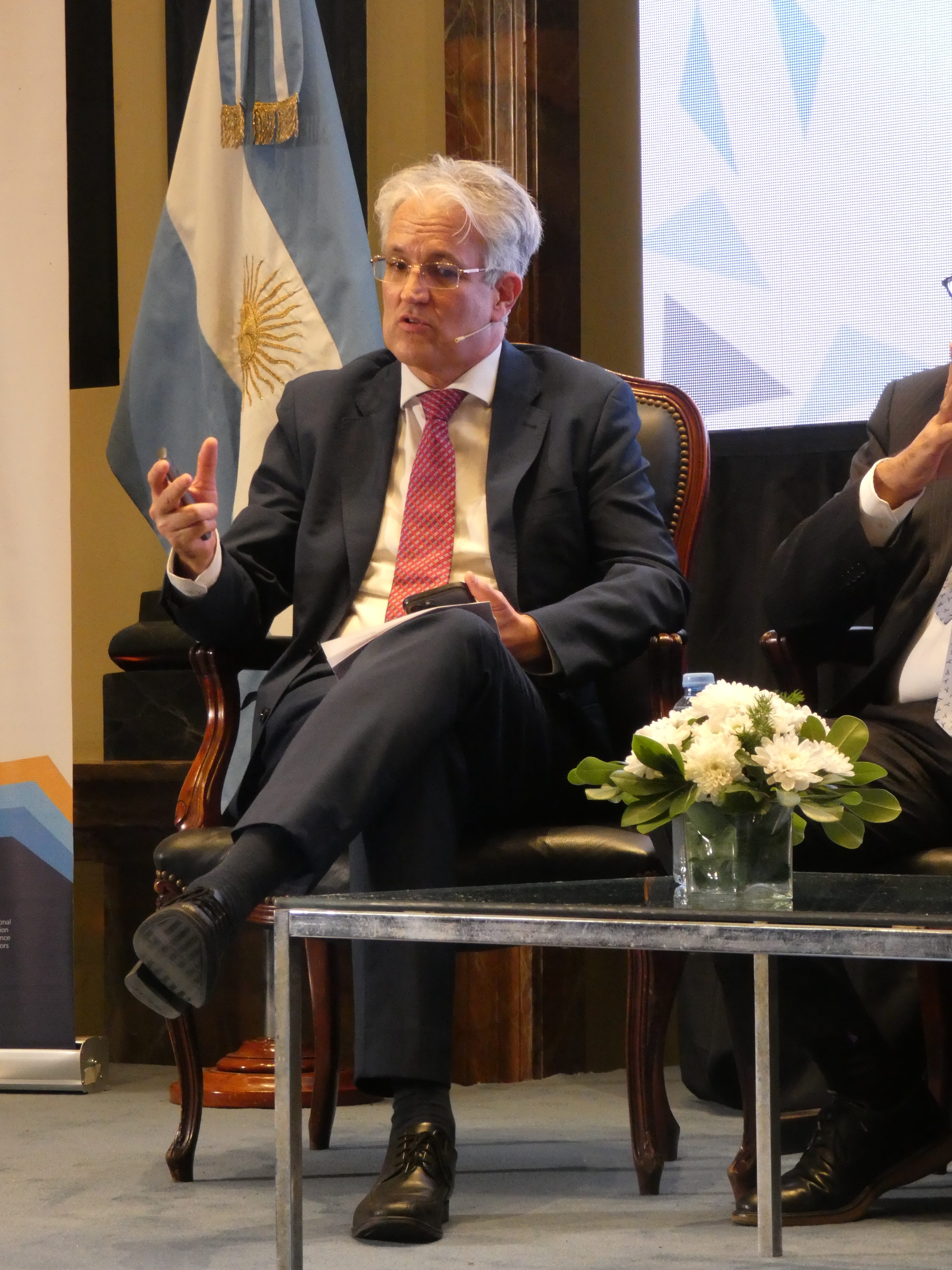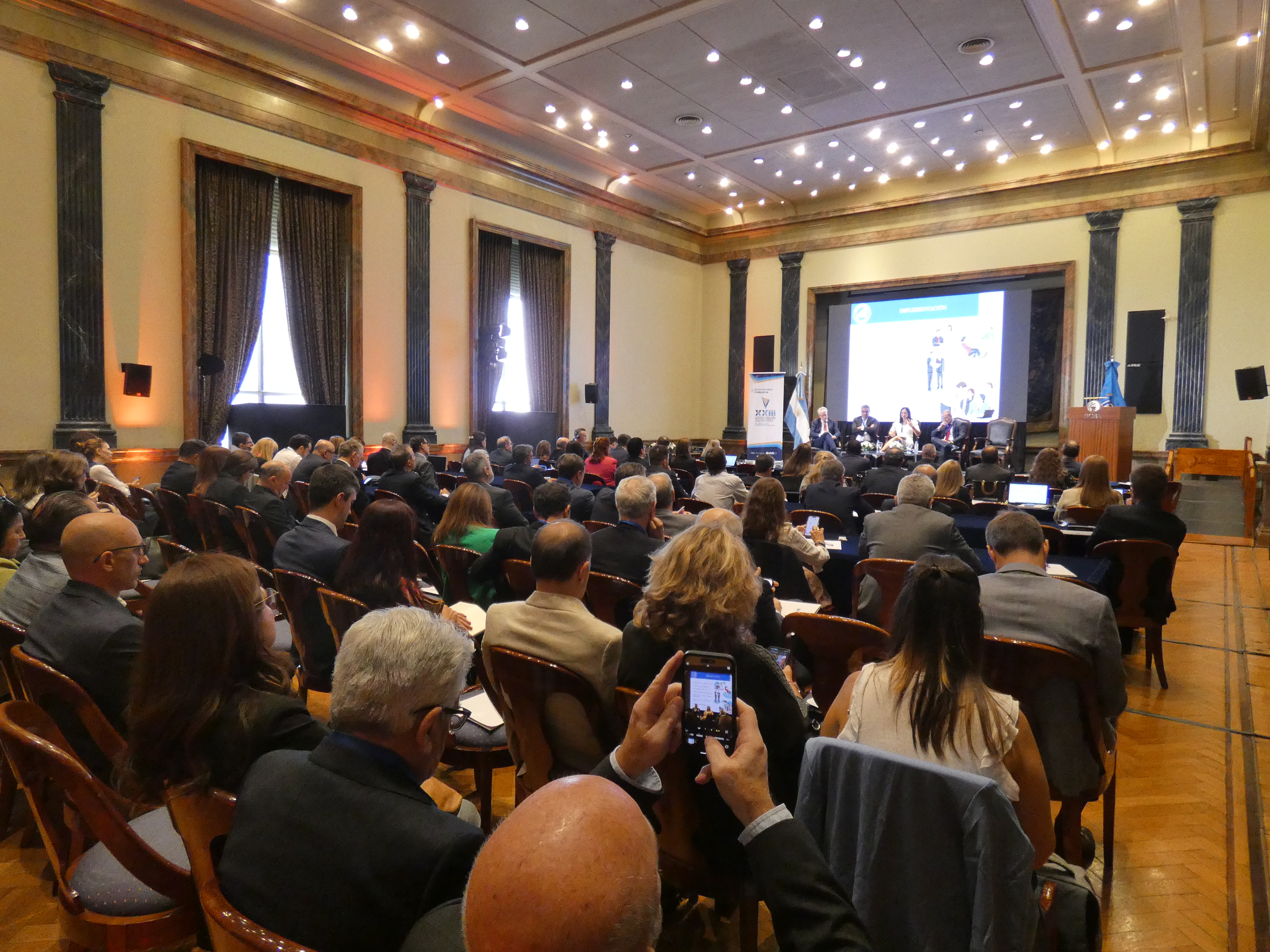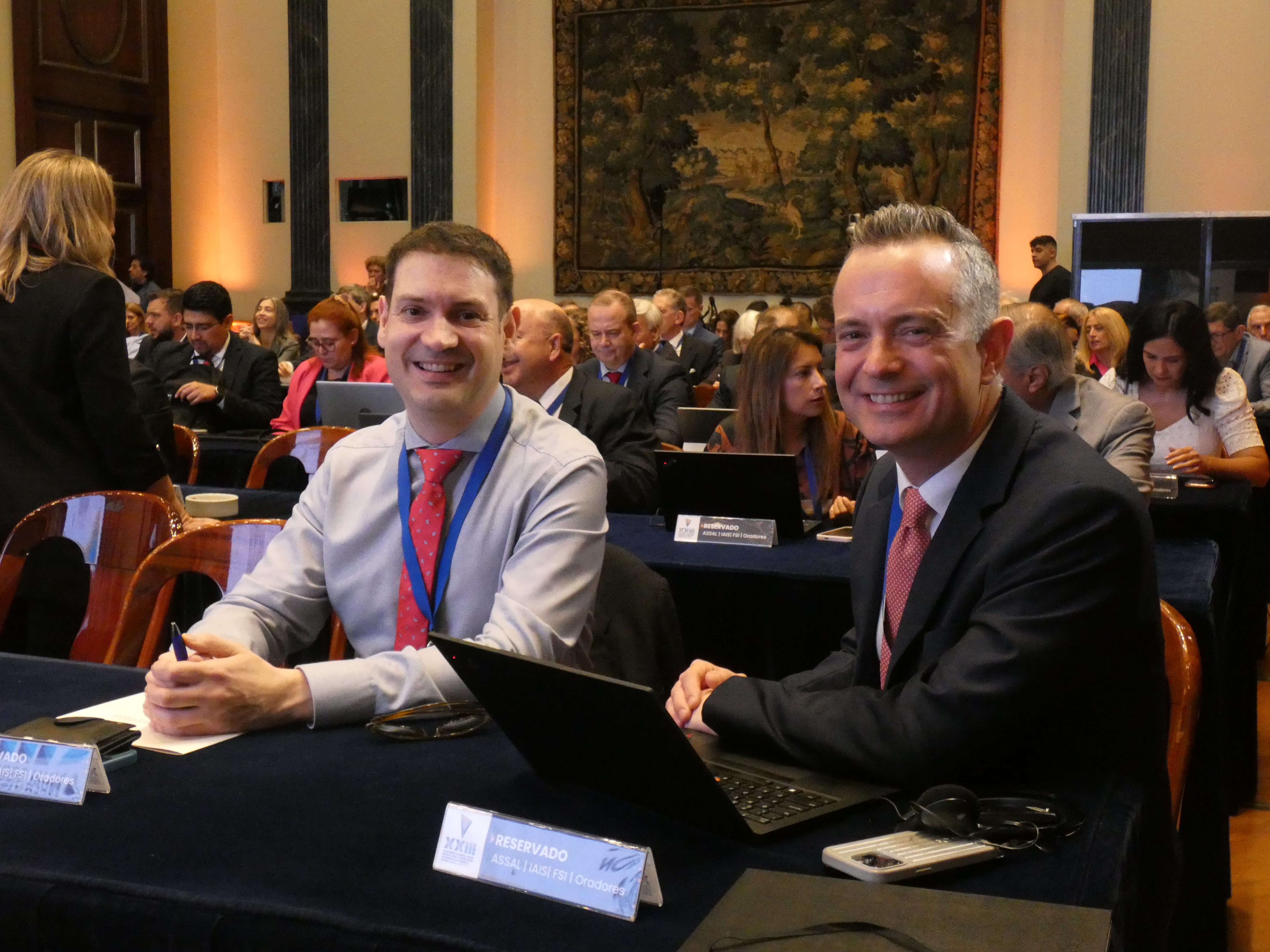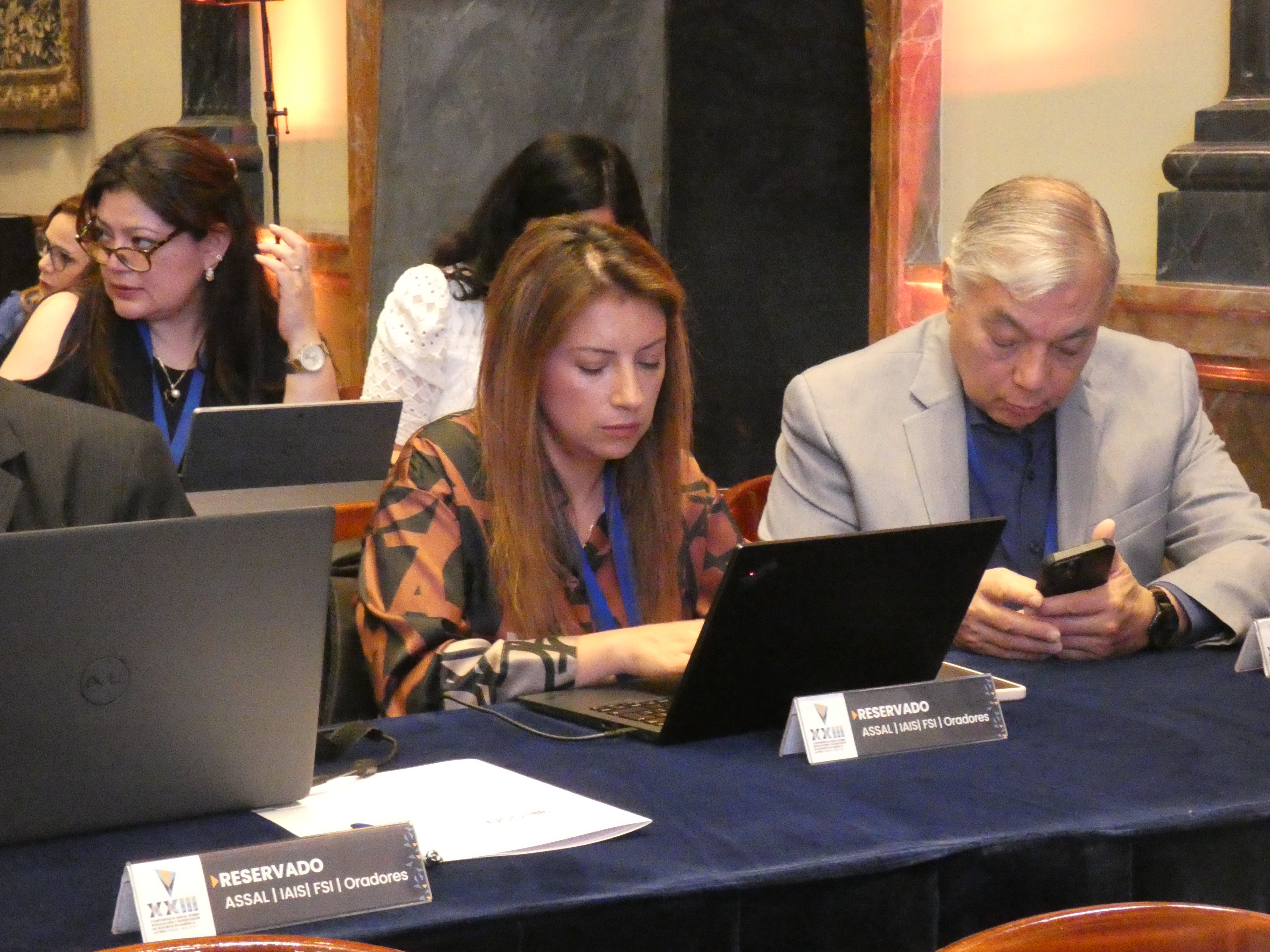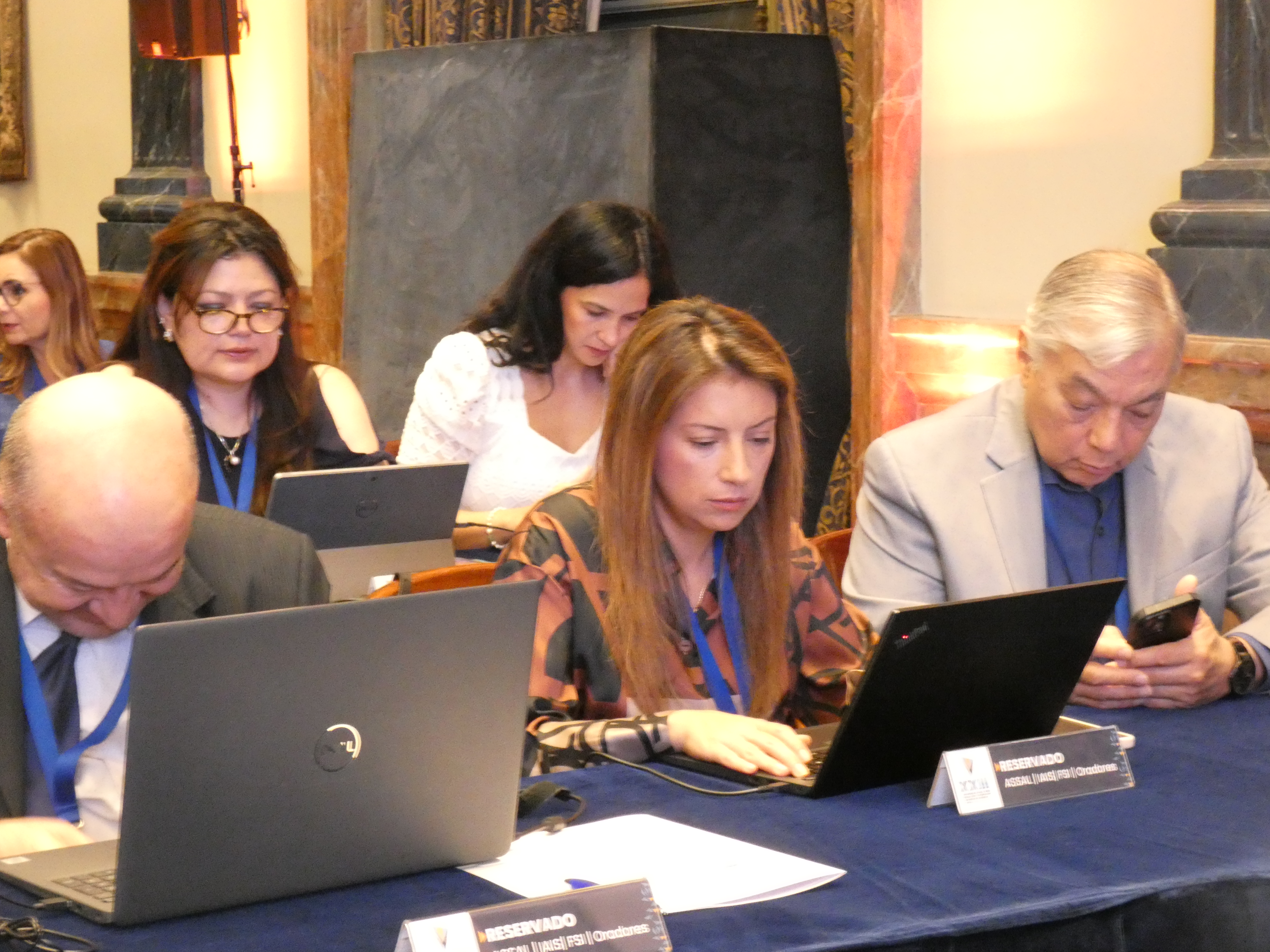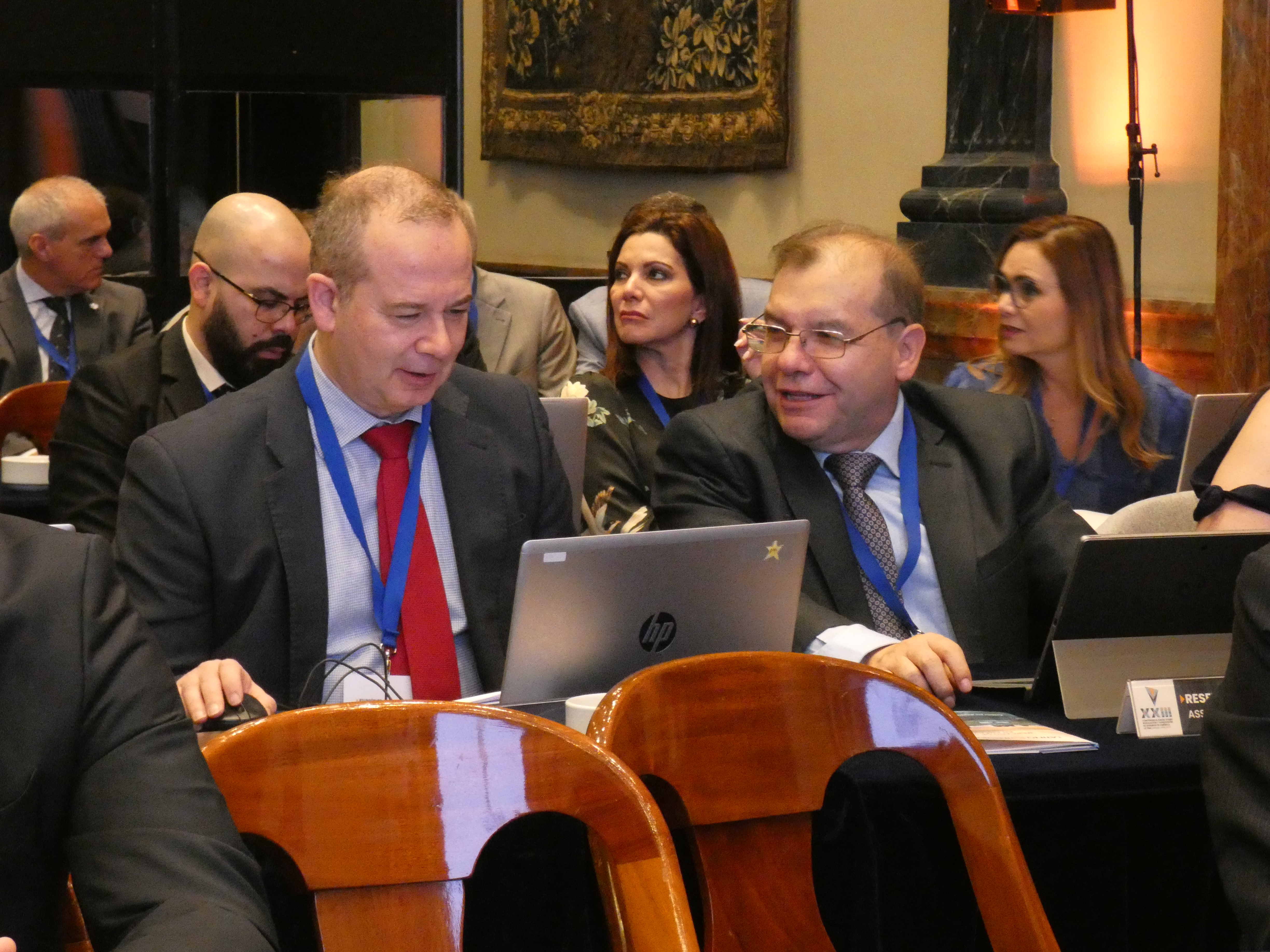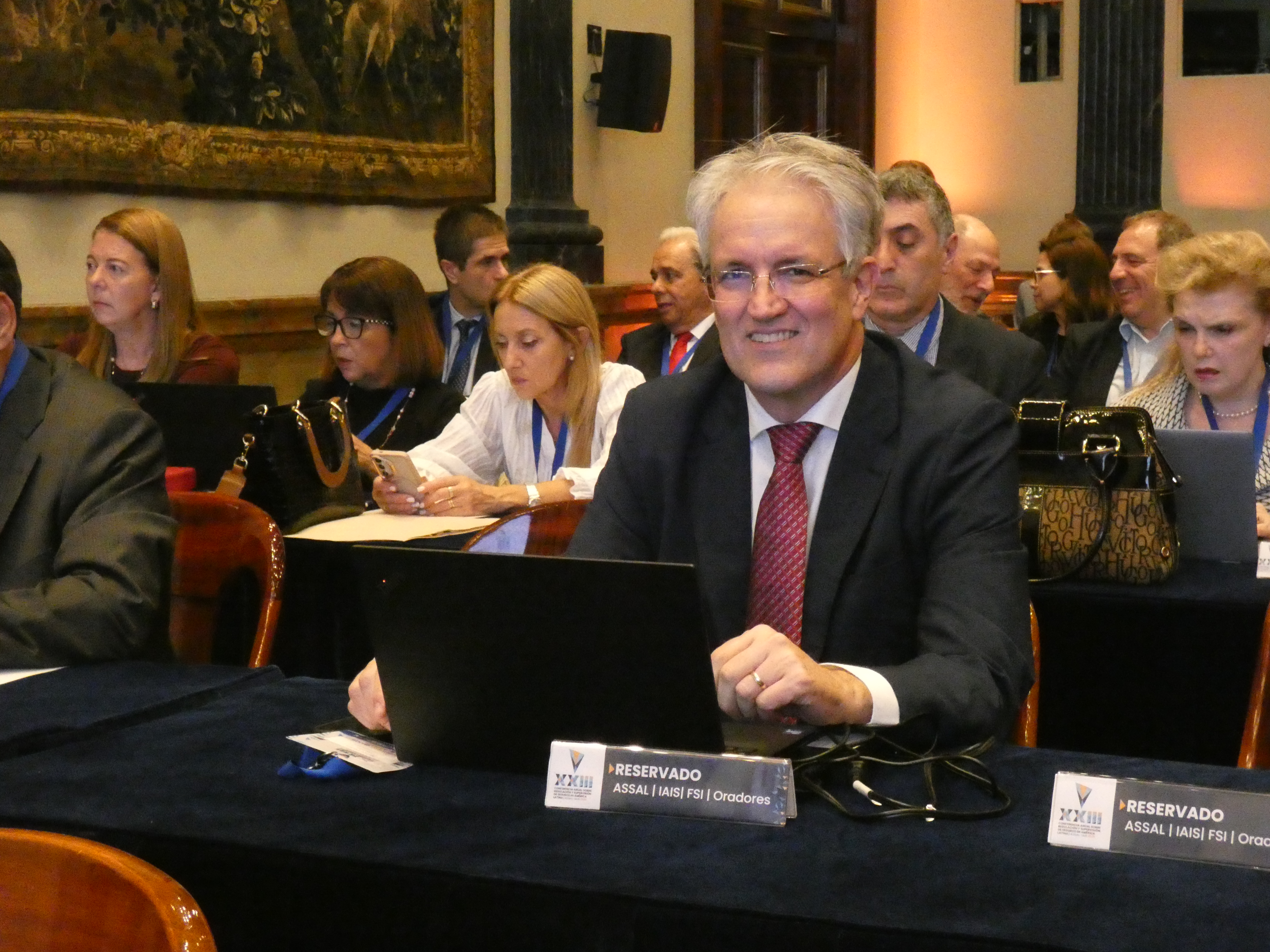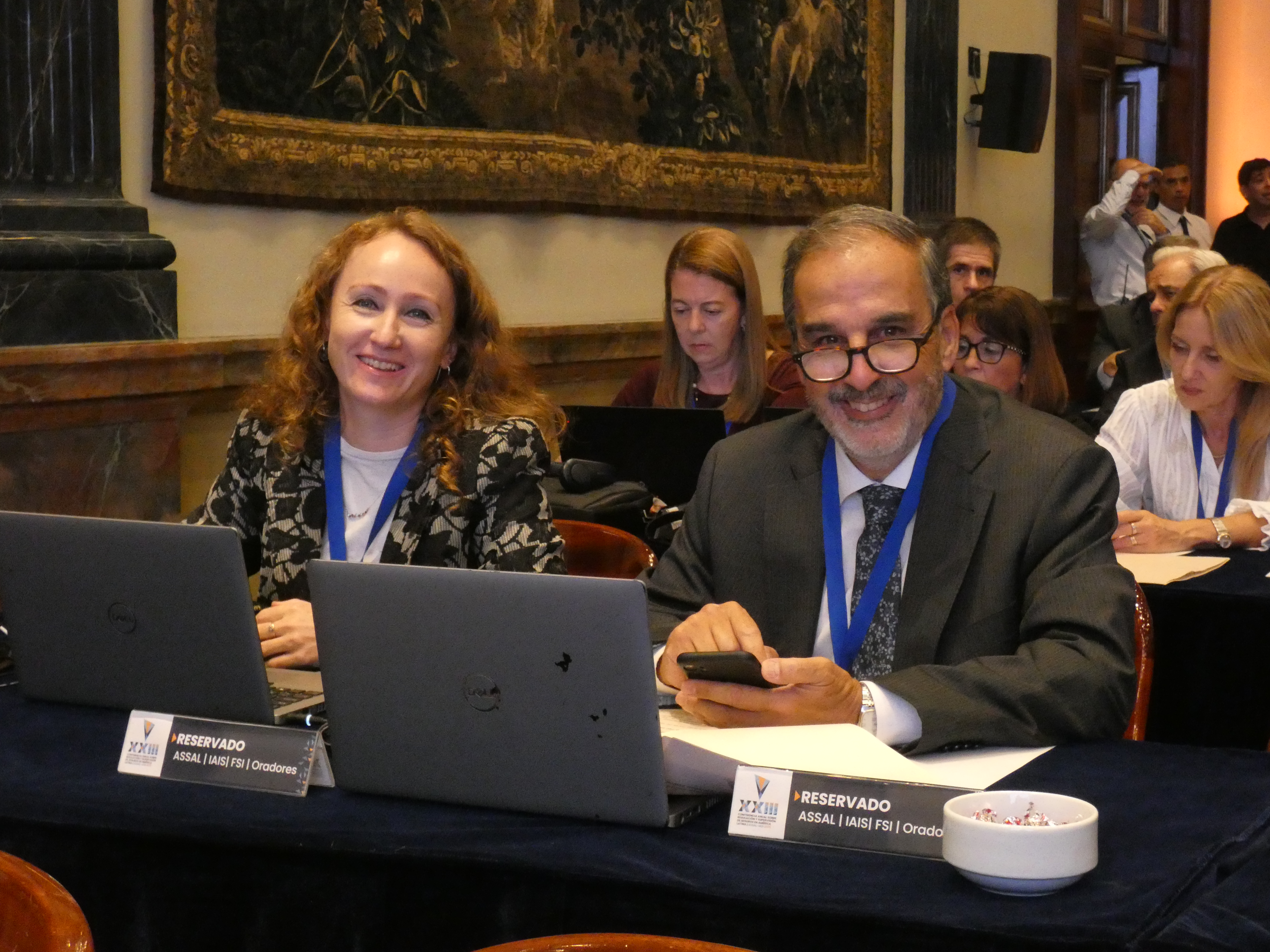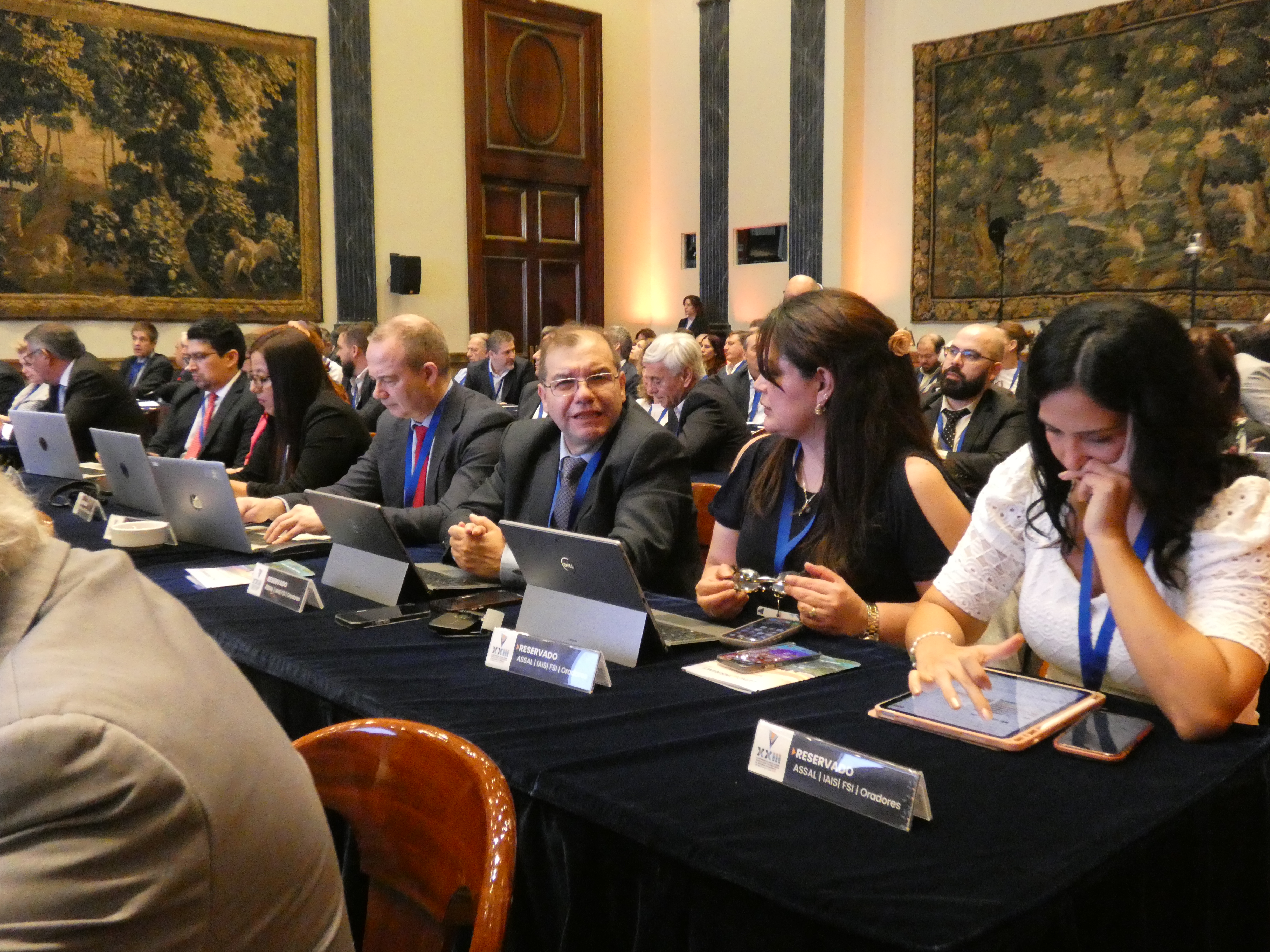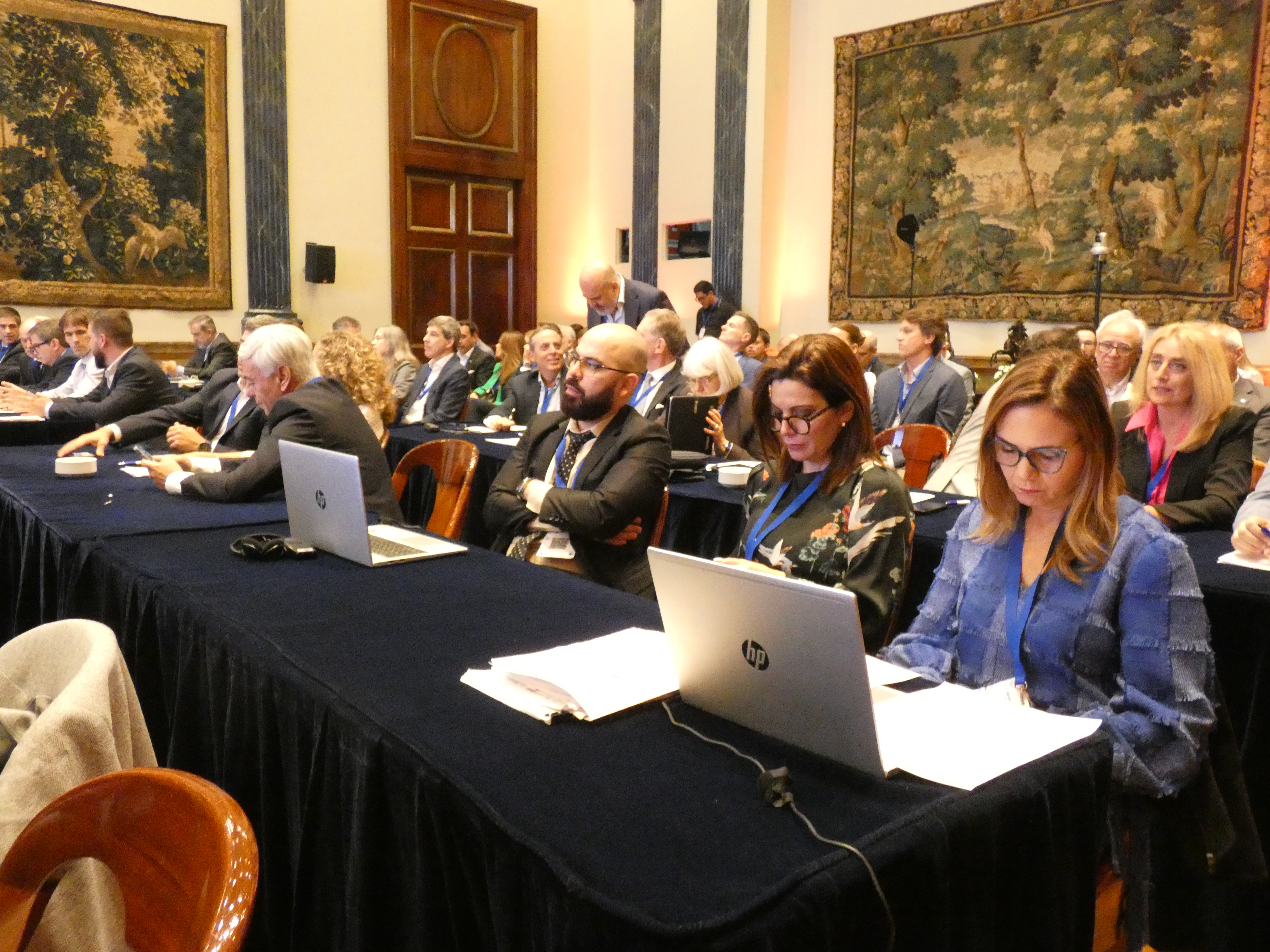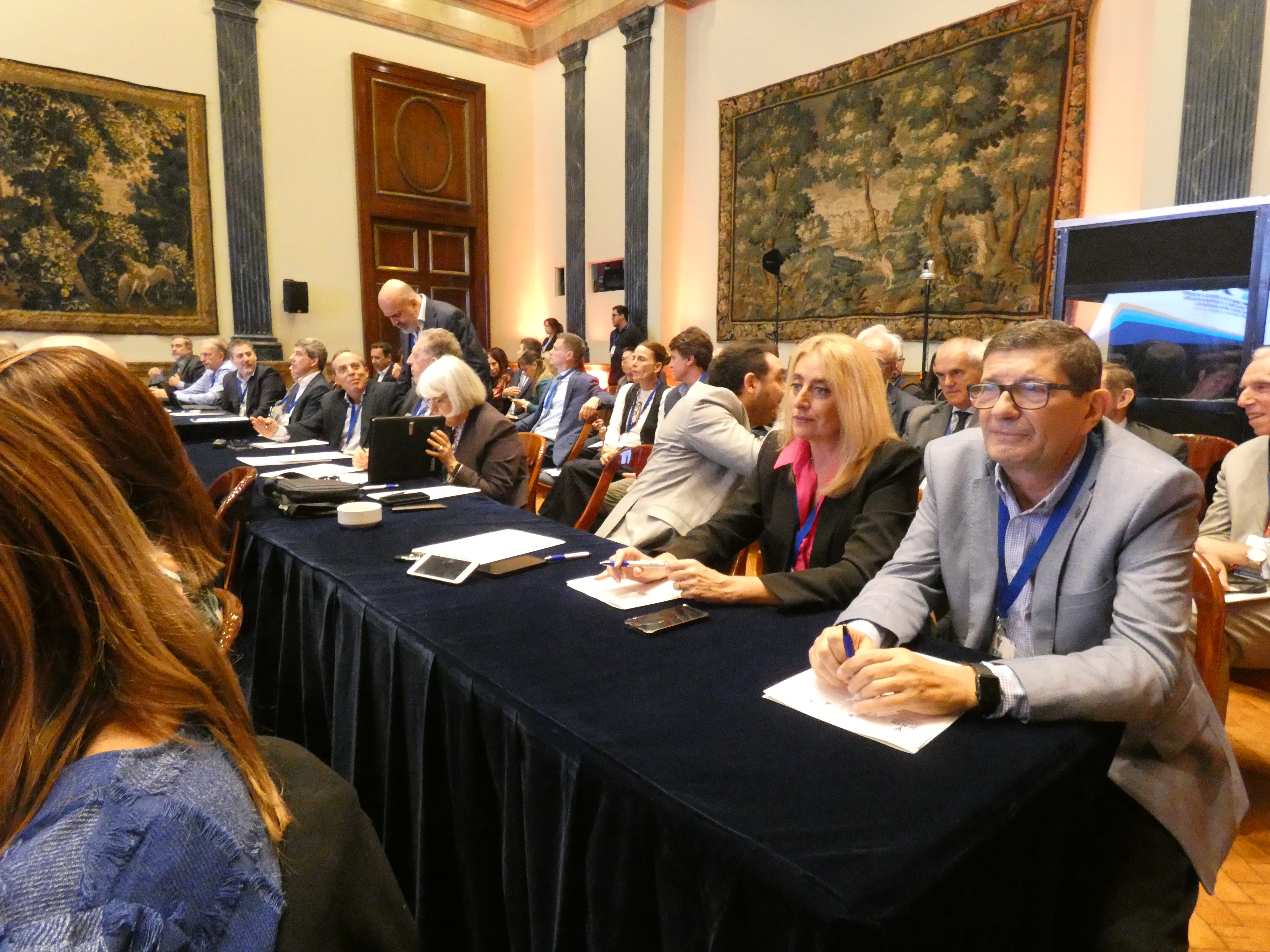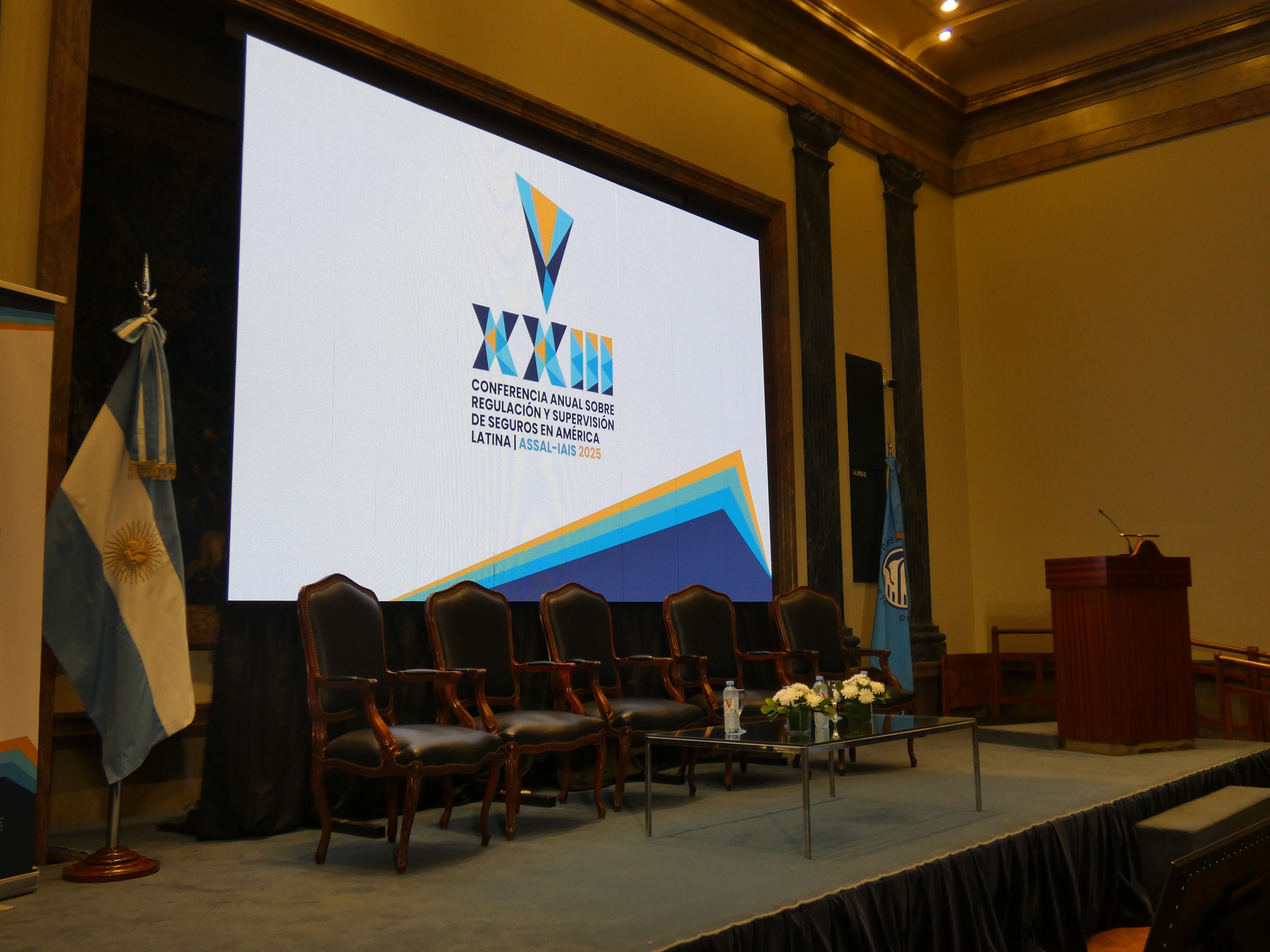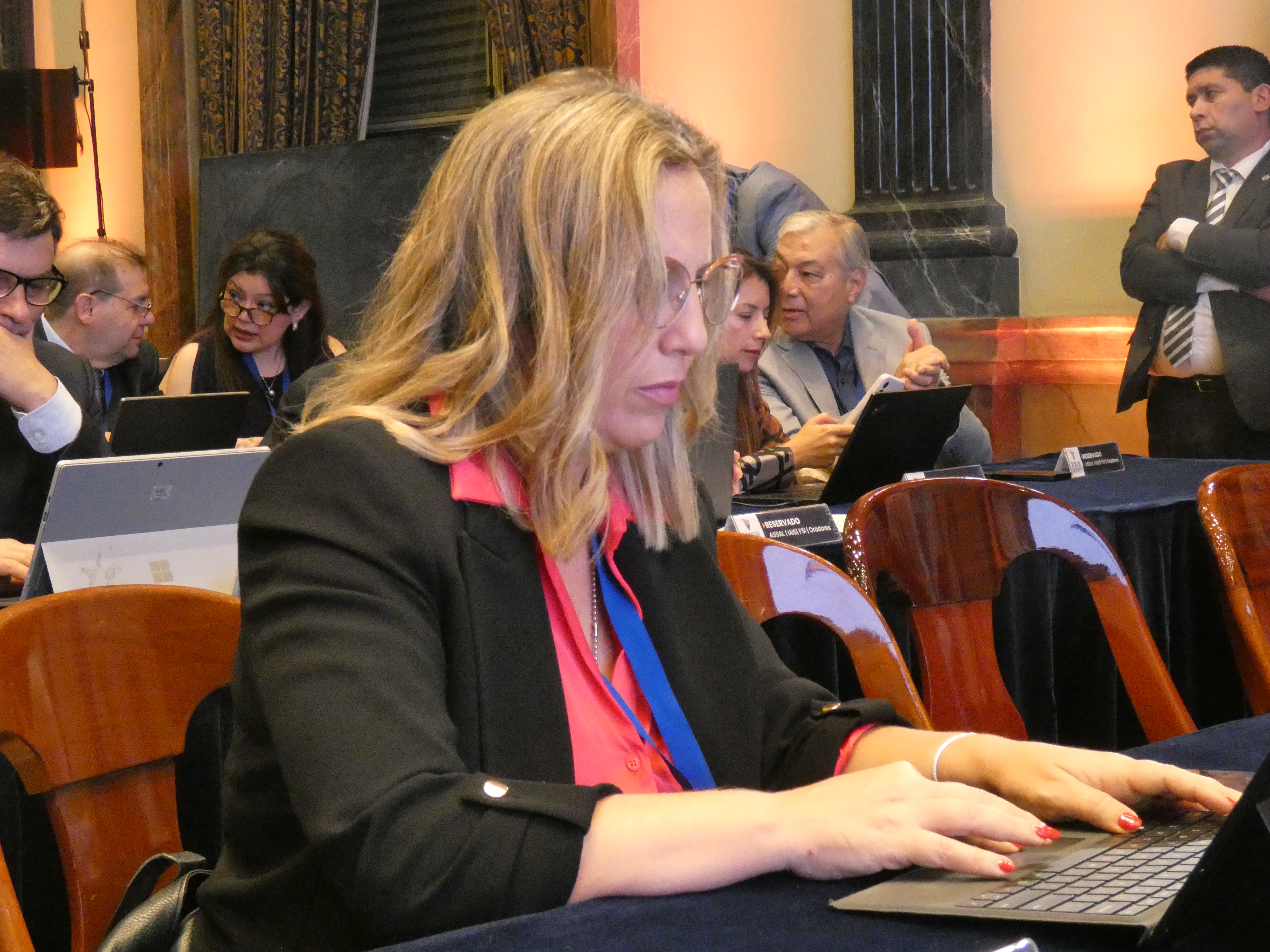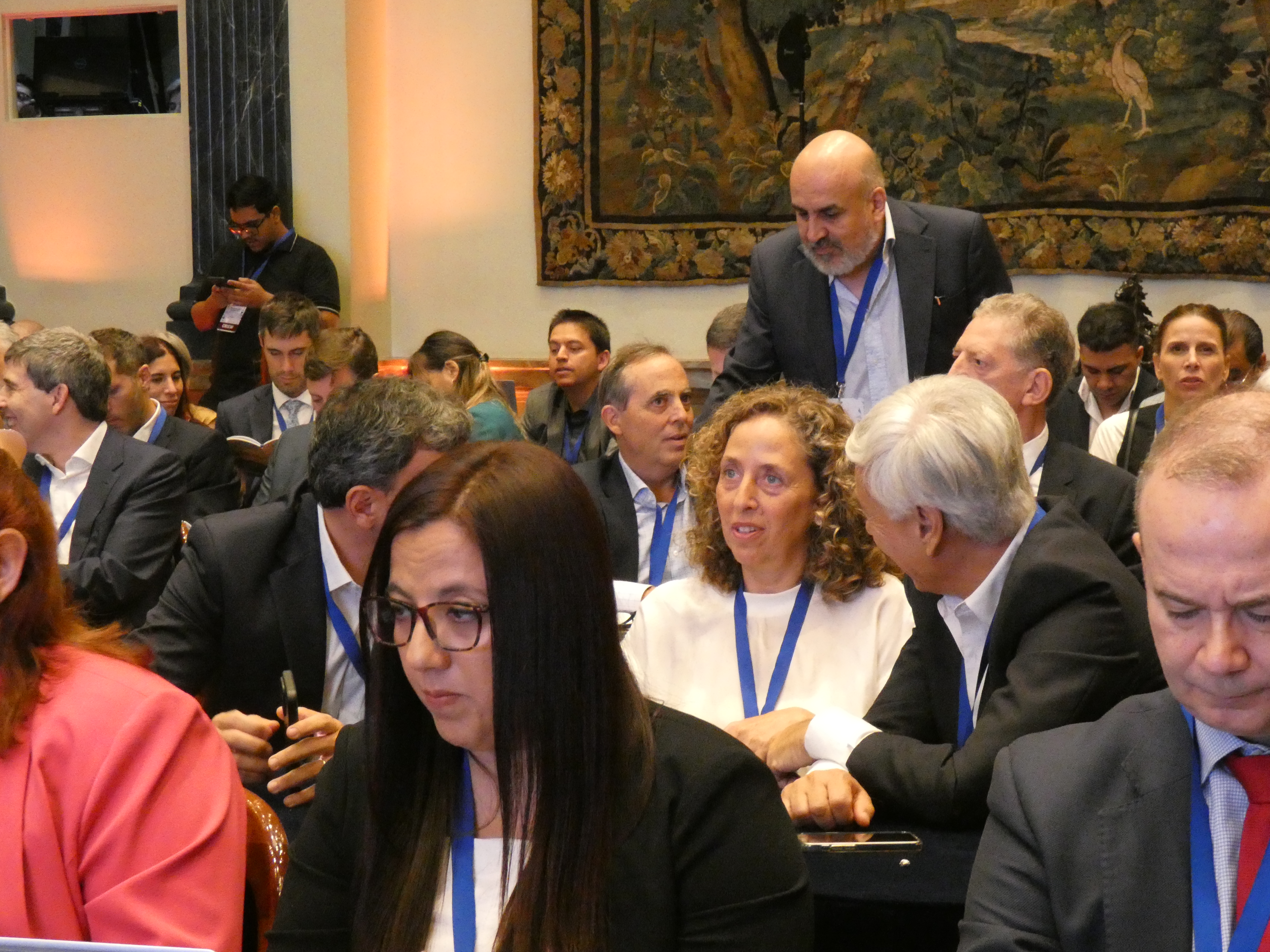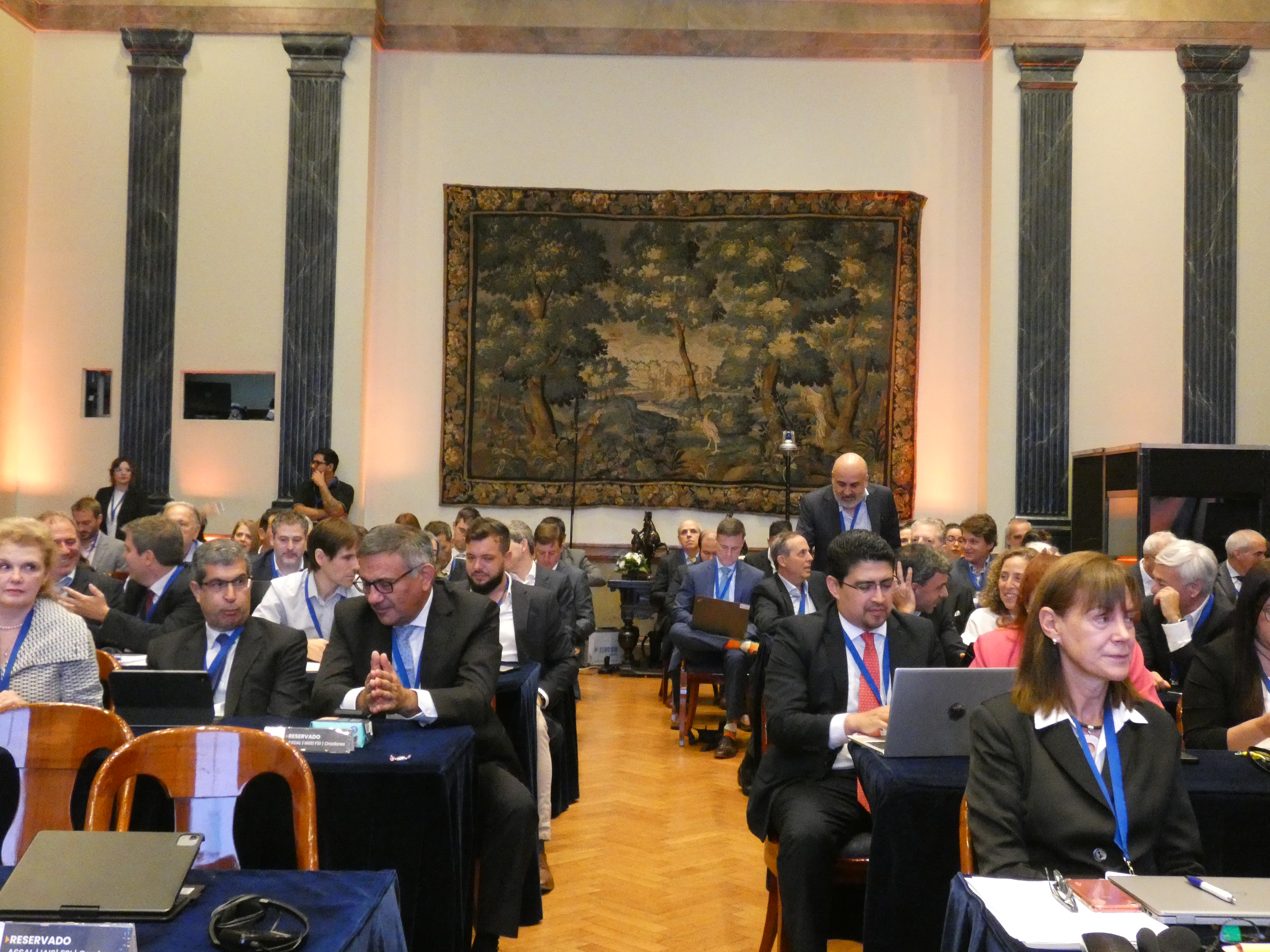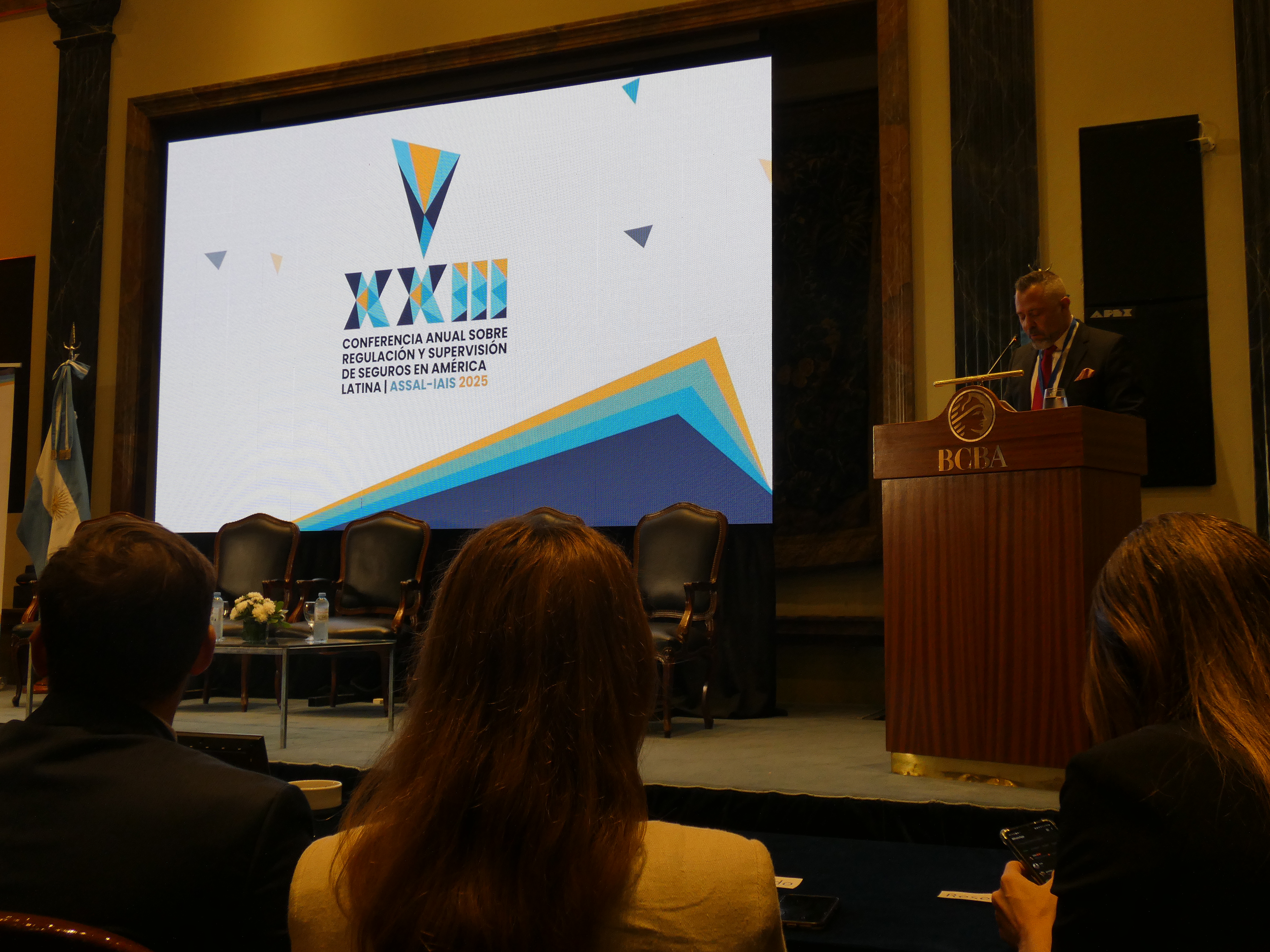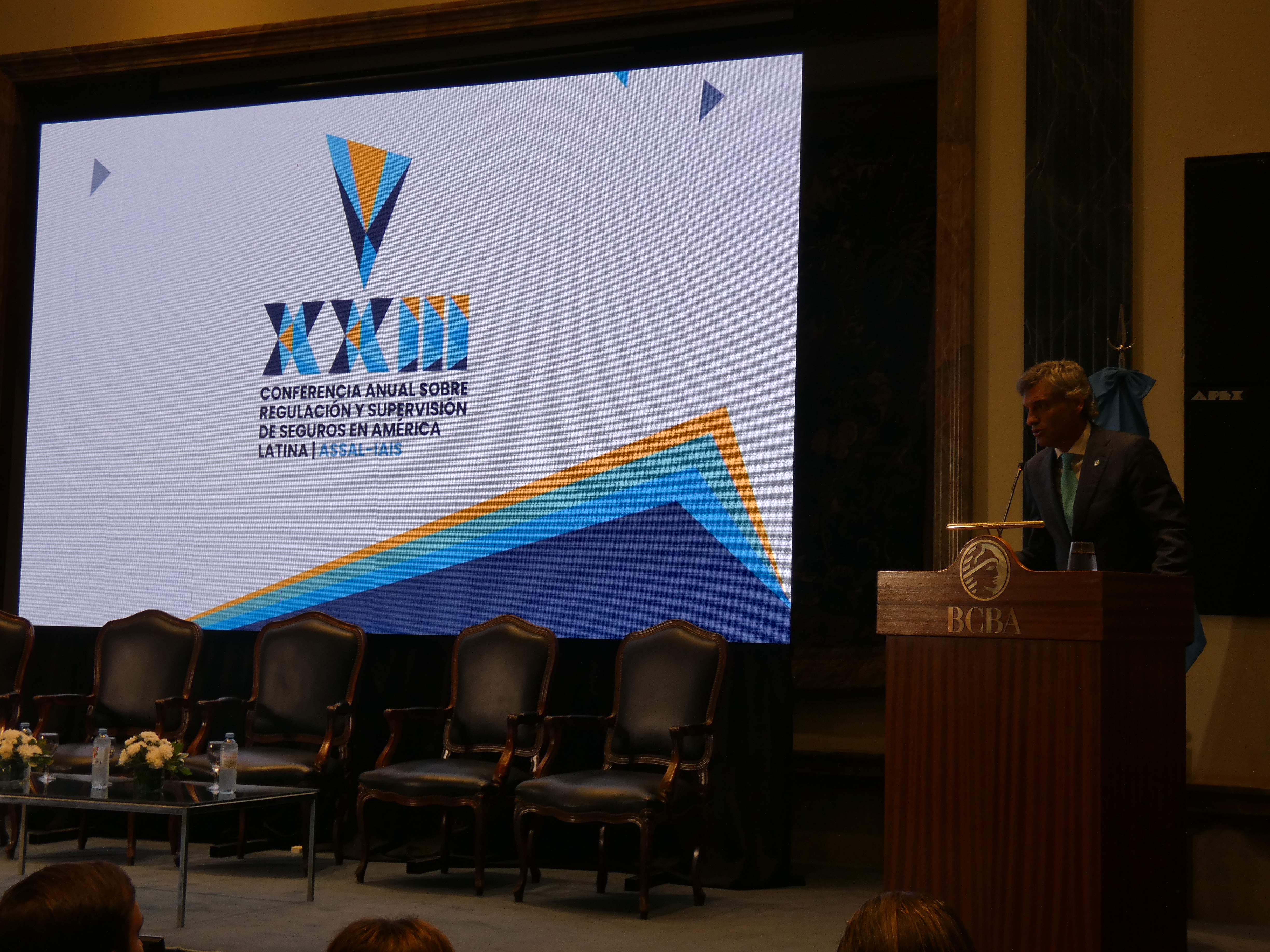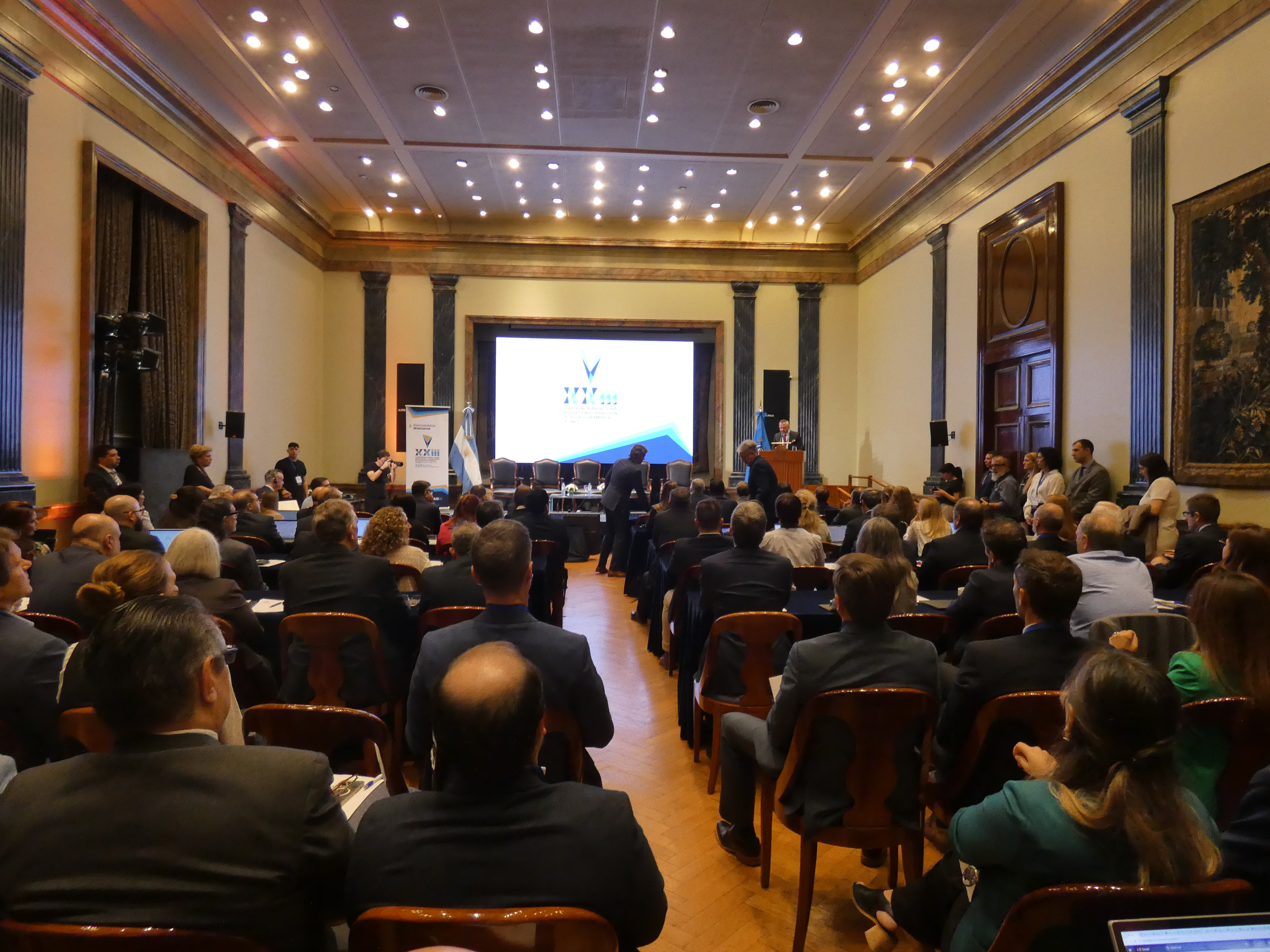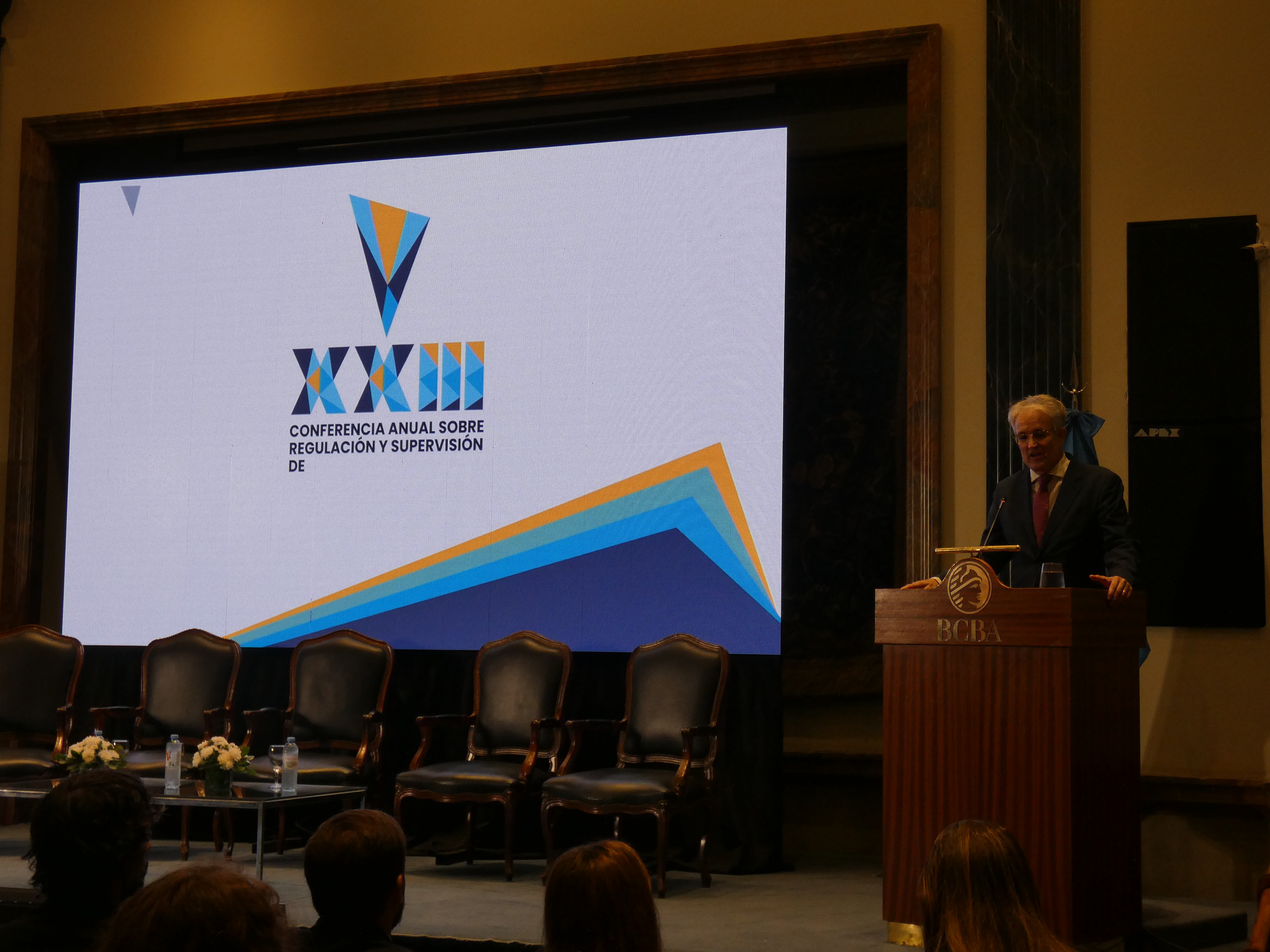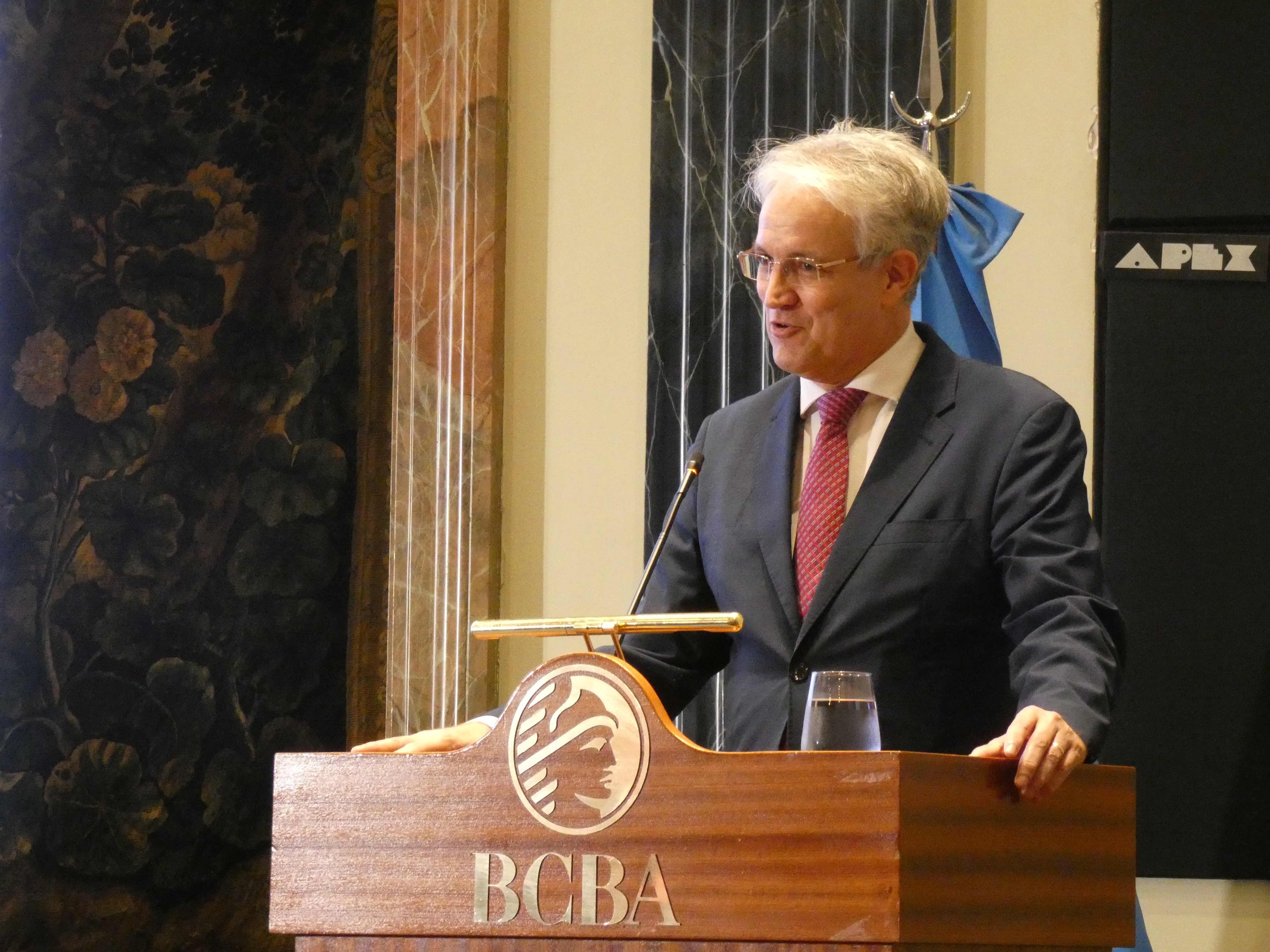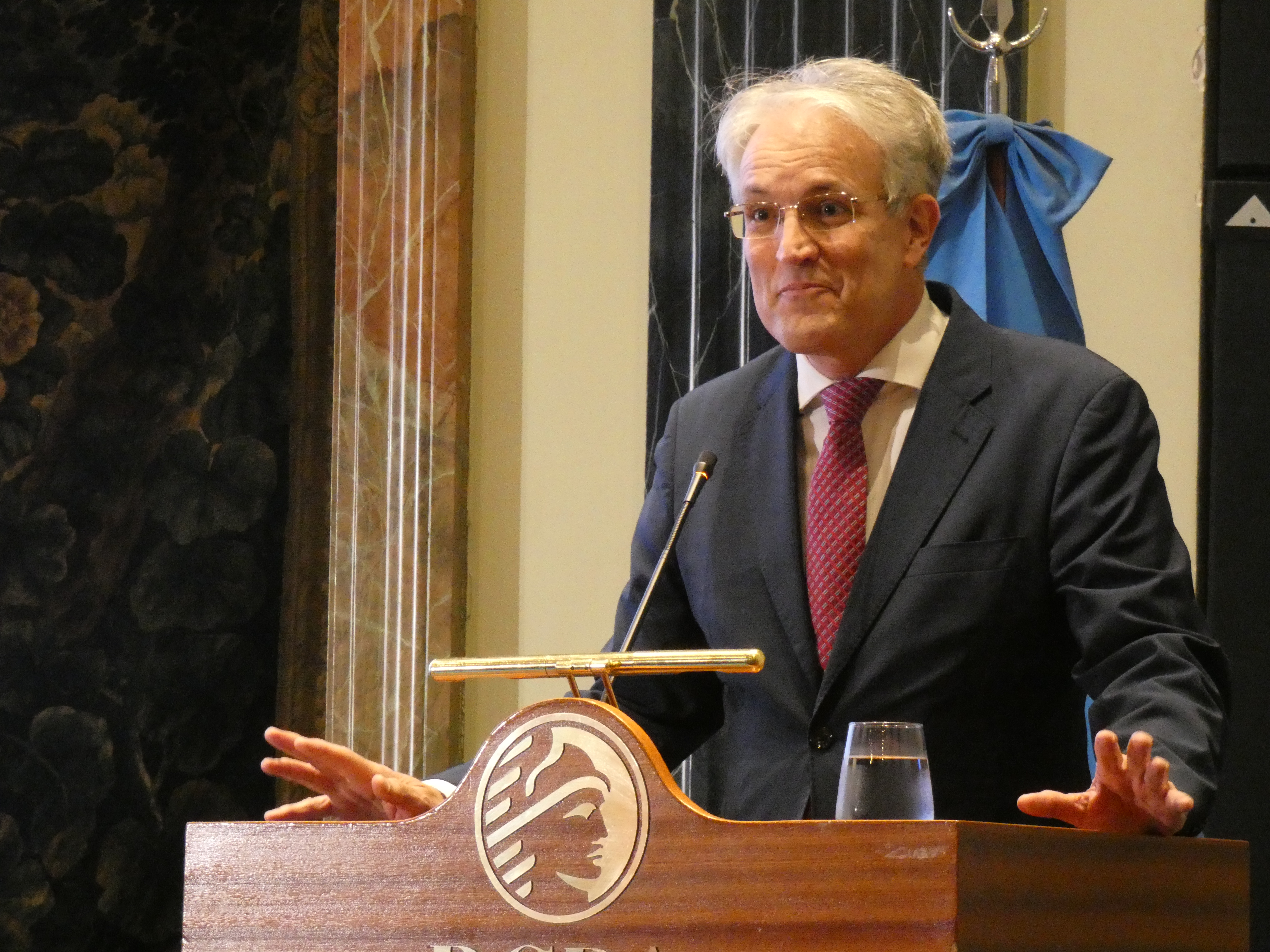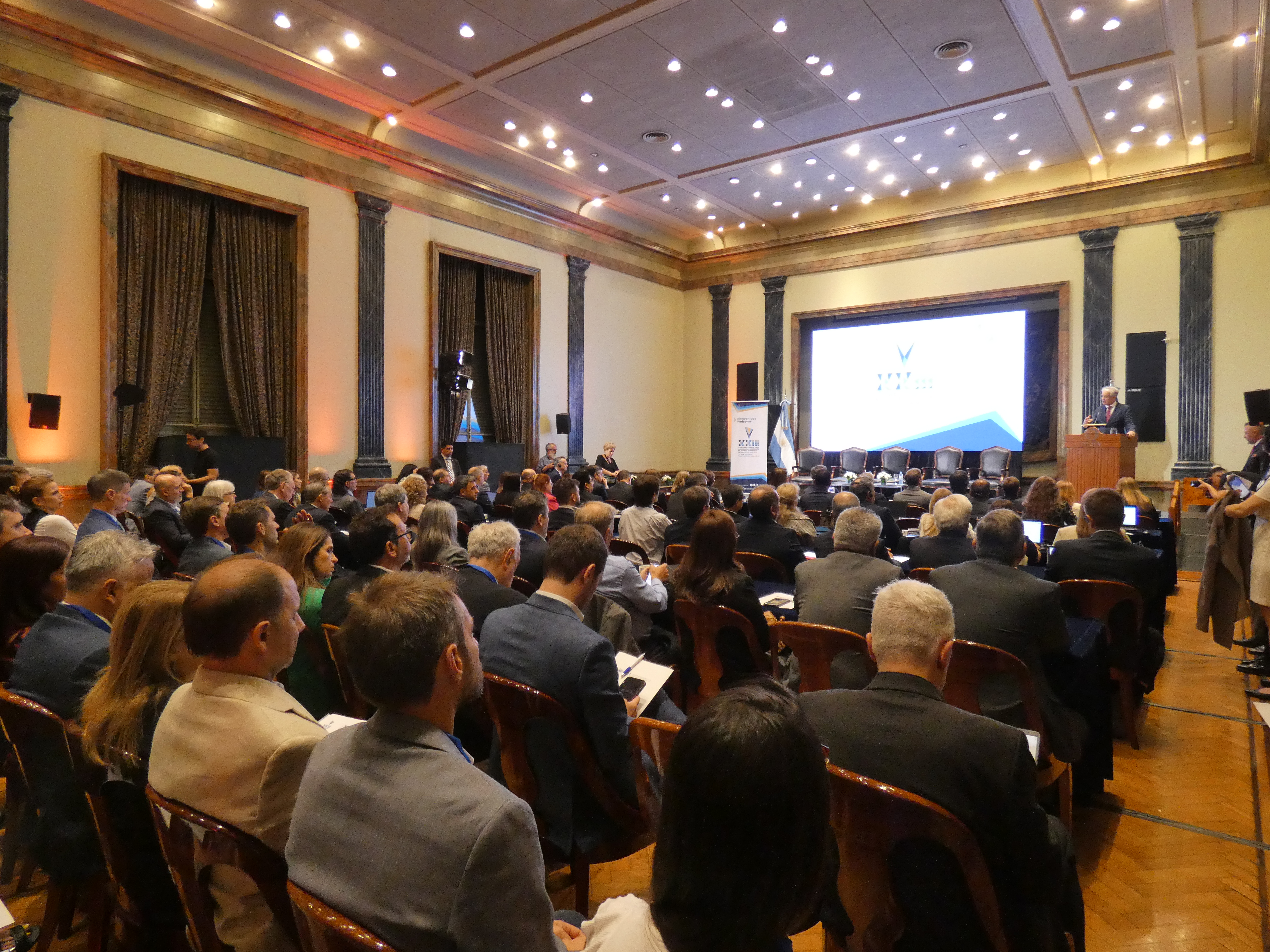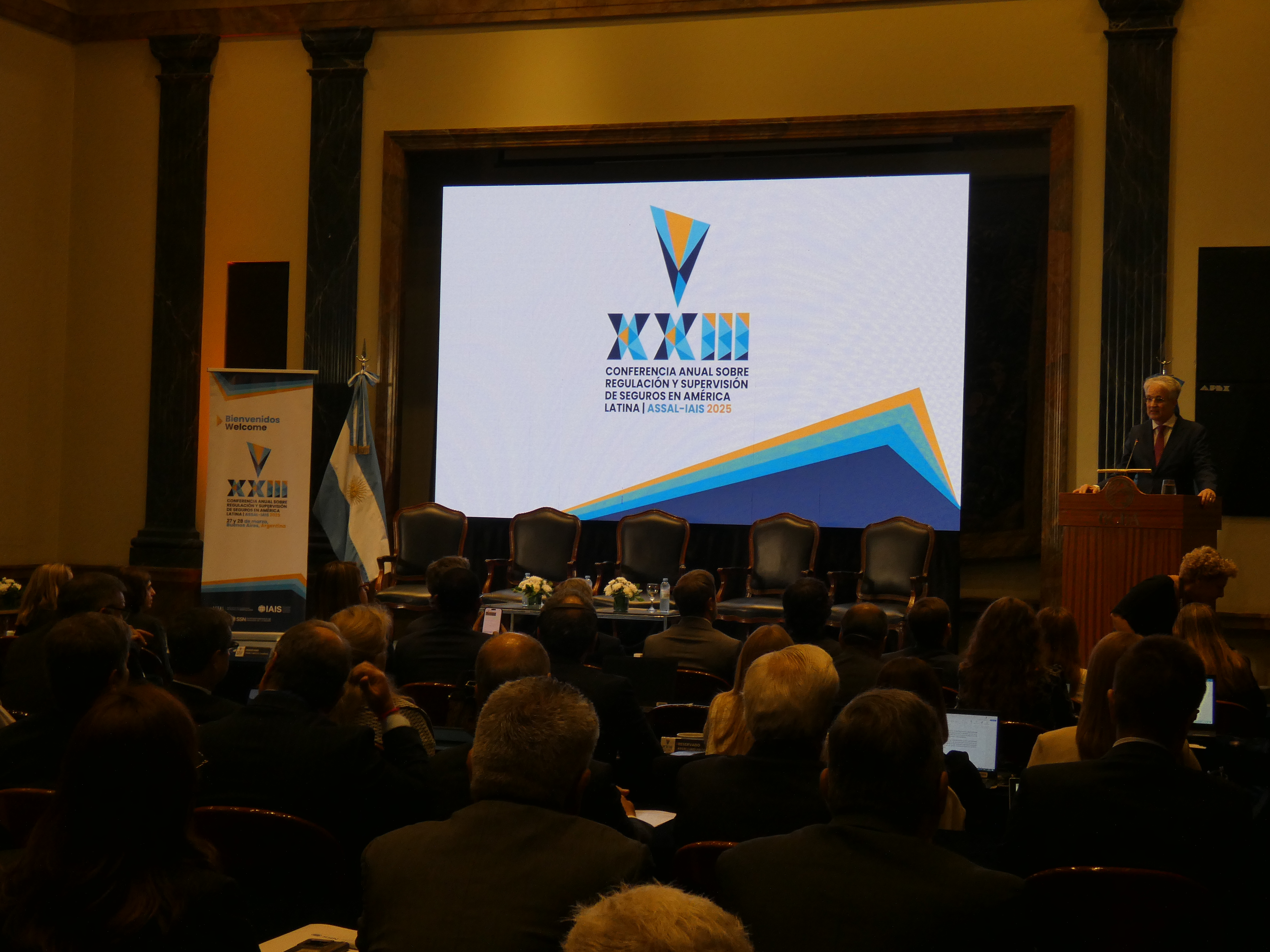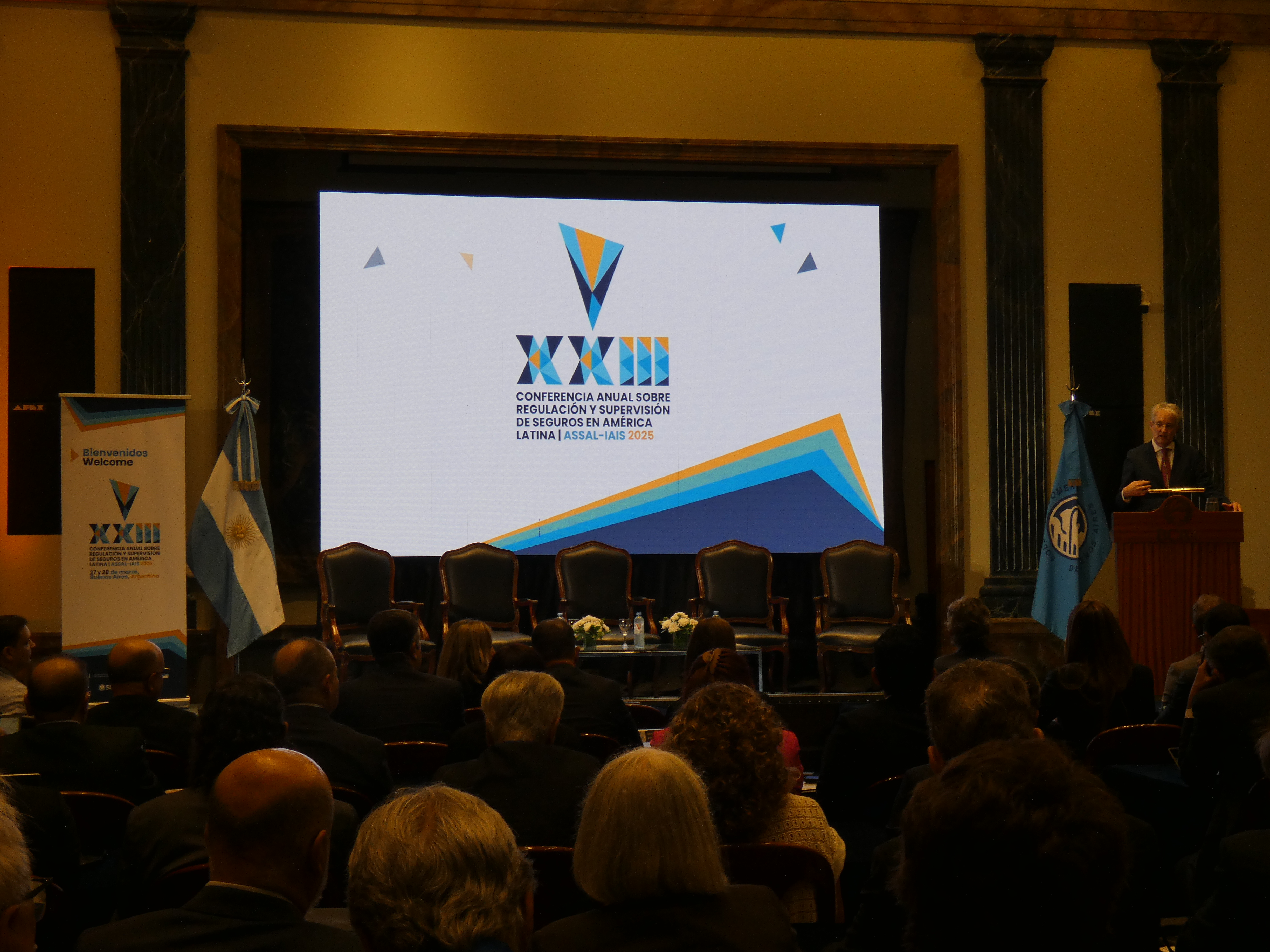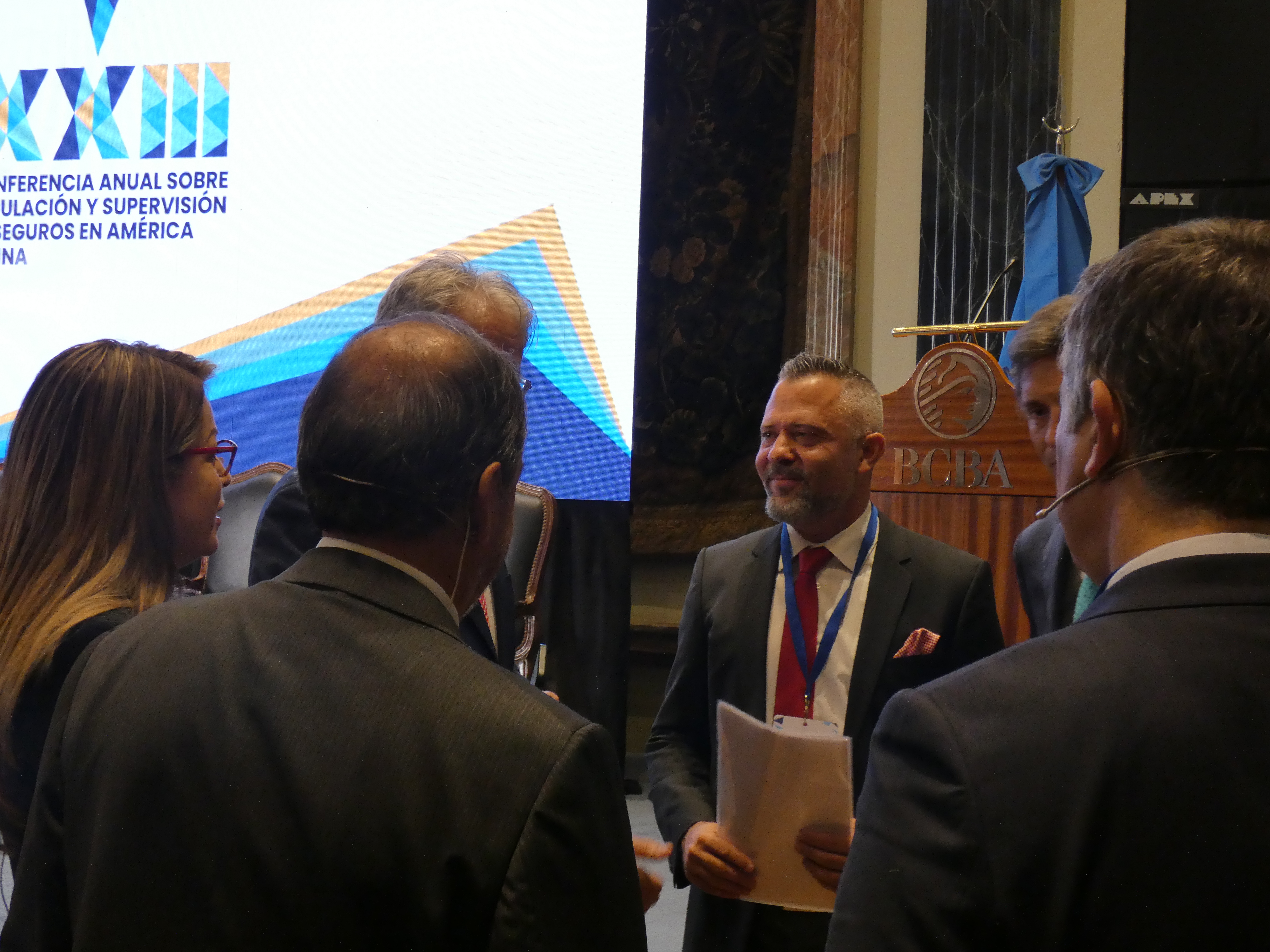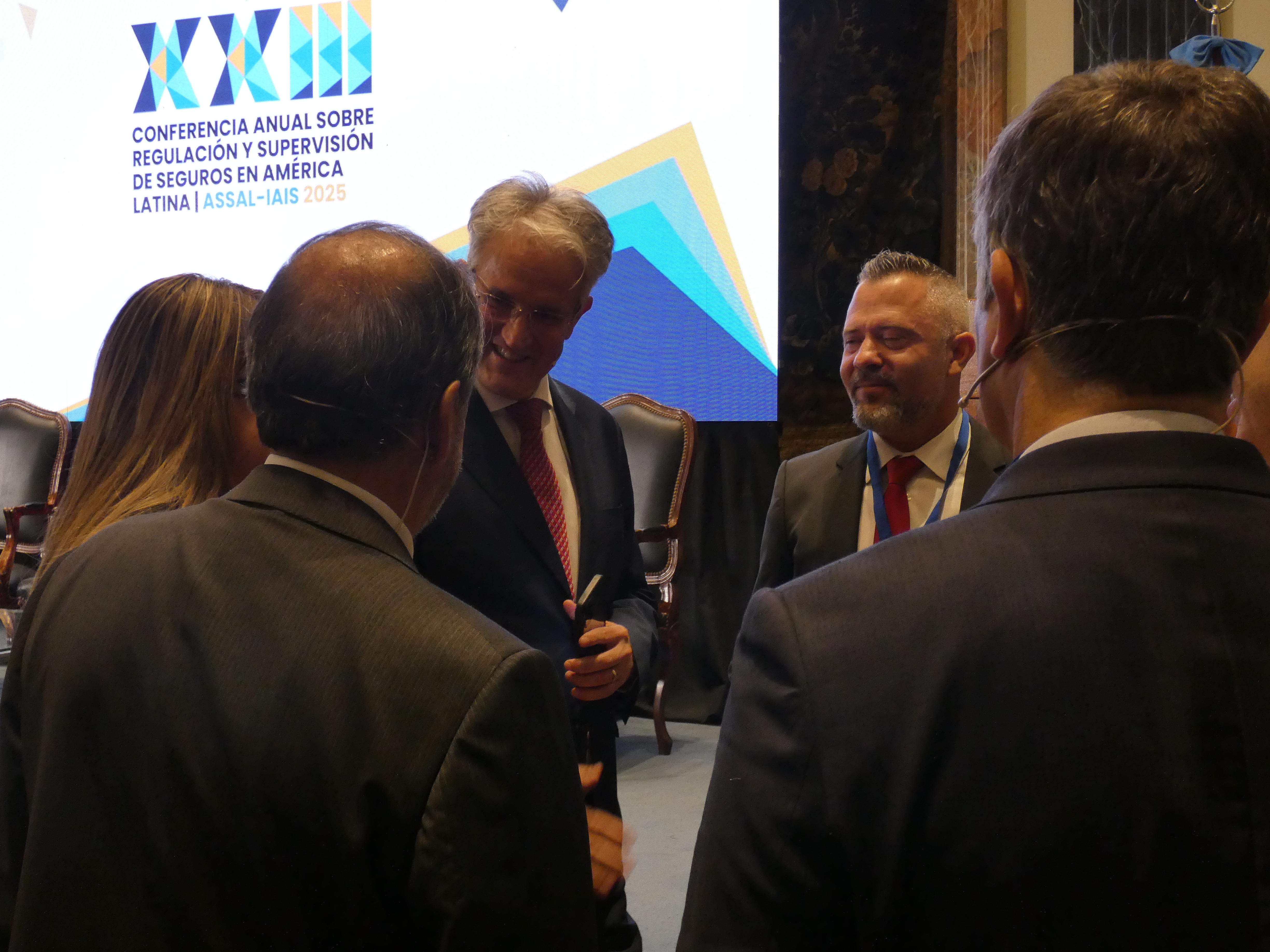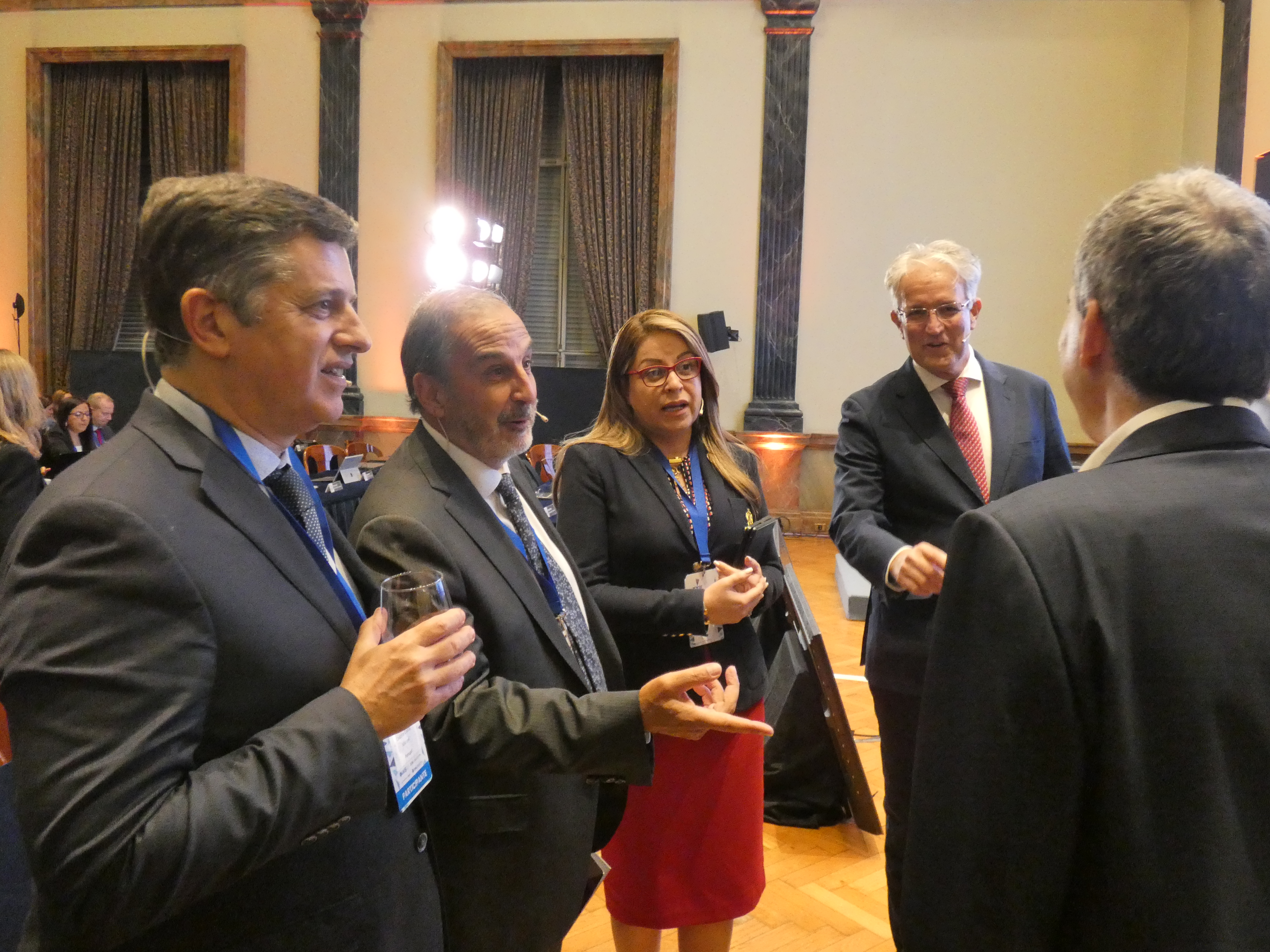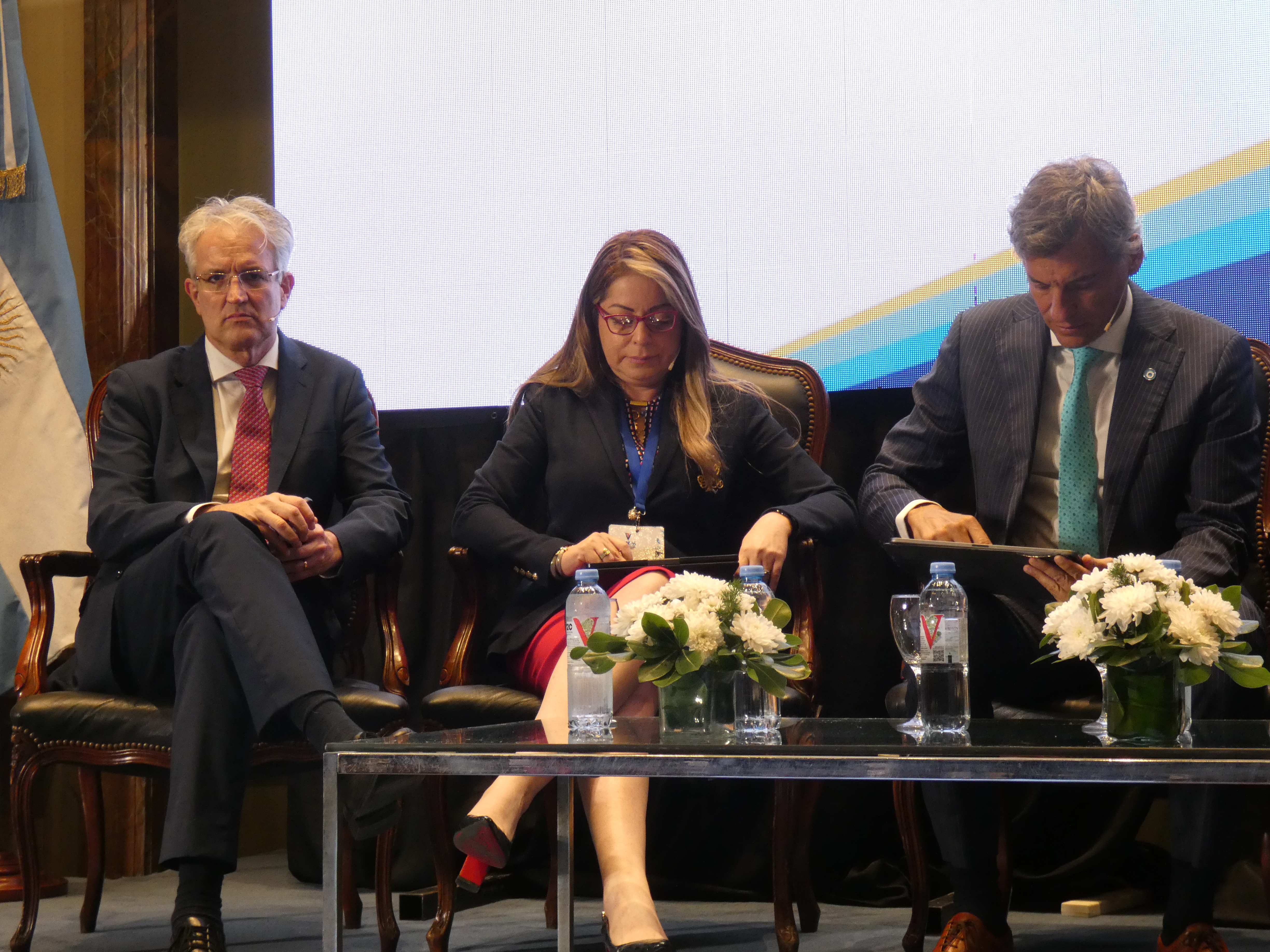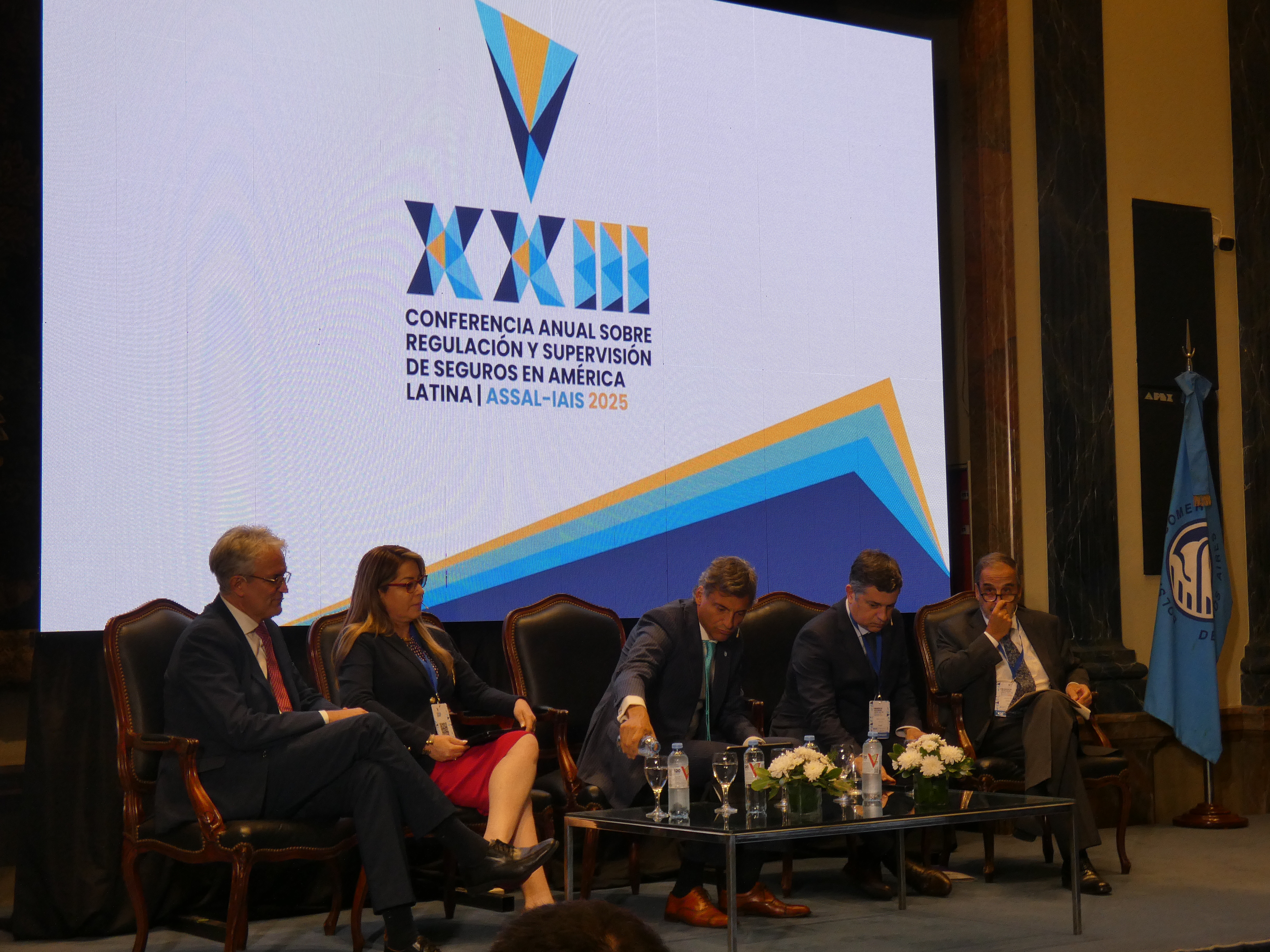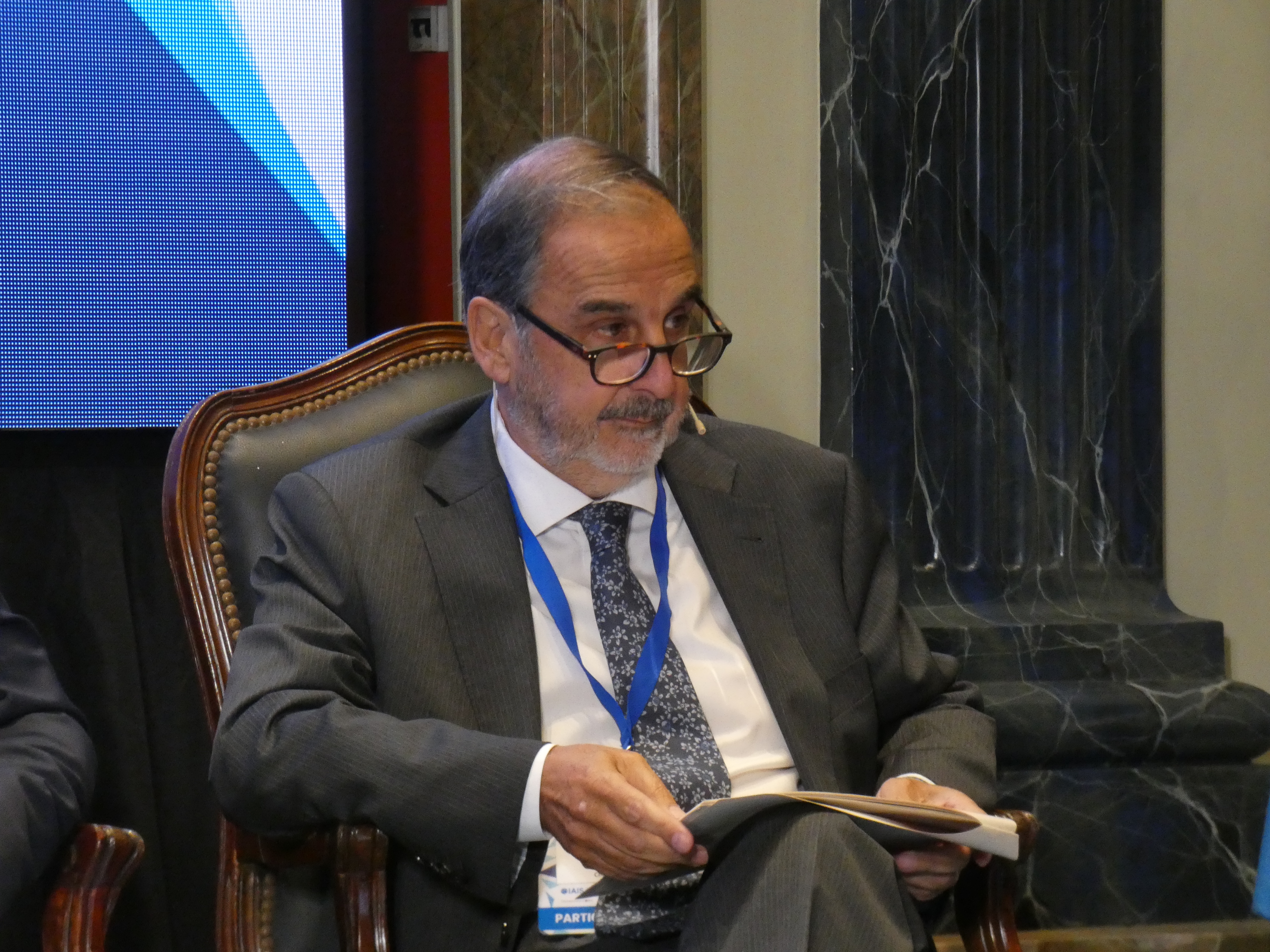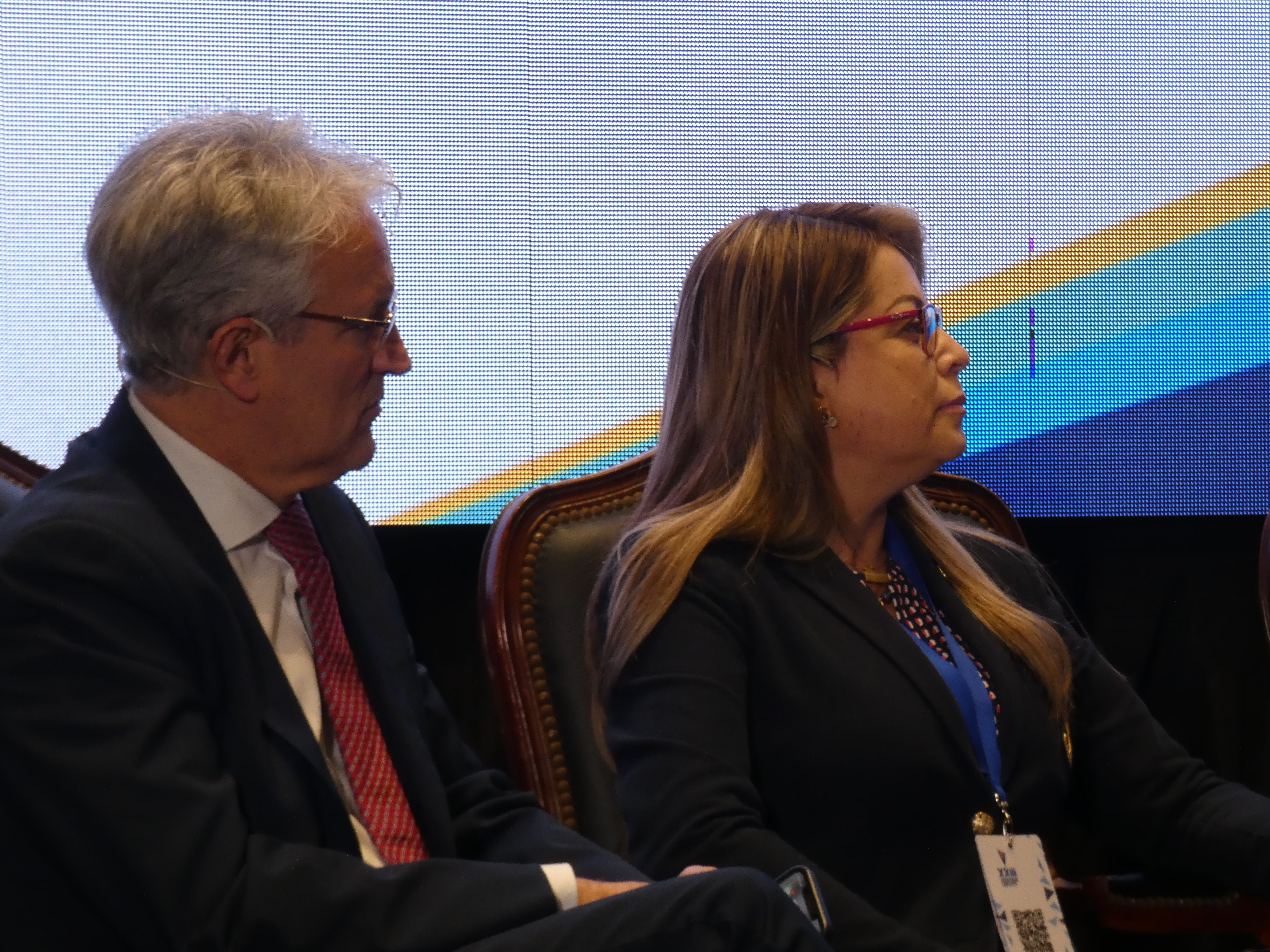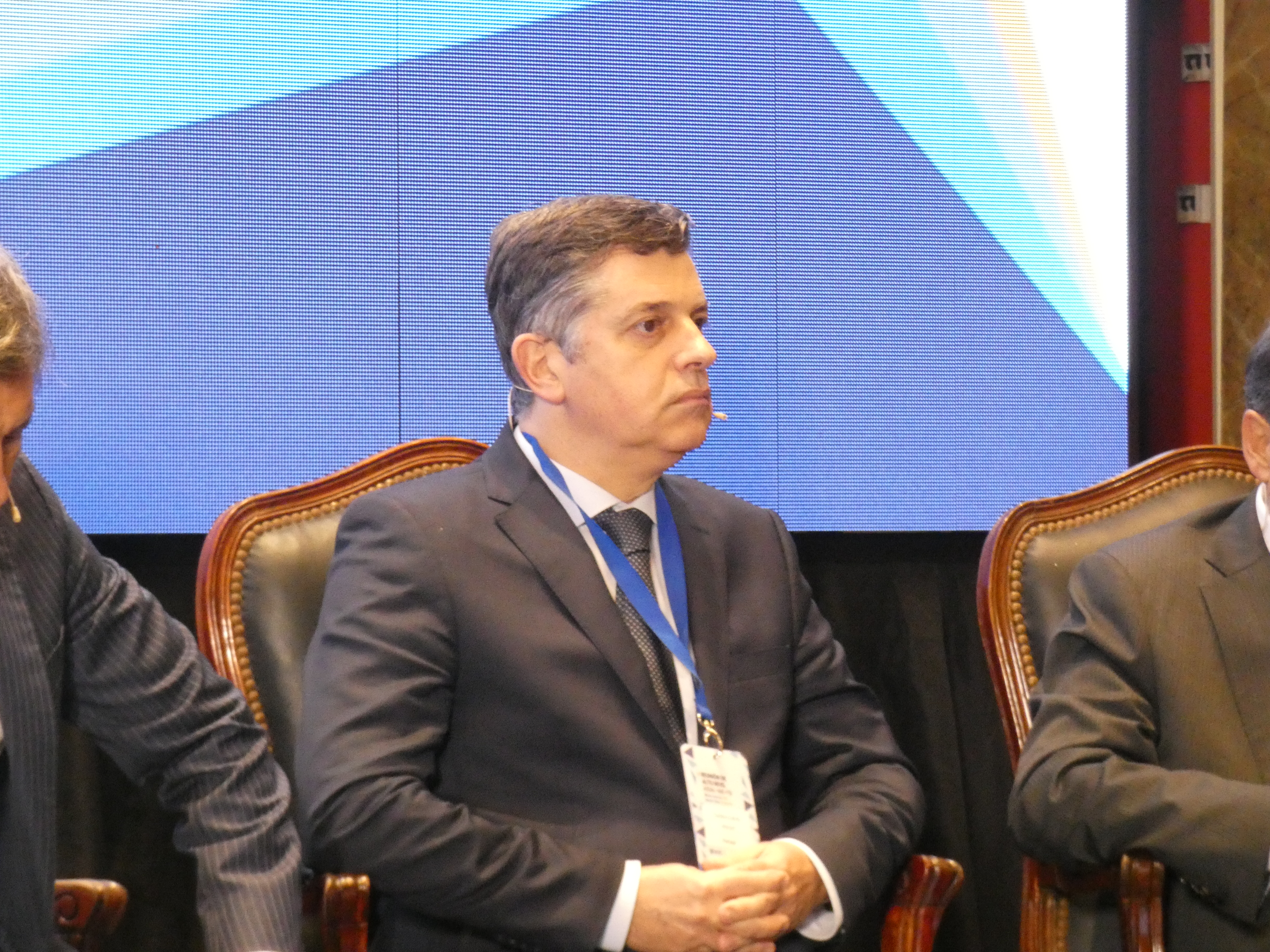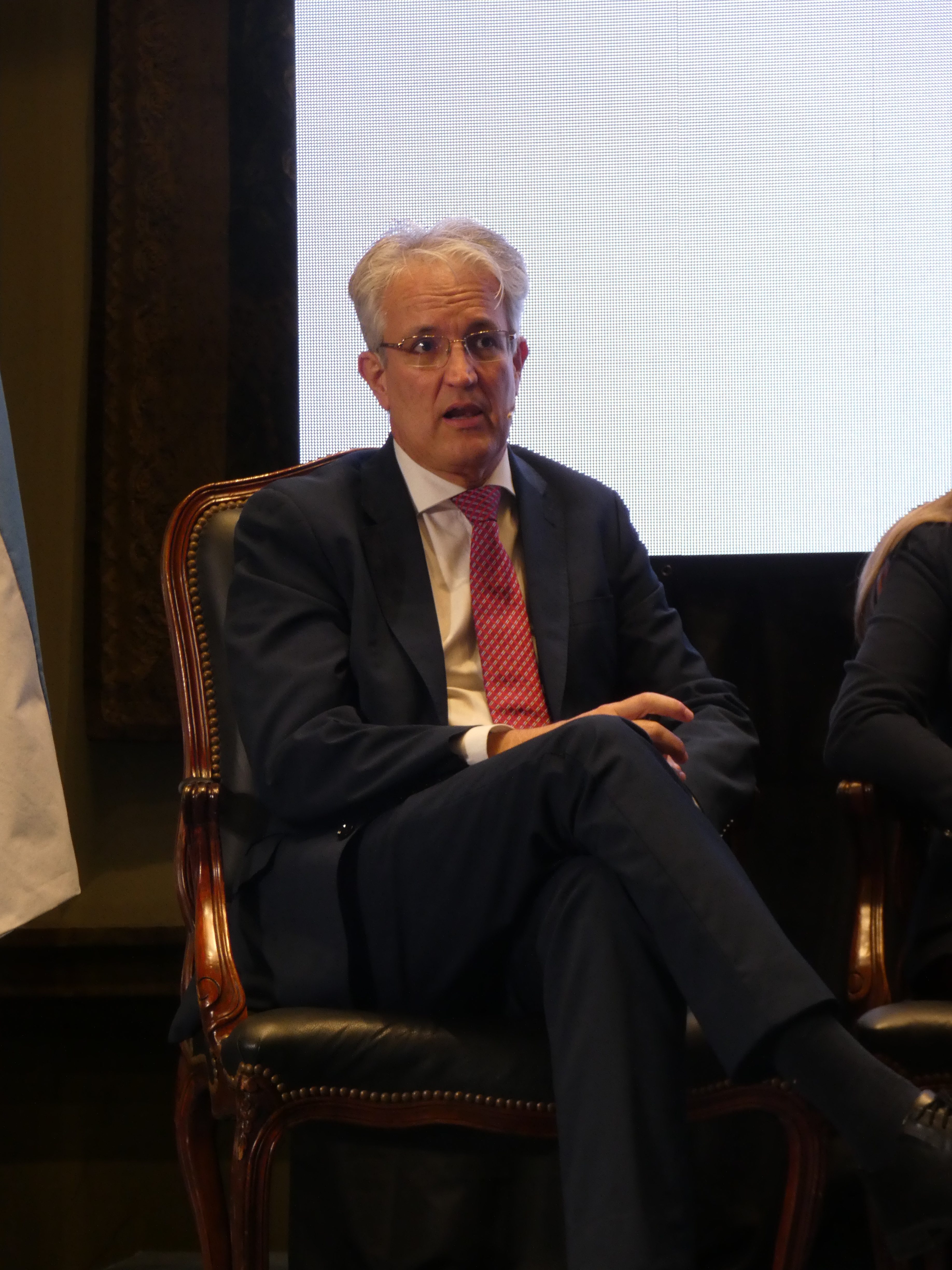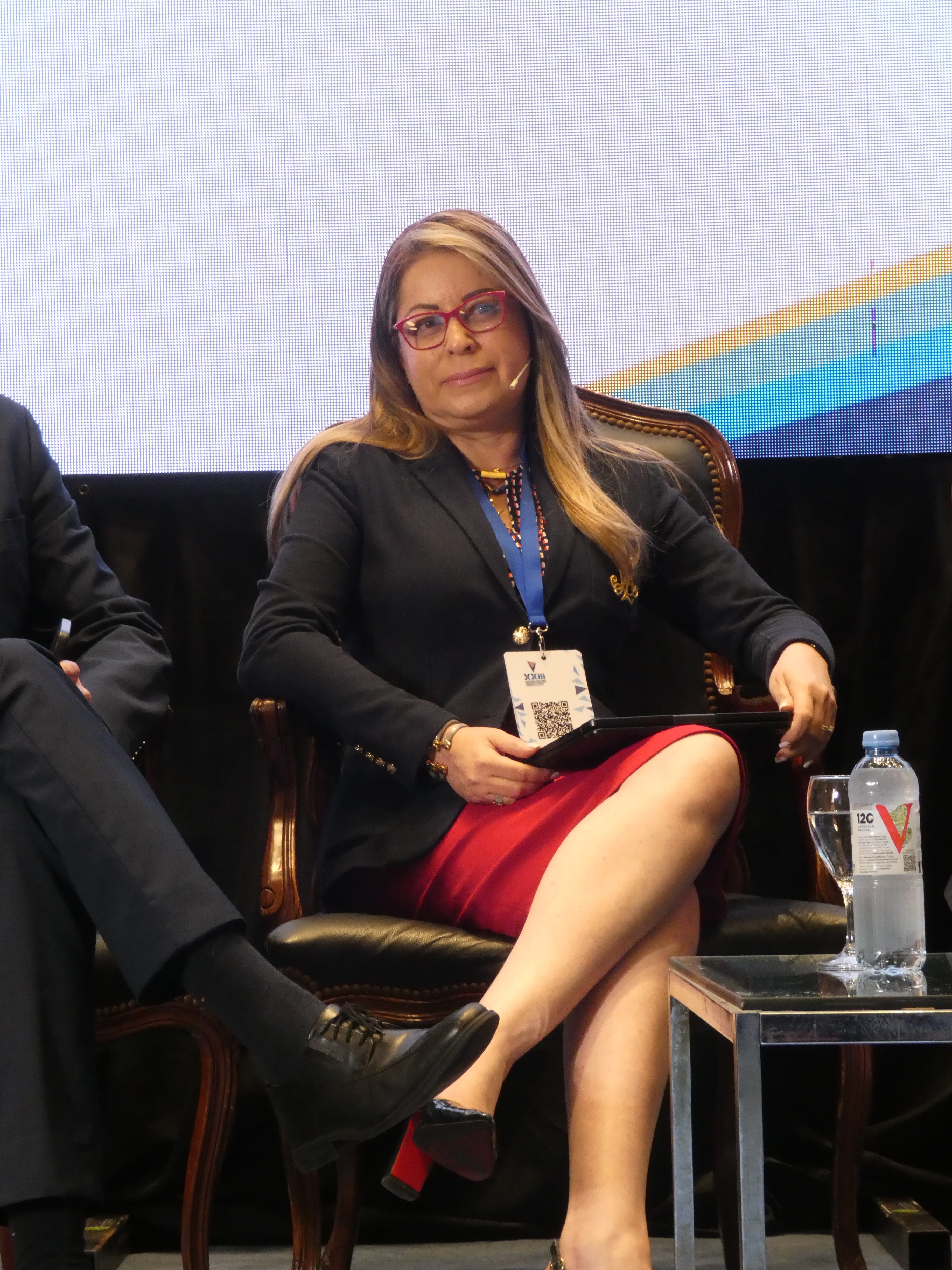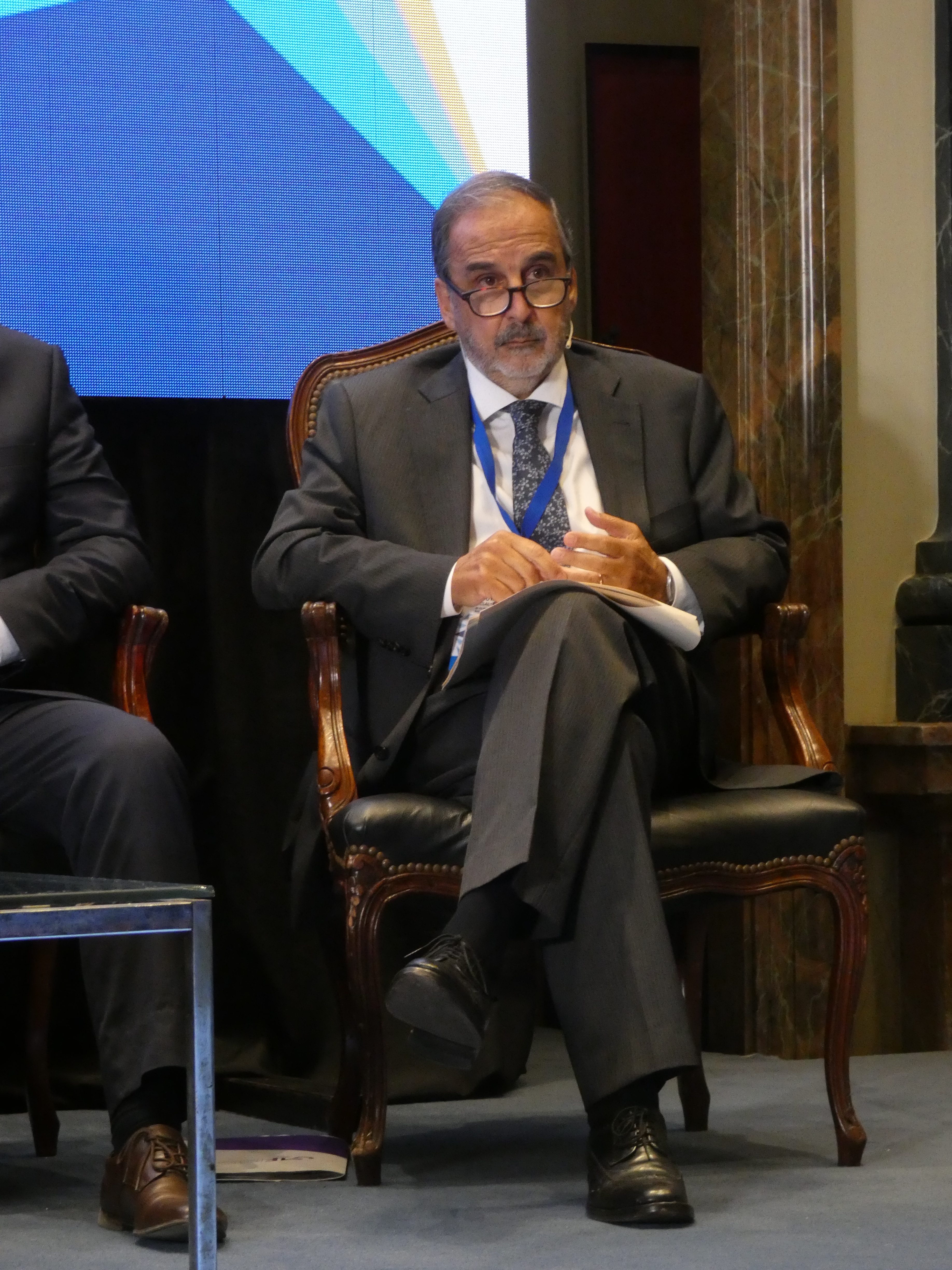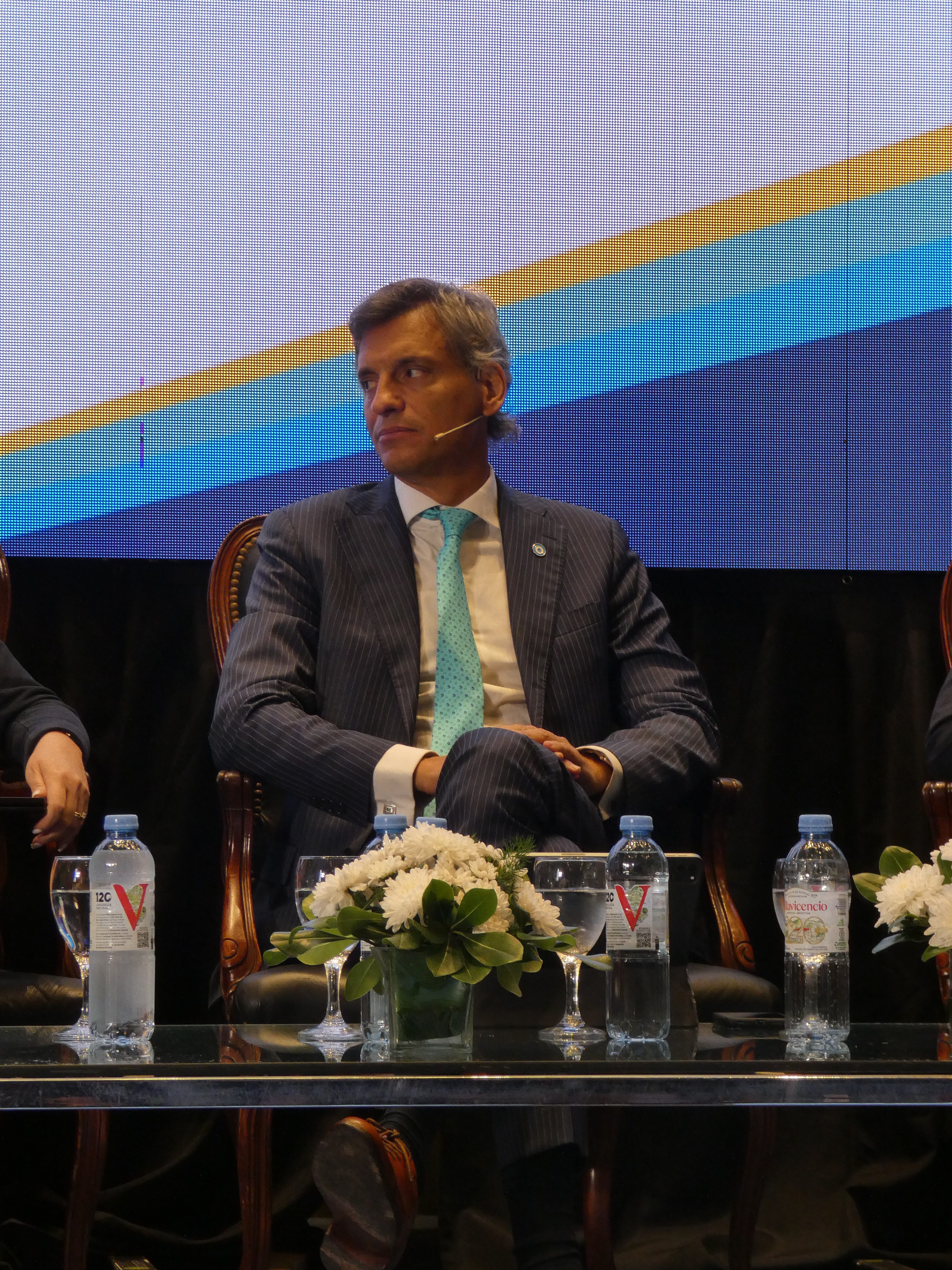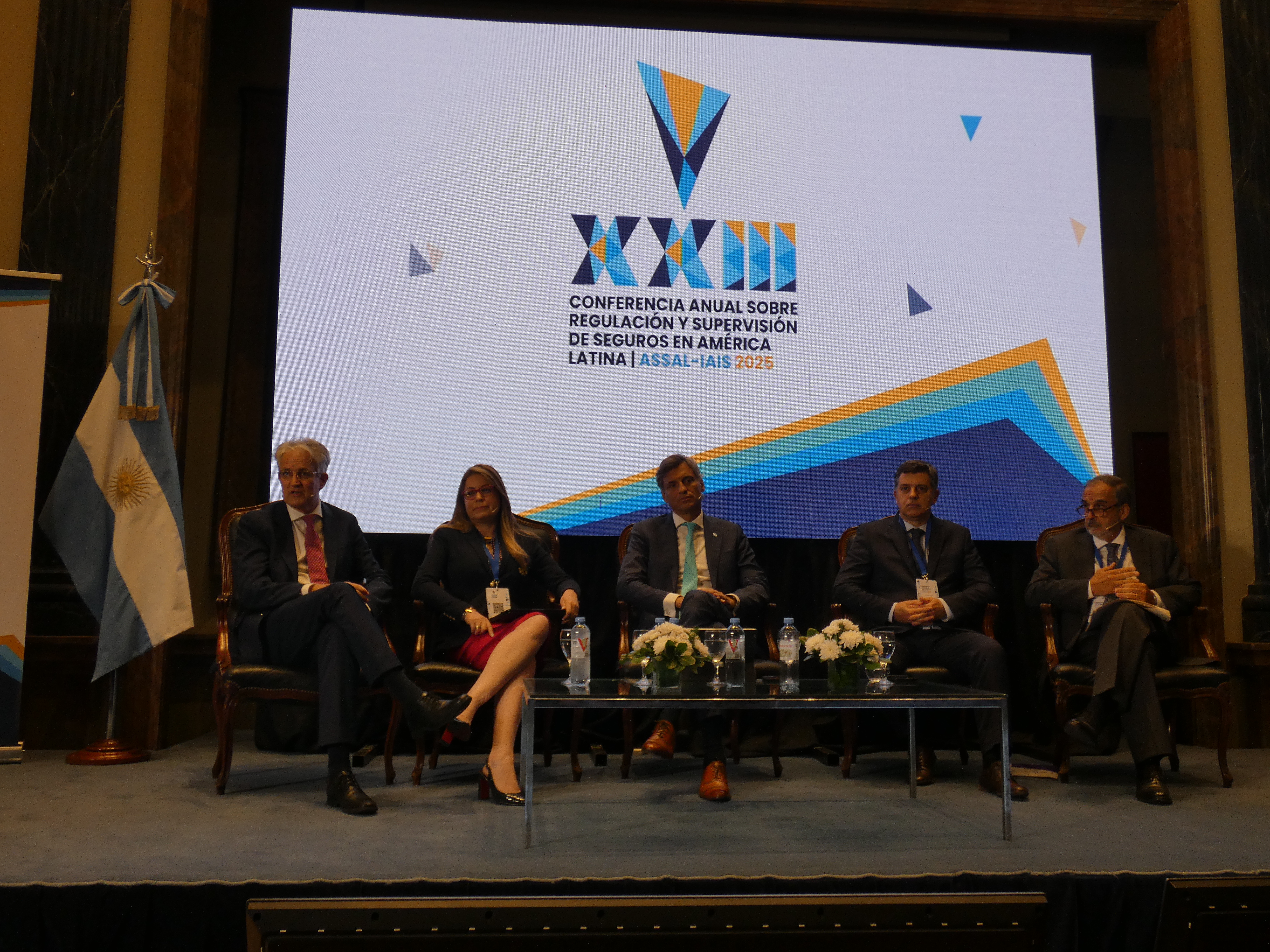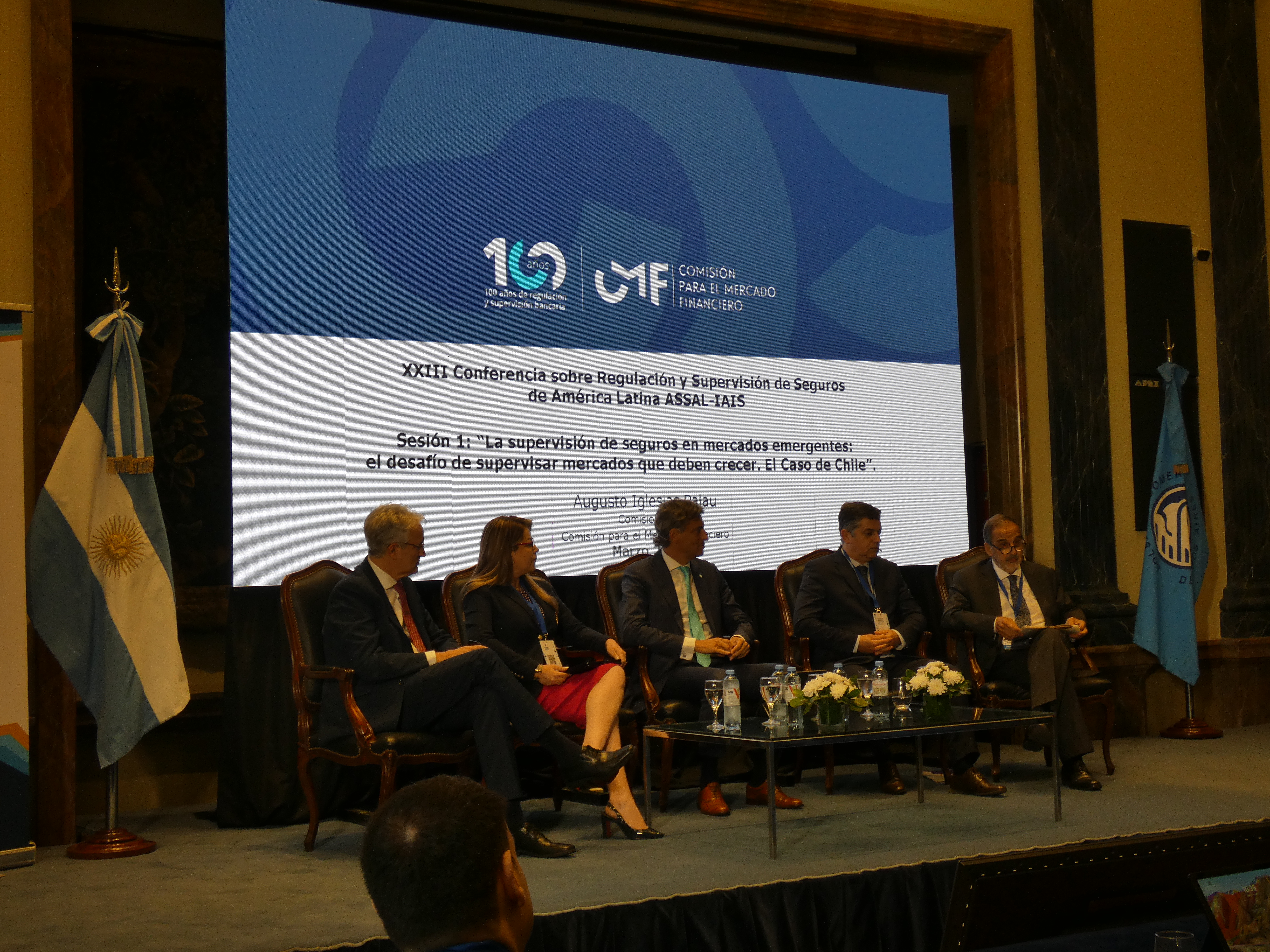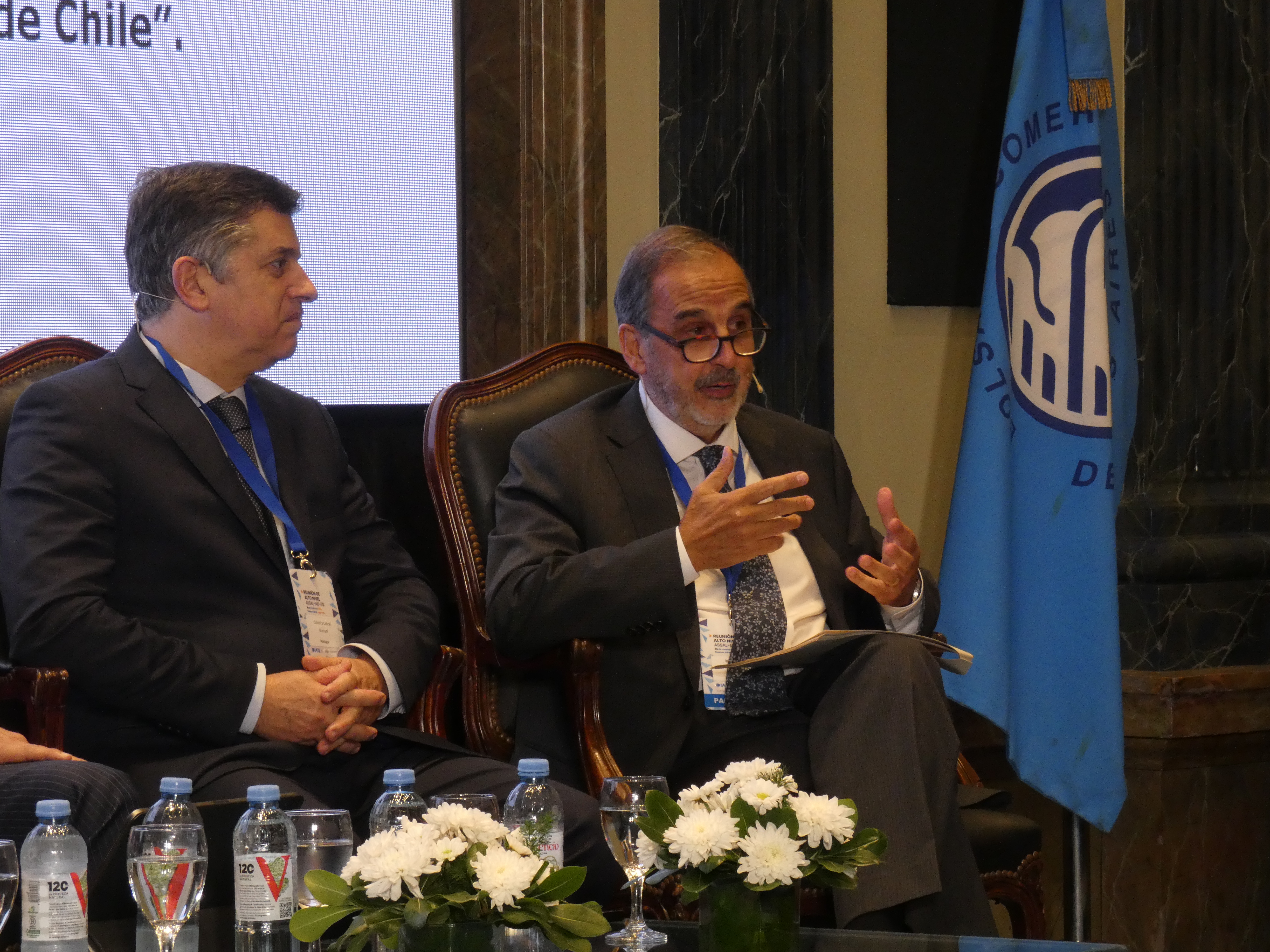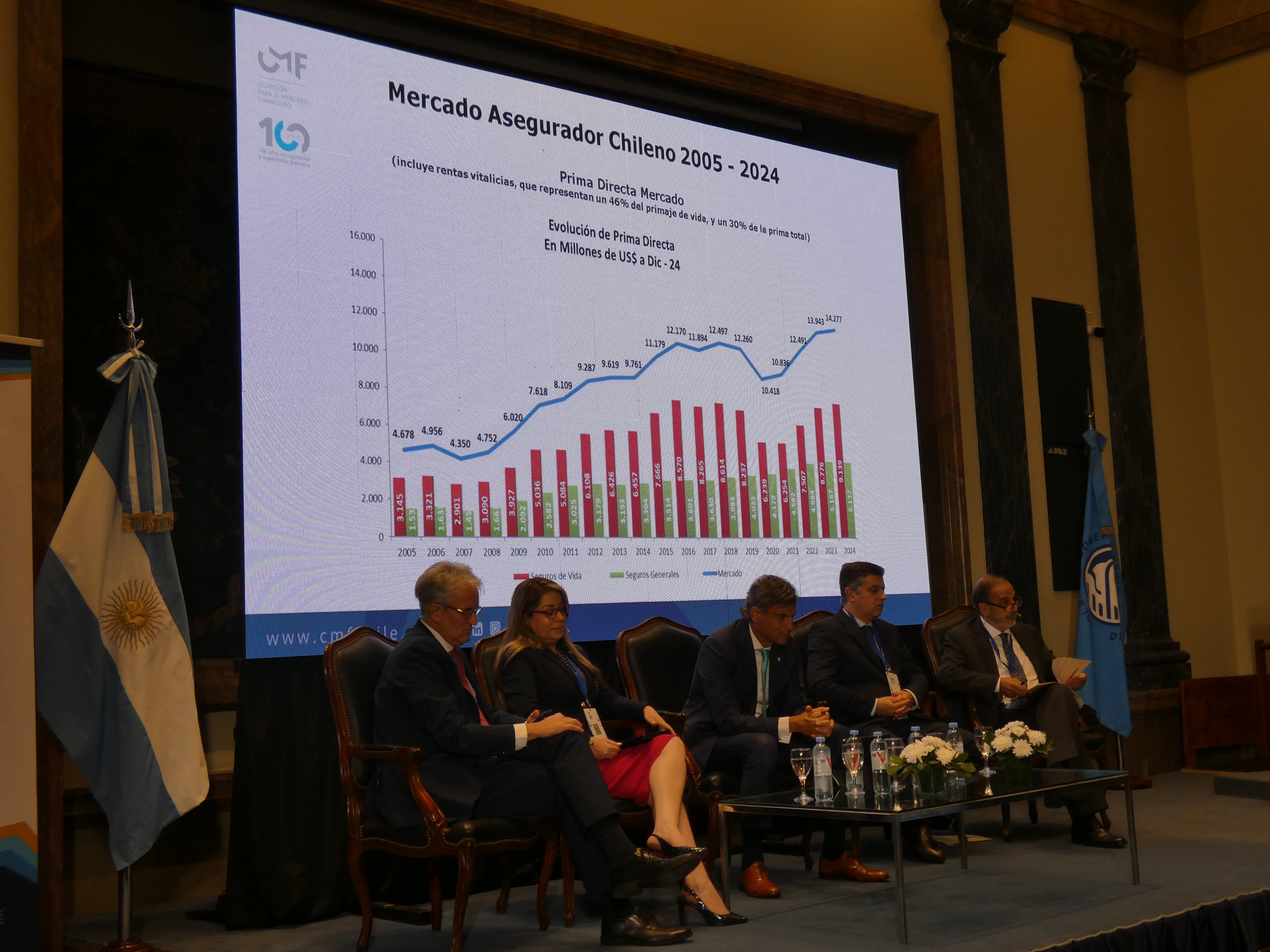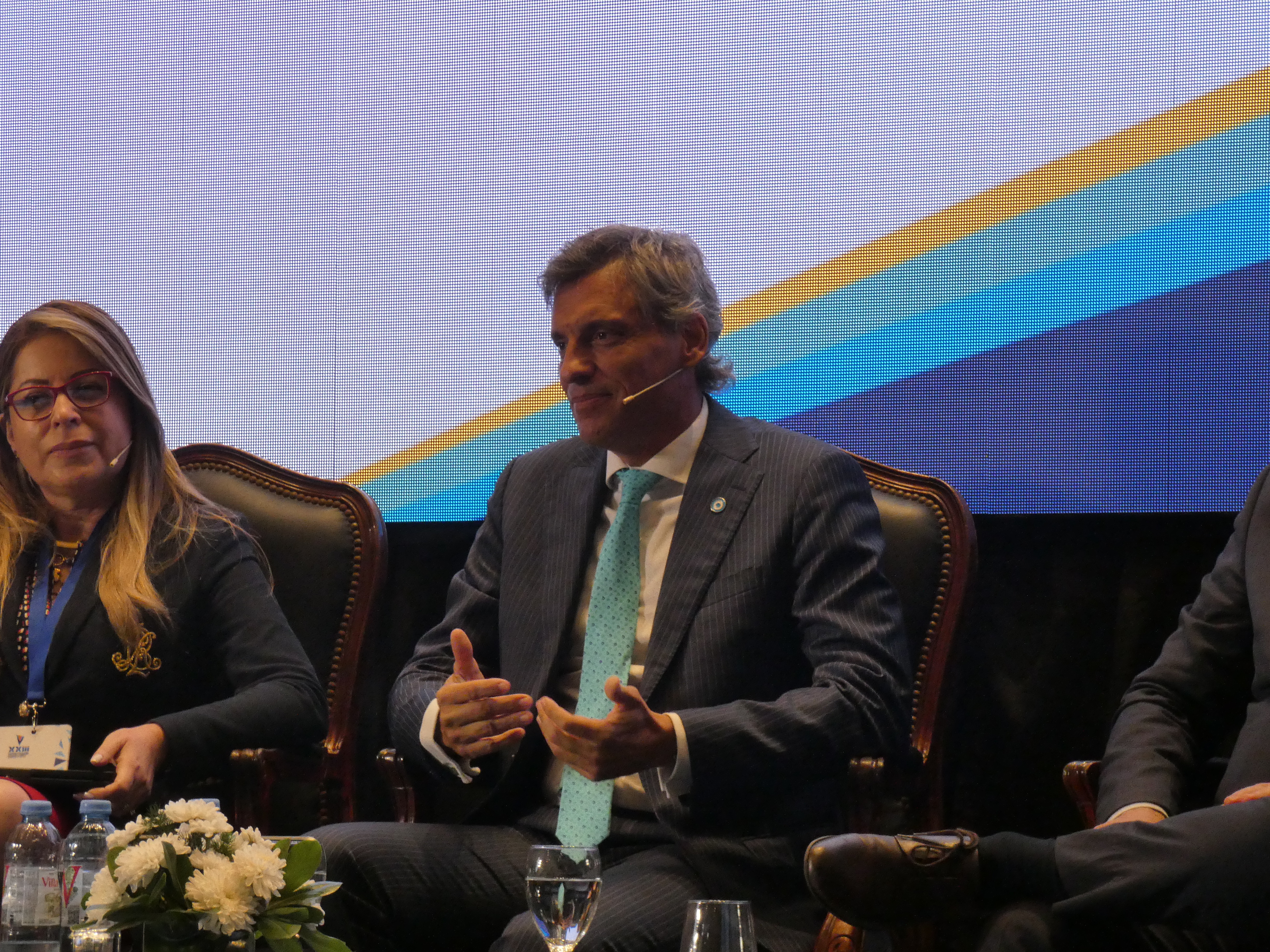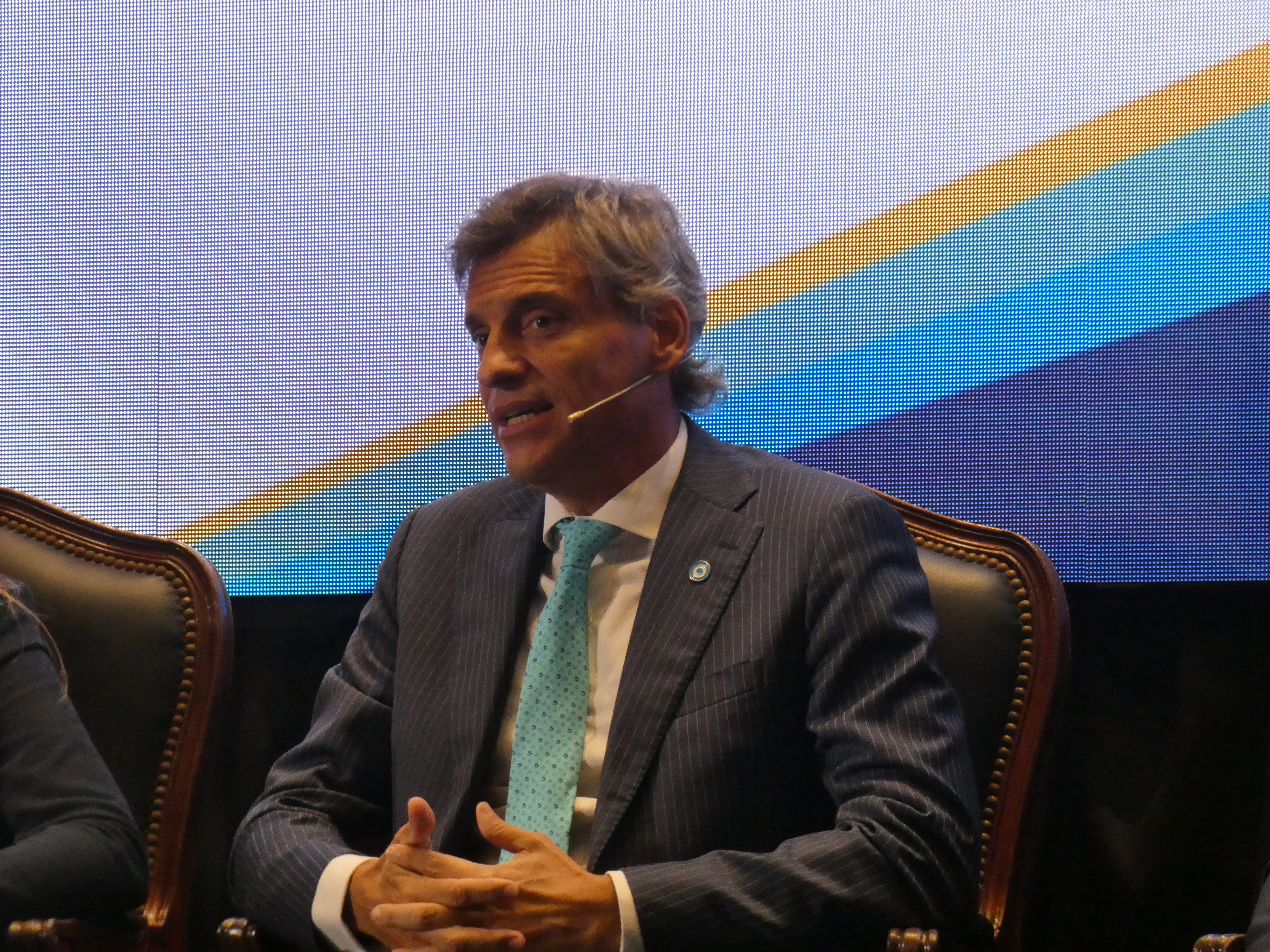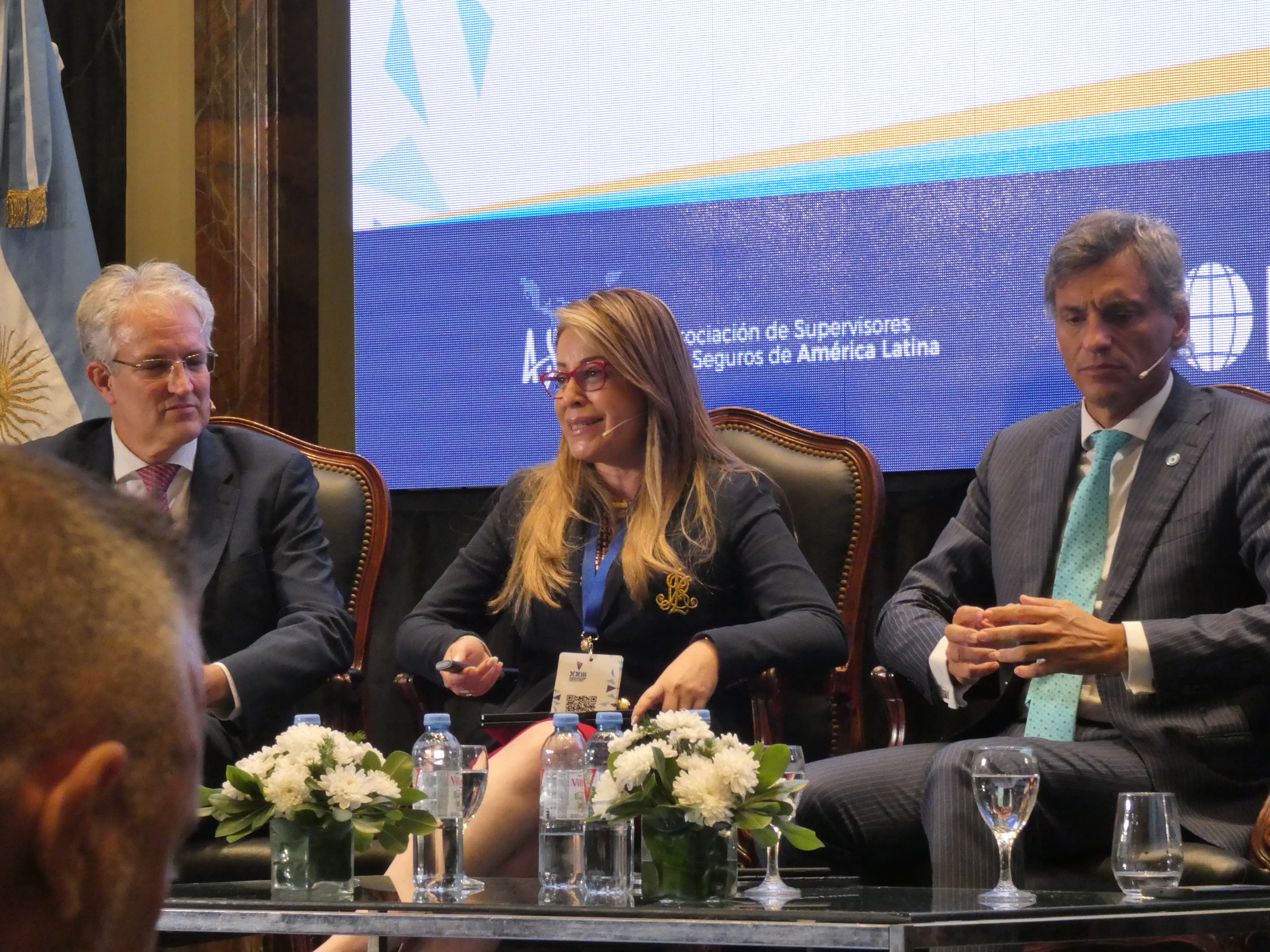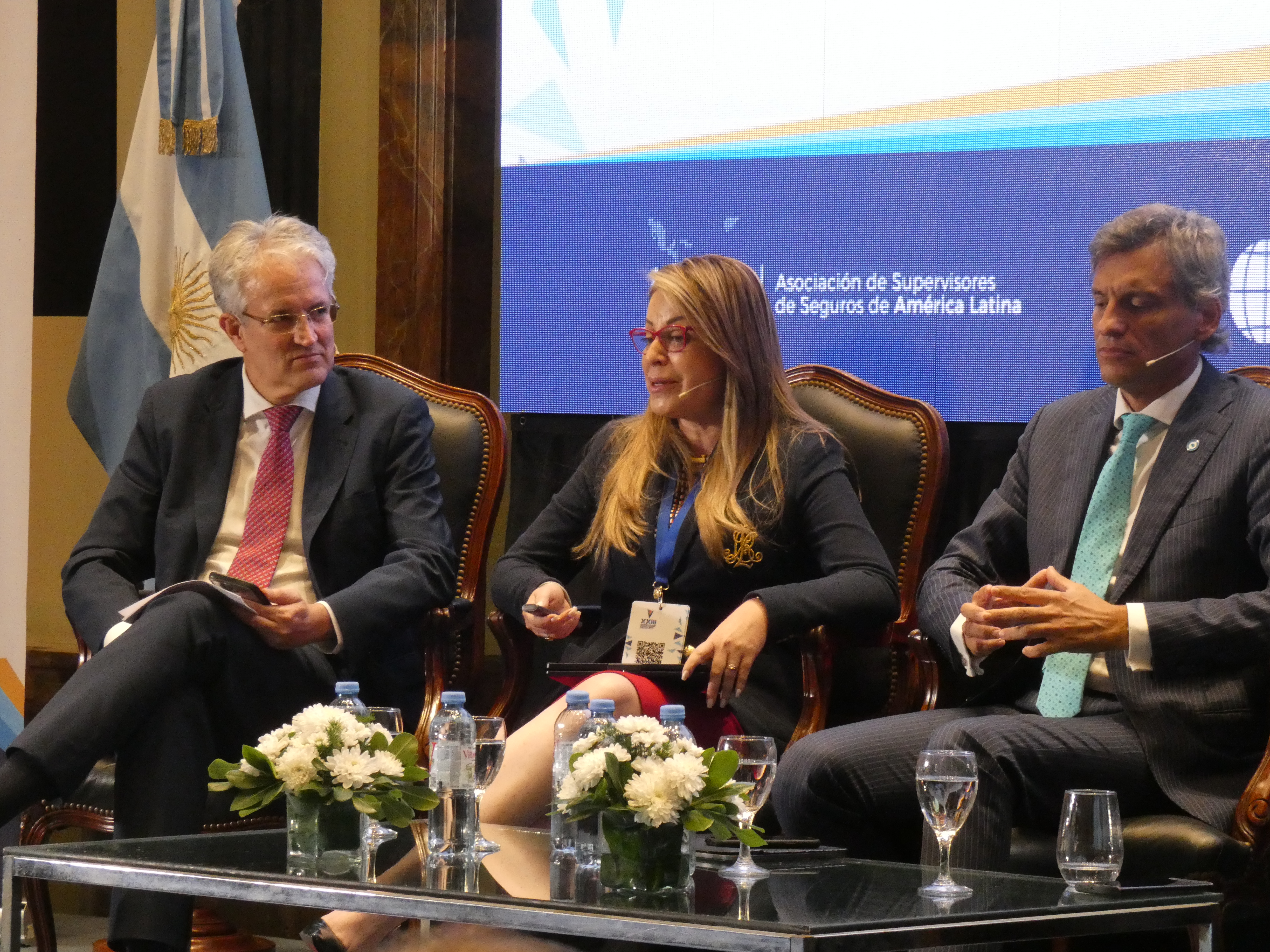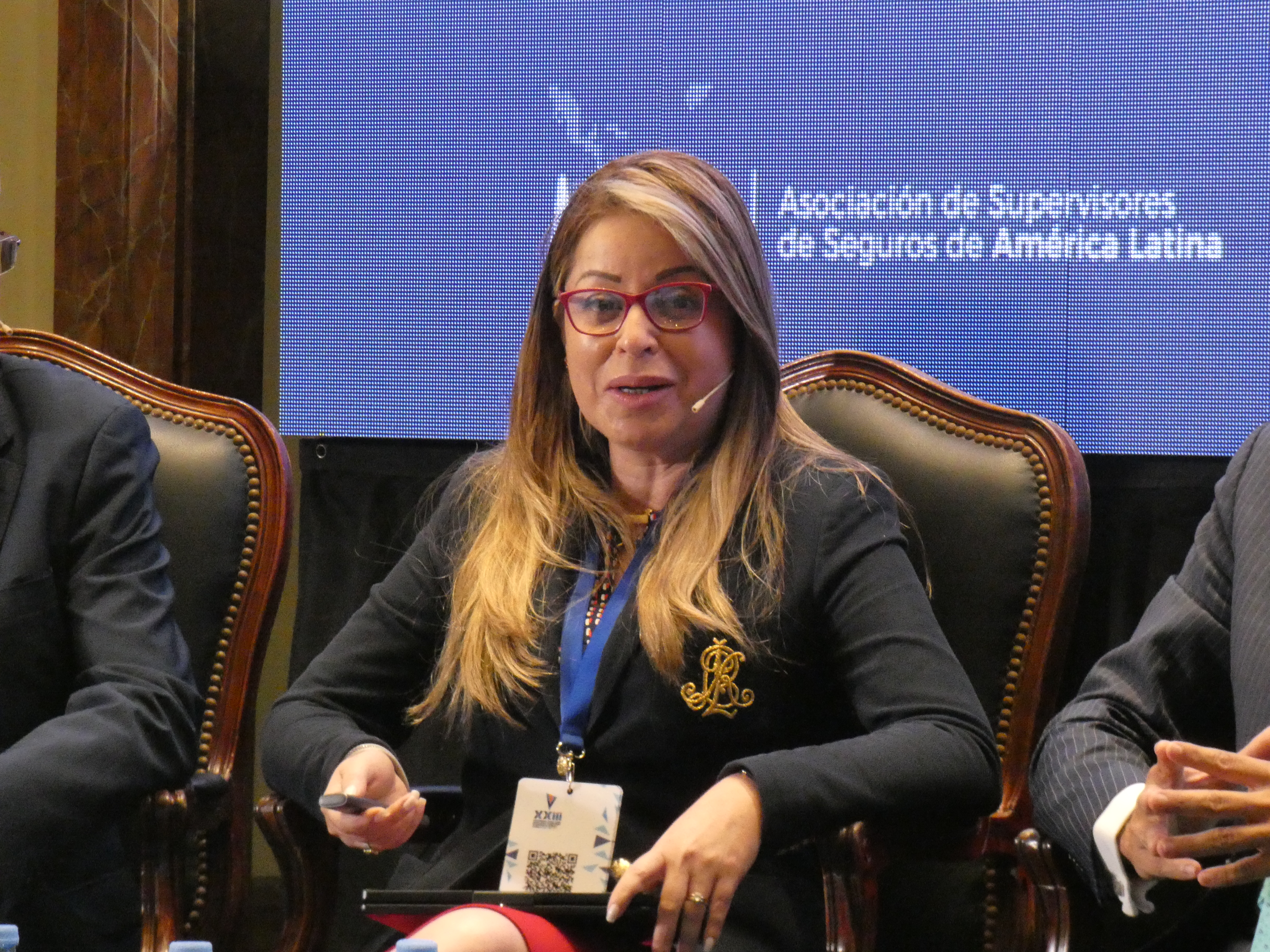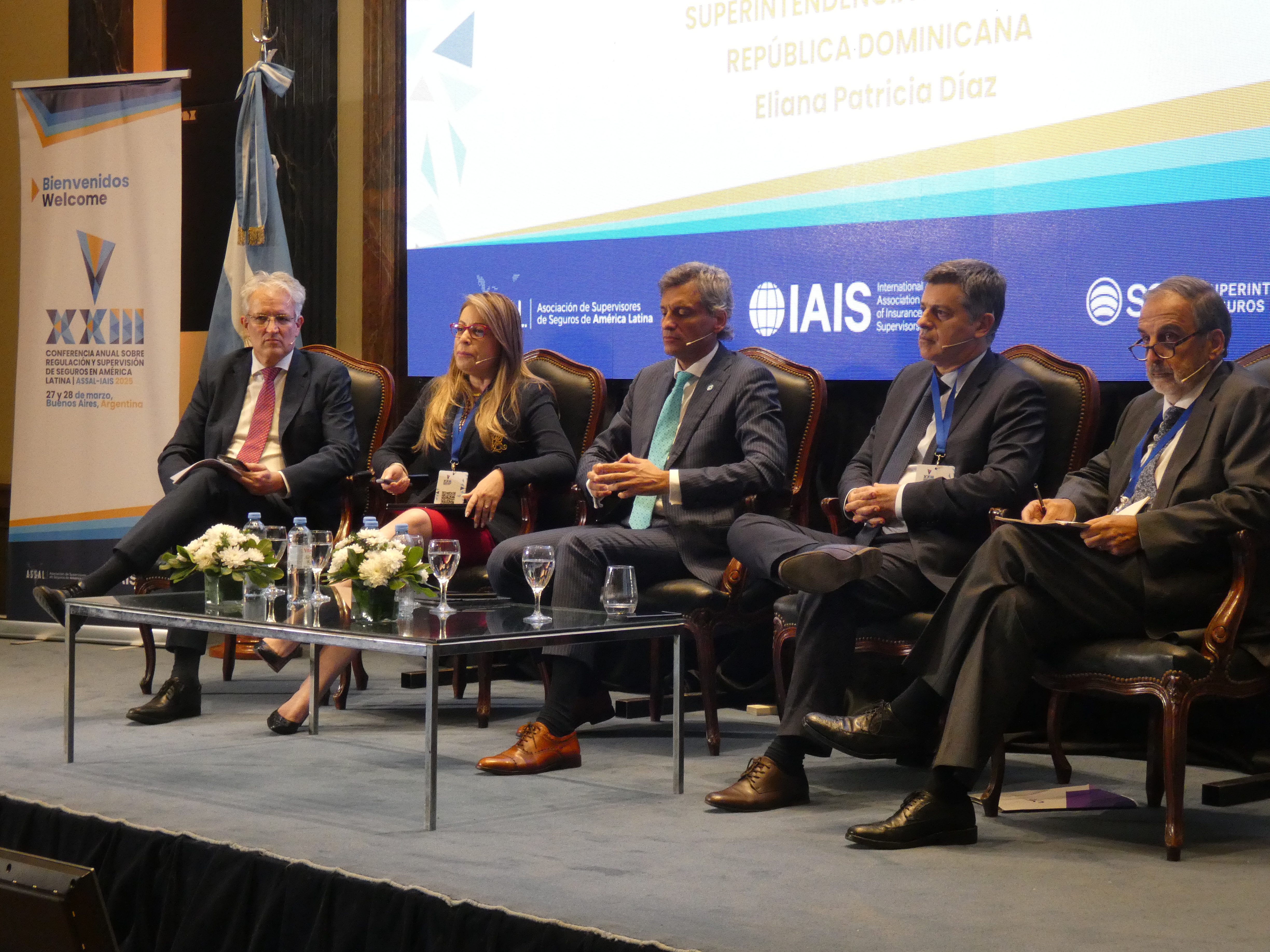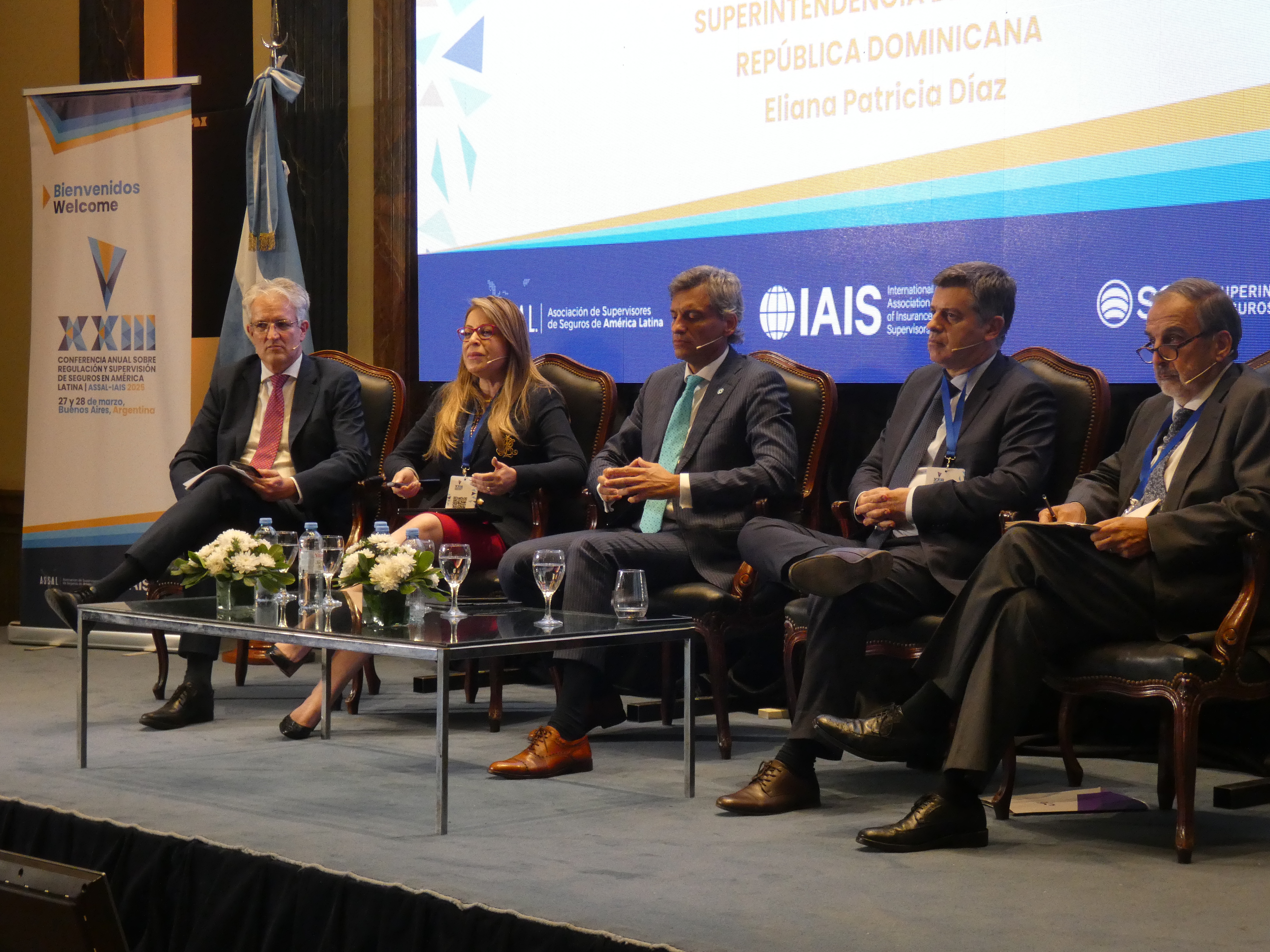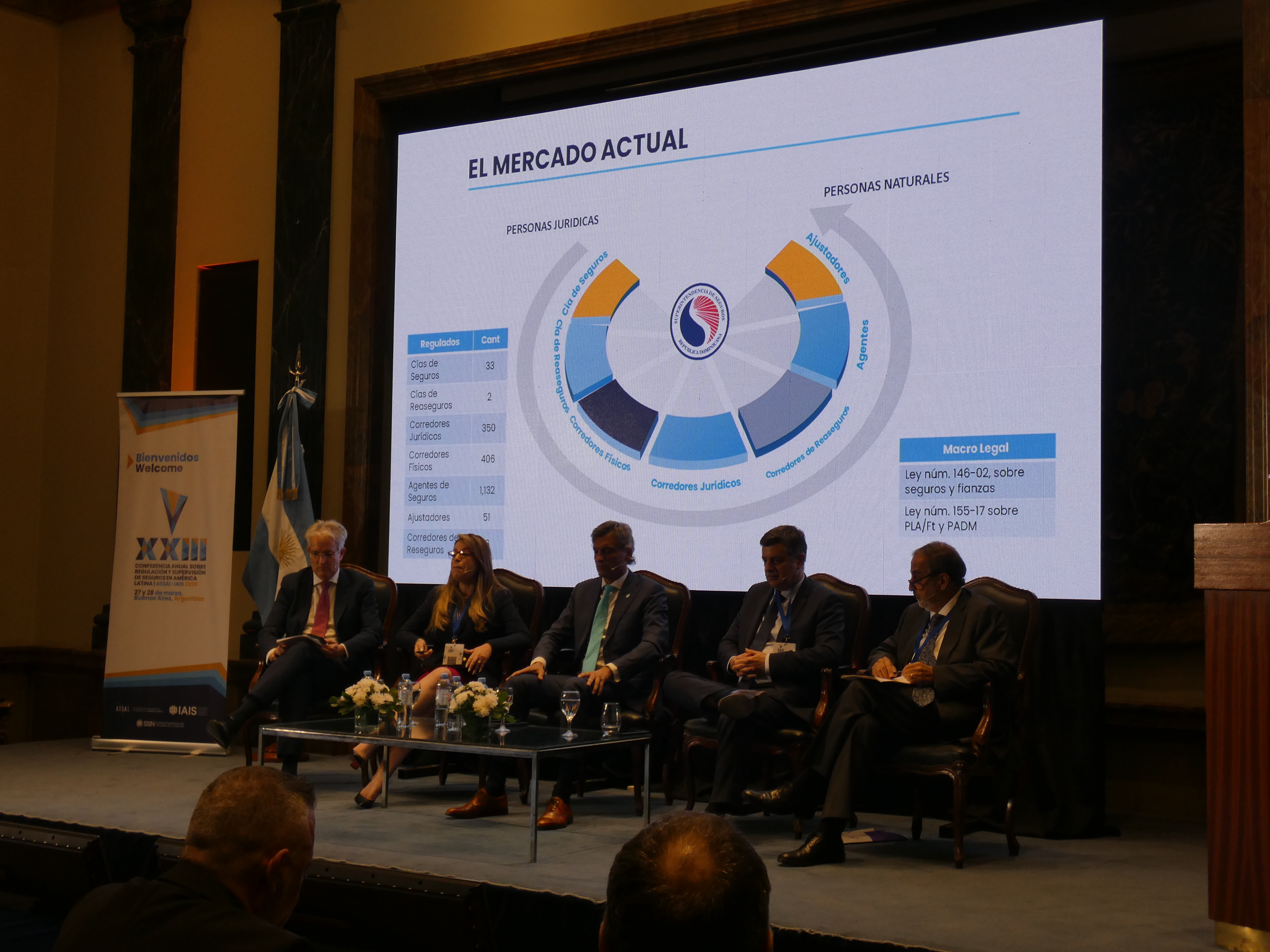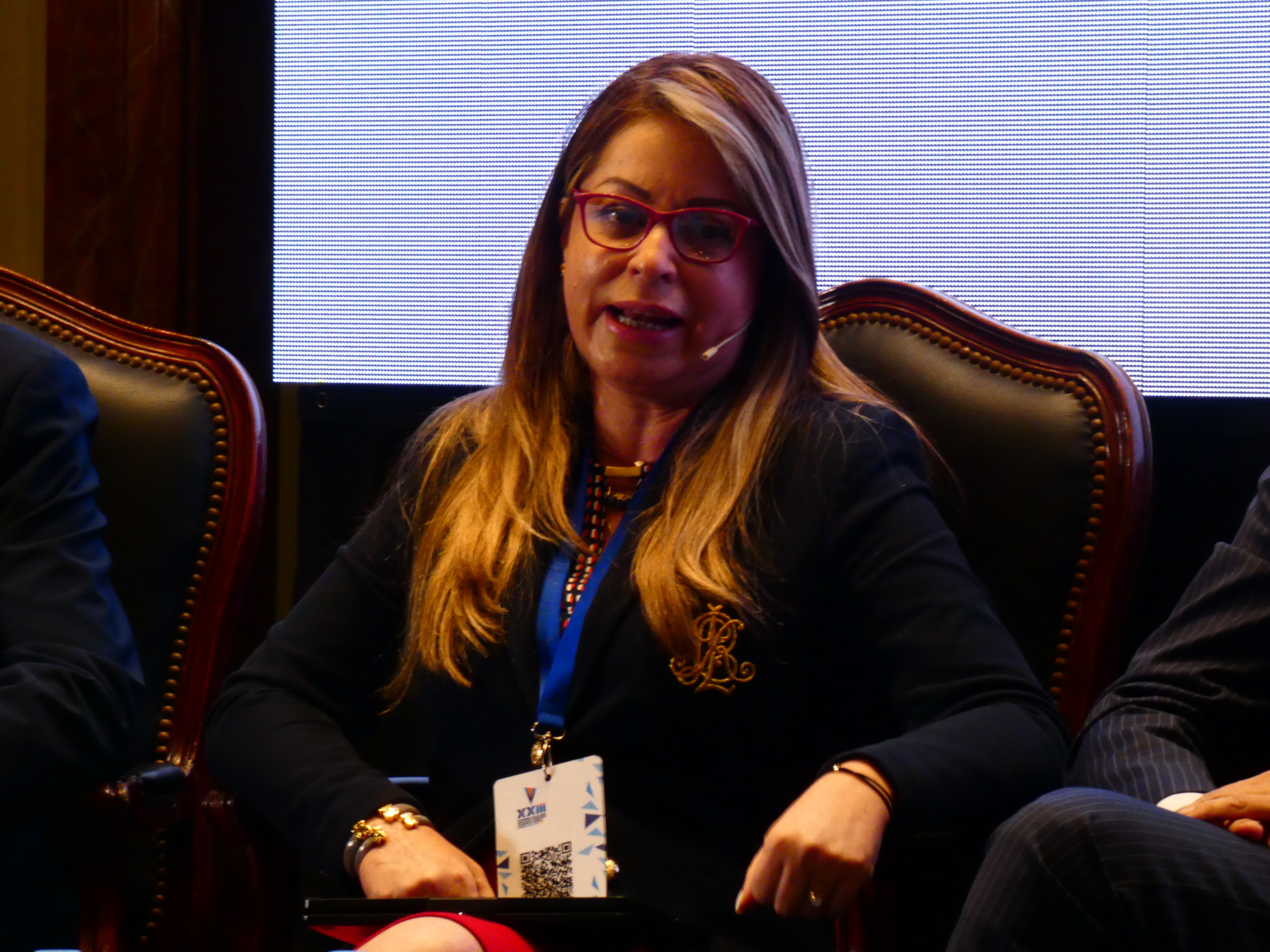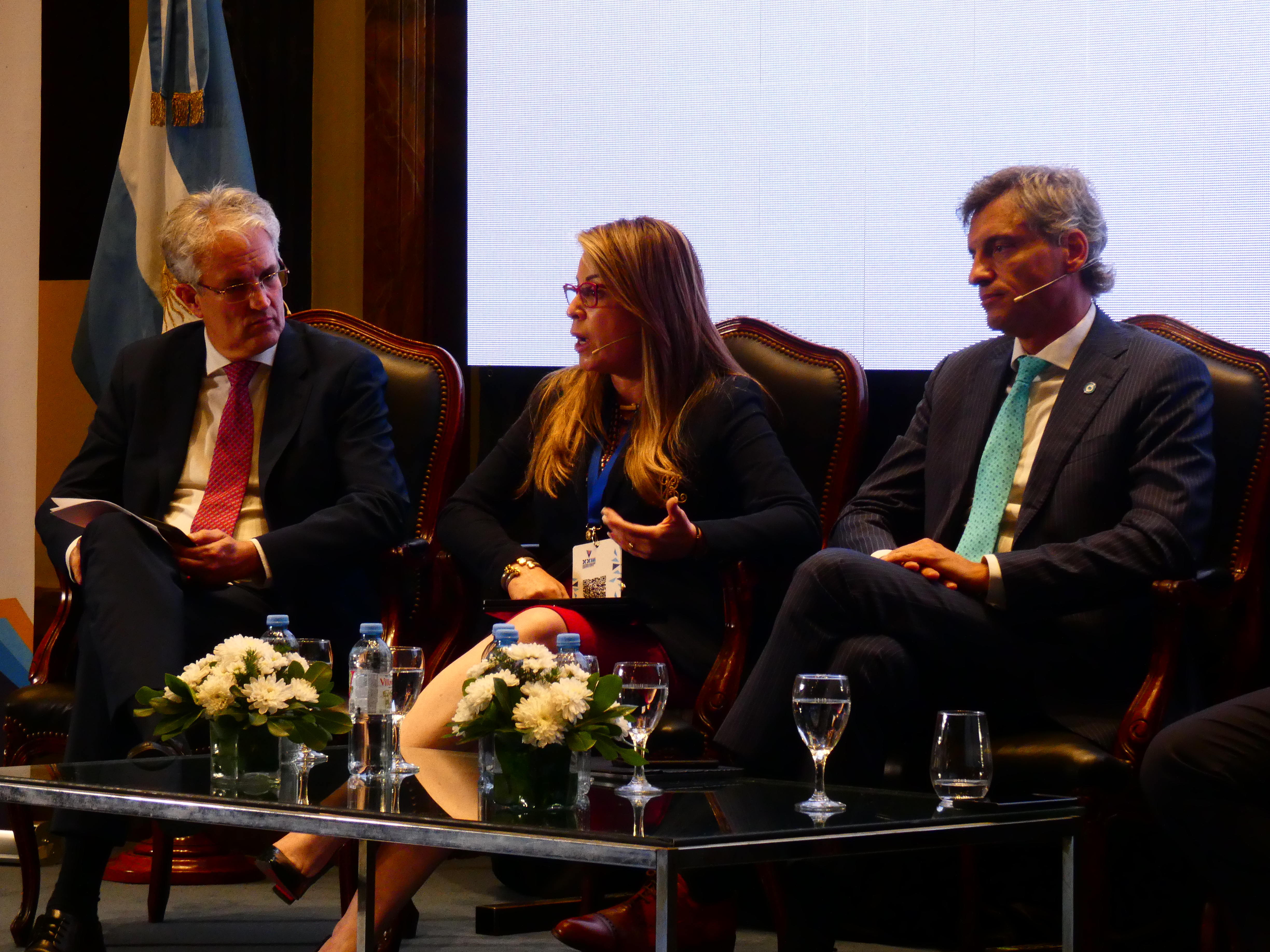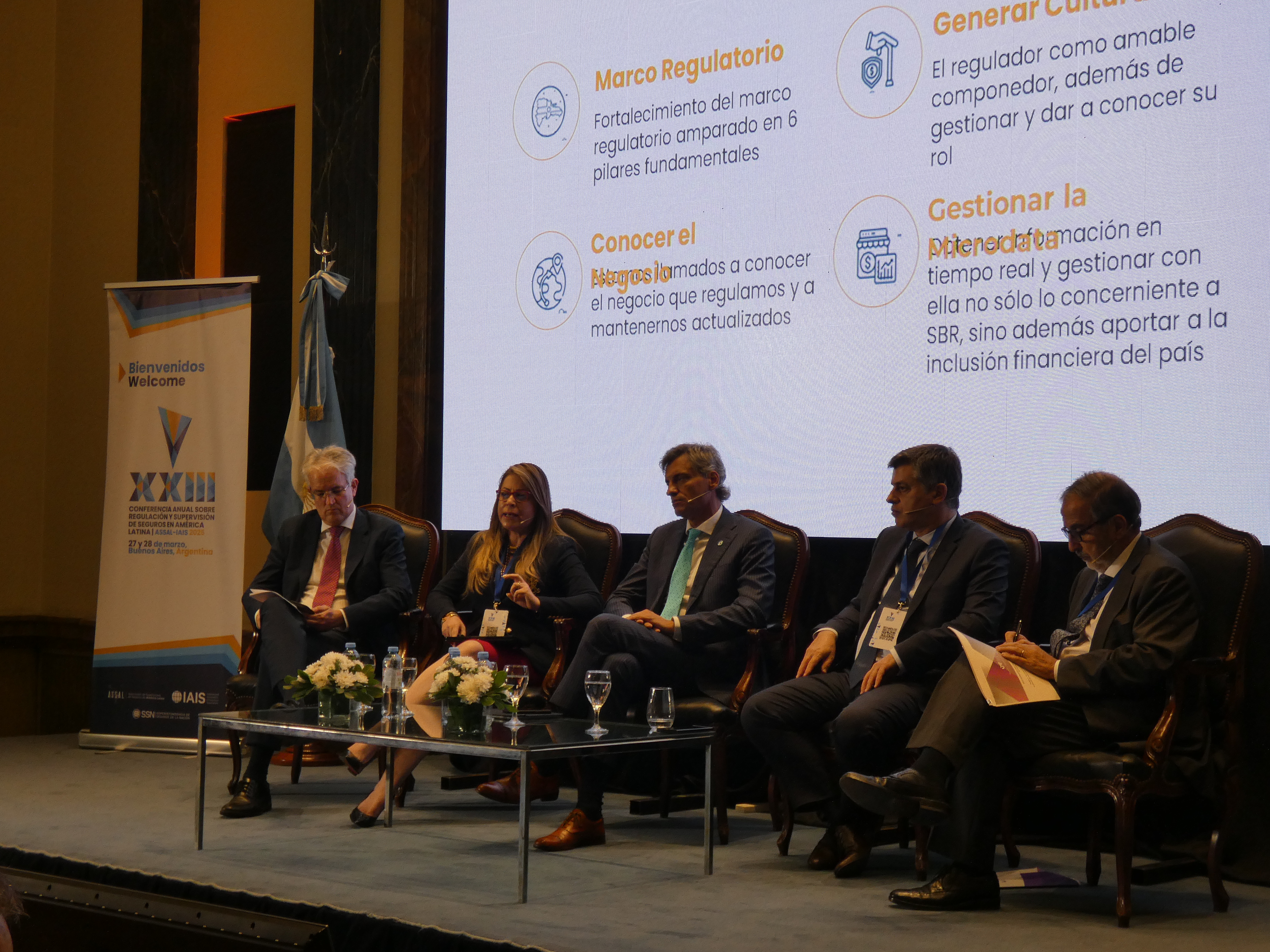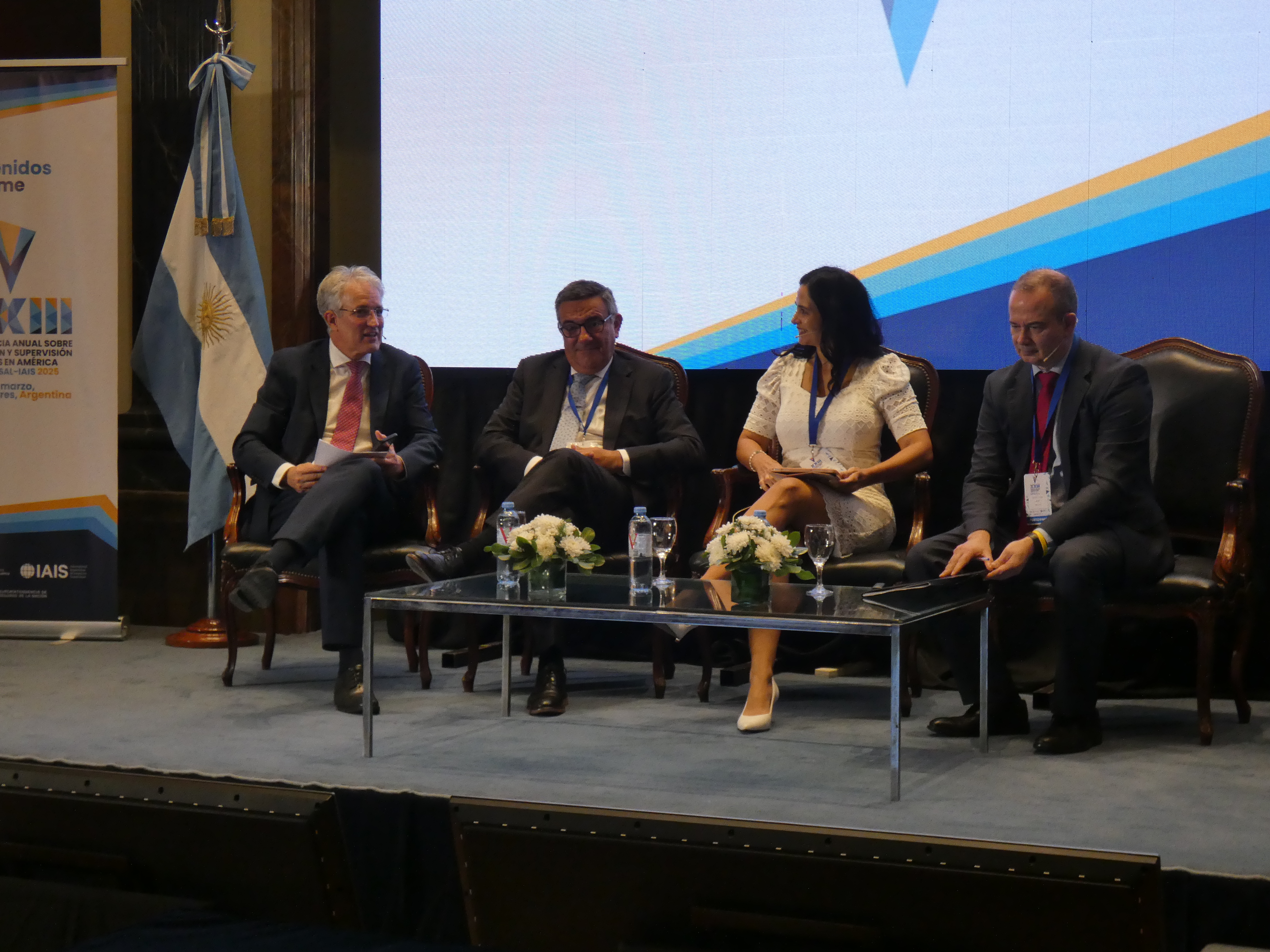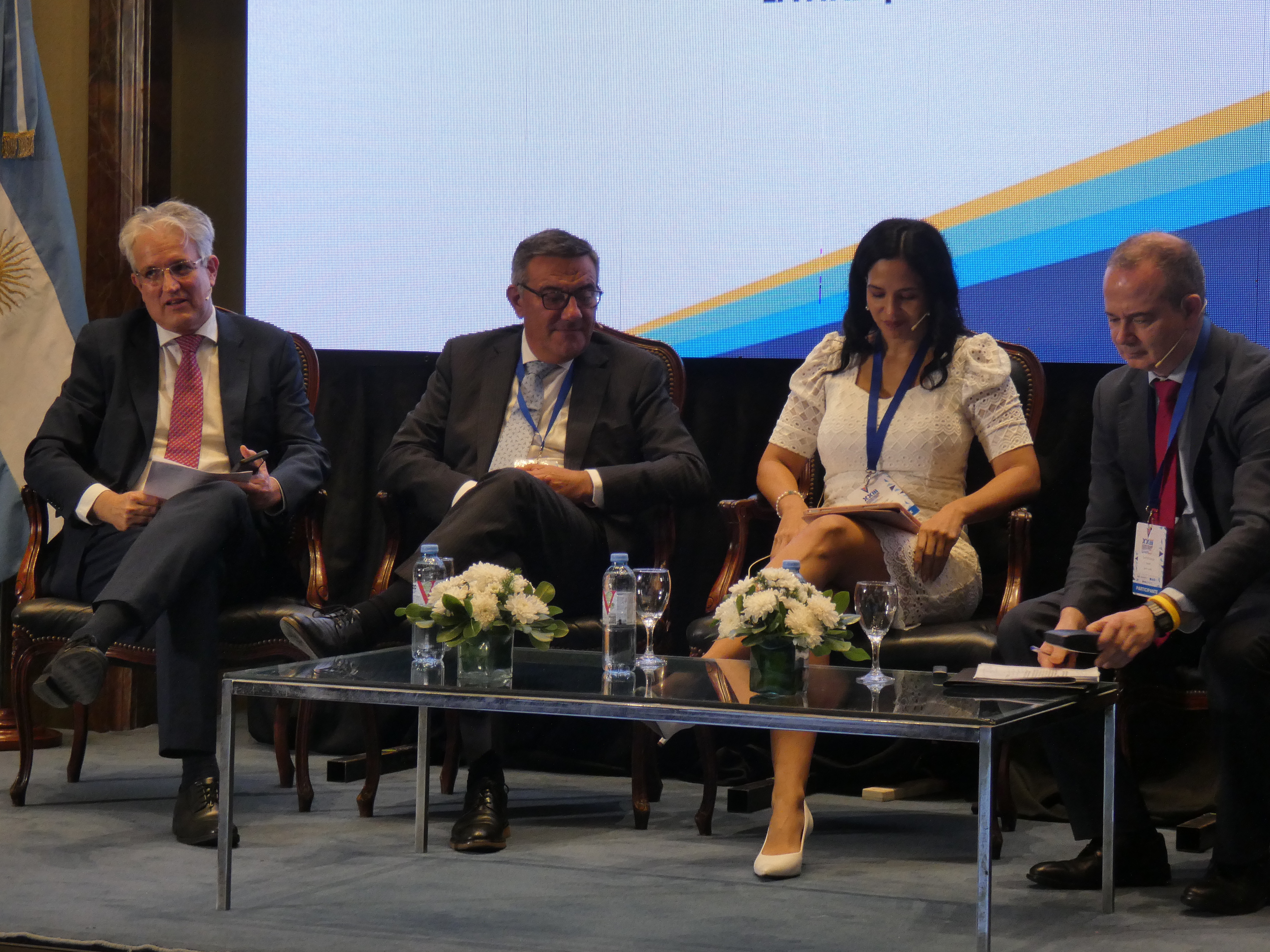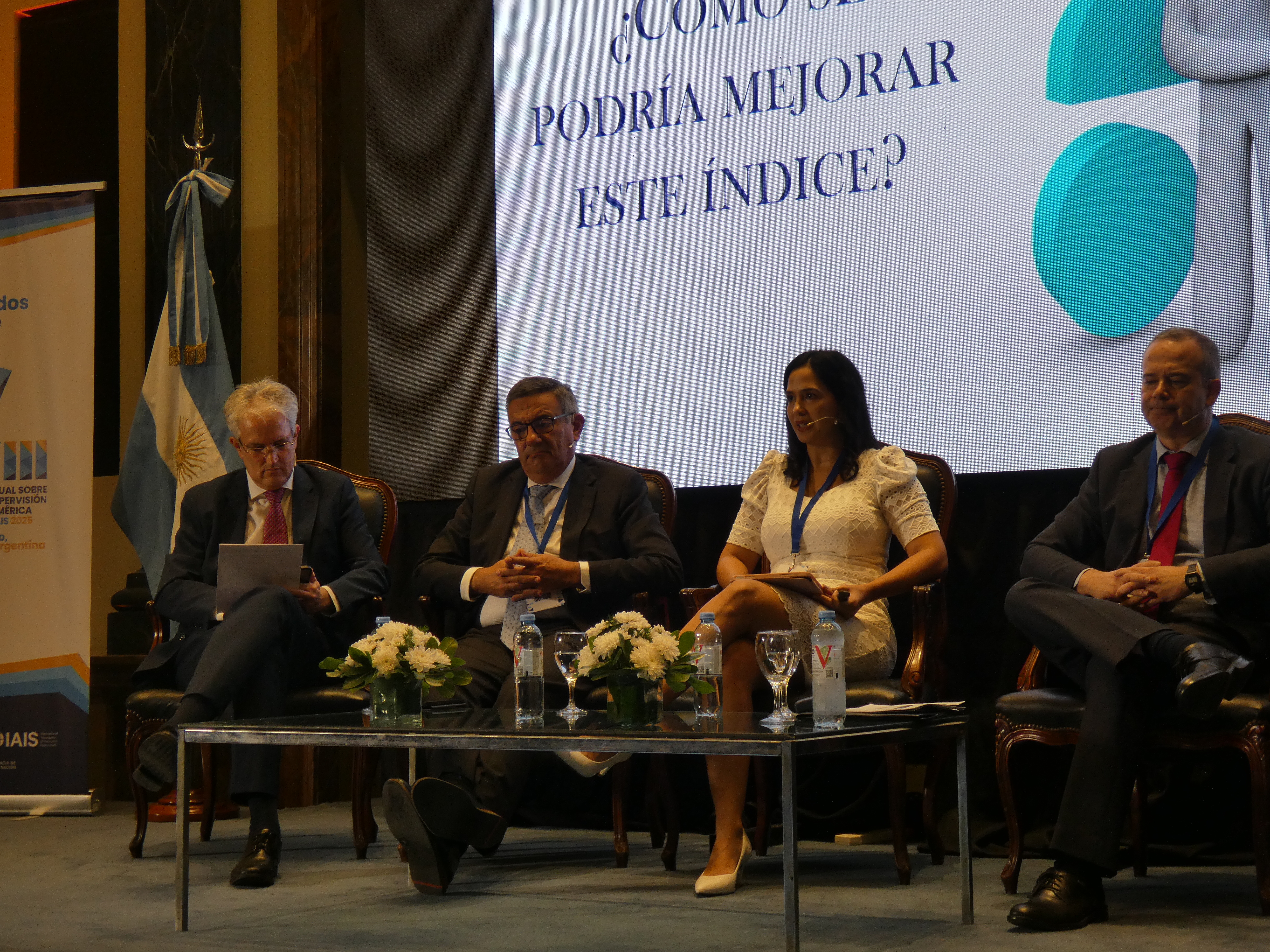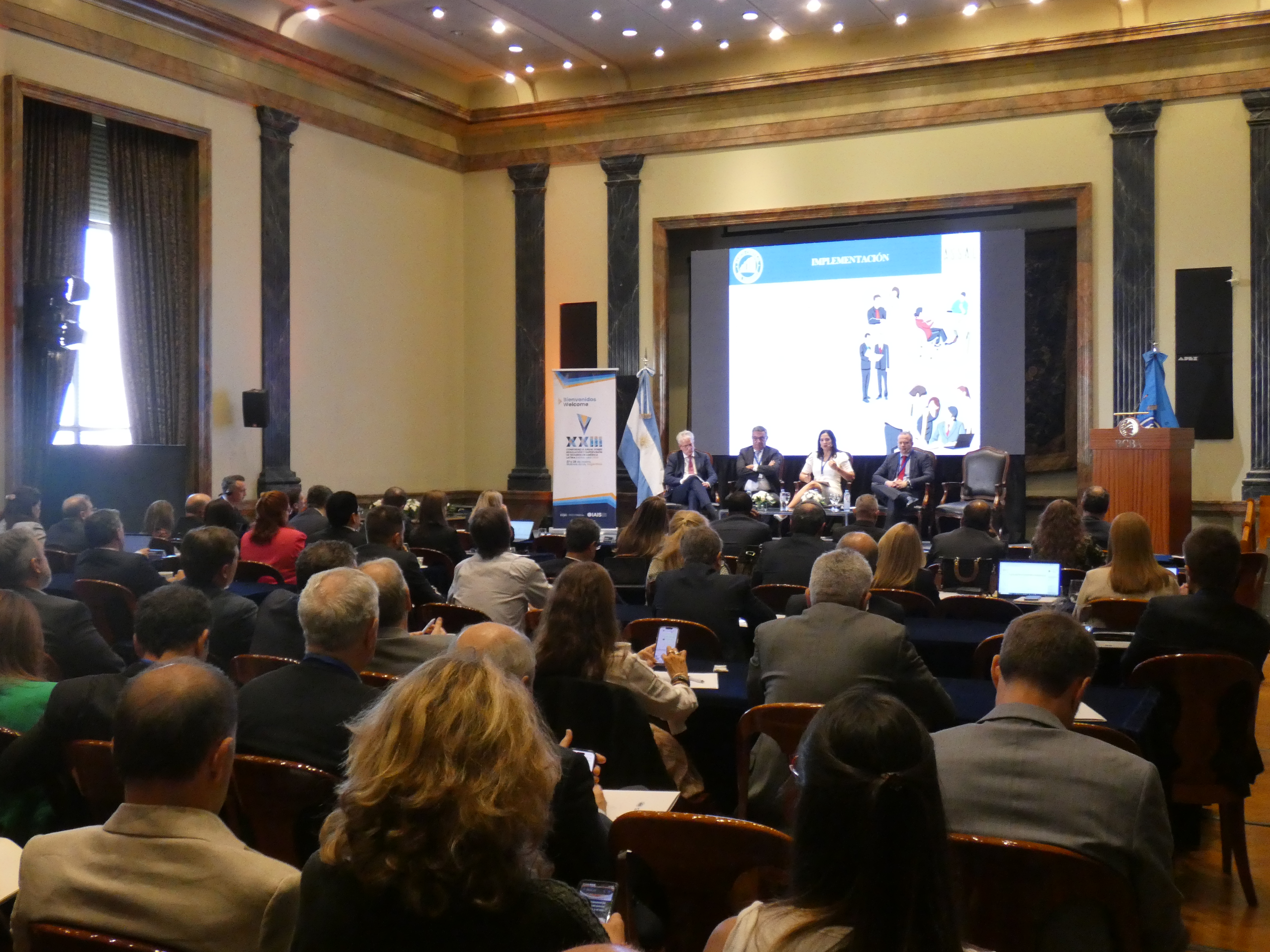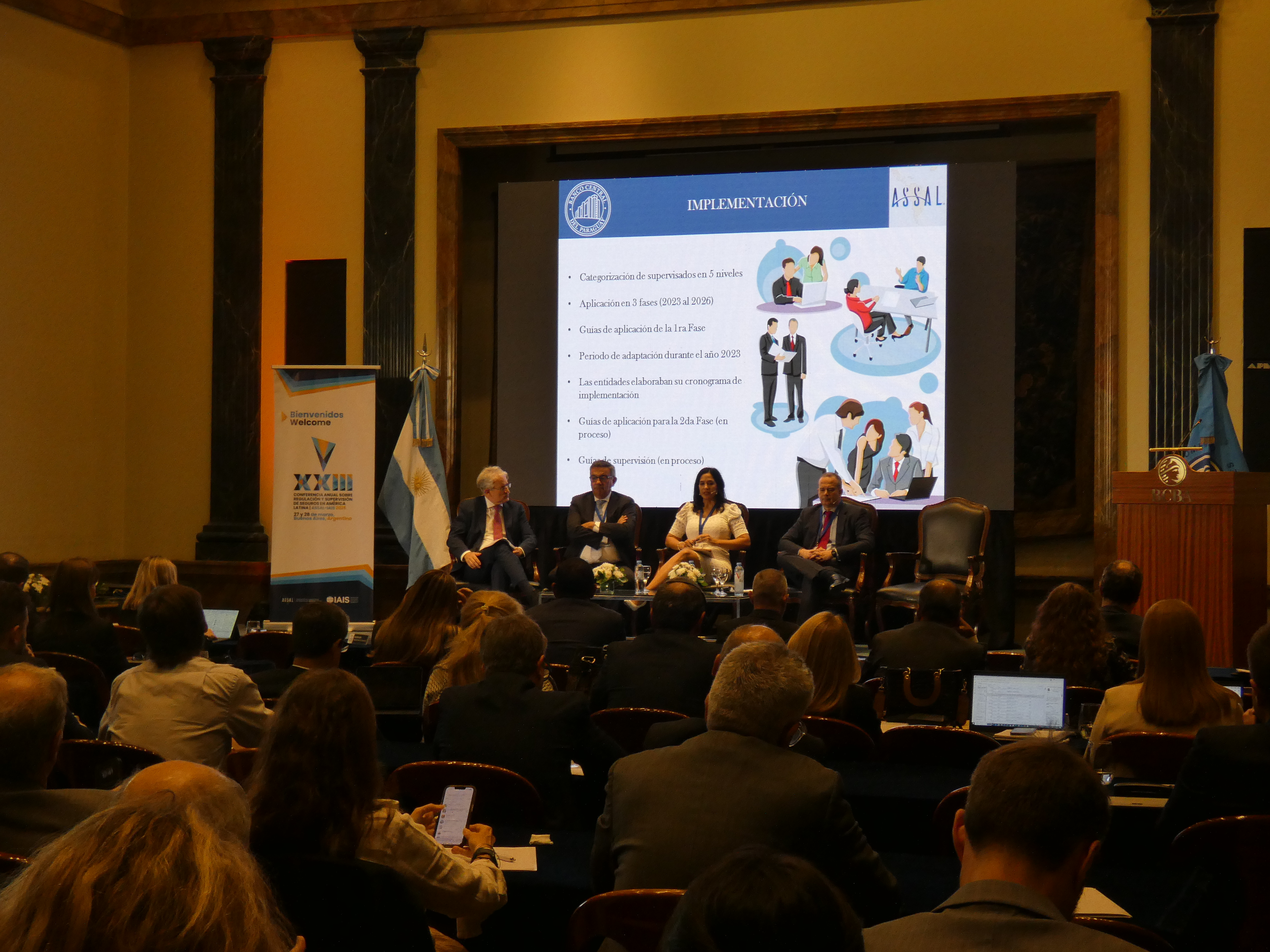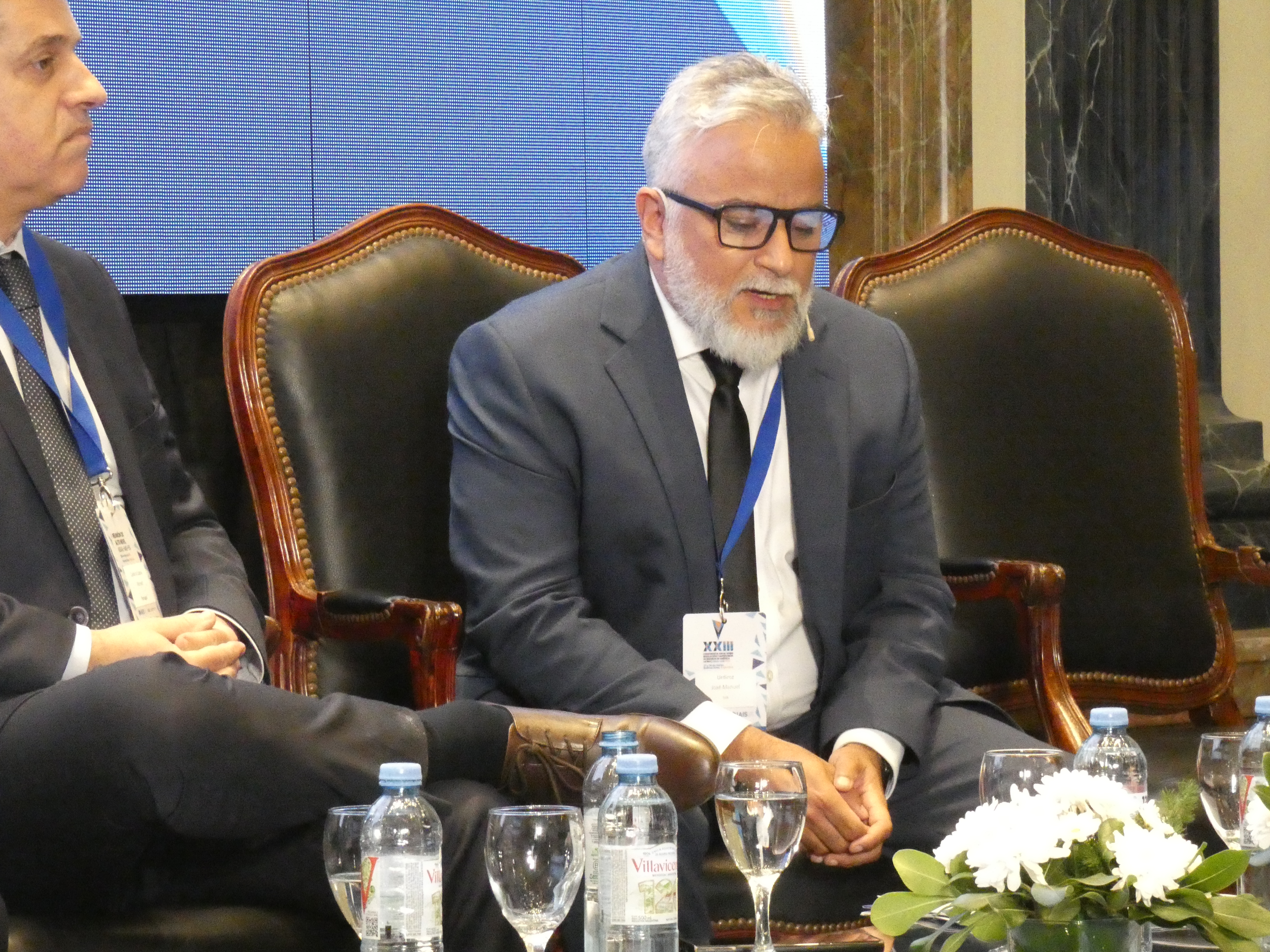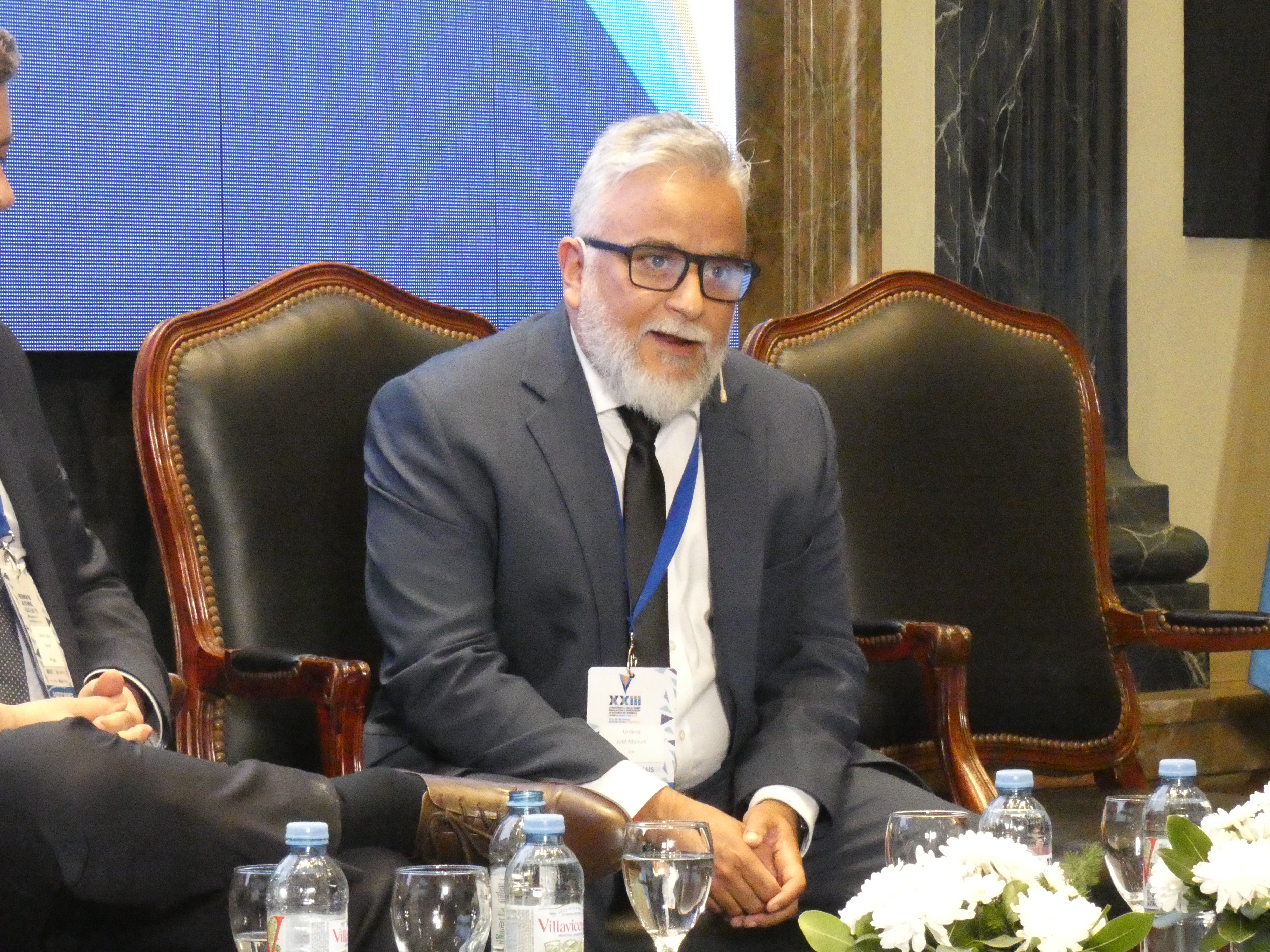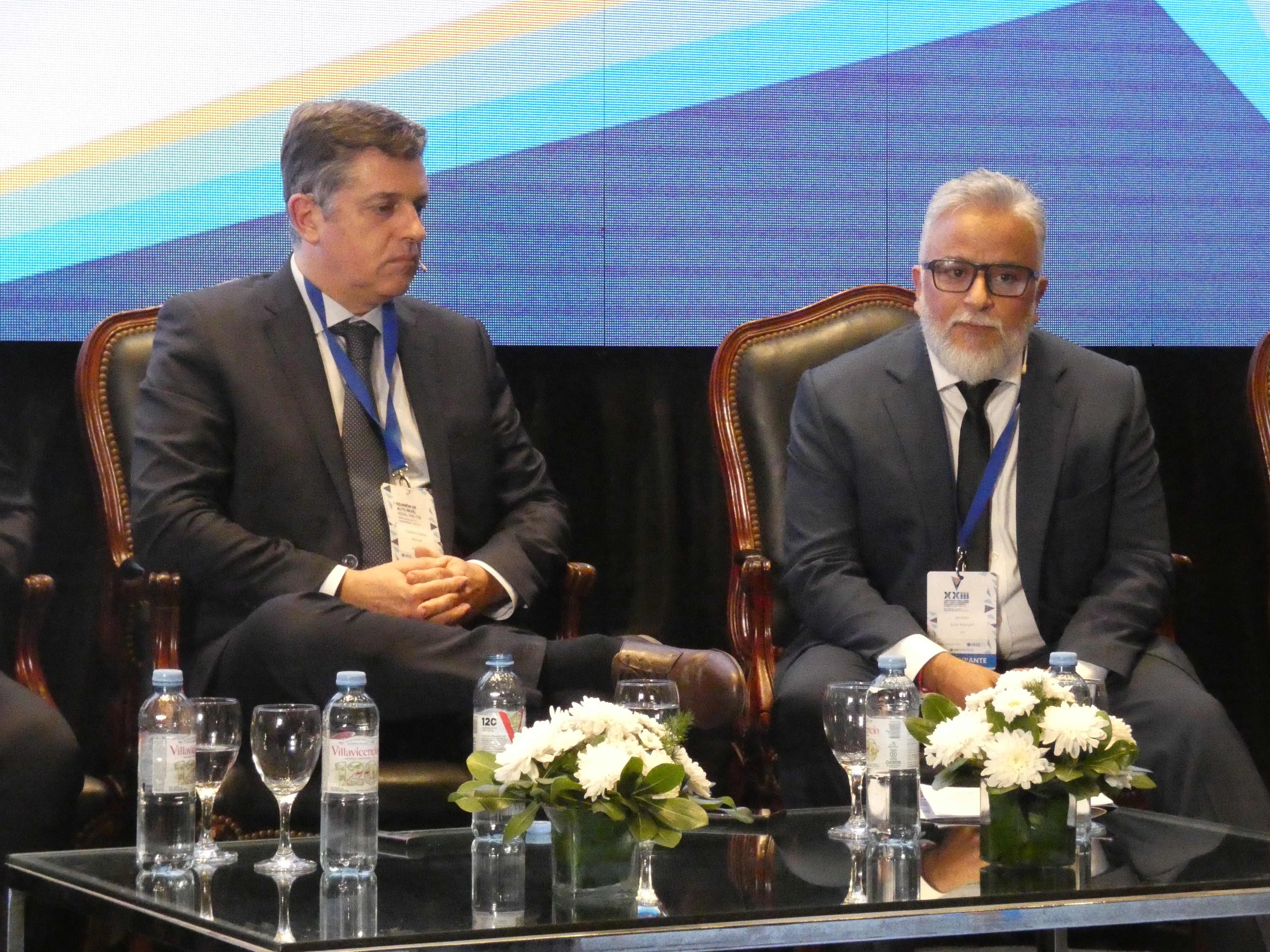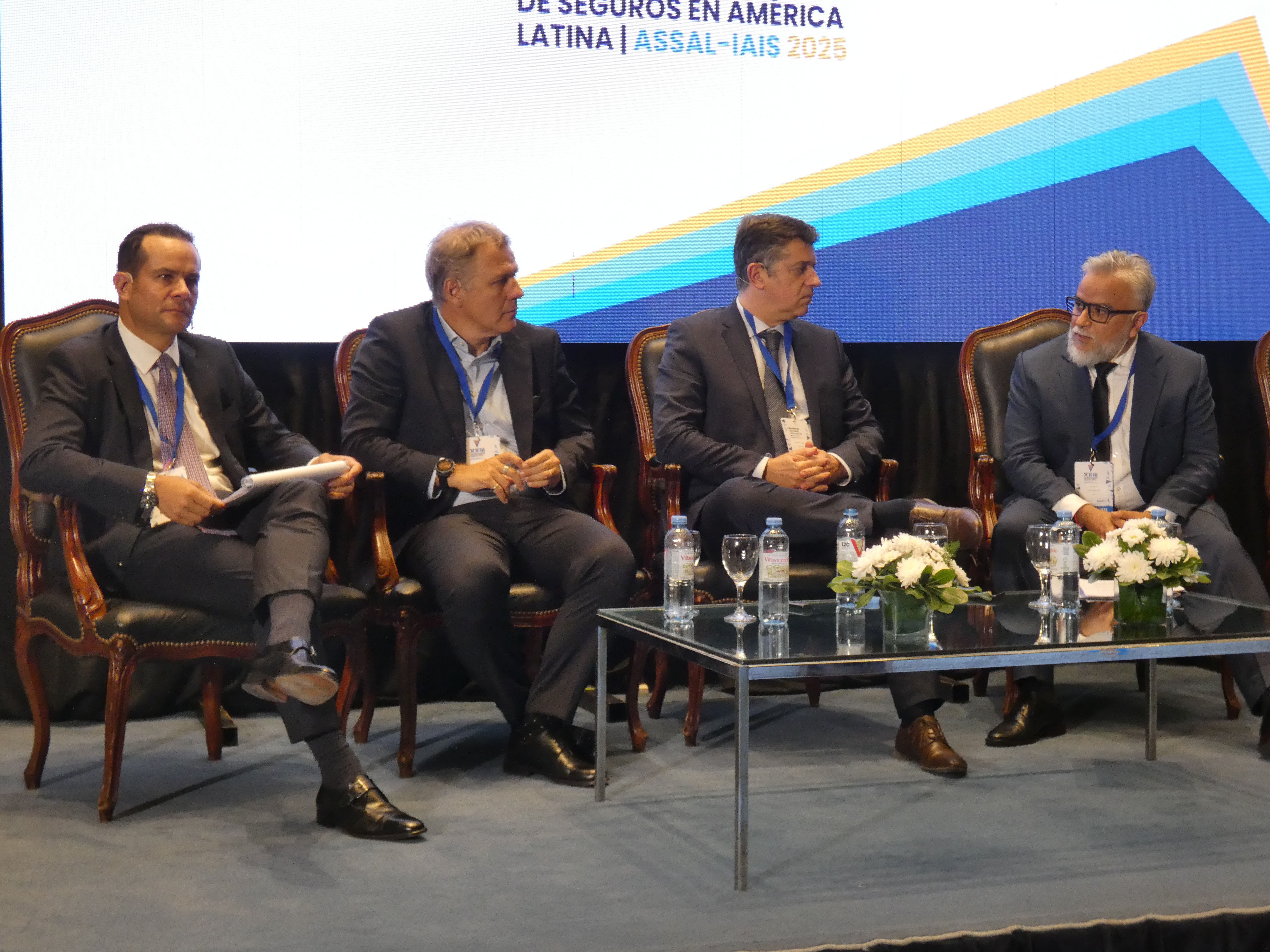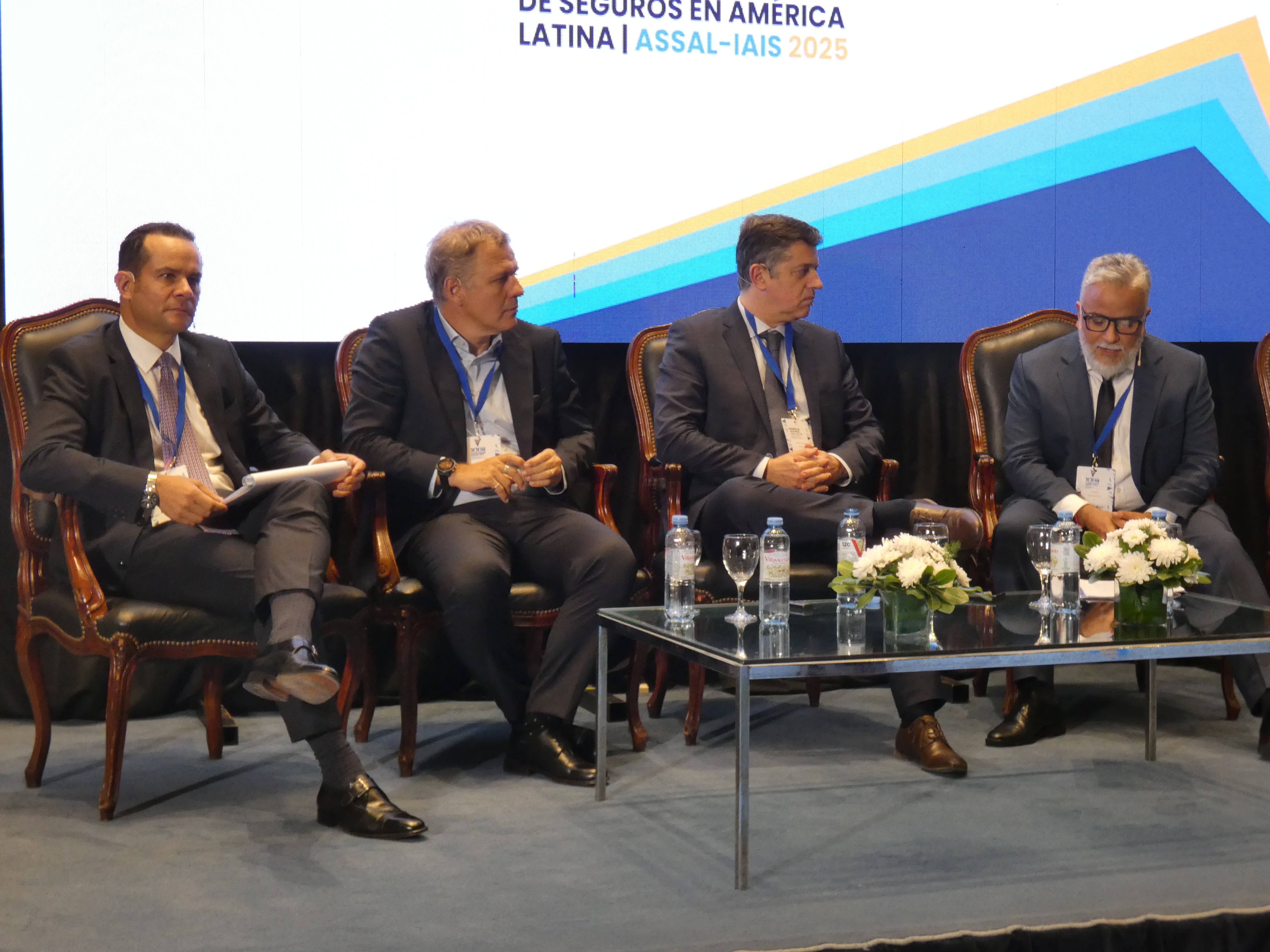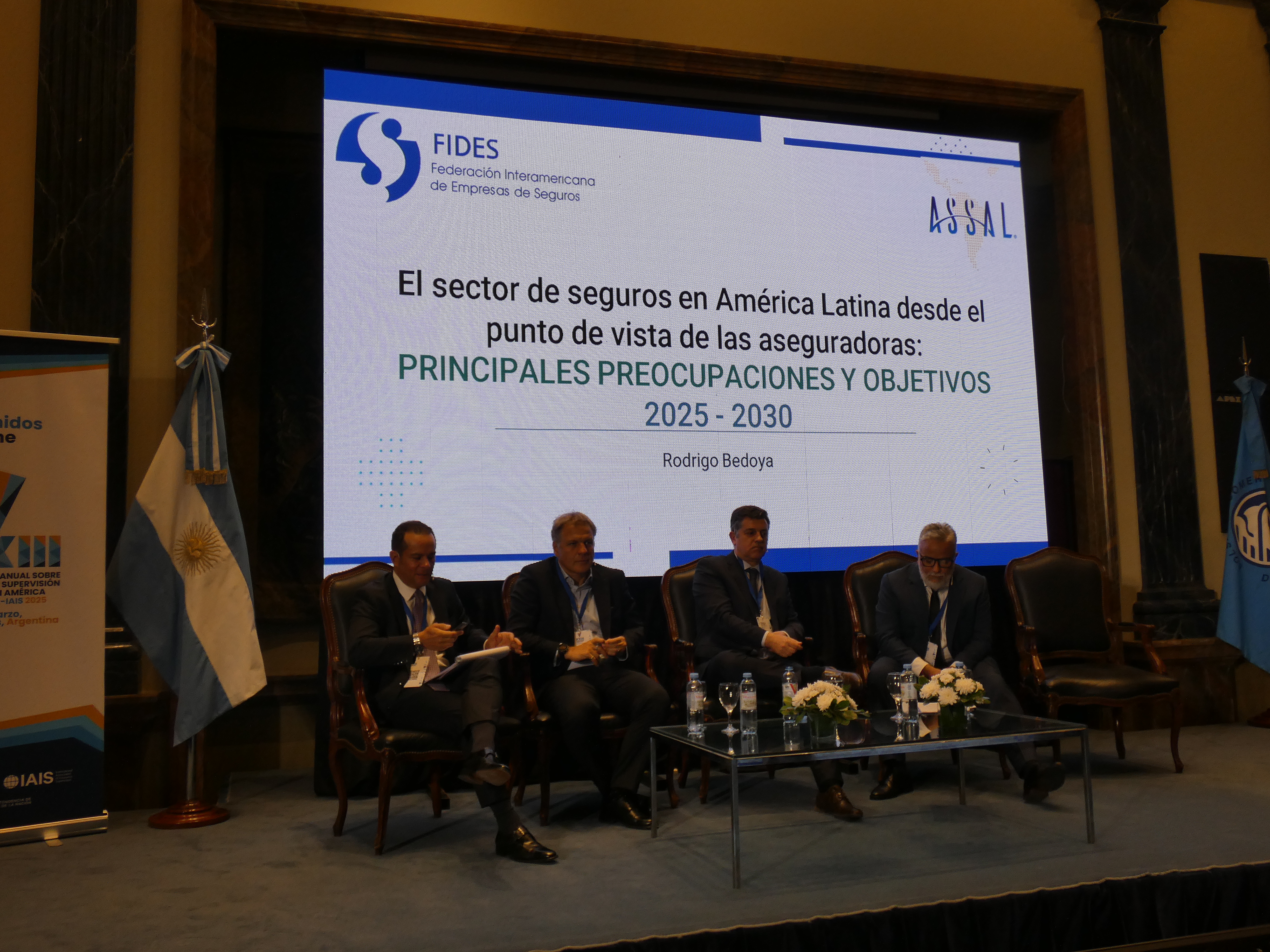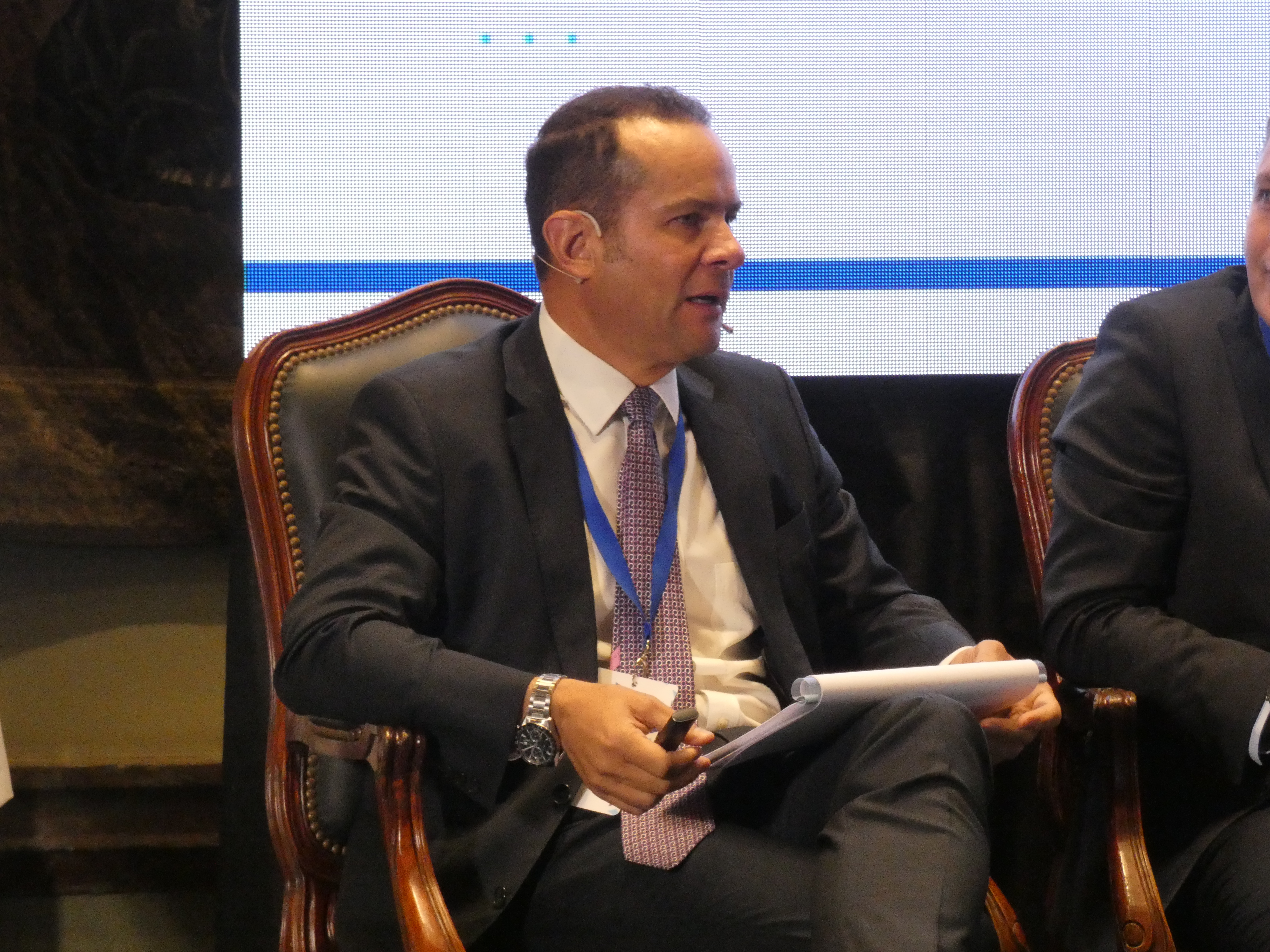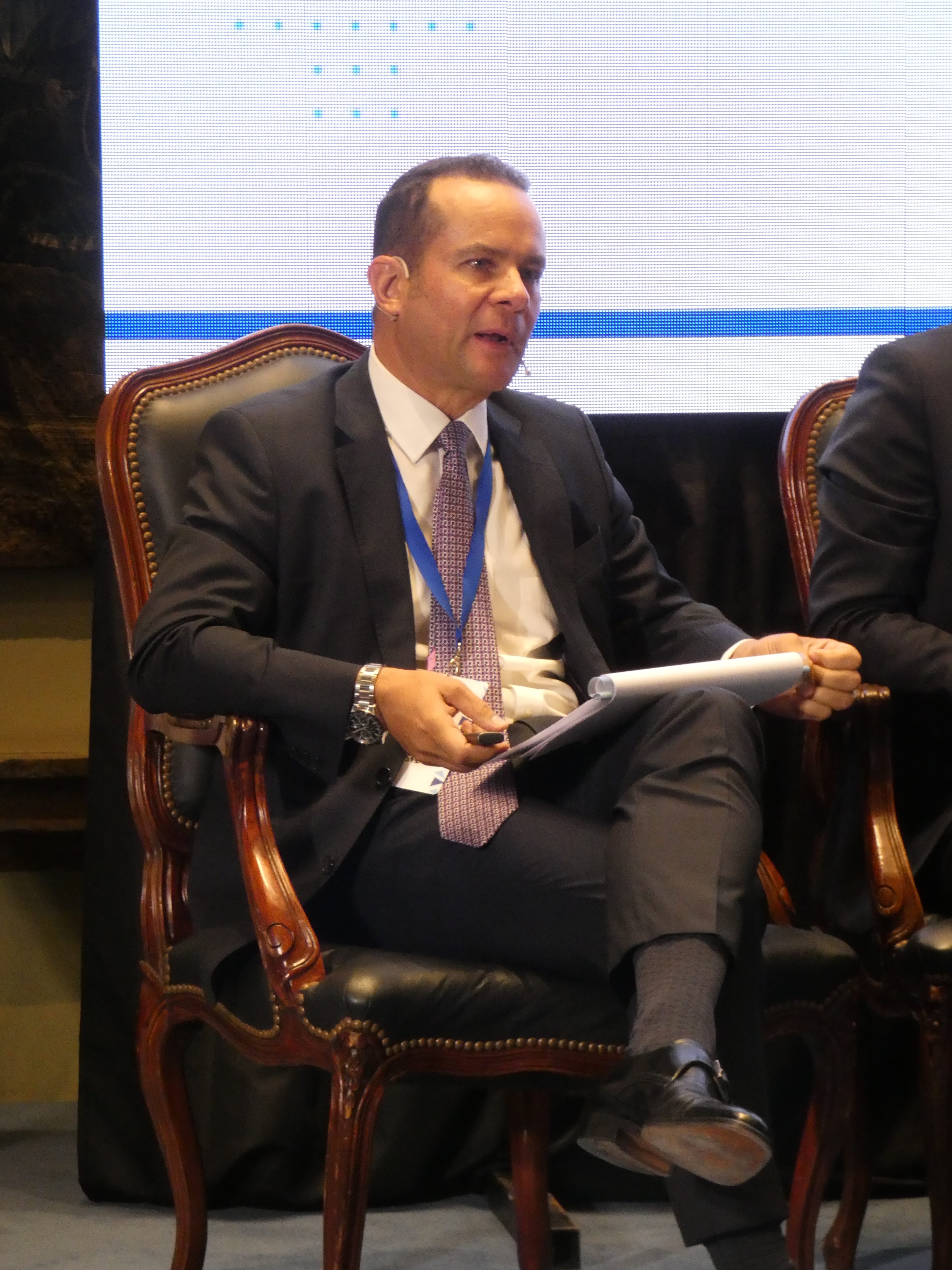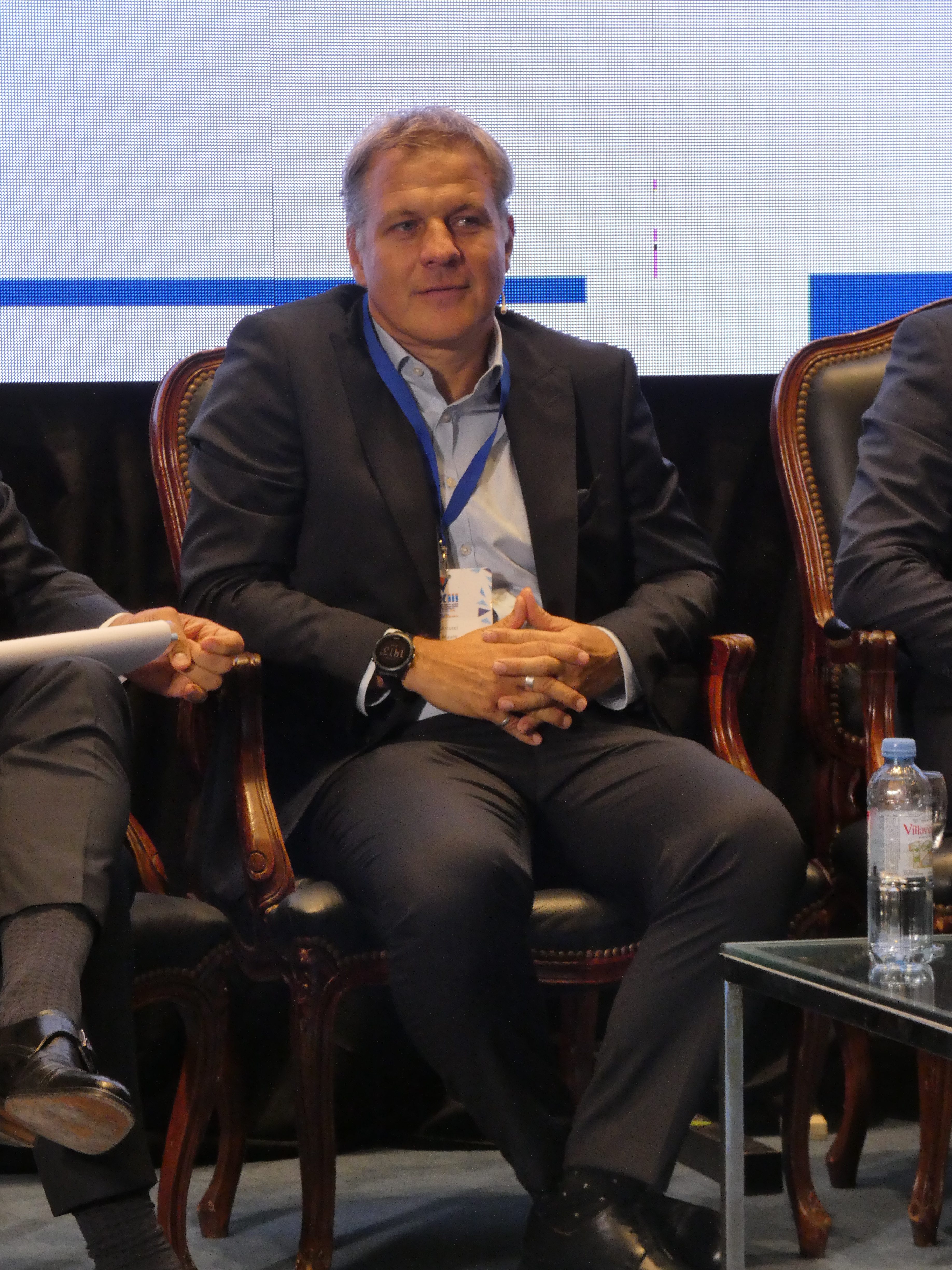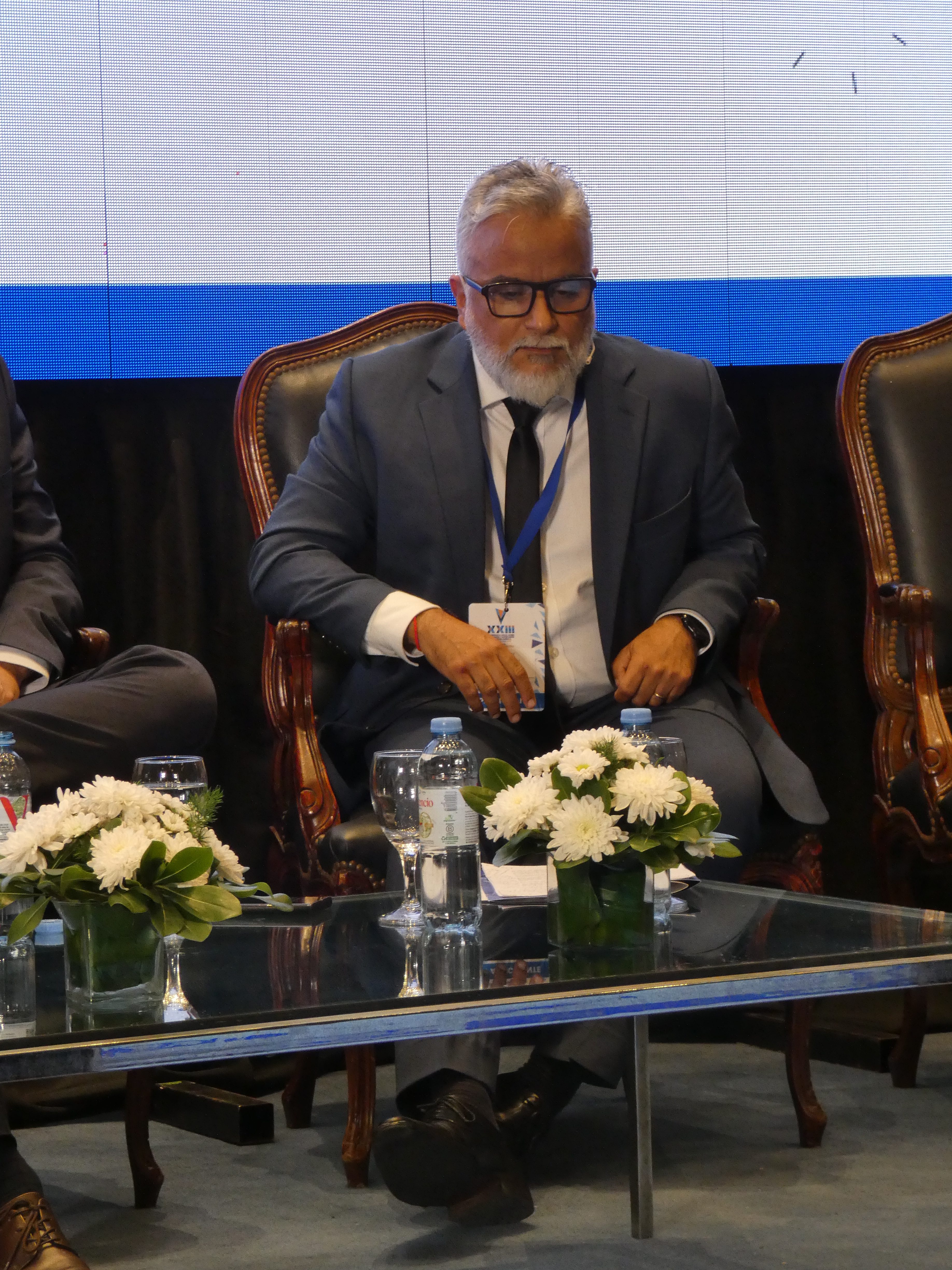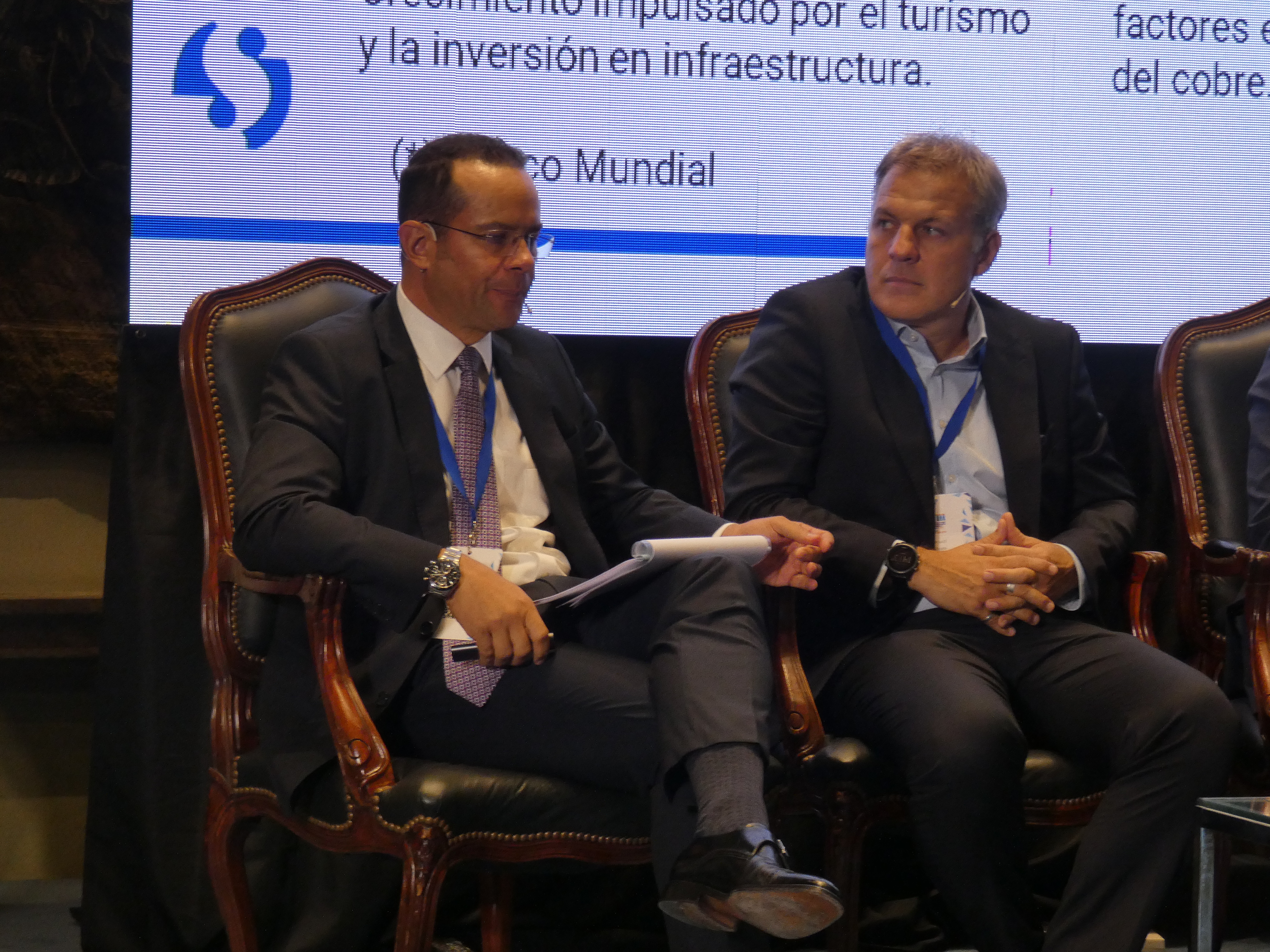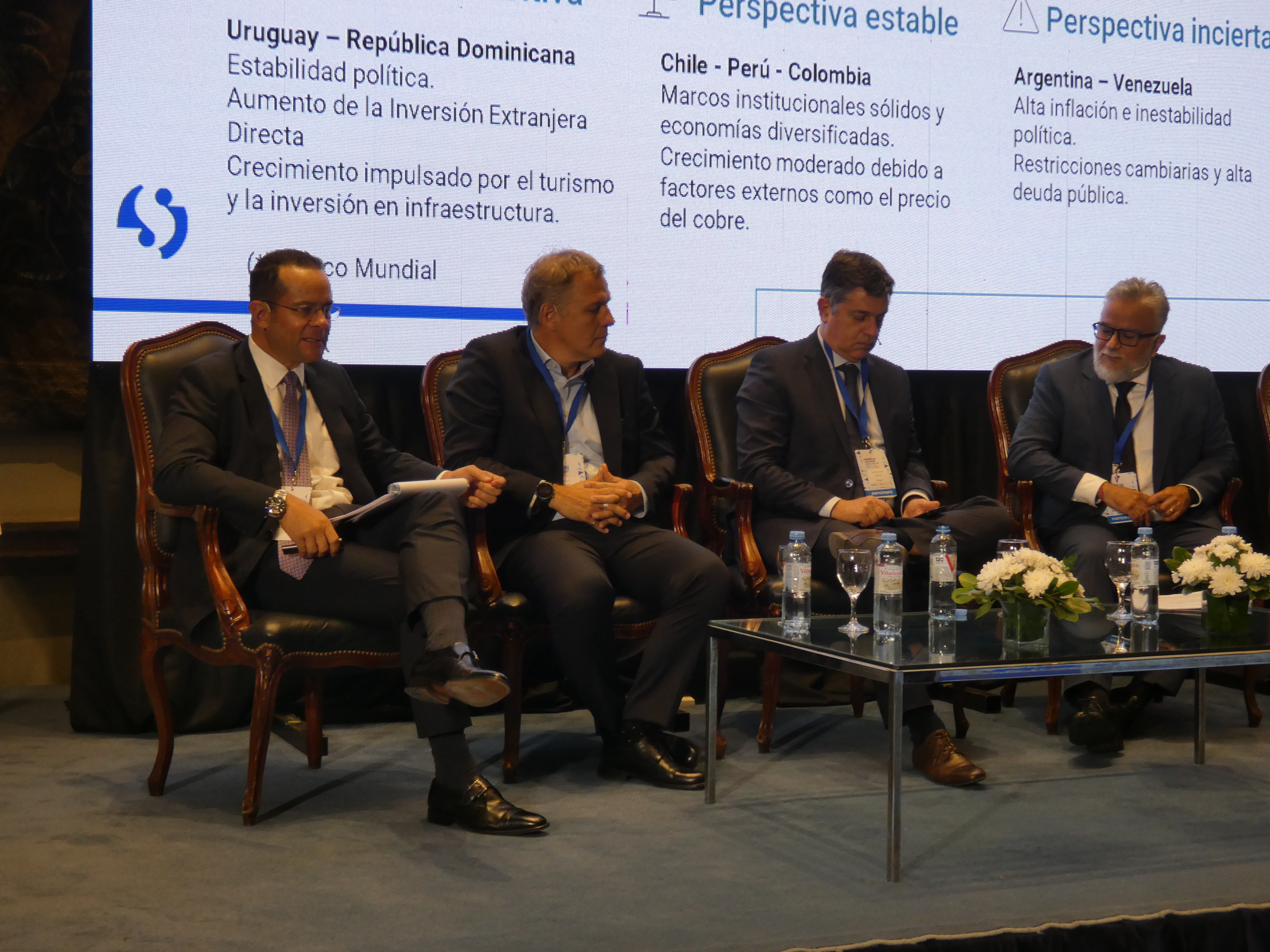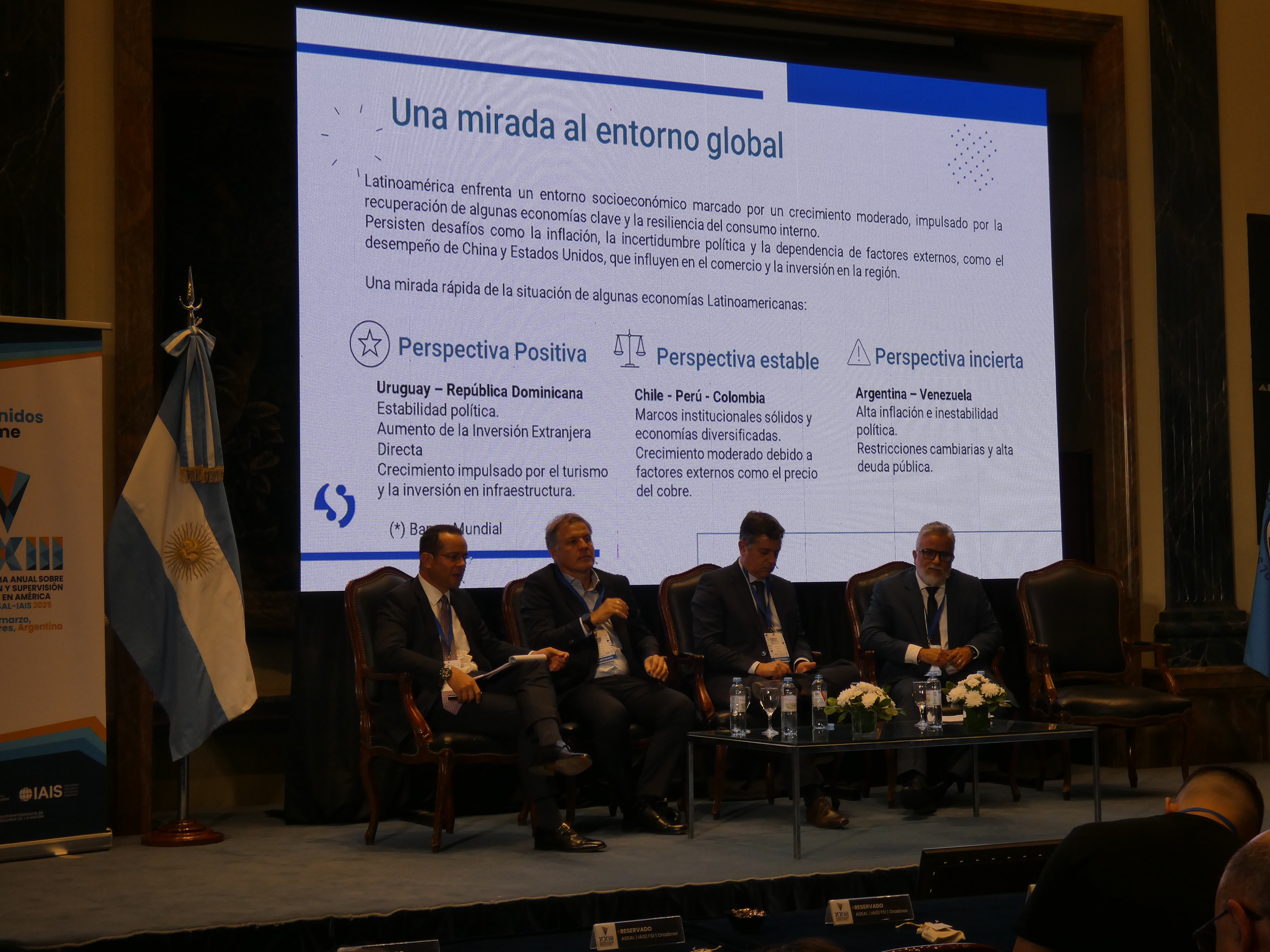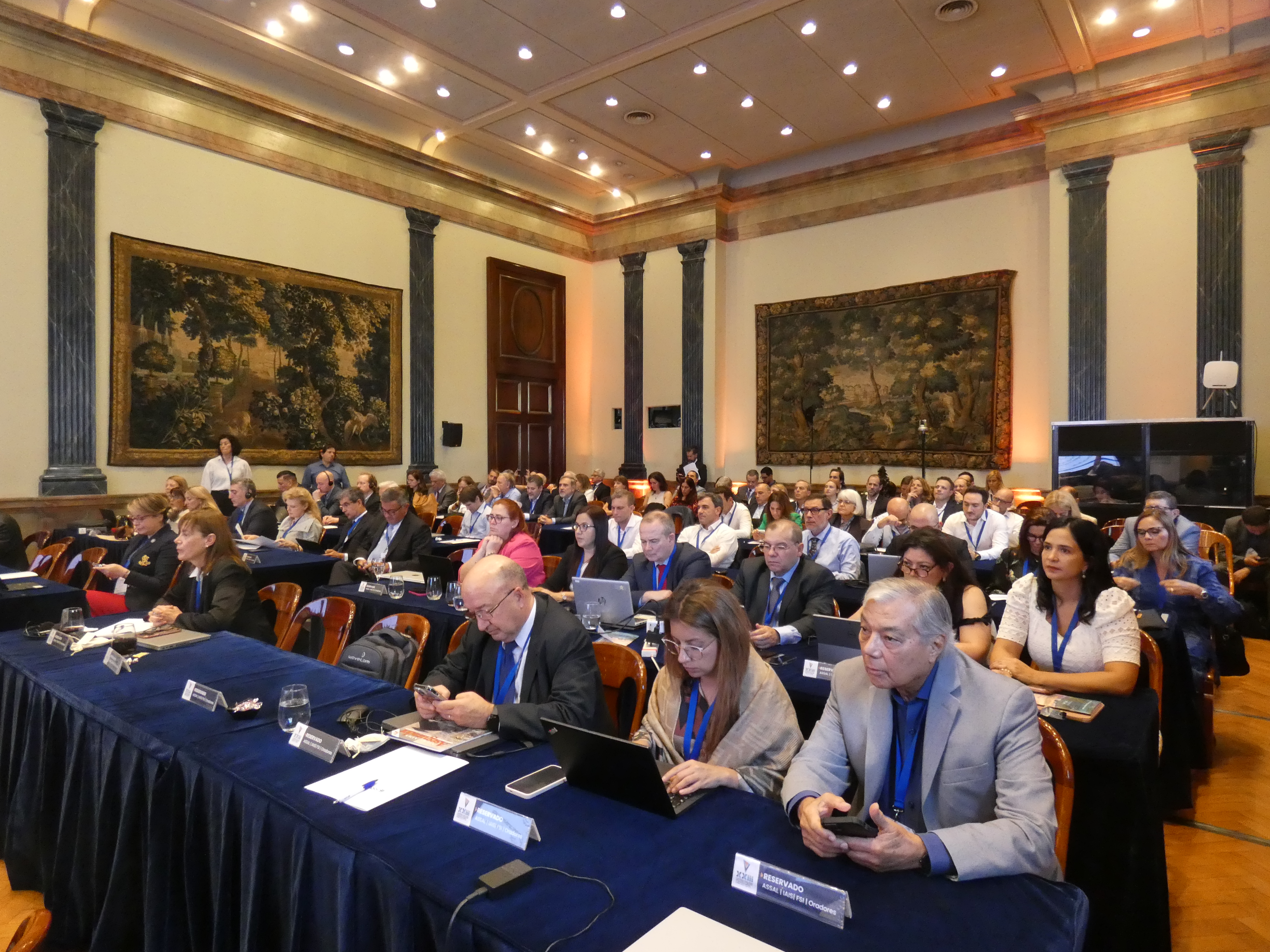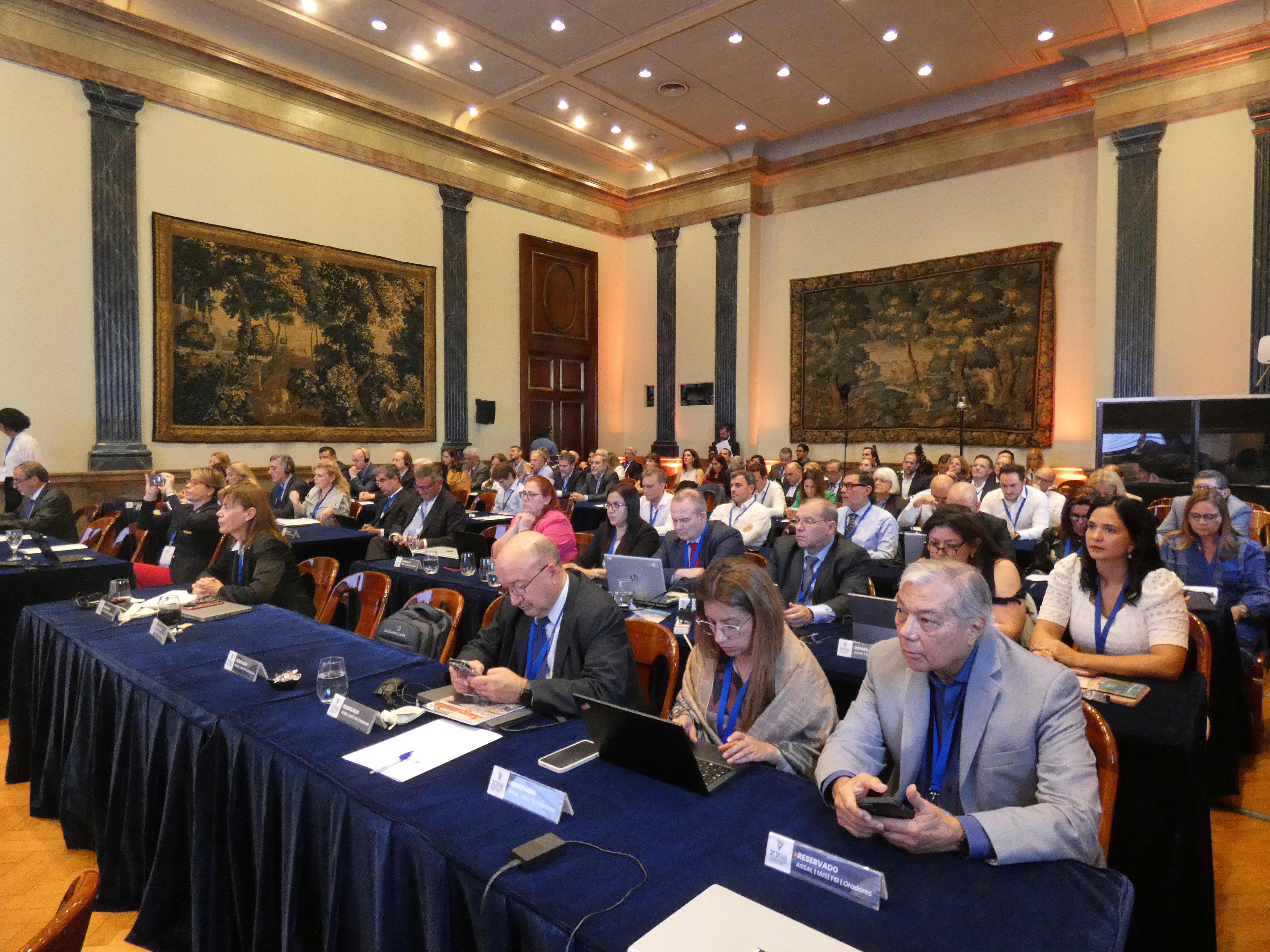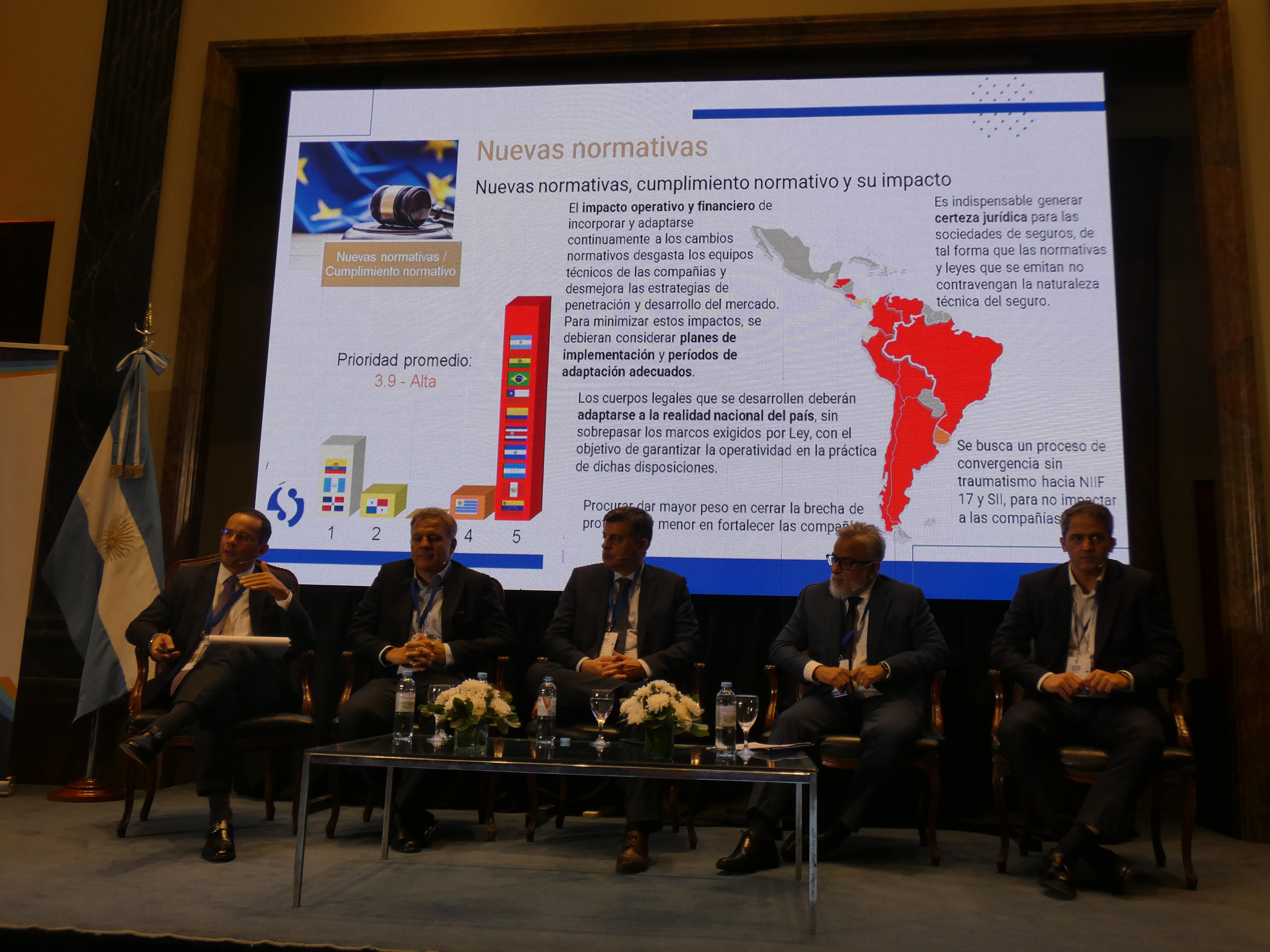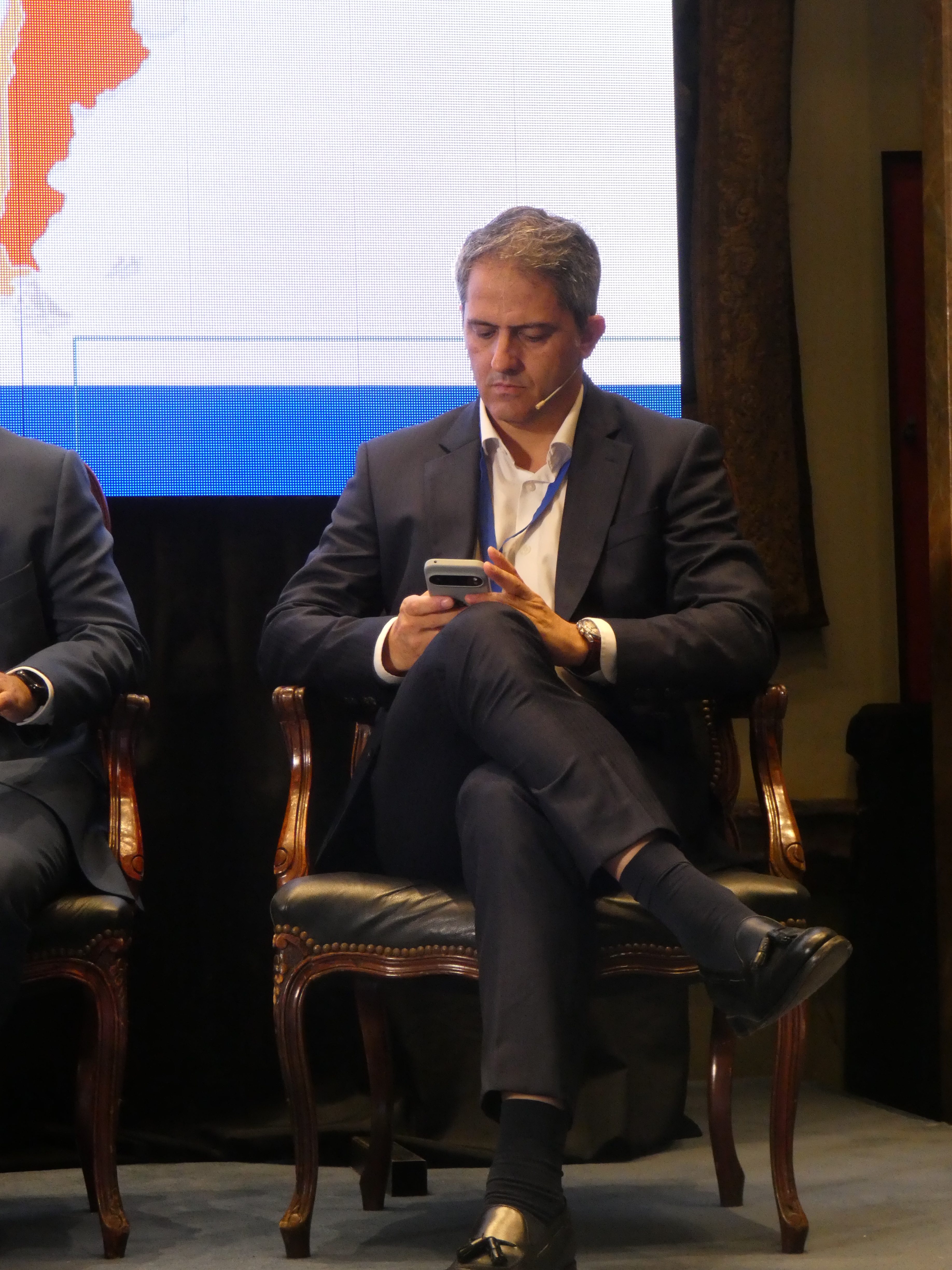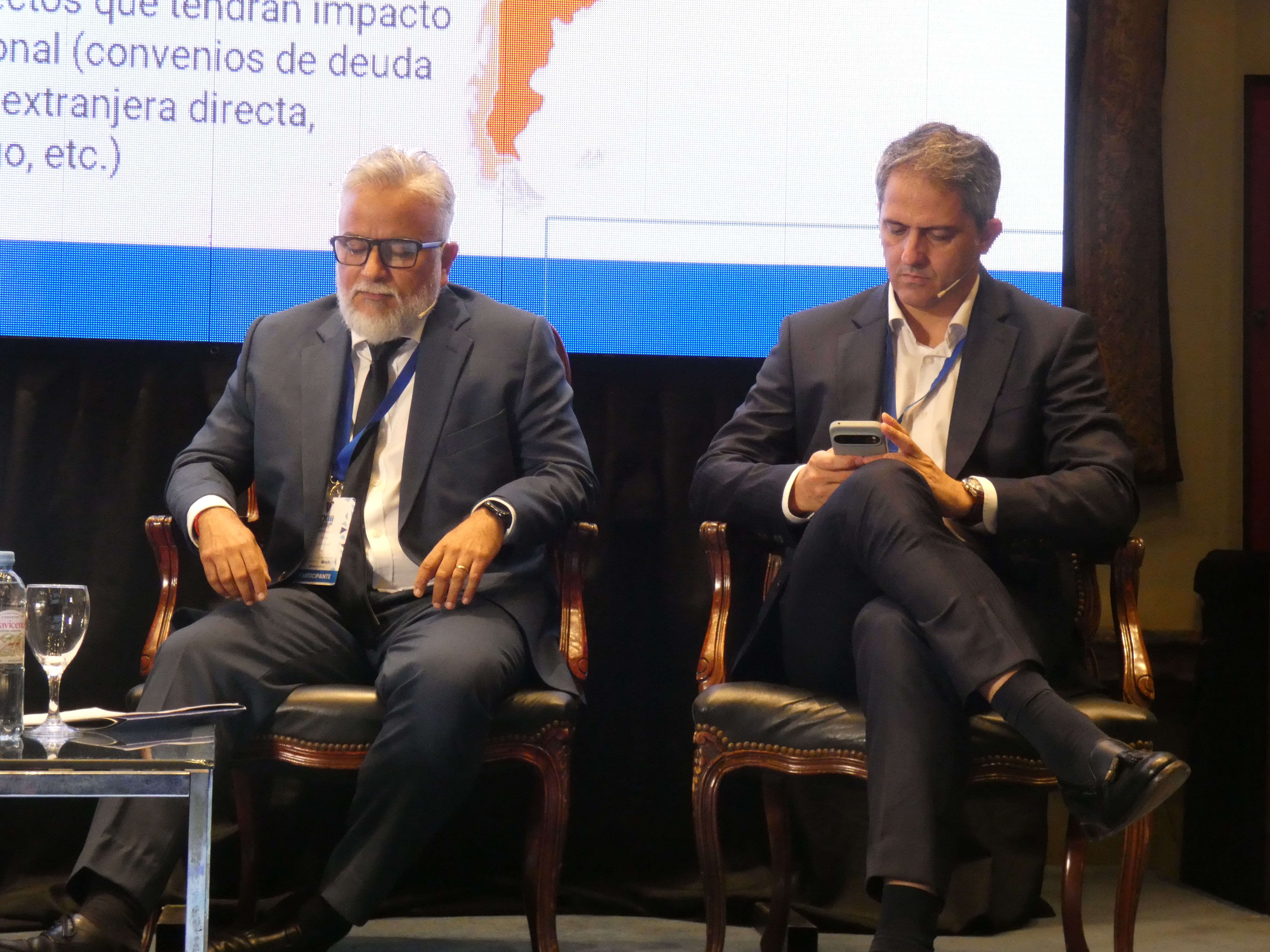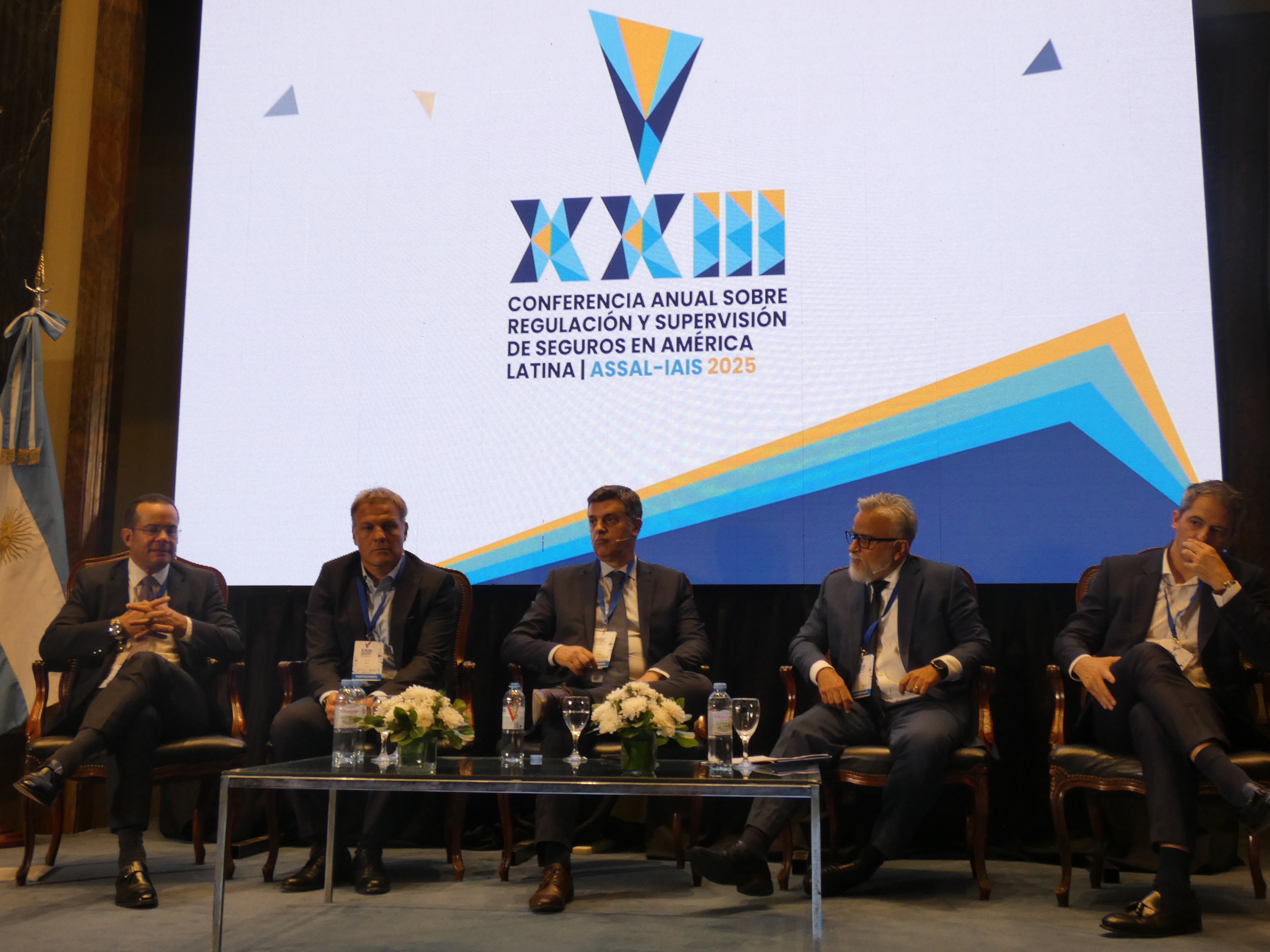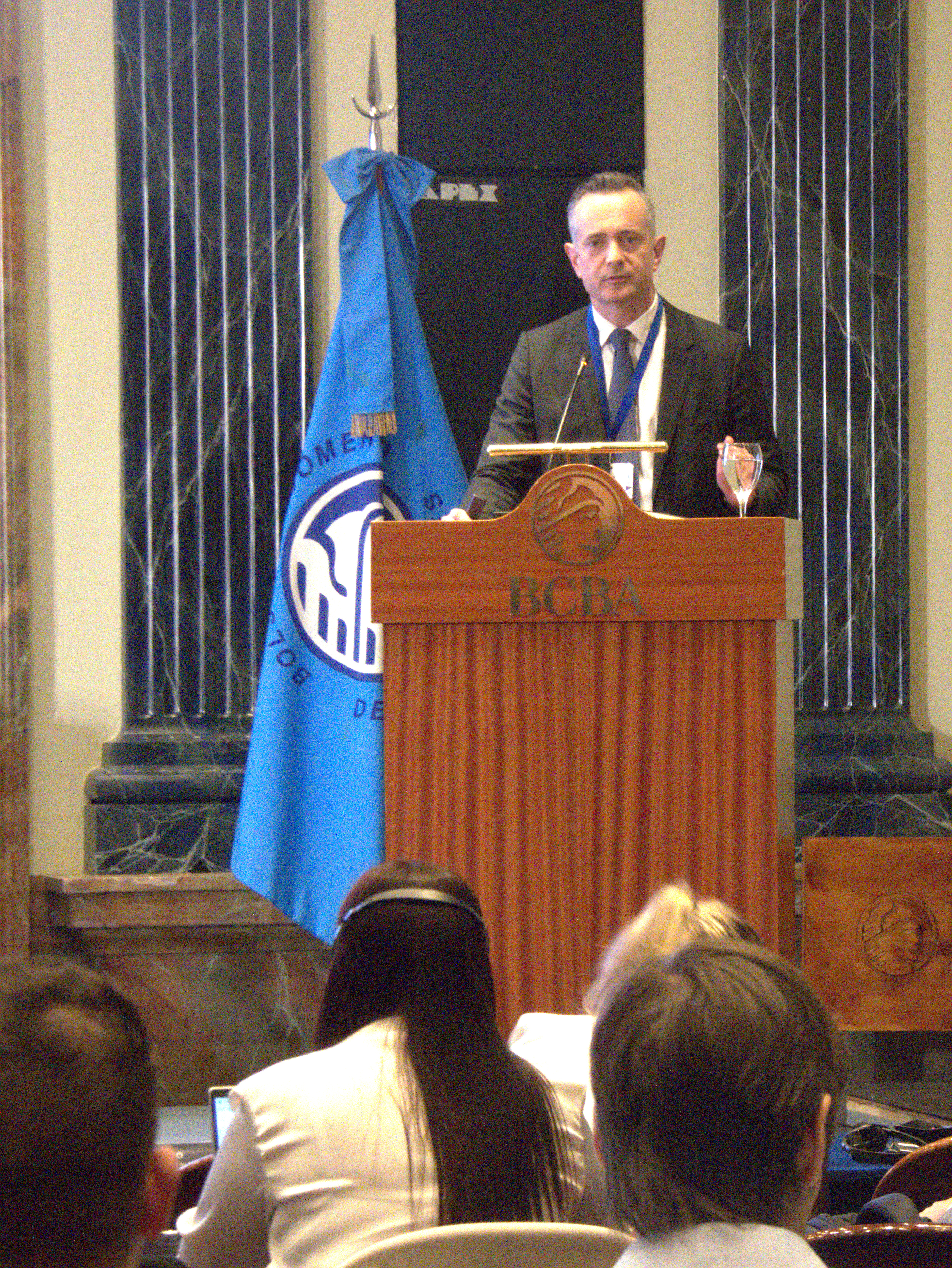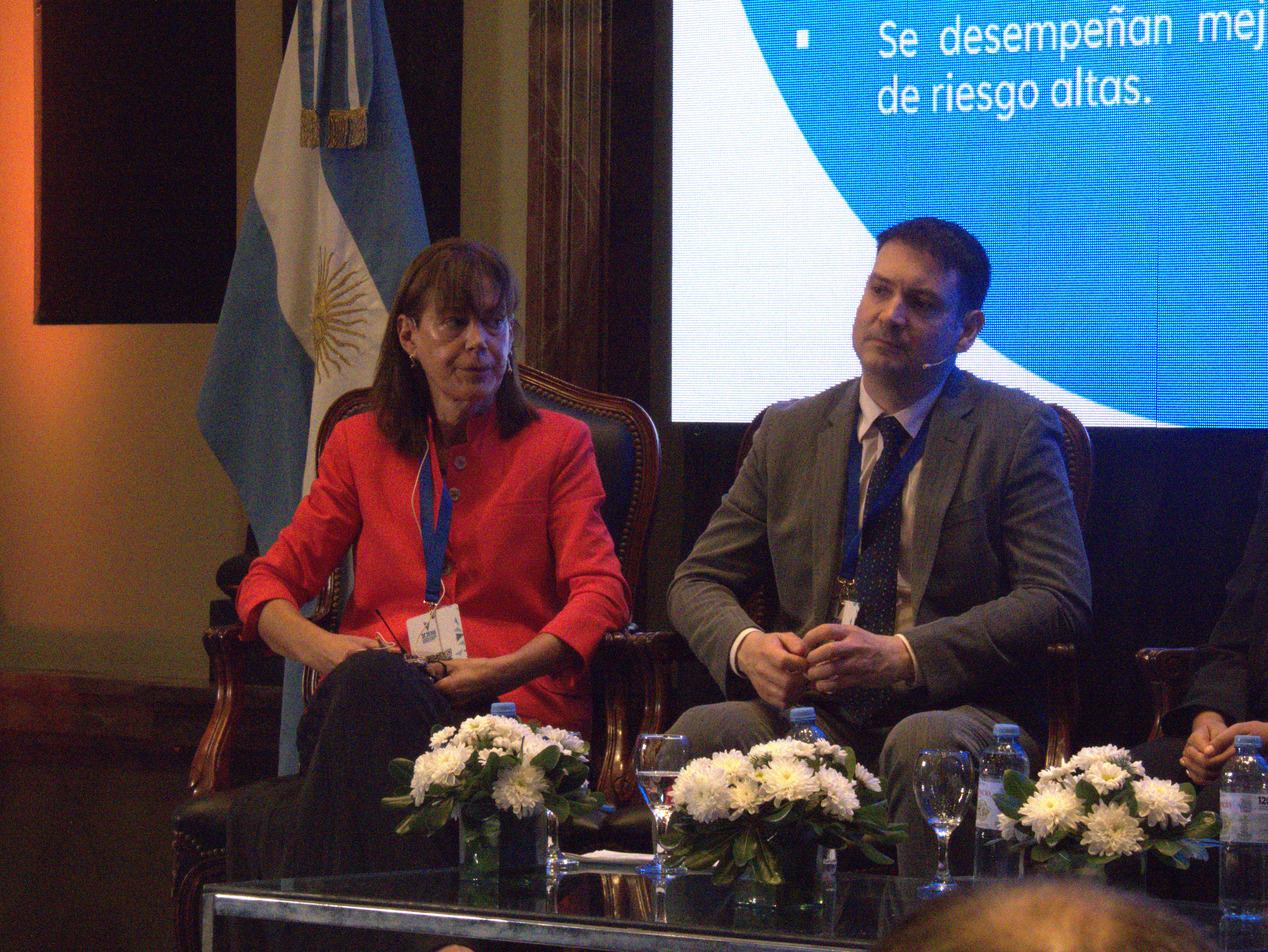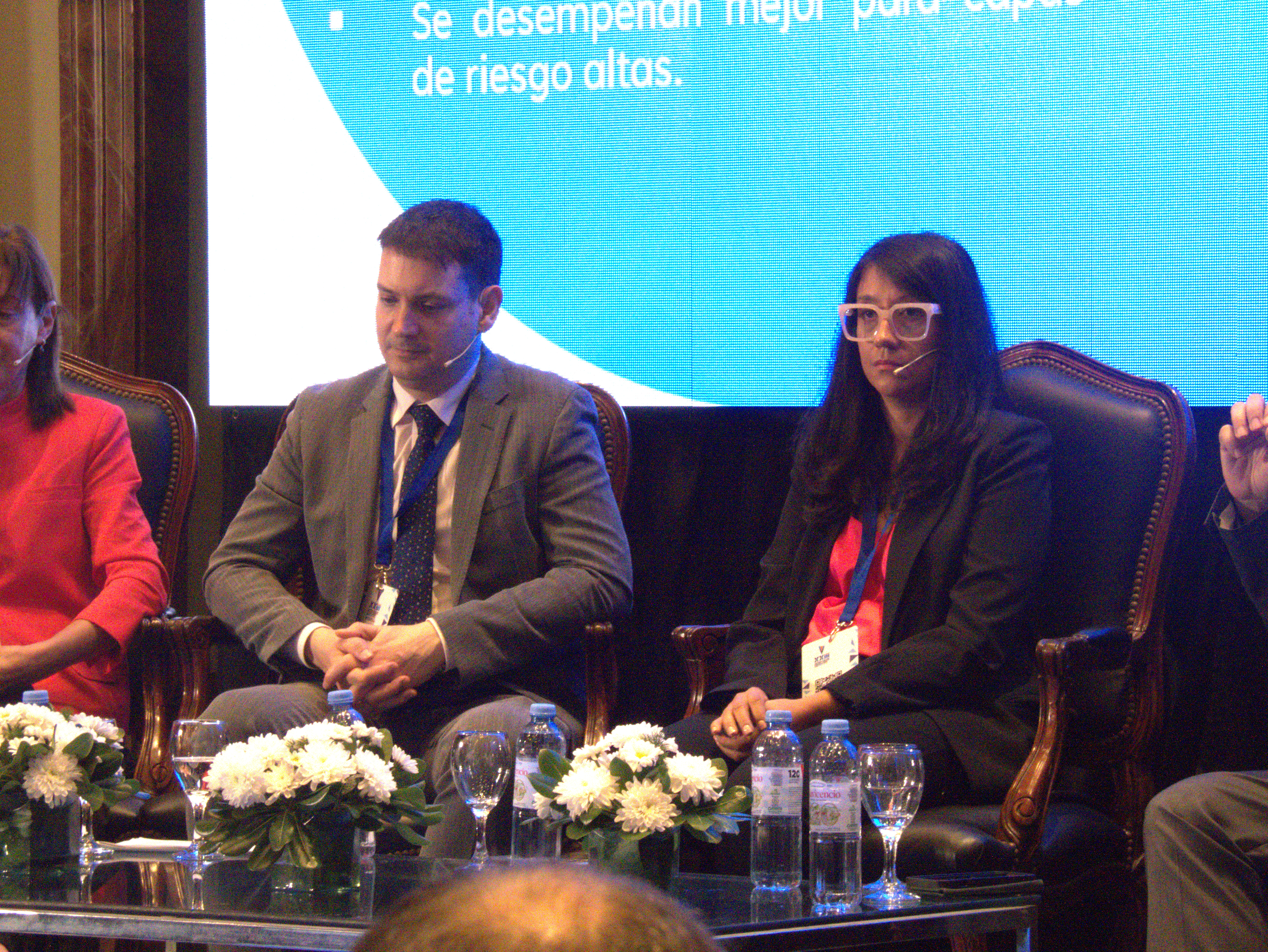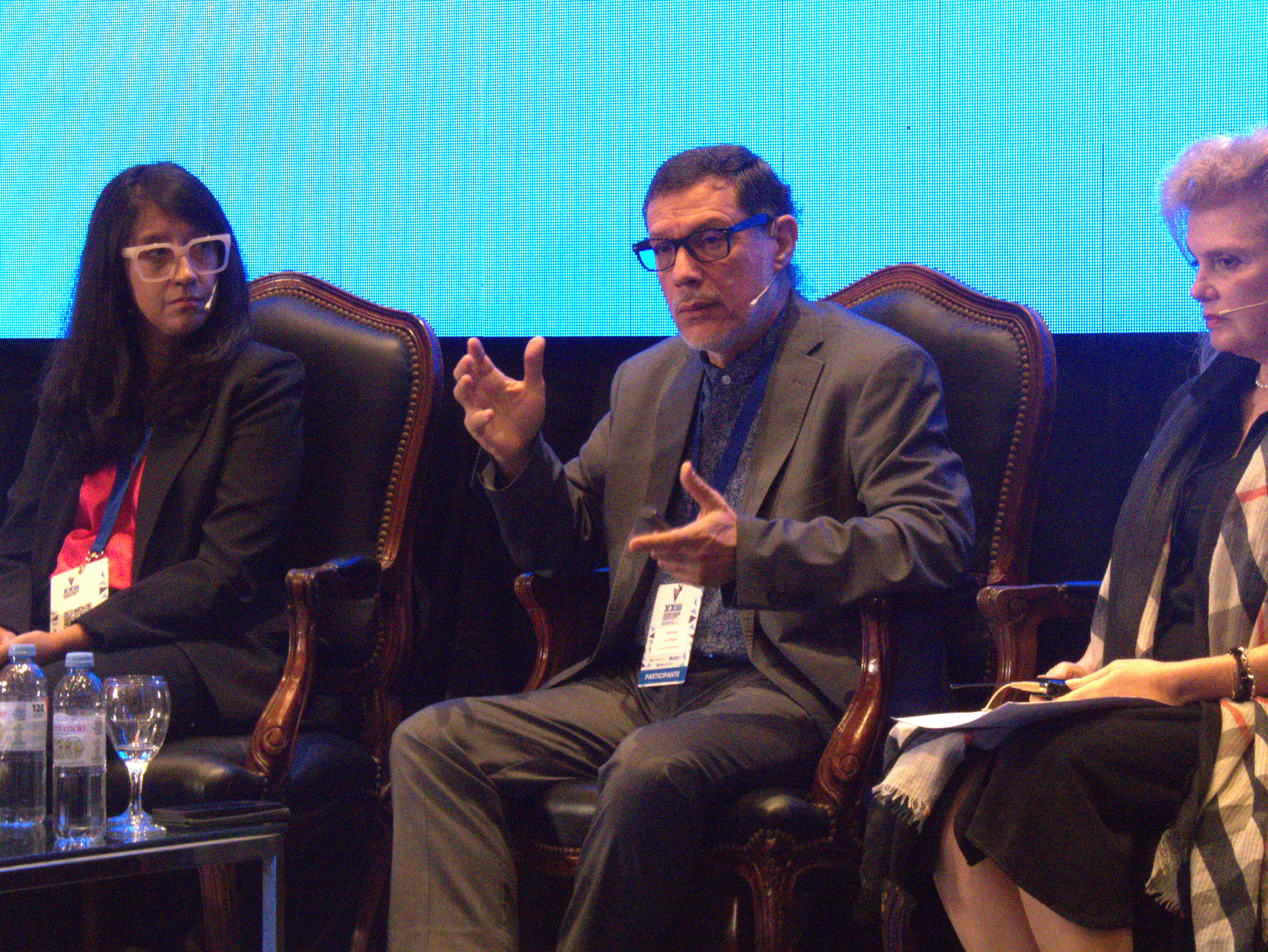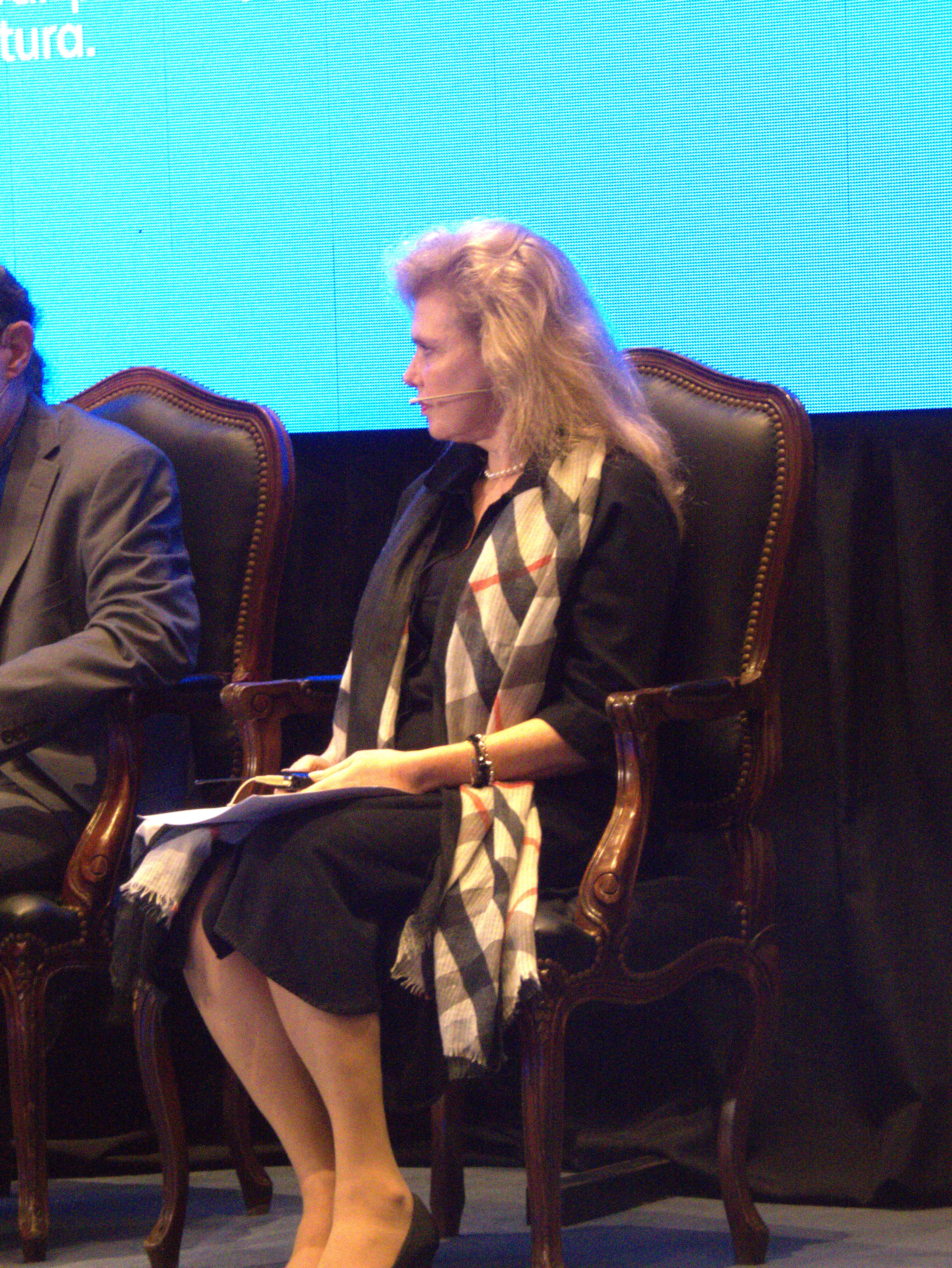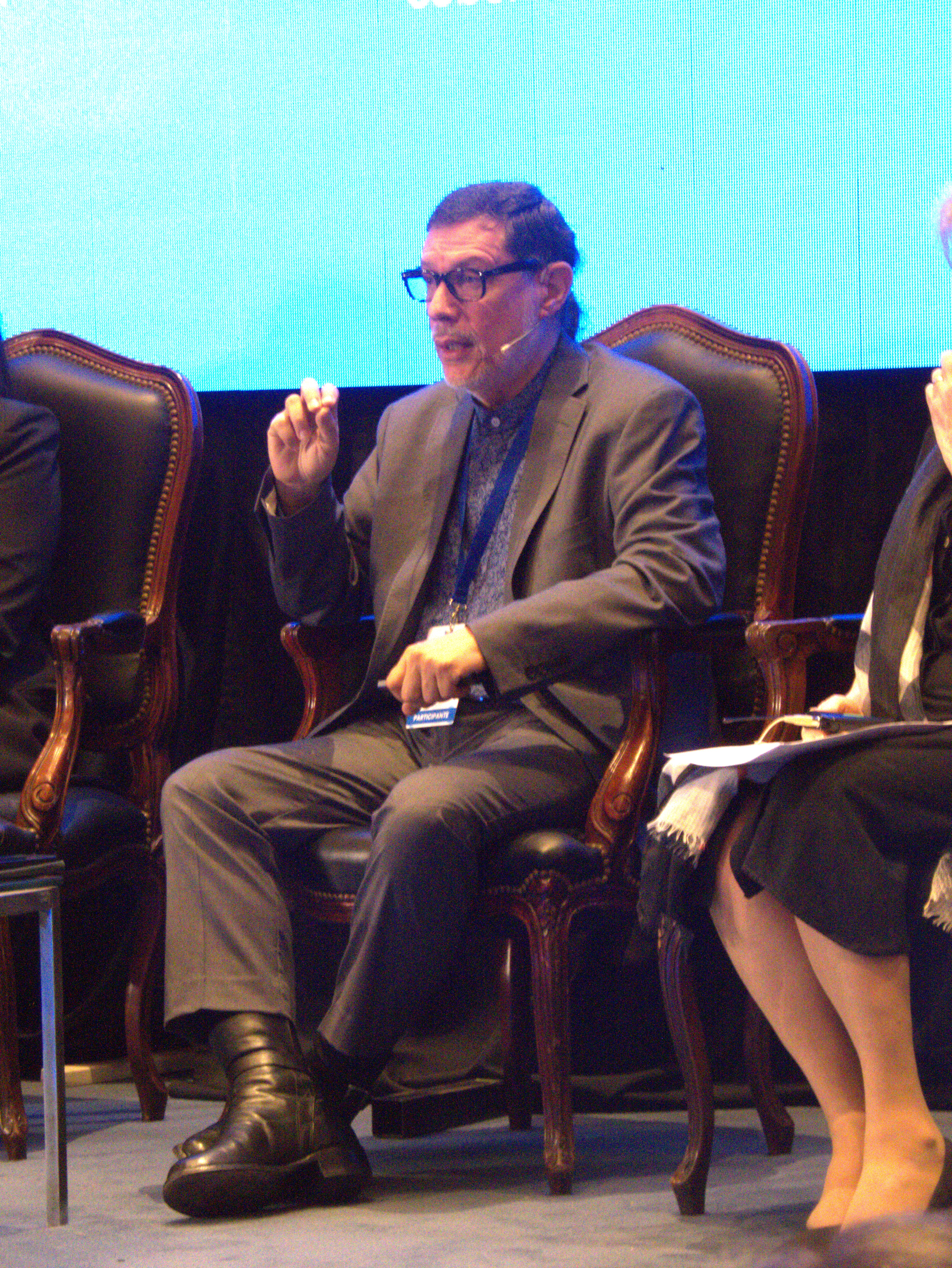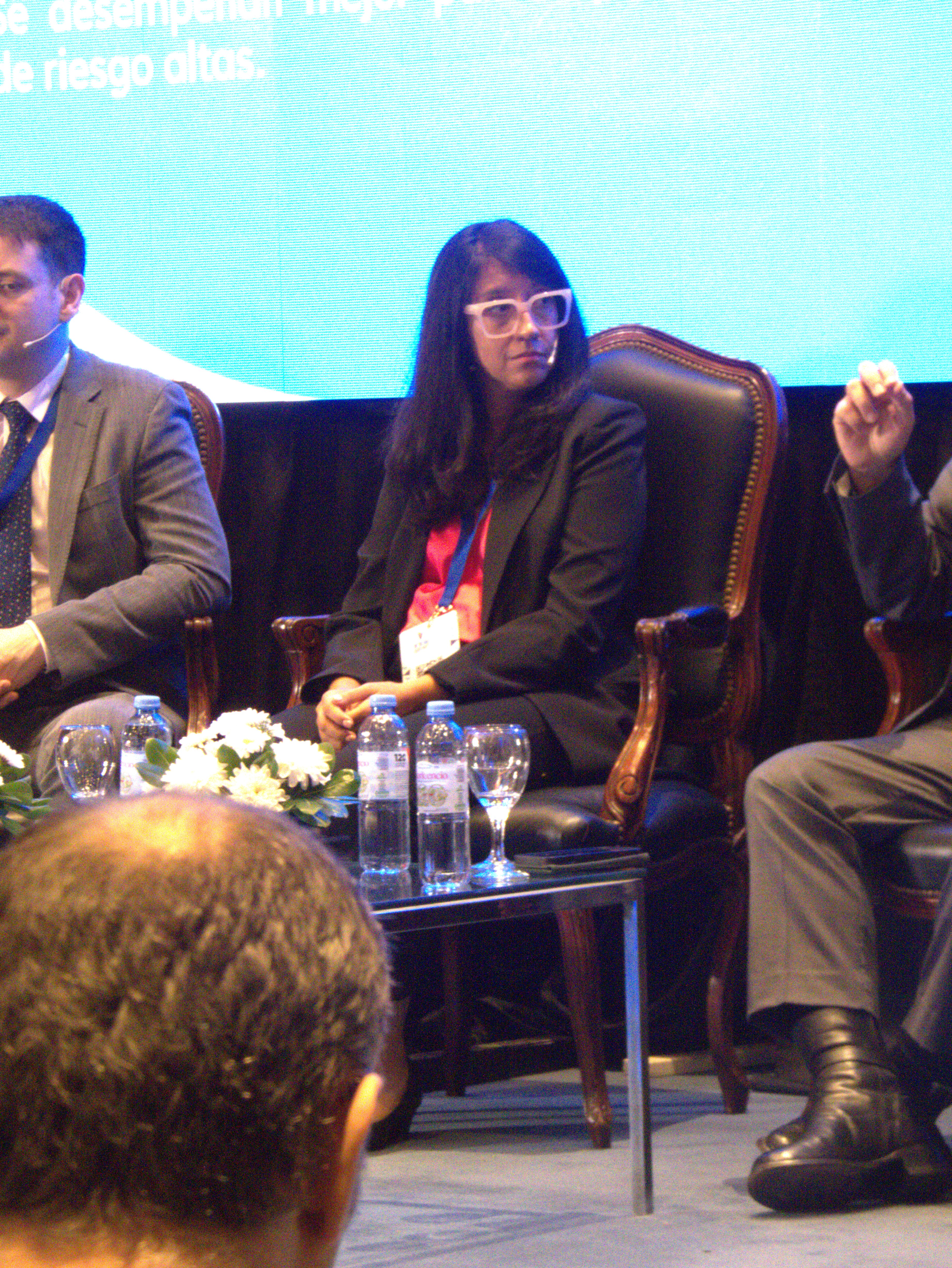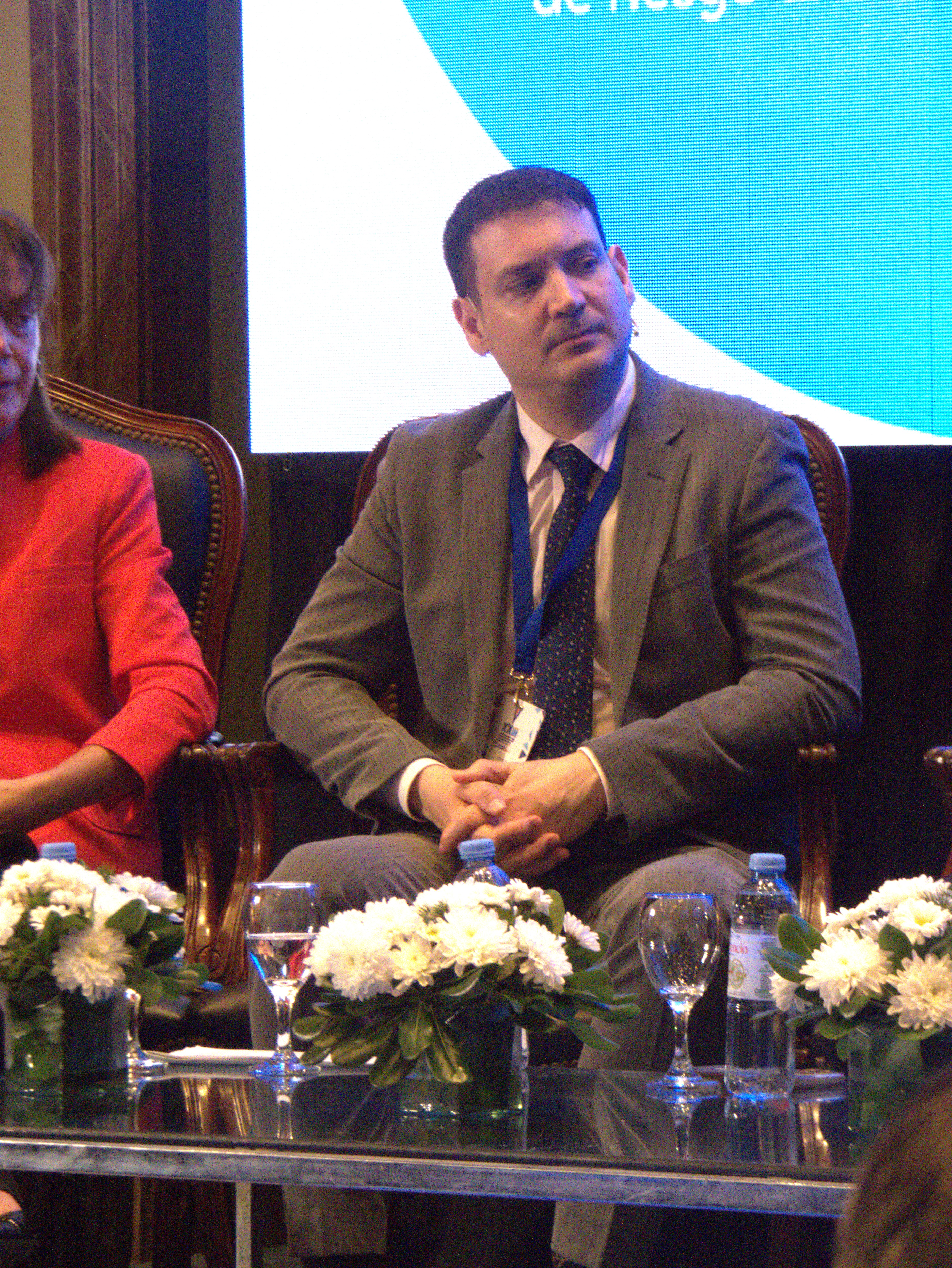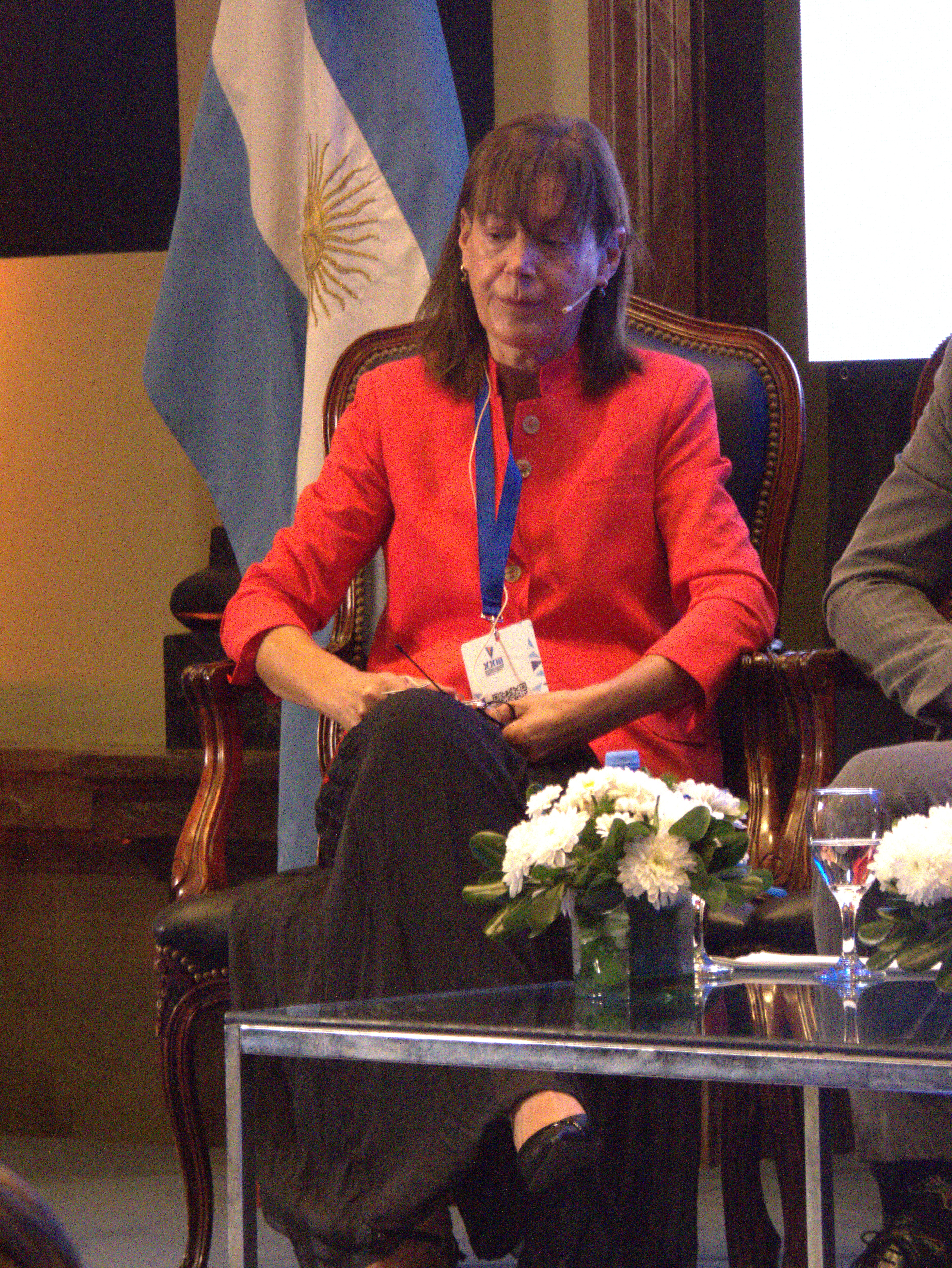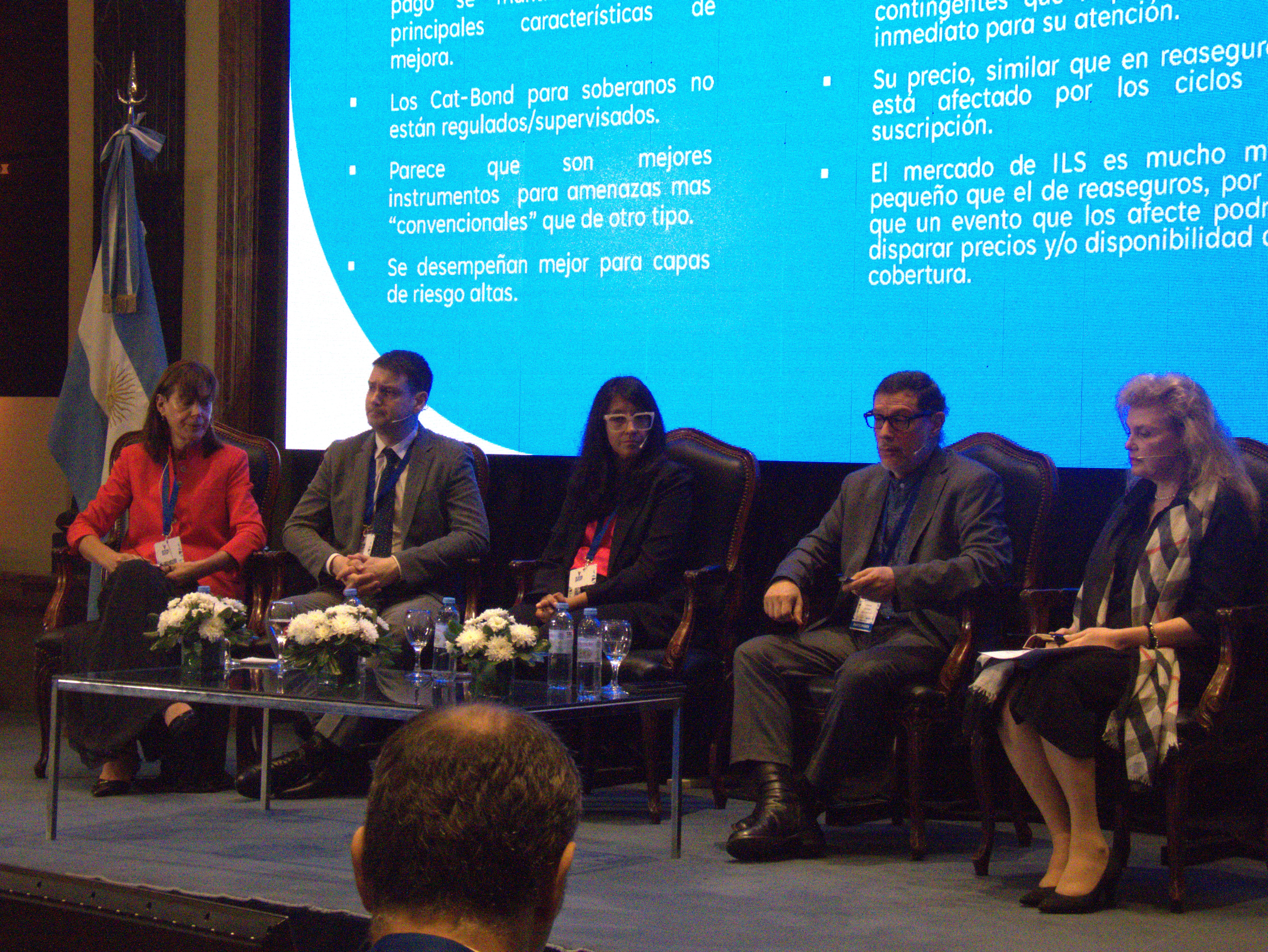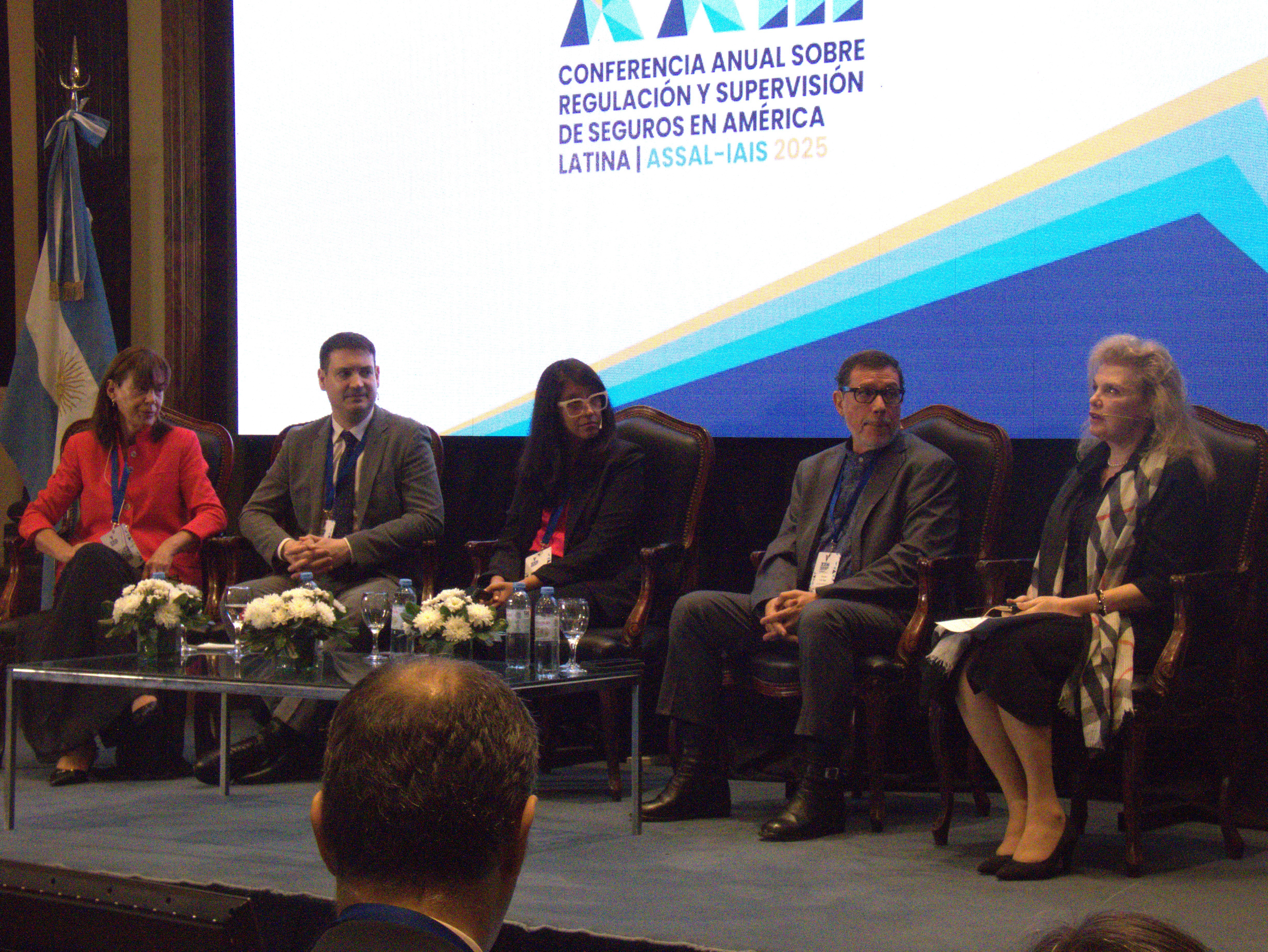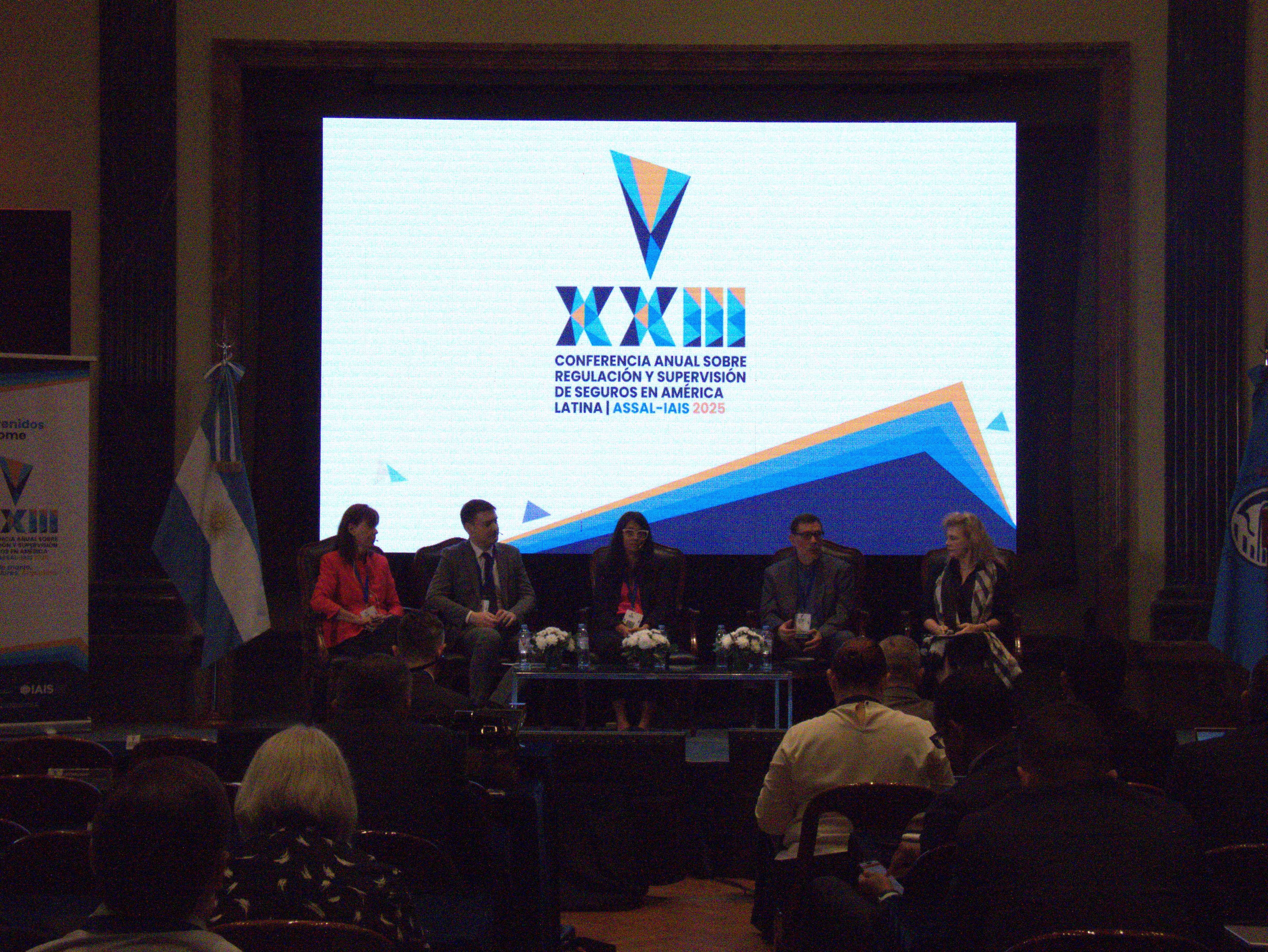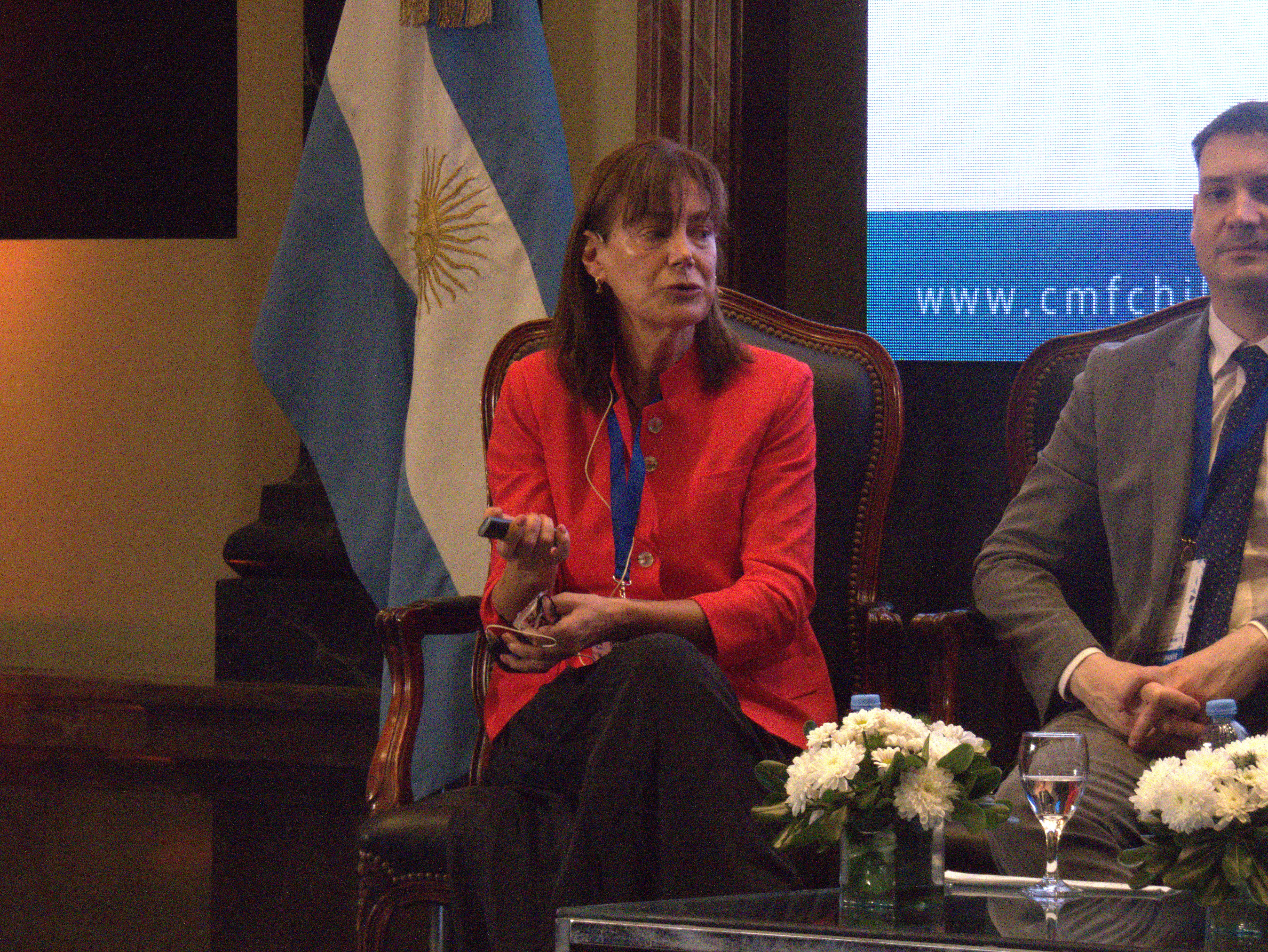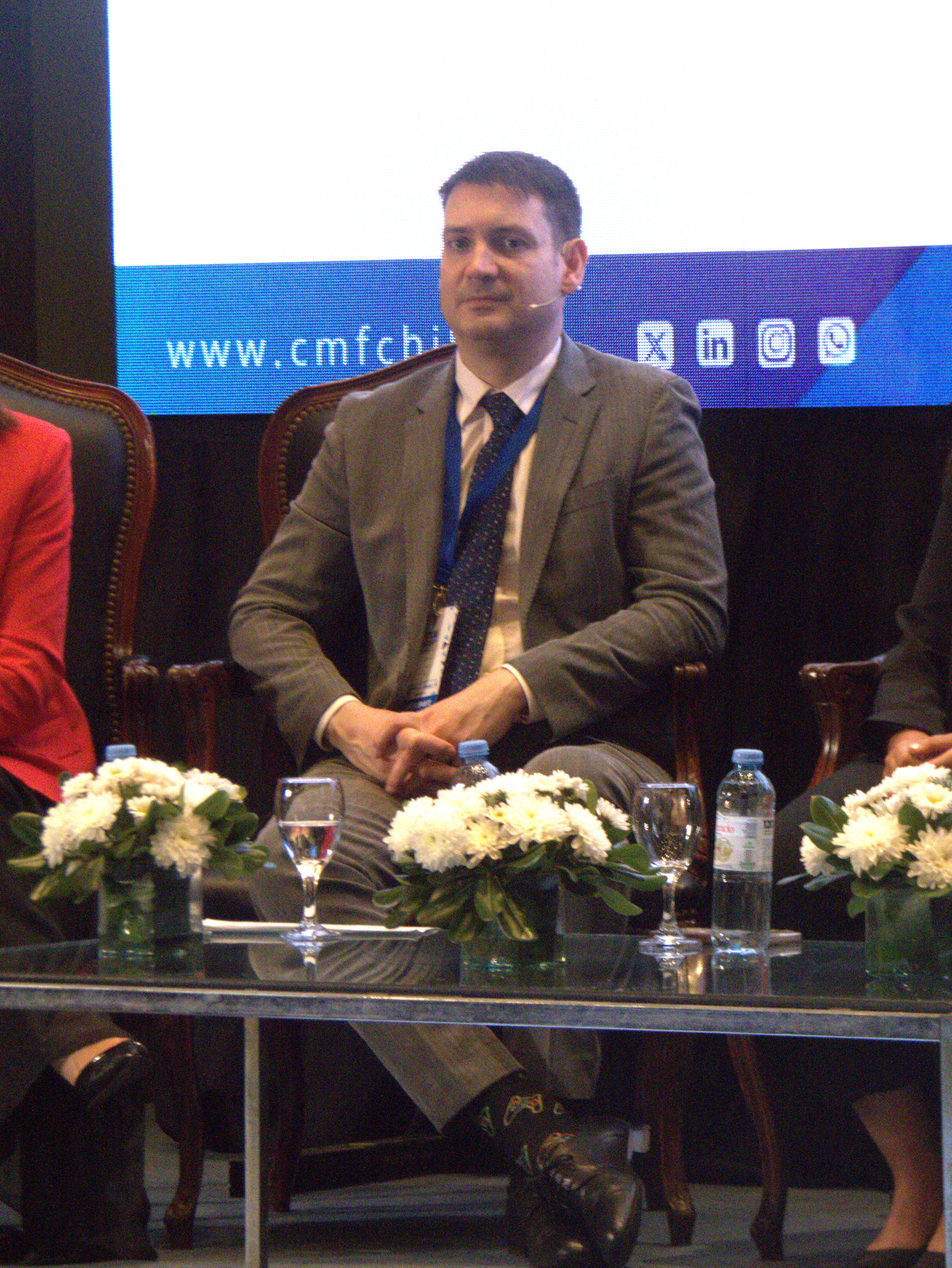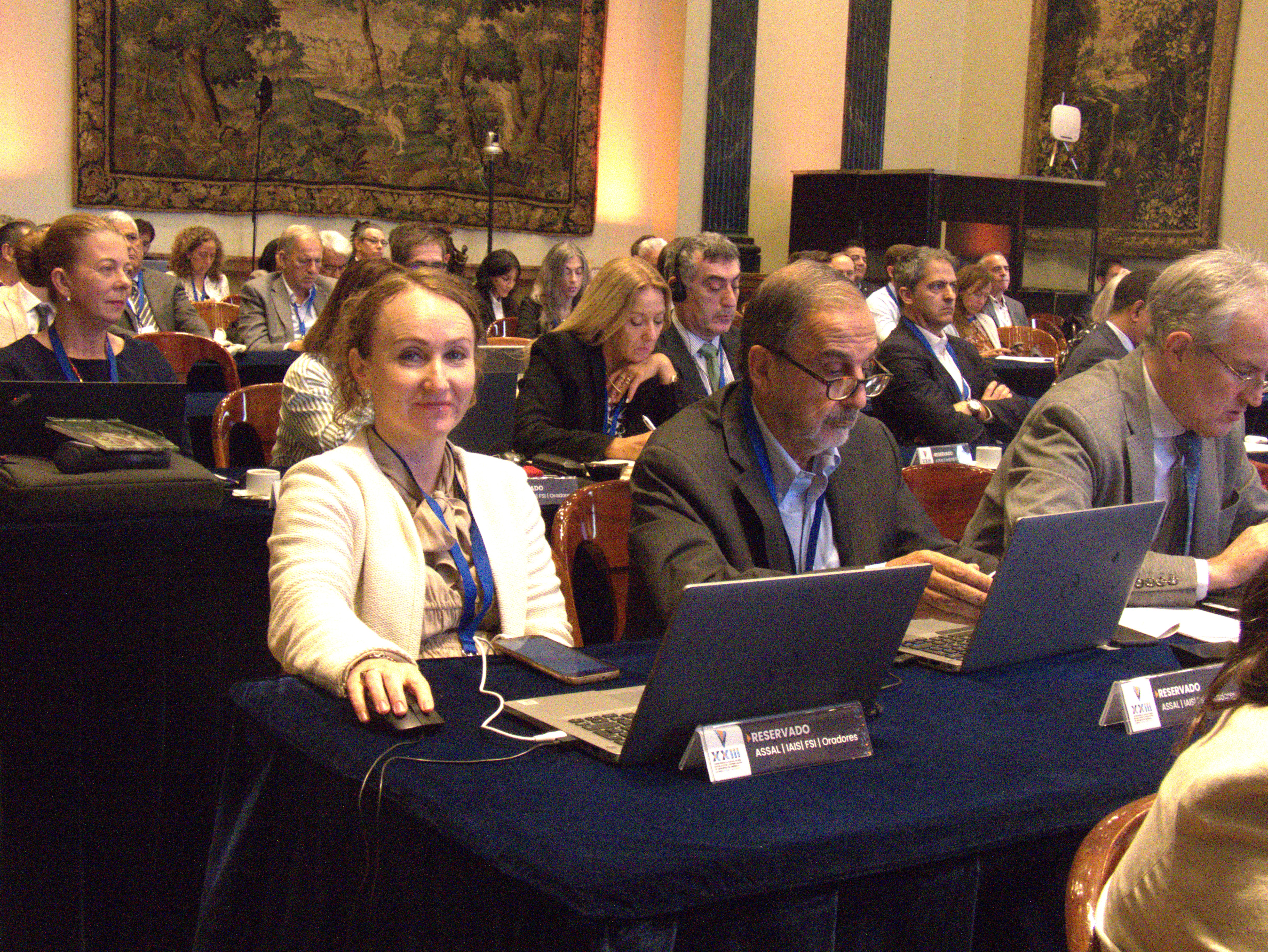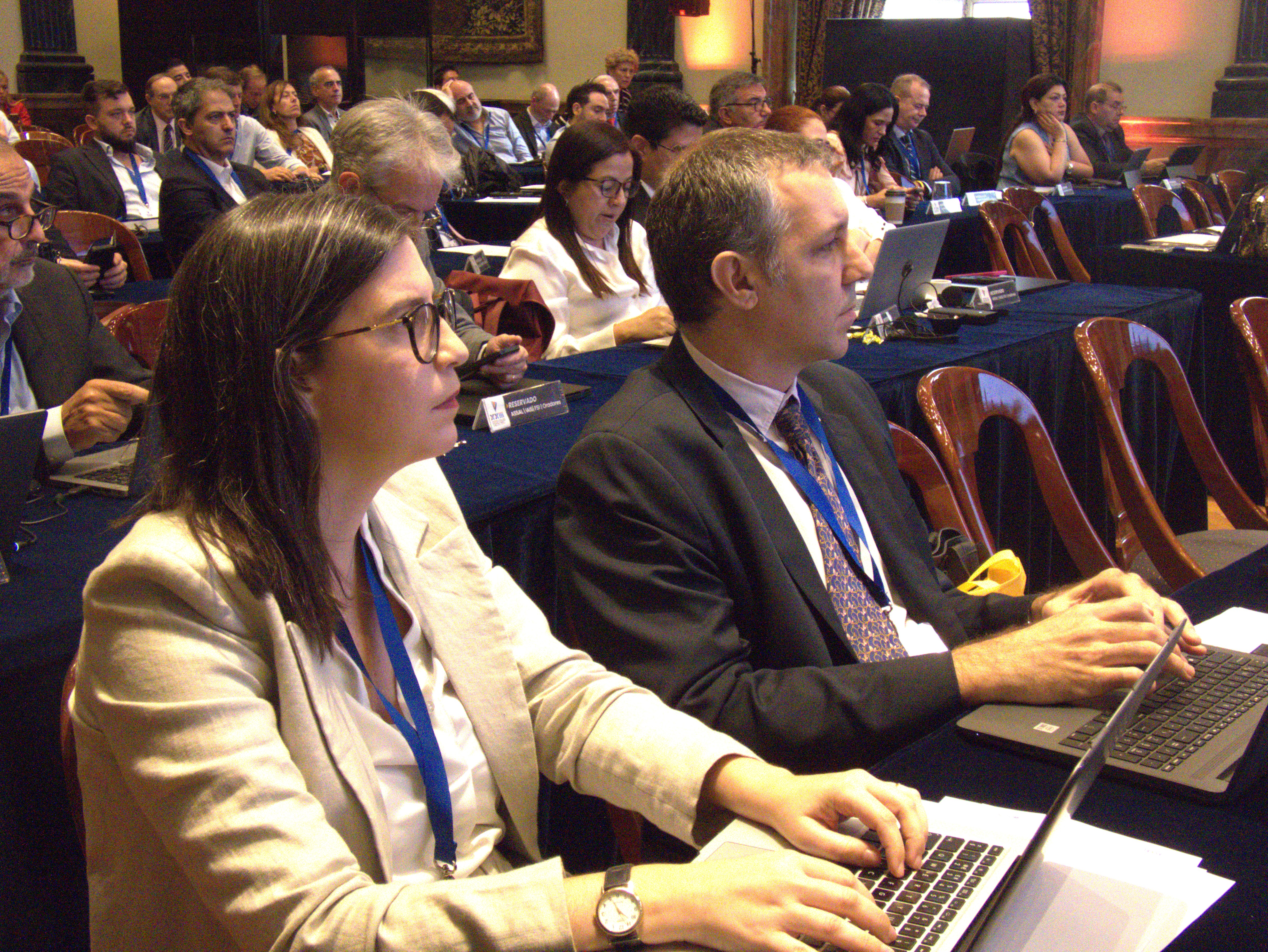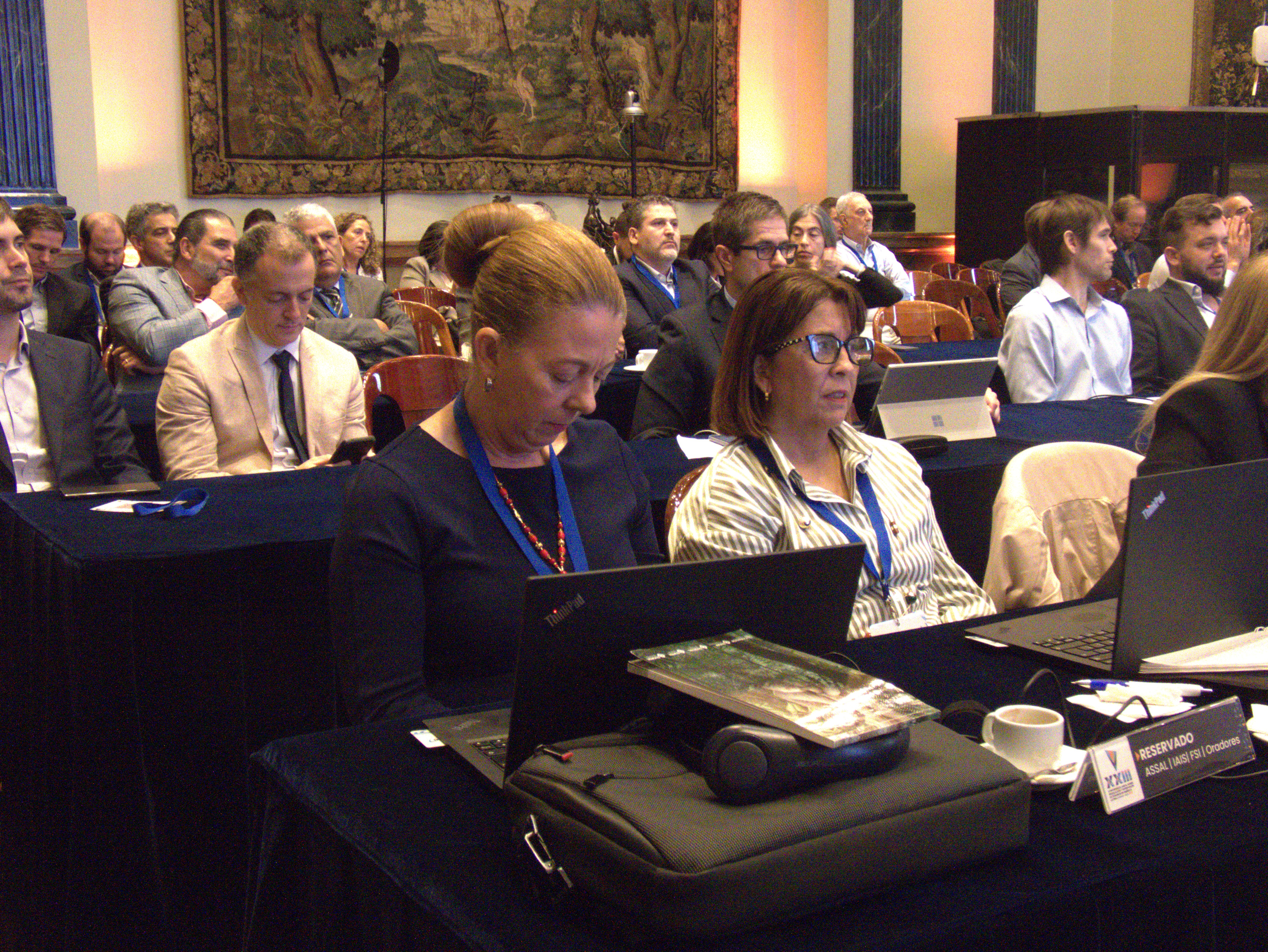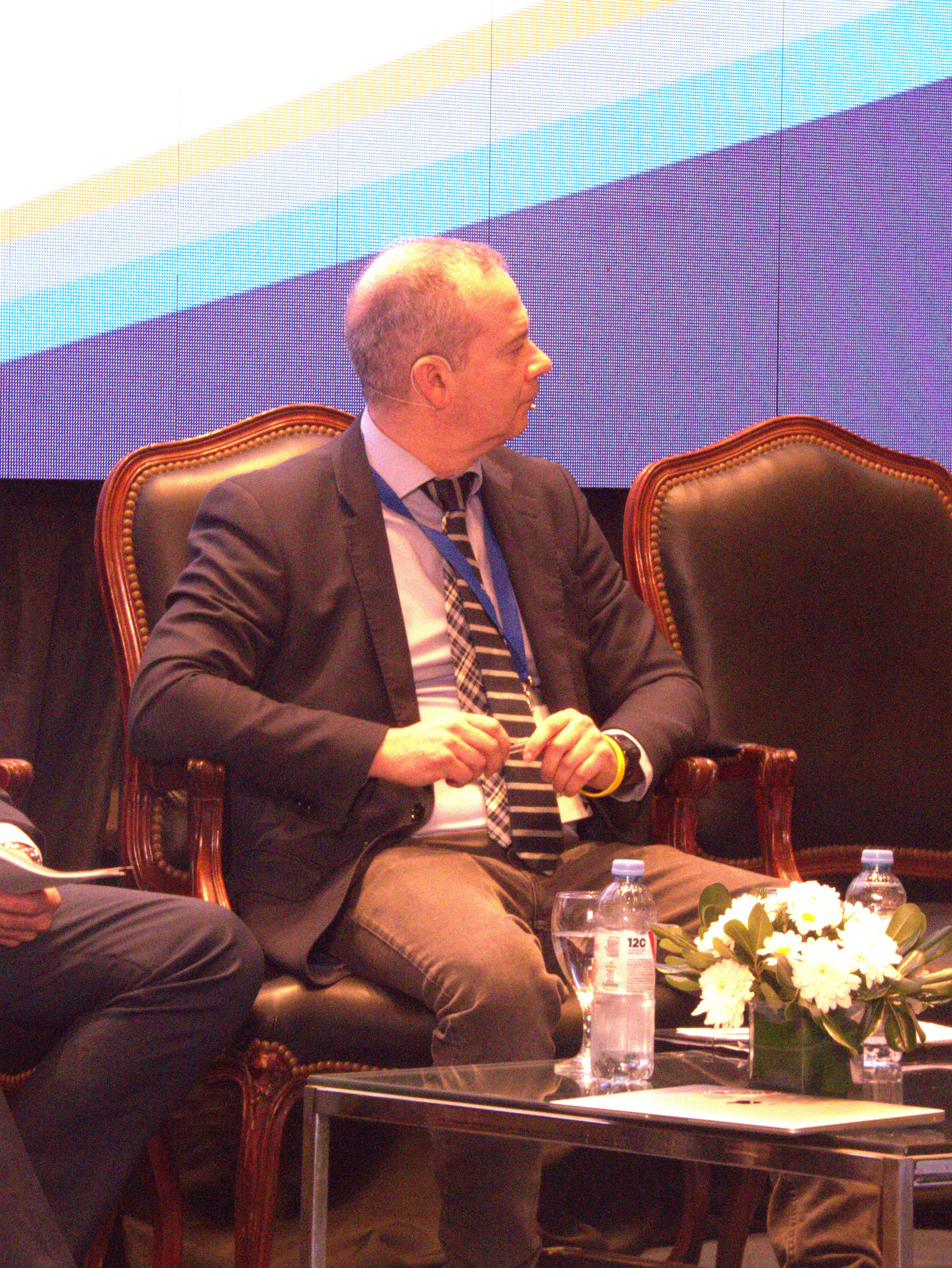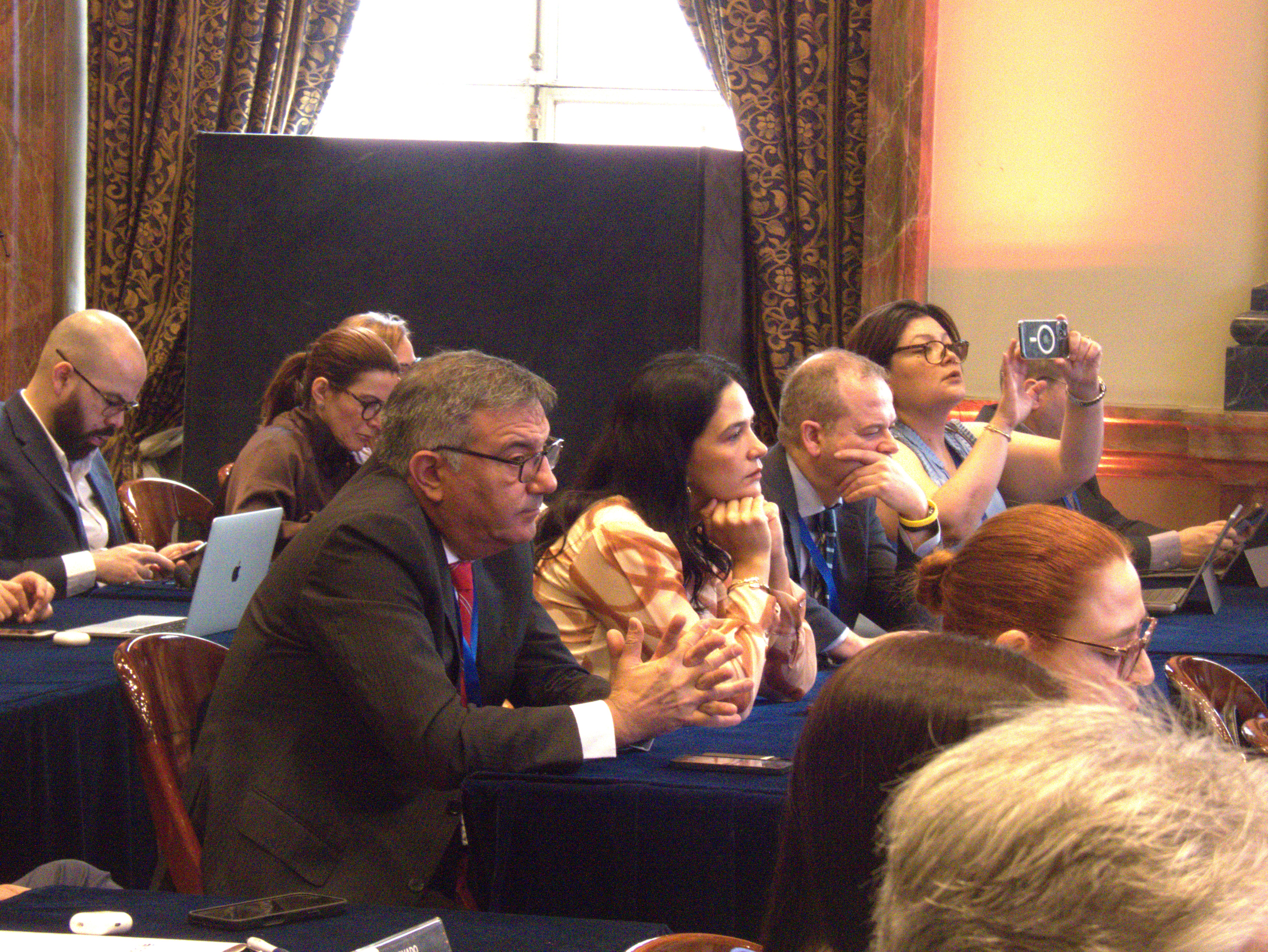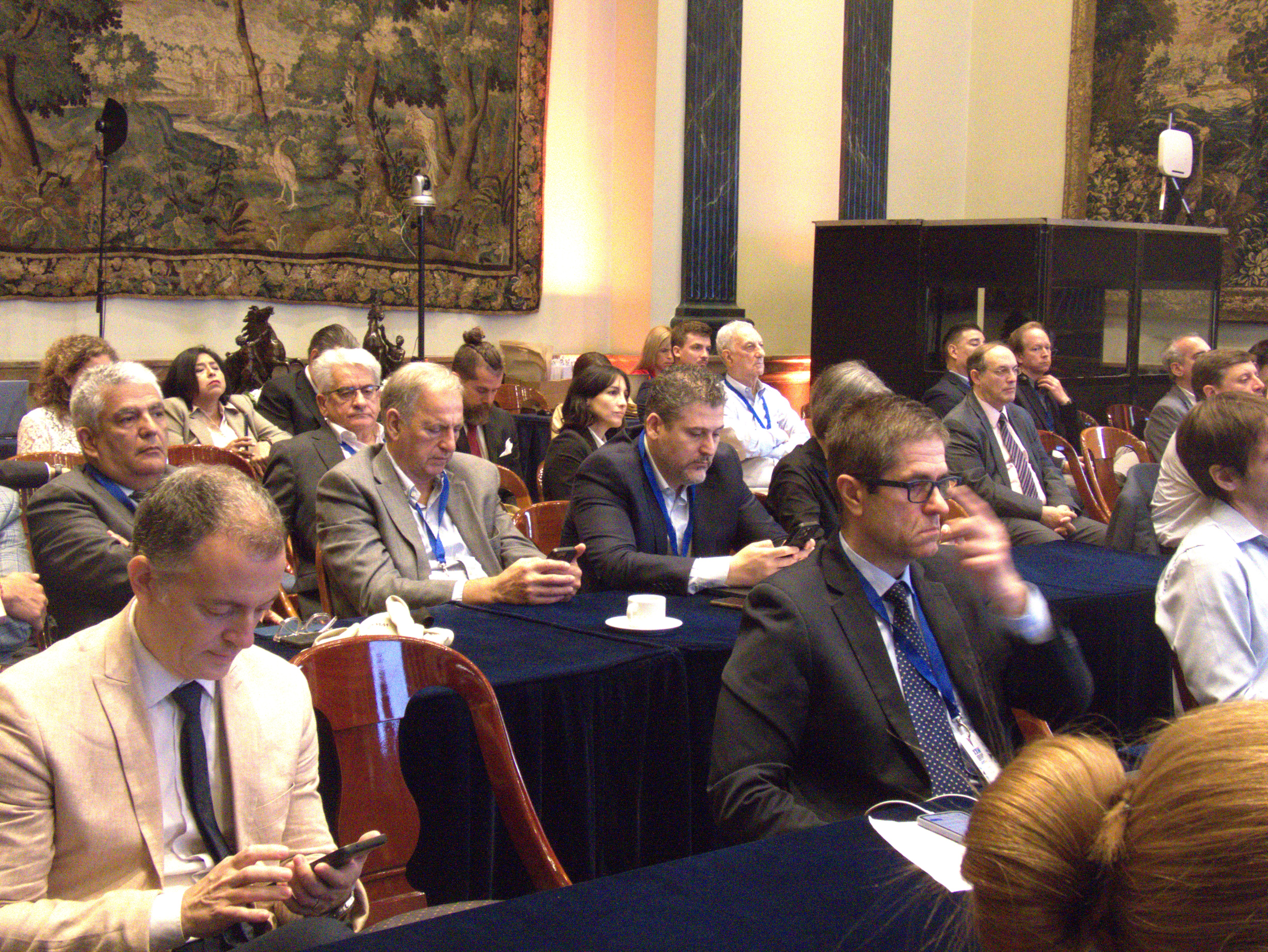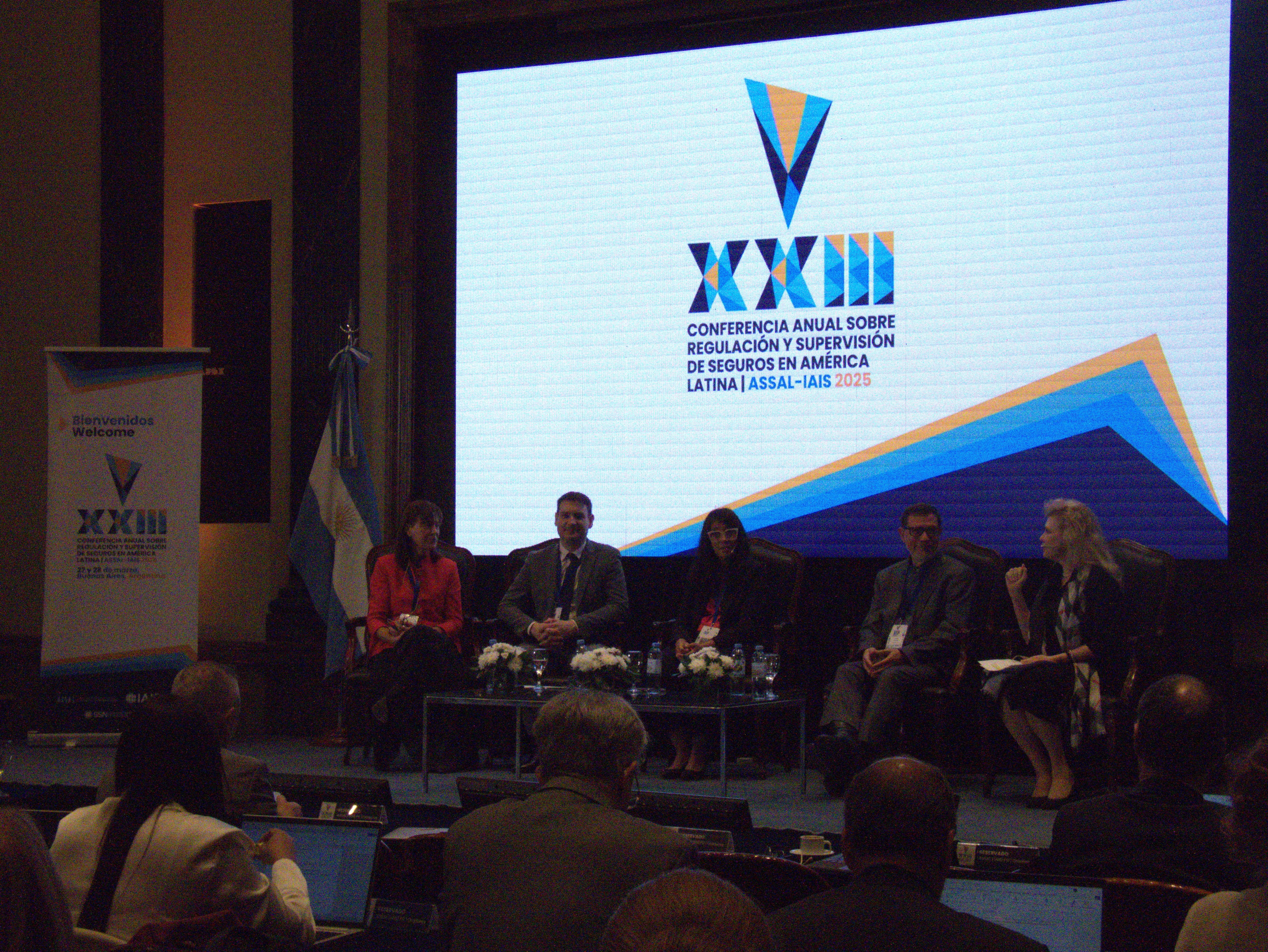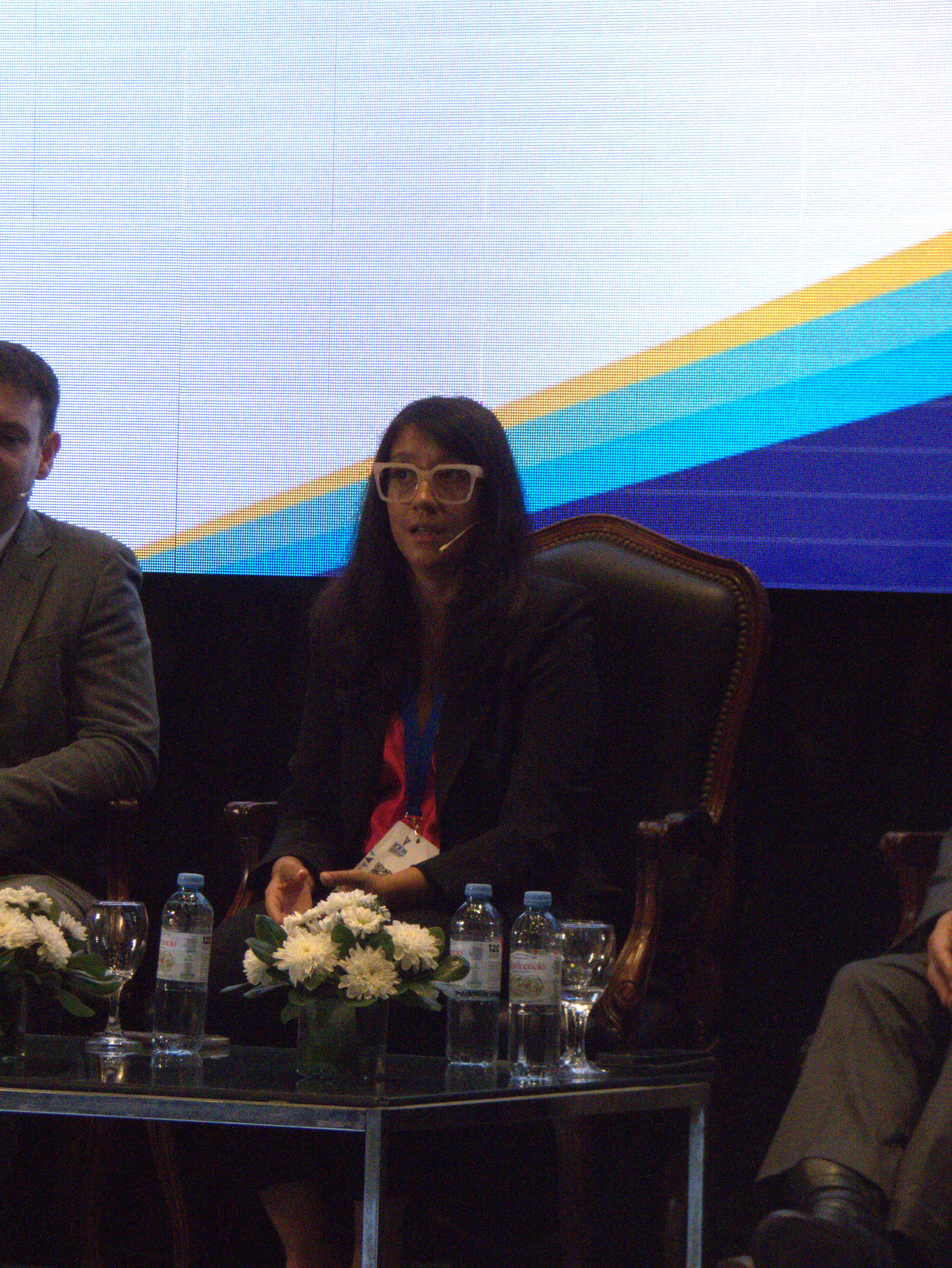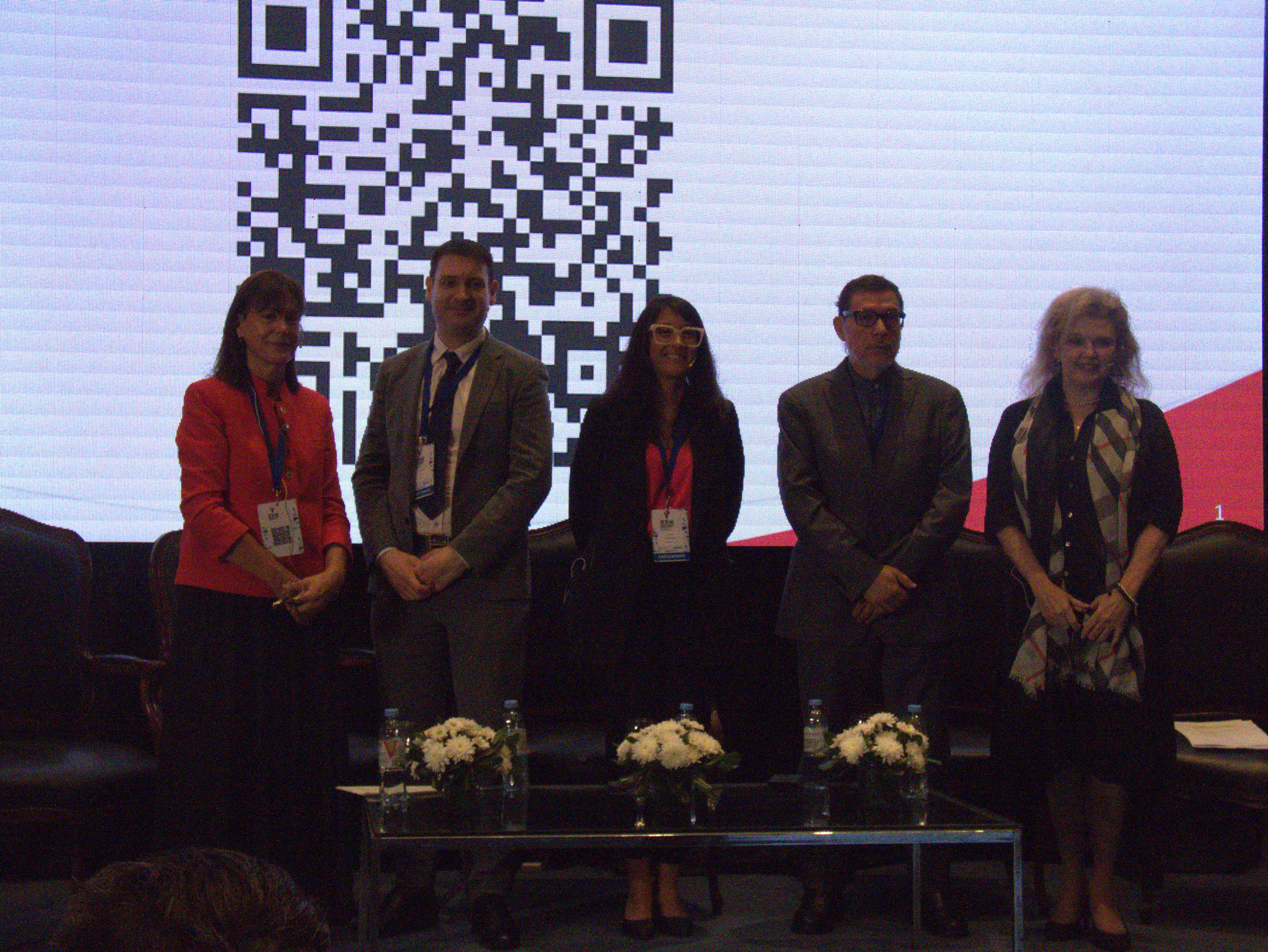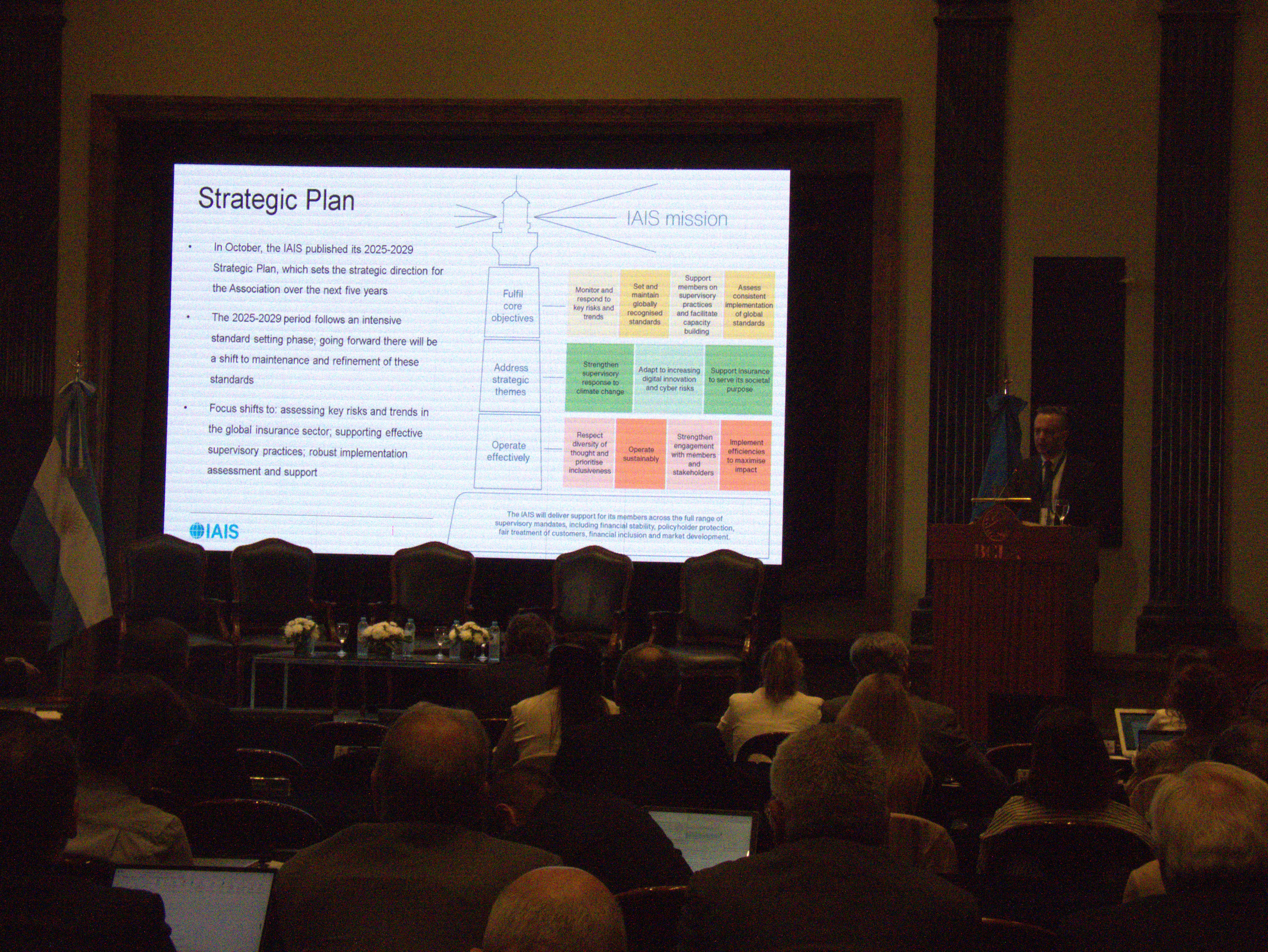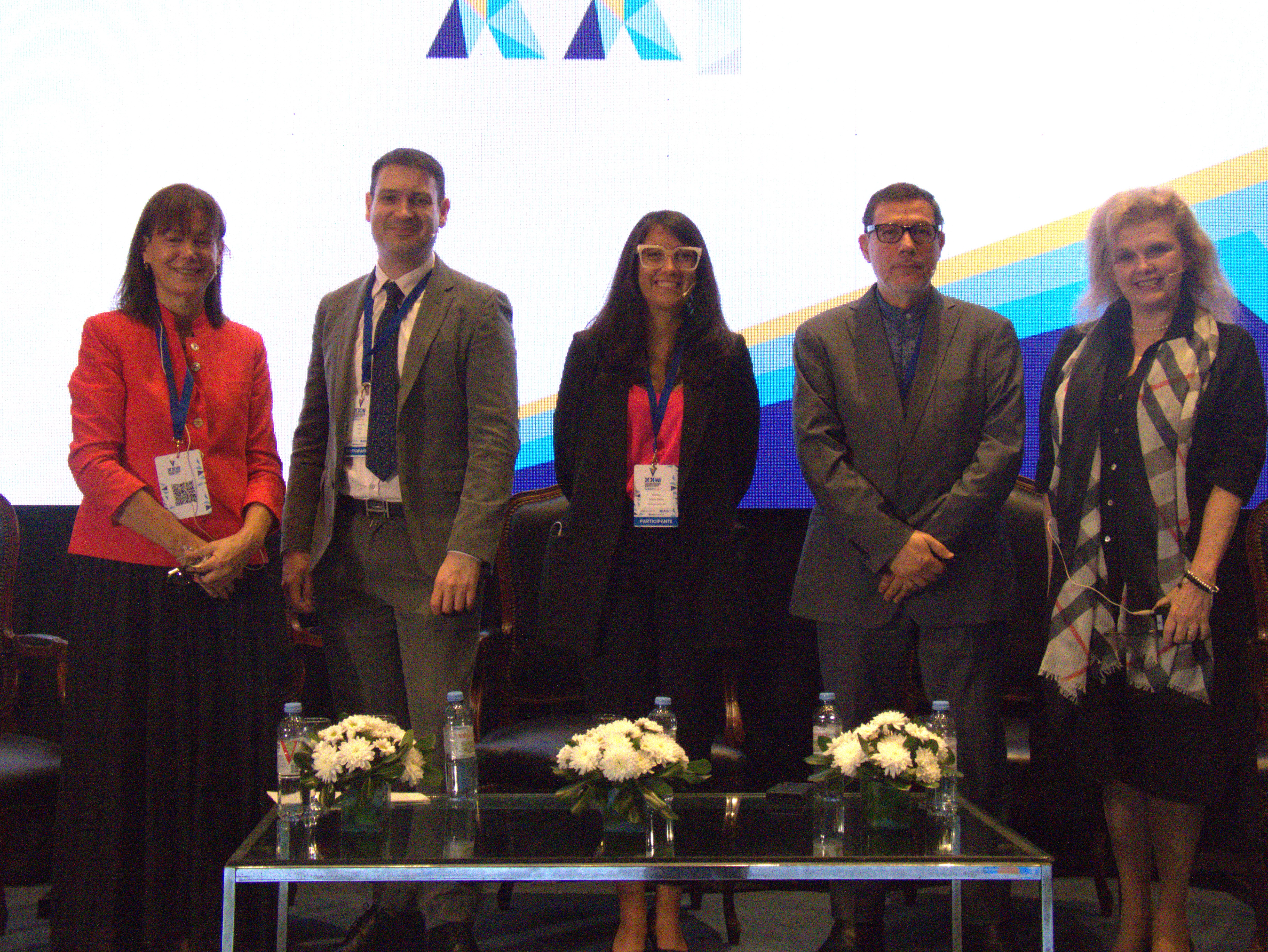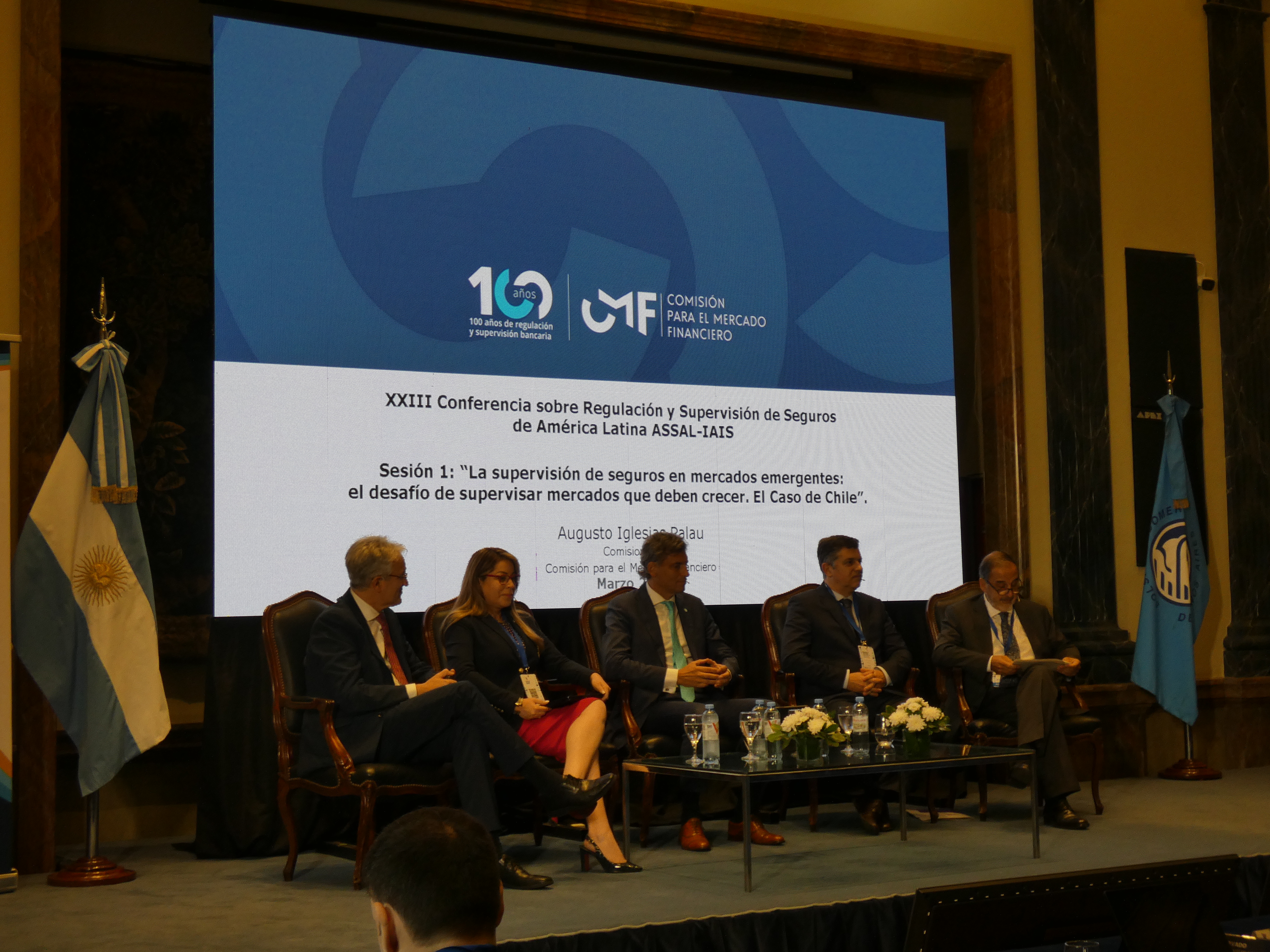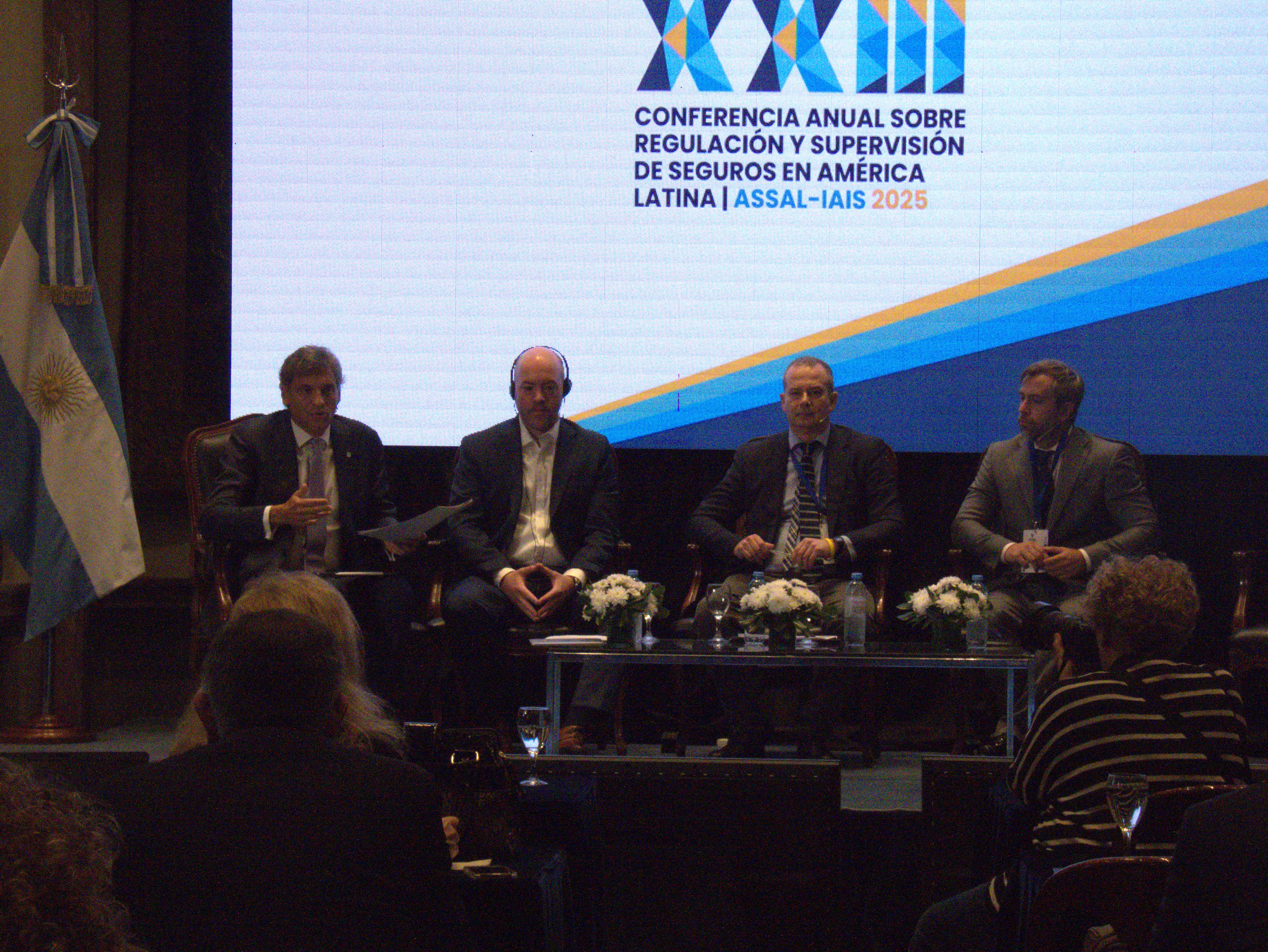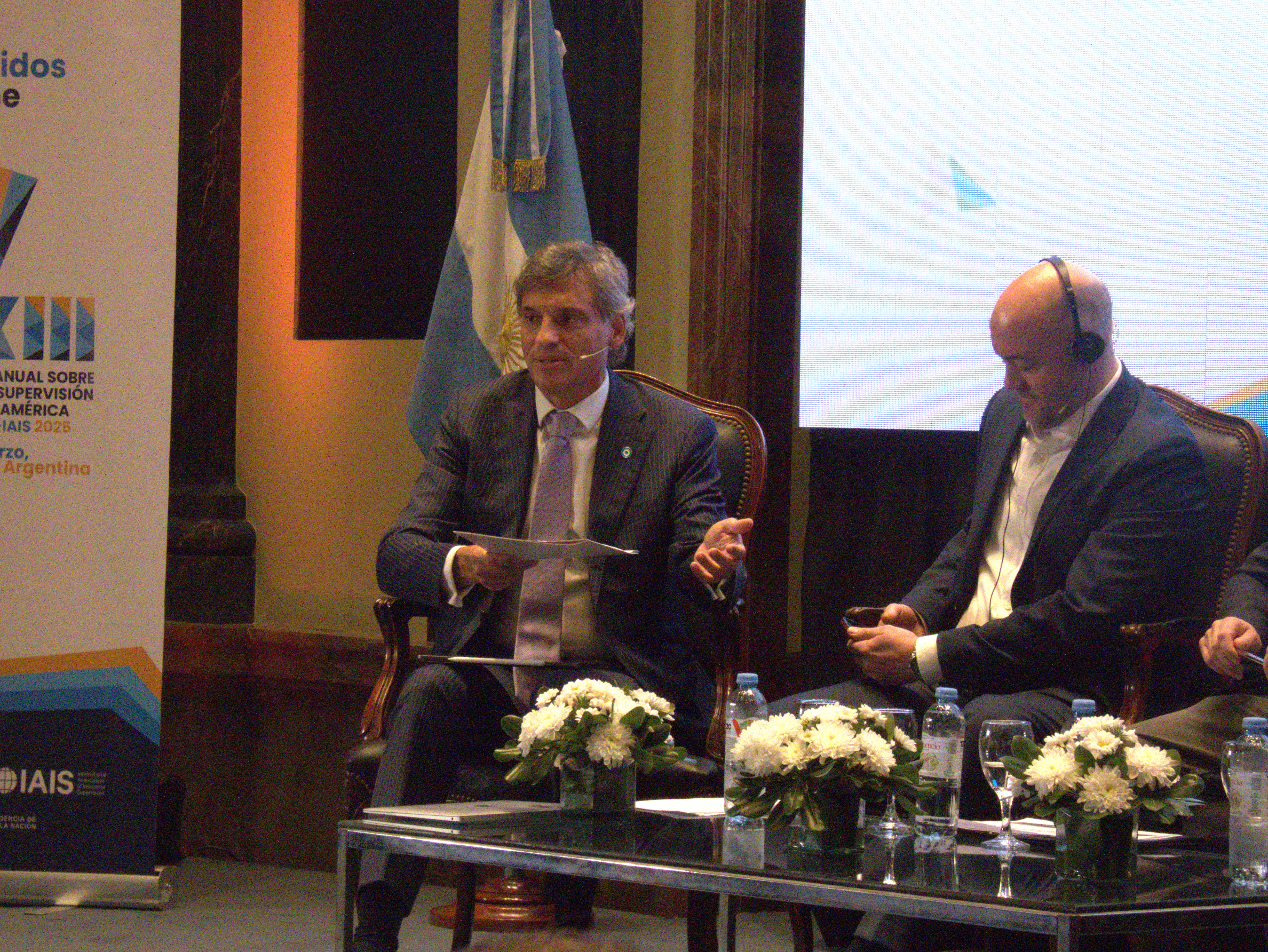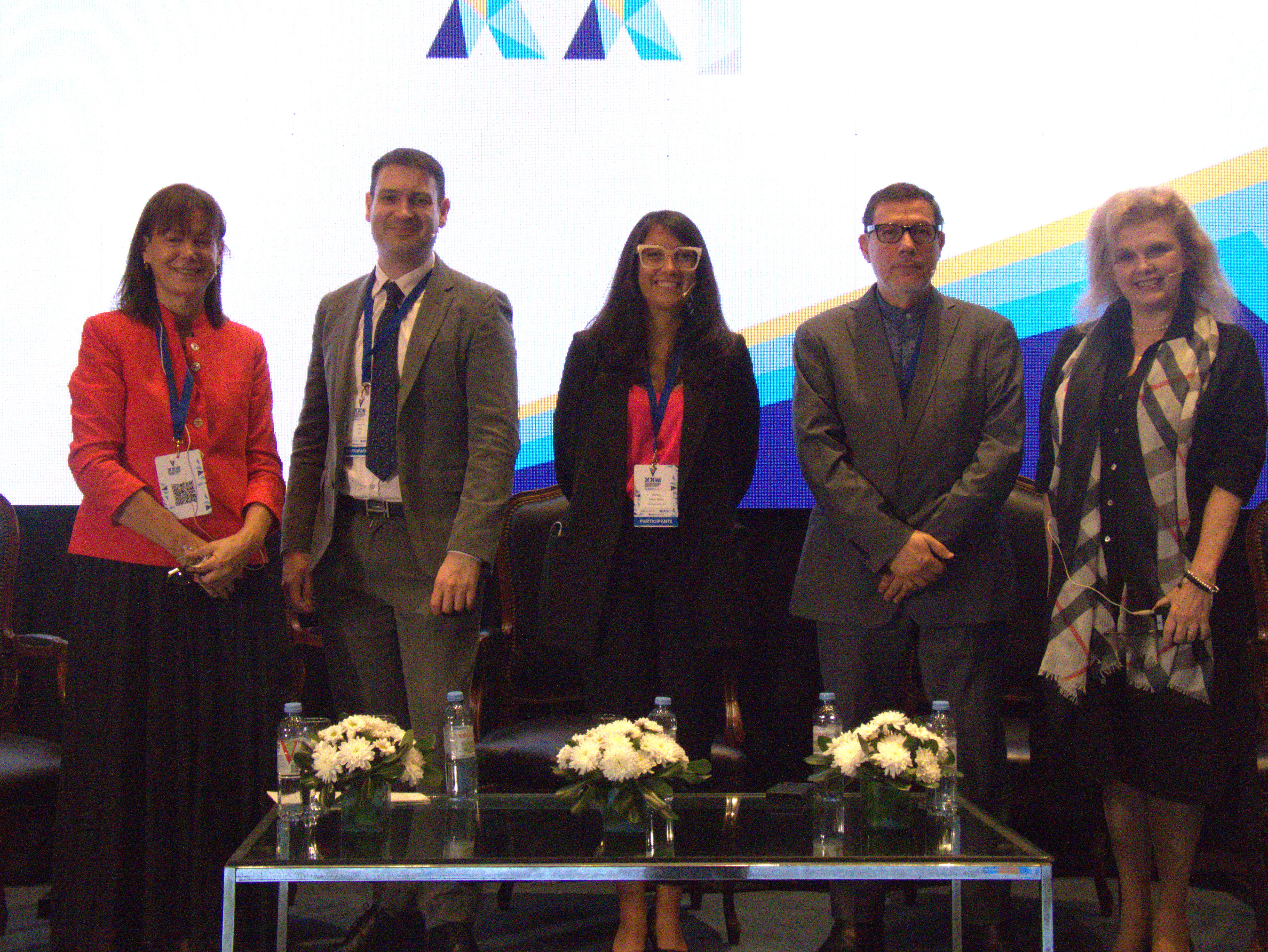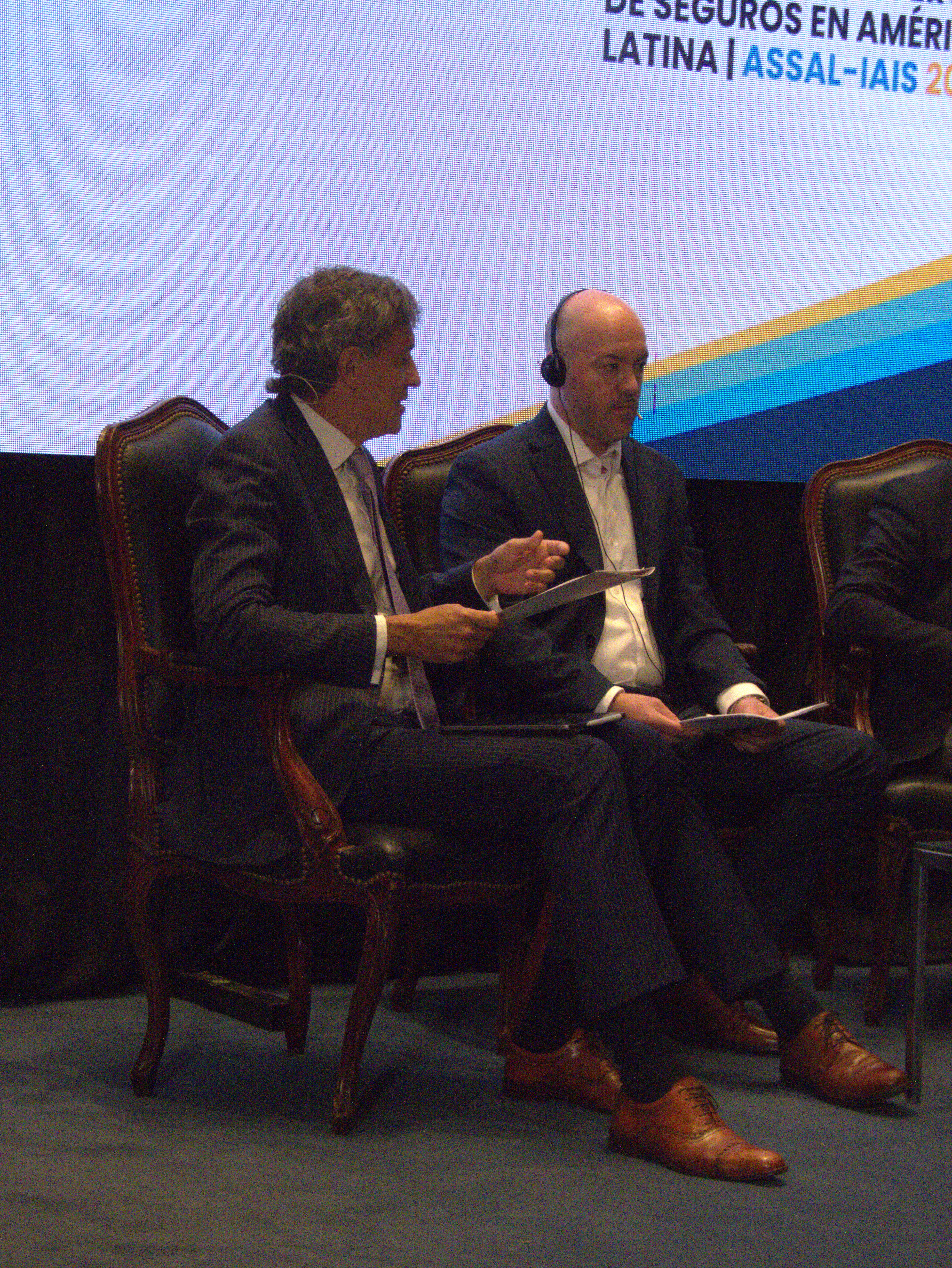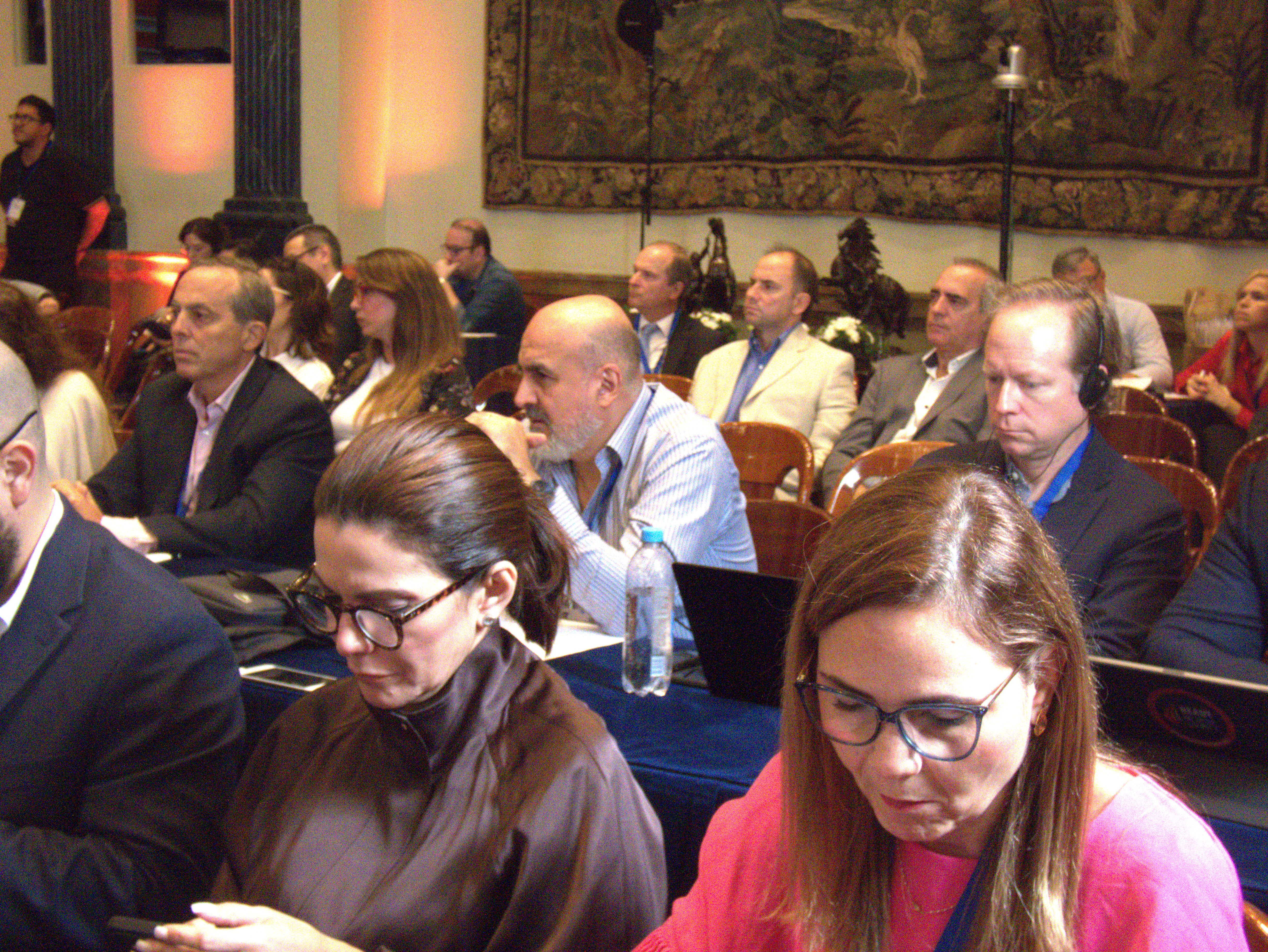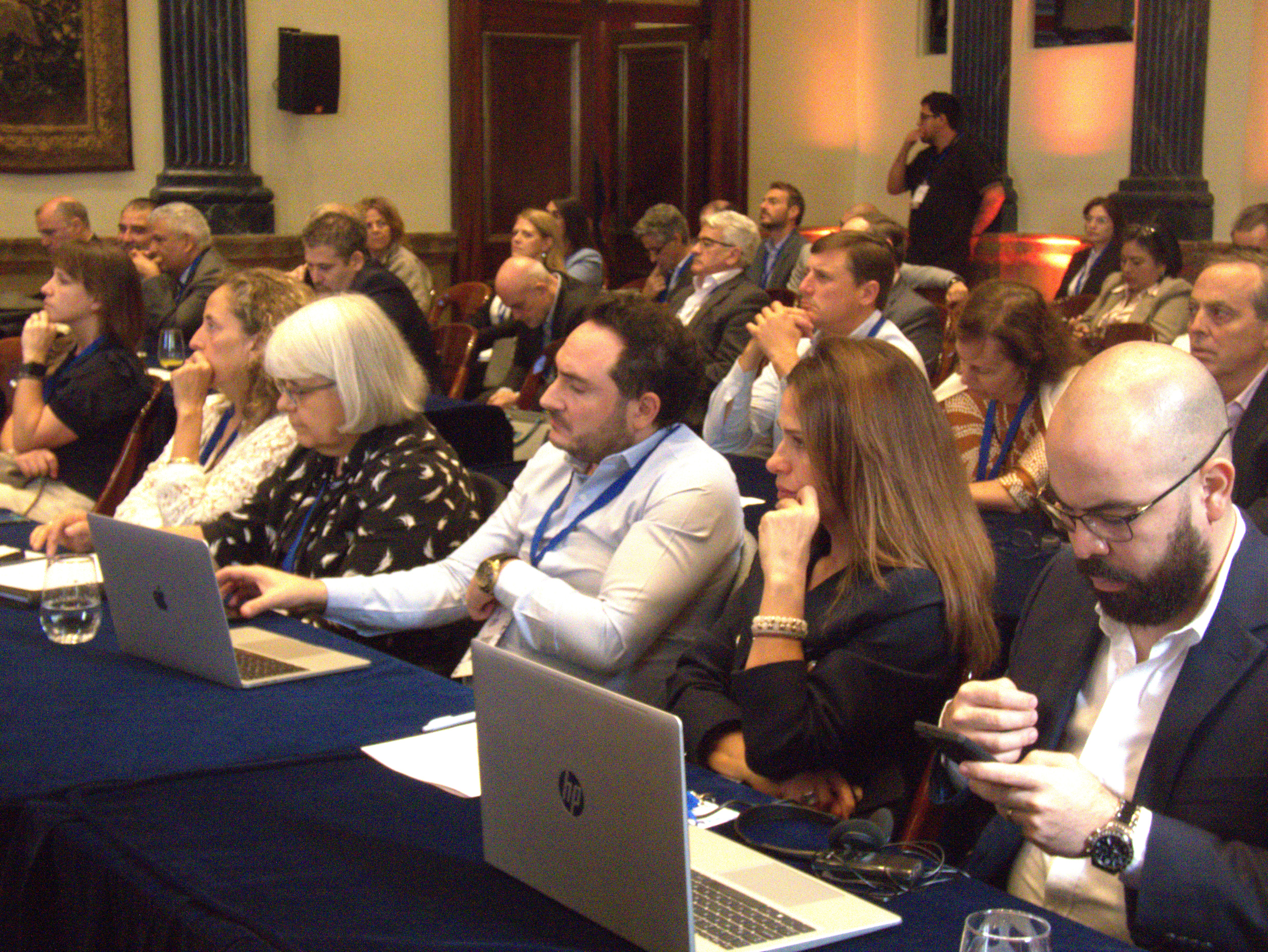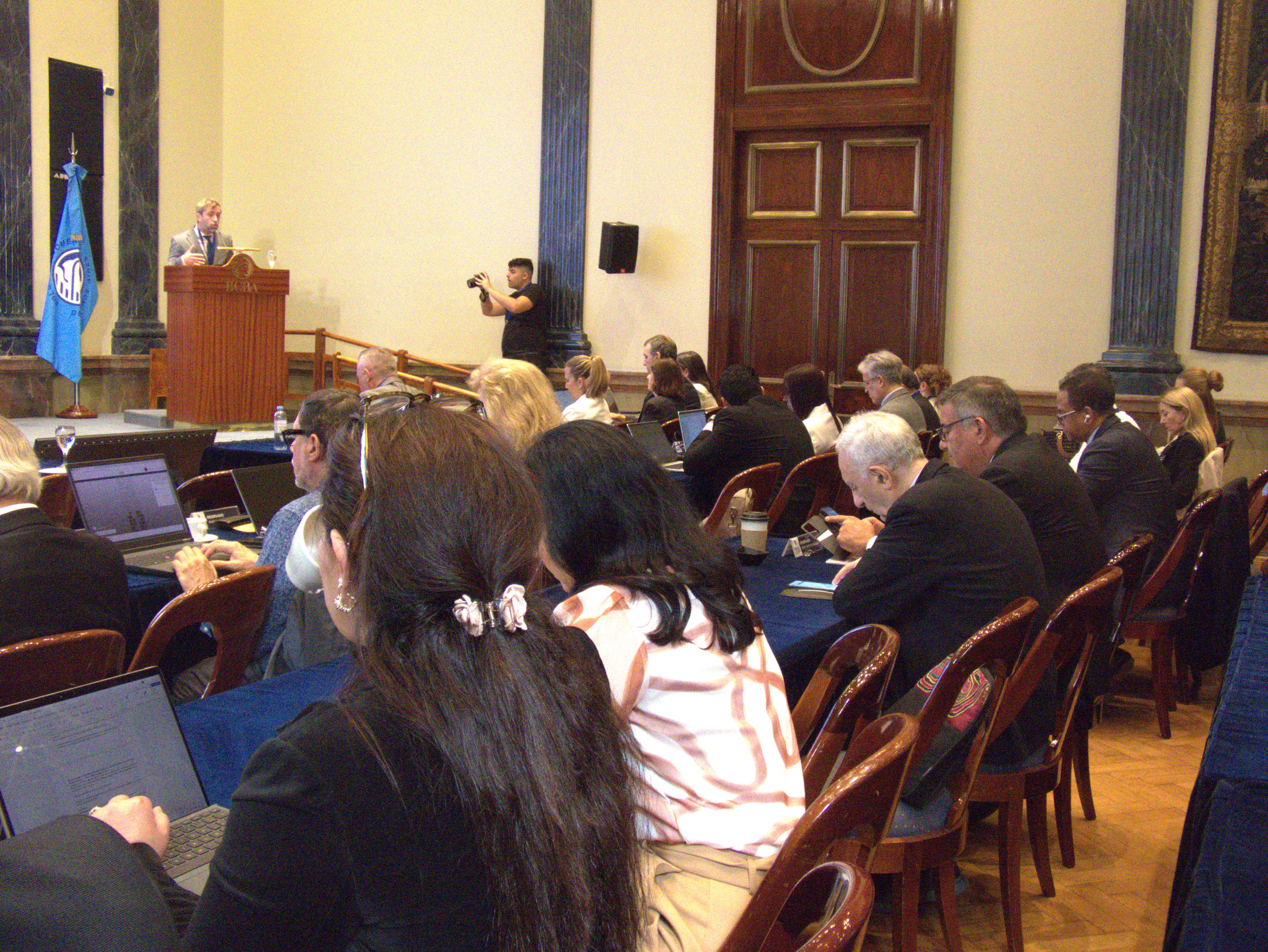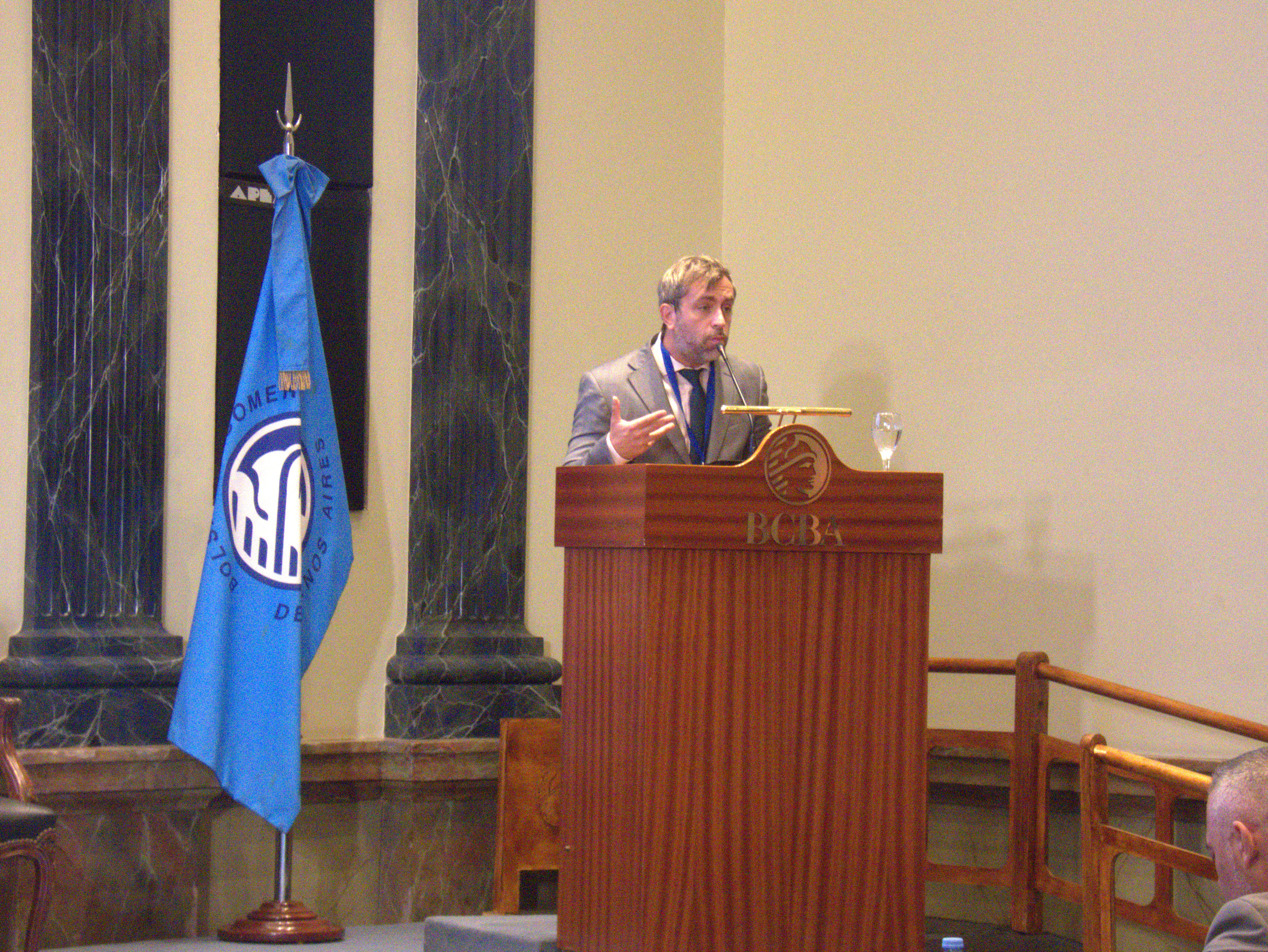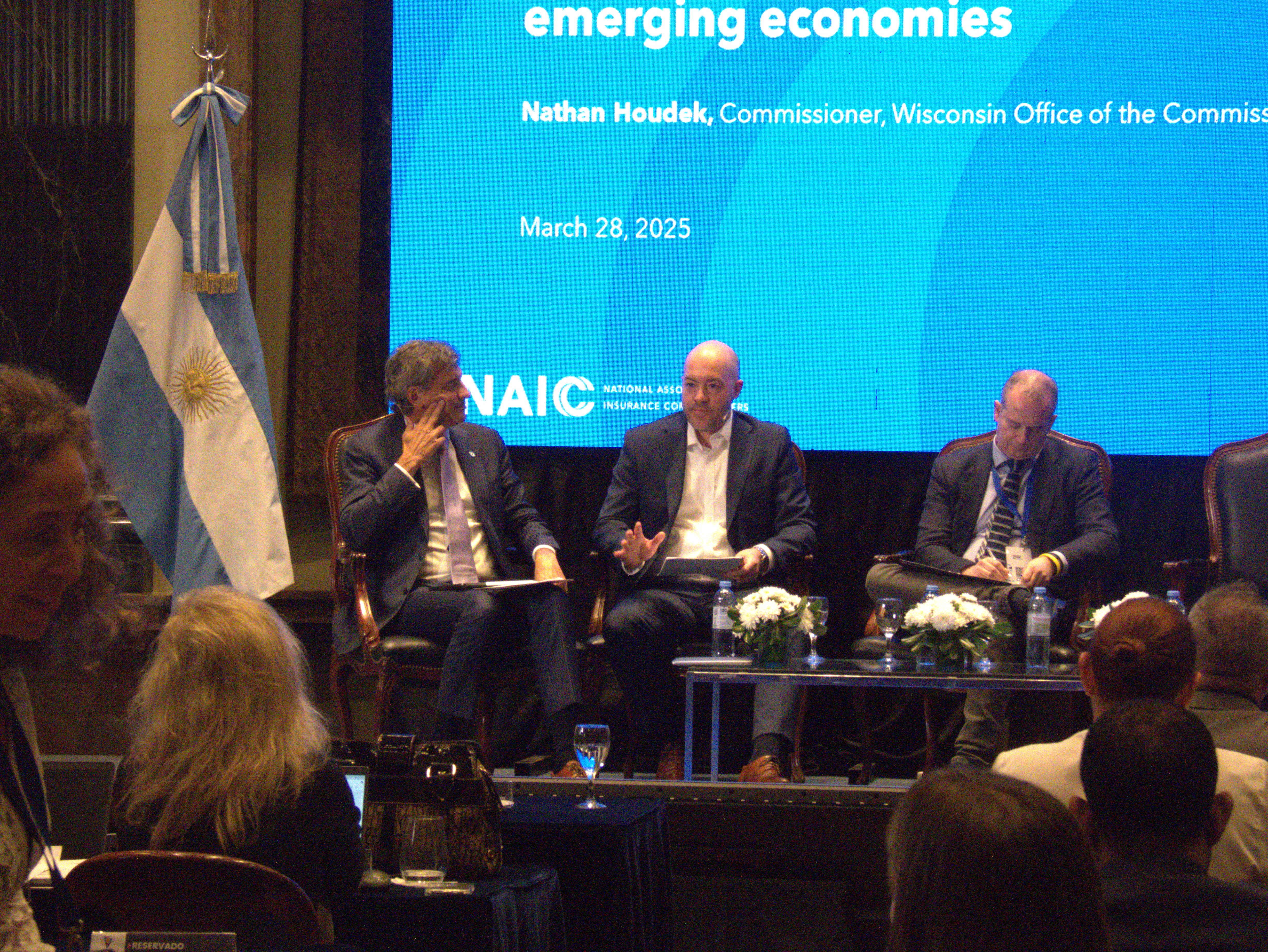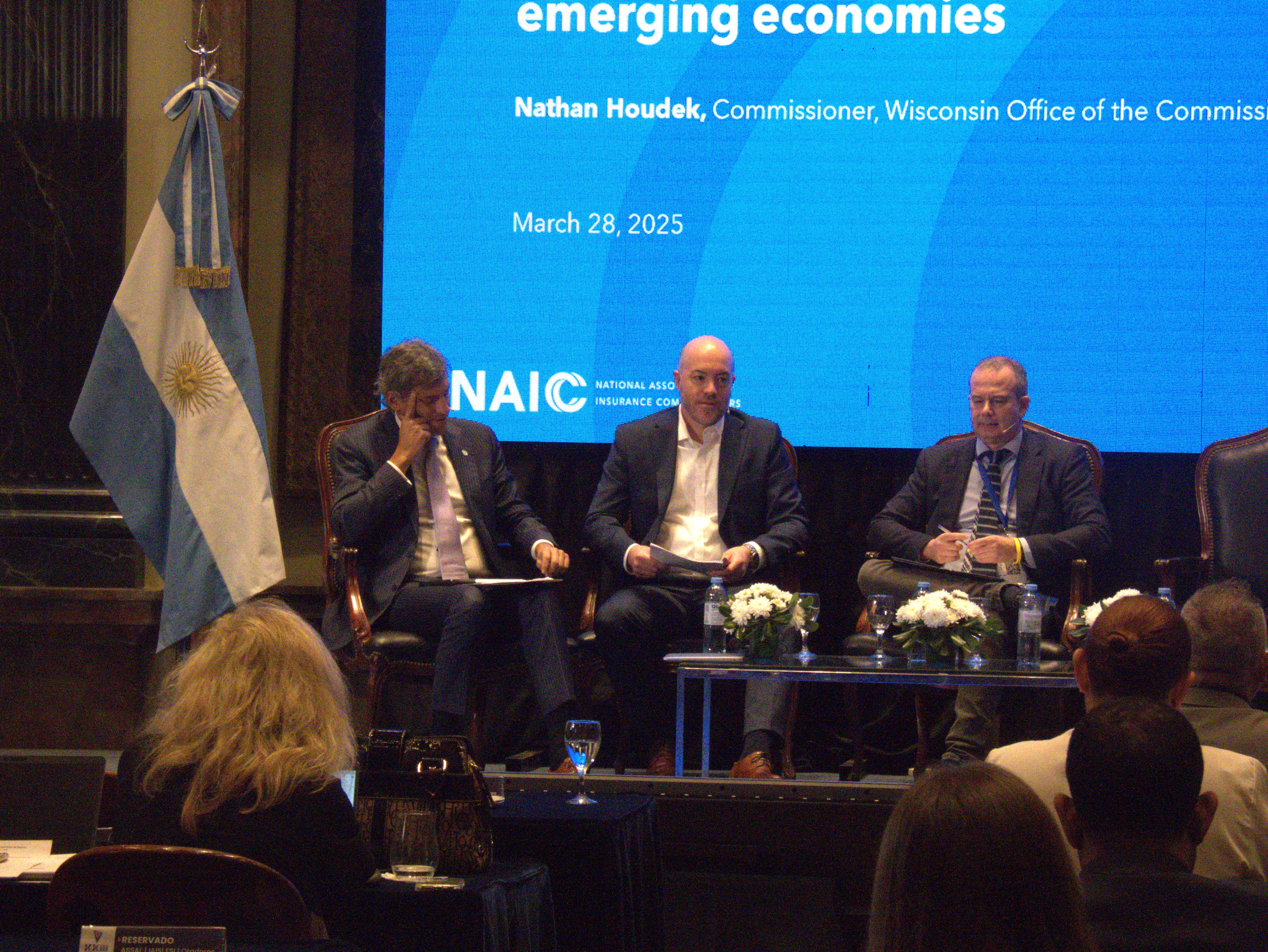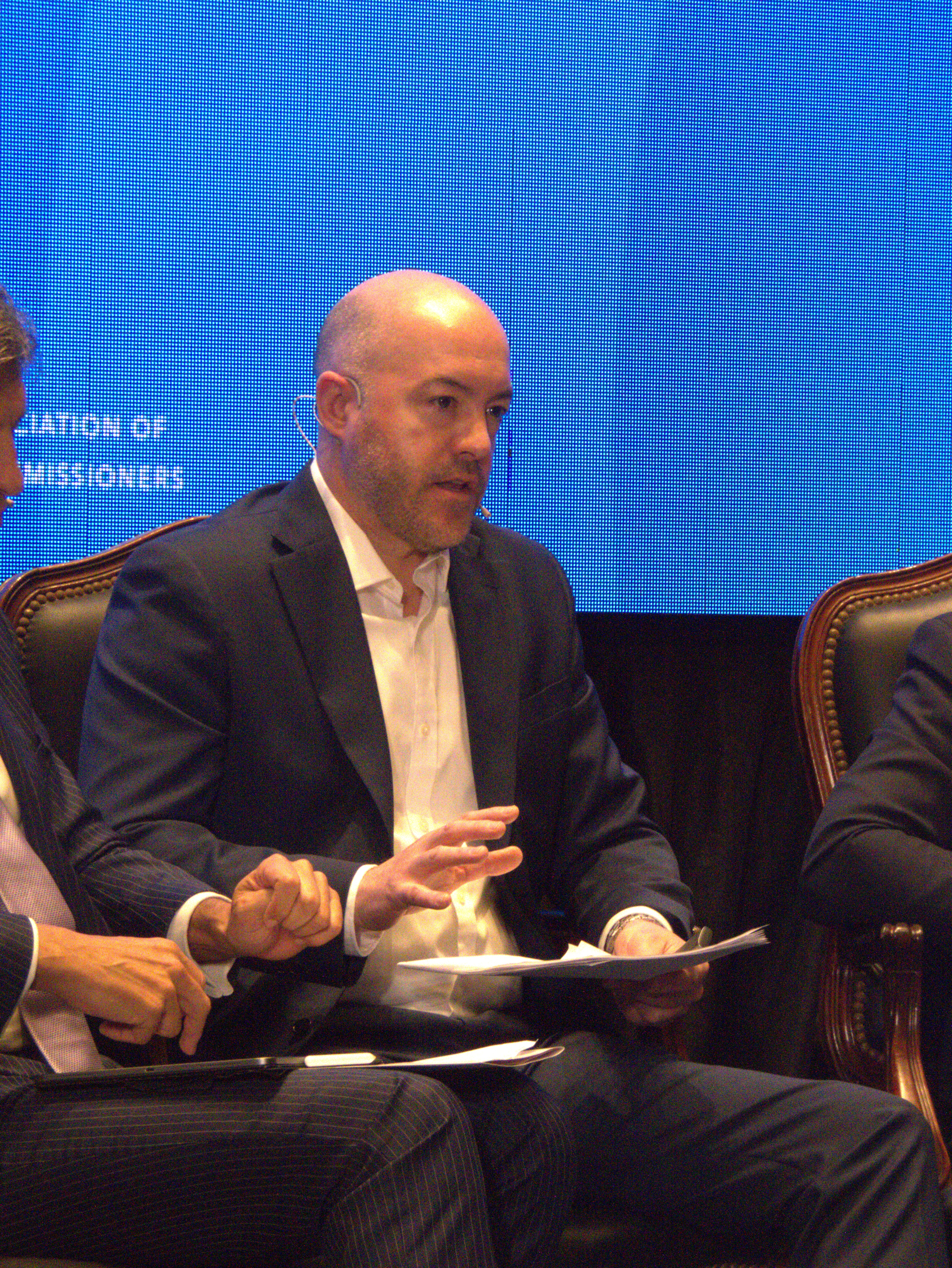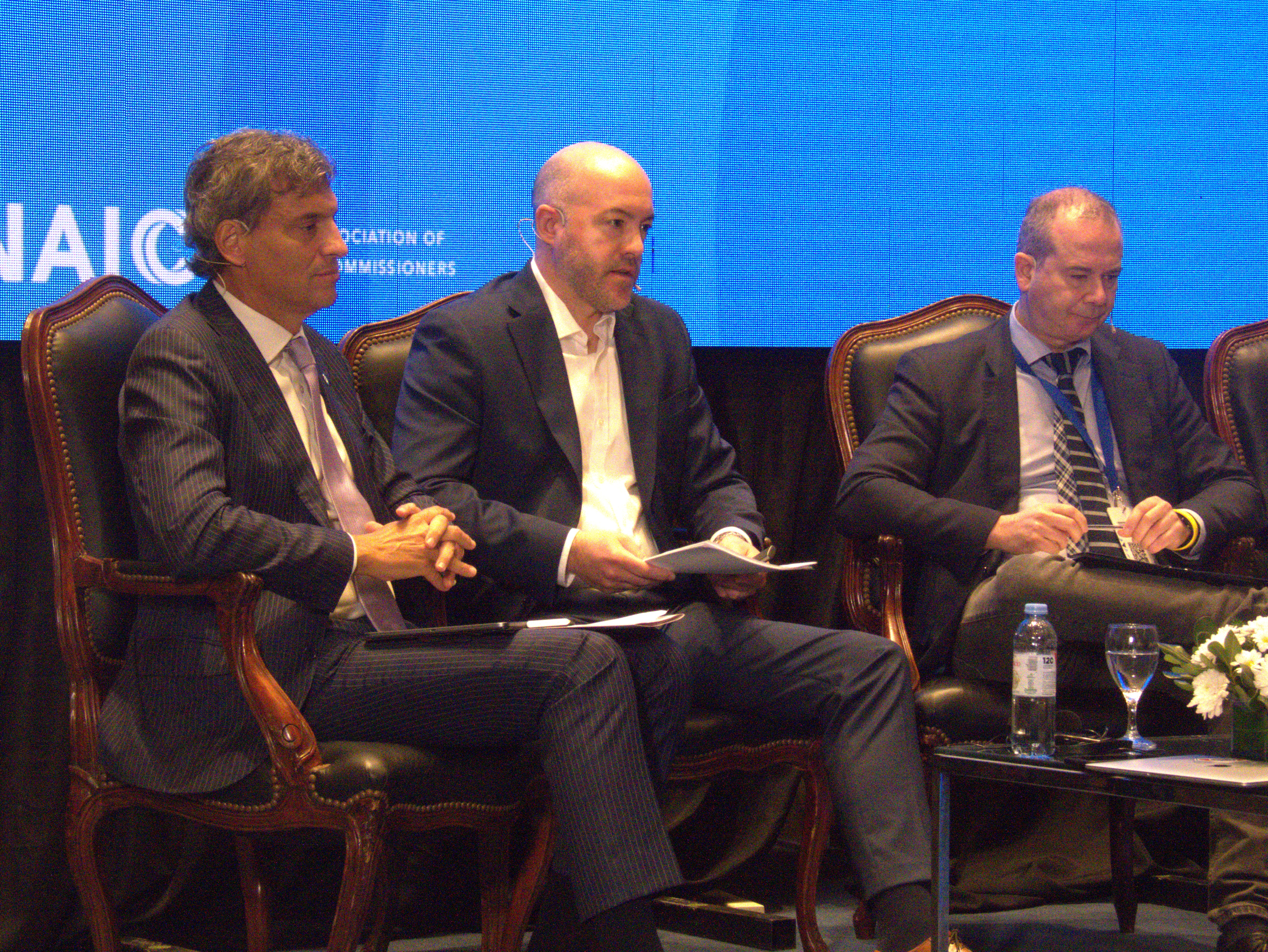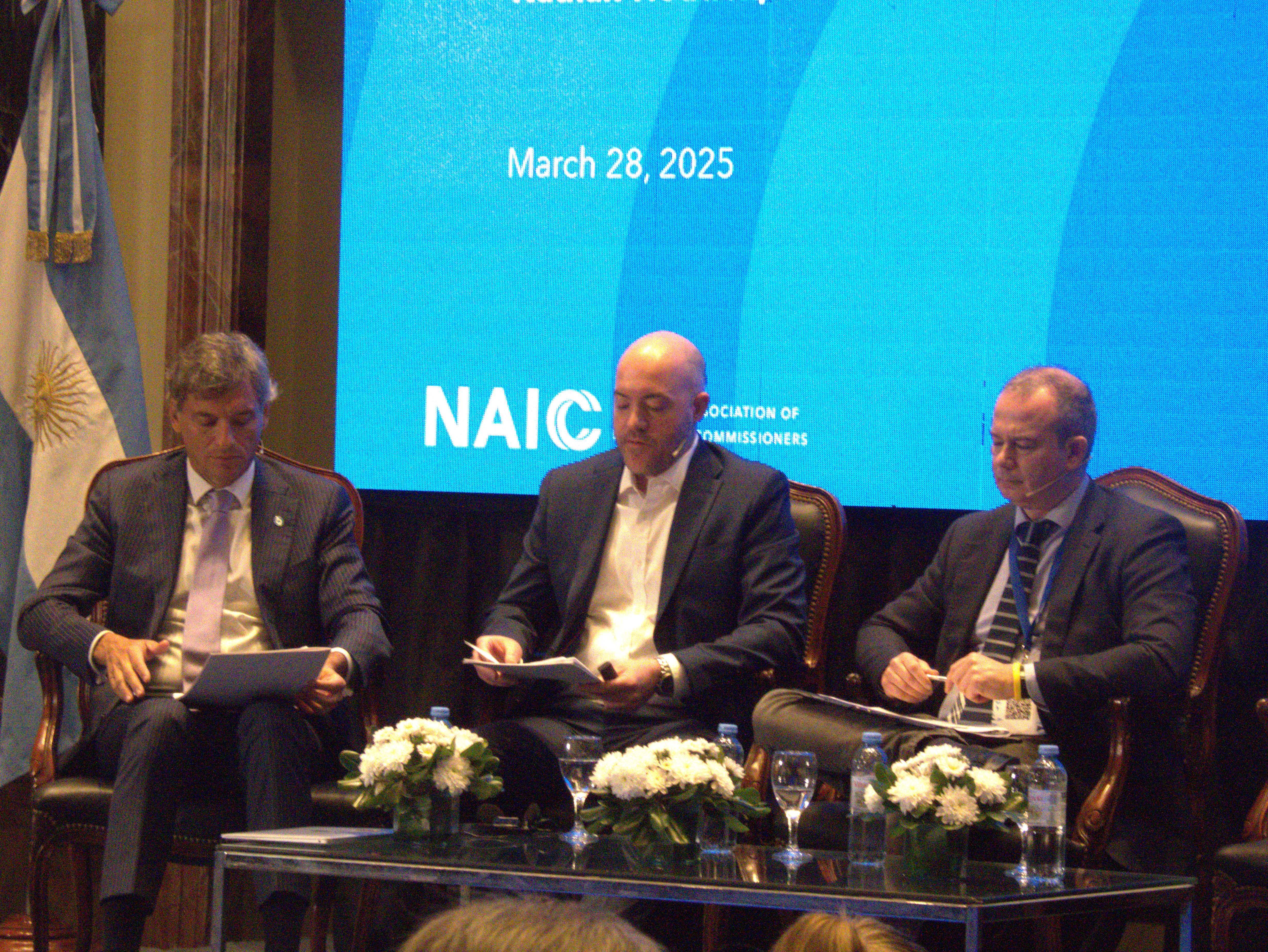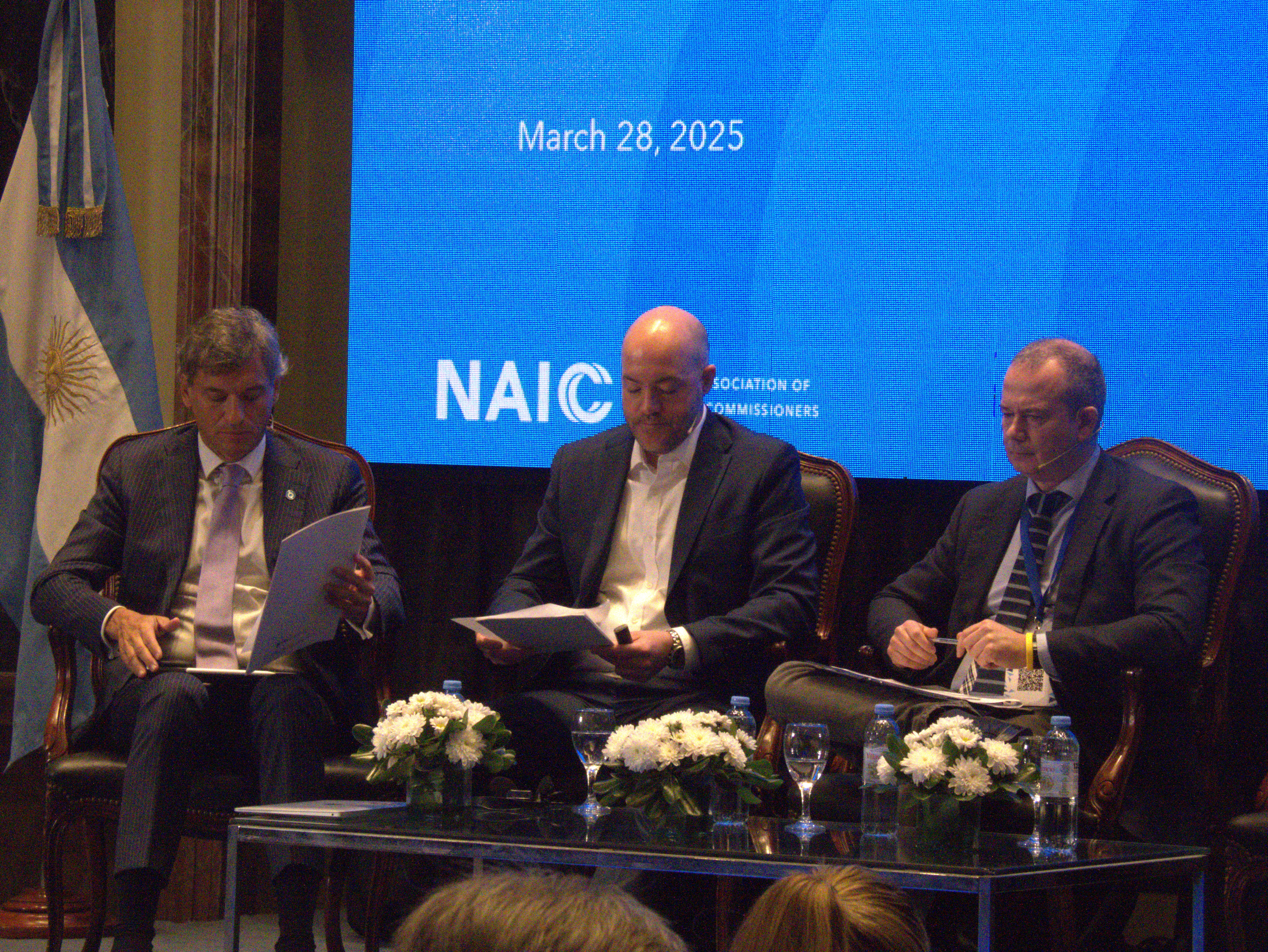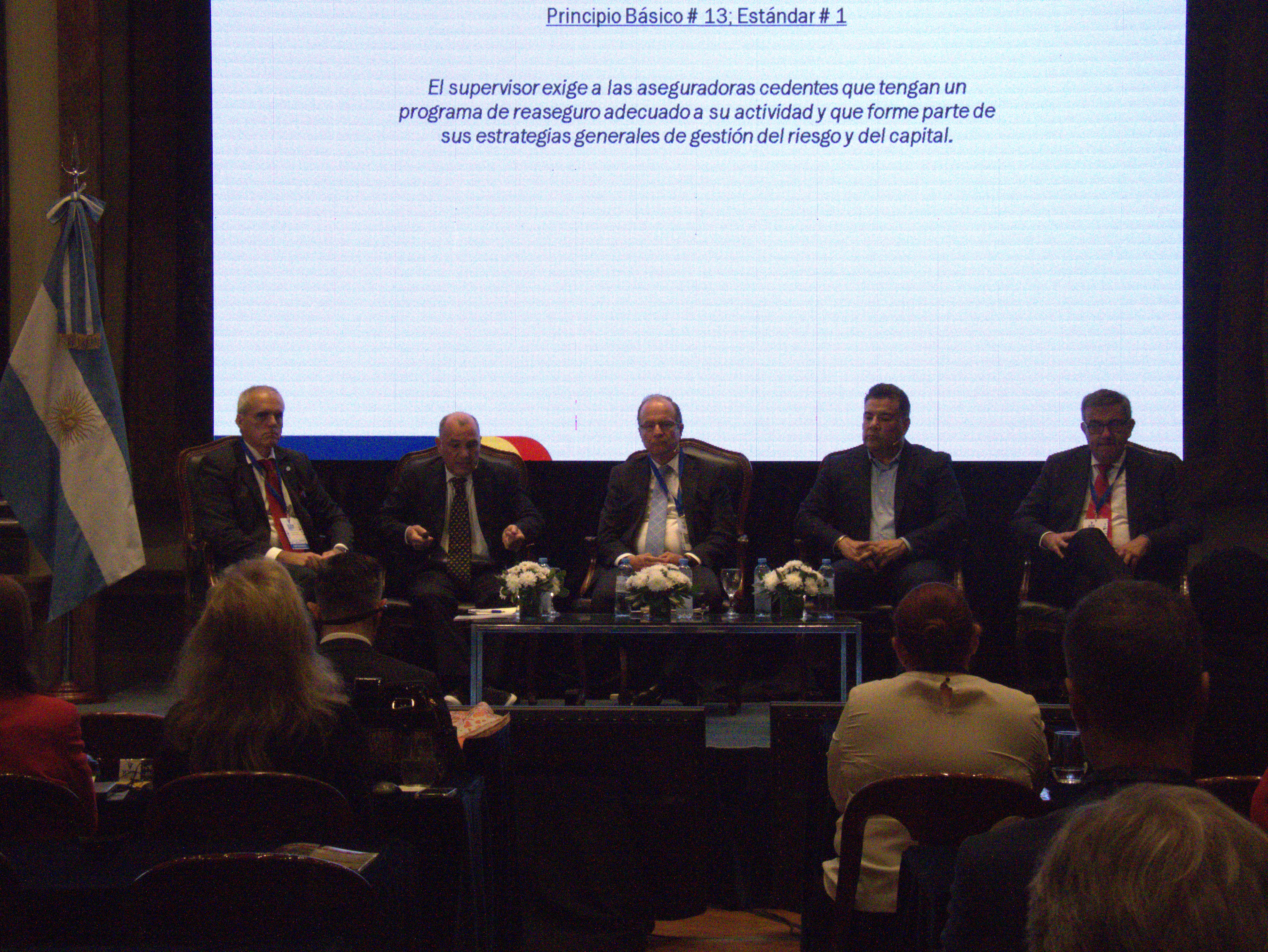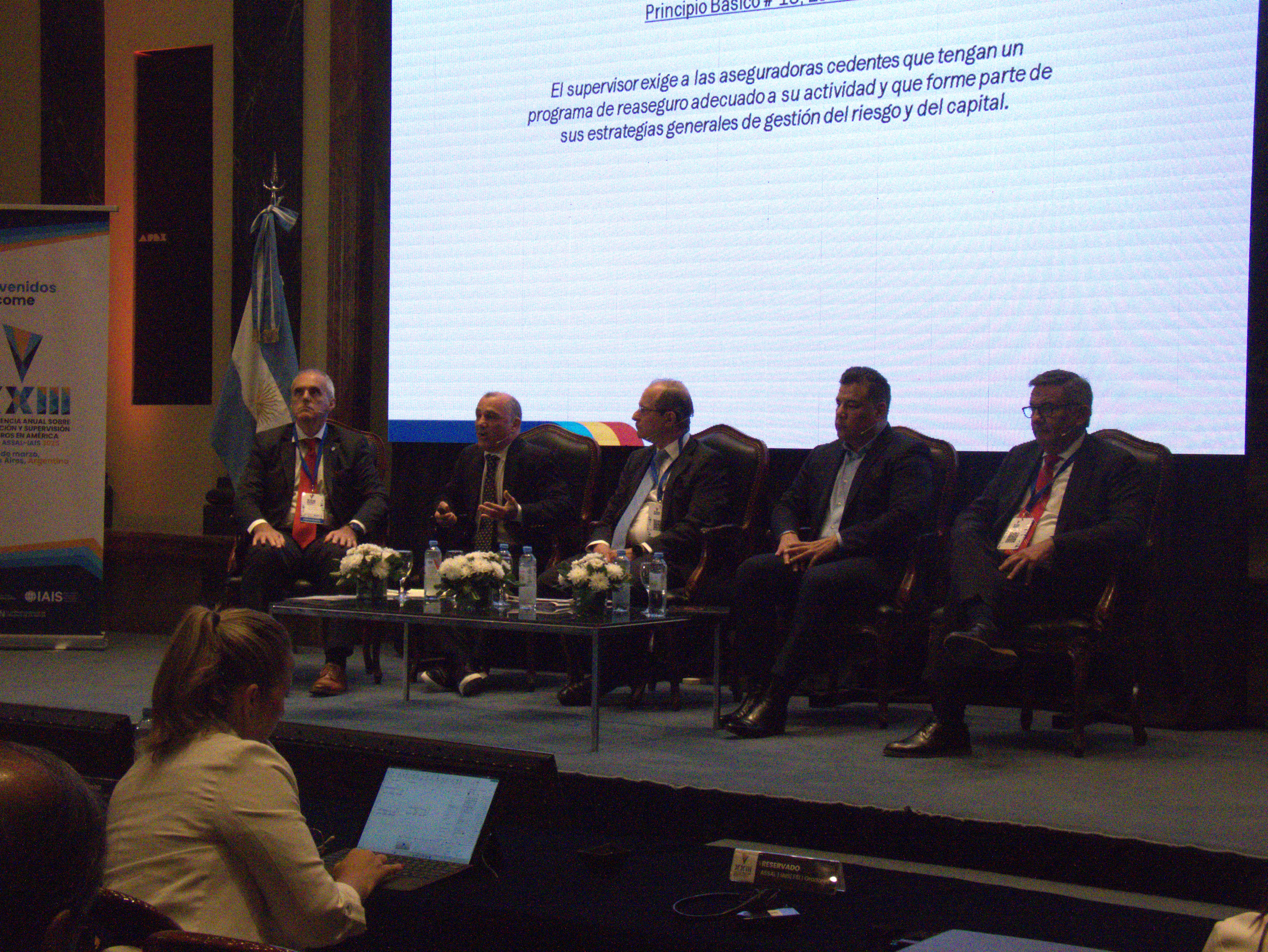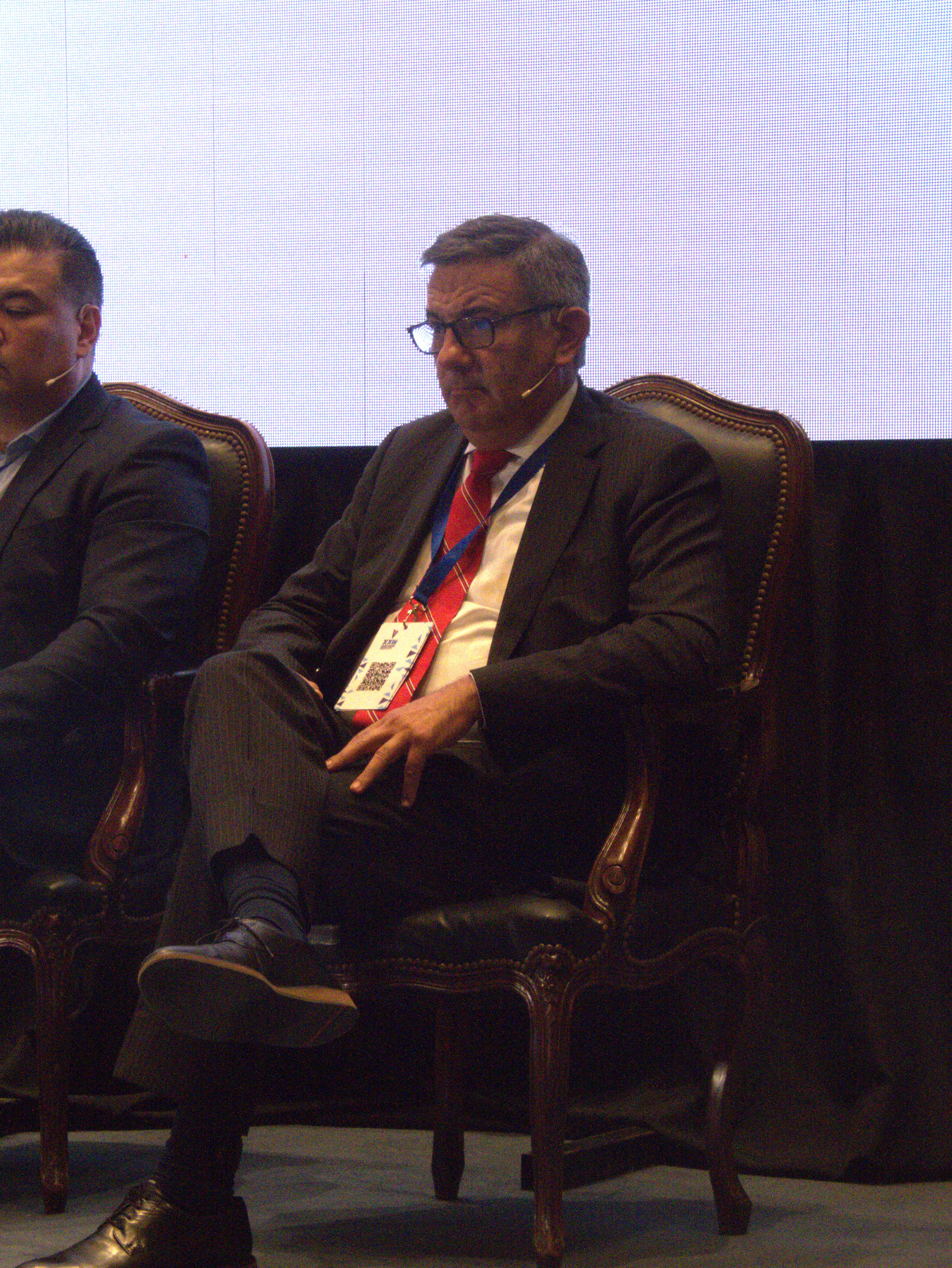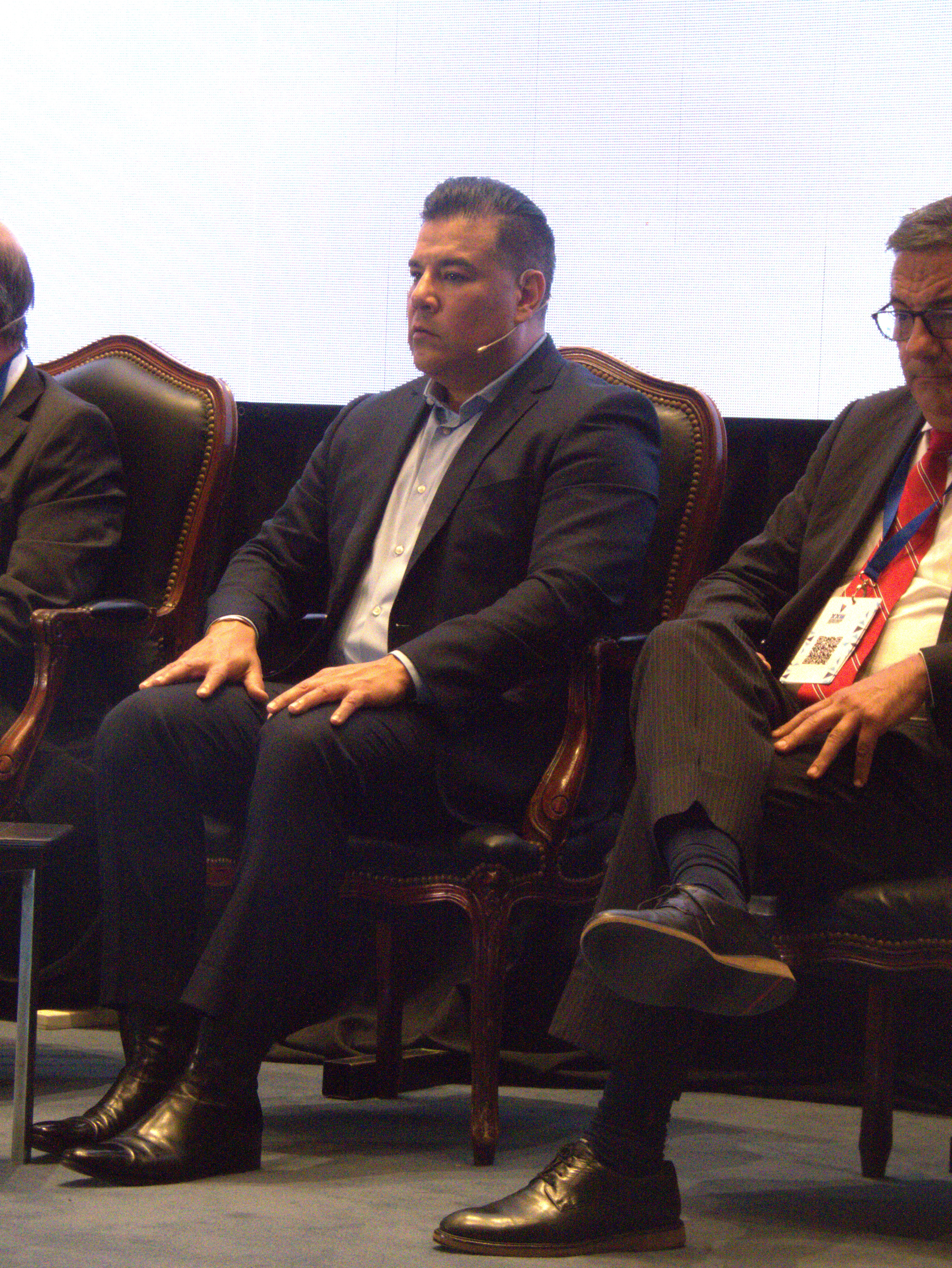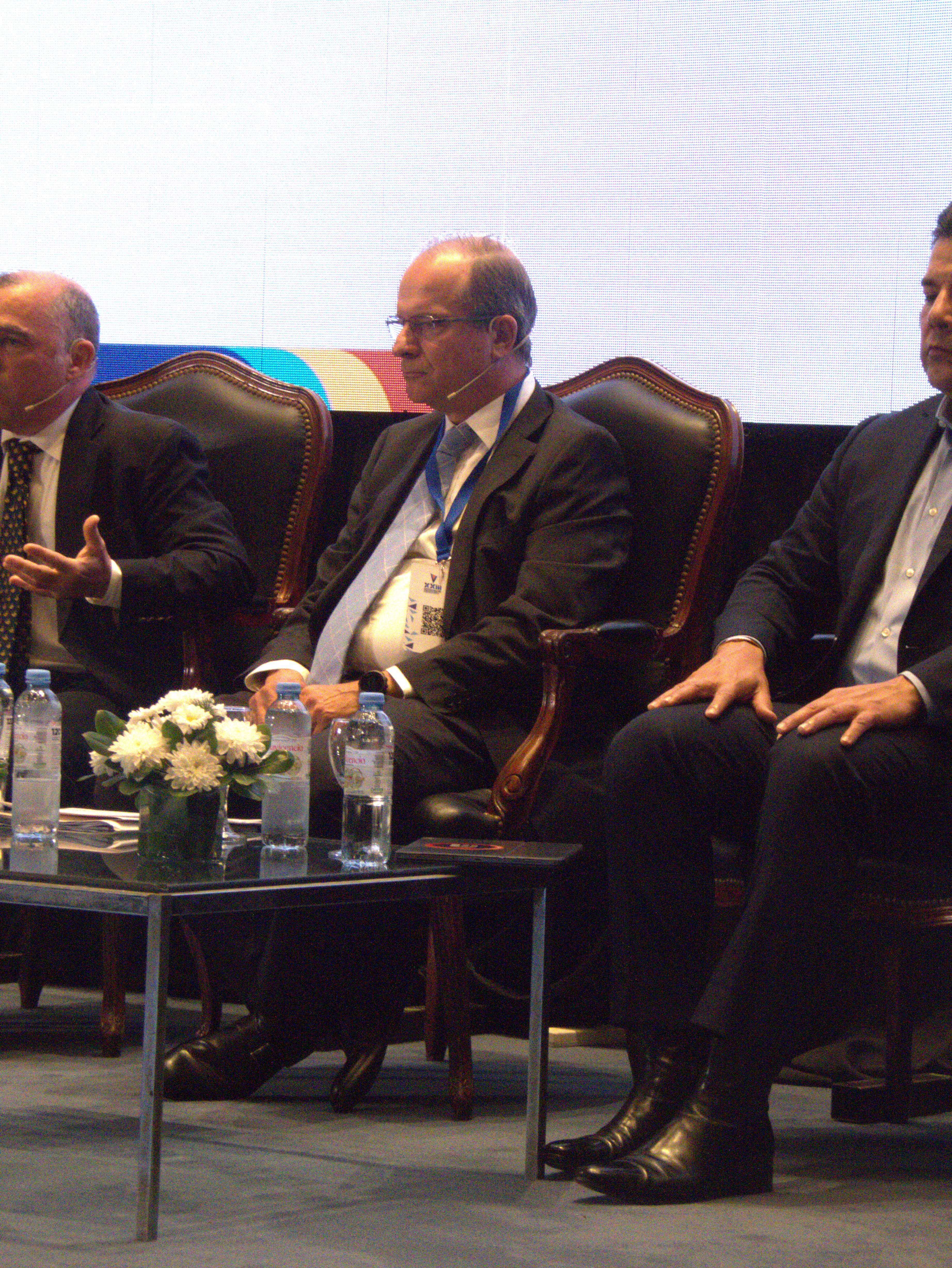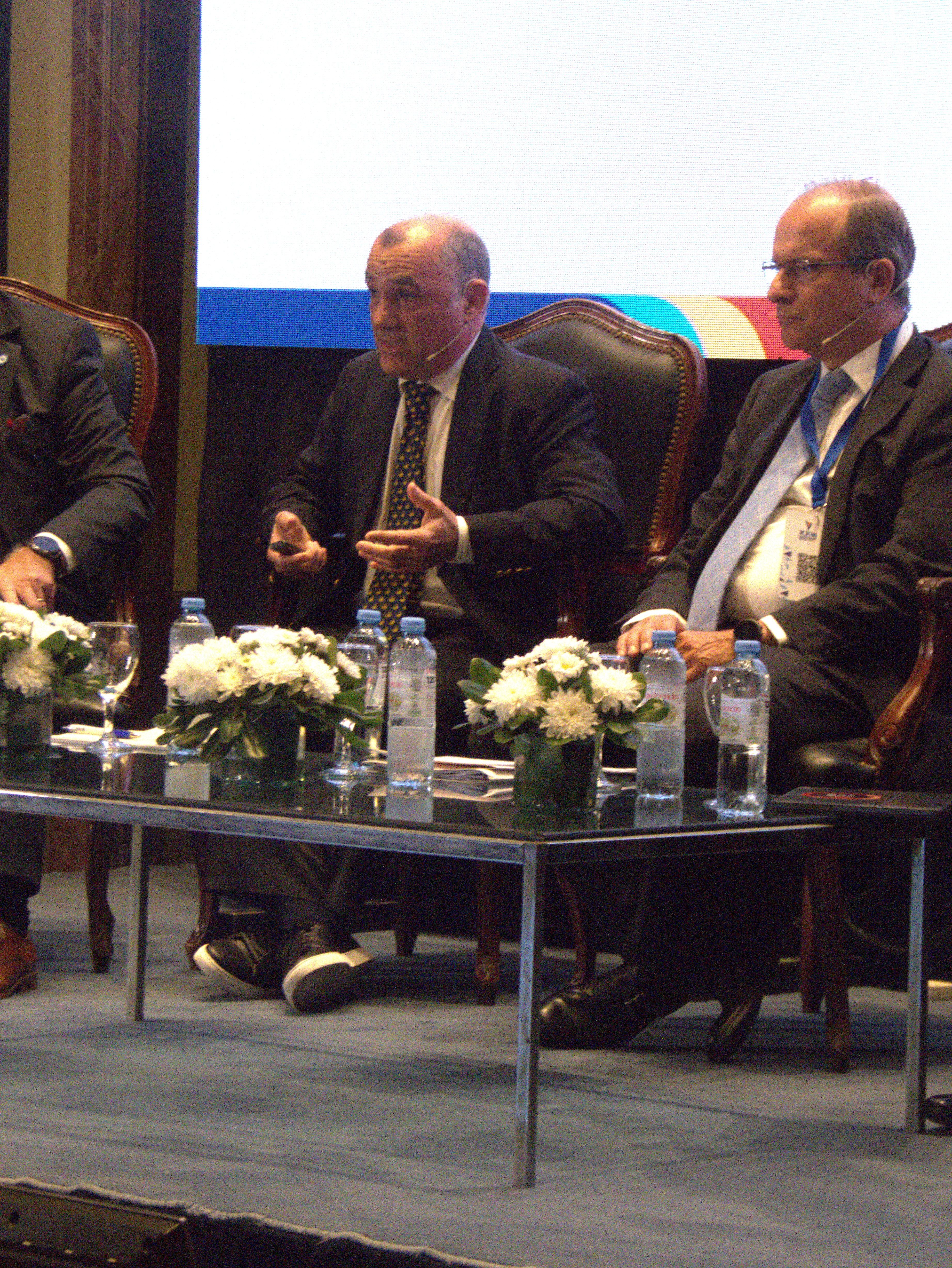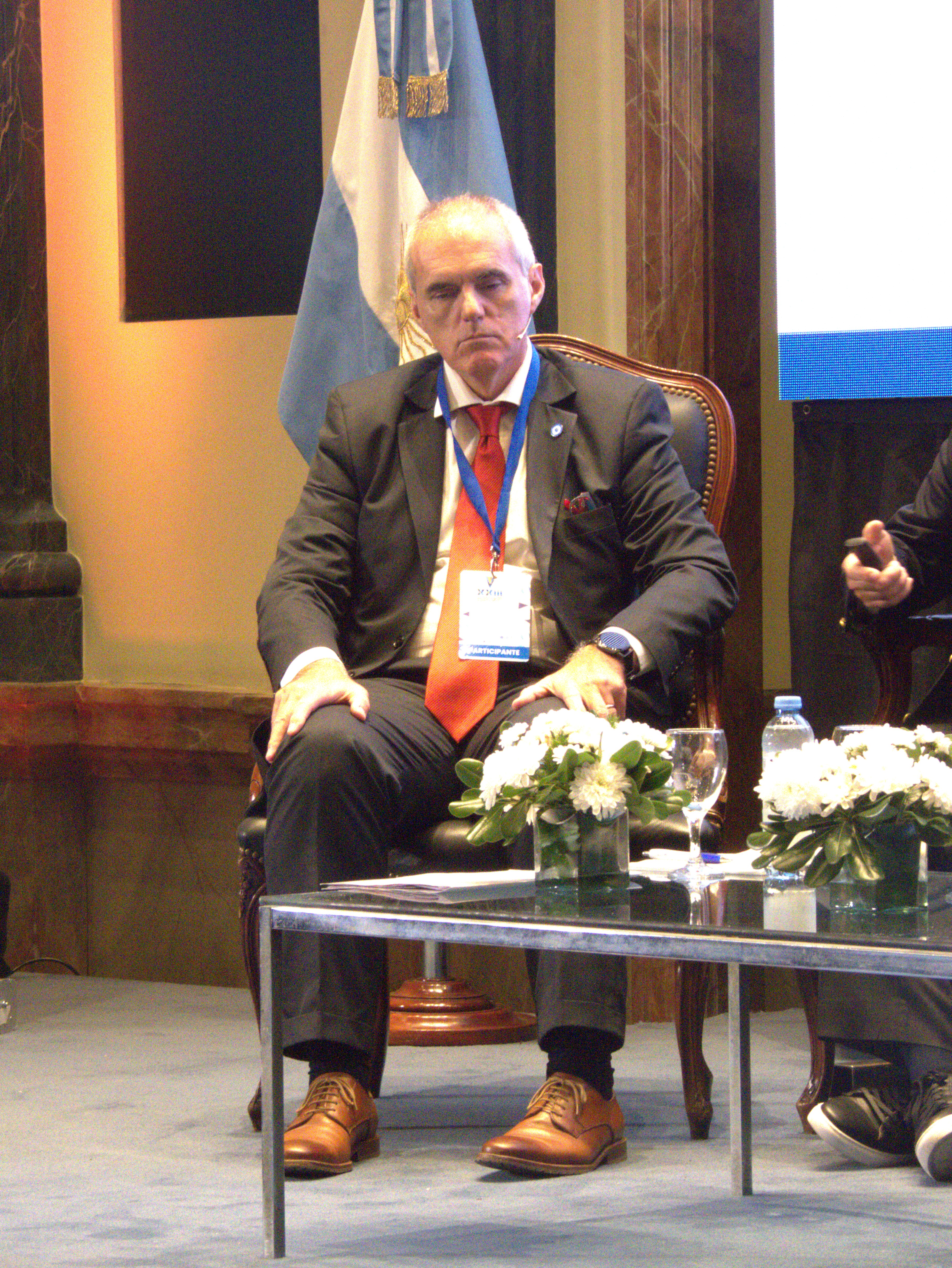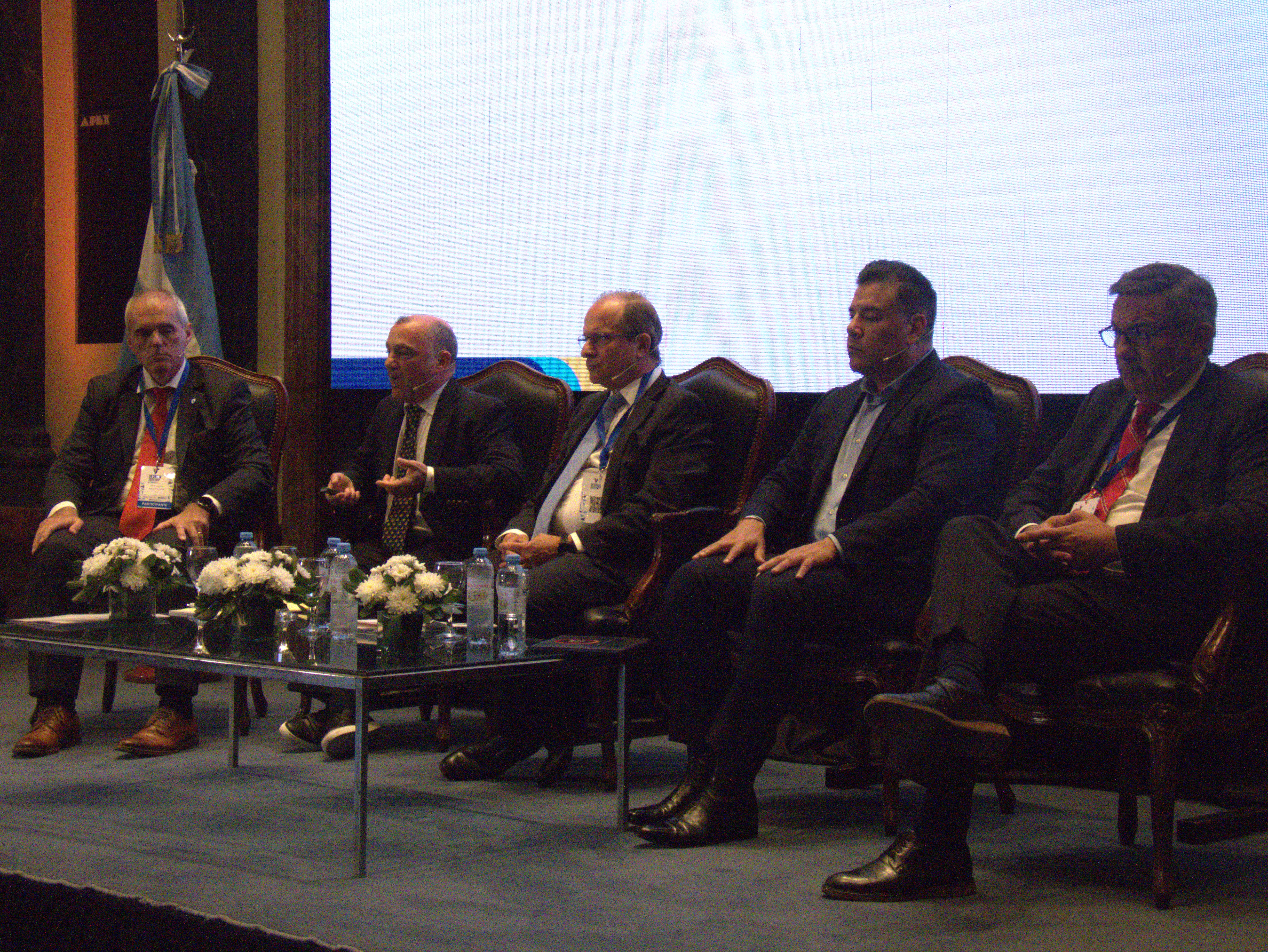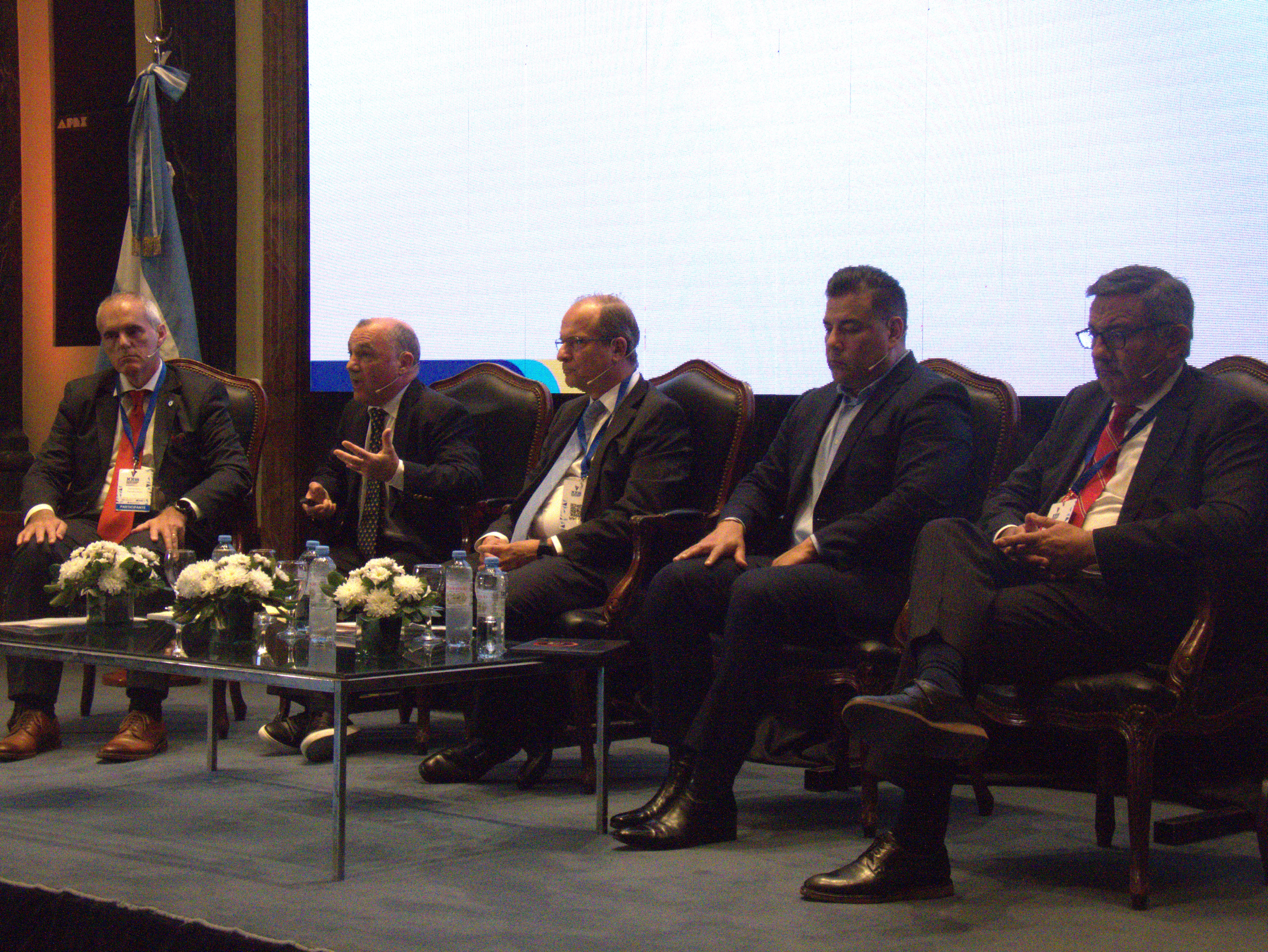
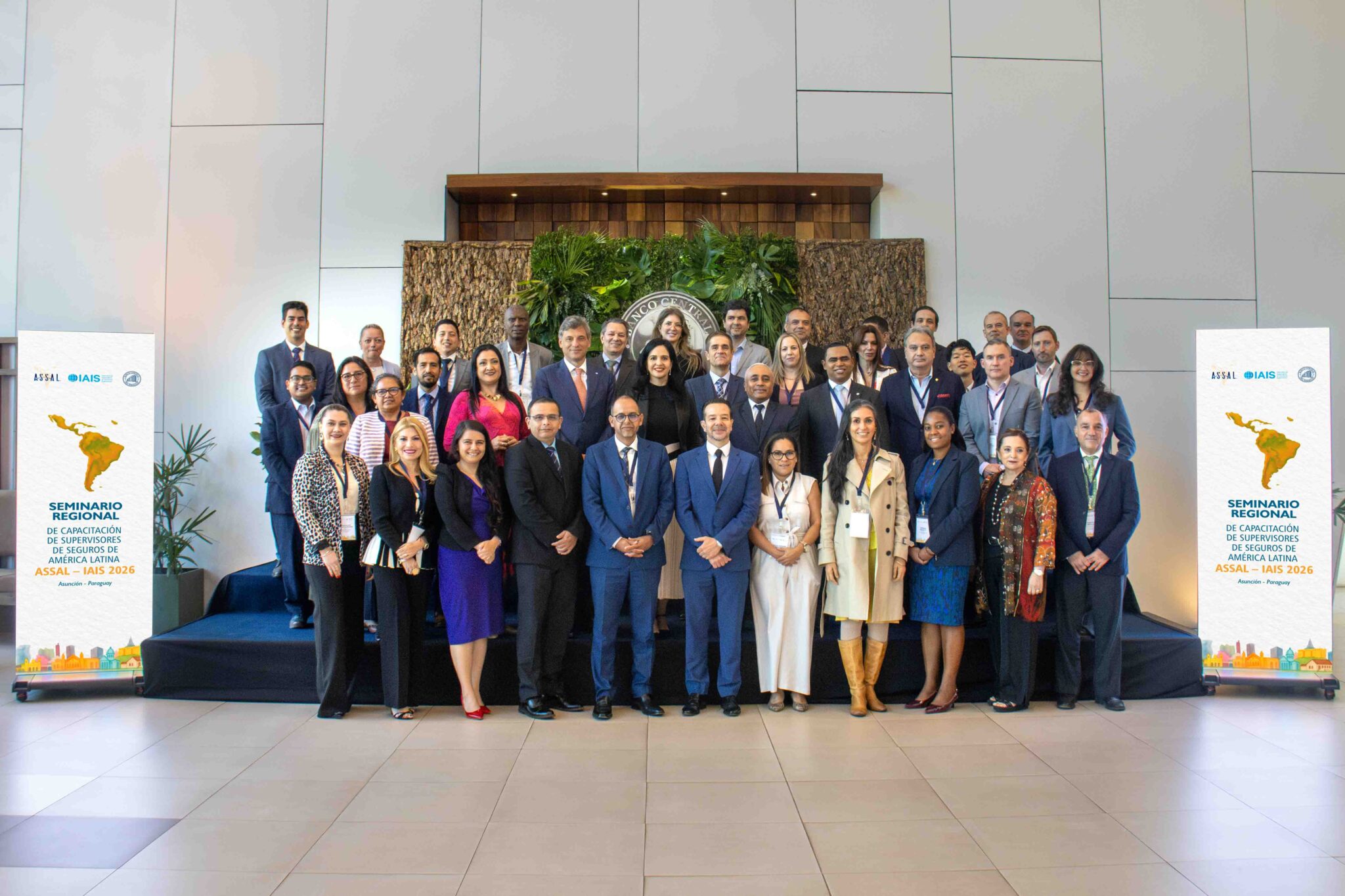
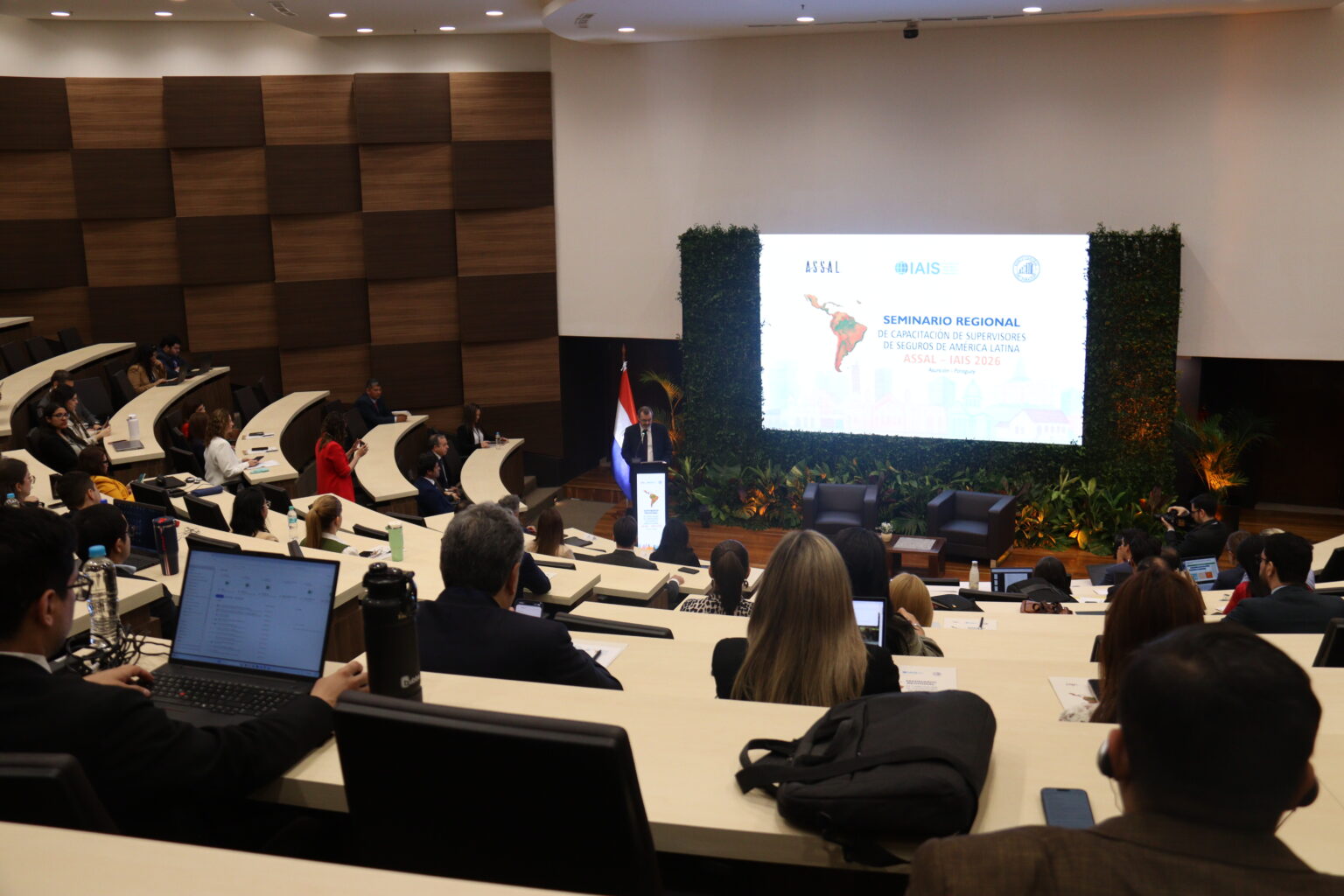
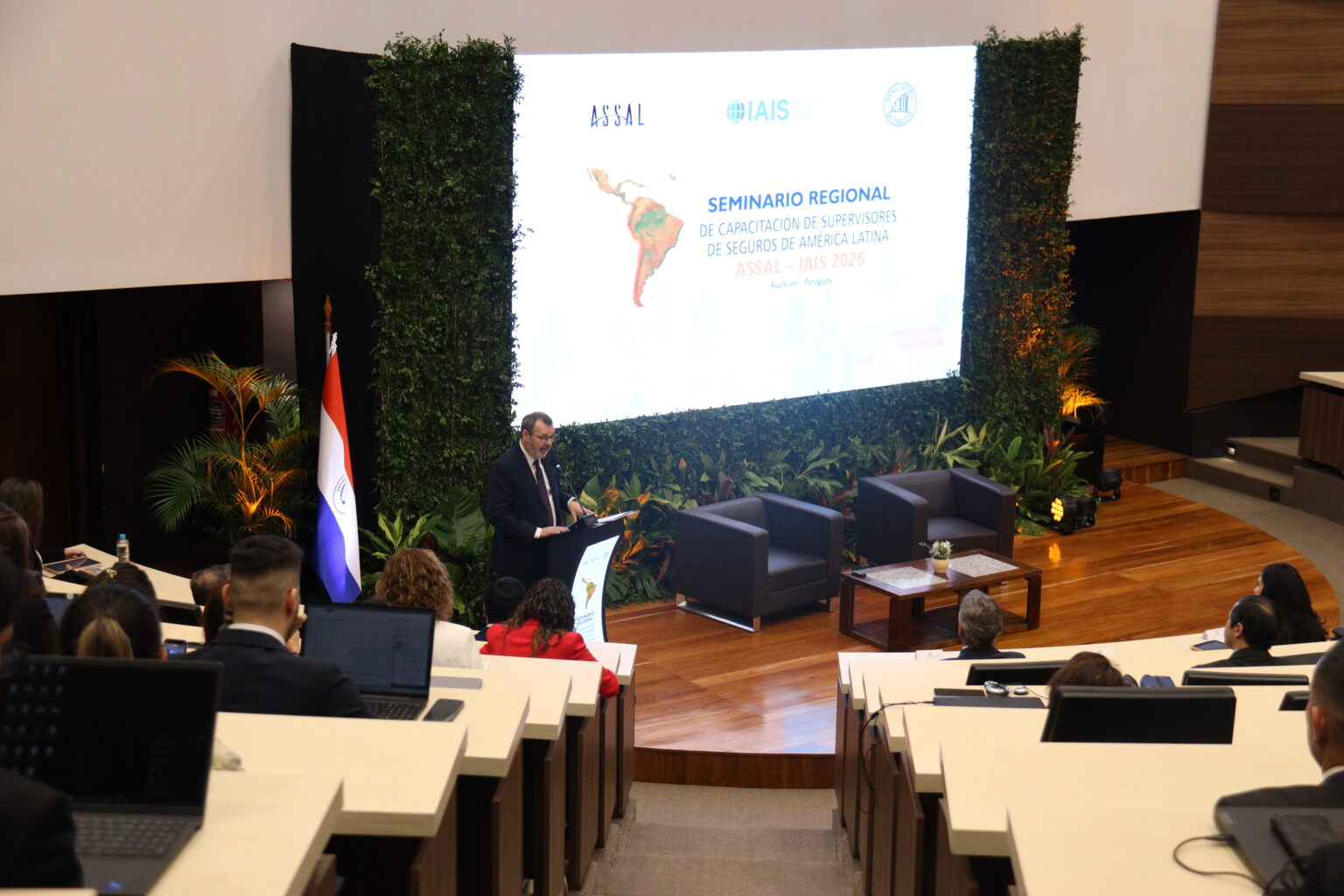
Asunción, September 23, 2026. — The 2026 ASSAL-IAIS Regional Training Seminar for Insurance Supervisors took place on September 17 and 18, 2026, in Asunción, Paraguay, serving as a forum for technical capacity building and the exchange of experiences among authorities and specialists in the field of insurance supervision. The event was jointly organized by the Association of Insurance Supervisors of Latin America (ASSAL), the International Association of Insurance Supervisors (IAIS), and the Superintendence of Insurance of the Central Bank of Paraguay.
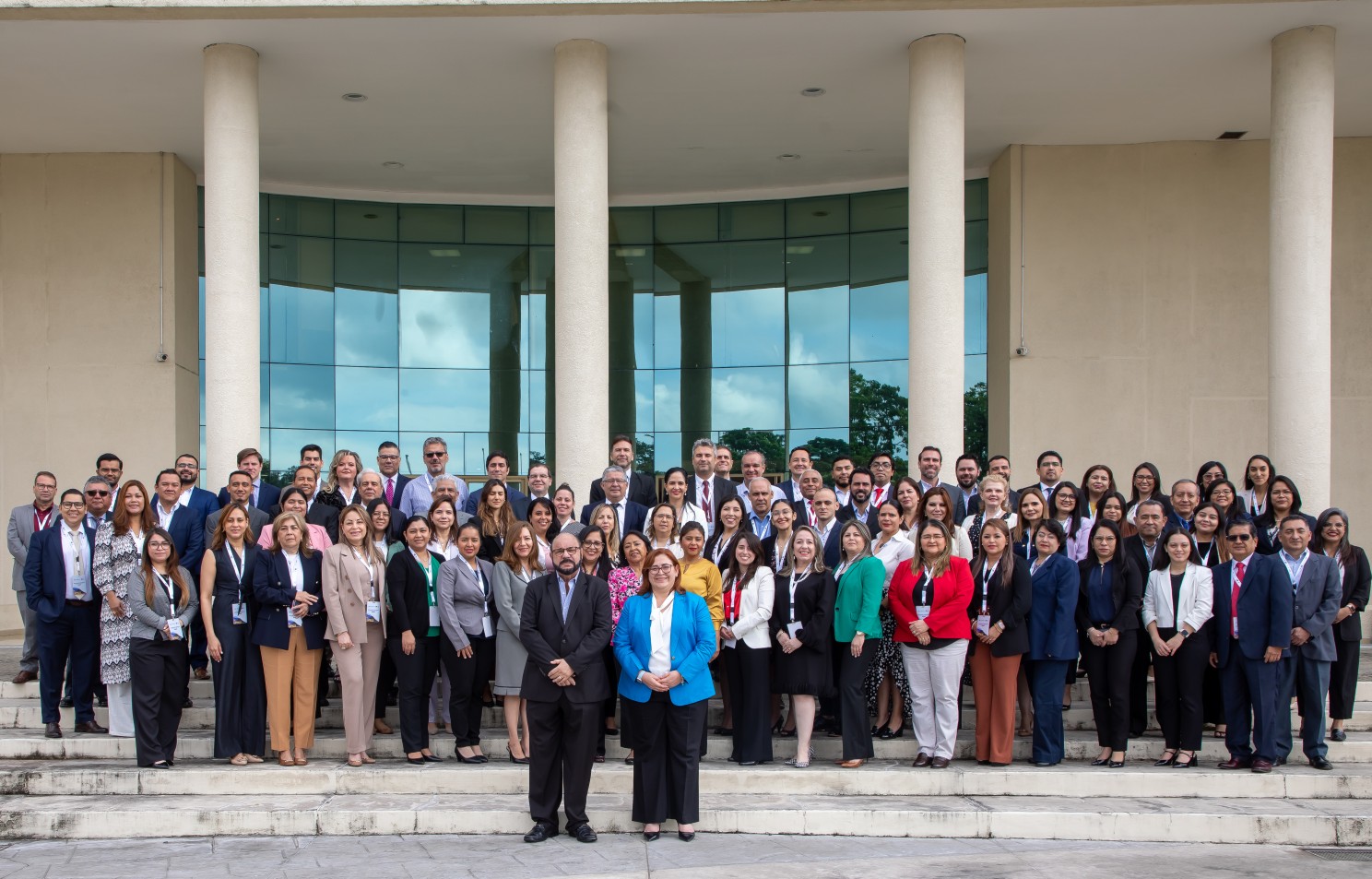
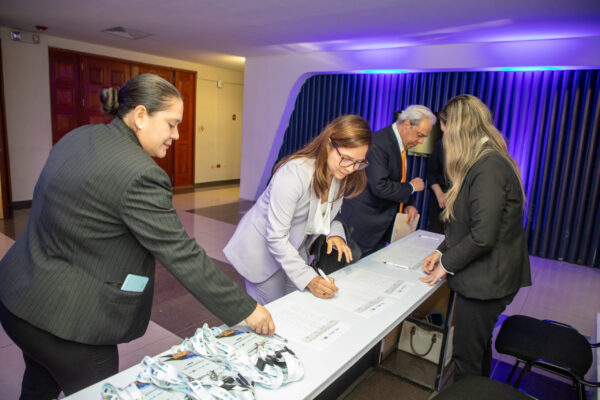
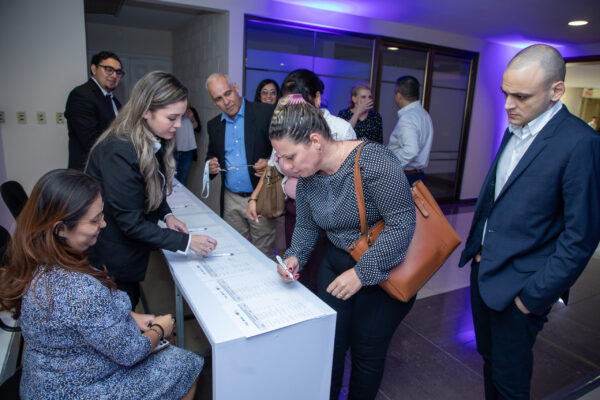
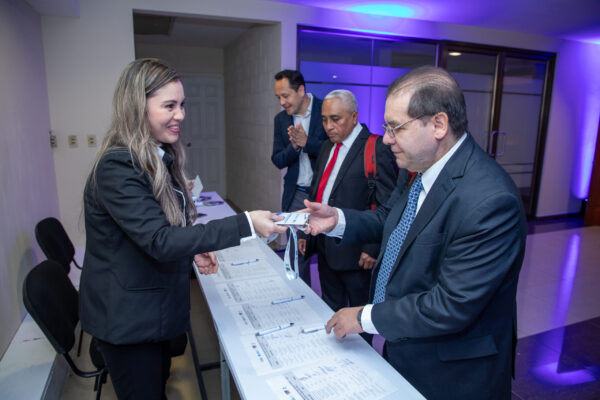
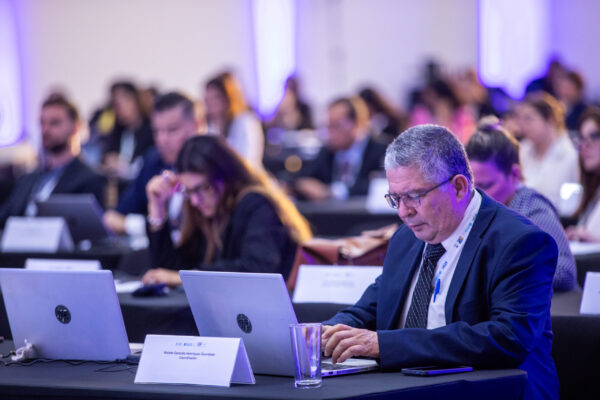
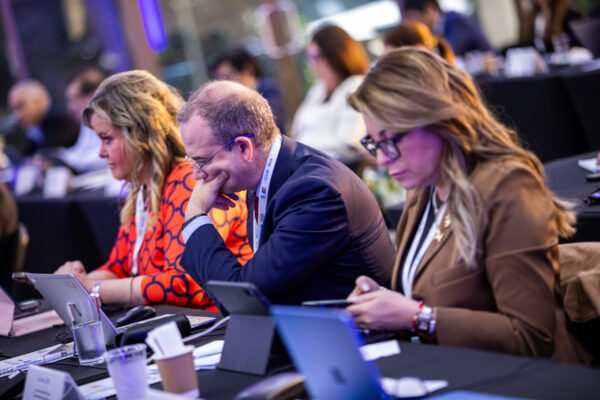
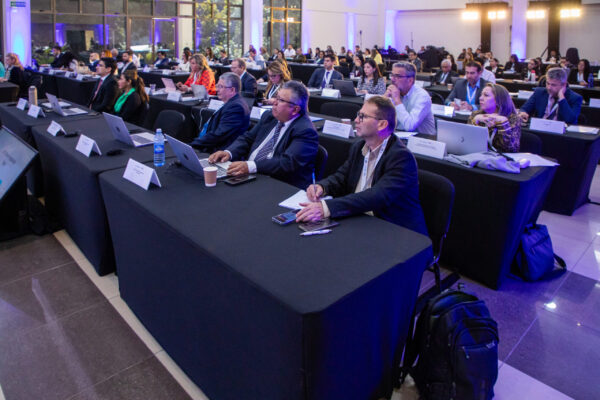
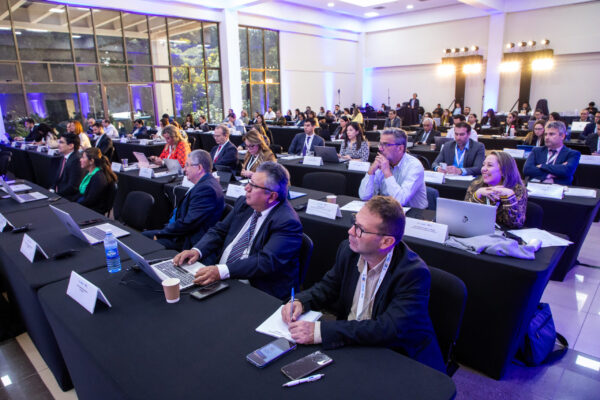
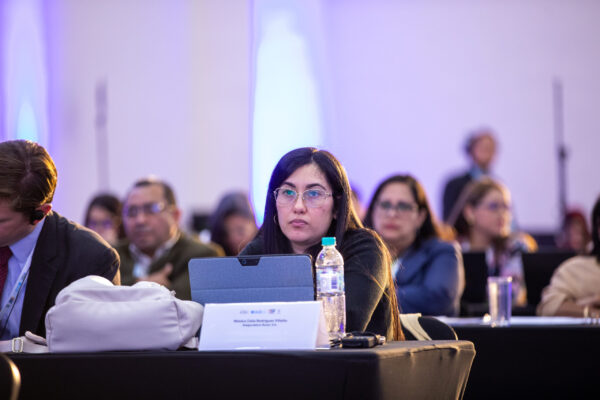
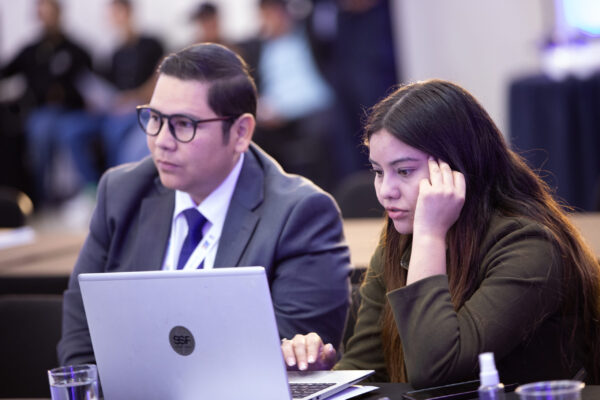
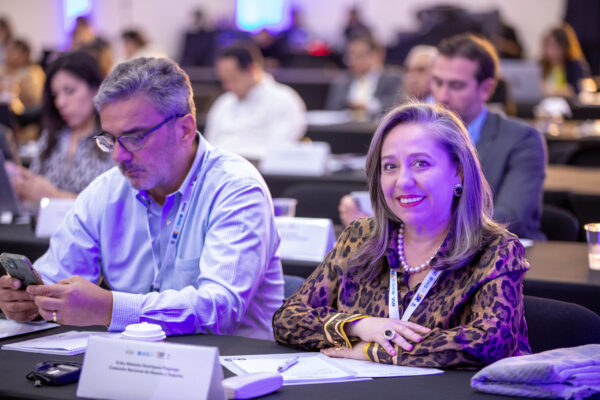
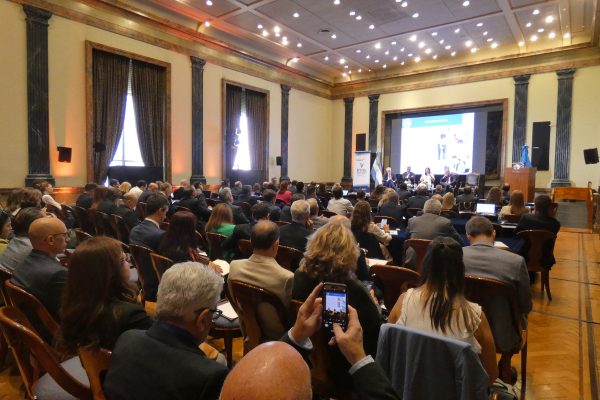
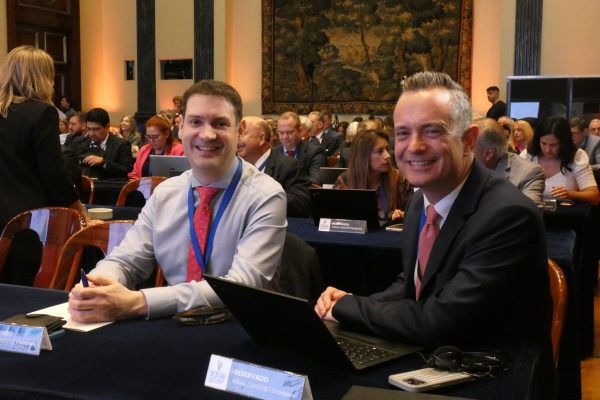
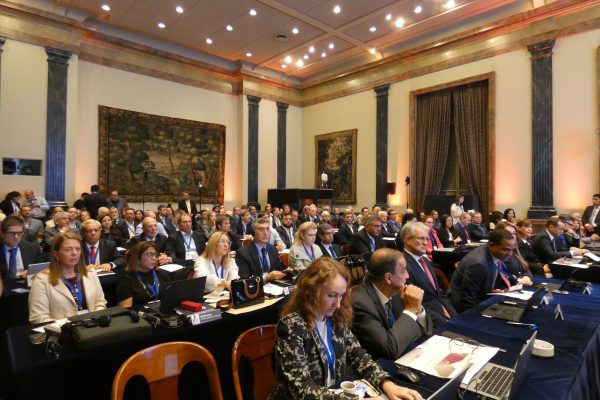
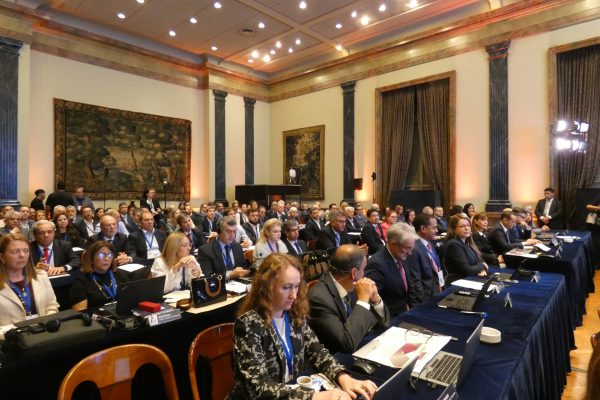
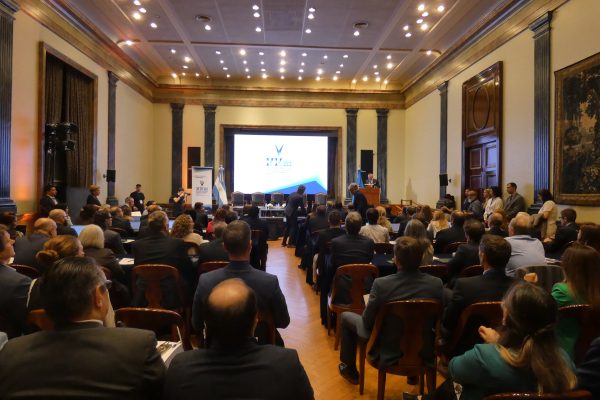
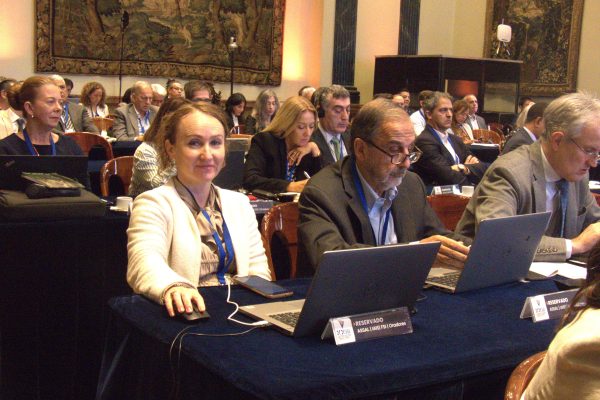
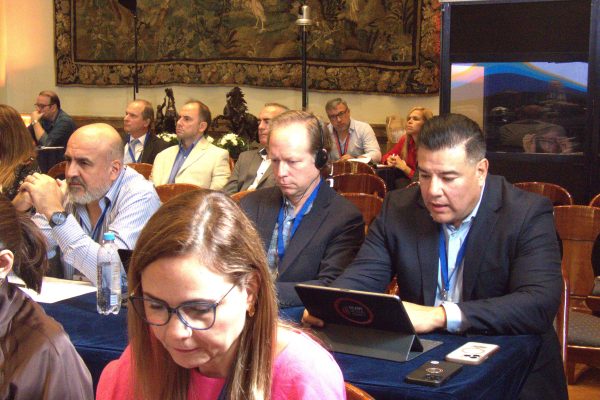
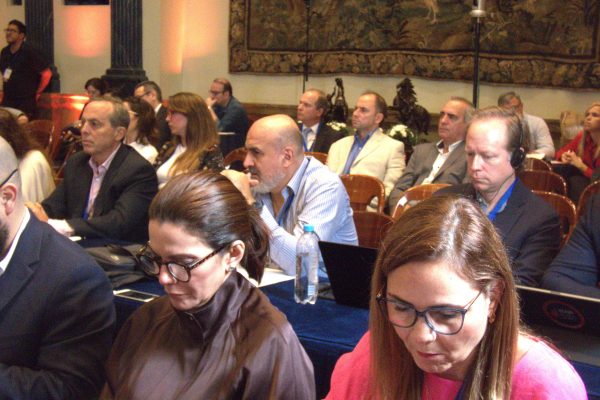
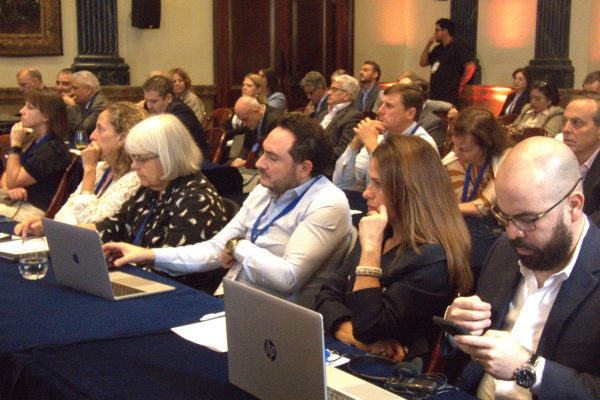
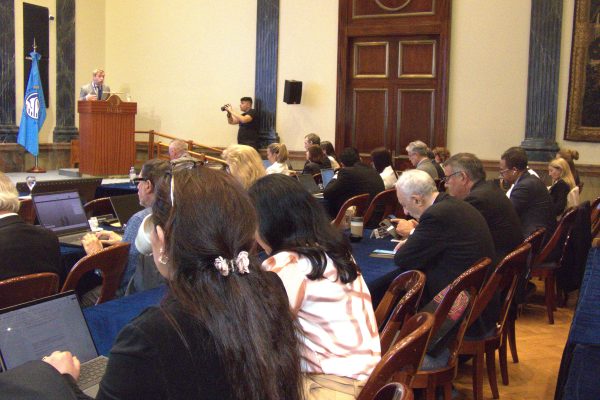
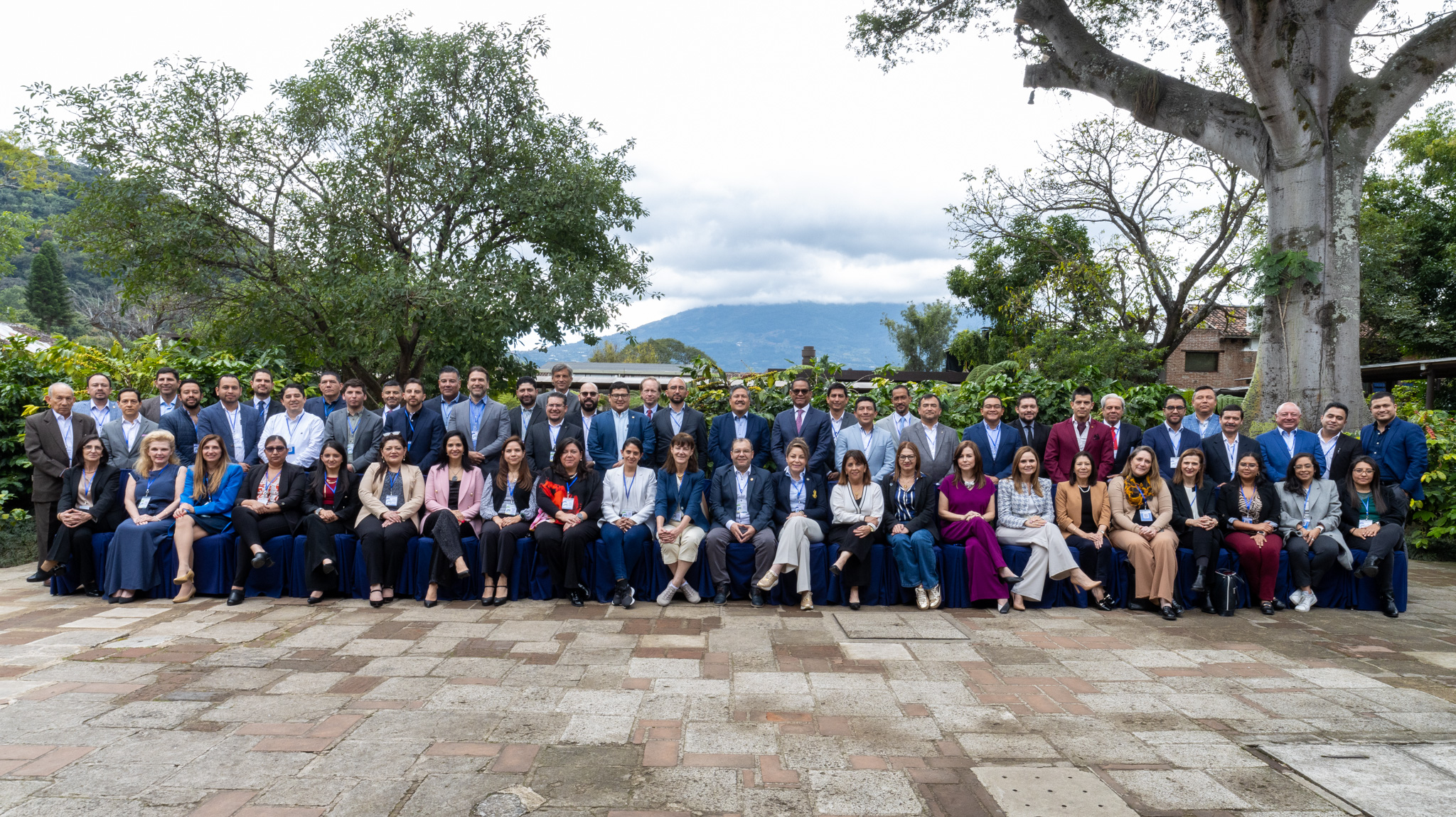
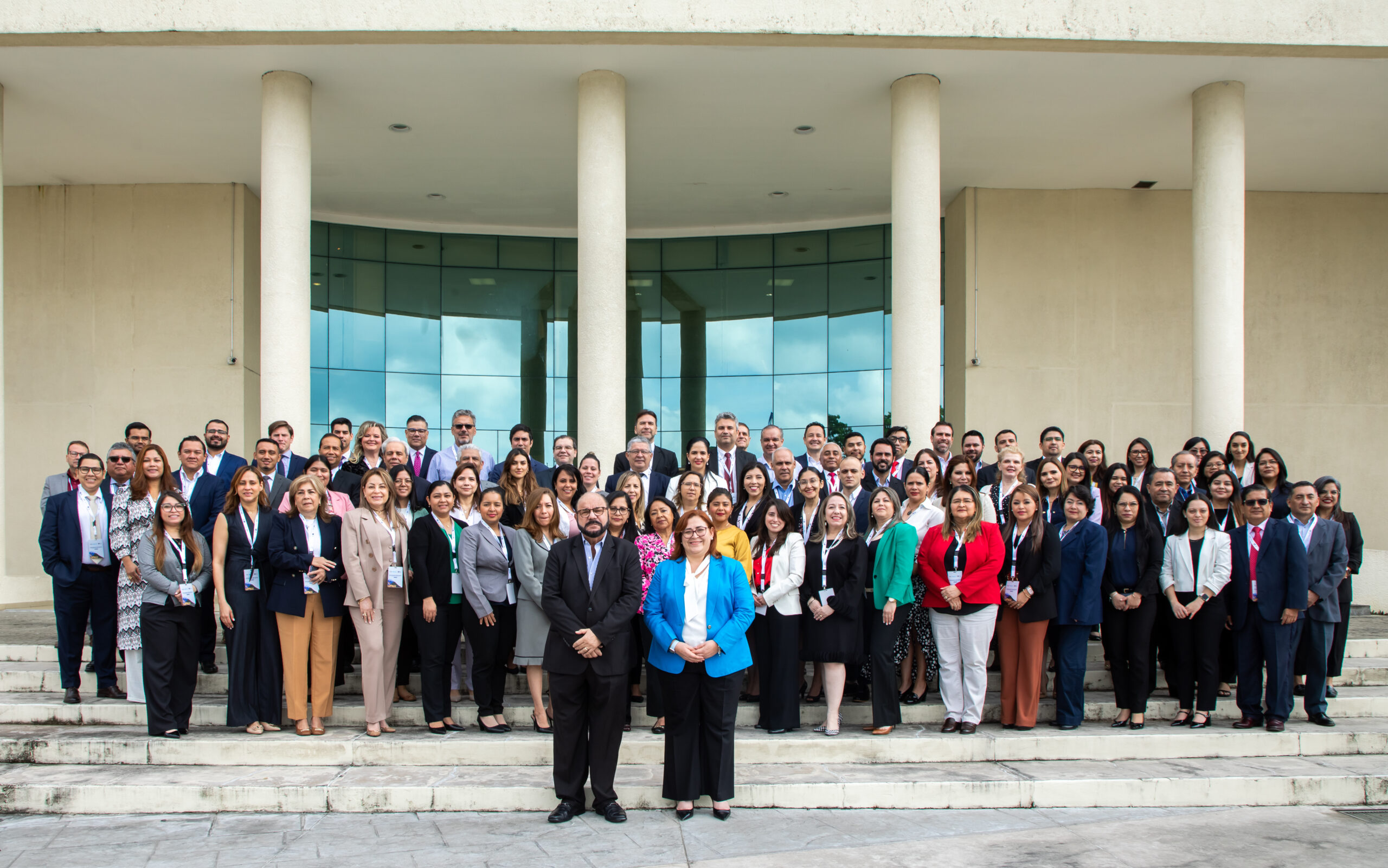
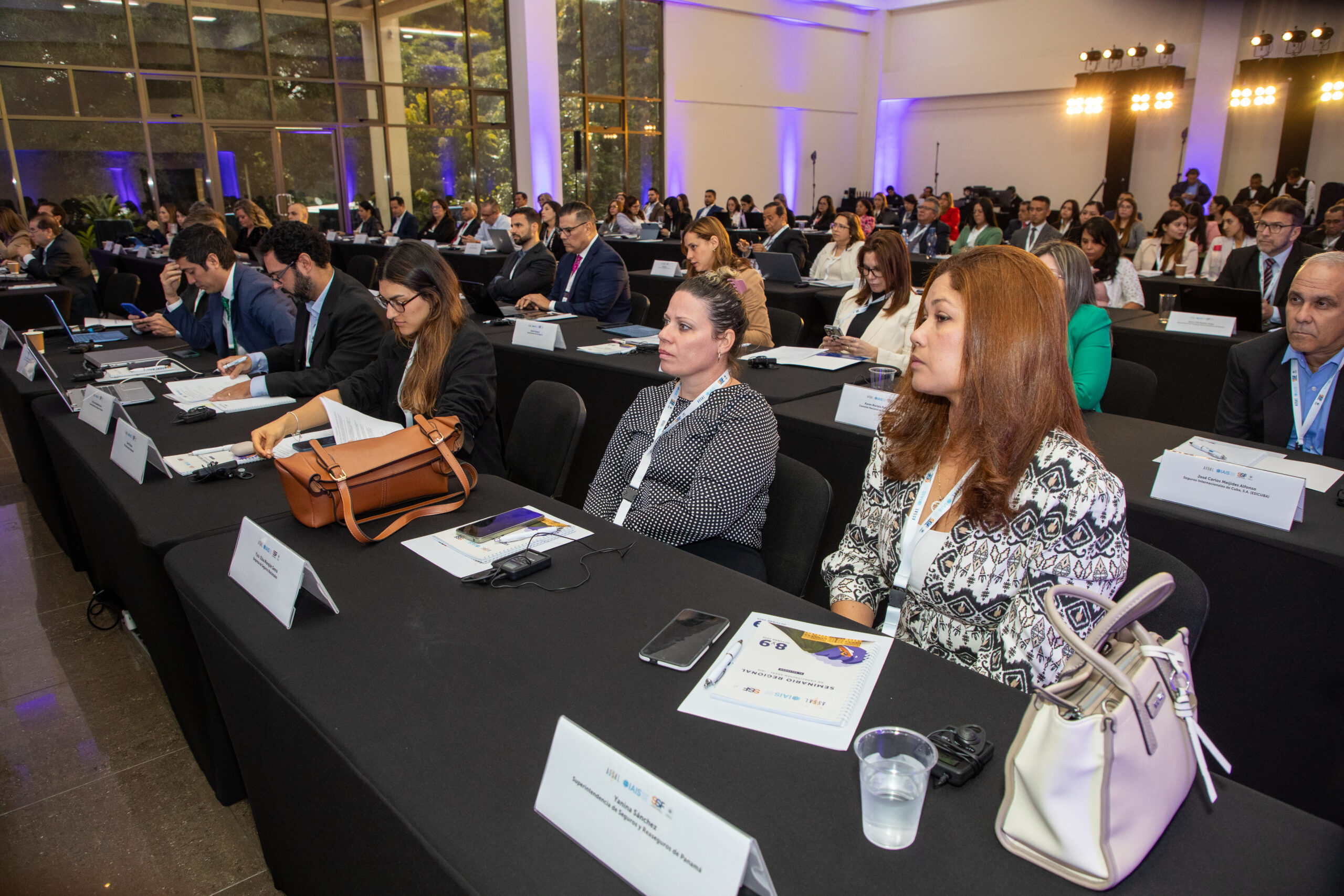
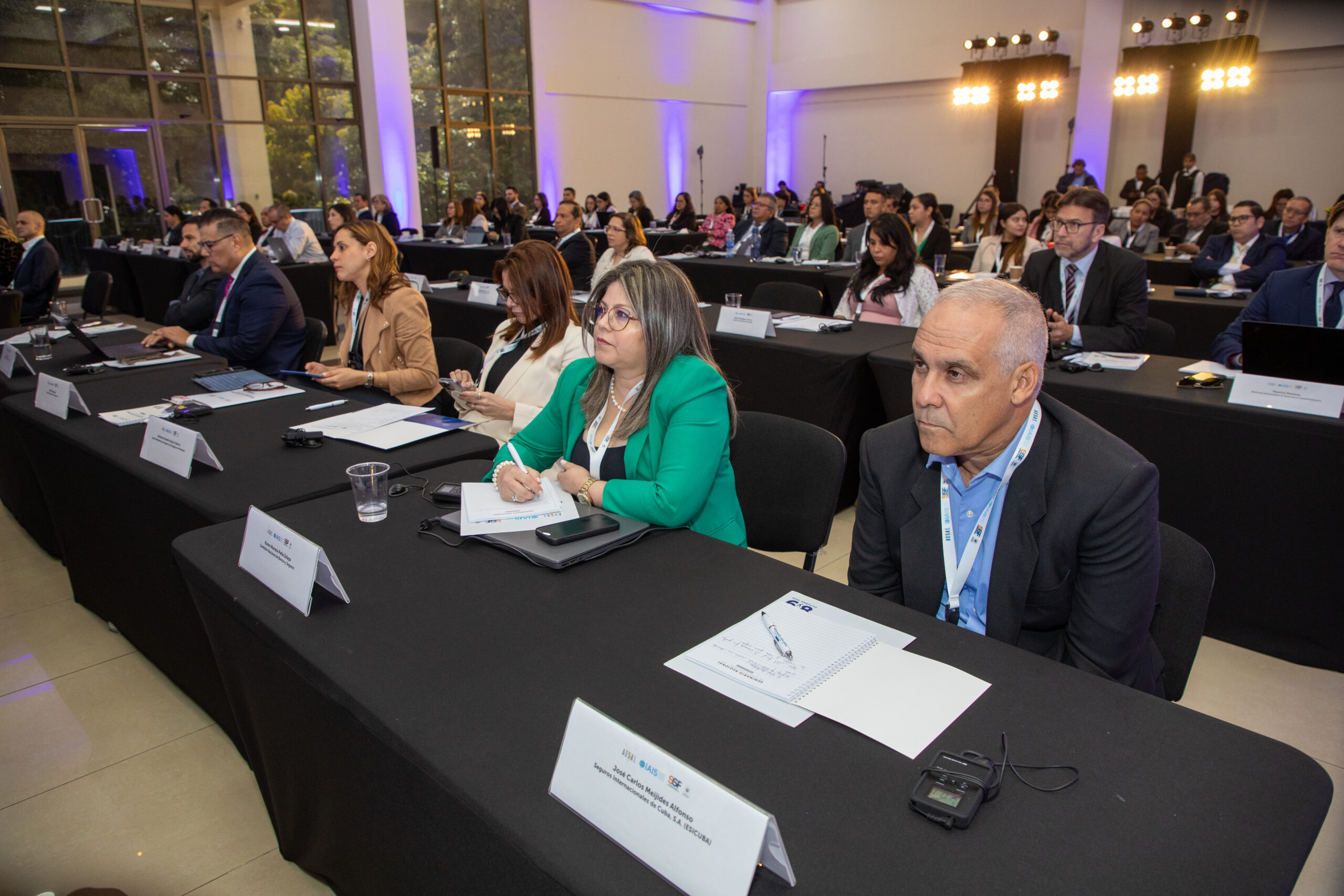
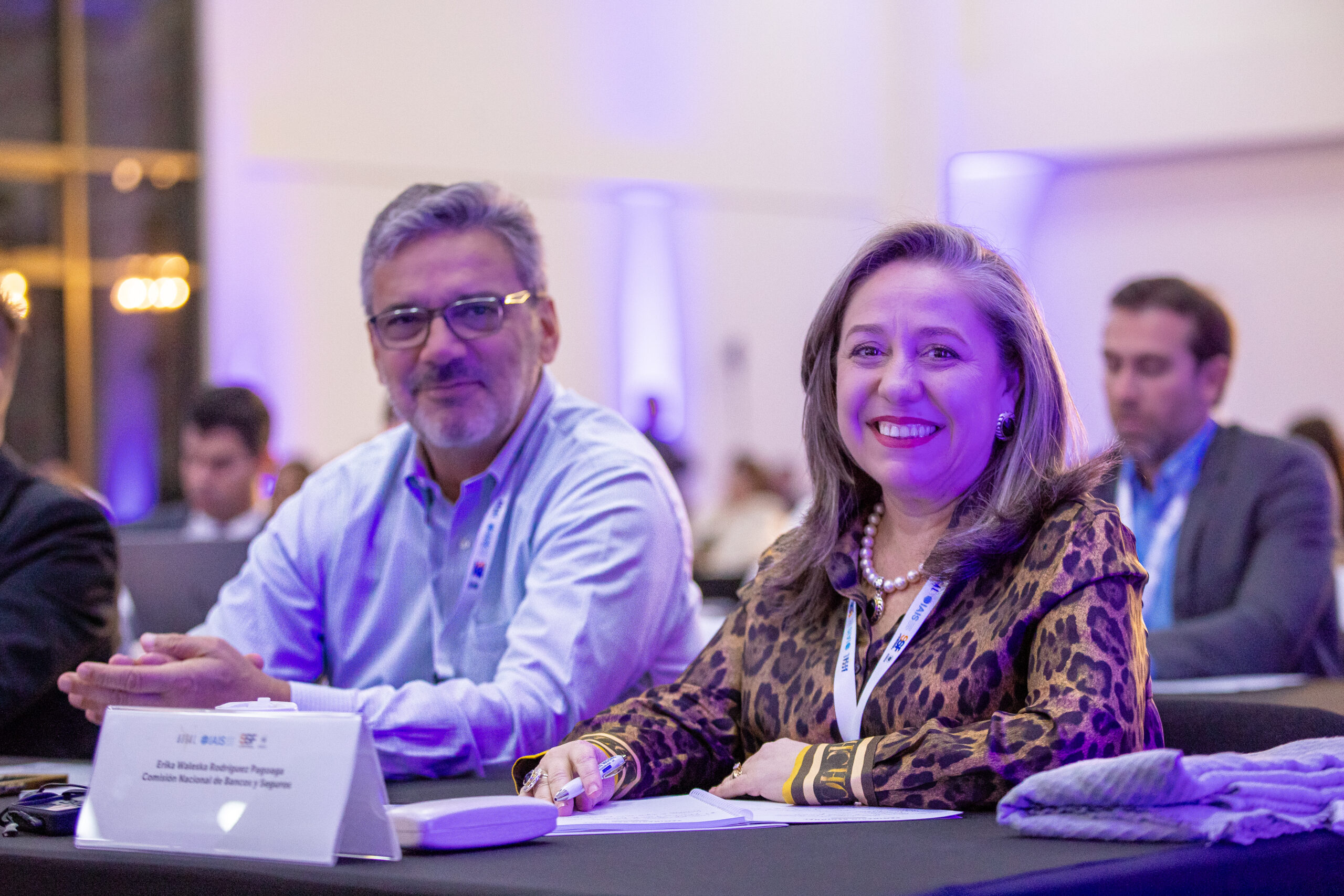
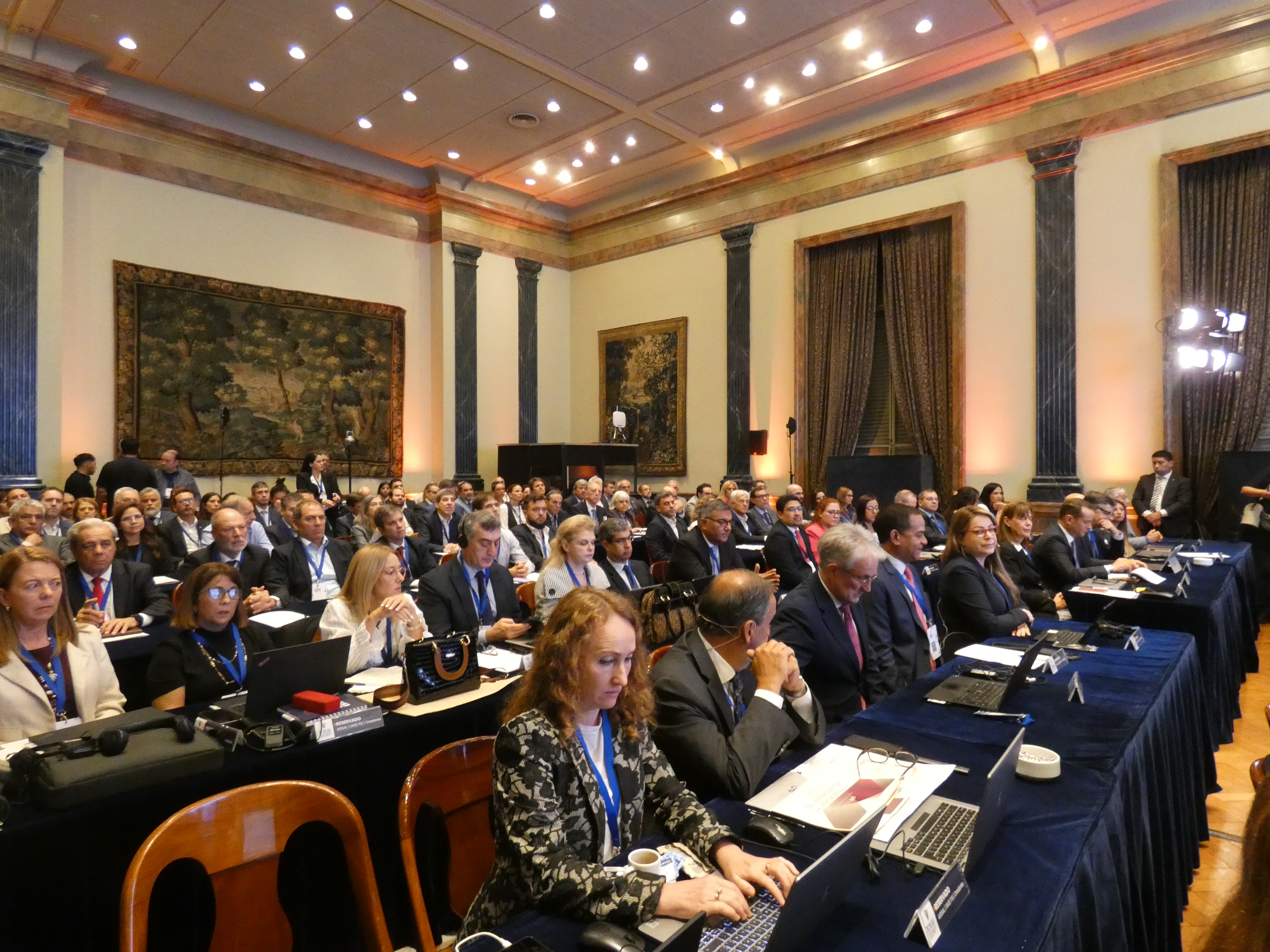
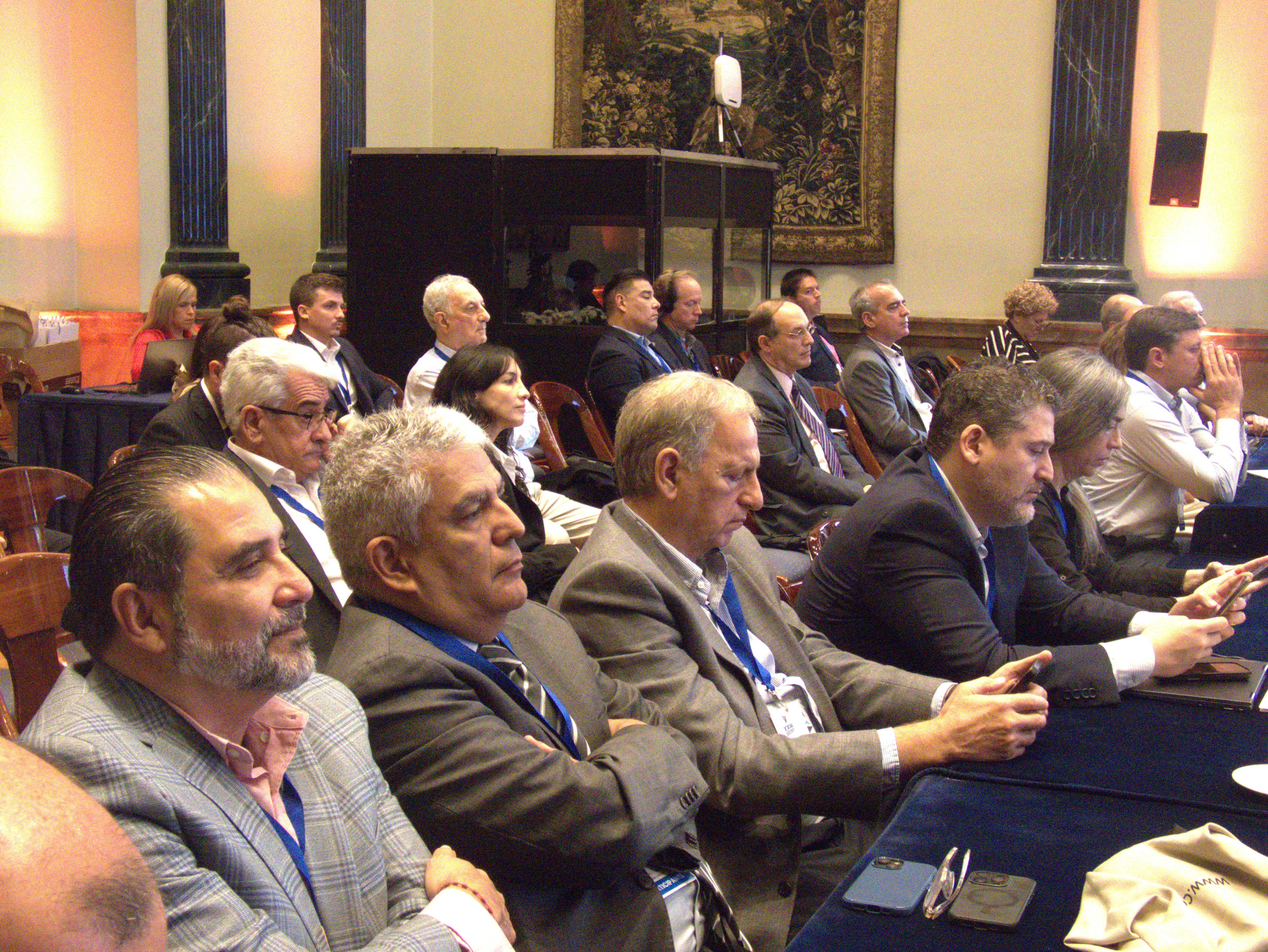
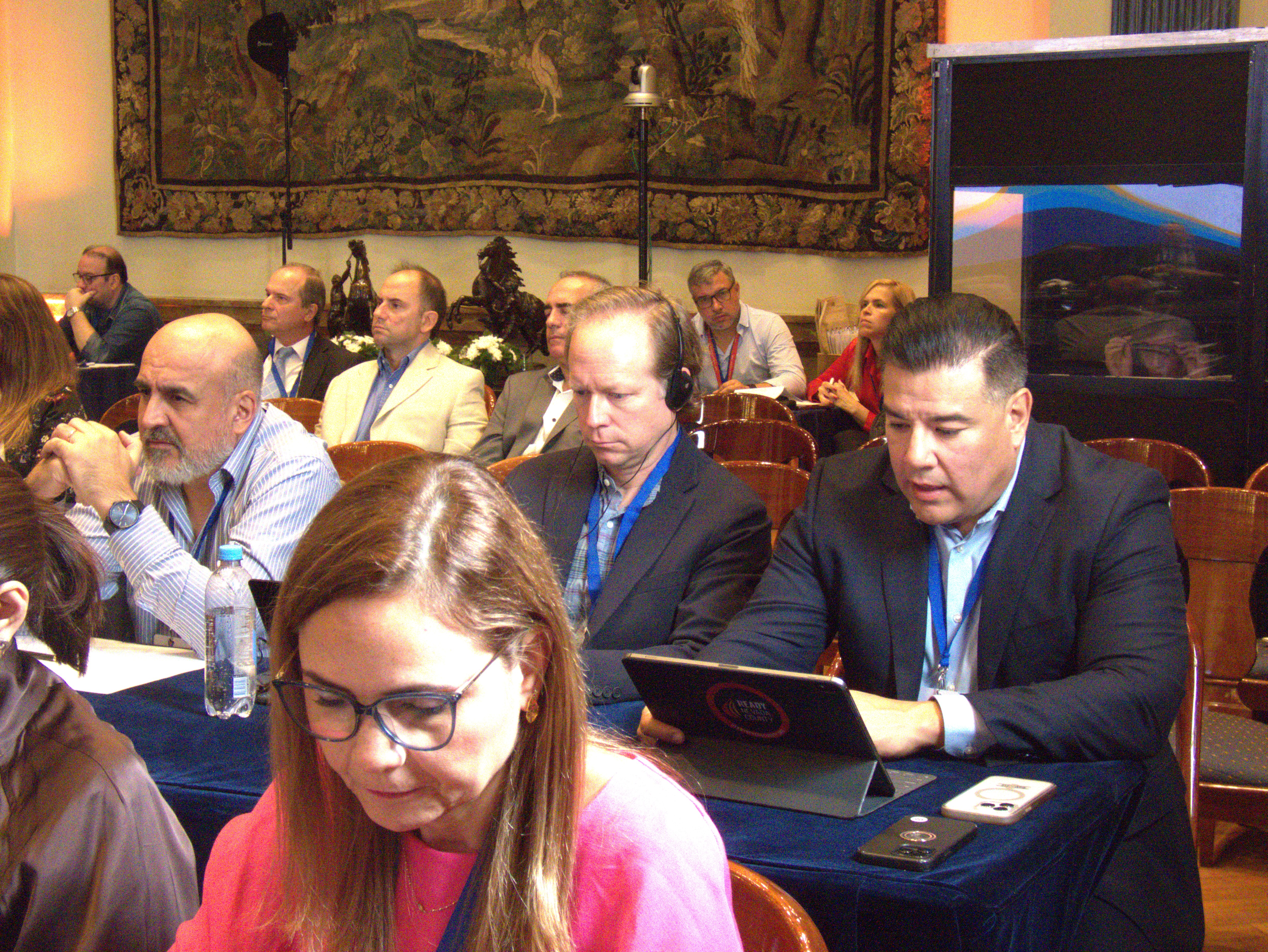
The event brought together over 80 participants from 24 countries across the Americas and Europe, establishing itself as a key regional venue for training and cooperation among insurance sector supervisory bodies. This broad international representation facilitated the exchange of knowledge, regulatory experiences, and best practices regarding insurance supervision.
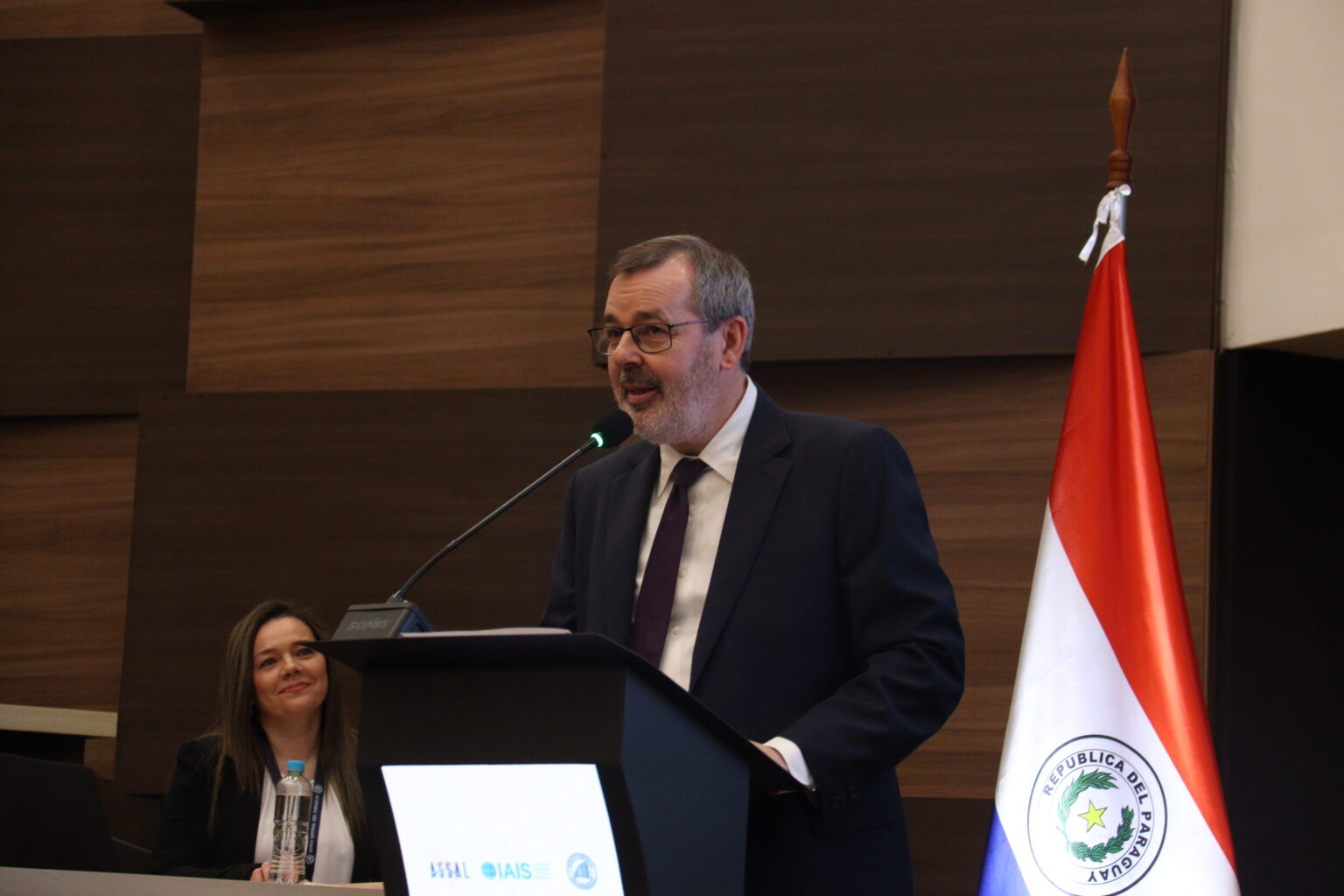
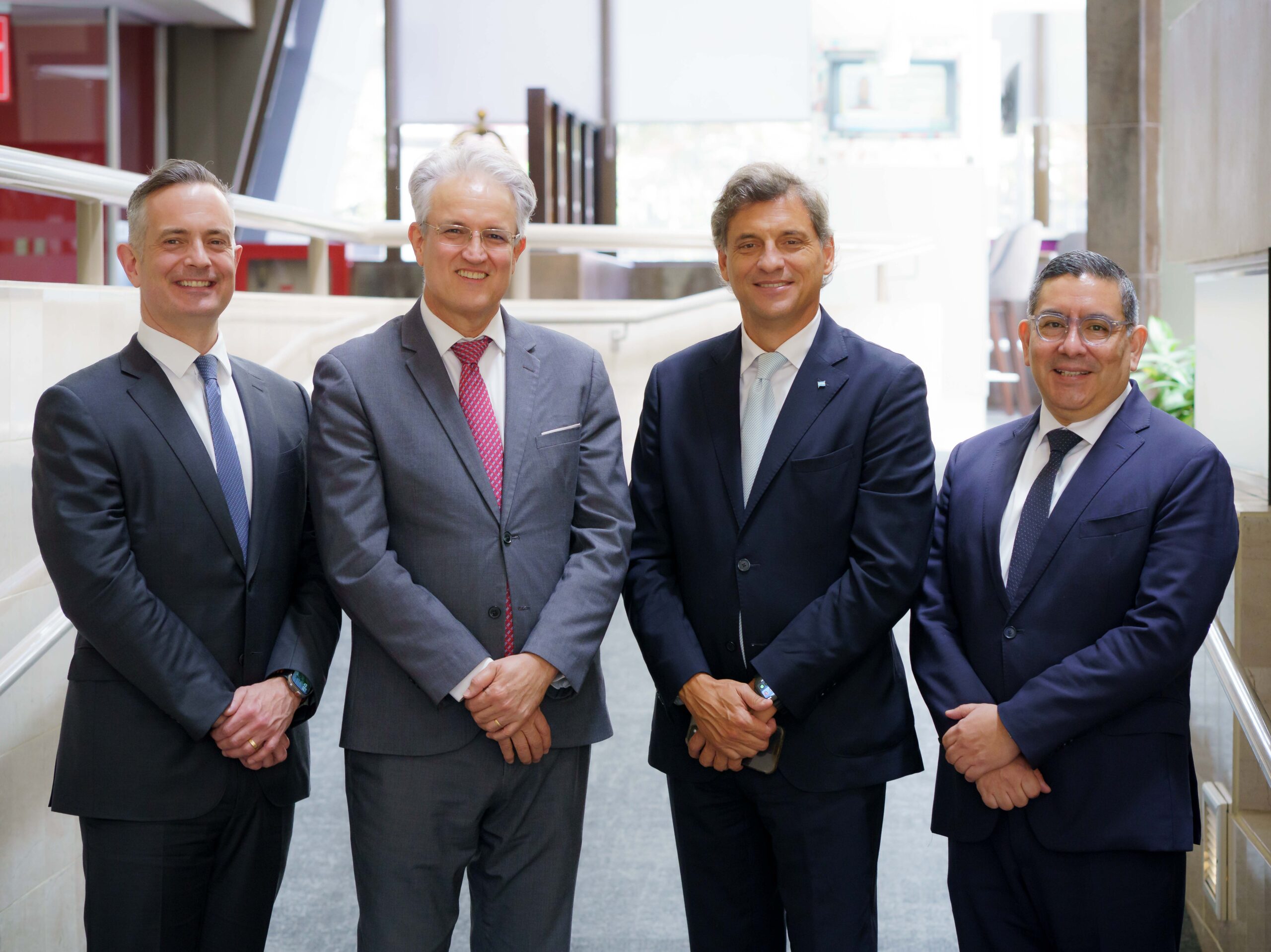
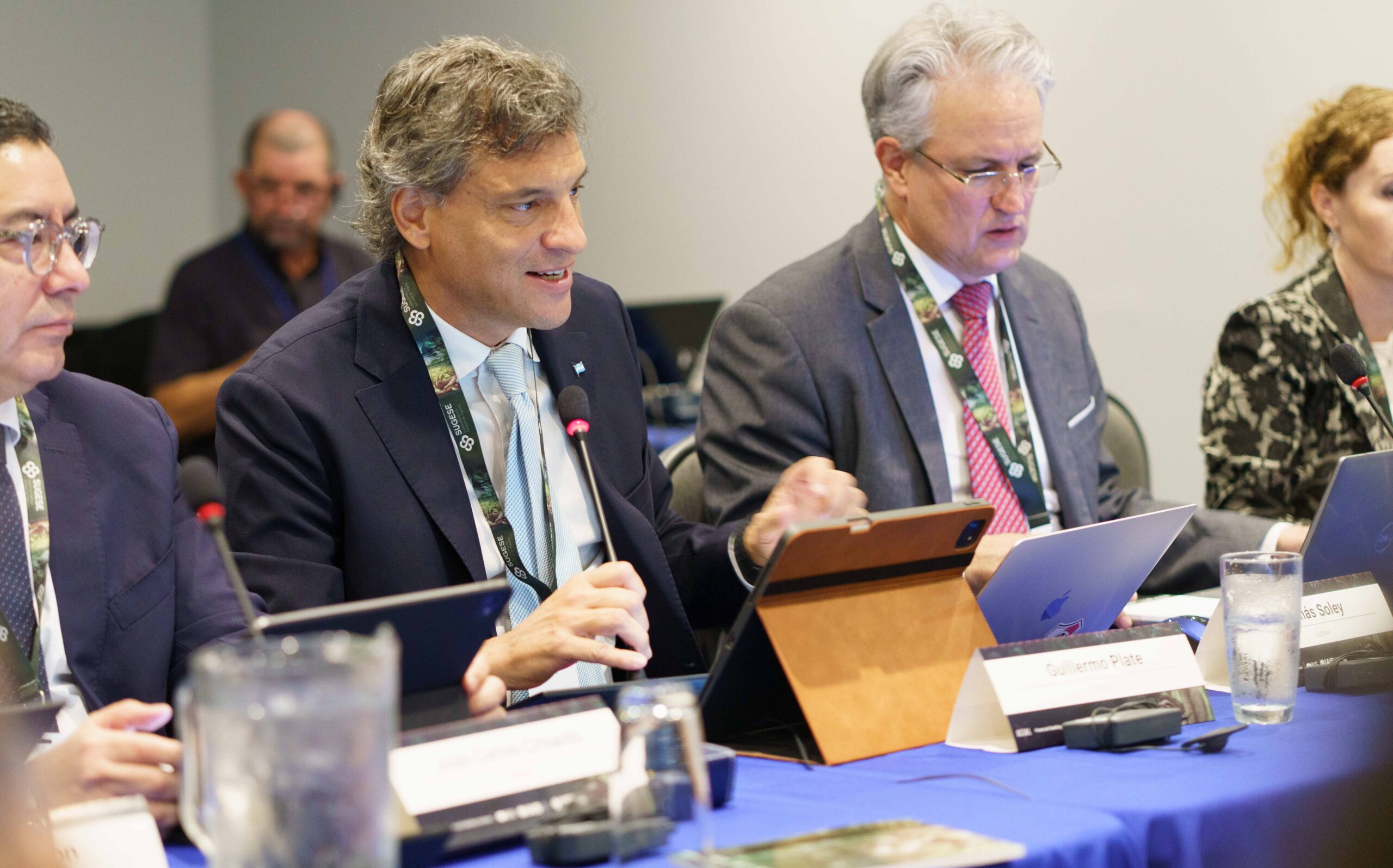
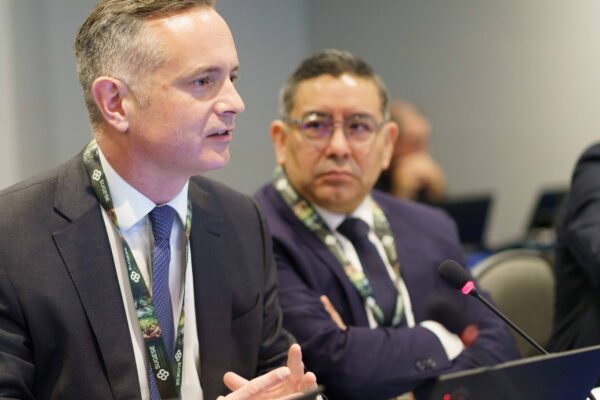
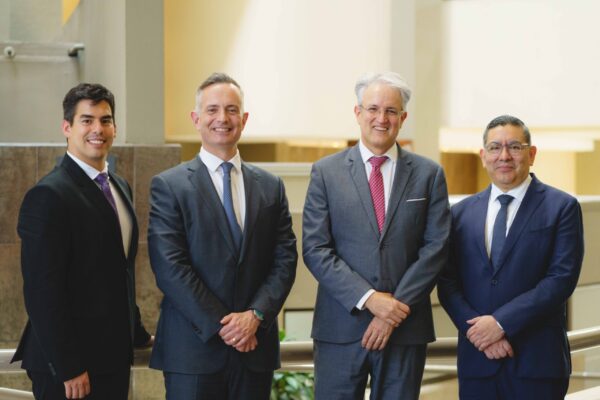
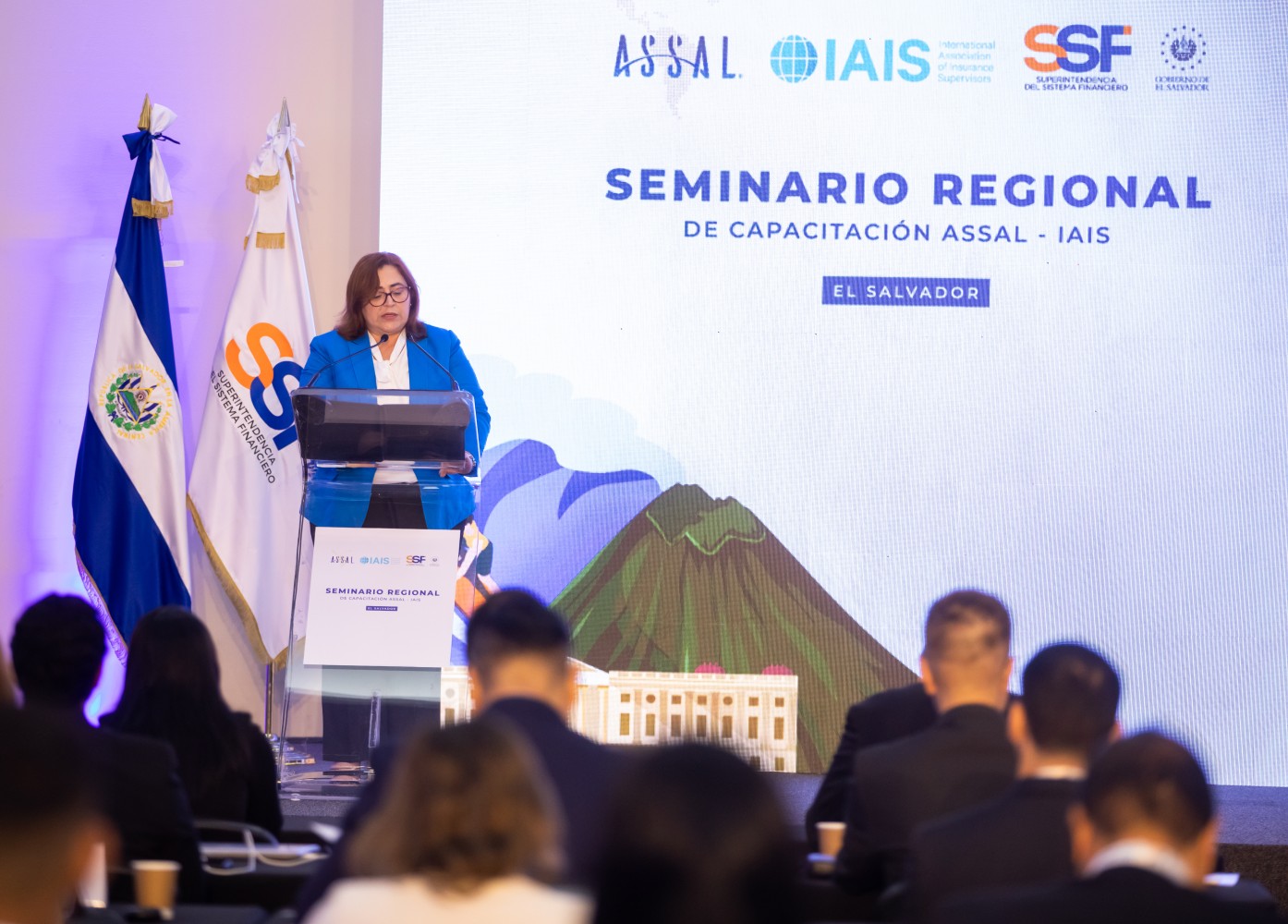
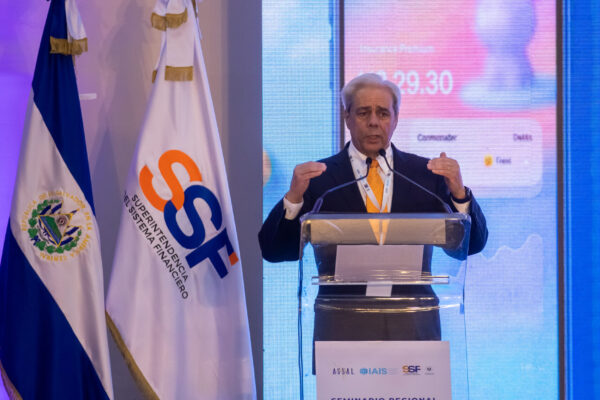
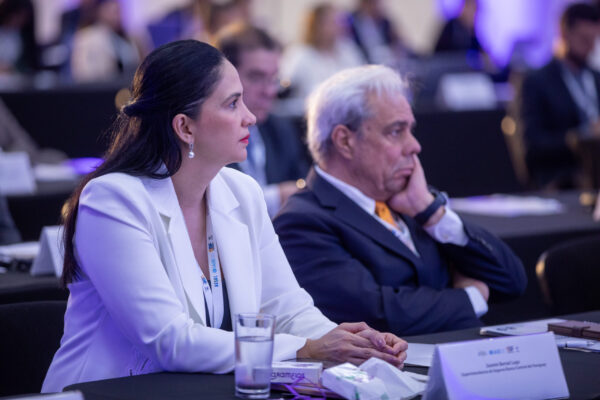
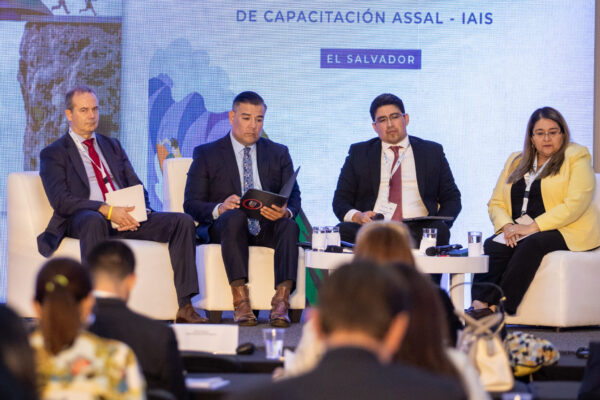
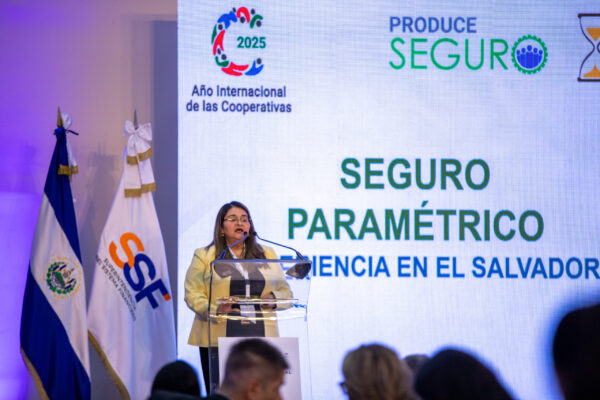
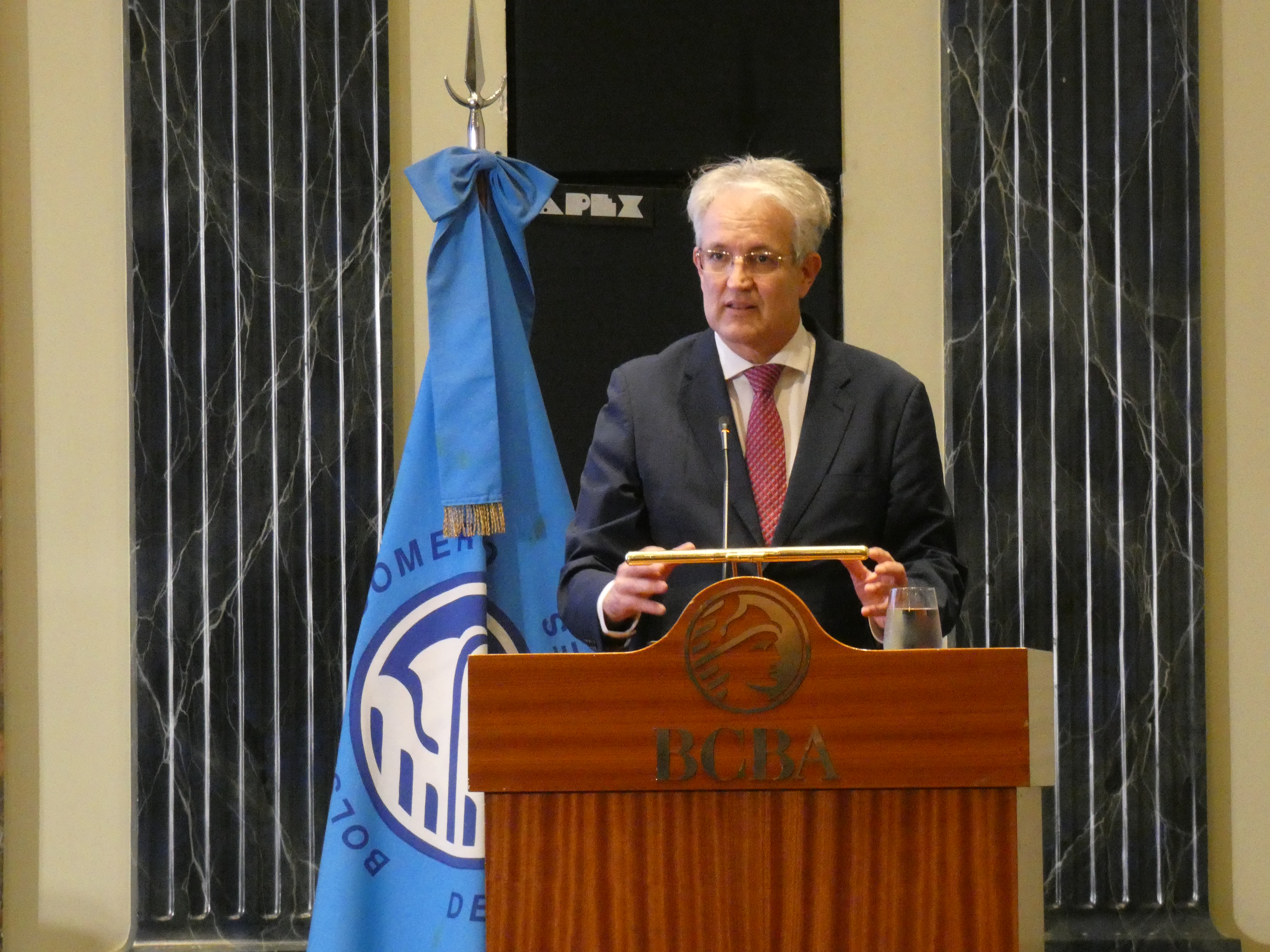
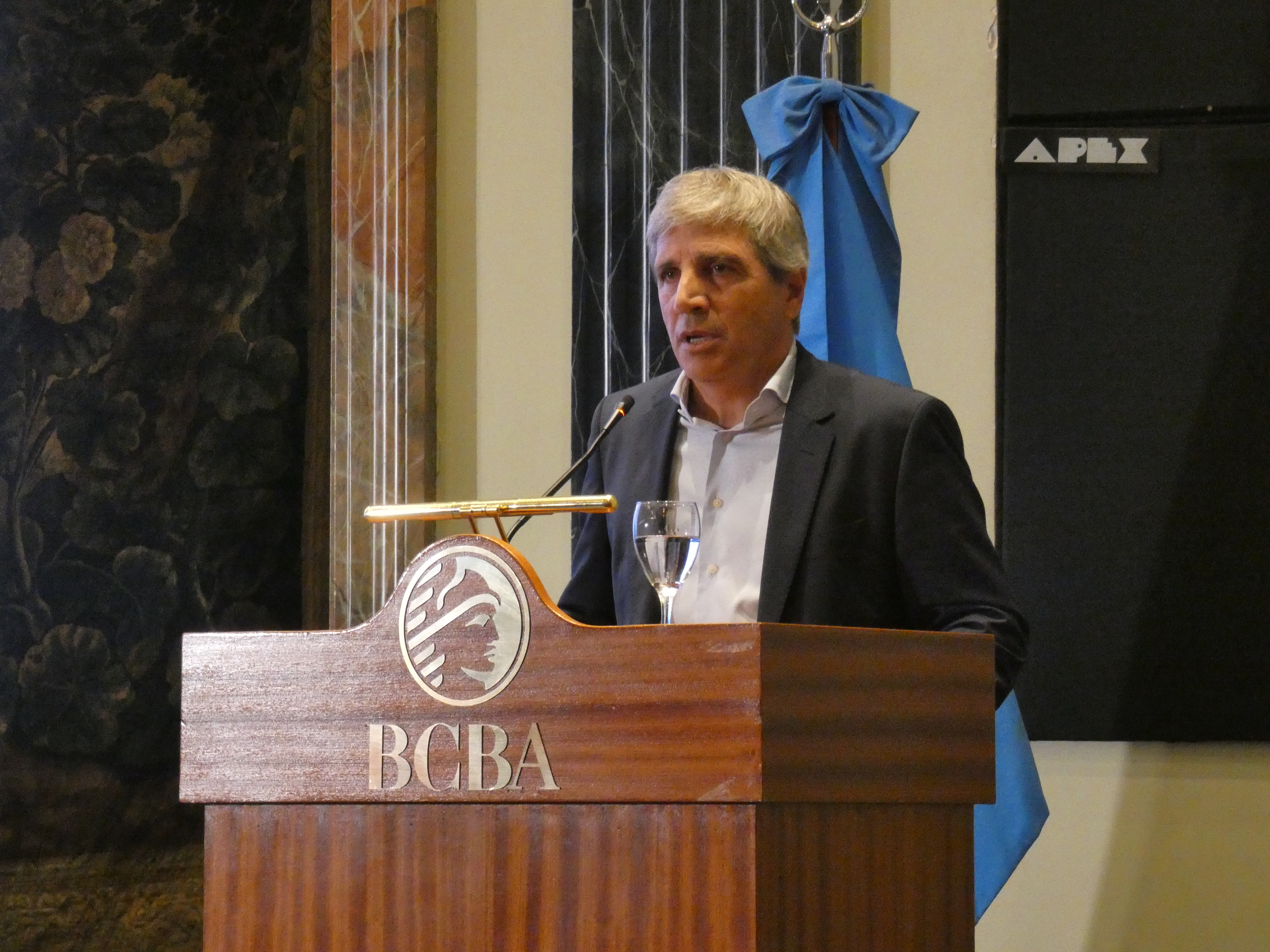
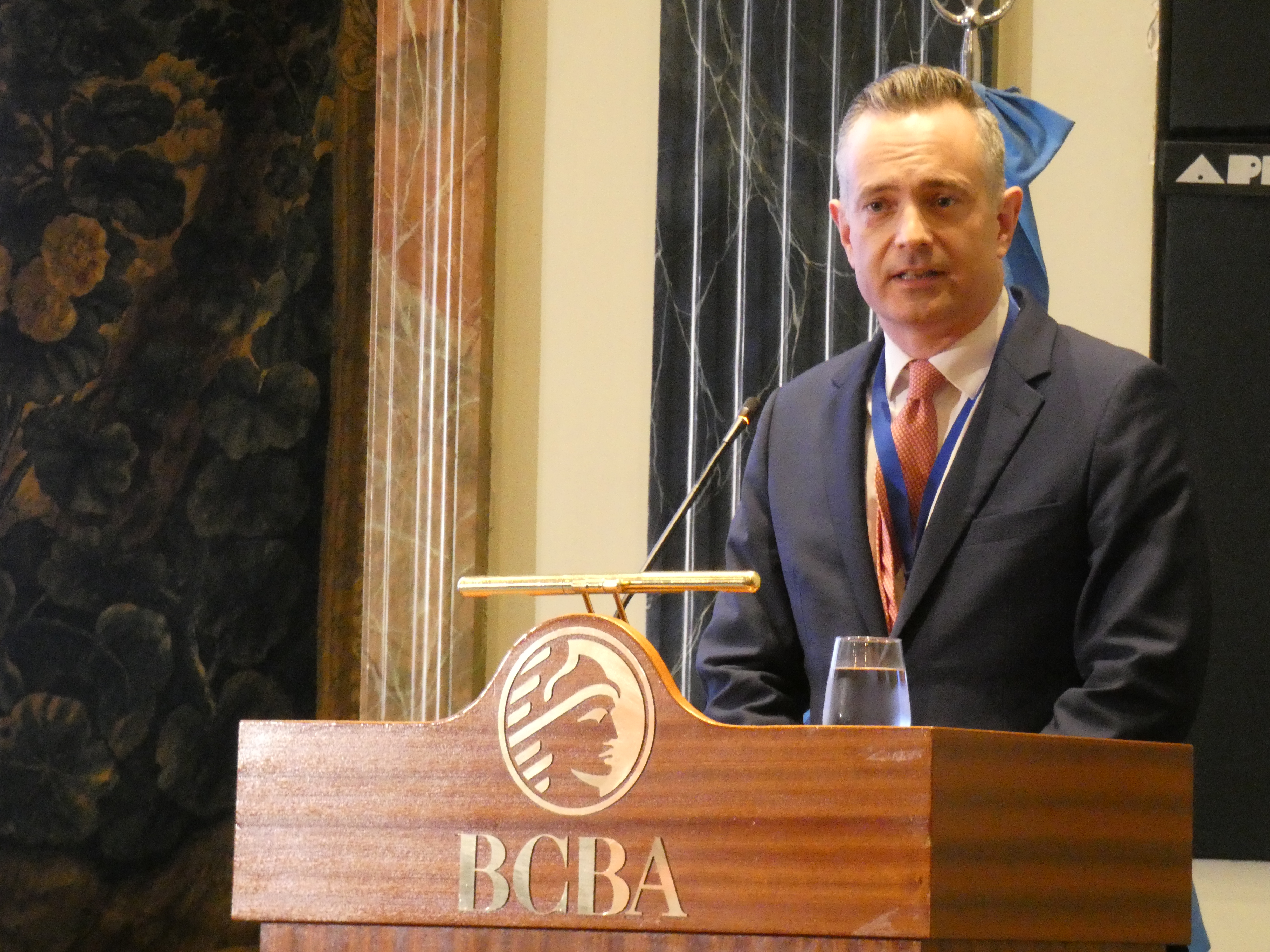
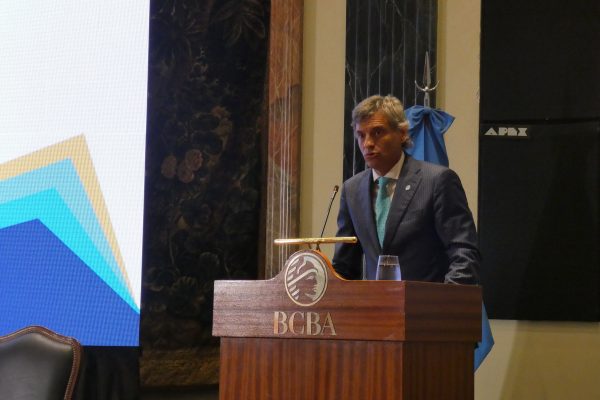
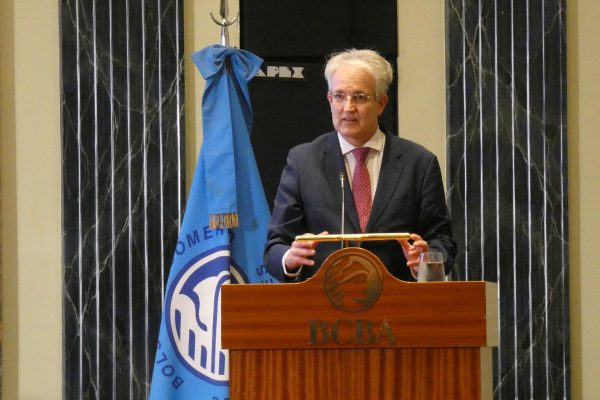
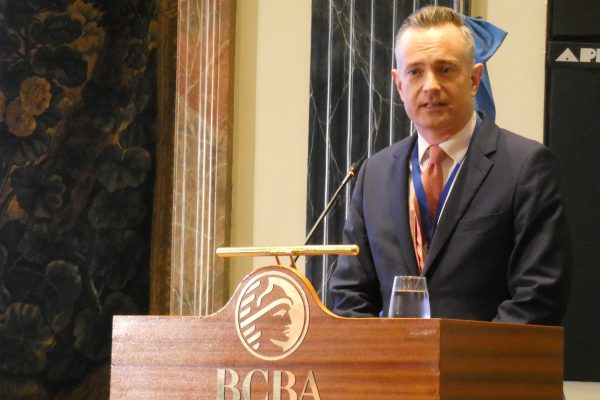
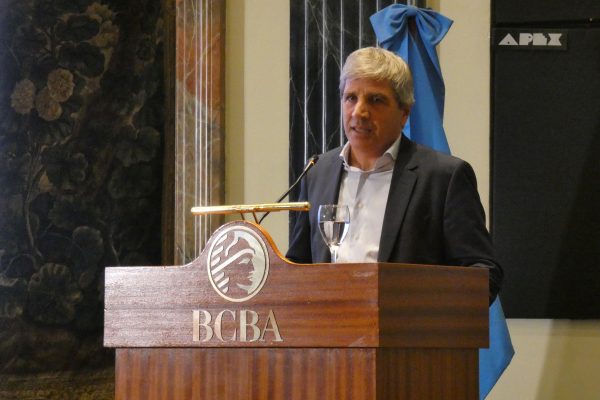
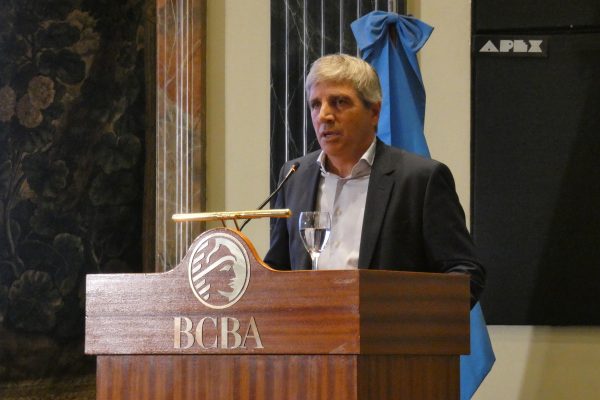
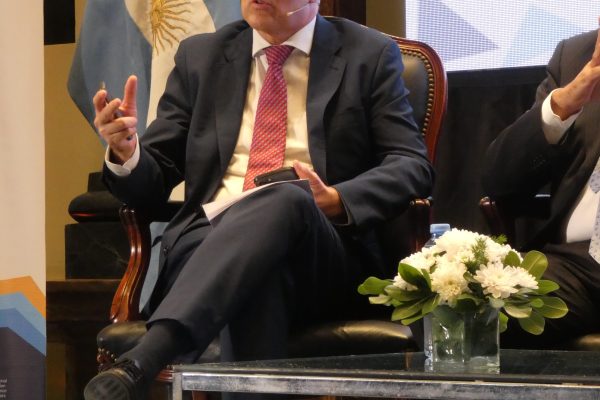
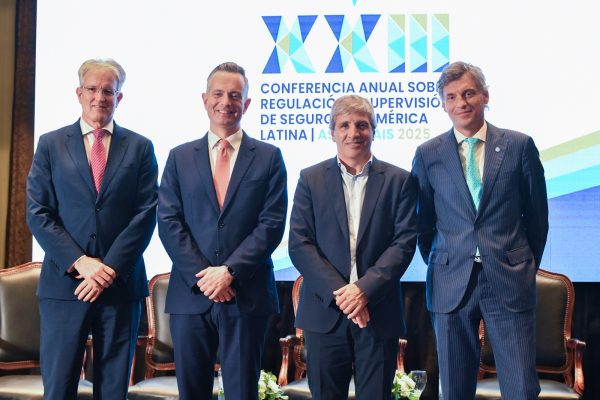
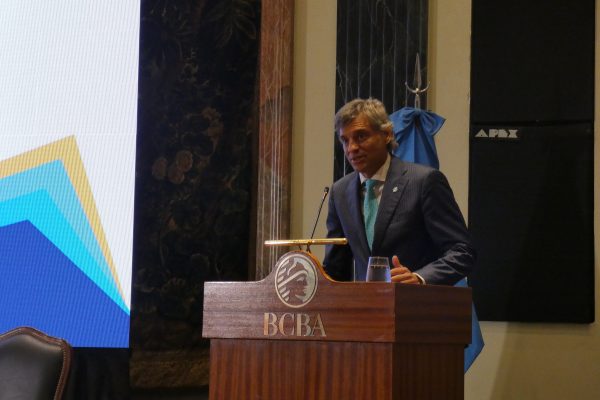
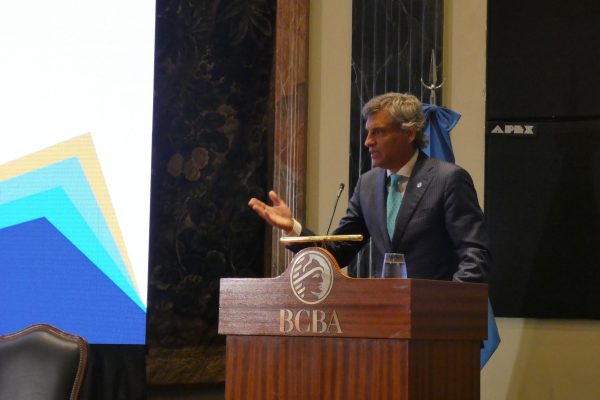
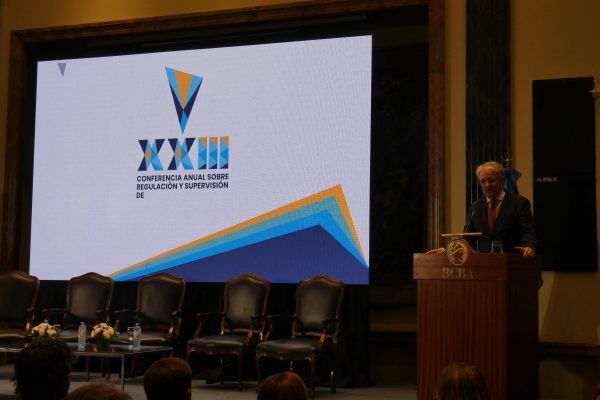
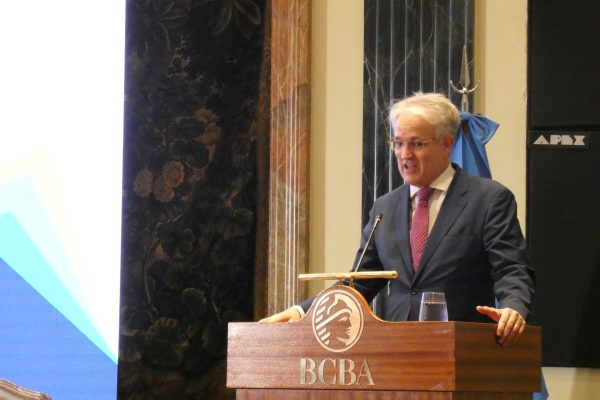
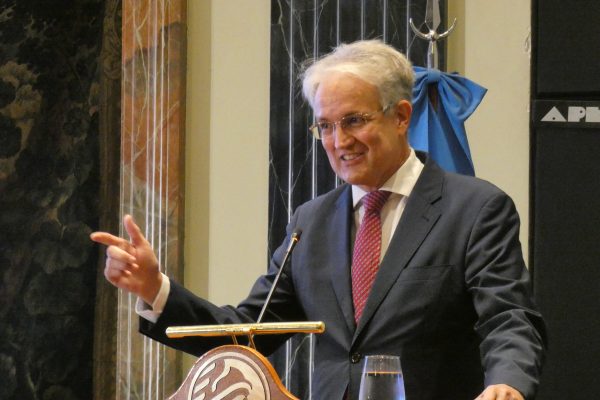
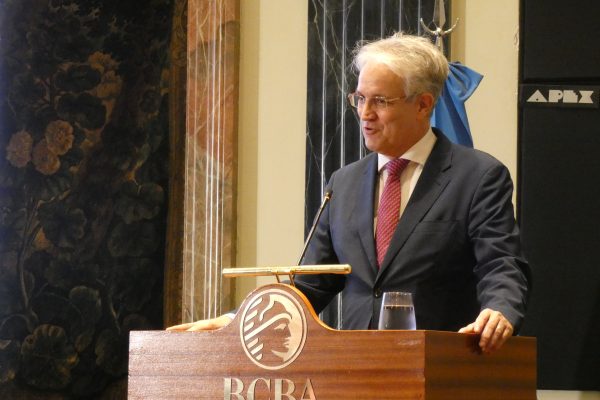
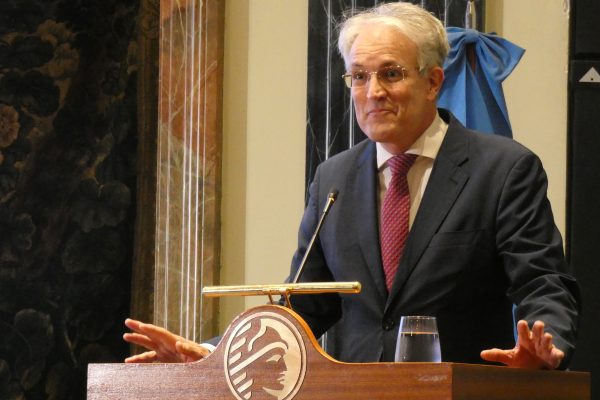
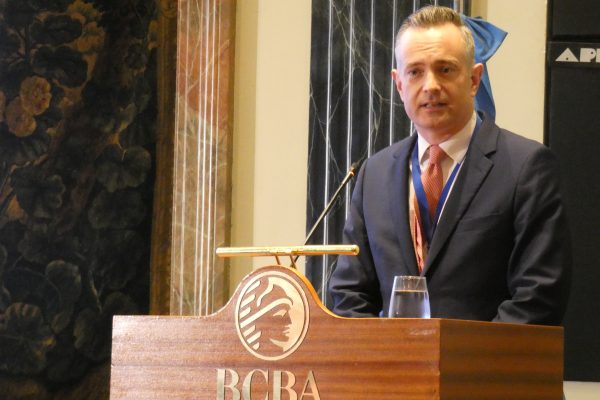
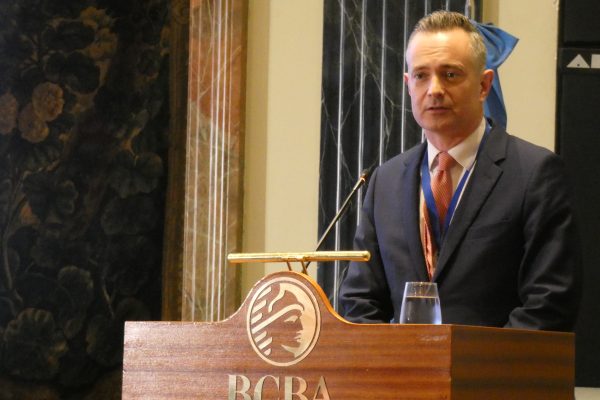
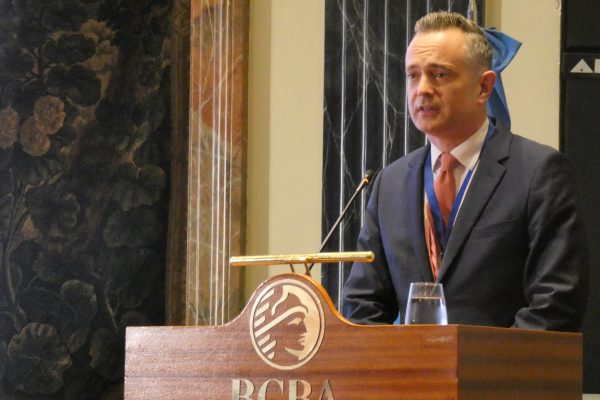
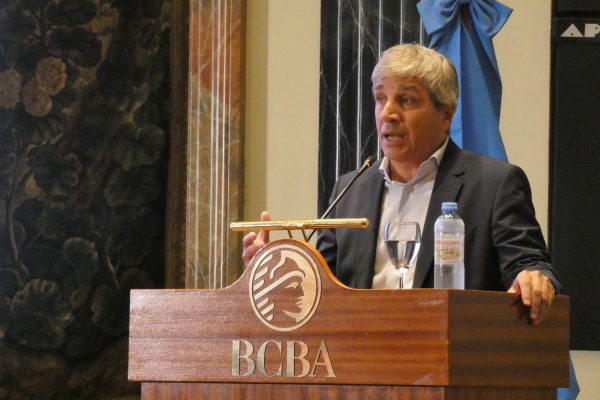
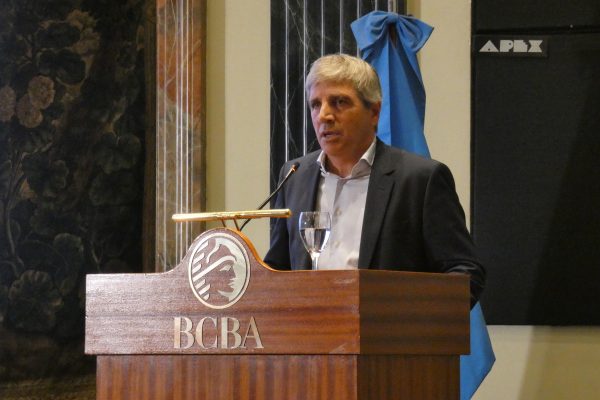
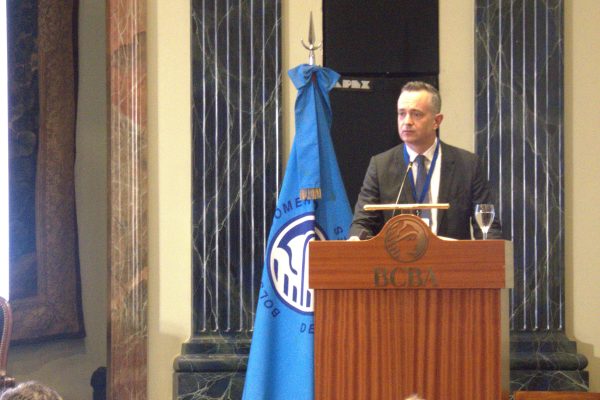
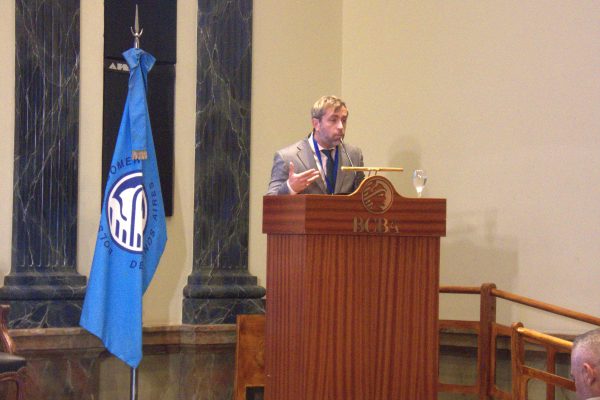
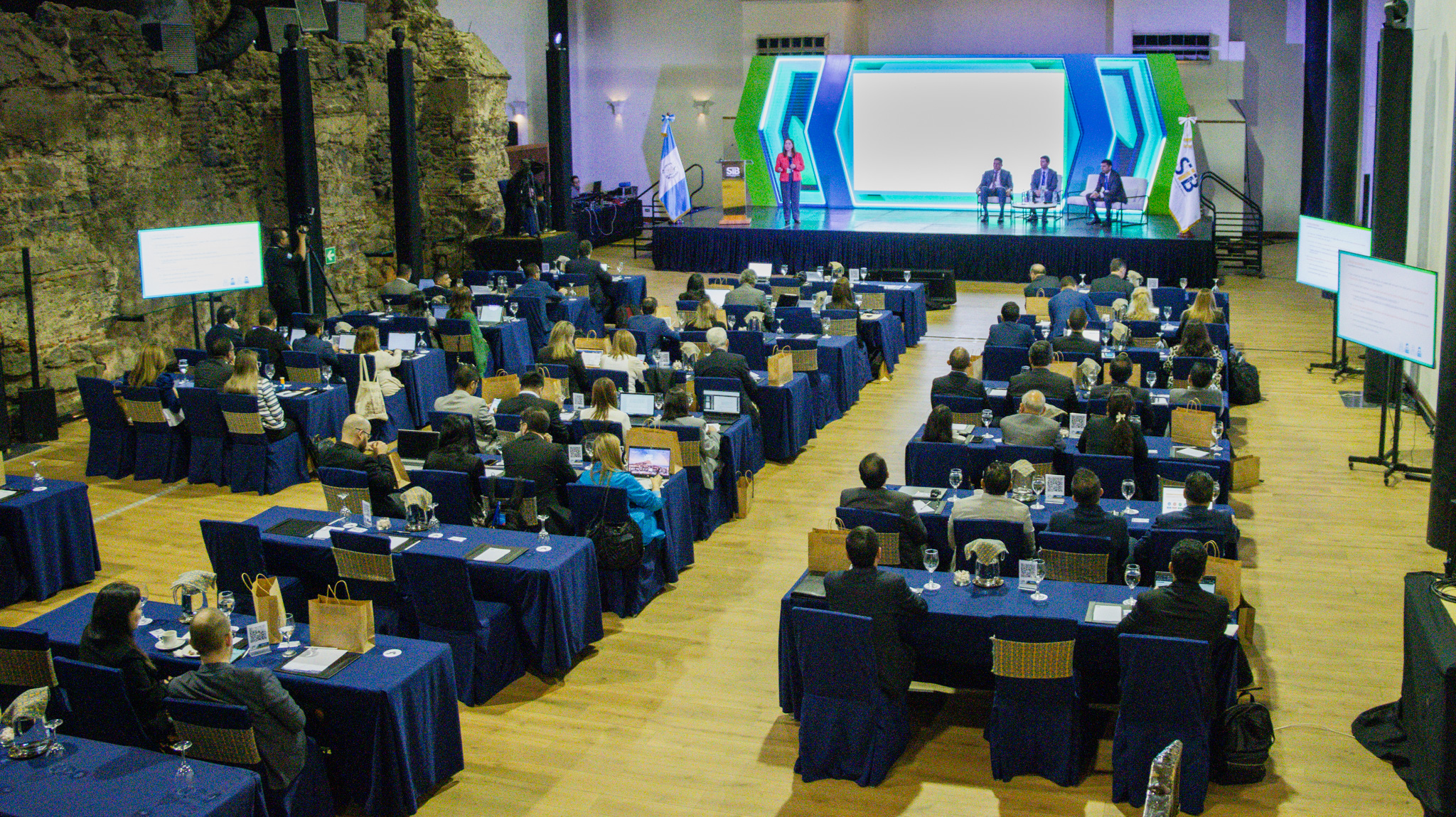
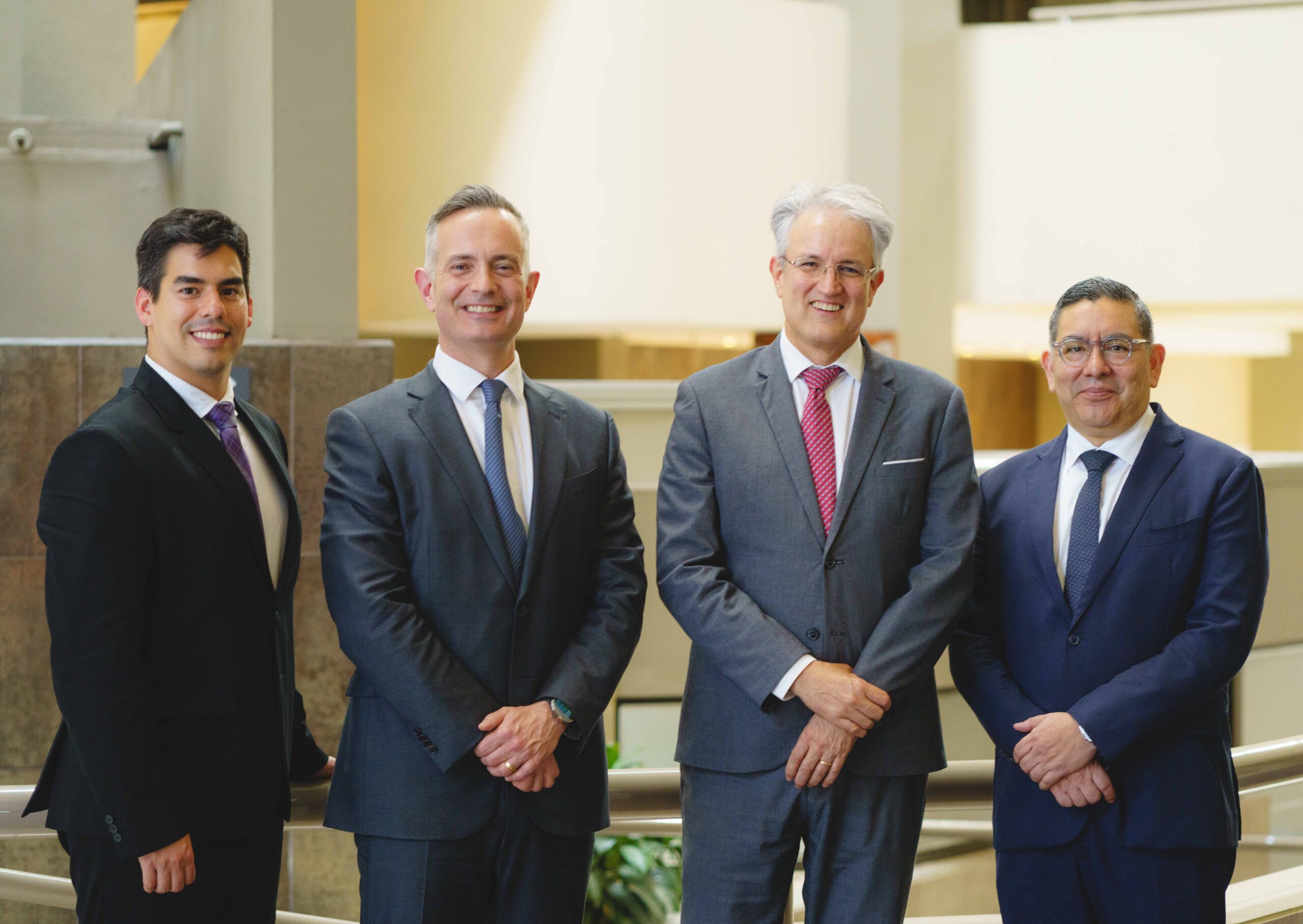
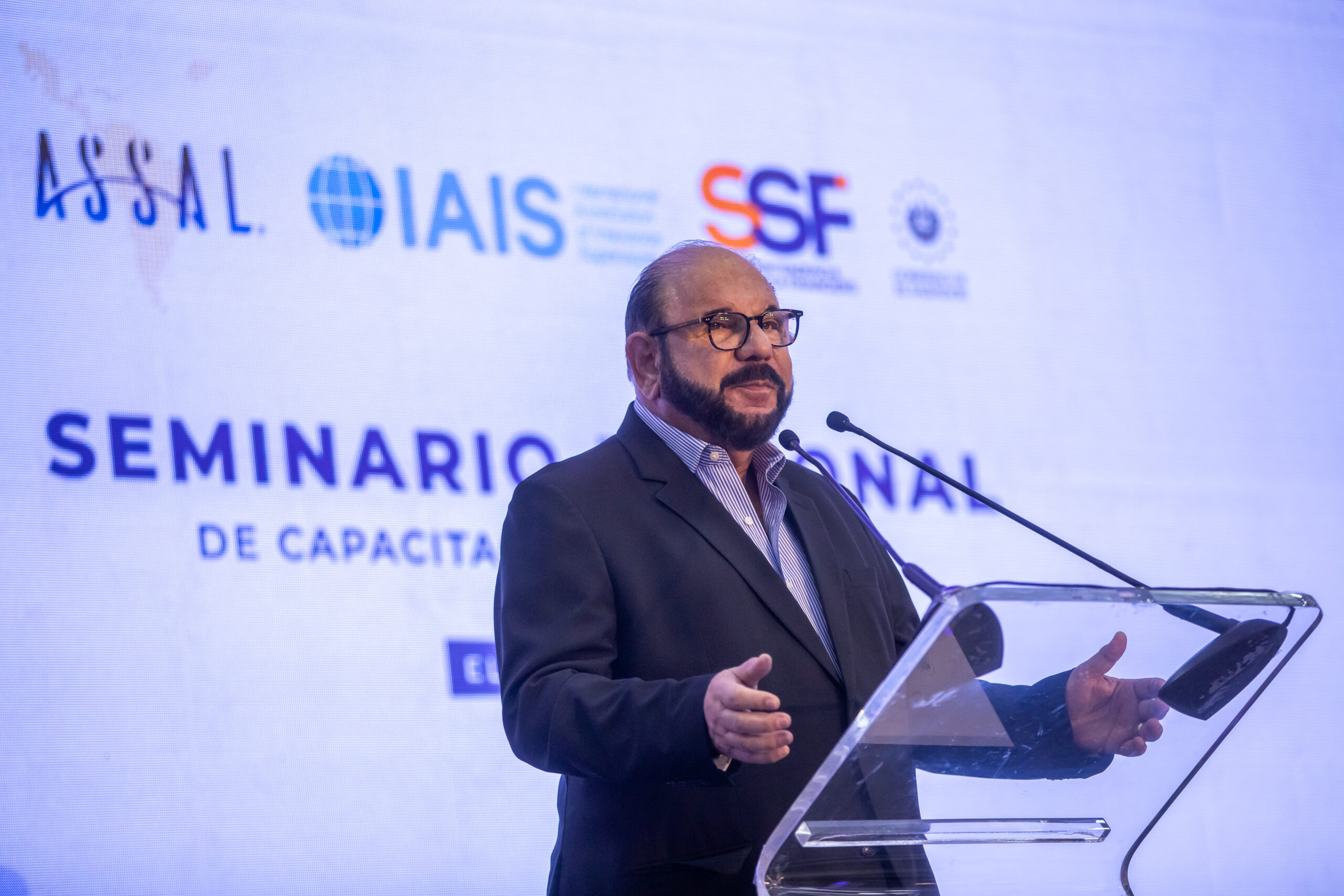
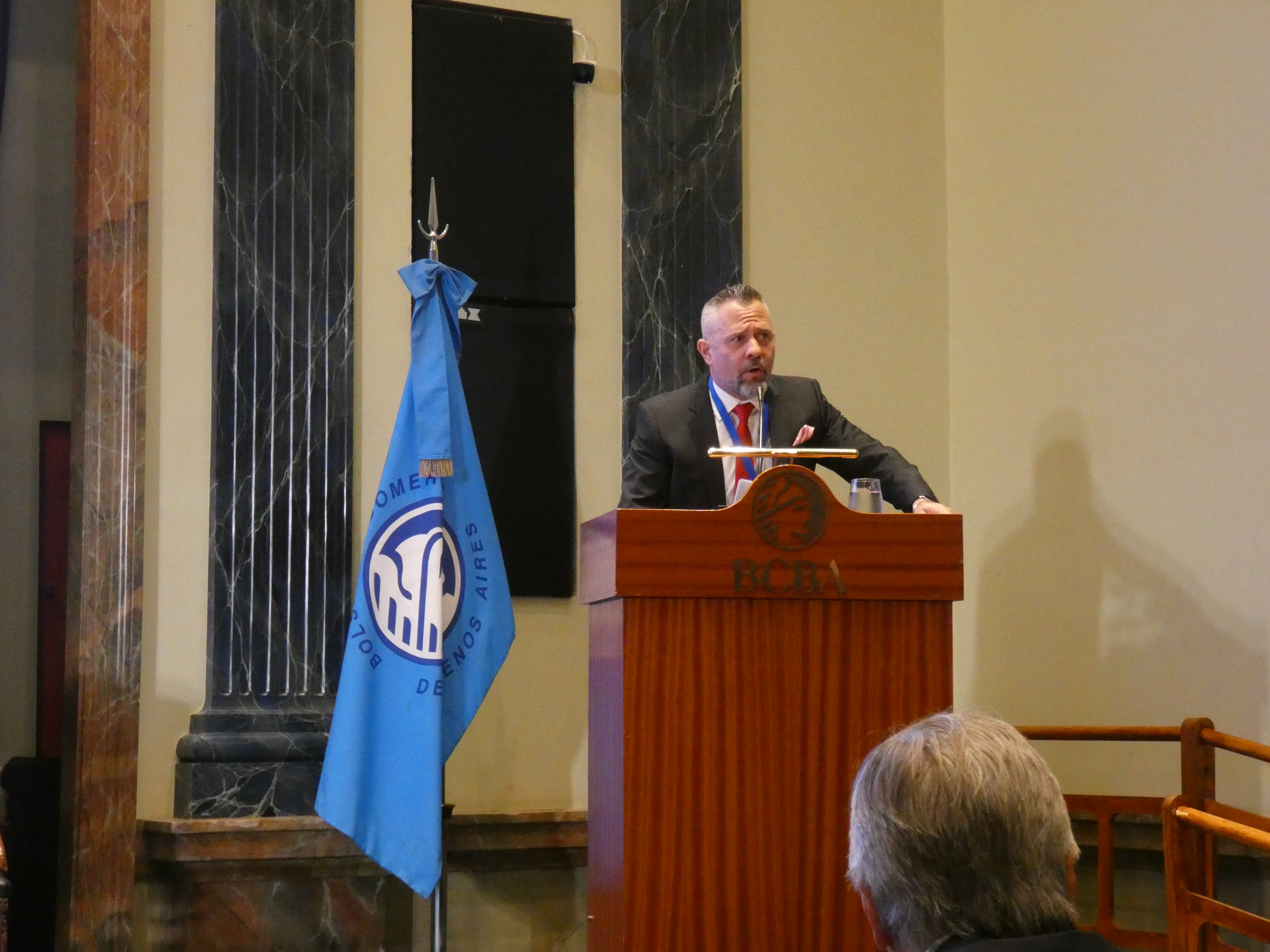
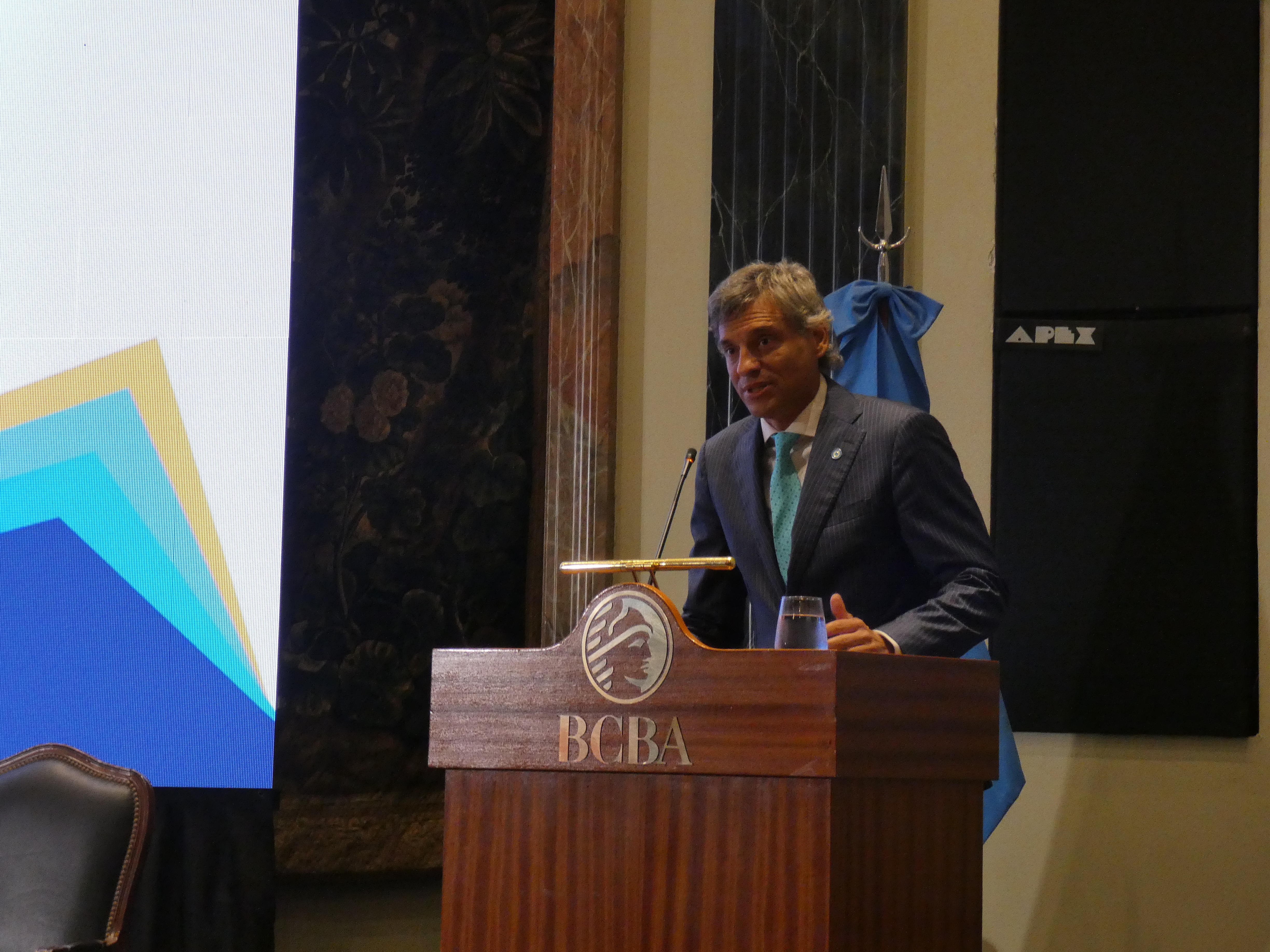
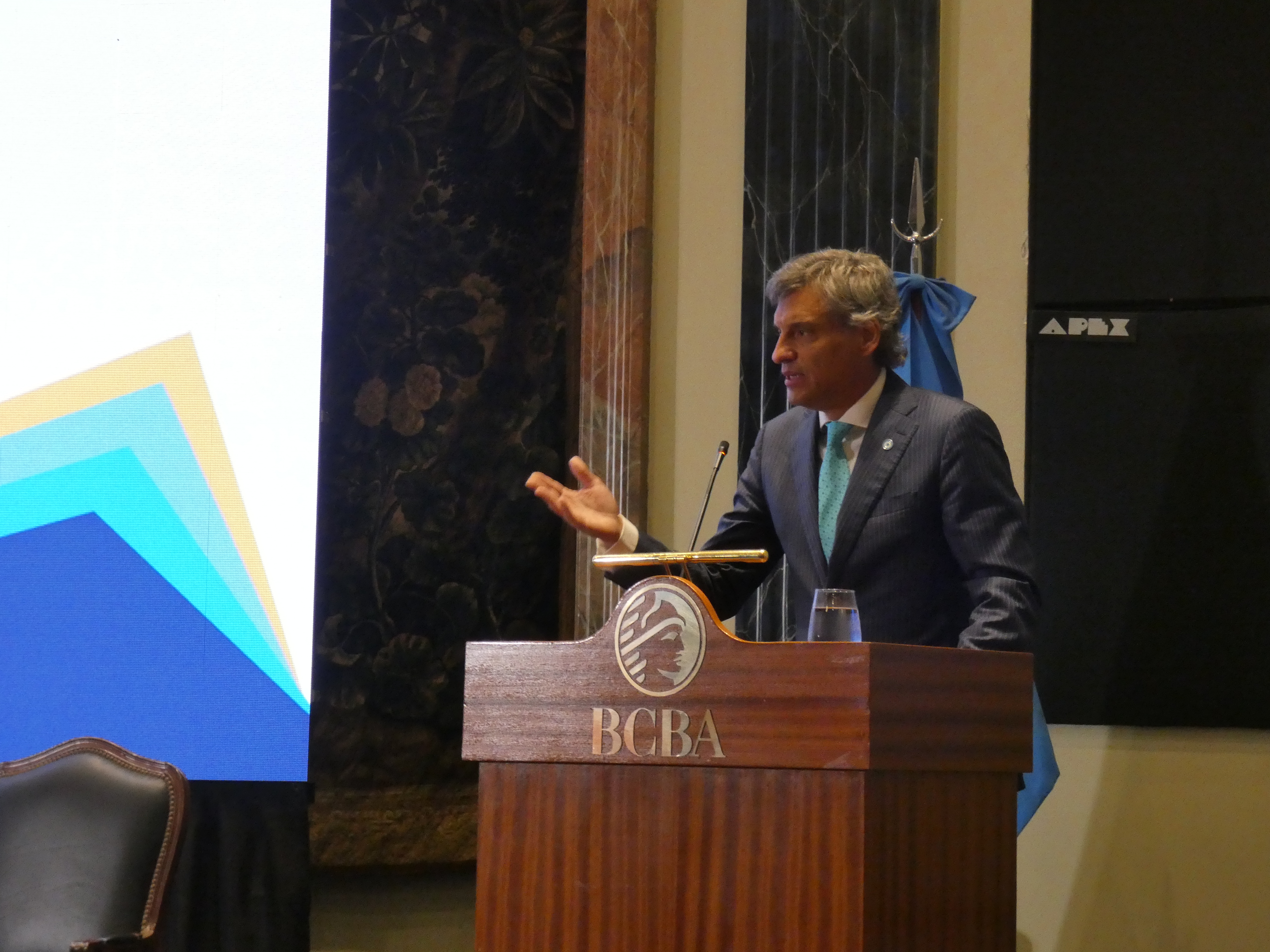
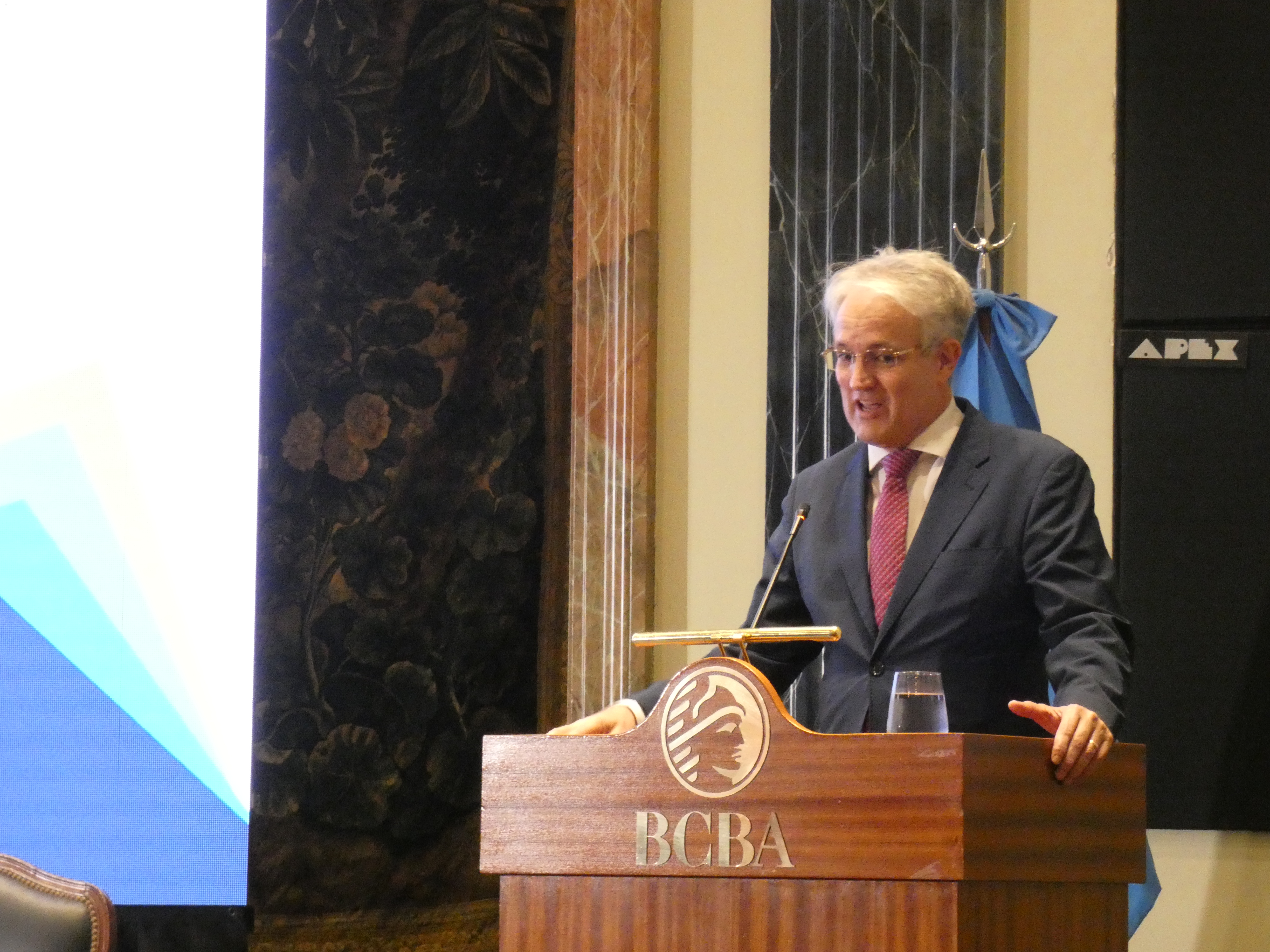
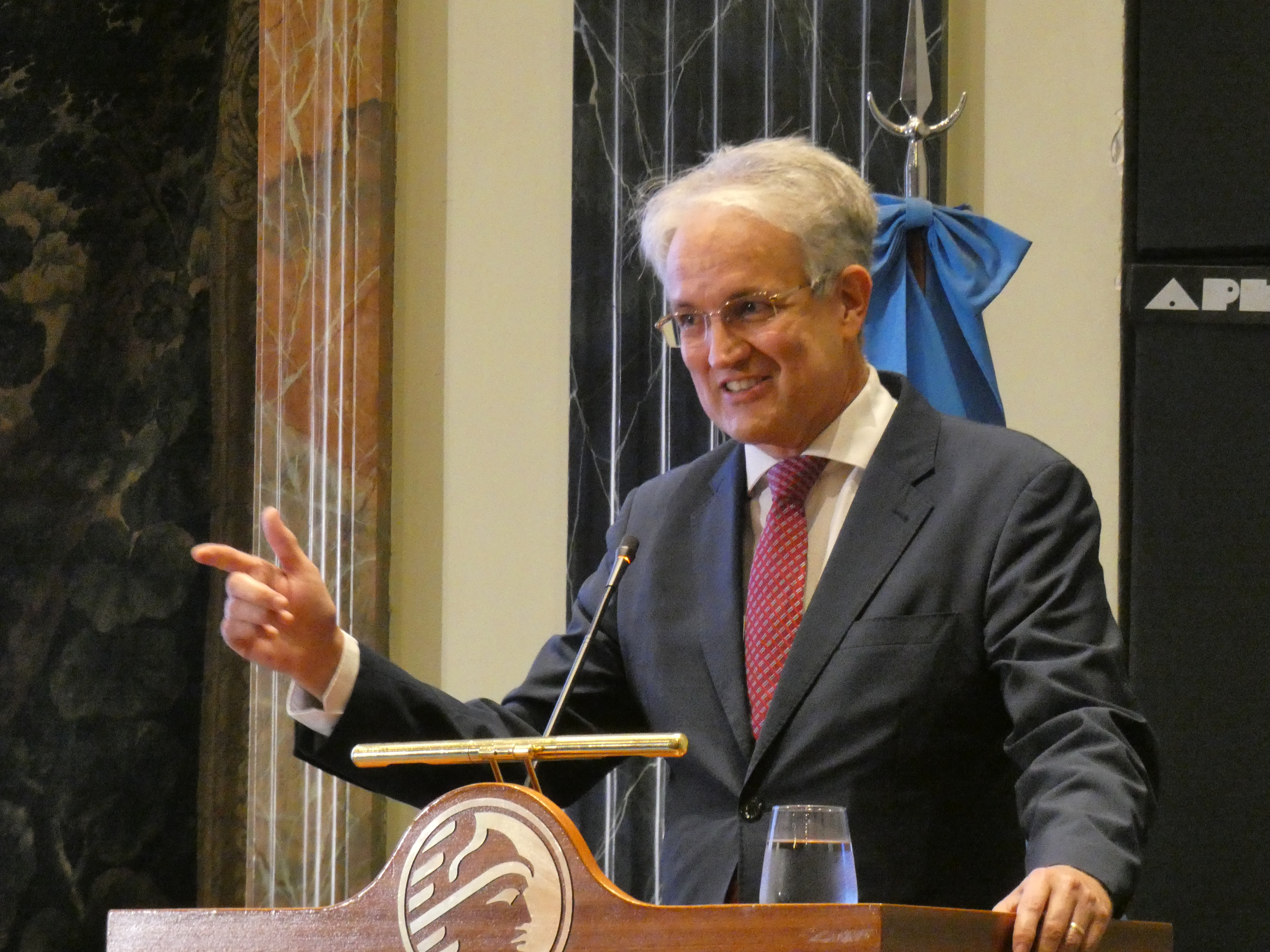
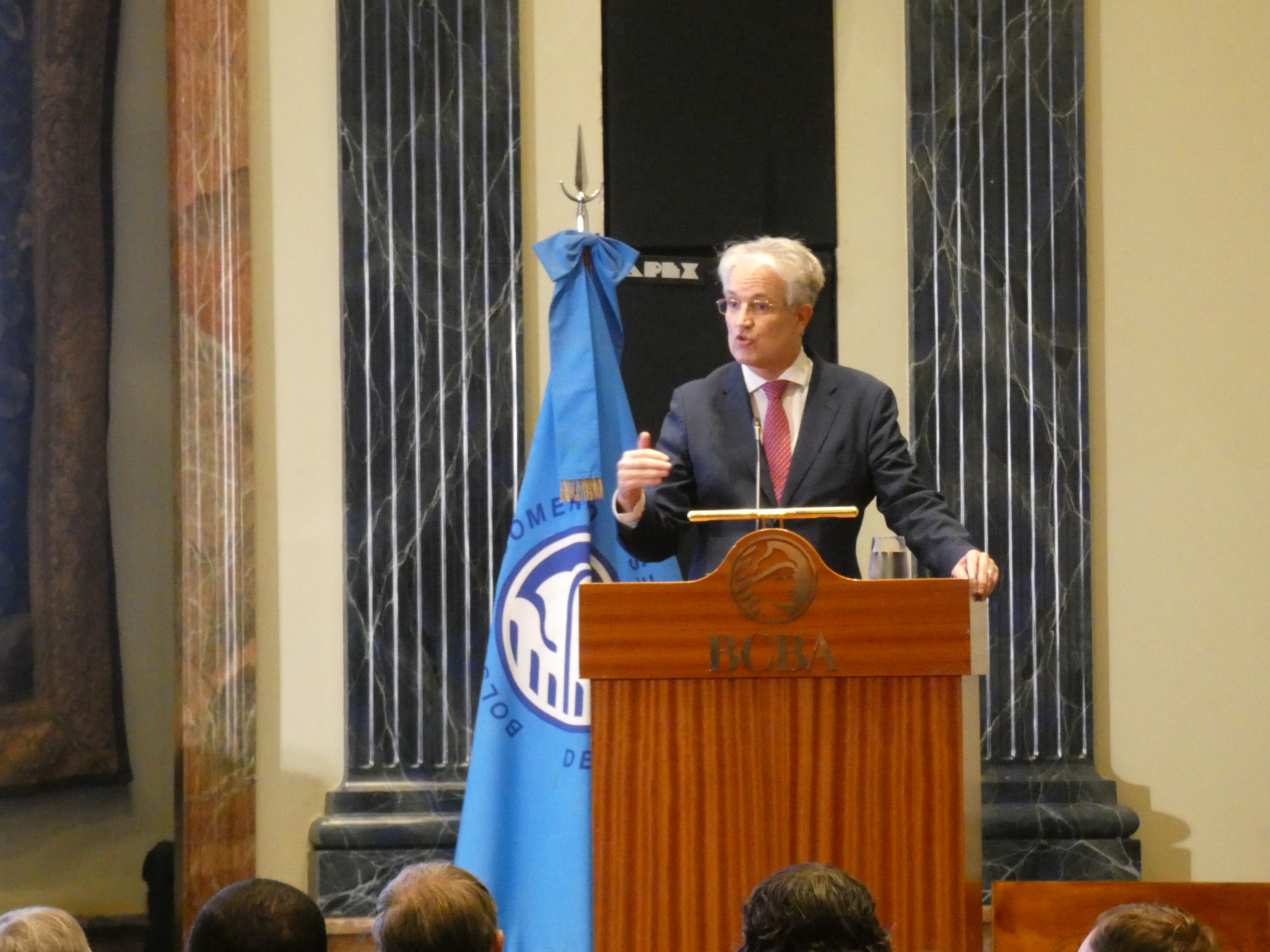
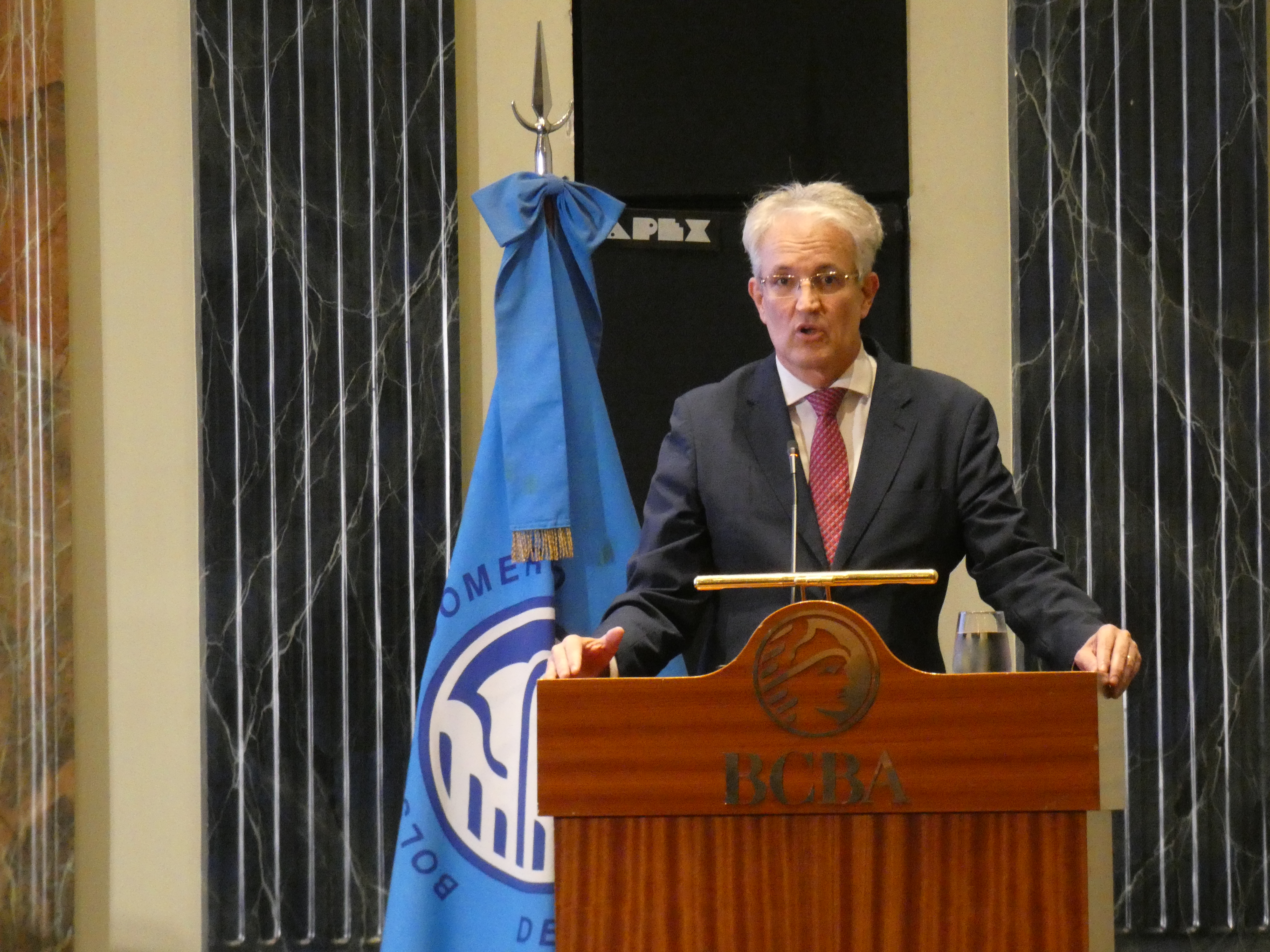
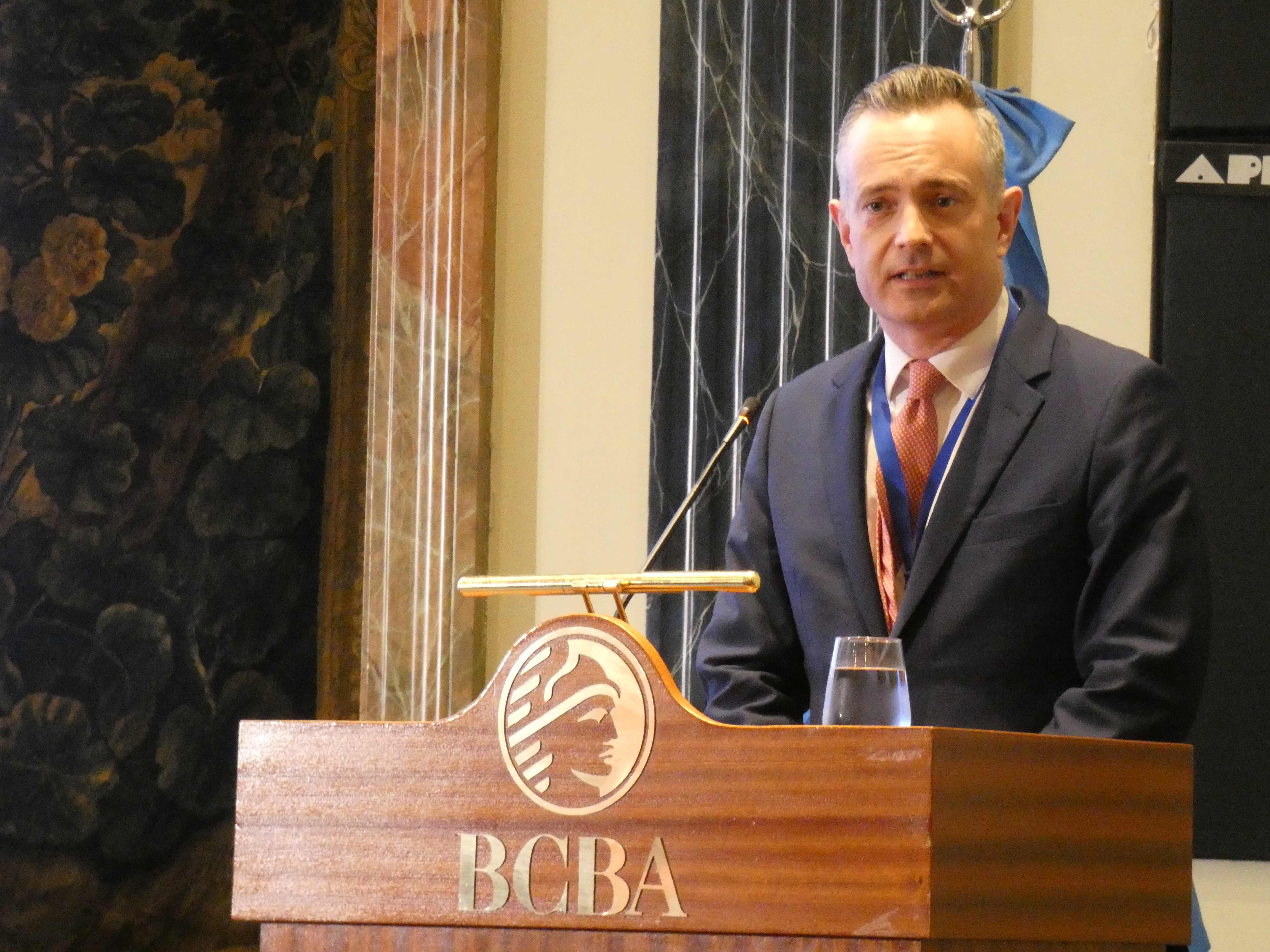
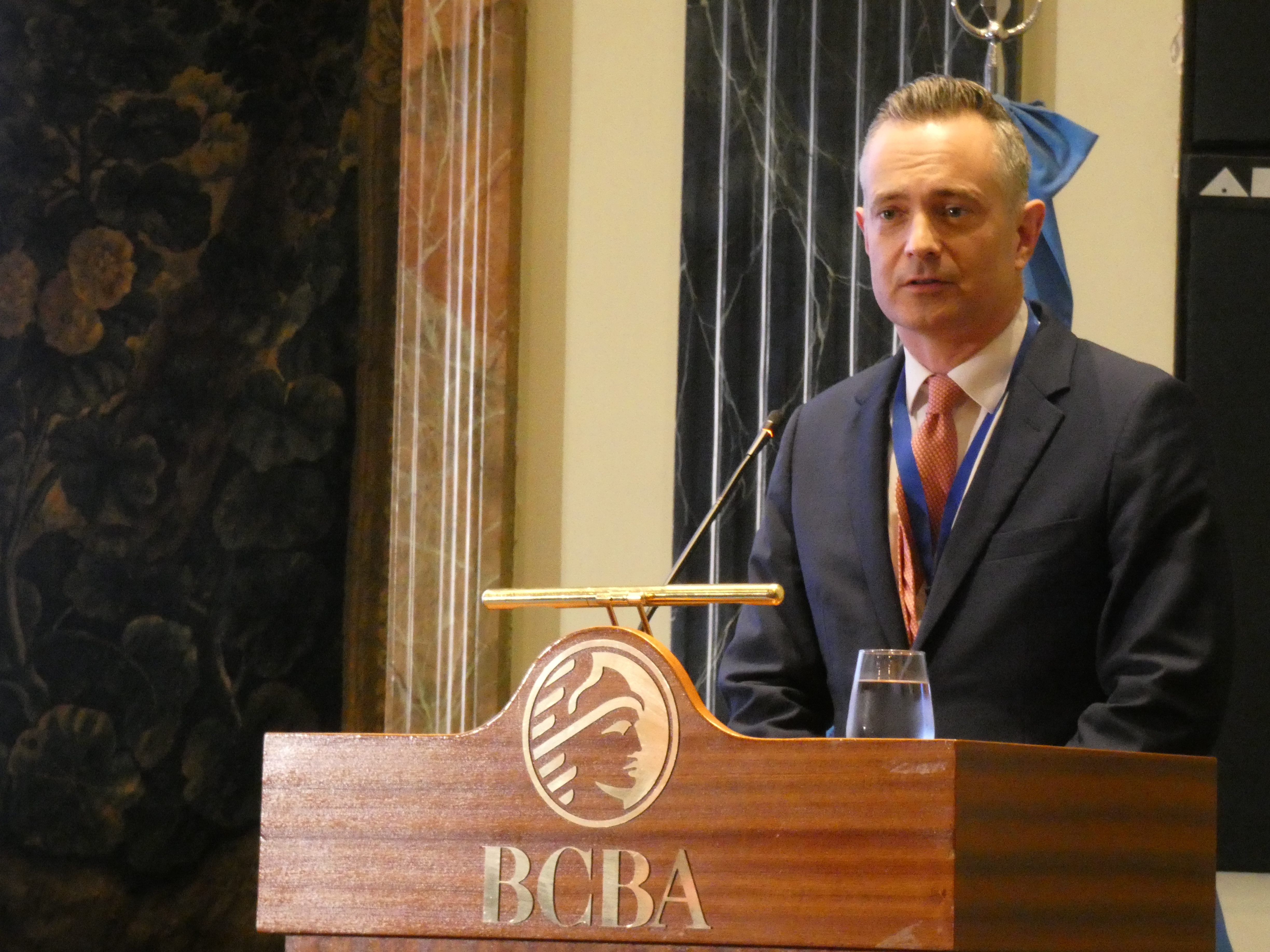
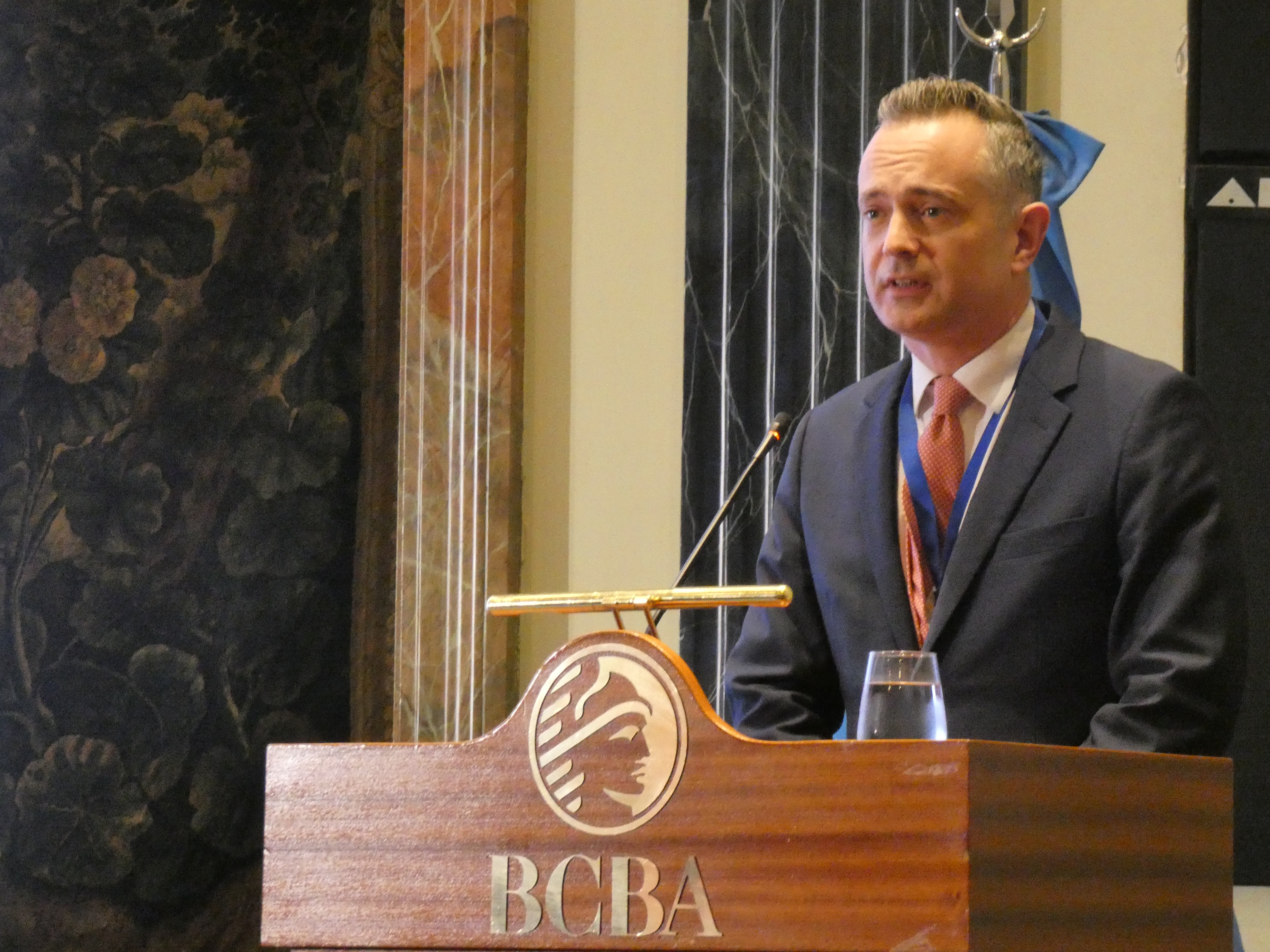
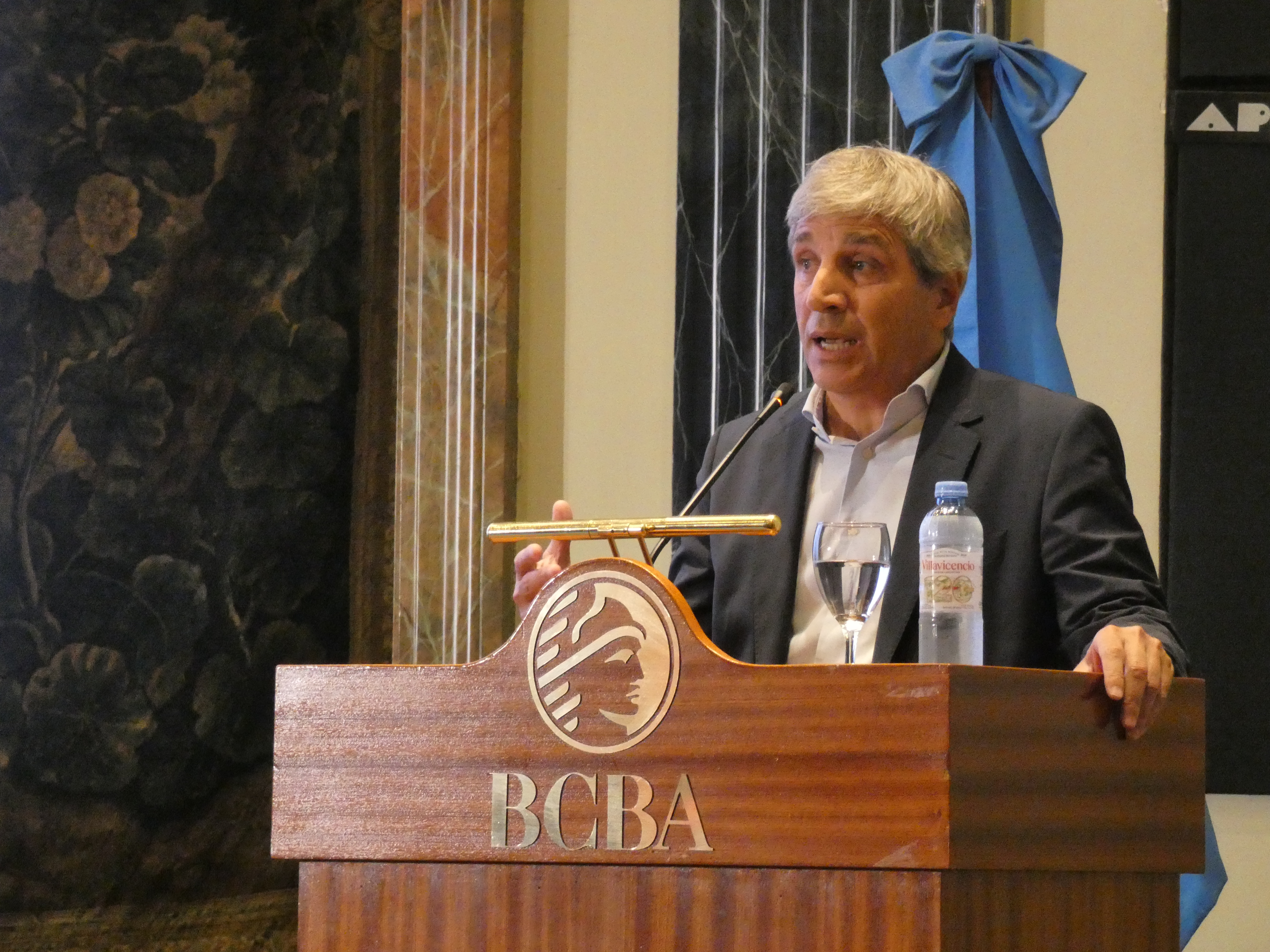
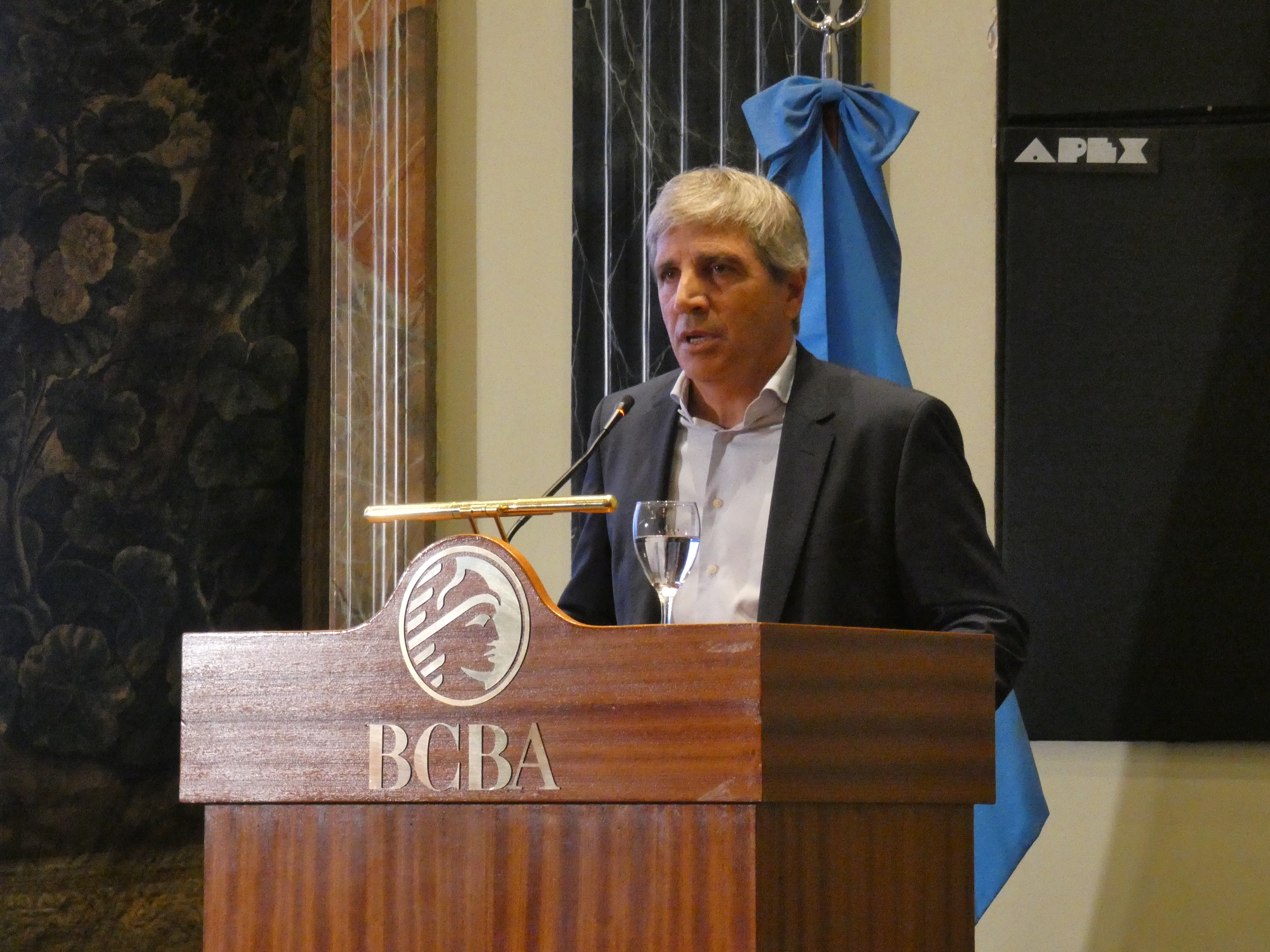
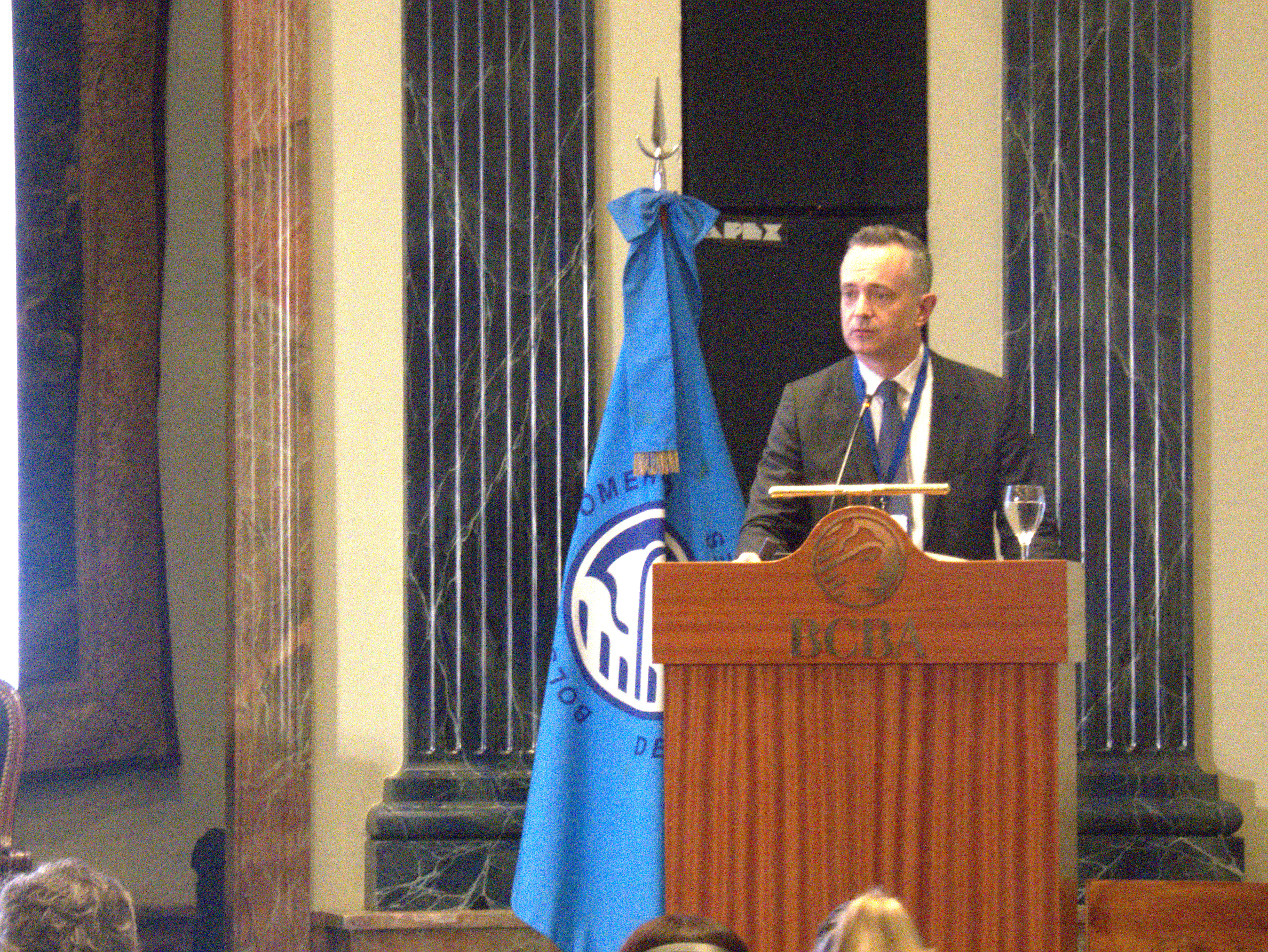
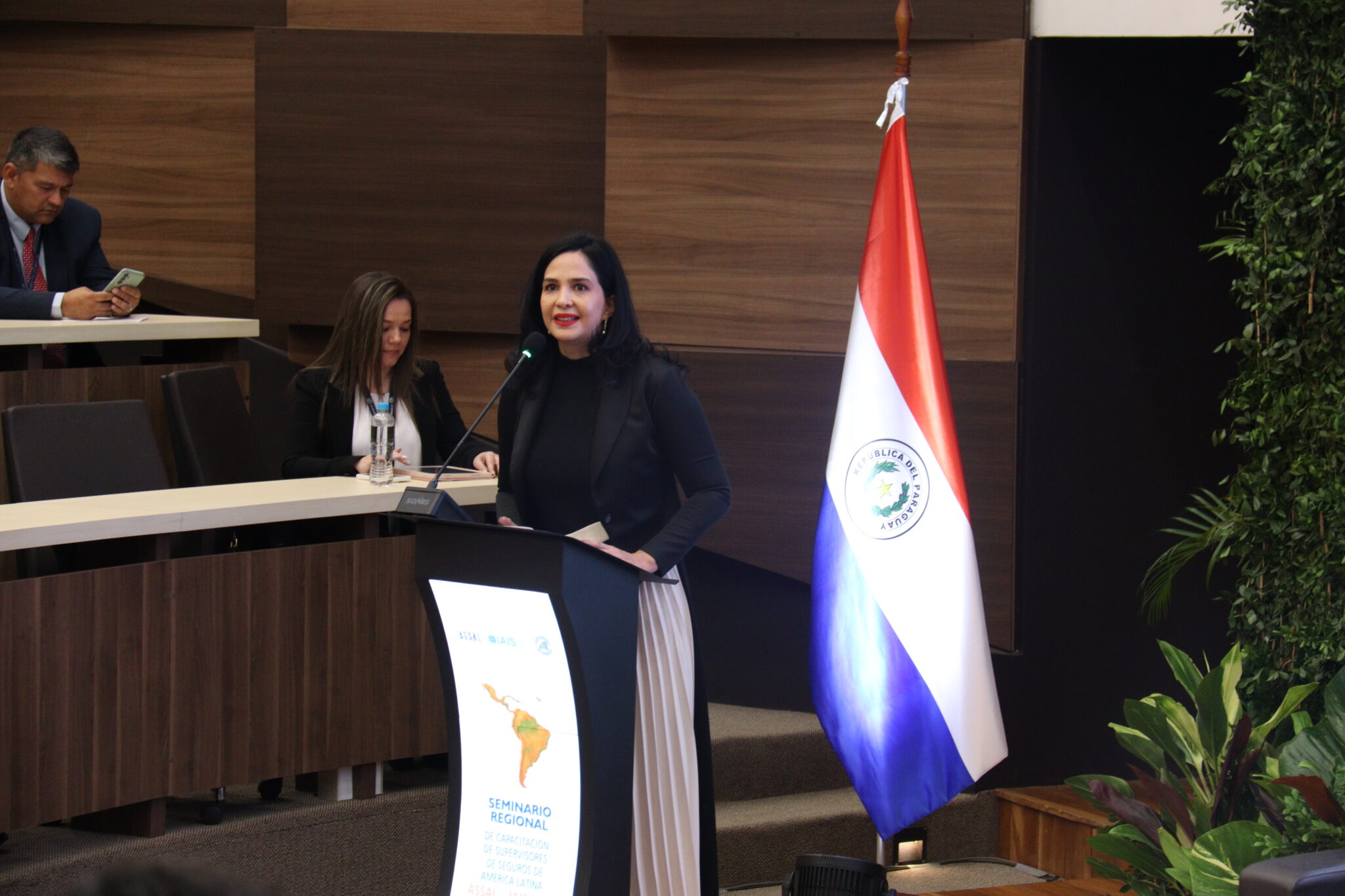
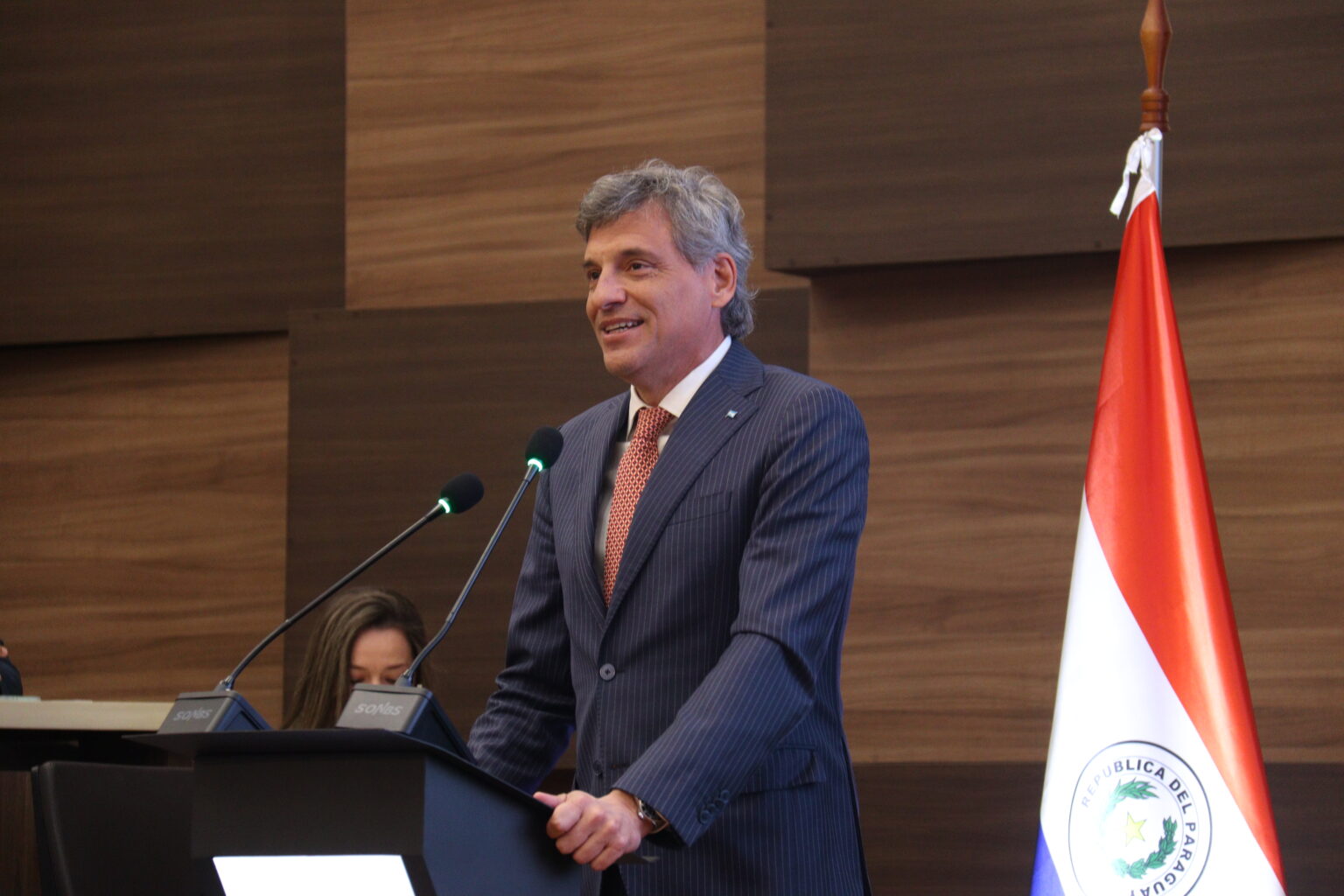
The seminar’s opening session featured Mr. Guillermo Pedro Plate, President of ASSAL and Superintendent of Insurance of Argentina; Ms. Adriana Jazmín Lugo Bernal, Superintendent of Insurance of the Central Bank of Paraguay (BCP); and Mr. Carlos Carvallo Spalding, President of the BCP. The opening remarks highlighted the importance of strengthening supervisory capabilities in the face of changes transforming the insurance industry, as well as the need to adopt new tools that enable more efficient, risk-oriented supervision.
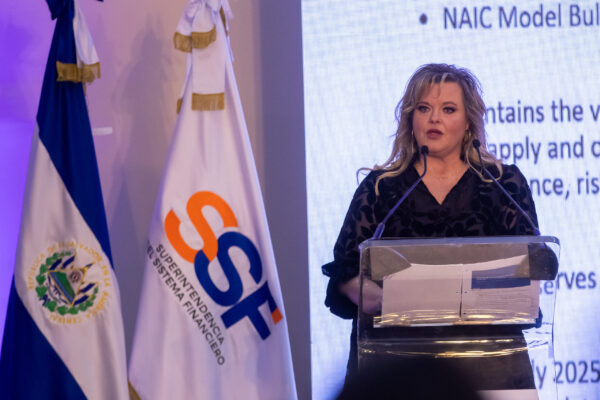
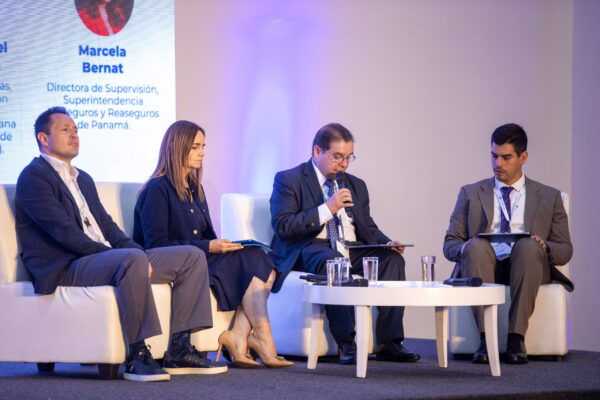
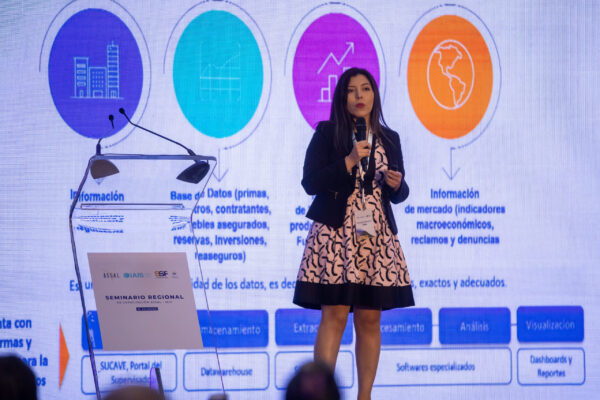
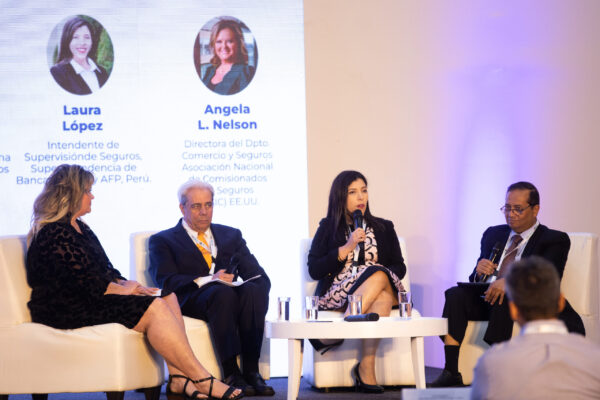
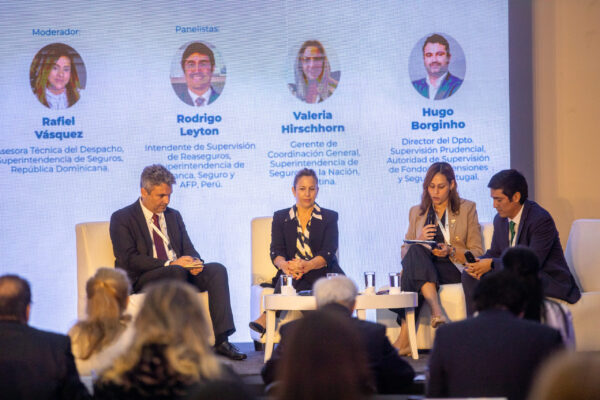
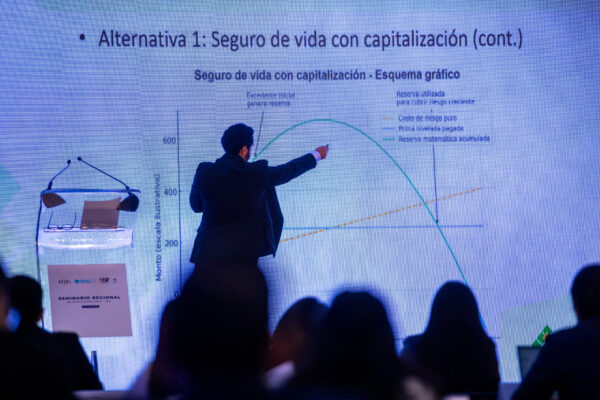
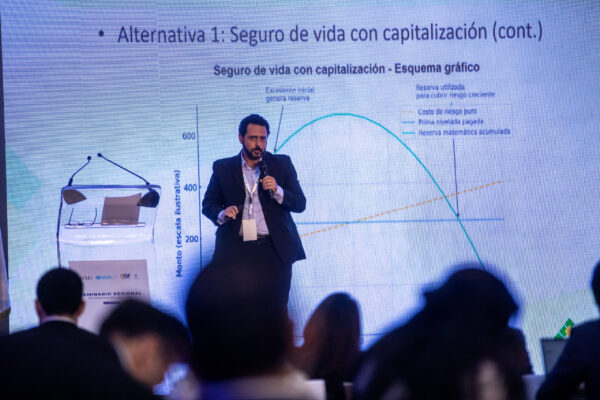
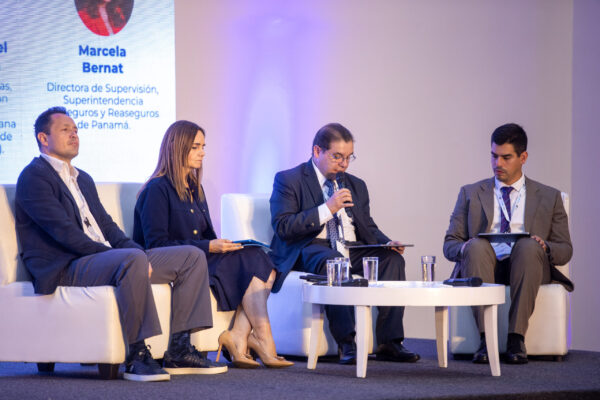
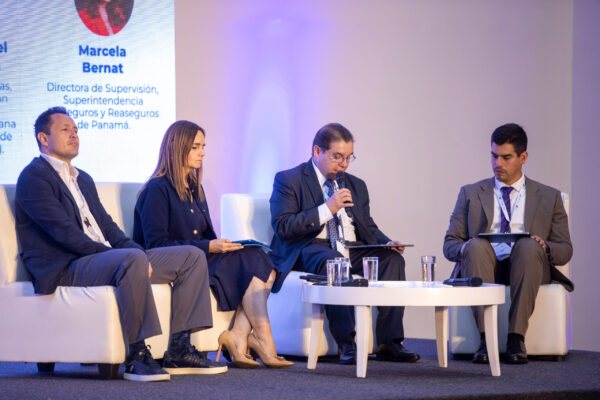
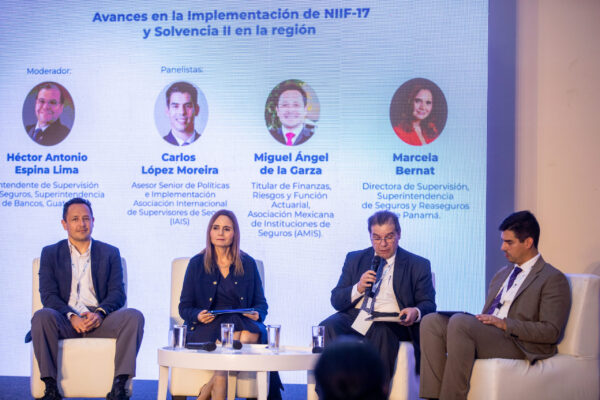
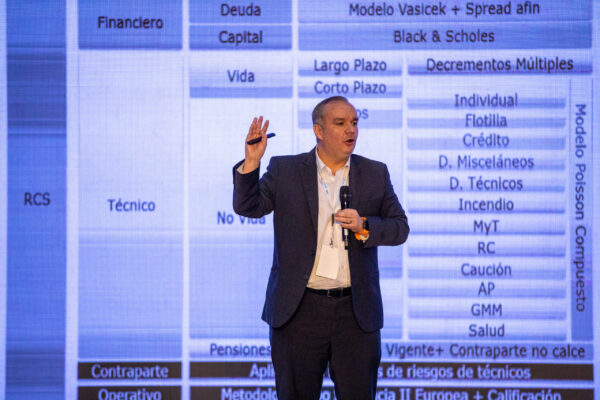
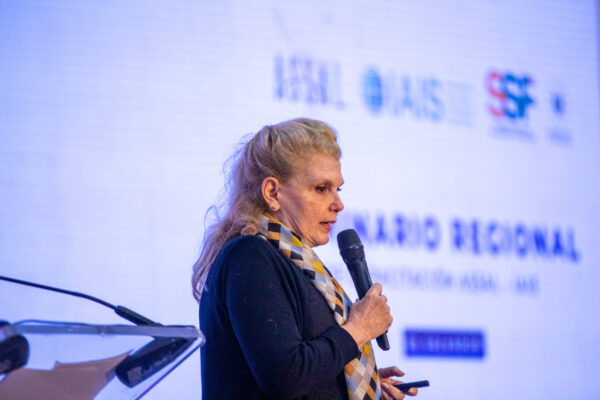
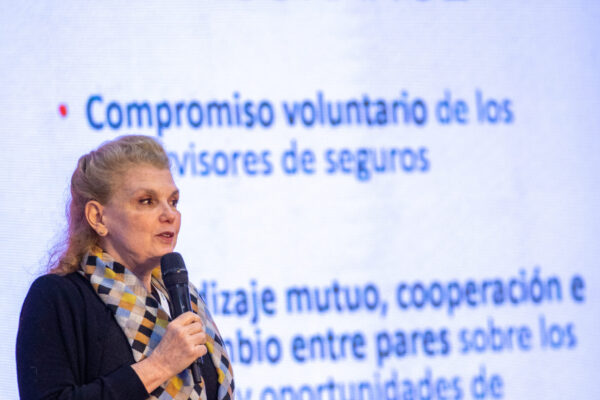
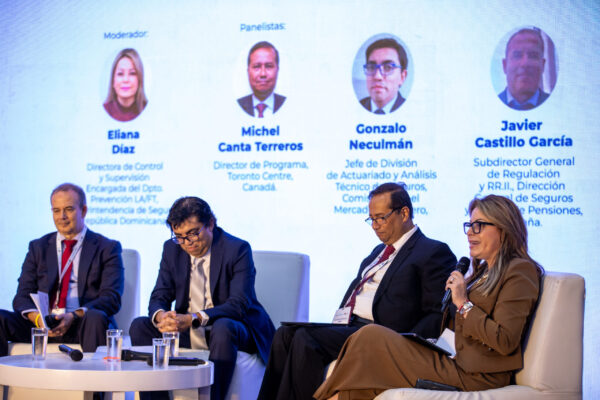
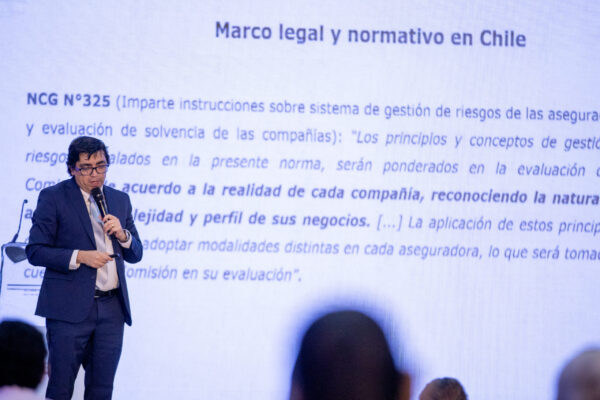
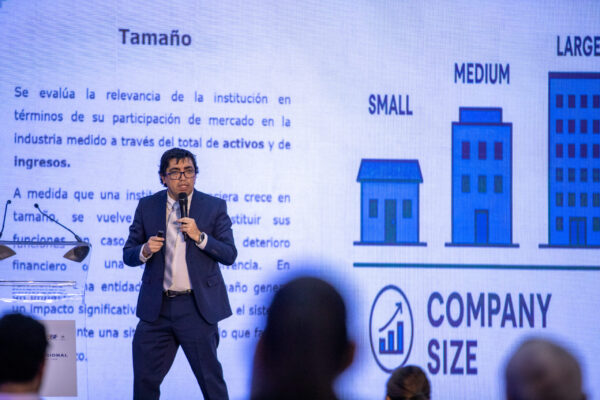
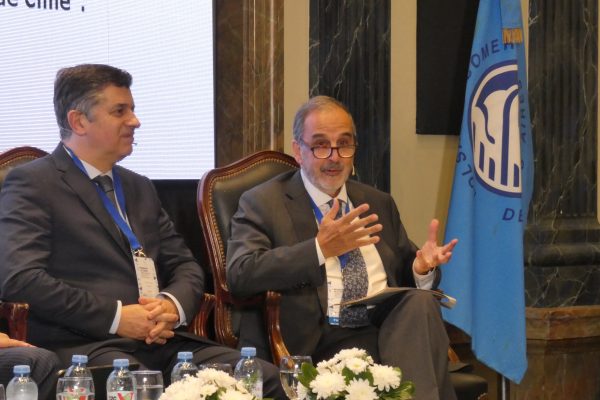
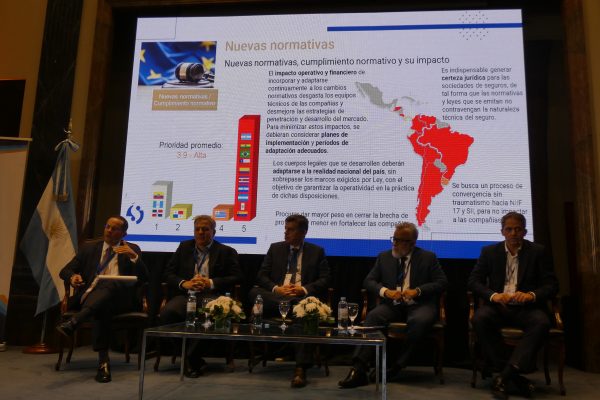
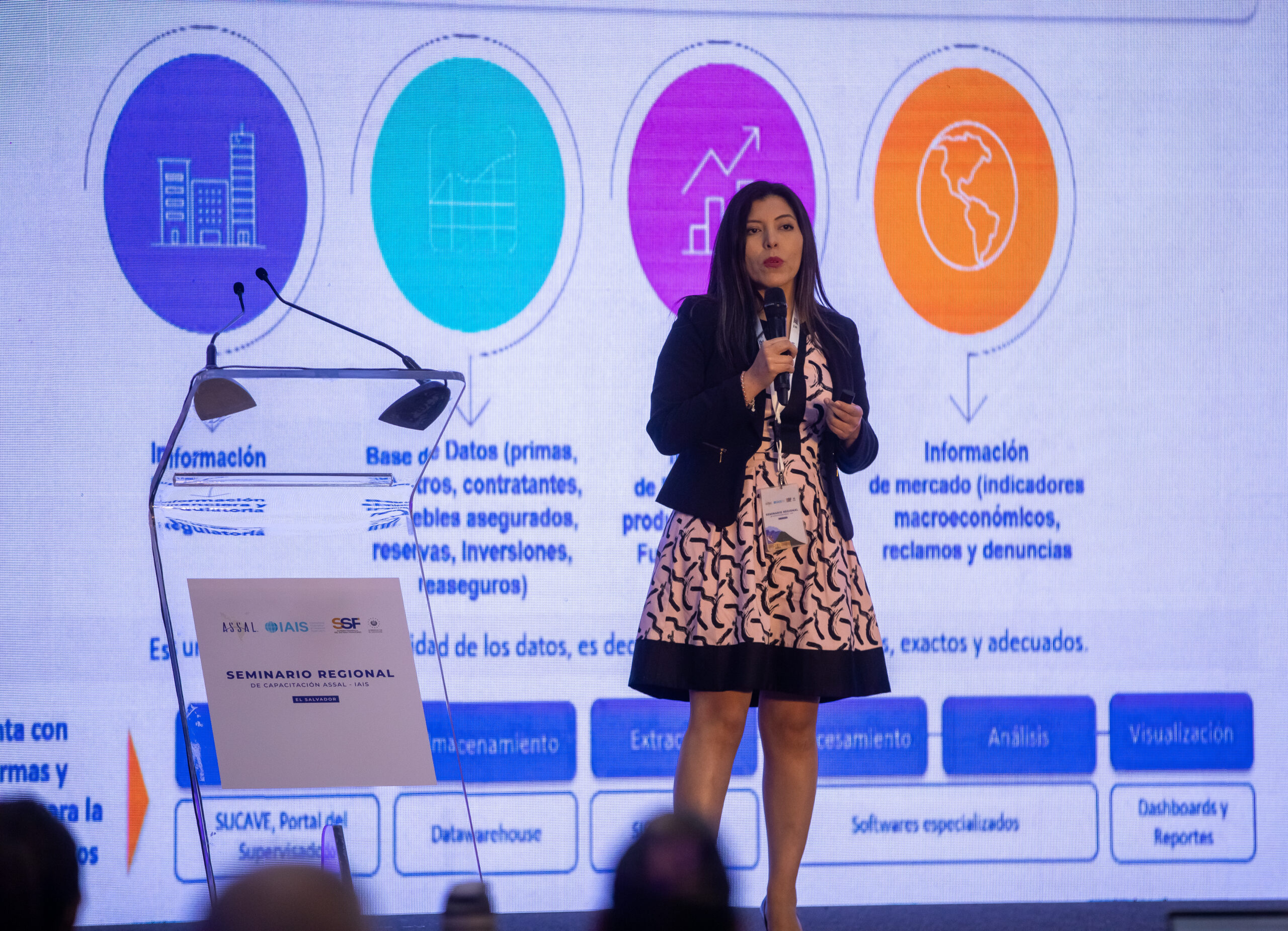
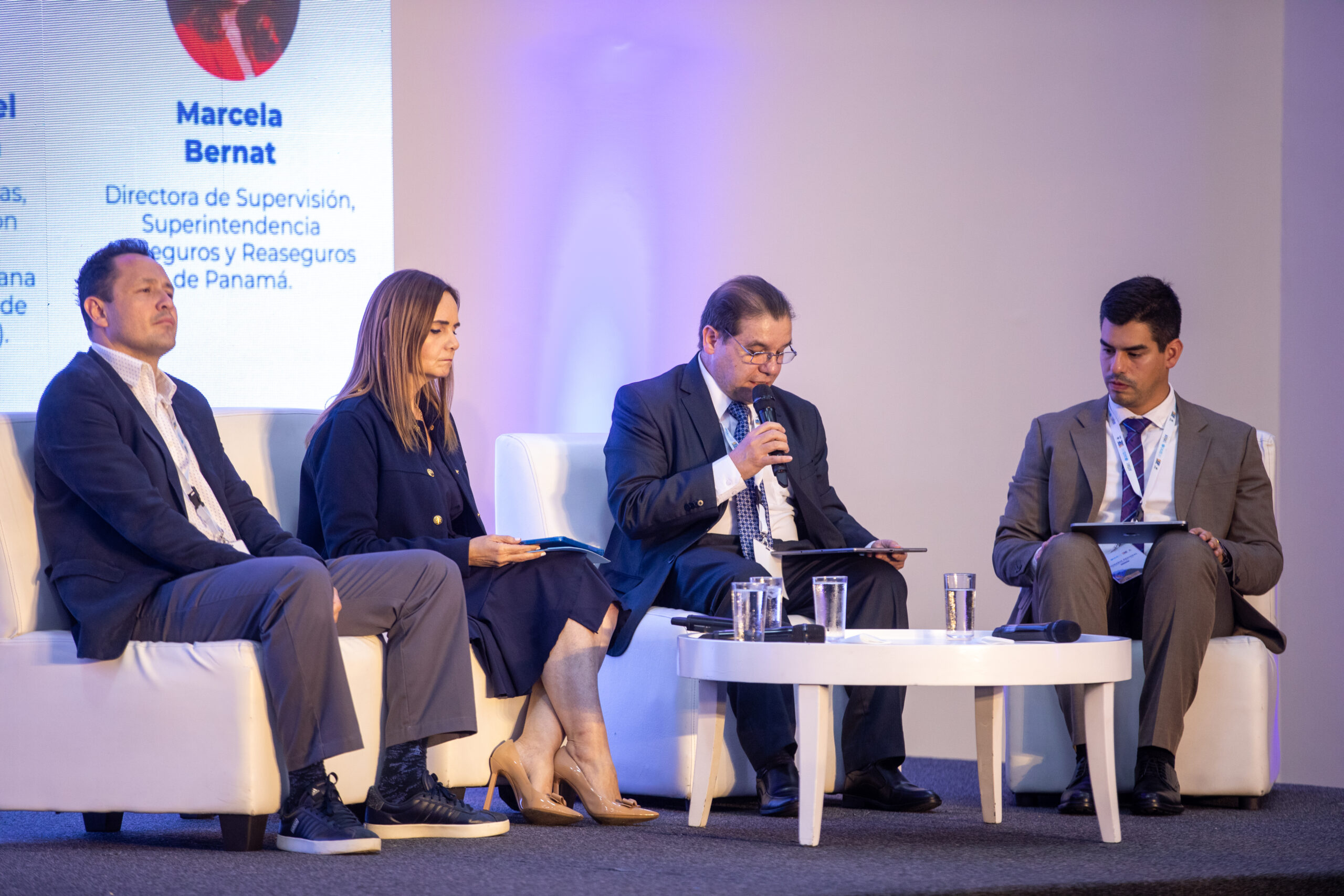
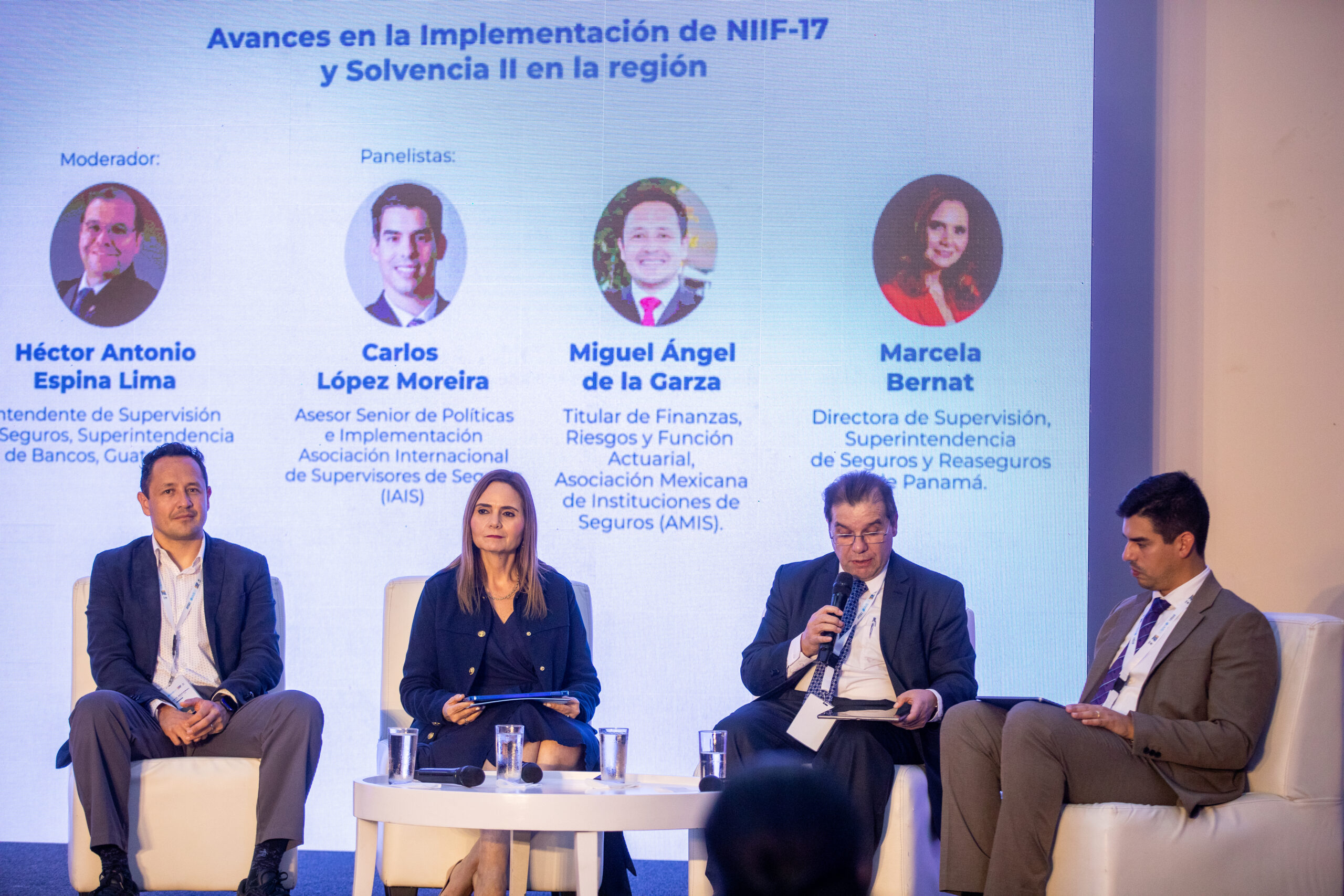
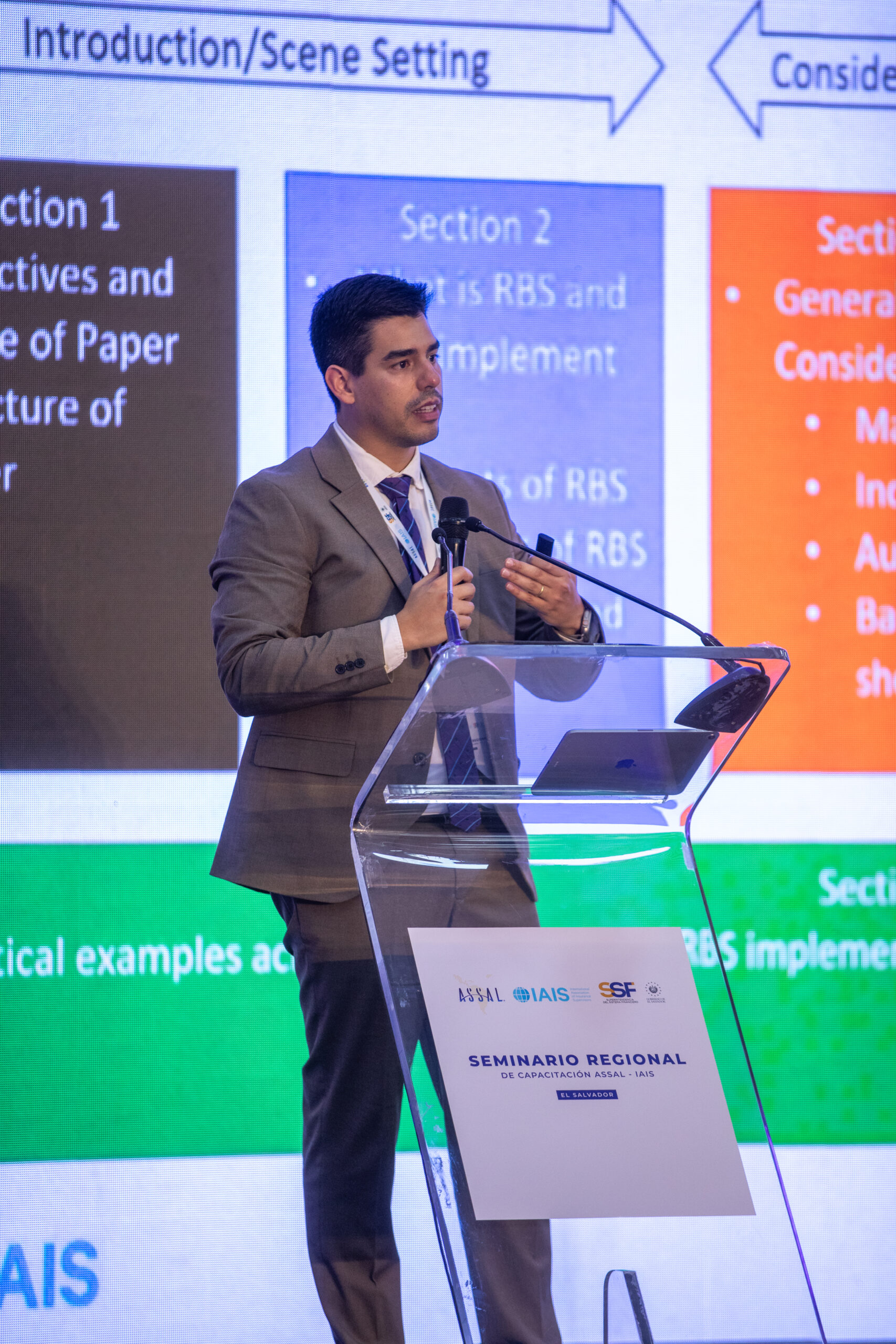
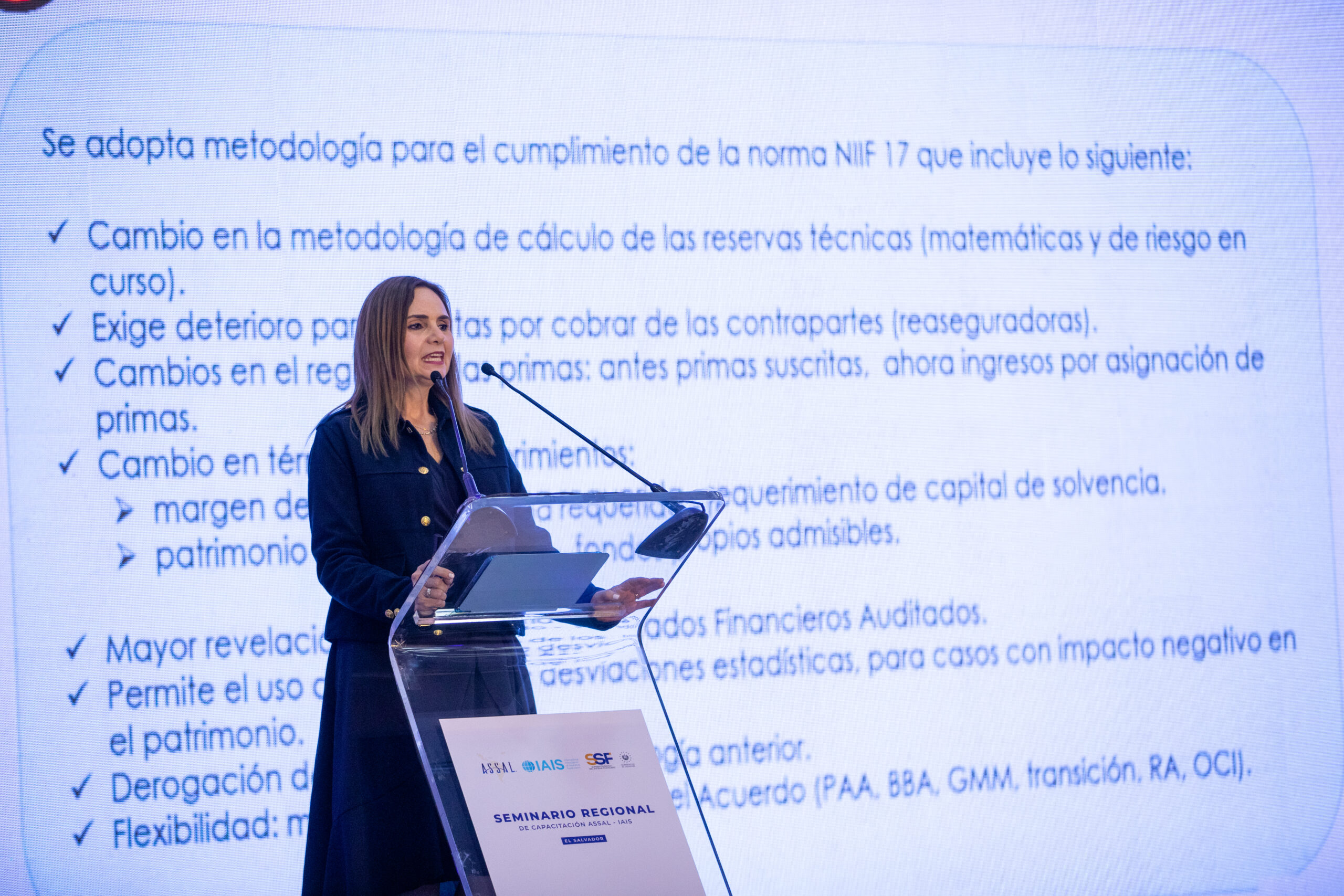
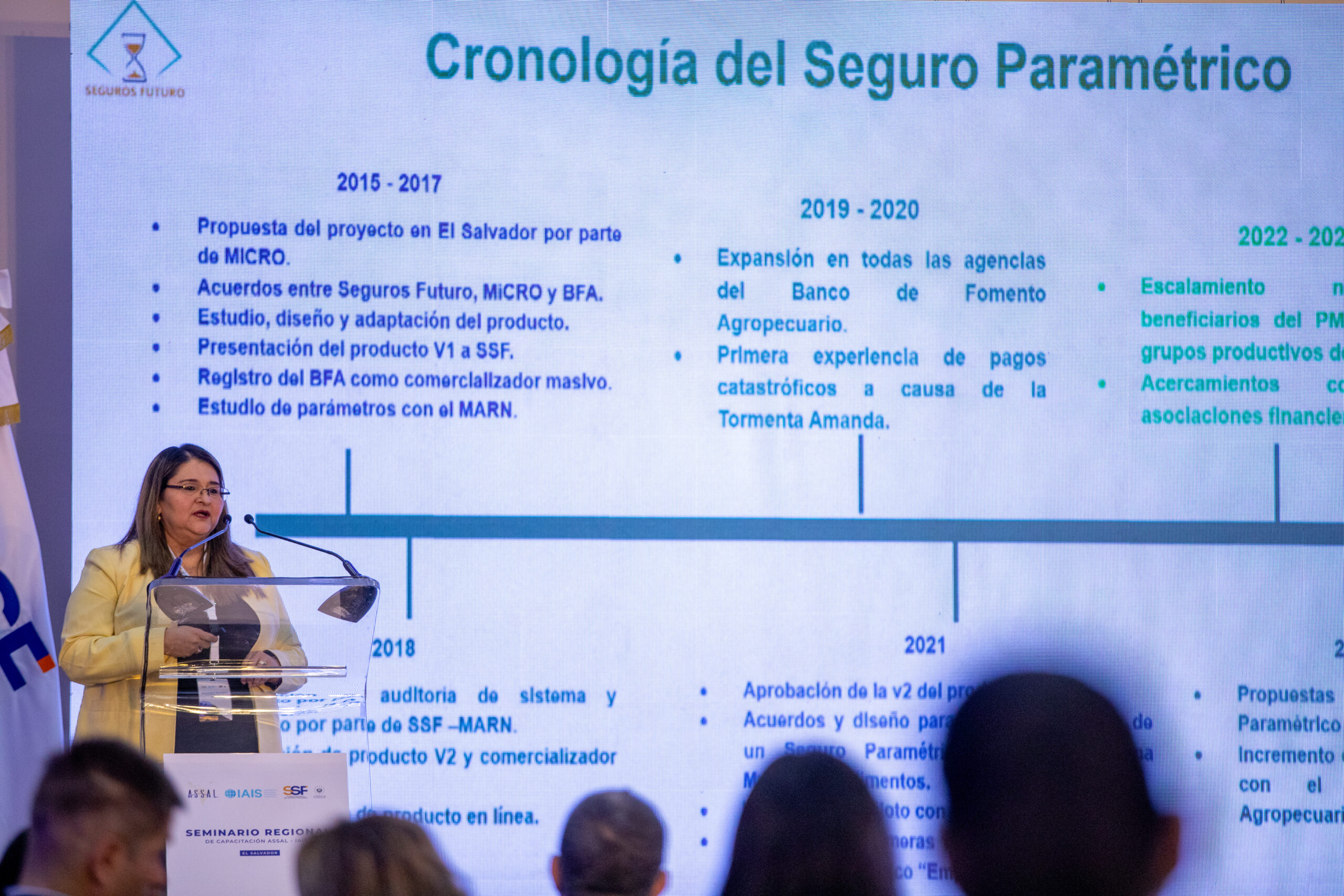
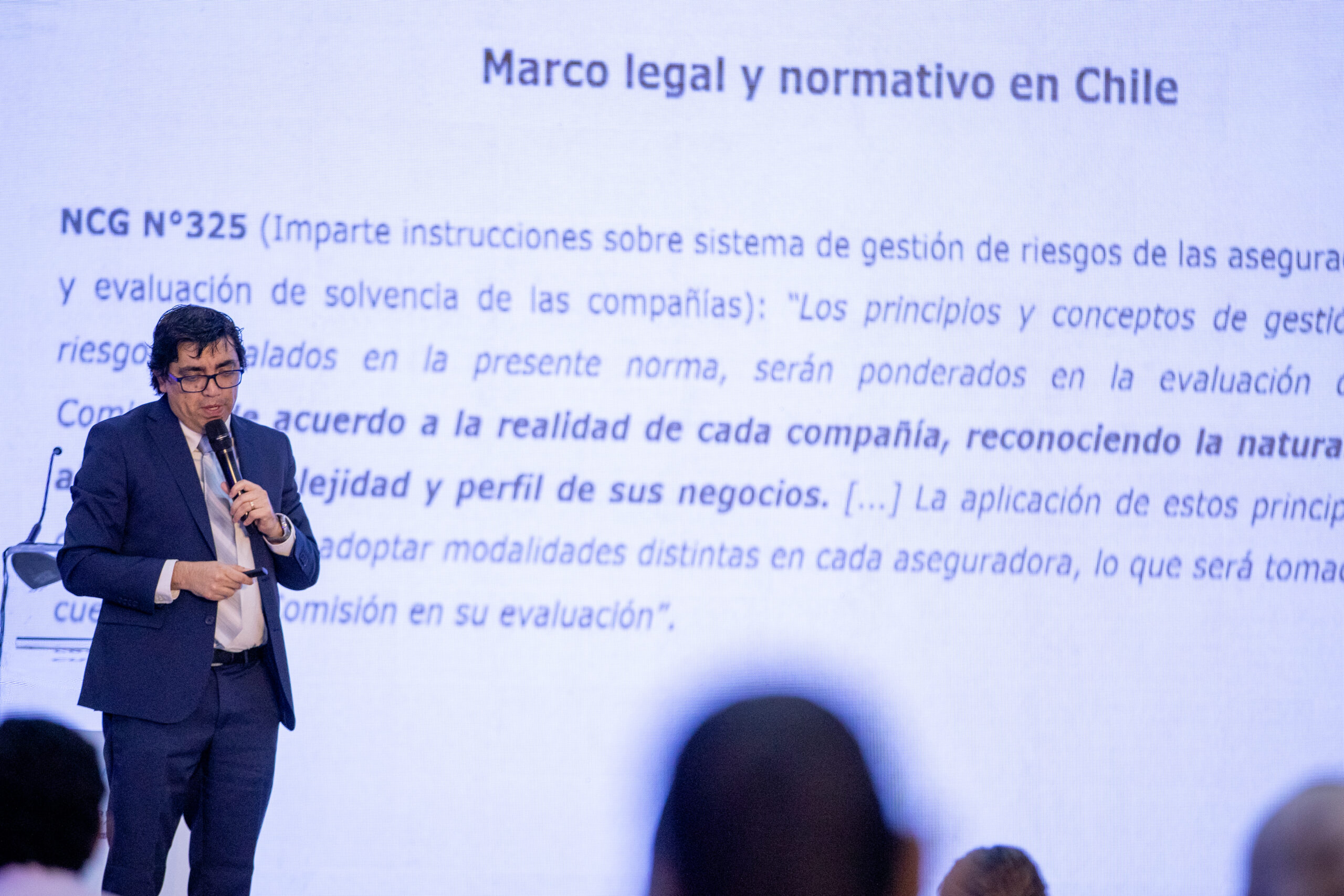
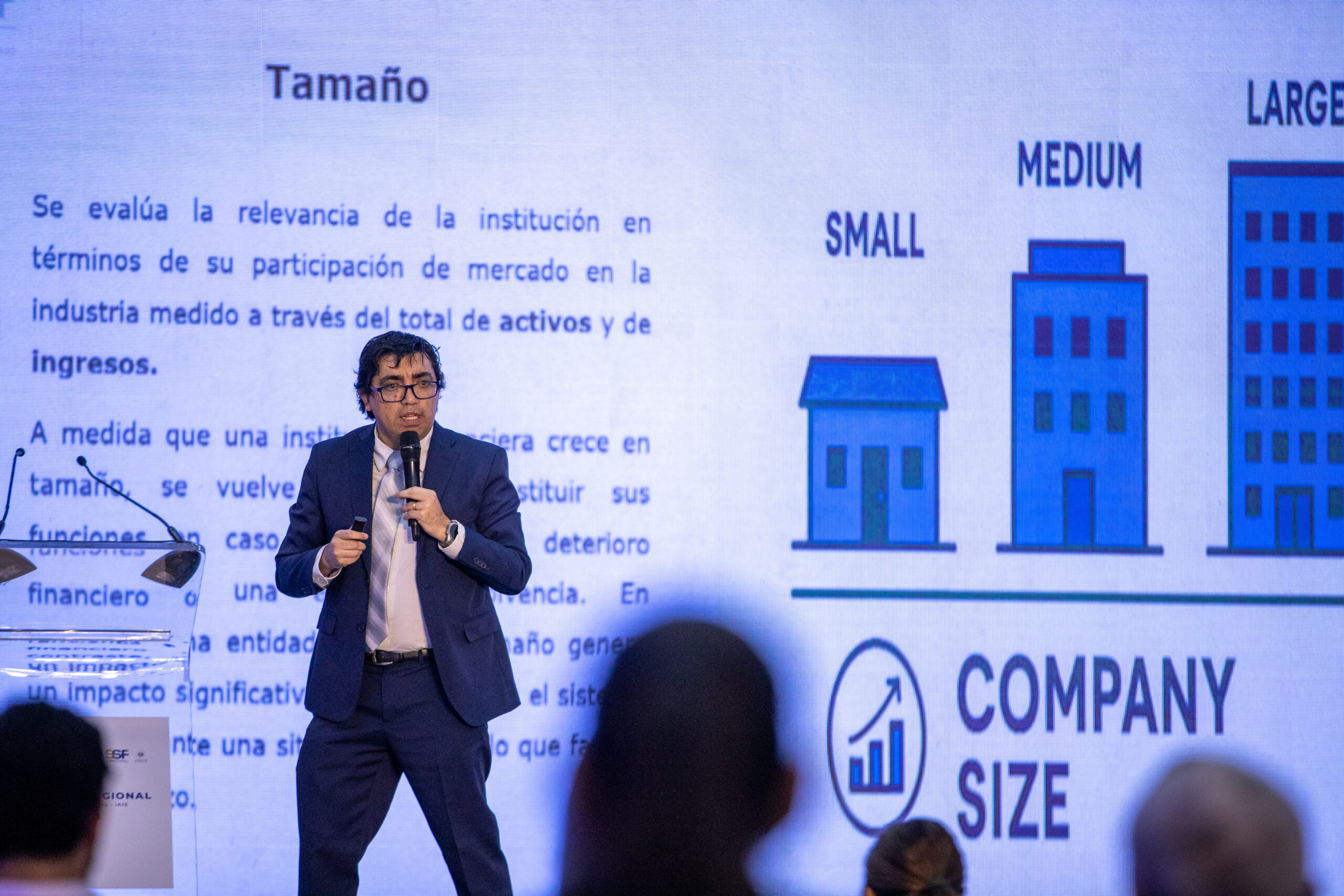
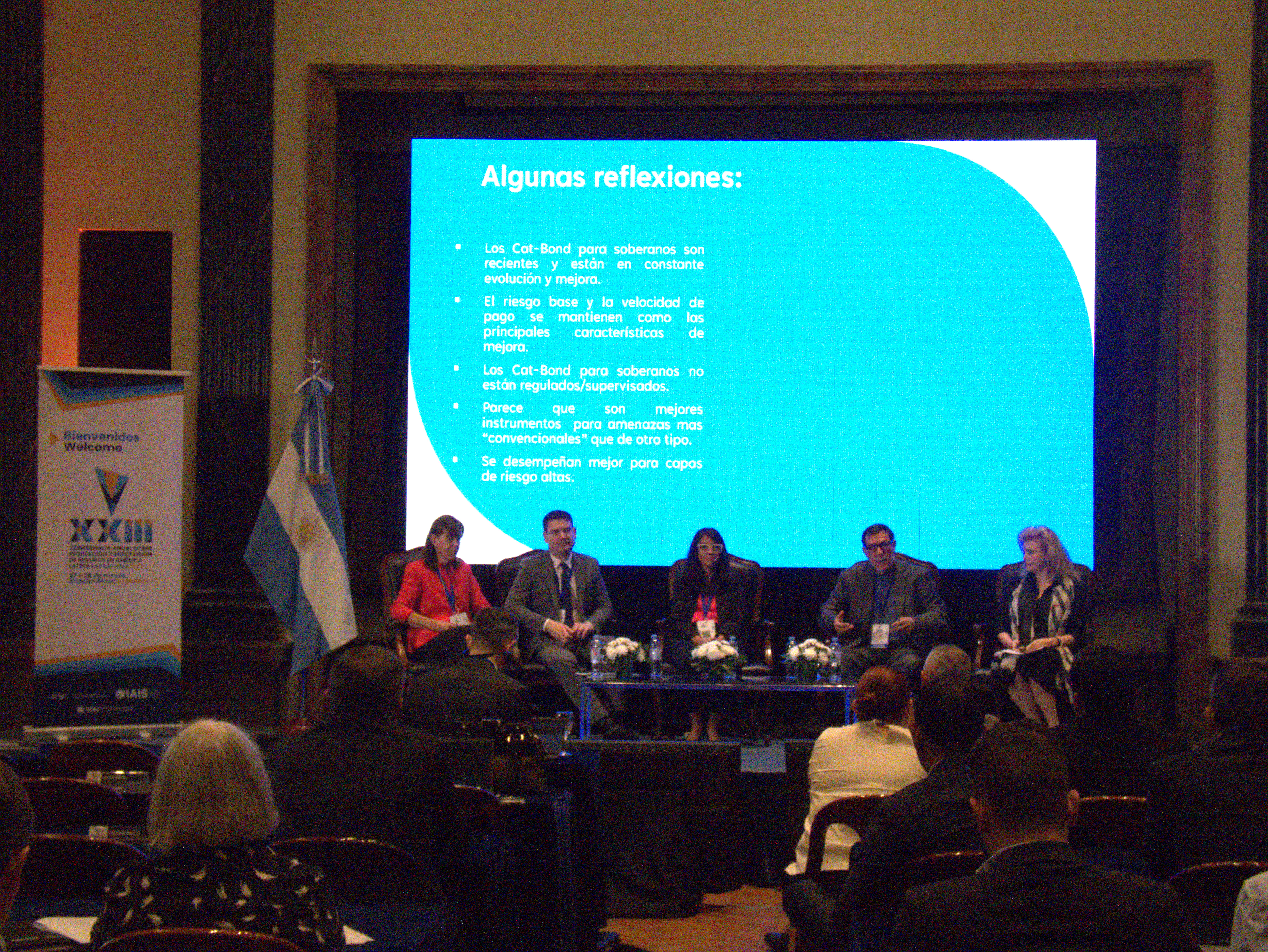
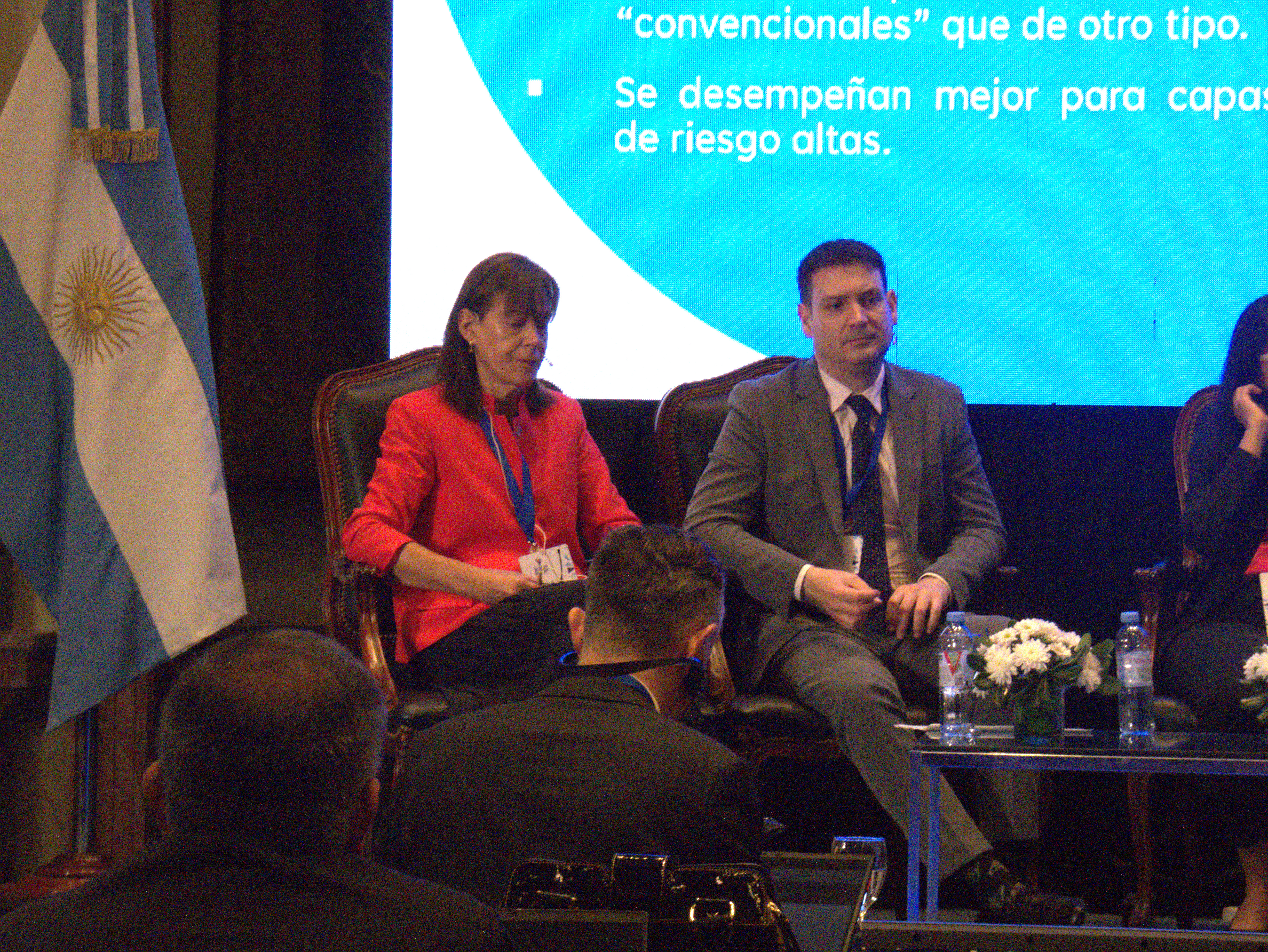
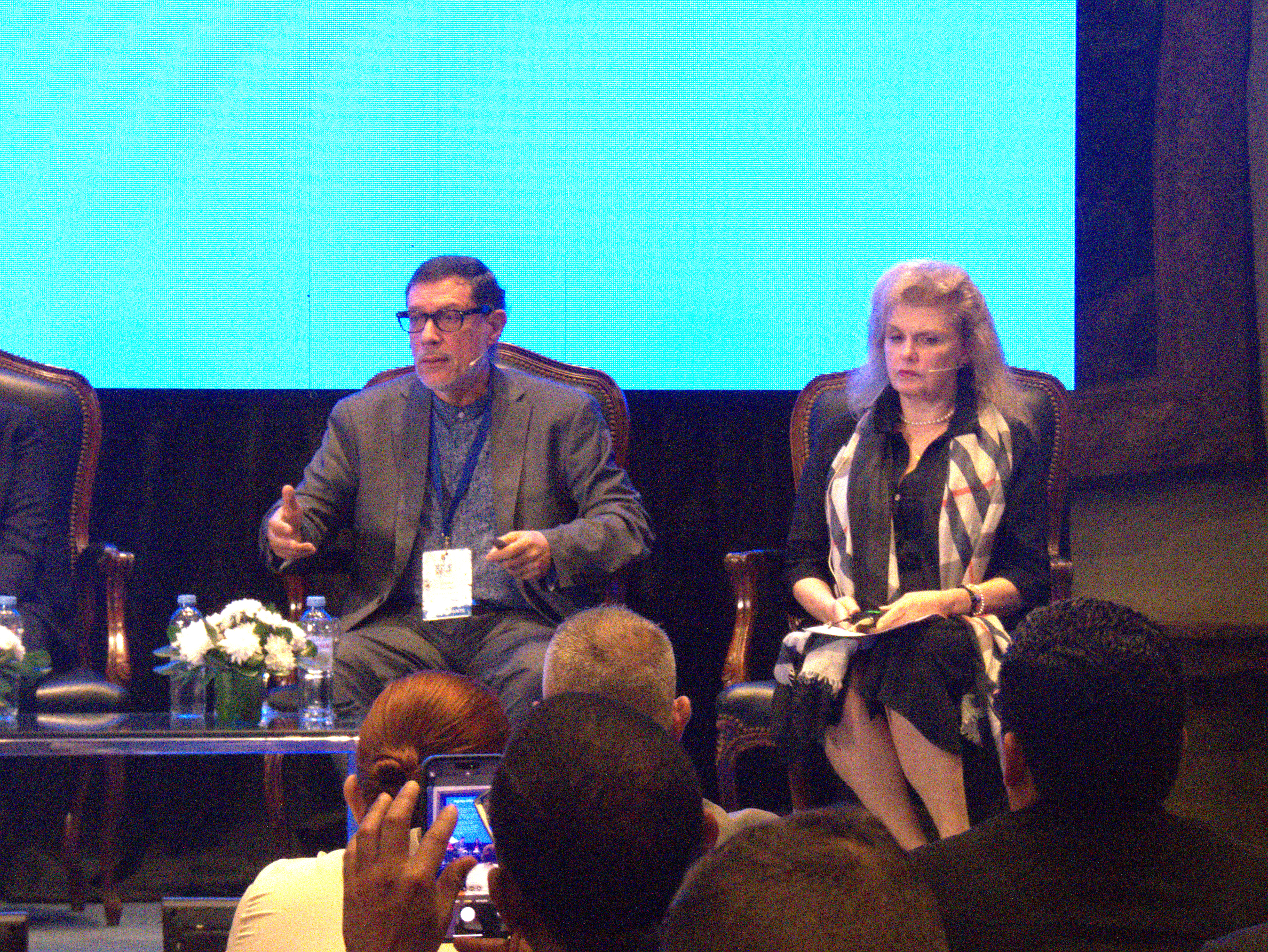
Throughout the sessions, topics of great relevance to modern supervision were addressed, including corporate governance and integrated risk management; data quality, the actuarial function, and supervisory decision-making; Risk-Based Supervision and supervisory prioritization; technological risks, operational resilience, DORA, and artificial intelligence; solvency, ORSA, IFRS 17, and supervisory proportionality; and climate risks, sustainability, and catastrophic risks. among others.
Additionally, emerging challenges related to cybersecurity, operational resilience, technology outsourcing, artificial intelligence, and new requirements concerning solvency, financial reporting, and regulatory proportionality were analyzed.
The technical sessions explored incorporating these factors into supervisory frameworks, developing risk matrices, sustainability reporting, products linked to natural disasters, and the actuarial methodologies used to assess such risks.
Concurrently, the Central Bank of Paraguay hosted the IAIS Financial Inclusion Forum meeting on September 15–16 to analyze initiatives related to financial inclusion, social resilience, digital innovation, and insurance market development.
The ASSAL-IAIS 2026 Regional Training Seminar reaffirmed the commitment of ASSAL, the IAIS, and the region’s supervisory authorities to institutional strengthening, continuous training, and international cooperation. It also contributed to updating knowledge and building capacity to more effectively address current and future challenges facing the insurance industry, thereby promoting modern, efficient supervision aligned with international standards.
You can view this press release and follow us on our LinkedIn profile here.